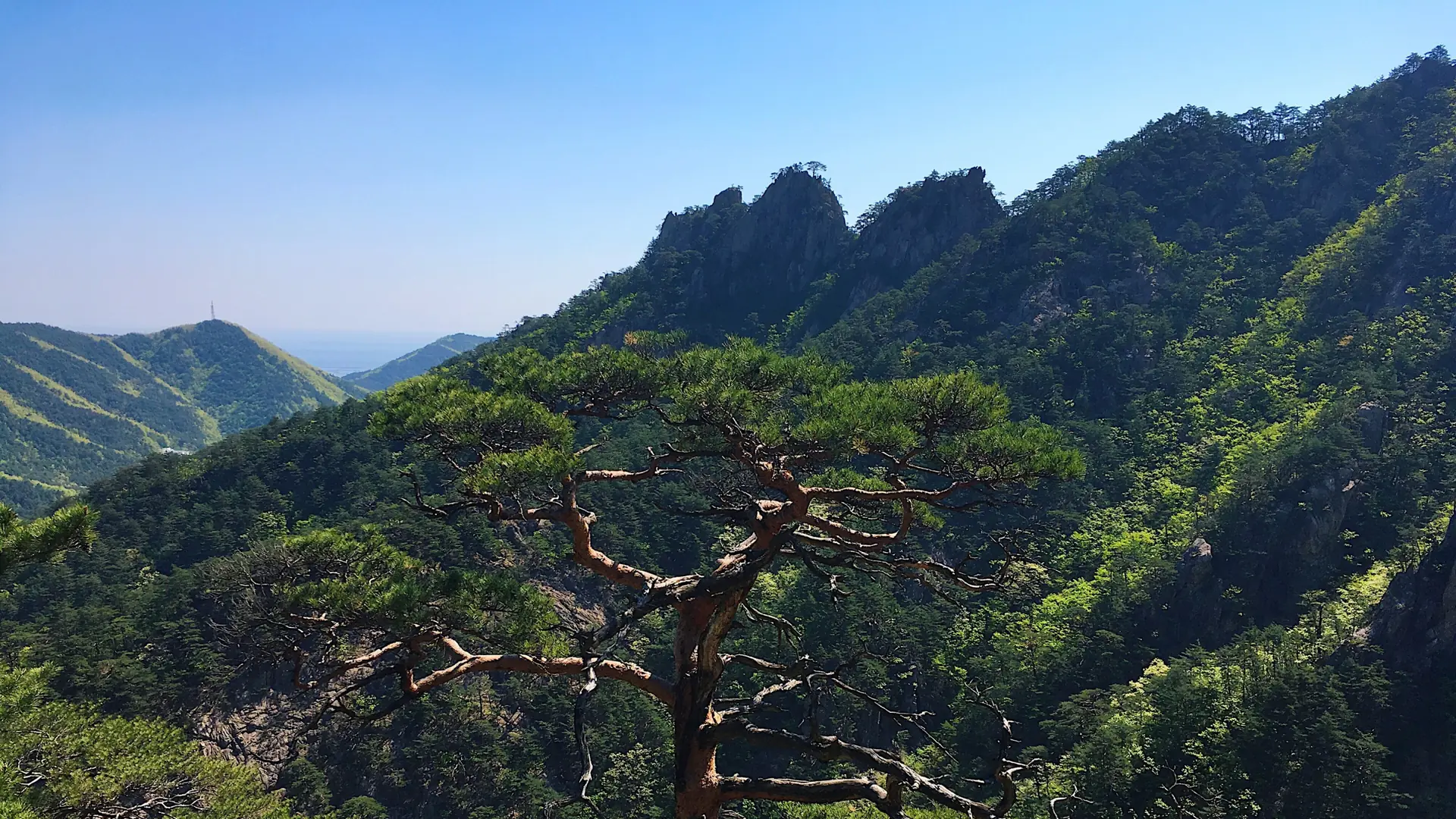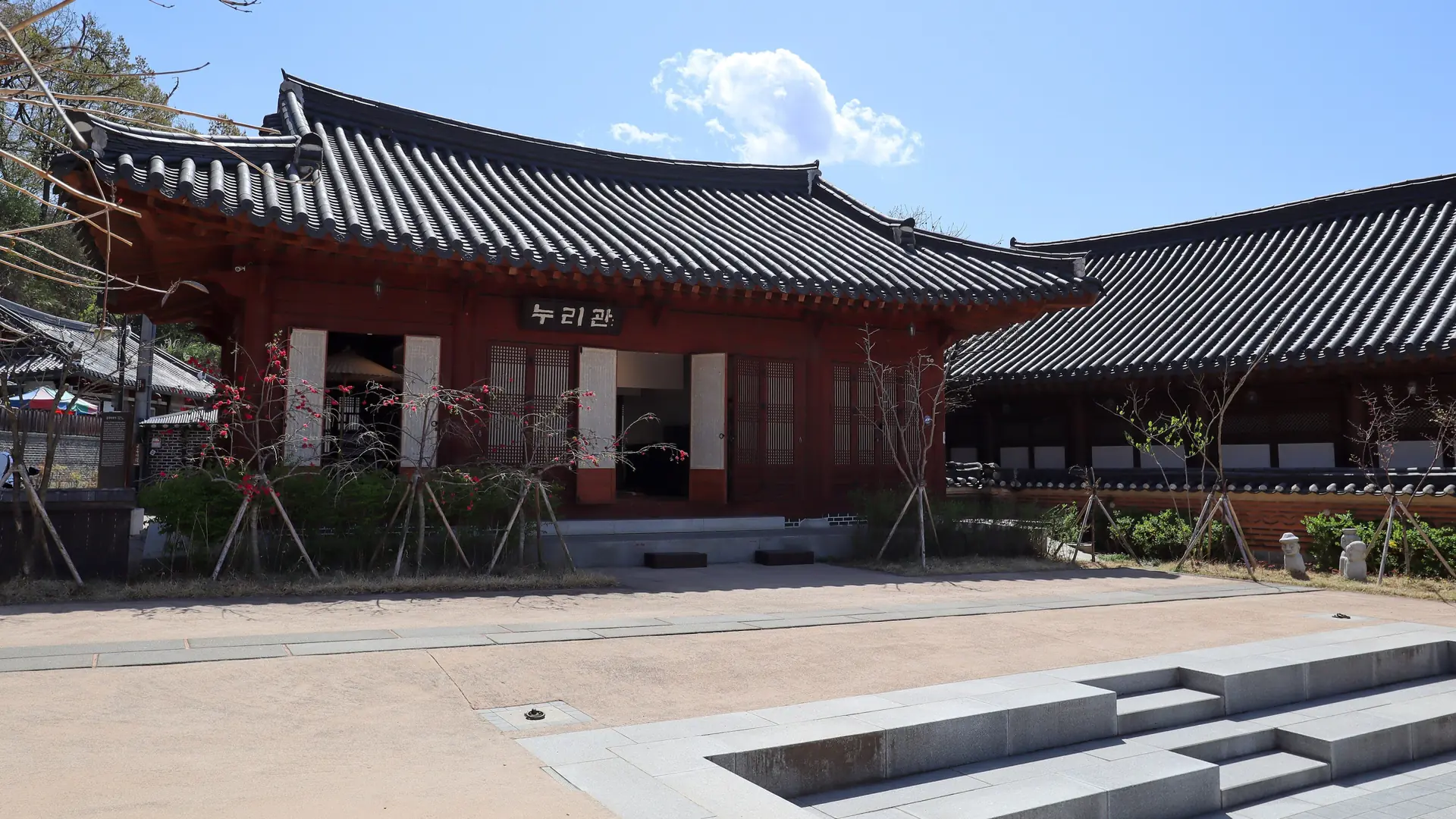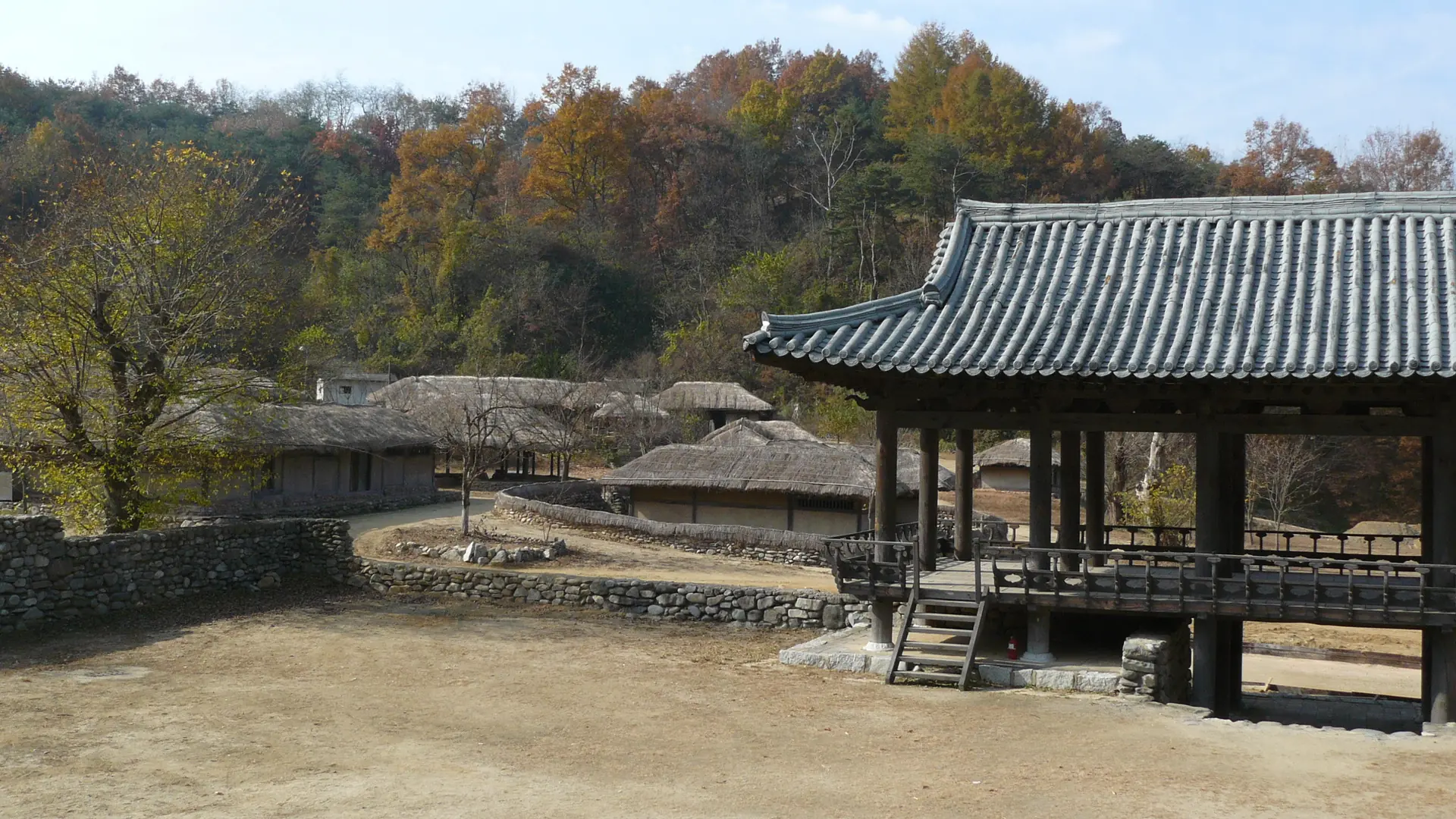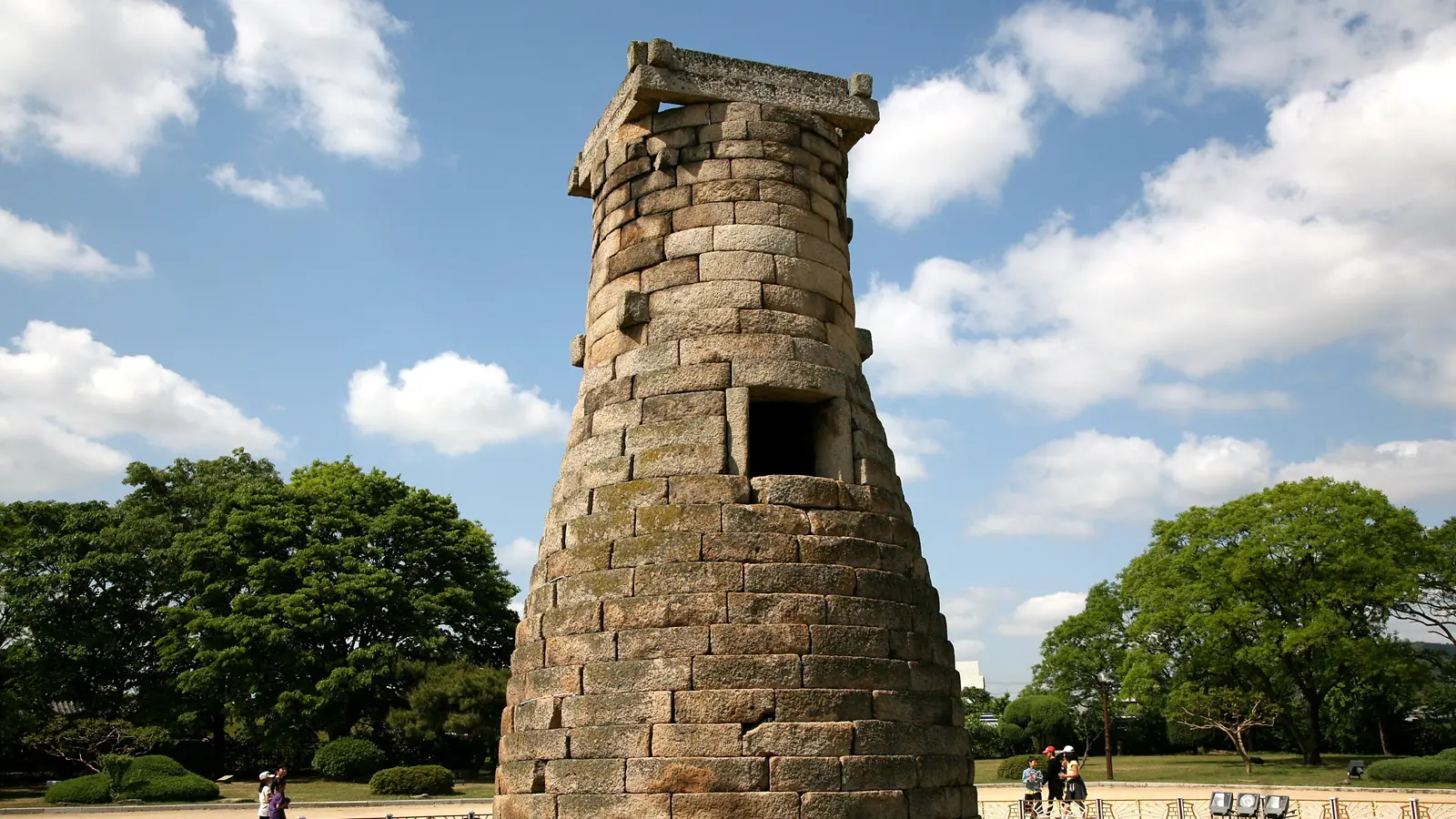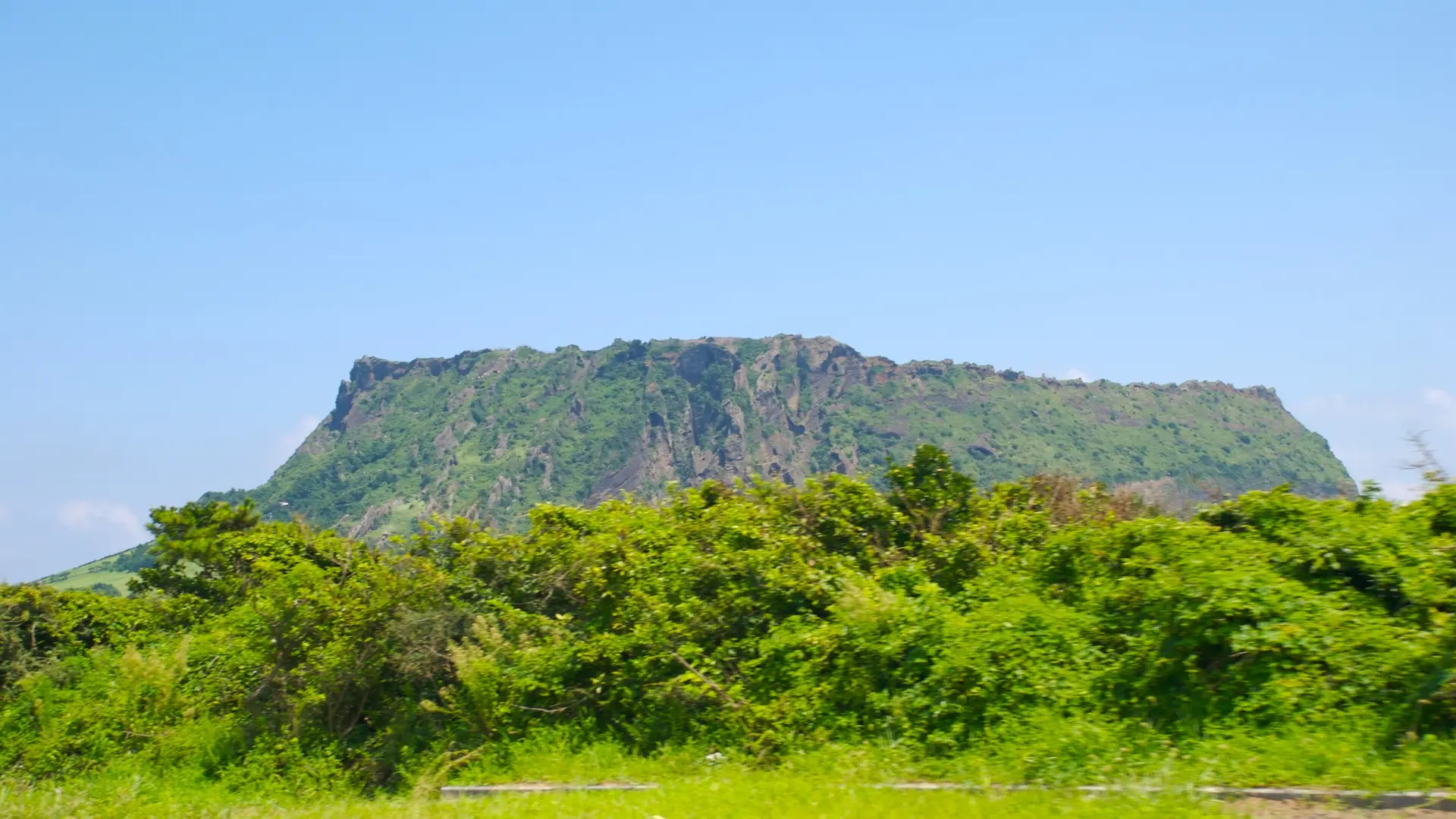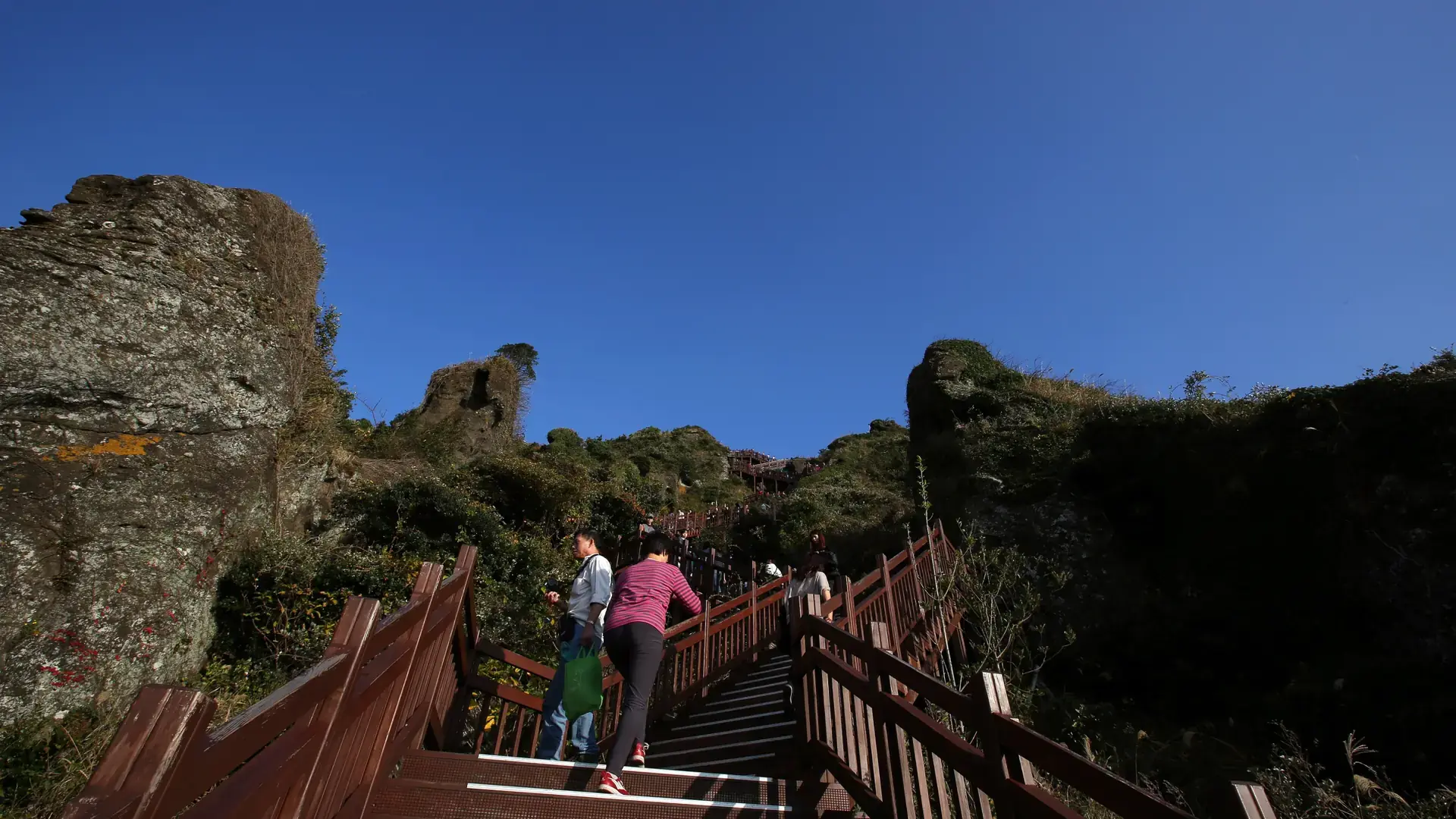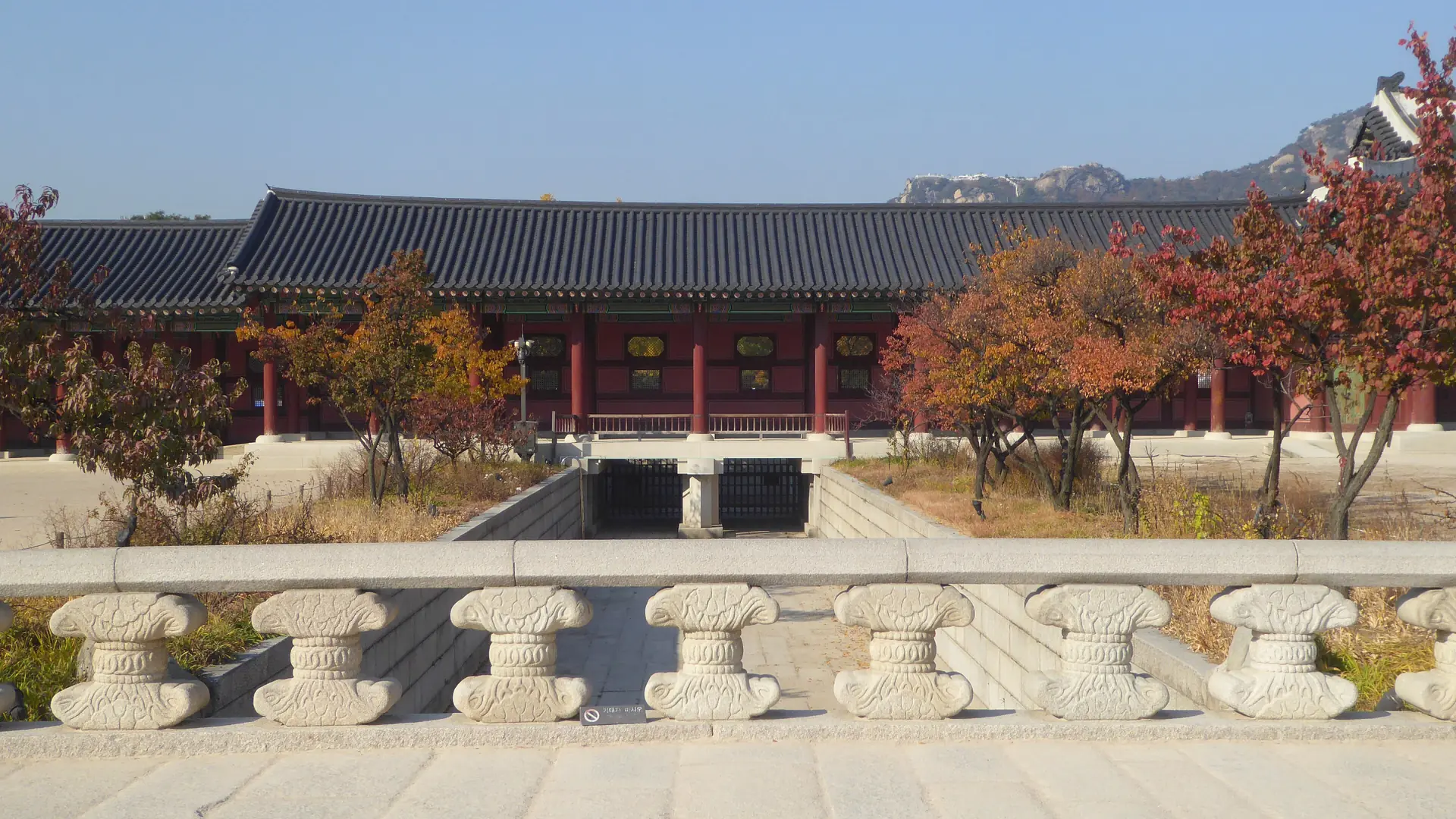
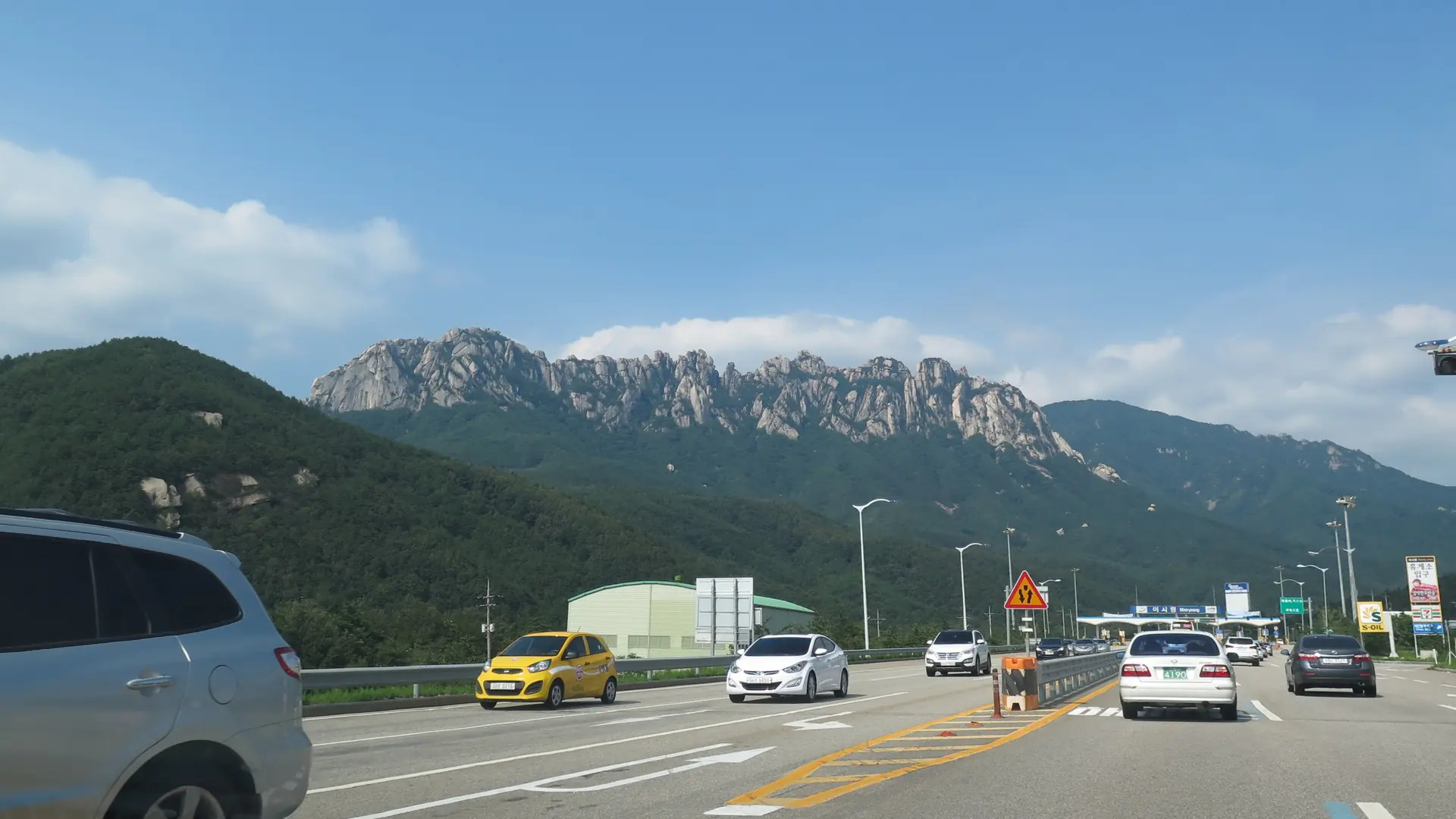
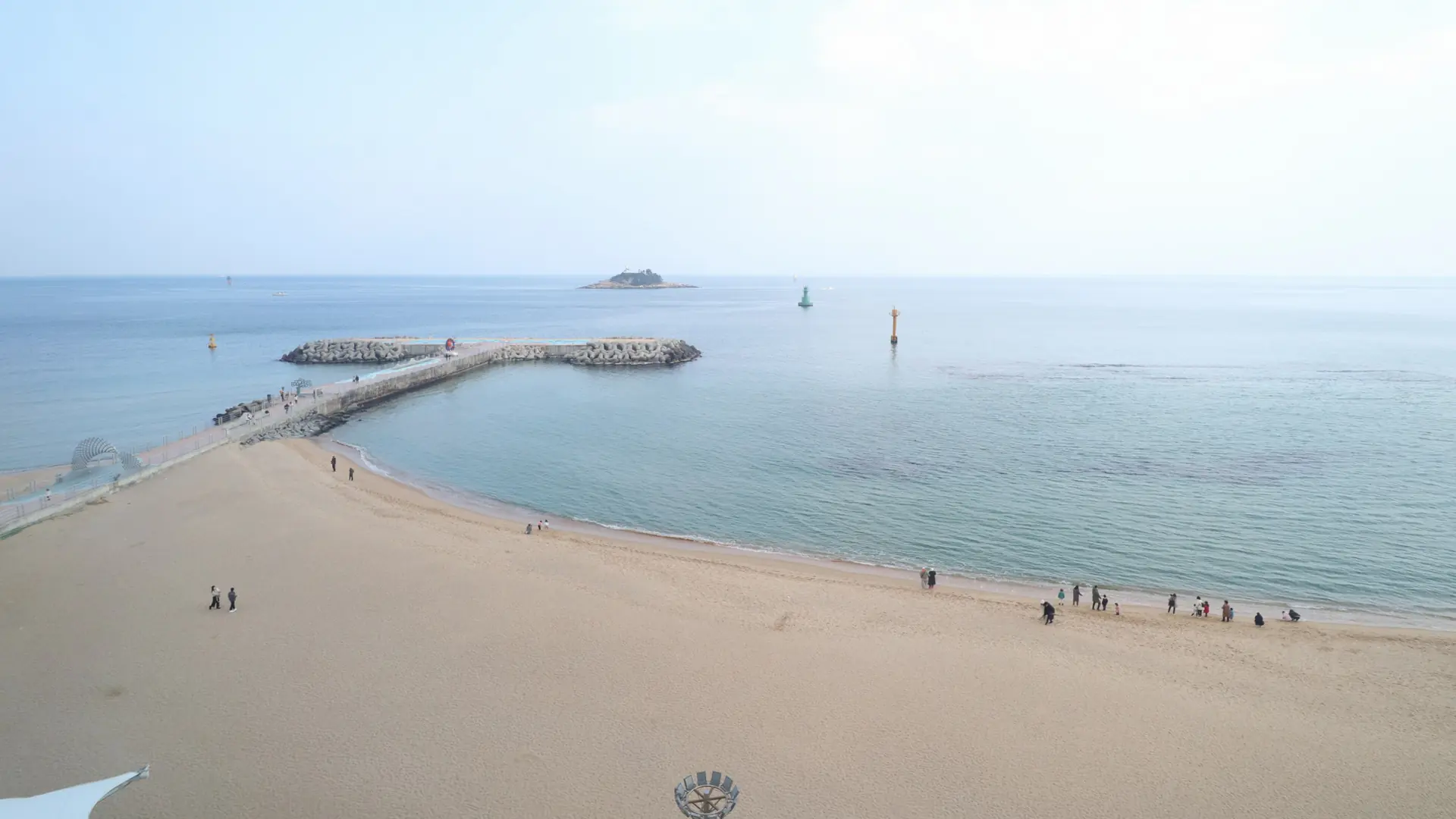
Seoraksan's jagged granite Ulsanbawi Rock ridge rising above forested foothills under a clear blue sky near Sokcho

Sokcho: Where Seoraksan Meets the Sea

Loading Sokcho hotel search

Sokcho at a glance

Sokcho pairs an East Sea beach stay with access to Seoraksan's rocky peaks, but the coast and mountain entrance need separate journeys. For a first visit, the Sokcho Beach area offers sand, restaurants and the nearby express bus terminal. Yeongnang-dong is a different district farther north, rather than another name for this beach. Seorak-dong suits a stay focused on the national park, with accommodation spread along the approach road. Across the downtown channel, Cheongho-dong holds Abai Village, shaped by refugees from Hamgyeong Province during the Korean War. Daepohang, on the southern coast, puts fishing-port meals and harbour views first. Allow two nights for one mountain day and an evening by the sea; add time if hiking, the village and a leisurely seafood meal all matter. Pick your base around the day you most want to protect.

Best first-timer base Sokcho Beach area

A useful coastal base near the express bus terminal. The intercity terminal is a separate arrival point farther north.

Getting there Coach service from Seoul

Check the exact Seoul departure terminal and Sokcho arrival terminal on your ticket; the two Sokcho terminals serve different parts of the city.

Getting around City buses, taxis, and the Abai Village ferry

City buses and taxis connect the coast with Seorak-dong. The gaetbae makes a short channel crossing into Abai Village.

When to visit Autumn mountains or summer coast

October brings foliage interest and busy park visits. July and August suit a beach stay, with swimming subject to the current supervised season and conditions.

StartBooker answer

Where is the best place to book a hotel in Sokcho?

Choose the Sokcho Beach area for a coastal first stay with the express bus terminal nearby. Seorak-dong is better when an early national-park start takes priority, but check each hotel's distance along the approach road. Cheongho-dong suits time around Abai Village's refugee history and food, while Daepo-dong puts Daepohang's seafood and harbour setting first. The intercity bus terminal lies farther north, separate from the express terminal. Two nights give you room for a mountain day and a beach evening without treating every district as a walk from one hotel.

Coastal first base
Sokcho Beach, near the express bus terminal
Mountain base
Seorak-dong, with hotels along the park approach
Abai Village
Cheongho-dong settlement shaped by Korean War refugees

Things to do in Sokcho, South Korea

Explore tours, attractions and local experiences in Sokcho, South Korea.

Loading activities…

Activities provided by GetYourGuide. We may earn a commission on bookings.

AI-powered

Ask the Sokcho planner

Answer a few questions about hiking plans, the Abai Village ferry, seafood or beach time, and get a matching base.

Sokcho's four first-visit bases compared

Sokcho Beach works as a practical hub, but Seorak-dong, Abai Village and Daepohang each pull in a different direction, and Seorak-dong in particular sits far enough out that it's closer to a separate stay than a side trip.

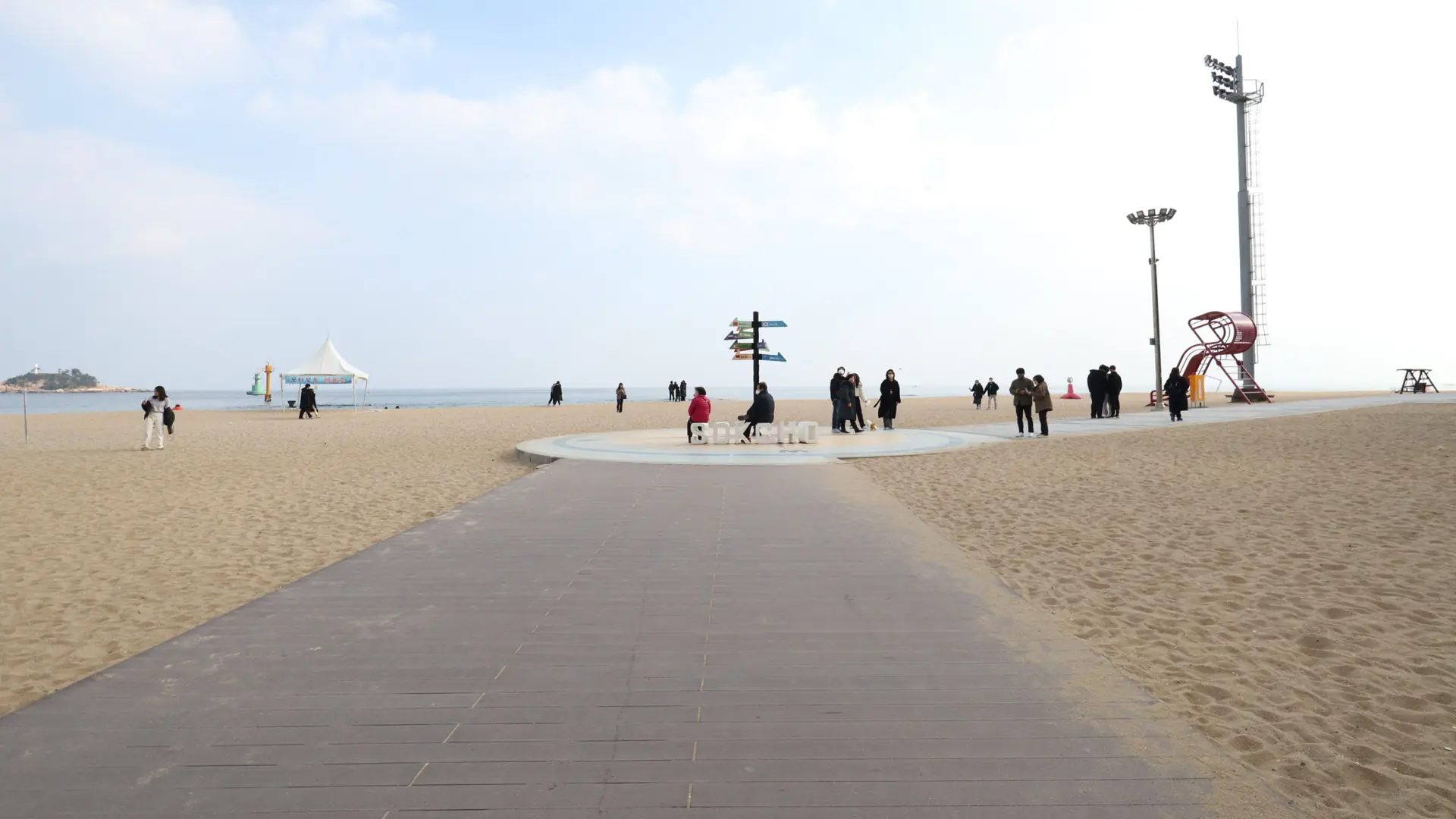
A paved path between sandy sections of Sokcho Beach, with people walking towards the sea

Sokcho Beach area

beach walks, restaurants, express-bus arrivals

The sandy beach and pine-backed park sit near the express bus terminal. This is a coastal base rather than Yeongnang-dong, which lies farther north.

first-trip beach near-transport
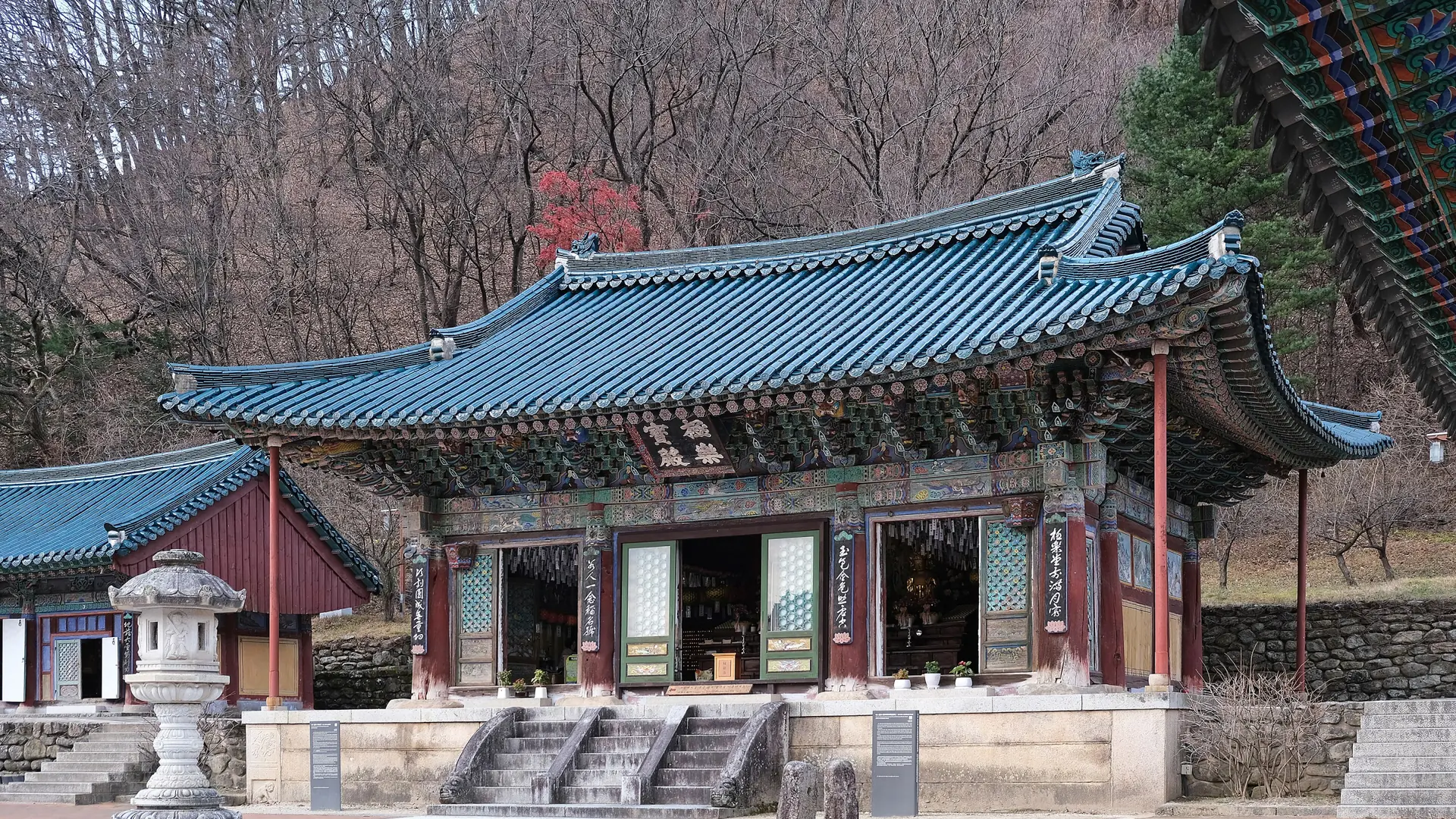
A painted temple hall with a blue tiled roof at Sinheungsa, with steps and bare trees on the hillside behind

Seorak-dong

Seoraksan hiking, the cable car, an early mountain start

Accommodation follows Seoraksan-ro towards the Seorak-dong entrance. From the entrance area, the cable car serves Gwongeumseong and paths lead towards Sinheungsa Temple and mountain trails. Hotels farther down the road still require a local journey.

nature hiking first-trip
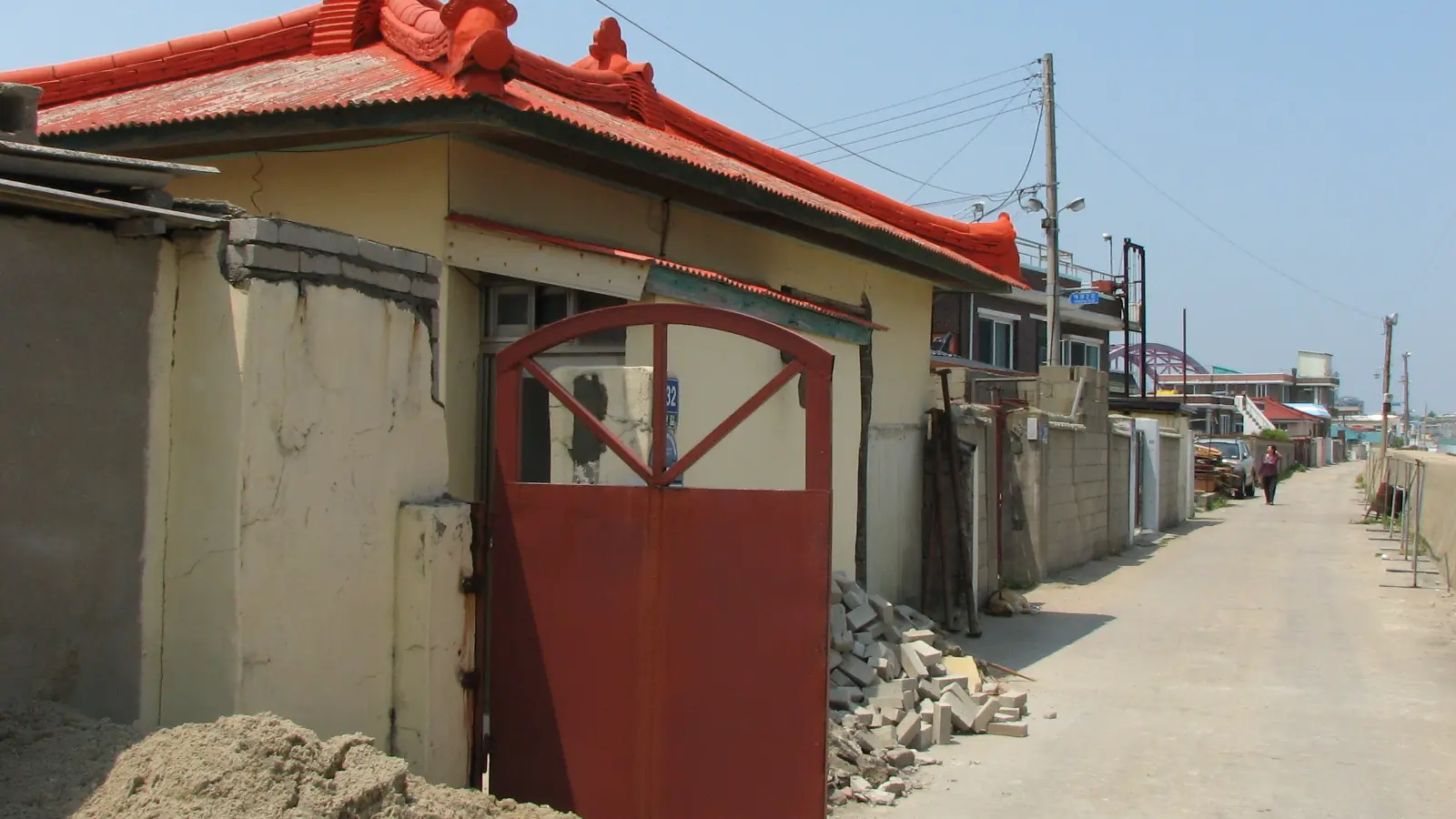
A narrow Abai Village lane past a house with a red-tiled roof and gate, under clear blue sky

Cheongho-dong (Abai Village)

wartime history, the hand-pulled ferry, ojingeo sundae

Abai Village grew from a community of Korean War refugees, mainly from Hamgyeong Province. Its lanes, murals and restaurants preserve that connection. The hand-pulled gaetbae crosses the channel from downtown, while road bridges provide another way in.

history local-vibe food
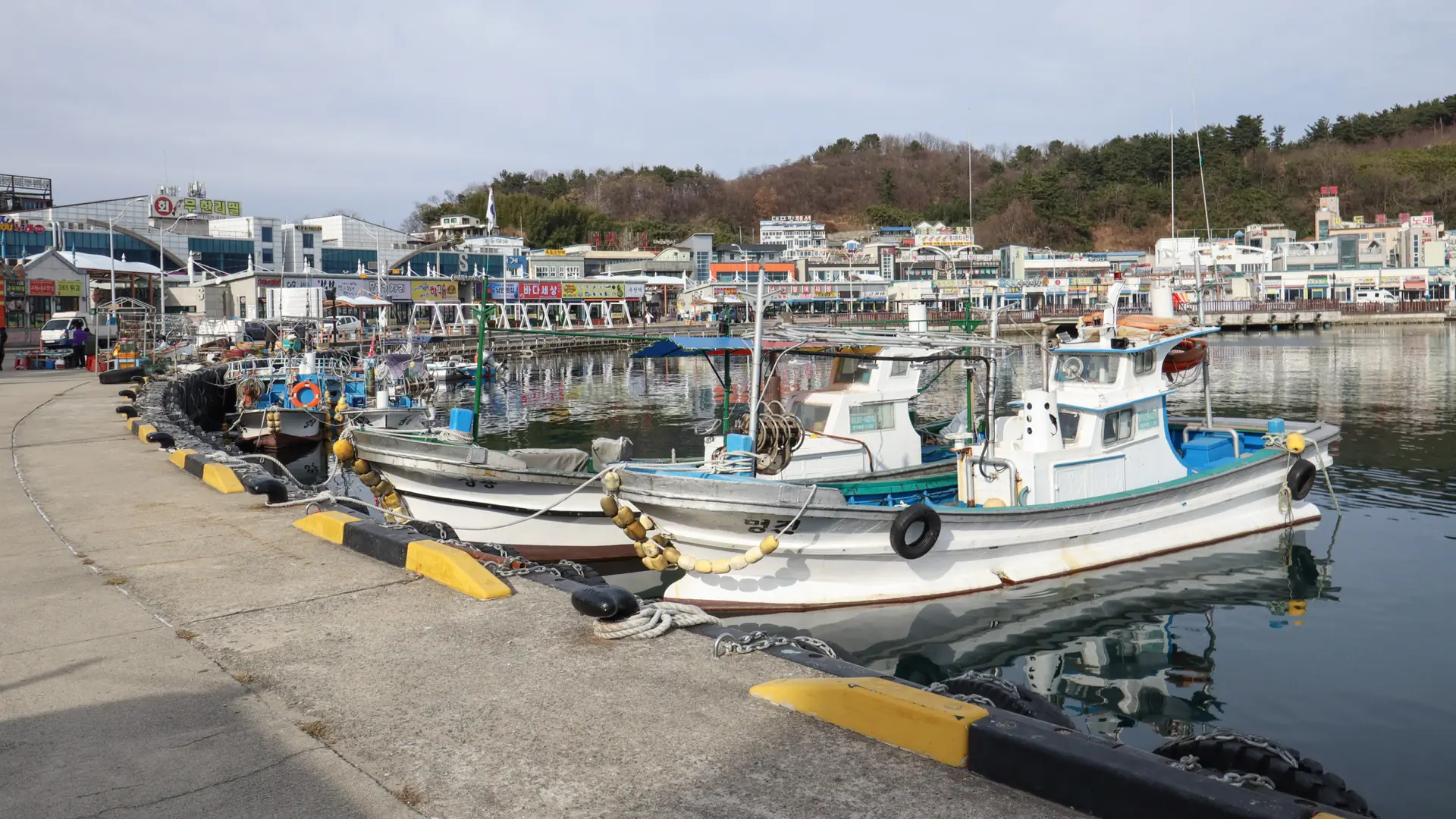
White and blue fishing boats moored beside the quay at Daepohang, with waterfront restaurants across the harbour

Daepo-dong (Daepohang Port)

seafood meals, harbour views, southern coast

Daepohang is a fishing-port setting on Sokcho's southern coast, with seafood restaurants and fried-food stalls. It suits a stay built around the harbour and meals. The Seoraksan cable car is inland at the park, rather than at this port.

food nature local-vibe
Compare Sokcho's four bases
Area Best for Features Mobility
Sokcho Beach area

Beach walks and express-bus arrivals

Sand, pine-backed park and restaurants near the express terminal.

A ride from Seoraksan's own gate

Express terminal nearby; bus or taxi to Seorak-dong
Seorak-dong

Hiking, the cable car, an early start

Choose a hotel near the entrance for a shorter morning approach.

Separate from the rest of the city

Walk or local ride to the gate; bus to the coast
Cheongho-dong (Abai Village)

Wartime history, the ferry, ojingeo sundae

Refugee history, village lanes and regional food.

Very few hotels

Gaetbae crossing from downtown or road bridge
Daepo-dong (Daepohang Port)

Fresh seafood, harbor views

Seafood restaurants around a southern fishing port.

Fewer hotels than the beach district

Local bus or taxi to the beach and downtown

Choose Sokcho by what your trip needs most

Sokcho Beach and Daepohang are a short bus ride apart, but Seorak-dong is genuinely its own base, so weigh whichever priority below matters most before booking.

Beach access and easy onward buses

Sokcho Beach combines the shore with nearby restaurants and the express bus terminal. Trips to the park and northern downtown need separate planning.

Seoraksan hiking first

Seorak-dong shortens the approach to the park. Check the exact lodging address: accommodation extends down the road rather than all sitting beside the gate.

Abai Village and its wartime history

Staying closer to Cheongho-dong, or planning a full day around it, suits travellers drawn specifically to the ferry crossing and the settlement's refugee history.

Fresh seafood at the port

Basing near Daepohang puts harbour-side seafood restaurants close to your room. Plan a separate inland journey for the Seoraksan cable car.

Sokcho hotels by area

Live availability across Sokcho Beach, Seorak-dong, Abai Village and Daepohang.

See Sokcho stays →
Loading Sokcho hotels

Getting to and around Sokcho

Plan the Seoul coach and the final hotel transfer as two parts of the journey. Sokcho has separate express and intercity bus terminals, while the Seorak-dong park entrance is inland from the coast.

Arriving by bus

Choose the correct Seoul terminal

Seoul Express Bus Terminal and Dong Seoul Terminal have Sokcho services. Match the departure point to your ticket, then check whether the arrival is the express terminal near Sokcho Beach or the intercity terminal farther north. Reserve holiday travel ahead and allow for road traffic.

Continue from your arrival terminal

Save the hotel's Korean address before boarding. A beach-area room may be convenient from the express terminal; an intercity arrival can leave a separate city journey. For Seorak-dong, check the onward bus or arrange a taxi rather than assuming the mountain hotel is beside either terminal.

Getting around the city

City buses to the park

Routes 7 and 7-1 serve the Seoraksan approach. Use a current local map for the right stop and departure, and check the return service before a long walk. Keep the park entrance and your hotel pin separate when accommodation sits farther down Seoraksan-ro.

The gaetbae ferry

The hand-pulled gaetbae connects downtown with Cheongho-dong across a narrow channel. Treat it as a short village crossing, rather than transport along the coast. Read the landing notice for current operation and fare; Abai Village also has road-bridge access.

Taxis for the final leg

A taxi can simplify luggage transfers or an early park approach when a bus is inconvenient. Show the saved Korean hotel or entrance address, especially when several properties use Seorak in their name. Arrange the return plan before relying on a remote pickup after your walk.

Passes worth knowing about

Cable car tickets

Seorak Cable Car sells round-trip tickets on site and does not accept advance reservations. The adult return is KRW 16,000 (≈ US$12), checked on 17 October 2026. Service depends on weather; check the day's operation and retain the ticket for the journey back.

Accessibility notes

Check the actual route

A beach visit, temple grounds and a mountain hike have very different access needs. The cable-car operator confirms an elevator to the boarding floor and wheelchair boarding, but strollers must be stored outside. Ask about the approach, toilets and upper-station route for your requirements before booking.

Planning a Sokcho stay

Build the stay around one mountain day and one stretch of coast, leaving room for the weather. Abai Village adds a different part of Sokcho's identity: refugees mainly from Hamgyeong Province formed the community during the Korean War, and regional dishes remain part of its restaurant culture. The park, village and harbour each deserve time beyond a photograph.

When to go

October mountain colour
  • Autumn is a popular reason to visit Seoraksan, and October weekends can bring road congestion and queues. Choose a mountain base if the morning approach matters, or leave extra time from the coast. Foliage varies with elevation and weather; use the current forecast rather than treating a particular October date as a guaranteed peak.

  • Summer coast and wet days

    July and August bring beach visitors, while summer rainfall can change both swimming and hiking plans. Check the current supervised bathing season and sea conditions locally. Keep a flexible day for the market or a long meal when weather interrupts the shore, and compare cancellation terms before committing to a short beach stay.

  • Spring and winter choices

    A walk by the sea and a visit to Abai Village can fit outside the summer season. Mountain conditions are a separate decision: cold, ice or route restrictions can change a hike even when the coast feels manageable. Check park information and the cable-car operating notice before setting out, and choose a walk that matches your equipment and experience.

A two-night stay budget

Rooms, meals and local journeys
  • For two adults sharing a room for two nights over three days, set aside KRW 480,000 (≈ US$360): rooms KRW 240,000 (≈ US$180), meals KRW 150,000 (≈ US$113), local travel KRW 50,000 (≈ US$38) and visits KRW 40,000 (≈ US$30). This is an estimated allowance rather than a quote. Add Seoul coaches, international travel, shopping and insurance separately.

  • Room choice and optional visits

    The room allowance is KRW 120,000 (≈ US$90) per shared room per night. A sea view, weekend or foliage-season booking can change the actual rate. Two adult cable-car returns cost KRW 16,000 (≈ US$12) each at the checked operator fare, using most of the visits allowance. Compare live room prices before committing to an optional outing.

  • Seafood orders and exchange rates

    For a harbour meal, agree on the seafood quantity, preparation charge and included side dishes before ordering. A large shared fish or shellfish order can change the day's food spend. USD estimates use the ECB reference cross-rate from 16 October 2026, about 1,332 won per US dollar. Card conversion and withdrawal charges can differ from this reference.

What neighborhood should I pick for a Sokcho hotel?

Choose the Sokcho Beach area for the shore and nearby express bus terminal. Seorak-dong suits a park-focused stay, Cheongho-dong puts Abai Village first, and Daepo-dong suits harbour meals. Yeongnang-dong is a separate northern district.

How do I get from Seoul to Sokcho?

Book a coach from Seoul Express Bus Terminal or Dong Seoul Terminal, checking the exact departure point and Sokcho arrival terminal. Road traffic affects the journey; allow time for the onward transfer to your hotel.

Are the Sokcho bus terminals in the same place?

No. The express terminal is near Sokcho Beach, while the intercity terminal is farther north. Read your ticket before choosing the hotel transfer, especially for a late arrival or a room in Seorak-dong.

What is Abai Village and how do I get there?

Abai Village in Cheongho-dong was formed by Korean War refugees, mainly from Hamgyeong Province. The gaetbae makes a hand-pulled channel crossing from downtown; road bridges also connect the village.

What is Sokcho known for?

Being the main gateway to Seoraksan National Park, Abai Village's wartime history and hand-pulled ferry, Sokcho Beach, and Daepohang Port's fresh seafood.

When is the best time to visit for autumn foliage?

October is a popular autumn period for Seoraksan, but the best colour depends on the year, elevation and weather. Check the current foliage information, allow for weekend traffic and keep a flexible mountain day.

What food should I try in Sokcho?

Look for Abai sundae, stuffed squid and Hamheung-style cold noodles around Abai Village, or seafood around Daepohang. Check the particular filling and broth for dietary needs; a squid dish is not automatically meat-free.

Can I visit Seoraksan without staying in Seorak-dong itself?

Yes, city buses connect Sokcho Beach and downtown to the park entrance, but an early start matters for beating both hiking crowds and cable car queues, so staying in Seorak-dong is worth it for a dedicated hiking day.

Sources

Reviewed by StartBooker editorial team Destination and neighborhood research

Reviewed 2026-10-17

Updated

Review method: Self-review against tourism authority place records, the cable-car operator and independent travel coverage. Existing country-cluster climate, exchange-rate and cost evidence was reused with its checked dates. Hotel locality, beach and terminal geography, refugee history, seasonal limits and literal photo subjects were checked alongside desktop and mobile output.

11 11 references reviewed

Key sources
  • Korea Tourism Organization
  • Seorak Cable Car
  • Korea Meteorological Administration
  • KoreaToDo
  • Nomadic Matt
  • European Central Bank
References
Photo credits

Share your Sokcho base