Jewish Quarter
the Mosque–Cathedral circuit
The Mosque–Cathedral circuit.
Neighbourhood stay
Walkable
Córdoba is a city of interiors and short walks between them. Its historic centre carries the marks of Roman, Islamic, Jewish and Christian communities, so the interest is in how buildings and streets changed over time. Choose a visit that leaves room to notice those layers, with a smaller circuit outside the main monument as well as time inside it.
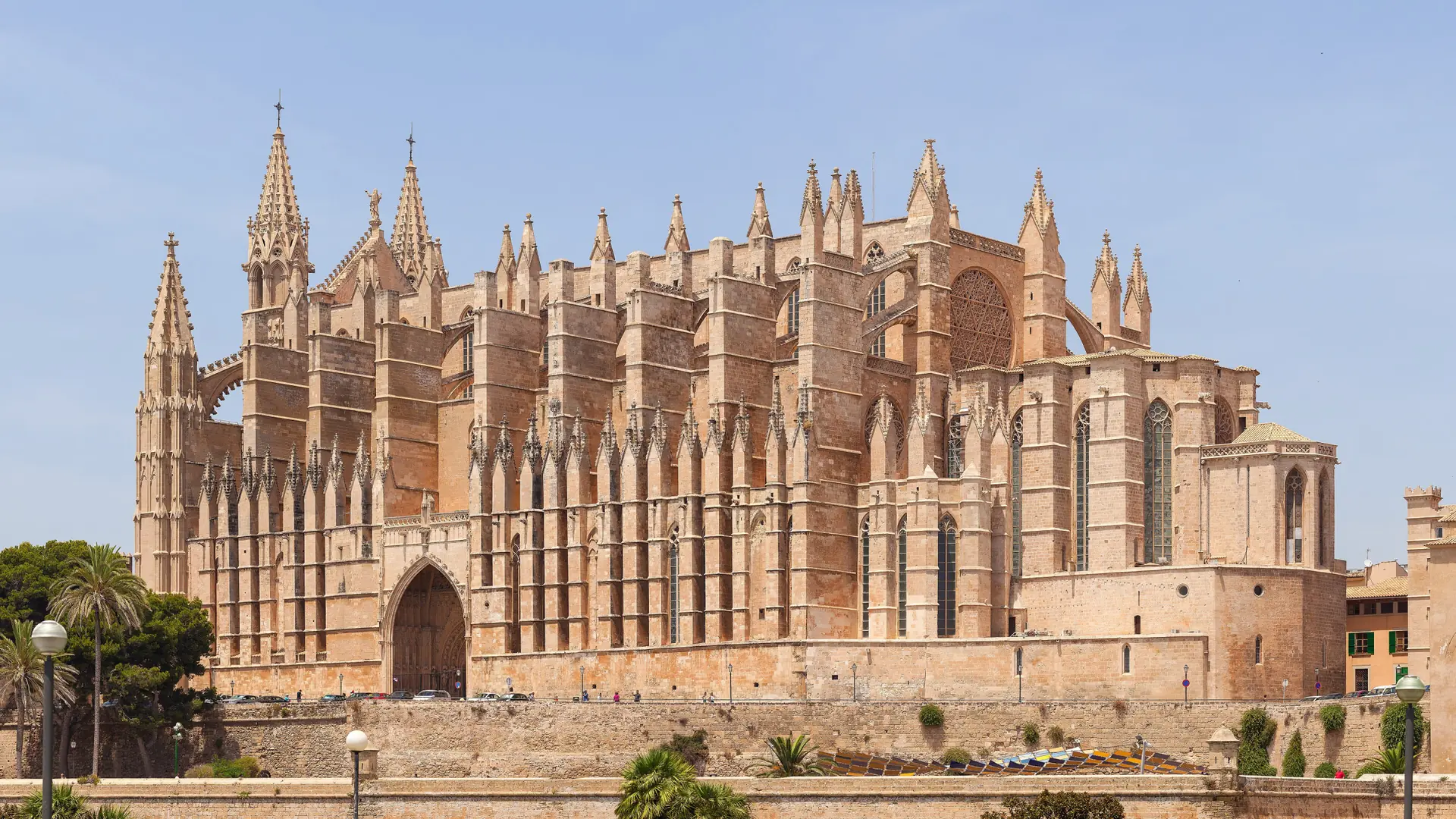
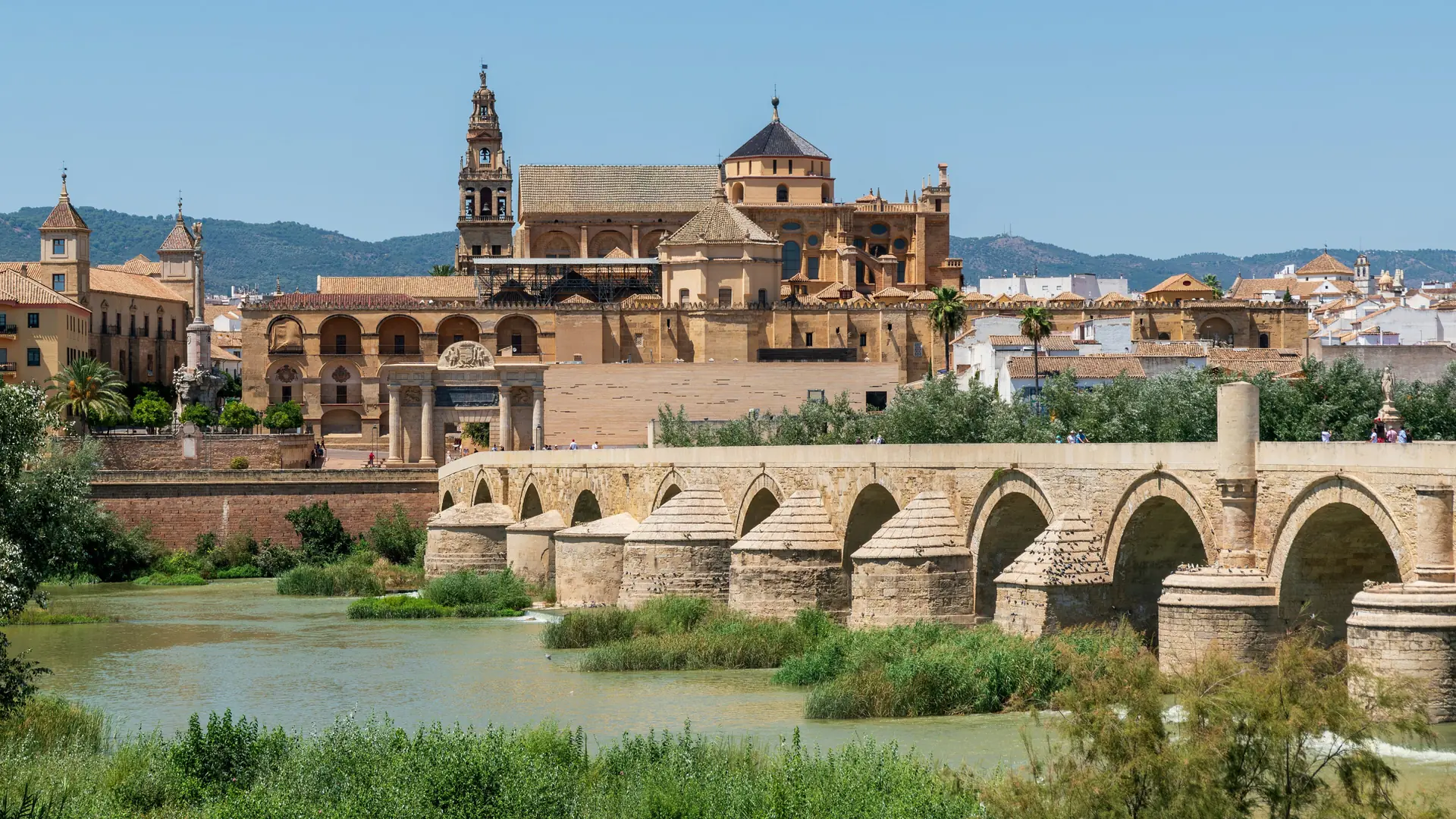
At the Mosque–Cathedral, the double arches supporting the roof and reused Roman and Visigoth columns are part of that story. The mosque became a cathedral in the thirteenth century; Renaissance reconstruction later changed the interior again. Looking at these successive structures gives a visit a focus beyond finding the familiar photograph.
The Guadalquivir matters to this history too. Córdoba was once an important river port for products from the surrounding countryside and mountains. A walk across the Roman Bridge towards the Calahorra places the monument in that river setting, helping connect an interior visit with the wider city’s past.
Al-Hakam II’s mihrab has a horseshoe arch framing mosaics of plants, geometry and Quranic inscriptions. The owner attributes their Byzantine technique to craftsmen sent by Emperor Nicephorus II. The prayer niche opens into a small octagonal chamber.
One night separates the main monument from arrival. Two nights give an arrival evening, one full day and a departure morning. Choose the second night for Viana and the courtyards; a rail day trip leaves less time for the evening streets.
Viana offers ticketed patio visits beyond the May competition on its own seasonal calendar. Private festival courtyards are not automatically open year-round; confirm the specific house before choosing dates.
Stone paving and narrow turns can make a short luggage walk awkward. Save the exact hotel entrance and check its surface and threshold, especially with a pushchair or wheeled bags.
Salmorejo is a thick cold soup of tomato, bread, garlic and olive oil; flamenquín is breaded pork rolled around ham. Try the two contrasting dishes with a portion size that leaves room for what follows, asking about the restaurant’s own recipe.
For a road-trip stop, arrange the garage and permitted luggage drop before arrival; the monumental lanes are best explored on foot. Viana has no parking and advises walking or public transport within the restricted historic centre.
StartBooker answer
The Judería suits a first visit built around the Mosque–Cathedral, with historic lanes and the Roman Bridge nearby. Centro, around Plaza de las Tendillas, is a useful compromise for station access and shopping. San Basilio offers a residential setting near the patio houses; the riverfront suits travellers who value an open outlook. Compare the precise entrance, room orientation and luggage drop before choosing: a central postcode alone cannot settle those details.
Explore tours, attractions and local experiences in Córdoba, Spain.
Loading activities…
Activities provided by GetYourGuide. We may earn a commission on bookings.
Bring your train time, check-in arrangements and booked visits. Add walking limits and the places you can leave for another trip. Fit meals and luggage collection around those commitments before filling the gaps with sightseeing.
Use your email security code to continue planning.
Use your email security code to continue planning.
A historic-house stay
Jewish Quarter
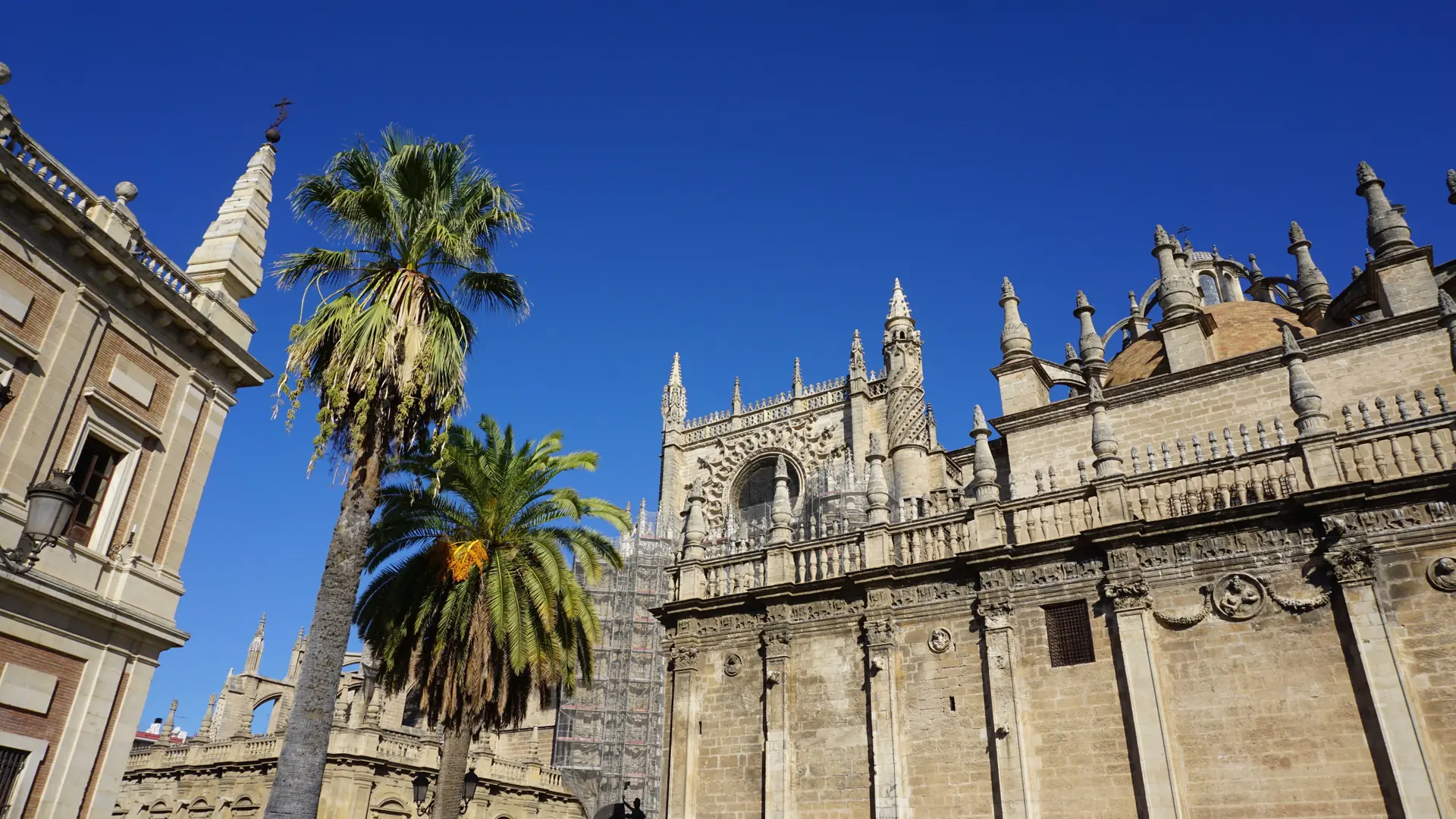
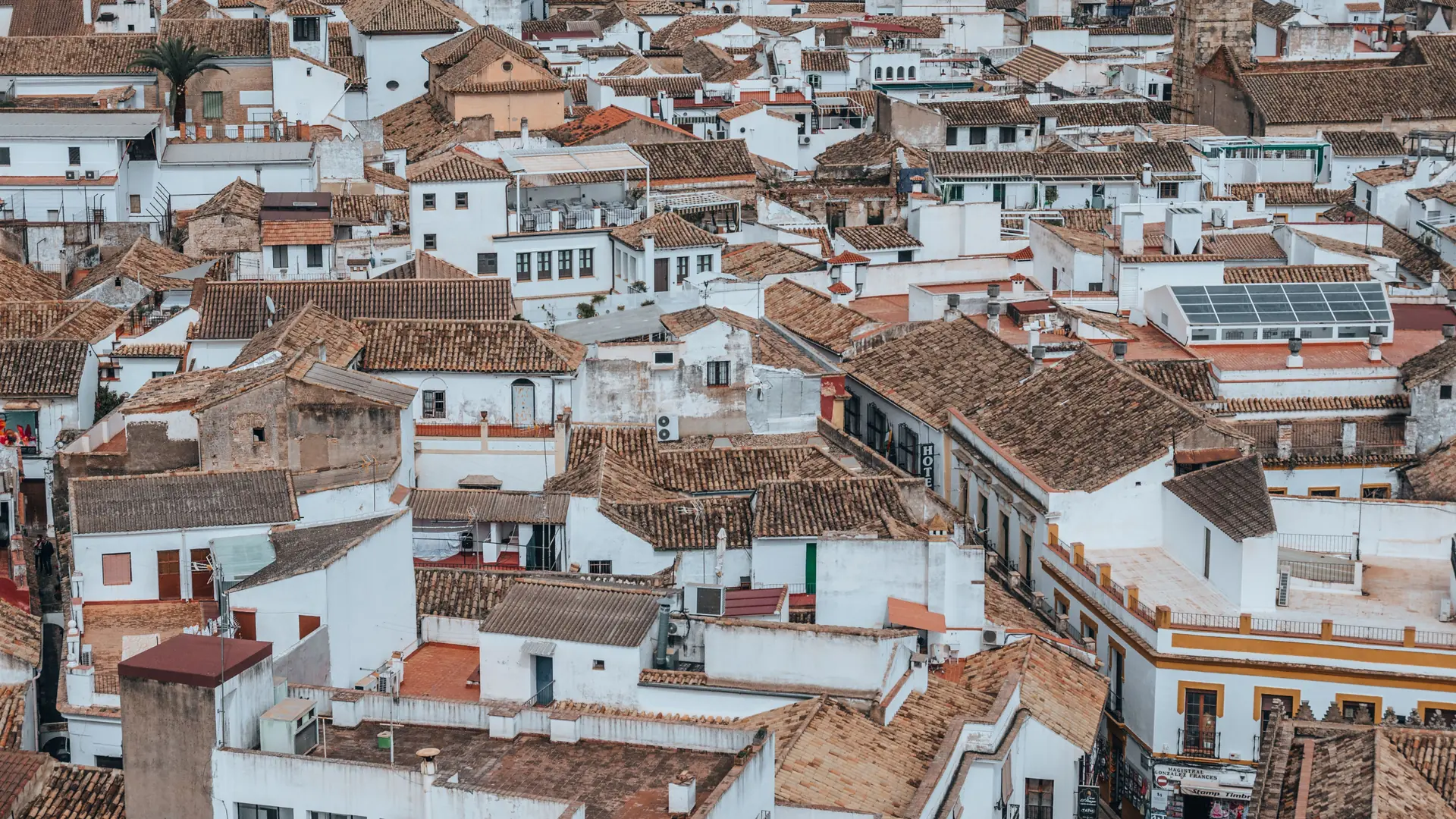
Choose the Judería when the main monument and the streets around it are the centre of your visit. A room here keeps that historic setting close between outings, so you can explore part of the quarter in the evening and return the next day for an interior visit. Centro is a better starting point when station access and shopping matter more.
Use these areas to narrow the map, then check the actual address. Judería, Centro and San Basilio are useful geographic shorthand; “riverfront” describes a position along the Guadalquivir rather than a single district. The comparison concerns the daily route and surroundings, not a guarantee about individual rooms, local prices or quiet streets.
the Mosque–Cathedral circuit
The Mosque–Cathedral circuit.
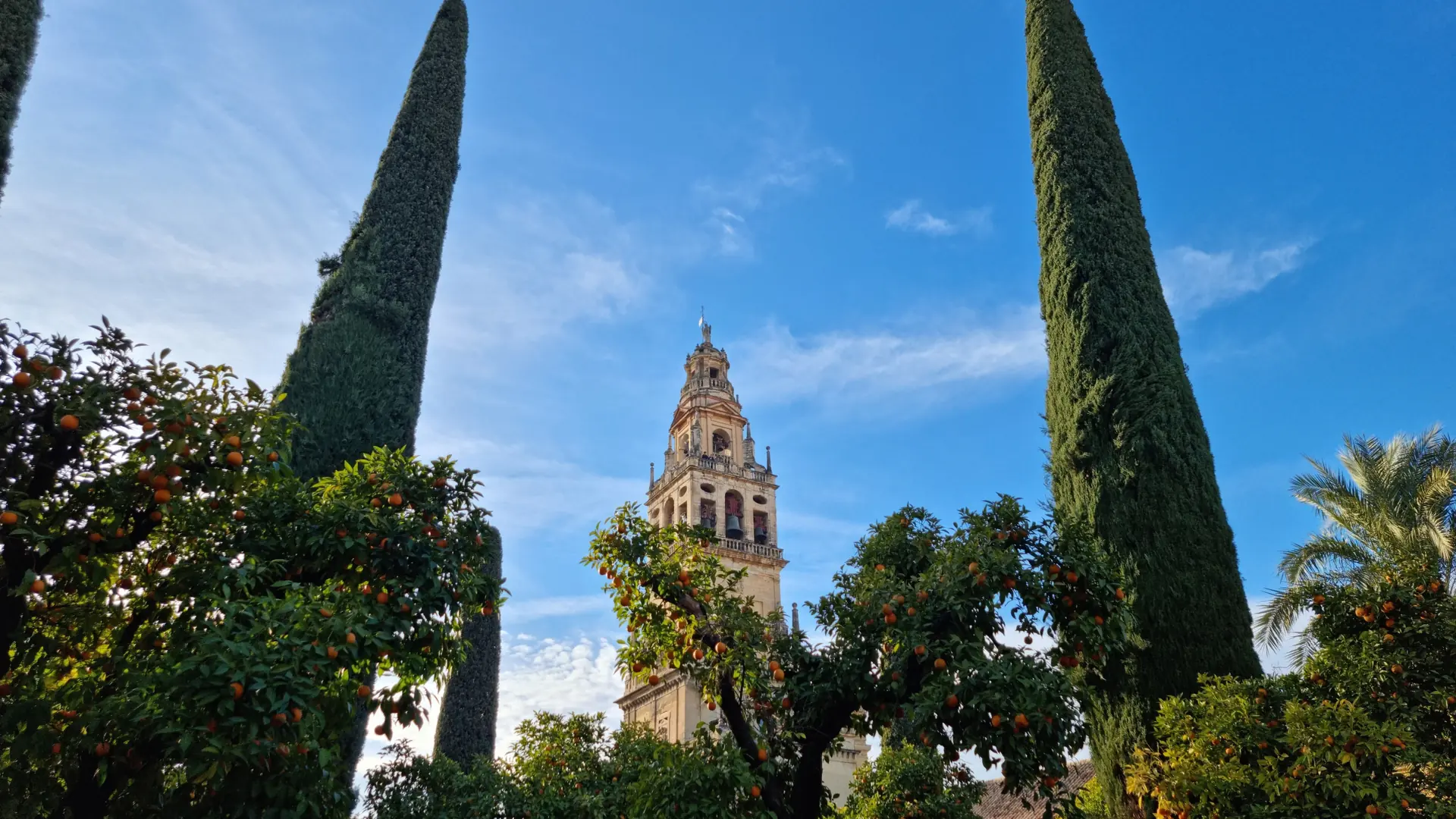
shopping and a station-side approach
Shopping and a station-side approach.
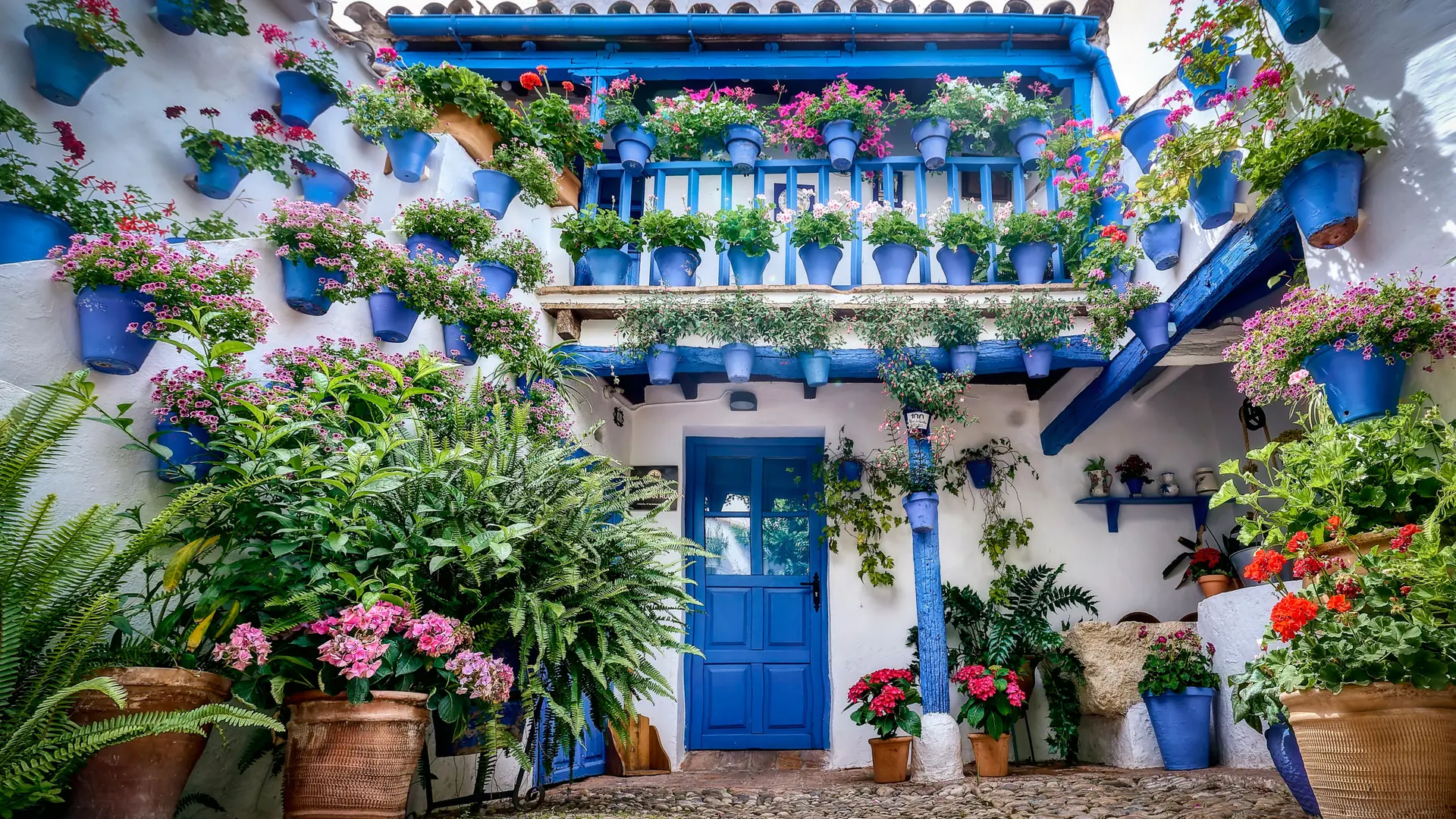
patio houses and the western old-city edge
A base near the Royal Stables and Alcázar grounds.
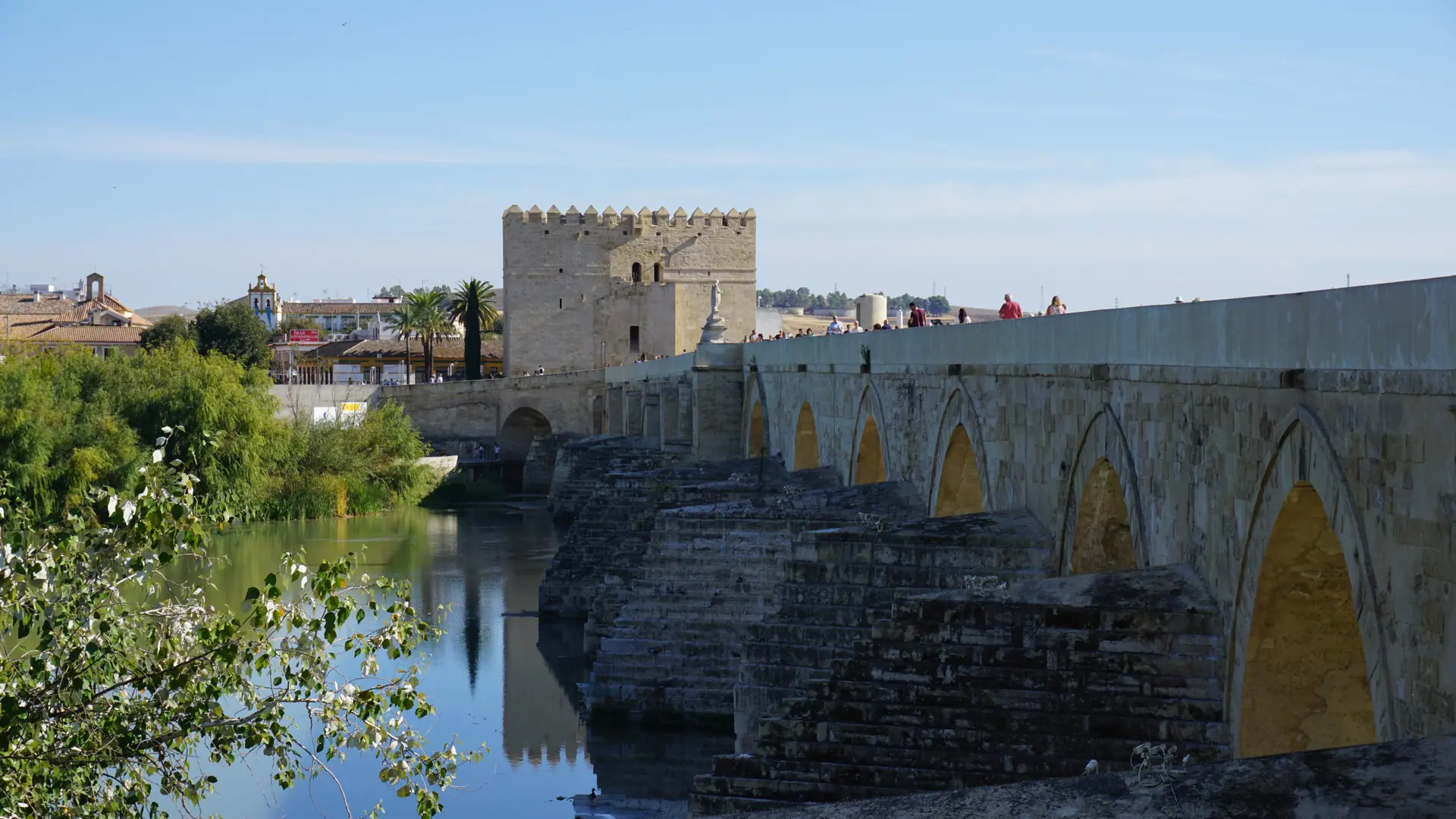
an open outlook by the Guadalquivir
An open outlook by the Guadalquivir.
| Area | Useful for | Features | Getting around |
|---|---|---|---|
| Jewish Quarter |
Historic lanes |
Restricted access in places |
Walk the historic lanes around Calle Judíos; vehicle restrictions can leave a final walk with luggage. |
| Centro |
Shopping and station-side errands |
Less immediate monument access |
Use Tendillas to orient the walk: the station is north-west and the main monuments are south. |
| San Basilio |
Patio-house setting |
Farther from rail arrival |
Walk the western old-city lanes; plan the station transfer separately. |
| Guadalquivir riverfront |
Open river outlook |
Bank and road make a difference |
Walk Ribera and Isasa on the north bank; the Roman Bridge connects them with the Calahorra side. |
Once the address works, read the room and service conditions. Older houses and larger hotels solve different practical problems; neither category guarantees the features you need. Send a short, specific question to the property while the booking is still refundable, especially when a missing facility would change your choice.
Arrange checkout and bag retrieval the evening before. Confirm reception at your departure hour and early or packed breakfast, giving your actual train time.
Request the floor, lift coverage and number of steps between the entrance and the booked bedroom. If the room opens onto a gallery around the patio, ask about shutters and curtains as well as daylight.
Confirm beds, cot and usable floor space, including whether the bathroom route crosses another sleeping area. For patio rooms, ask about balcony guards and low windows before choosing an upper floor.
Get the garage address and vehicle instructions in writing. Confirm reserved parking, the approach and whether you can unload at reception. Plan the garage return on checkout morning.
Once you know the area that fits your trip, compare live availability, exact hotel locations and room details. Editorial advice is separate from provider prices and availability.
Córdoba’s transport plan has two parts: the journey into the city and the last stretch to your accommodation. Keep the hotel entrance and contact number offline, and check the arrival time against reception arrangements. A rail or flight reservation gets you to a terminal; it does not guarantee that a historic-house host will still be waiting when you reach the door.
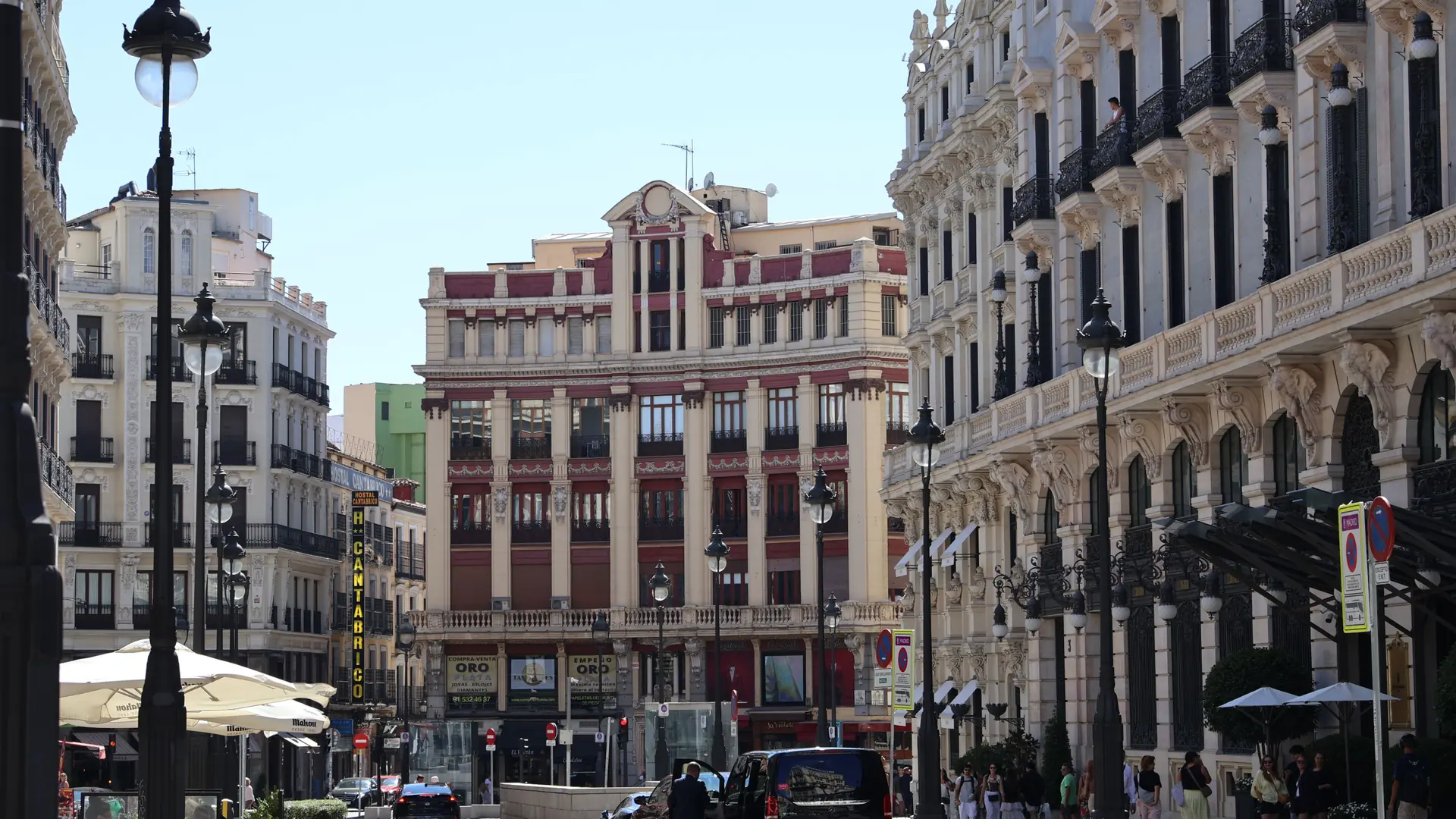
The railway station is on the north-western side of the central city. For a Centro hotel, use the municipal map to trace the streets towards Plaza de las Tendillas; for a southern historic address, decide whether a taxi would make the luggage journey easier. Keep at least 45 minutes between the train’s scheduled arrival and a fixed city appointment. That is a planning buffer for leaving the platform, navigating and finding the door, not an operator journey time.
Aena lists Barcelona and Gran Canaria as Córdoba Airport’s operating destinations, checked on 20 October 2026. AUCORSA’s airport line 78 connects with Plaza de Colón and the RENFE/bus-station area. The operator states that departures from Colón are 90 minutes before the flight, with the airport bus leaving immediately after arrival. Reconfirm the pickup for your flight and baggage arrangements; this is a flight-linked service, not a frequent city shuttle to join whenever convenient.
Contact the operator before travelling if a delayed flight, baggage collection or your mobility needs could affect the pickup. Have a taxi alternative and the hotel’s entry procedure available. For an arrival through another Spanish airport, price the complete terminal-to-Córdoba journey, including the connection to the departure station and a suitable buffer. The quoted time on an intercity rail service describes only one part of that journey.
Renfe’s Córdoba–Madrid route serves Madrid Puerta de Atocha–Almudena Grandes, but your own reservation is the authority for the exact service, station and departure. Review the fare’s change conditions before matching it to a long sightseeing morning. Store the ticket and any required identification together, and finish luggage collection early enough to reach the platform without relying on a last-minute taxi appearing.
Group the western historic lanes and synagogue together, then use the riverside as a separate open-air walk. Viana lies in another part of the old city and deserves its own circuit through the streets around Plaza de Don Gome. Its owner gives the walk to the Mosque–Cathedral as roughly 17 minutes over 1.4 km; treat that as orientation, with longer needed for pauses or slower walking.
AUCORSA’s route catalogue lists line 3 through the RENFE station corridor. The Mosque–Cathedral identifies Puerta del Puente as its stop for urban lines 3 and 12, with the monument’s taxi rank on Calle Torrijos 6. Check the direction and current departures before boarding, rather than assuming any bus with the right number is heading towards the hotel. Temporary service notices can change the useful stop.
A monument pin can land in the middle of a large complex rather than at the visitor door. Check the entrance specified by the venue and read the access instructions on any ticket. For the Alcázar garden product, the tourism authority states that entry is allowed within 30 minutes of the marked time. Leave the approach outside that window, so finding the correct gate does not consume the visit you have reserved.
A daytime Mosque–Cathedral visit, a Bell Tower slot and The Soul of Córdoba night visit are different products. The tower follows a scheduled 30-minute visit; do not infer that its rules describe general daytime admission. Read the date and conditions on the item you buy, then check the owner’s live opening tool for religious celebrations or changes. A combined sightseeing day does not imply a combined ticket.
The Mosque–Cathedral specifies accessible entry through Deanes Gate, adapted toilets and available wheelchairs. The Bell Tower involves narrow stairs and has separate physical restrictions; children under seven cannot visit it. Ask the venue which parts suit your needs before reserving. For the hotel, describe the actual aid or pushchair you use and request a continuous route from pavement to bedroom, including the entrance threshold.
Work around opening days and the October Alcázar interior closure, keeping a walk or meal flexible. Dollar comparisons below use the ECB rate for 19 October 2026, 1 EUR = US$1.1225, rounded for planning rather than a promised card or cash rate.
AEMET’s 1981–2010 normals for Córdoba Airport give average daytime highs of 36.9°C in July and 36.5°C in August. Those historical figures are neither a forecast nor an upper limit. Plan exposed streets and the bridge earlier or later, and leave a real indoor break between them. Confirm that the bedroom itself has working air conditioning; a cool reception lobby will not solve an uncomfortable afternoon or night upstairs.
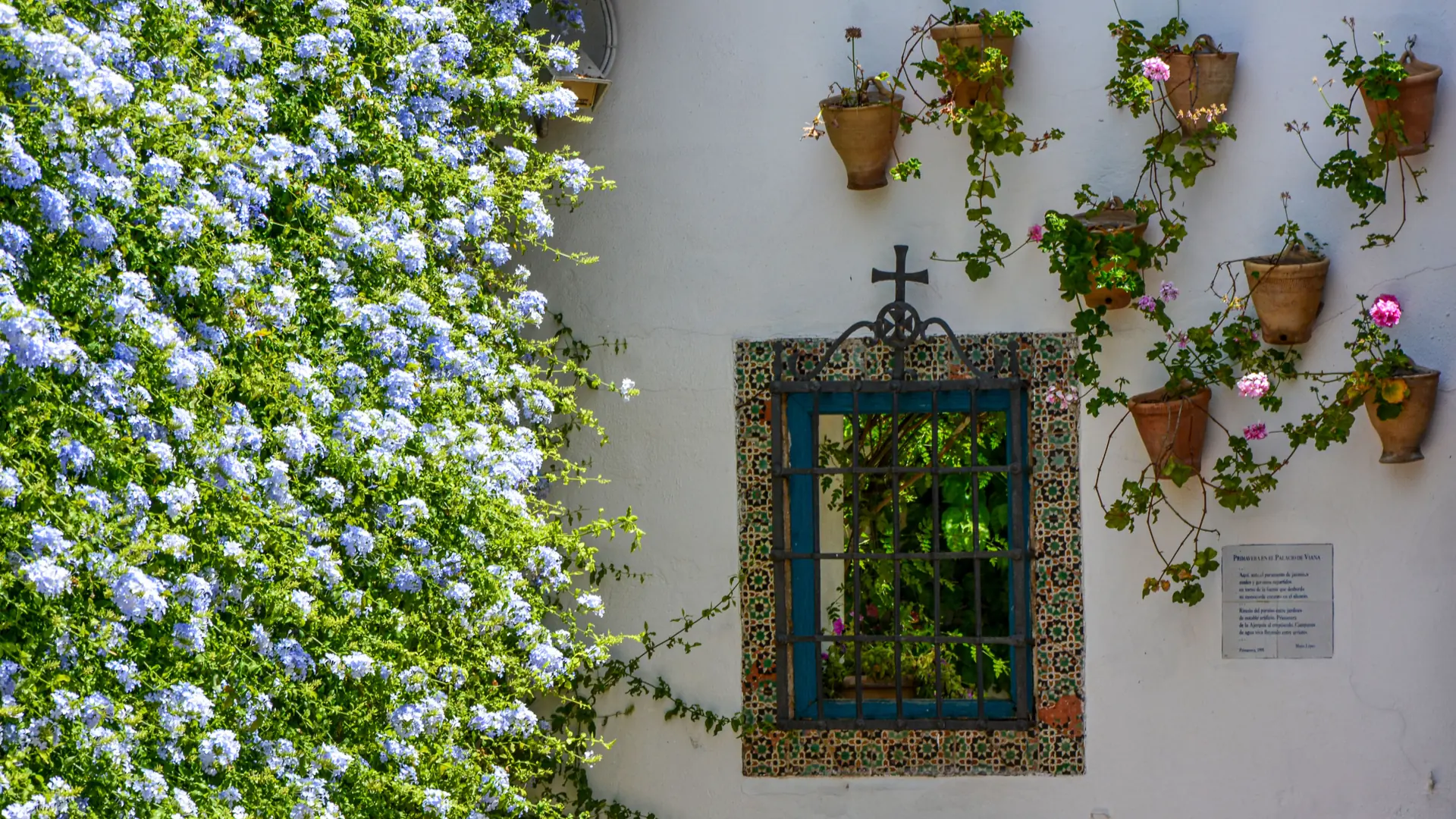
The 2026 Patios competition took place from 4 to 17 May; those dates have passed and are not a schedule for 2027. Use the official festival site for the next edition before paying a restrictive hotel rate specifically to attend. The competition opens participating domestic courtyards under its own programme. Outside it, select a public venue or an organised patio visit with confirmed access instead of assuming that a photograph marks an always-open house.
INE’s city room-only average in February 2025 was €69.80 (≈ US$78) before tax/services, versus €106.39 (≈ US$119) that October: a historical reason to compare winter dates, not a forecast or bookable rate. Late-year rainfall is higher than in summer in AEMET’s airport record. Check heating and space to dry a coat, keep an indoor alternative and leave an outdoor plan flexible when daylight is short.
For an October 2026 example, share one double room: €240 (≈ US$269) lodging, €300 (≈ US$337) meals, €55 (≈ US$62) admissions and €30 (≈ US$34) for local transport, fees and reserve. Total: €625 (≈ US$702), rounded to €630 (≈ US$707). The room is a historical benchmark; meals and reserve are chosen allowances. Excludes travel into/out of Córdoba, extra attractions, insurance and shopping. Replace the room amount with your final two-night quote.
INE’s October 2025 Córdoba room-only double-room average was €106.39 (≈ US$119) a night, before tax and other services, across categories and sales channels. Two nights plus 10% hotel VAT give €234.06 (≈ US$263), rounded to €240 (≈ US$269) here. This is not a current offer or a Judería/star-category price. Check the actual room, compulsory charges, breakfast and cancellation terms; a patio-facing category can cost more than the headline room.
At prices checked on 20 October 2026, two daytime Mosque–Cathedral tickets cost €30 (≈ US$34), two tower slots €8 (≈ US$8.98), and two Viana patio/ground-floor tickets €17 (≈ US$19): €55 (≈ US$62). This assumes both adults can use the tower; palace tours and audio guides are extra. Meals allow €50 (≈ US$56) per person daily, including breakfast and ordinary drinks. The €30 (≈ US$34) reserve is an allowance, not a taxi fare or bus pass.
After checking in, use the arrival evening for a short orientation walk and dinner. If you have the following morning free, give the Mosque–Cathedral that main block of time, then choose a nearby lane or riverside walk before collecting luggage. Keep the plan lighter if the train leaves before lunch. An overnight stay adds an evening to the visit, but it does not automatically create two full sightseeing days; count the hours between arrival, check-in and departure.
A two-night stop has an arrival evening, one full day and a departure morning. On the full day, start with the Mosque–Cathedral and use the afternoon for Viana when its calendar allows. If that day is Sunday, put Viana first and check the monument’s separate Sunday opening windows. On a normal Monday, use the river walk instead and move Viana to another day only if your travel times allow. Keep the departure morning for a short outing, luggage collection and lunch before the train.
The owner lists an individual free visit Monday–Saturday from 08:30 to 09:30, except extraordinary celebrations; entry stops at 09:20 and visitors begin leaving then. It is a short window, not free admission throughout the normal day, and organised groups cannot use it. Choose it only if you can arrive early and are comfortable with the limited time. Otherwise buy the ordinary daytime product and check the date’s opening hours; do not plan to remain inside when the free session ends.
The regional authority currently lists Tuesday–Sunday 09:00–15:00, with normal Monday closure and dated holiday exceptions. Last entry is ten minutes before closing, so an evening Judería walk is a different activity from visiting the interior. The July 2026 restoration closure shown on the page is a past notice; check for a newer dated notice before travelling. Groups should use the authority’s reservation information rather than arrive assuming the small building can accommodate them immediately.
Start with the places and access routes you can use comfortably, then choose the hotel around them. Viana publishes ramps for the patios and a lift for the interior; request its suggested accessible route for the parts you want to see. Measure the daily route in manageable stages and identify somewhere to sit between visits. A historic location is appealing only if the entrance, bedroom and return journey work for you, so ask the accommodation for photographs of the actual approach.
Give it a separate outing with enough time for the outward journey, site visit and return. The official visitor-bus information names Paseo de la Victoria departure points and directs bookings to the operator. It stresses punctuality for the return because alternative transport cannot be organised if you miss the bus. Confirm whether your chosen product includes the on-site shuttle, and leave a generous margin before a fixed train. If your only free period is a tight departure morning, keep the sightseeing within Córdoba instead.
A patio is shared space, not a guarantee of silence or a bright bedroom. Ask which booked category faces it, how much daylight reaches the room and whether breakfast tables, reception conversations or passing guests will be below the window. Check whether an open window is practical for sleeping. Compare the actual bed, bathroom and air conditioning with your needs; historic decoration and reception photographs cannot establish them. Confirm the levels between reception and bedroom, who can help with luggage and what happens if you arrive before the room is ready.
Reviewed by StartBooker
Last reviewed 2026-10-20
Updated
Editorial method: Editorial self-review checked the main admissions, seasonal calendar, Alcázar notice and budget arithmetic. INE’s monthly room data and methodology support a historical benchmark, not a current room offer; other allowances are explicit. The monument owner supports the mihrab detail. Unchanged geography, food, rail, bus and climate research keeps its earlier source dates. Existing photographs are retained with visible wider-city labels where needed.
27 sources reviewed
Some photos provided by Pexels.
Compare routes by length, stops and transport.