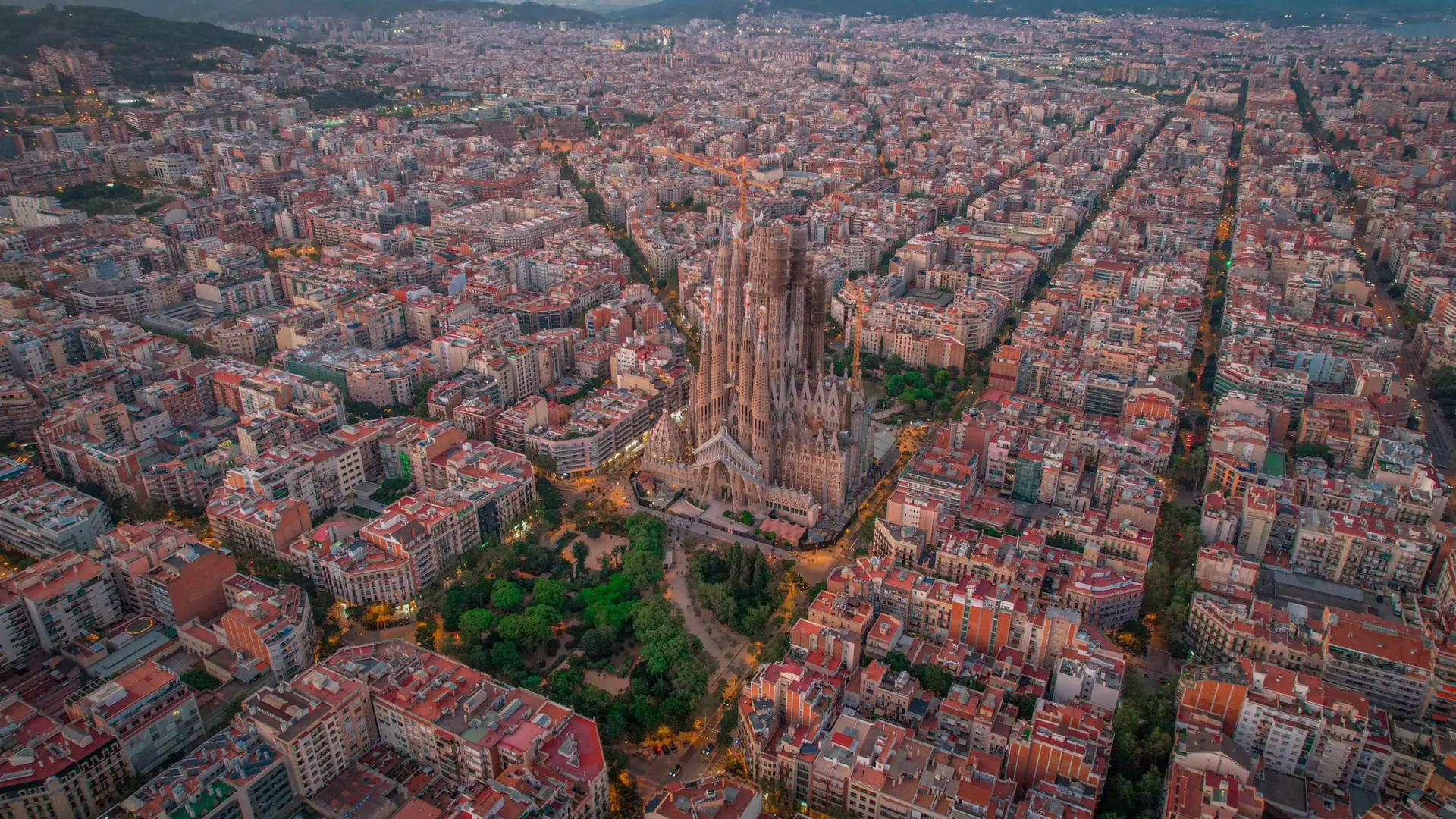
Bilbao begins with transformation
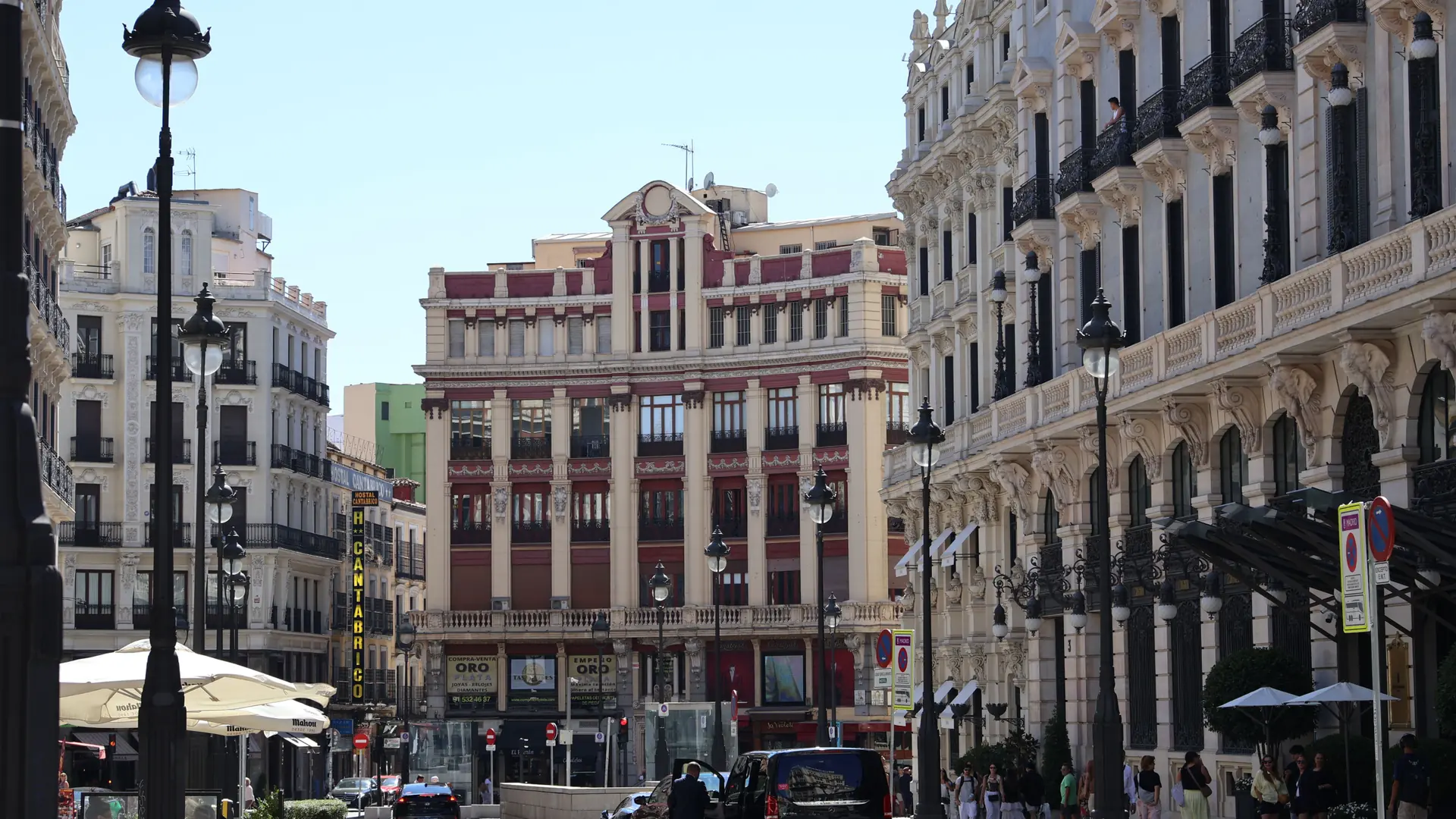
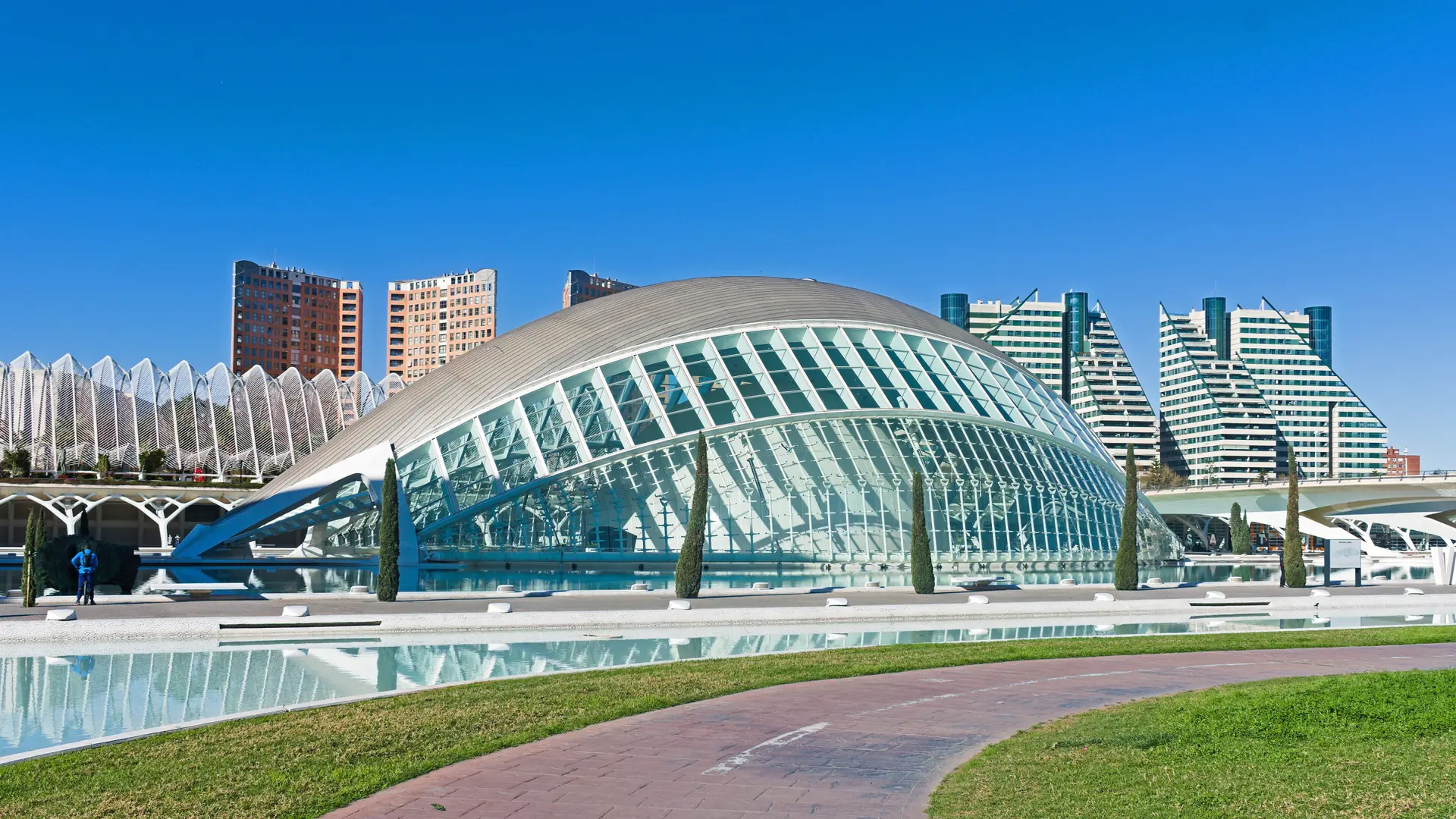
Gehry’s titanium museum opened in 1997 on a former industrial wharf. The riverfront walk shows that transformation, while Casco Viejo provides a different setting for dinner after the galleries.
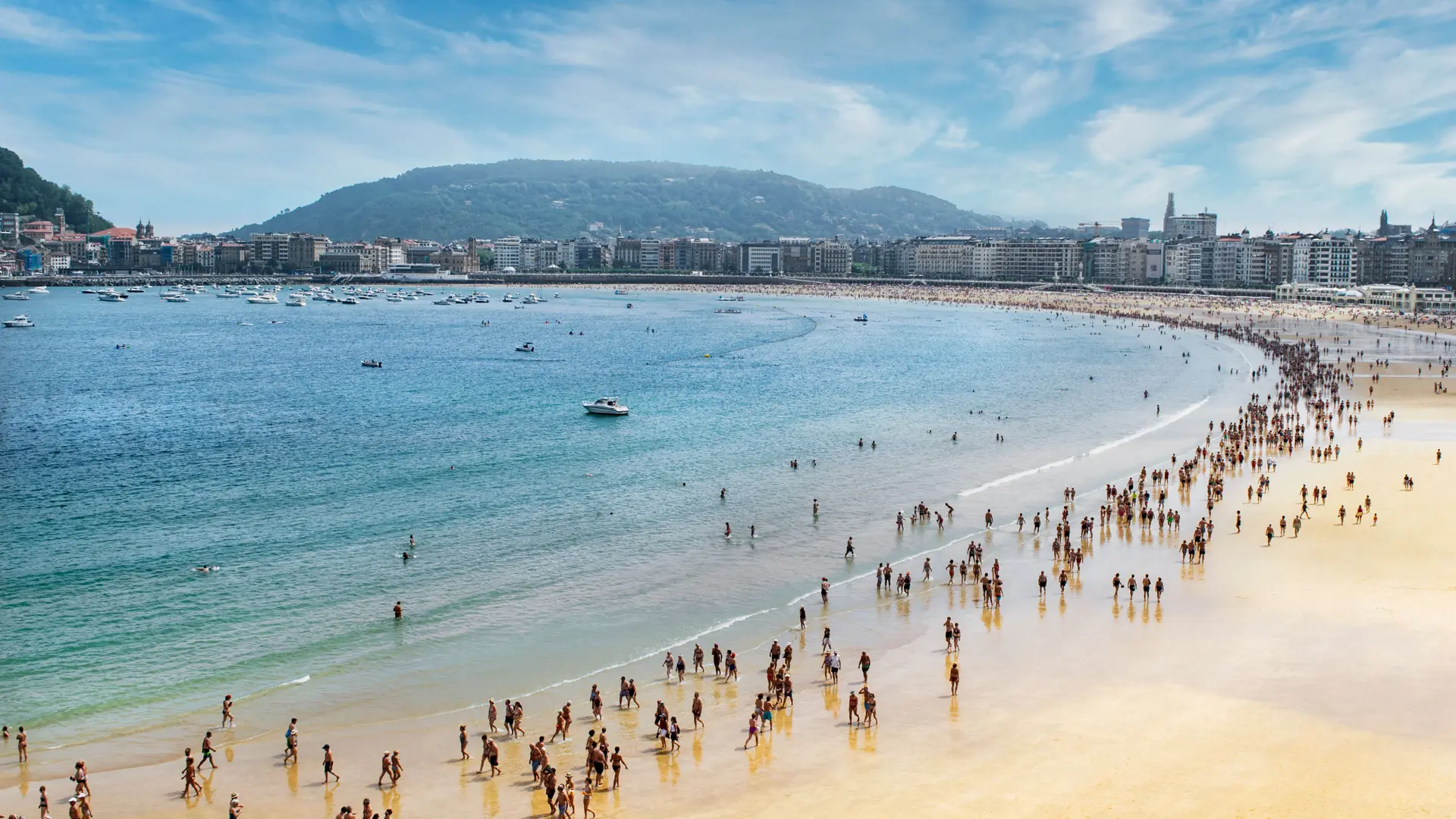
Three Basque cities, one compact road journey, and enough time for the food, coast and design to feel connected.
The Basque Country has the dangerous kind of compact map: Bilbao, San Sebastián and Vitoria look close enough to collect in a weekend, while the coast, food and inland roads ask you to slow down. This route starts with two nights in Bilbao, moves to San Sebastián for one, and gives Vitoria-Gasteiz the final overnight as a third city stay. The appeal is seeing why an industrial river city, an elegant bay city and a green inland capital belong to the same trip.
Keep the car for Wednesday to Friday in the worked autumn plan below, after two nights exploring Bilbao on foot. It links the coastal stop and the inland city, then brings you back to the Bilbao area for an evening departure. San Sebastián gets an afternoon, an evening and the following morning, rather than a whole extra day. Choose a later flight home so the final overnight in Vitoria remains useful.
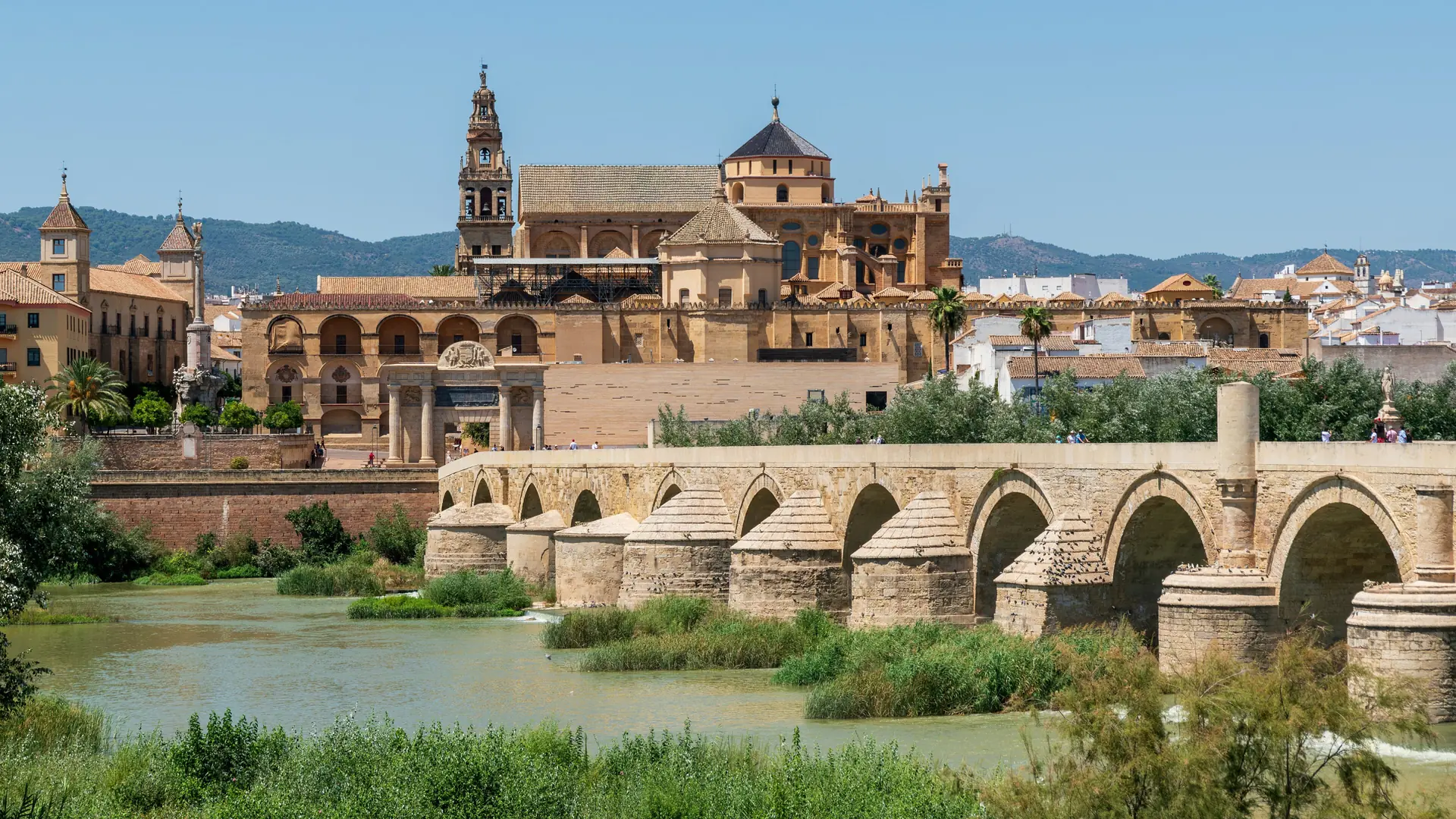
Gehry’s titanium museum opened in 1997 on a former industrial wharf. The riverfront walk shows that transformation, while Casco Viejo provides a different setting for dinner after the galleries.
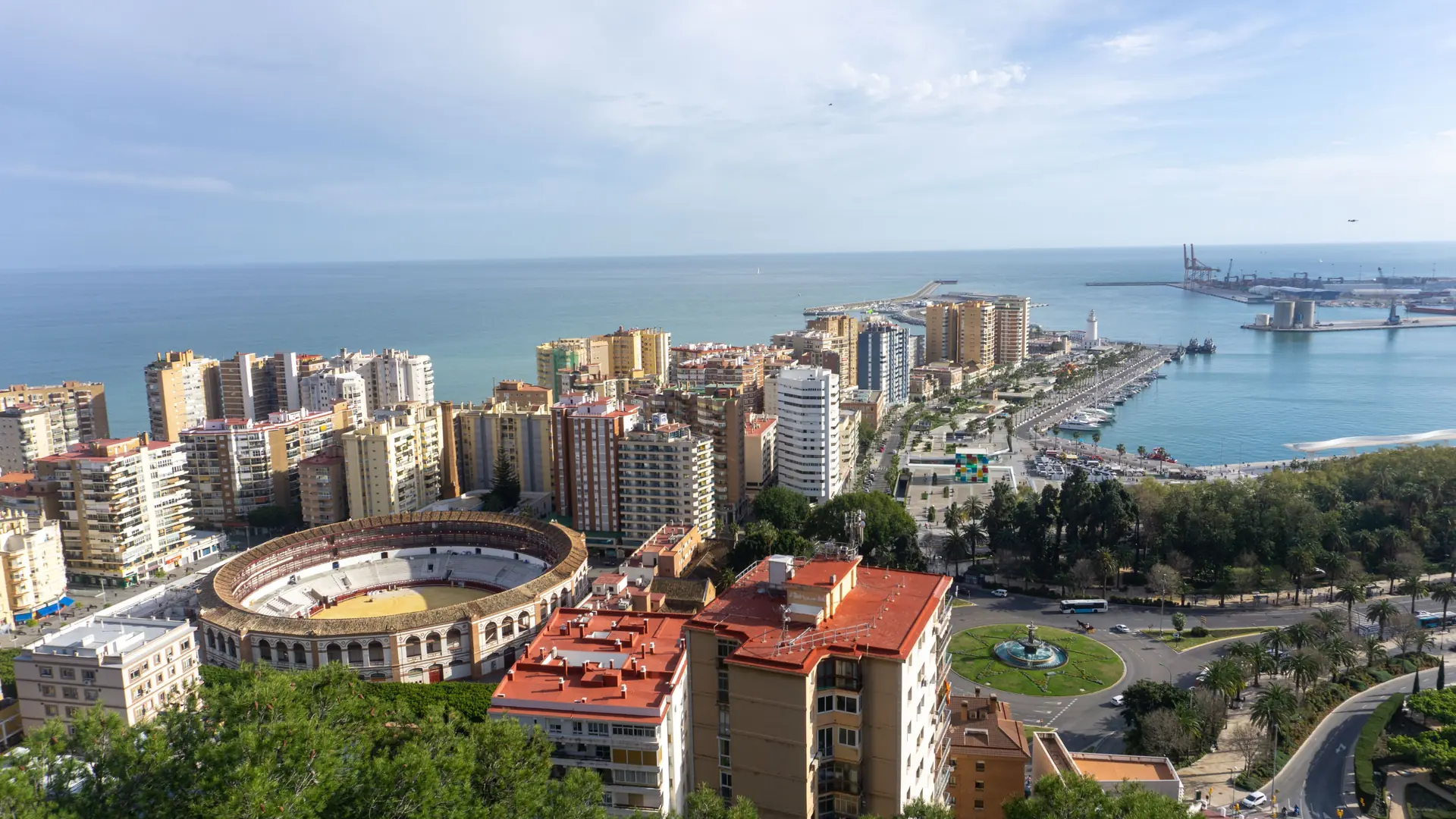
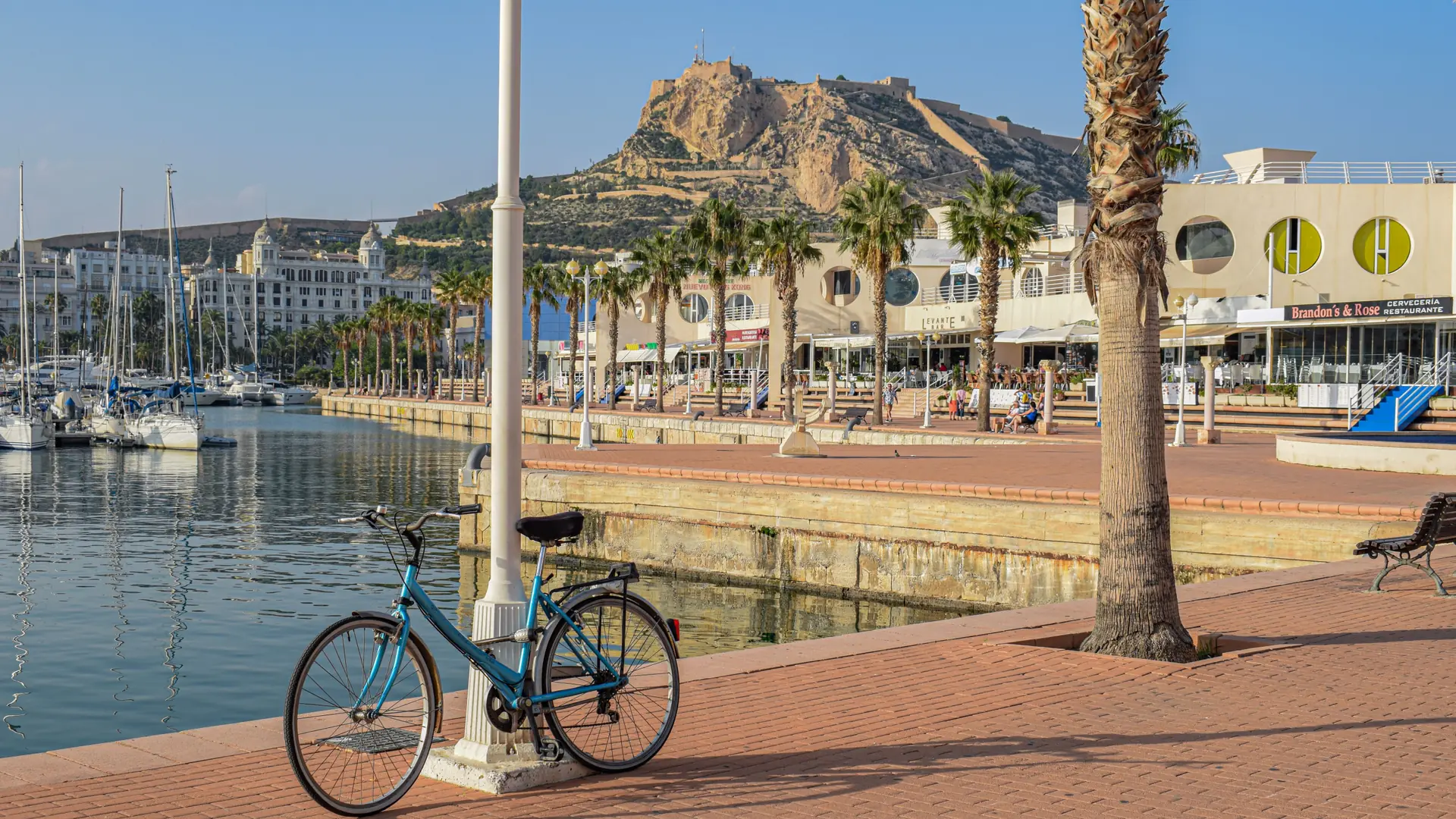
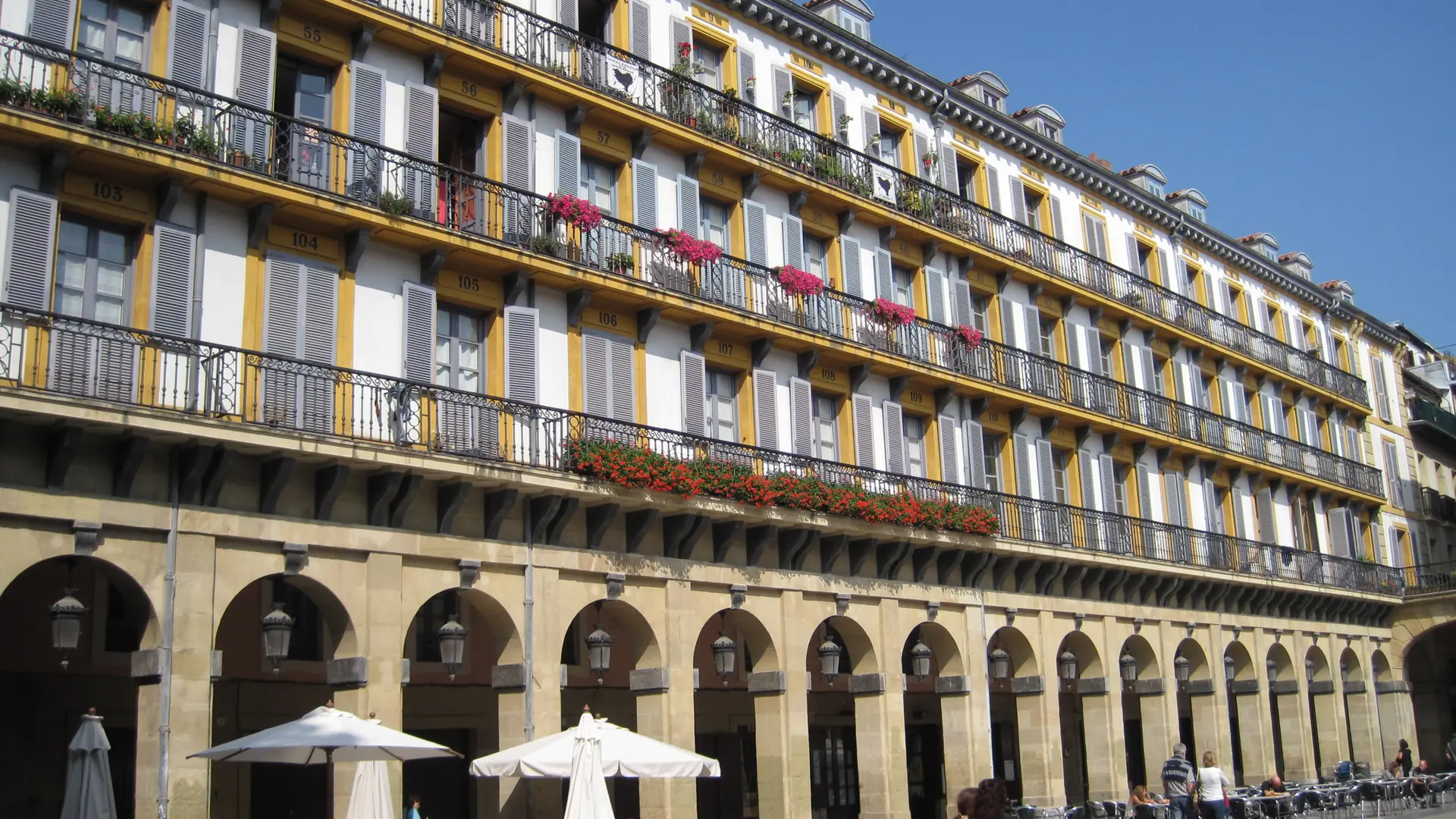
La Concha’s promenade leads to an old town rebuilt after the fire of 1813. Follow the waterfront, then find the numbered balconies of Plaza de la Constitución and a small cluster of pintxos bars.
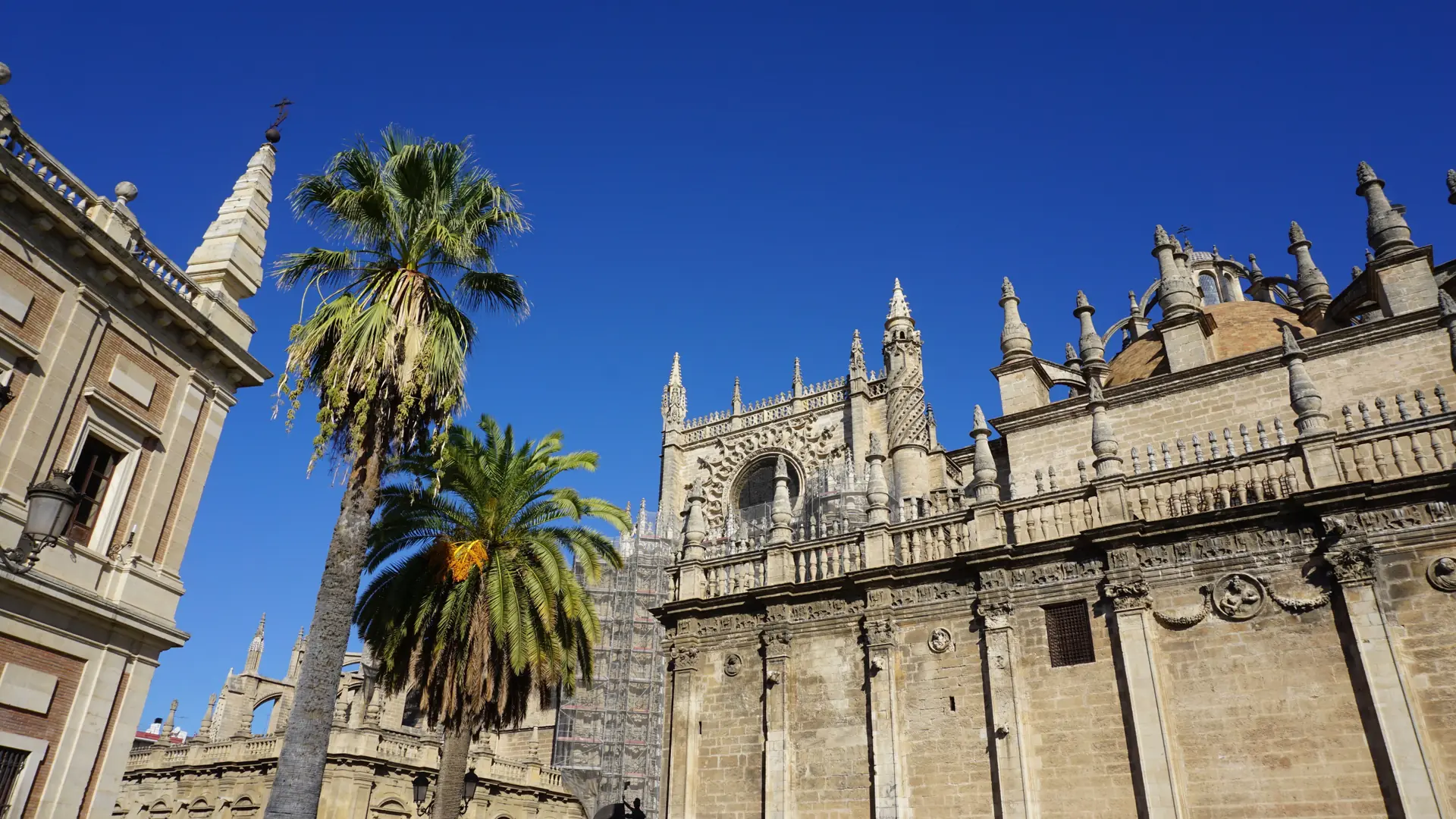
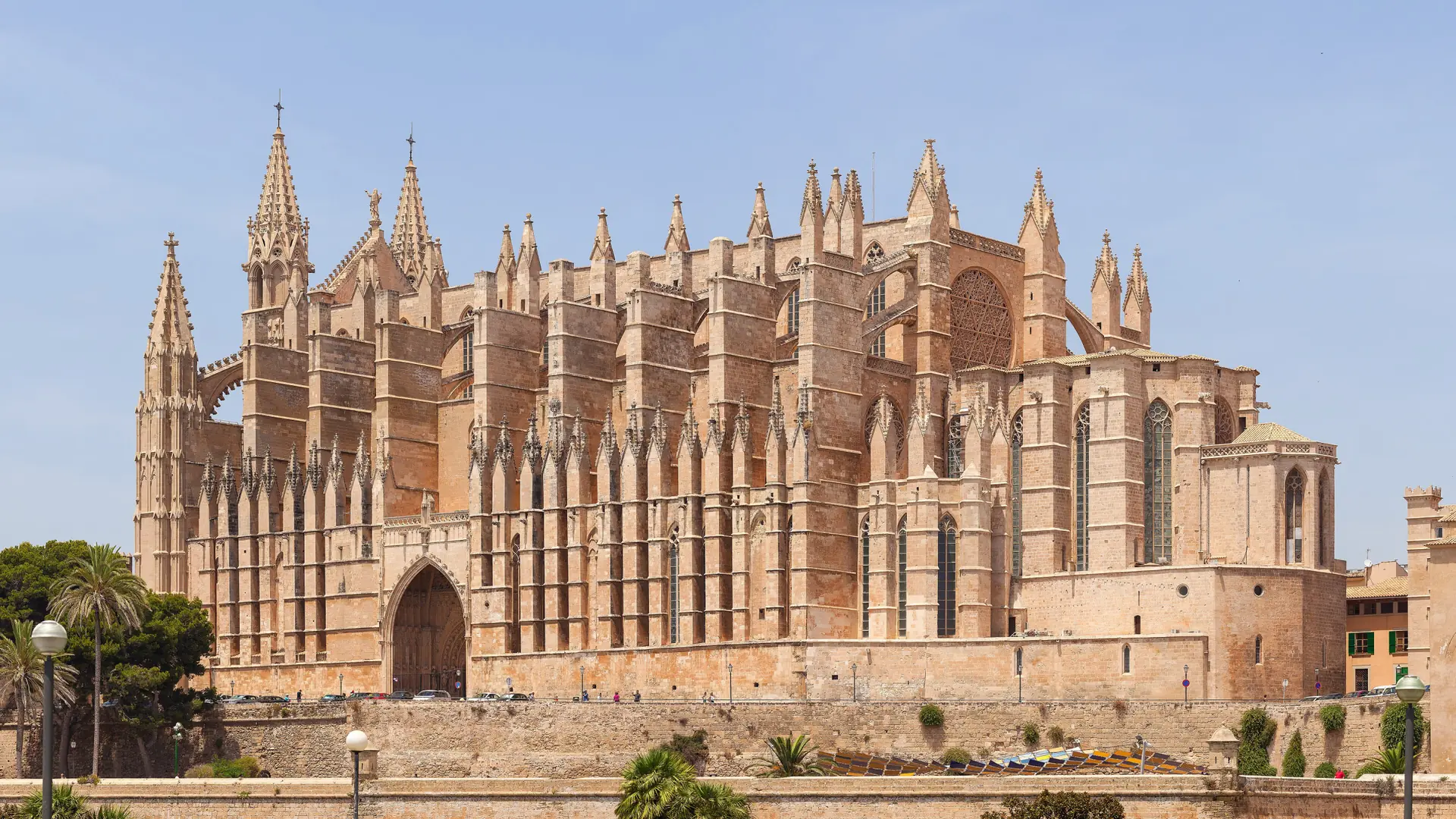
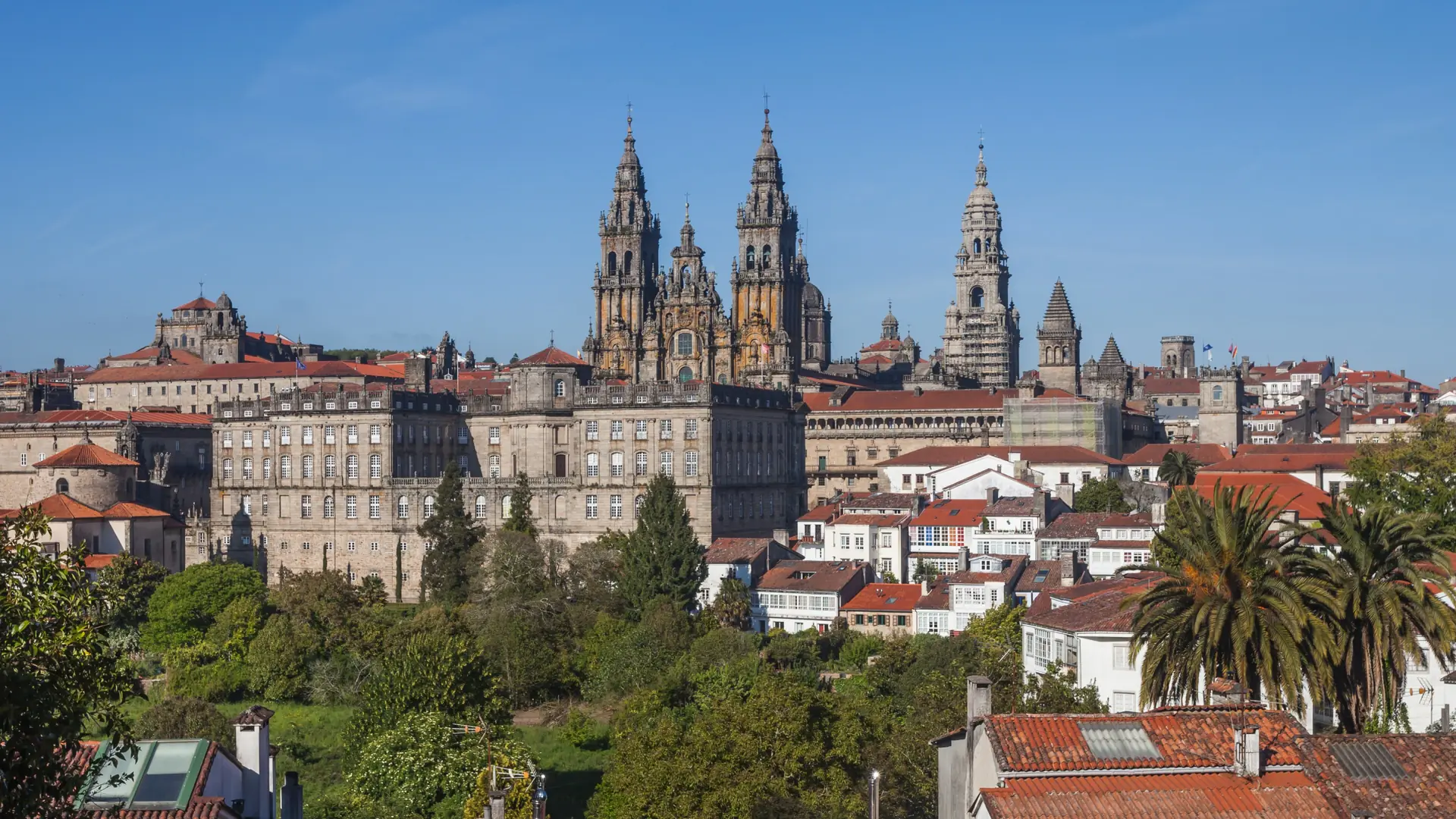
Vitoria’s hilltop streets preserve the shape of a medieval town. A Santa María tour explains the building’s layers and restoration, before an evening and final morning around the central squares.
Best for
StartBooker answer
Spend two nights in Bilbao, one in San Sebastián and one in Vitoria-Gasteiz. Walk Bilbao first, then collect a car for a single coastal pause at Getaria before the San Sebastián stay. Leave the coast after breakfast on day 4 and give Vitoria an afternoon and a final morning. This is a five-day, four-night road trip, with the car returned to its original Bilbao-area branch before an evening departure. The coastal stop has an arrival afternoon and evening, not an extra full day.
Explore tours, attractions and local experiences in Bilbao, San Sebastián, Vitoria-Gasteiz along this route through Spain.
Loading activities…
Activities provided by GetYourGuide. We may earn a commission on bookings.
Two nights in Bilbao, one in San Sebastián and one in Vitoria-Gasteiz: four nights across three different city settings.
3 stops · swipe
 1
1
Guggenheim, Casco Viejo and pintxos
Two nights let you walk Bilbao before collecting a car. Abando around Moyúa suits the airport bus; Abandoibarra suits the Guggenheim. Casco Viejo puts dinner nearby but leaves a longer museum walk and limited vehicle access.
 2
2
La Concha, pintxos and elegant coastal walks
For the single night, the Centre near Boulevard or eastern La Concha links the bay and Parte Vieja on foot. The old town is livelier after dark. Gros suits Zurriola’s surf beach, with a longer walk to this route’s La Concha promenade.
Read the San Sebastián guide → 3
3
Medieval old town, Santa María Cathedral and green city life
Stay near Eduardo Dato, Plaza de España or Virgen Blanca for a flatter arrival and nearby meals. Santa María and Cuchillería put you within the medieval quarter, on a hill. Choose parking near the hotel, then explore on foot.
Arriving on Monday, 19 October 2026, puts the Guggenheim on Tuesday and Getaria on Wednesday; the journey ends on Friday the 23rd. The proposed time windows leave room for meals and hotel changes.
Walk the Nervión and use the evening to understand the city before choosing museums or restaurants. After arriving at Bilbao Airport, the A3247 bus is the straightforward public connection into the city, with stops around Moyúa and Gran Vía as well as the bus station. Go to your hotel first and leave the luggage there; the opening afternoon needs no car. If you arrive early enough, follow the river towards Abandoibarra, keeping the Guggenheim’s titanium curves as your landmark. Seeing the building from outside today makes tomorrow’s indoor visit feel less rushed. Allow roughly an hour for an unhurried promenade, then stop for a drink or return to the hotel before dinner. For dinner, choose a small patch of Casco Viejo around Plaza Nueva and the Seven Streets rather than a circuit across town. The square and pedestrian streets give the first evening a different scale from the museum district. Late arrivals can simply eat near their base: the riverside walk fits after the museum on Tuesday. You still have a second Bilbao night, so nothing essential depends on landing before lunch.
Base: Bilbao
Book the Guggenheim for 10:00 and leave the morning for its galleries. Frank Gehry’s museum opened in 1997; titanium cladding and its former industrial-wharf site explain Bilbao’s celebrated riverfront transformation. See the exterior on the approach, then take time with the art inside. October hours are Tuesday–Sunday, 10:00–19:00. The adult price displayed on 20 October is €12 (≈ US$13), including the audio guide; confirm your date’s rate. Issued tickets are non-refundable. Large luggage stays at the hotel for this second Bilbao night. After lunch and a rest, use Santiago Cathedral and San Antón as outdoor landmarks through the Seven Streets, finishing around Plaza Nueva. A local ride can replace the walk back. For a seated Basque dinner, look for bacalao al pil-pil: cod in an emulsion of olive oil and the fish’s juices, with garlic and chilli. It offers a different meal from tomorrow’s small pintxos. If you skip the museum, subtract its admission and keep the riverside and old town.
Base: Bilbao
Check out and reach the booked rental branch for a proposed 10:00 collection. The Barakaldo option opens at 09:30 on weekdays. Drive towards Zarautz, then along the coast to Getaria, allowing the late morning and lunch for this move. Spend about two hours around the harbour and over lunch. Getaria was Juan Sebastián Elcano’s home town: in 1522 he and the surviving crew completed the first circumnavigation, after Magellan’s death. The sea-facing monument remembers that voyage. Mount San Antón, the Mouse of Getaria, gives the fishing port its familiar outline; a long climb is outside this stop. Aim for San Sebastián at 15:00–16:00. Park, leave bags and rest before La Concha’s promenade and Parte Vieja. Try a gilda, a skewer of olives, pickled guindilla pepper and anchovy, before deciding on another pintxo or a table meal. The driver chooses an alcohol-free drink. In heavy rain, skip Getaria and use San Telmo as the indoor alternative. Check the parking and museum conditions below before setting off.
Base: San Sebastián
A short La Concha walk leaves time for breakfast and collecting bags before a 10:30 departure. If you prefer the old town, Calle 31 de Agosto recalls the siege and fire of 1813, after which residents rebuilt much of San Sebastián. Choose one short morning circuit. Allow about two and a half hours hotel to hotel, including driving, parking and bags. Have lunch in Vitoria around 13:00, then walk from Virgen Blanca into the hilltop streets. Sancho VI of Navarre founded Victoria here in 1181 around the older settlement of Gasteiz. The main visit is Santa María. Its Gothic structure also formed part of the city’s defences; the Open for Works programme made restoration and archaeology part of the visitor experience. Book the tour language and slot in advance. The ordinary Cathedral tour is €9 (≈ US$10) for 60 minutes; Cathedral and Tower is €11 (≈ US$12) for 90 minutes. Pay at Cantón Santa María, 3, arriving ten minutes early. Keep dinner in the centre. Rioja wine country needs a separate excursion and another night.
Base: Vitoria-Gasteiz
Use the final morning around Plaza de España and Eduardo Dato for a flatter walk, or revisit the medieval lanes before collecting your bags. Confirm hotel storage if you check out before lunch. The worked plan suits a Bilbao Airport flight after 20:00. Leave Vitoria around 13:00, allowing three hours for driving, fuel and the same-branch car return. Oscar’s Automóviles Galindo option is at C. Gabriel Celaya, 10, Barakaldo. Its weekday hours are 09:30–14:00 and 16:00–19:00: reserve a 16:00 handover, allowing for the lunch closure. Take a taxi to the airport afterwards and retain your airline’s check-in margin. The branch and airport rental area are different locations. Keep the car’s original fuel level and allow for the deposit release under your agreement. An early flight calls for a different final-night arrangement when booking. Travellers continuing by land can finish in Vitoria, but that changes the same-branch return and the budget used here.
Base: Vitoria-Gasteiz
The car links the three bases from day 3. The first transfer includes Getaria; the second keeps the afternoon for Vitoria.
2 transfers
Bilbao San Sebastián
Bilbao-area car collection → Getaria harbour → San Sebastián. A 10:00 pickup and a two-hour harbour-and-lunch stop leave the afternoon for the bay. The AP-8 route has tolls.
San Sebastián Vitoria-Gasteiz
San Sebastián → Vitoria-Gasteiz via the AP-8/AP-1 corridor. Depart after breakfast, park near the hotel and have lunch before the medieval-quarter visit. Keep the car parked during the city stay.
For 19–23 October 2026, allow about €1,600 (≈ US$1,796) for two adults sharing four room nights, with one driver aged 30 or over. The six rows total €1,527 (≈ US$1,714); a chosen €30 (≈ US$34) reserve gives €1,557 (≈ US$1,748). Flights, optional visits and premium dining are extra. These benchmarks and allowances are not a bookable package.
Booking tips
Three pins show the overnight bases: two nights in Bilbao, one in San Sebastián and one in Vitoria-Gasteiz. Zoom into the city you need for prices in the displayed area. Check dates and property addresses; the pins are not selected hotels or a driving trace.
San Sebastián
For a simple rail version, use Bilbao and San Sebastián as two bases; Getaria and the Vitoria night belong to the car route. Euskotren’s E1 winter timetable, valid from 7 September 2026, shows a weekday 06:55 from Bilbao Matiko reaching Donostia Amara at 09:38, taking 2h43. Amara differs from Renfe’s station. Adding Vitoria requires a separate onward journey. From Vitoria, La Unión’s A3720 reaches Bilbao Airport at a posted €15 (≈ US$17) one way, including taxes and station charges. Its winter timetable distinguishes city-centre, bus-station and university stops: read the row for your boarding point.
Late spring and early autumn suit cities and coast; May–October is a broad window, with rain still possible. AEMET’s 1981–2010 normals for Igeldo, 250 metres above San Sebastián, give October an average daily high of 18.5°C, 159 mm of rain and 11.8 days with at least 1 mm. These are historical station figures, not a street-level forecast. Pack a waterproof layer and shoes for wet pavements. The autumn accommodation benchmark is a poor guide to peak summer prices, especially in San Sebastián. In winter, shorten outdoor intervals and keep the city emphasis.
Choose a small part of Parte Vieja around Plaza de la Constitución and Santa María. Try one or two small servings at a bar, then decide on another stop or a seated meal. A gilda contains anchovy, olive and pickled pepper; a familiar name does not make a dish suitable for every diet. The tourism directory has vegetarian, coeliac, accessibility and all-day-kitchen filters. Check ingredients and cross-contamination directly with the venue for a serious allergy. A table meal suits tired feet just as well as standing at several bars; there is no fixed list to finish.
La Concha’s promenade gives the bay view without sand or hill climbing. The official accessible old-town route links Boulevard, Plaza de la Constitución, San Vicente, Plaza Zuloaga and Santa María; its port descent is steep, so omit that section if unsuitable. Vitoria’s medieval centre is on a hill. Eduardo Dato and Virgen Blanca give a gentler starting point, and the municipal map identifies assisted routes. Ask the cathedral visitor centre about your exact tour, particularly the tower option. Bilbao’s Guggenheim has an accessible elevator entrance. Check each visit for your party’s needs.
Tuesday is still a Bilbao hotel night, so leave your large bags at your accommodation and take a small day bag to the Guggenheim. Bags larger than 35 × 35 cm are not allowed in the galleries. The cloakroom also excludes items over 60 × 45 cm that do not fit the scanner. The overnight sequence makes the other visits simpler: Wednesday’s luggage goes to the San Sebastián stay, and Thursday’s to the Vitoria stay before the cathedral tour. On Friday, collect the bags before starting the return drive. You do not need to add a luggage-storage stop to each day.
Yes: put it in San Sebastián first if you want both the coast and a museum, a surf lesson or a leisurely restaurant lunch. The existing one-night stay gives a useful first look, but not a spare full day. Bilbao already has two nights, while Vitoria has its own afternoon and following morning. For Rioja Alavesa or Laguardia, add a separate overnight and plan that part as a wine-country visit. Driving there between the San Sebastián checkout and Vitoria’s cathedral tour would change the purpose of day 4. If you have only five days and dislike moving hotels, keep two bases instead; give the coast a second night.
Reviewed by StartBooker
Last reviewed 2026-10-20
Updated
How this route was checked: The four-night, three-city route, same-branch car return and four real photos are retained. Institutional sources explain Gehry’s Bilbao, Elcano’s Getaria, San Sebastián’s 1813 reconstruction and Vitoria’s medieval origins. Main admission prices and the rental branch are rechecked; historical hotel and indicative rental benchmarks remain distinct from live availability. Approximate dollar comparisons use the ECB reference of 19 October 2026. Earlier checks retain their own dates.
41 references reviewed
Some photos provided by Pexels.
Compare routes by length, stops and transport.