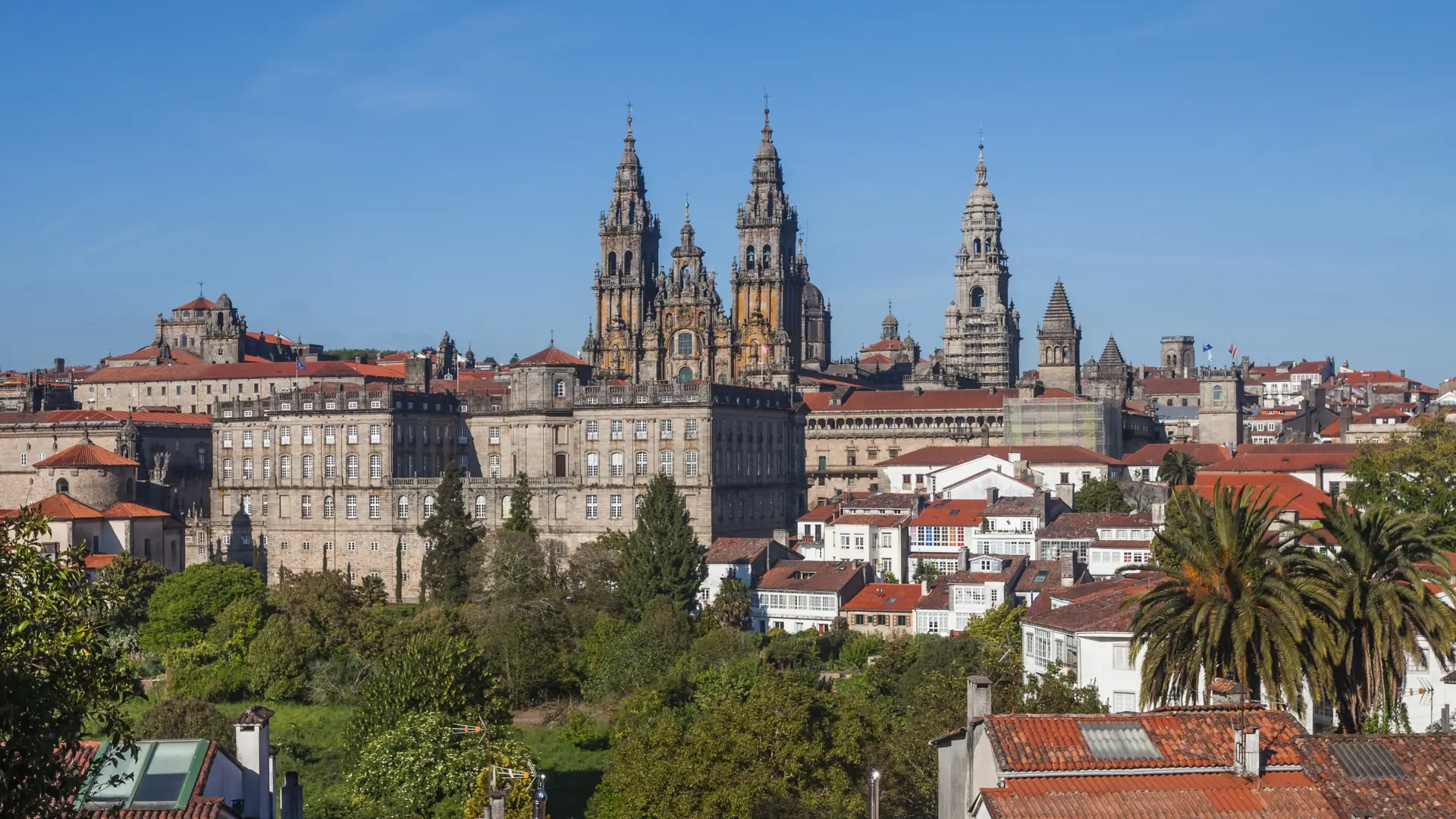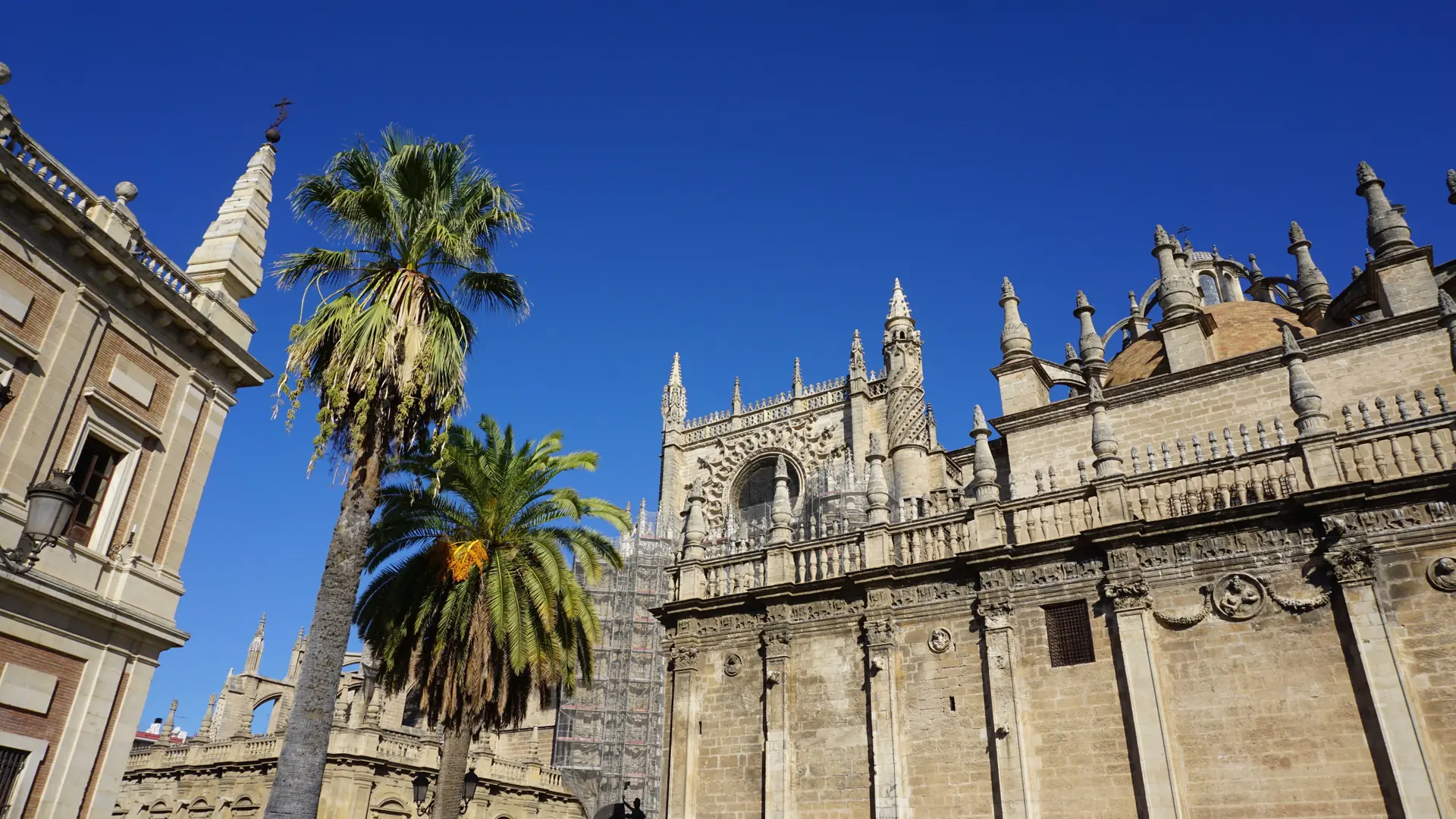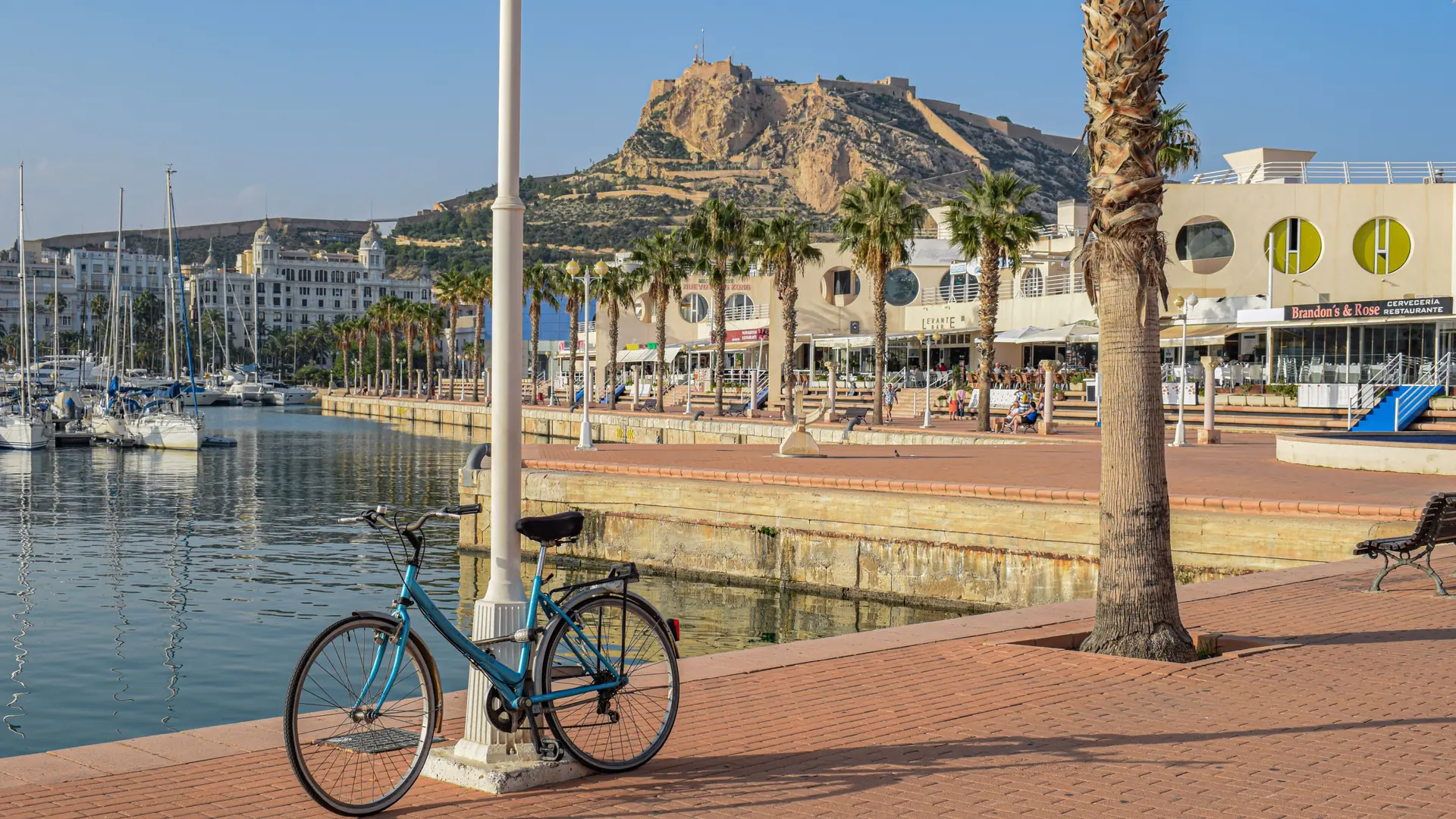
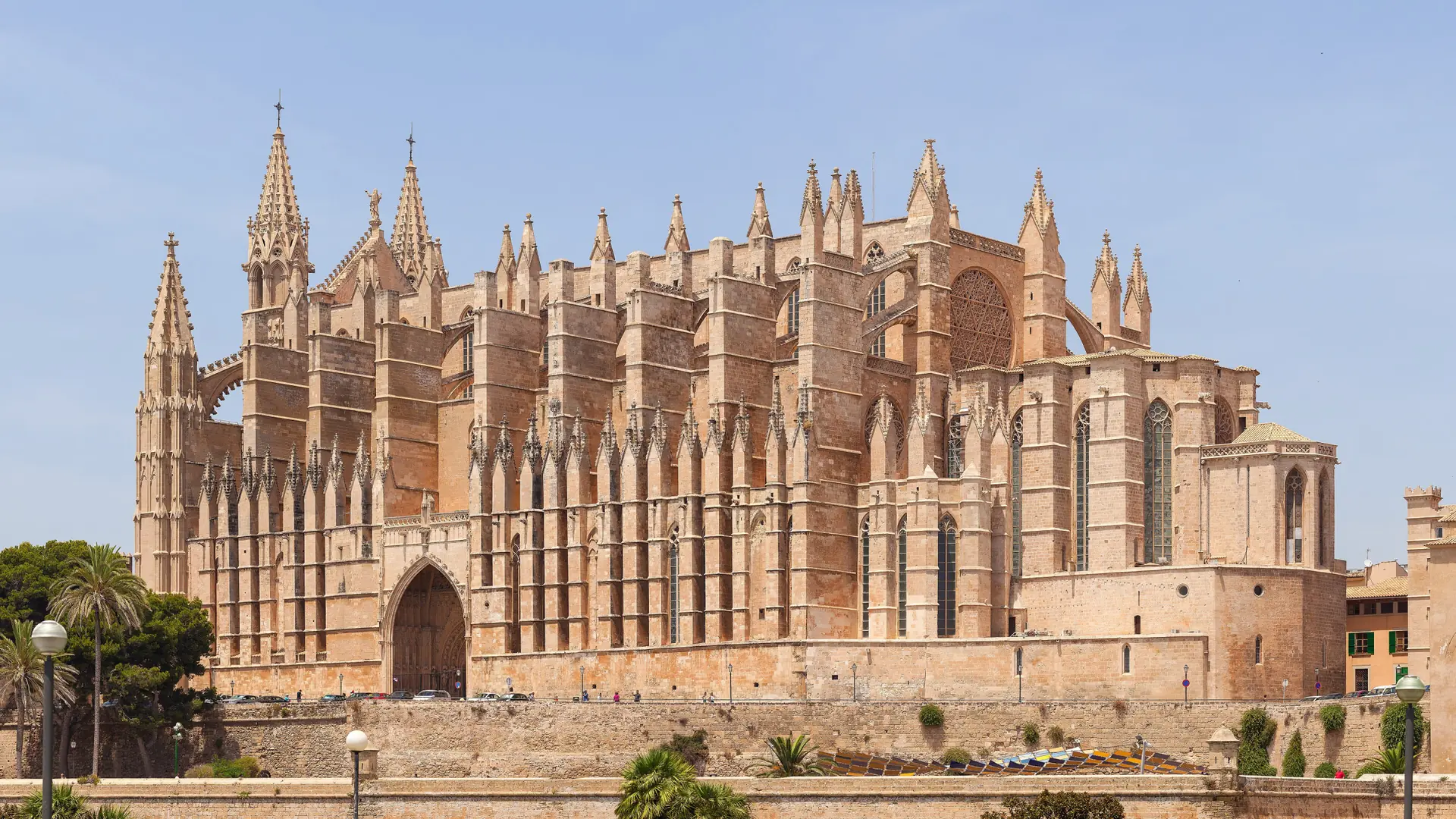
Palma Cathedral's Gothic facade and spires rising above the old city walls under a clear blue sky

Palma beyond the beach: a city break by the bay

Loading Palma de Mallorca hotel search

Six reasons to spend time in the city itself

Palma rewards looking closely at the streets between its major sights. Within the old quarter, the casals—historic mansions arranged around courtyards—sit alongside modernist buildings and long-established shops. That mixture makes a city walk interesting even when you have chosen only one substantial interior visit.

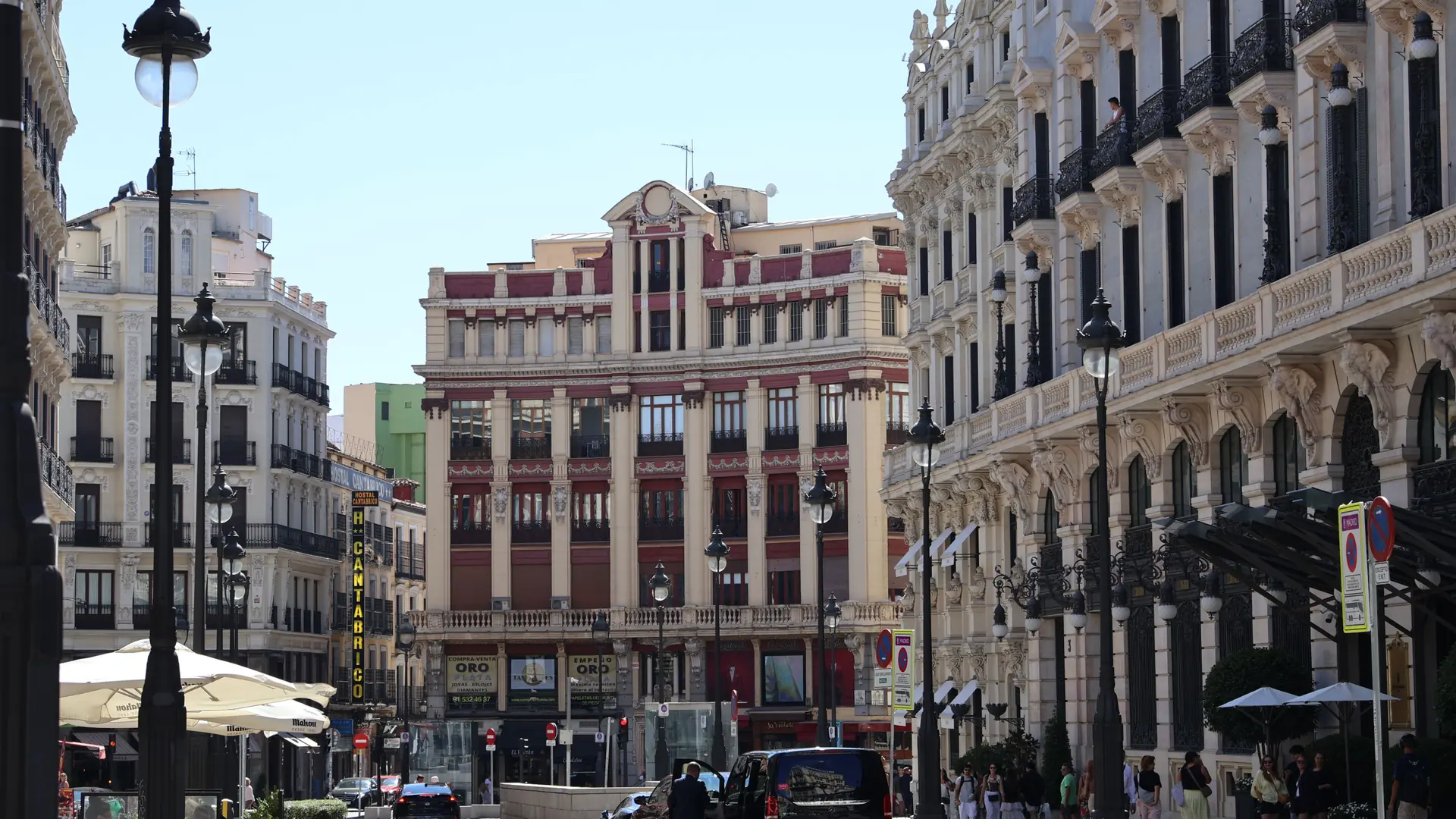
Around Plaça de Weyler and Carrer de la Unió, look at the Gran Hotel and the colourful frontage of Forn des Teatre. Their façades add a different architectural period to a day spent near the medieval cathedral. An exterior walk here can focus on the buildings themselves, without depending on an exhibition or café being open.

For a shopping walk, Plaça Major leads towards Sant Miquel and Sindicat. Nearby Banc de l’Oli, Mercadal and La Quartera offer smaller squares to explore beyond those main streets. Choose that inland circuit when shops and urban details interest you; a day built around the bay has a different geography. The distinction helps you give each outing a clear purpose.

A Gothic interior with later interventions La Seu cathedral

Inside Gothic La Seu, Gaudí’s early twentieth-century reform moved the choir to open the central space. Barceló’s 2007 ceramic work in the Chapel of the Blessed Sacrament depicts the multiplication of loaves and fishes: look at its sculpted surface.

Palace rooms beside the sea La Almudaina palace

Fourteenth-century La Almudaina remains an official royal residence. Compare the rooms’ successive artistic styles with La Seu next door; give its interiors a separate visit.

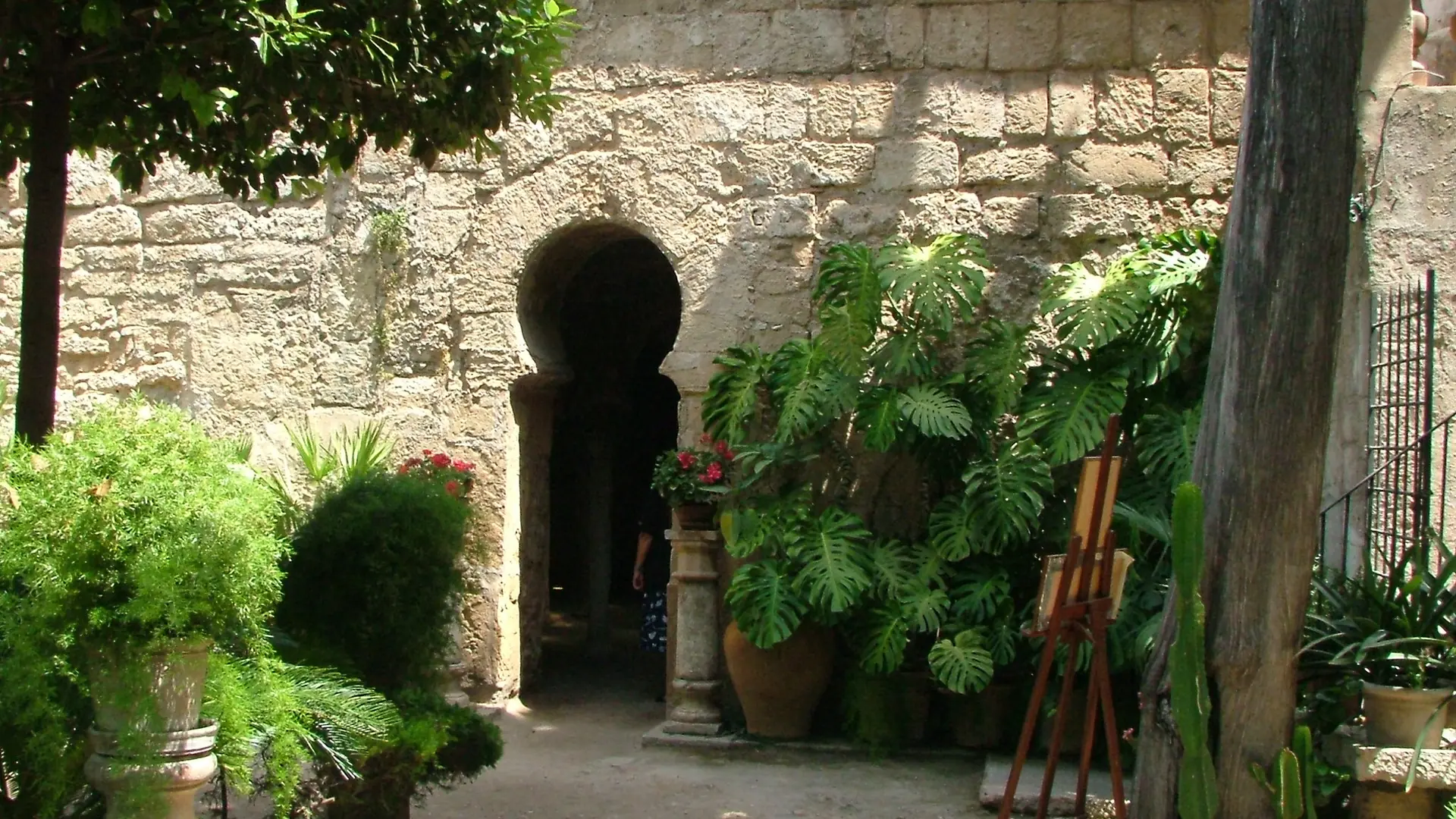
A small garden and an older dome Banys Àrabs gardens

Banys Àrabs sits in Can Fontirroig’s garden on Carrer de Can Serra. The domed hot-bath room rests on twelve columns with varied capitals: a compact architectural stop after a larger monument.

Contemporary art on the old walls Es Baluard museum

Contemporary galleries occupy Renaissance fortifications. Pair one exhibition that interests you with the museum’s outdoor views when weather permits, reading the newer art against the old walls.

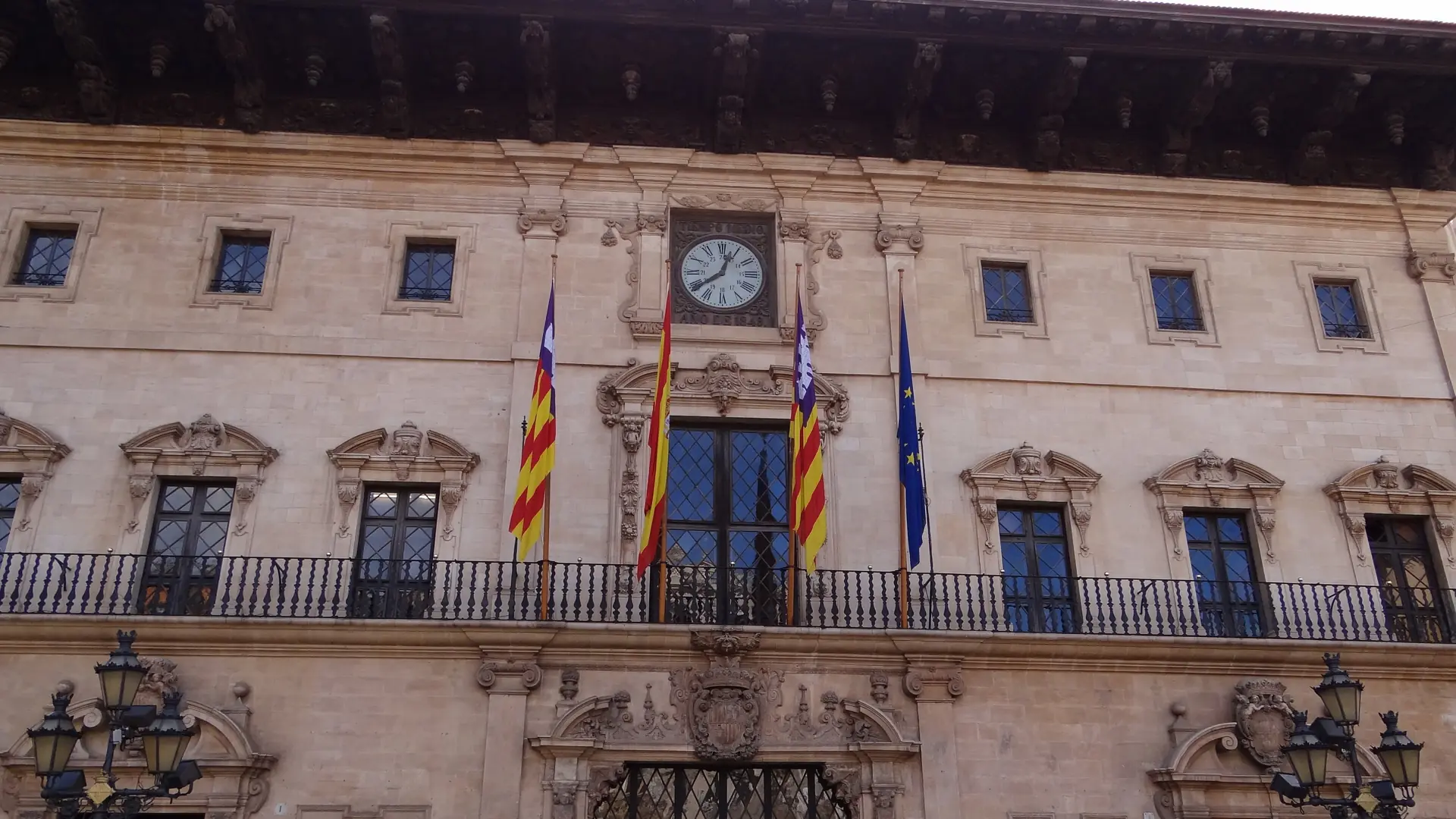
A façade worth a second look Town hall on Plaça de Cort

Look below Cort’s wooden overhang for the clock and stone bench, then find the snail and dragon near a doorway. The small figures give children an architectural treasure hunt between interiors.

A coast outing with a clear turn-back point The Portixol–Molinar shore

Walk the Portixol–Molinar shore, turning back whenever it suits you. The route continues through Ciutat Jardí and Cala Gamba towards Cala Estància; a short stretch still gives time beside the bay.

StartBooker answer

Where should I stay for a first Palma city break?

Choose the Old Town for a first visit centred on La Seu and Palma’s historic streets. Santa Catalina makes sense for market lunches and restaurant evenings; Portixol suits a daily waterfront routine. Can Pastilla works better for beach time or a flight-side night than for repeated central visits. For a Friday-to-Sunday stay, put your main monument visit on Saturday and leave the arrival evening and departure day lighter. Check the specific room’s access and outlook before paying: a historic address and a sea-view description can each hide a less convenient room.

Airport routes
A1 for Palma centre; A2 for S’Arenal
Tourist cathedral visits
Normally closed on Sundays
Santa Catalina fish stalls
Closed on Mondays

Things to do in Palma de Mallorca, Spain

Explore tours, attractions and local experiences in Palma de Mallorca, Spain.

Loading activities…

Activities provided by GetYourGuide. We may earn a commission on bookings.

AI-powered

Give Palma a proper place in your Mallorca trip

Tell the planner which days you are in Palma, the cultural visits you want and your flight times. It can arrange an unhurried city day, a coast outing or a museum visit with the walking limits that suit your group.

From Palma’s lanes to rooms beside the bay

Use the area cards to judge the setting immediately outside a hotel. The table then helps with the journeys beyond it. Check the street and entrance on a map: district names cover more than one kind of room outlook or evening atmosphere.

a sunlit garden courtyard with a horseshoe-arch Moorish doorway at the Arab Baths in Palma's old town

Old Town

historic buildings and short cultural outings

The Old Town runs inland from the cathedral and sea, with lanes, squares and courtyards rather than one uniform hotel zone. Lower streets near the waterfront feel different from a room higher in the historic core. An address just outside the busiest sightseeing paths can still belong to a rewarding walking stay.

Neighbourhood stay Walkable
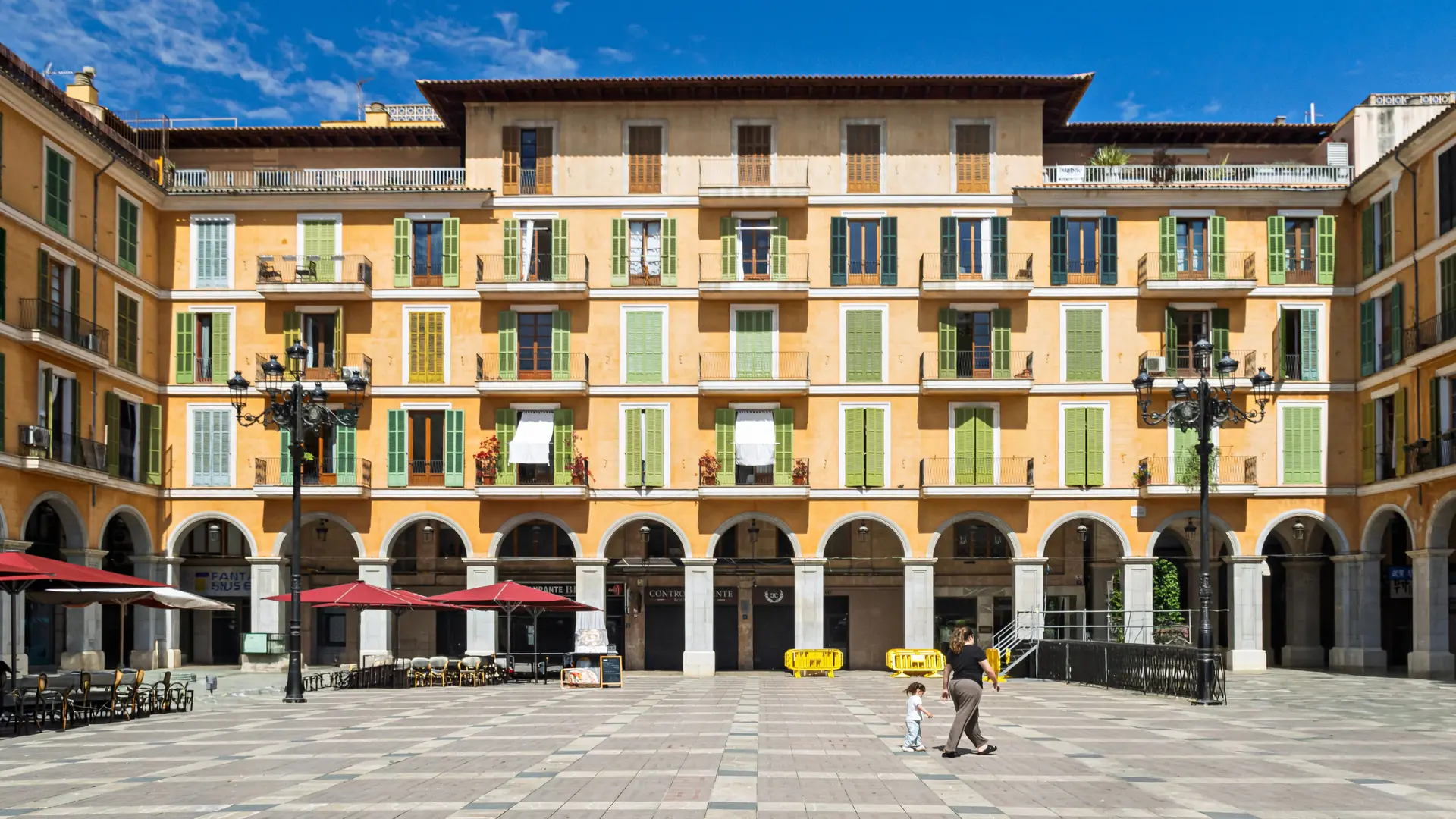
Sunlit yellow façades, green shutters and stone arcades around Plaça Major in central Palma

Santa Catalina

food shopping and evening restaurant choices

Santa Catalina grew outside Palma’s old walls and has its own street life around the municipal market. The useful distinction is between a room beside busy eating places and one on a less active surrounding street. It offers a neighbourhood setting from which central cultural visits become separate outings.

Neighbourhood stay Walkable
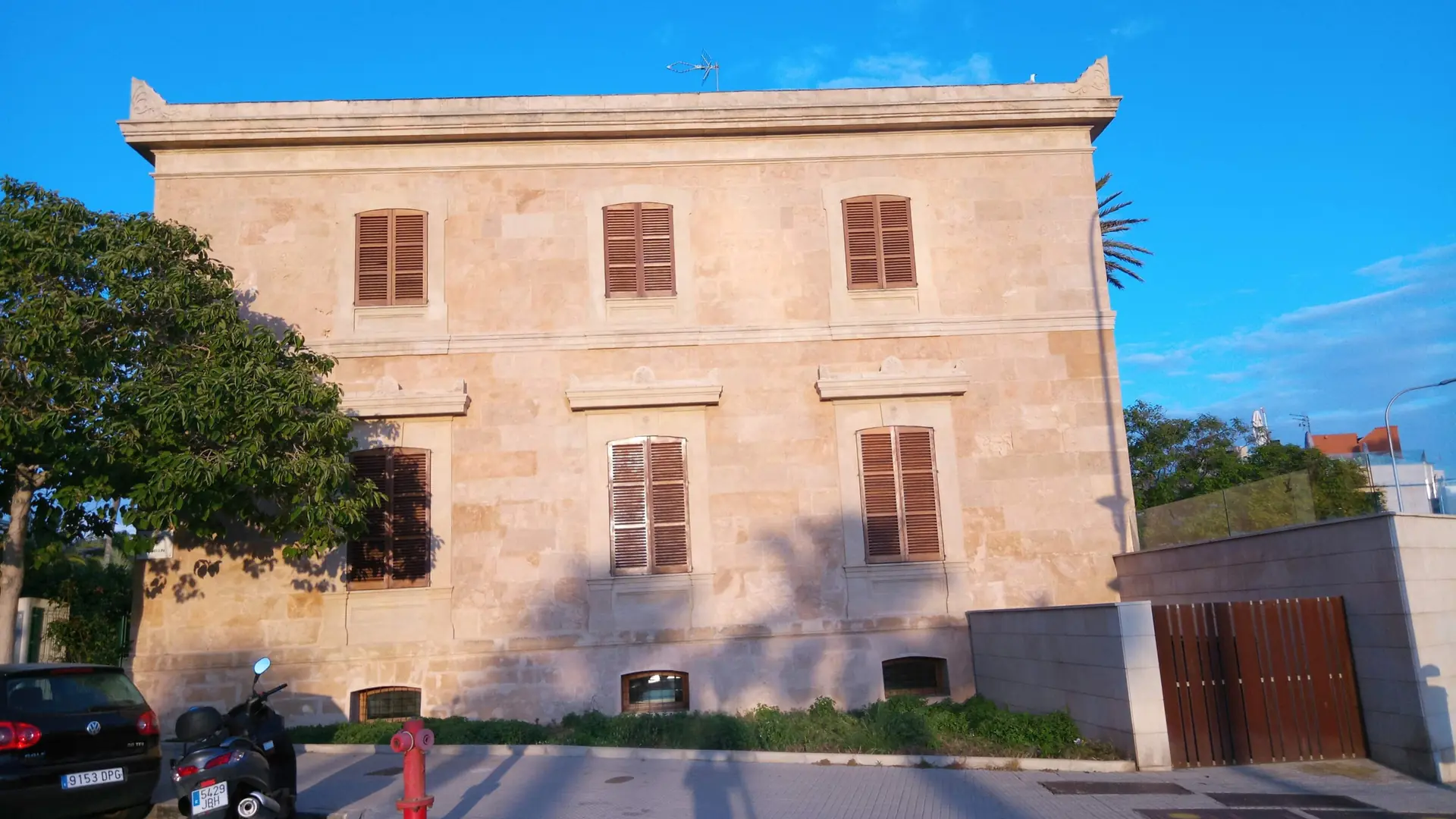
Sunlit stone façade and shuttered windows of Can Salas–Sa Petrolera on Palma’s Portixol–Molinar coast

Portixol

an outdoor routine along the bay

Portixol’s harbour and the adjoining Molinar coast give the eastern bay a different scale from the old lanes. People walk, run and cycle along the shore, and you can make the promenade part of a normal morning rather than a single sightseeing detour. Inspect how the room connects to that route.

Neighbourhood stay Walkable
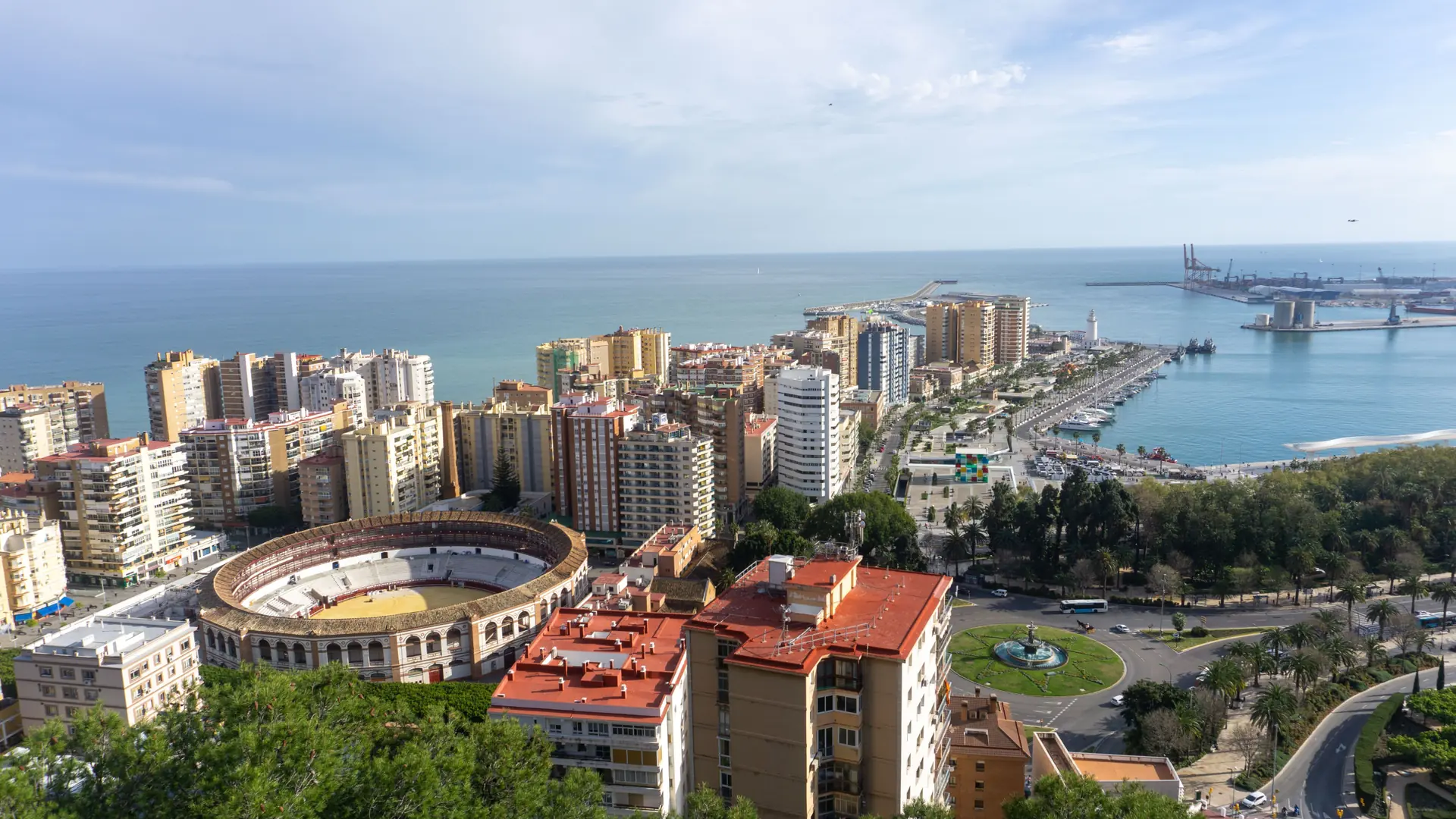
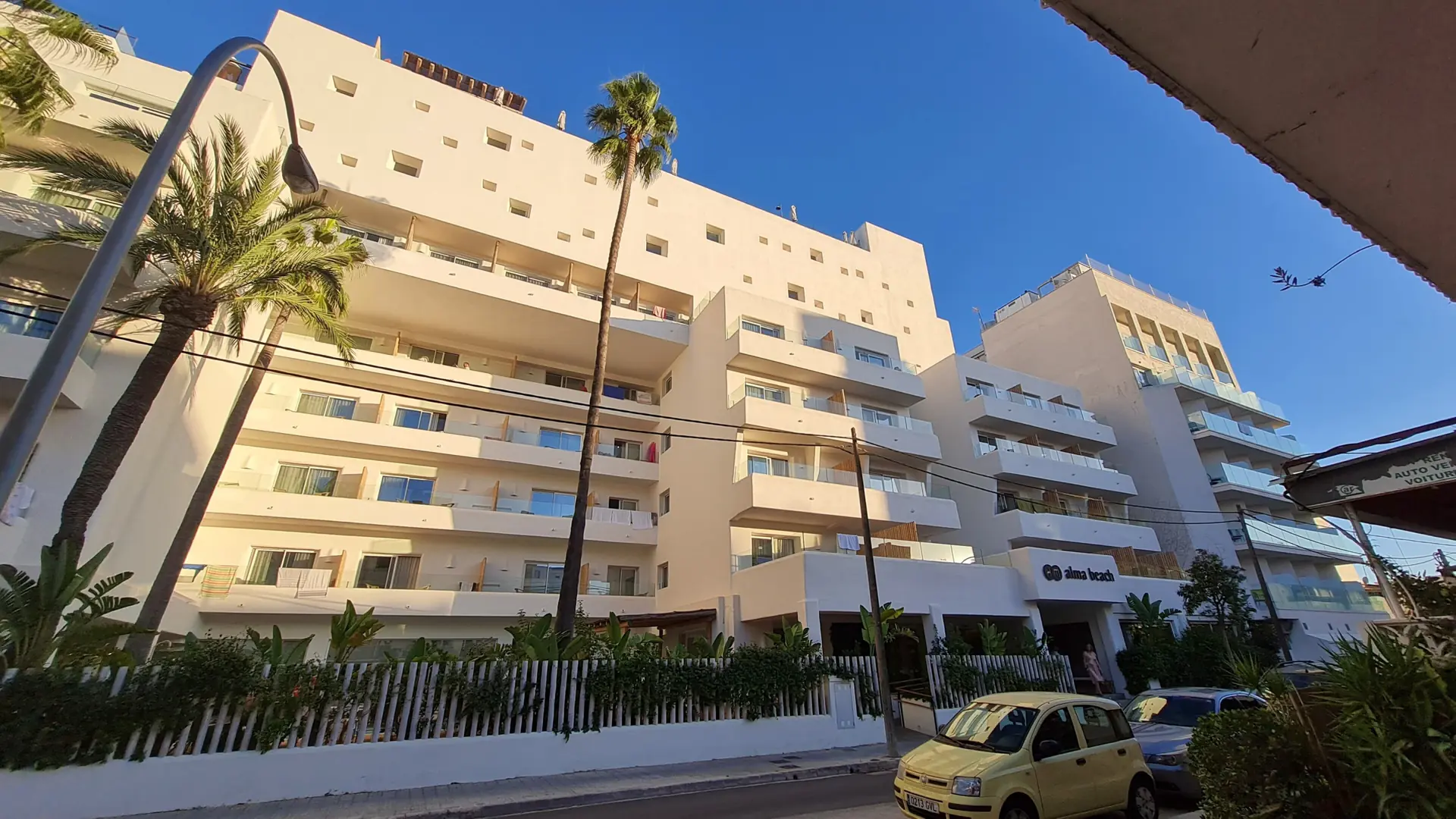
White balconies and palms at the HM Alma Beach hotel frontage in Can Pastilla, Palma

Can Pastilla

a coastal stay near the airport corridor

Can Pastilla belongs to the airport-coast side of the municipality. Its accommodation streets, beach and nearby Cala Estància create a holiday setting distinct from historic Palma. A room close to the sand can be useful for changing between outings, while the airport journey still needs a real transport arrangement.

Neighbourhood stay Walkable
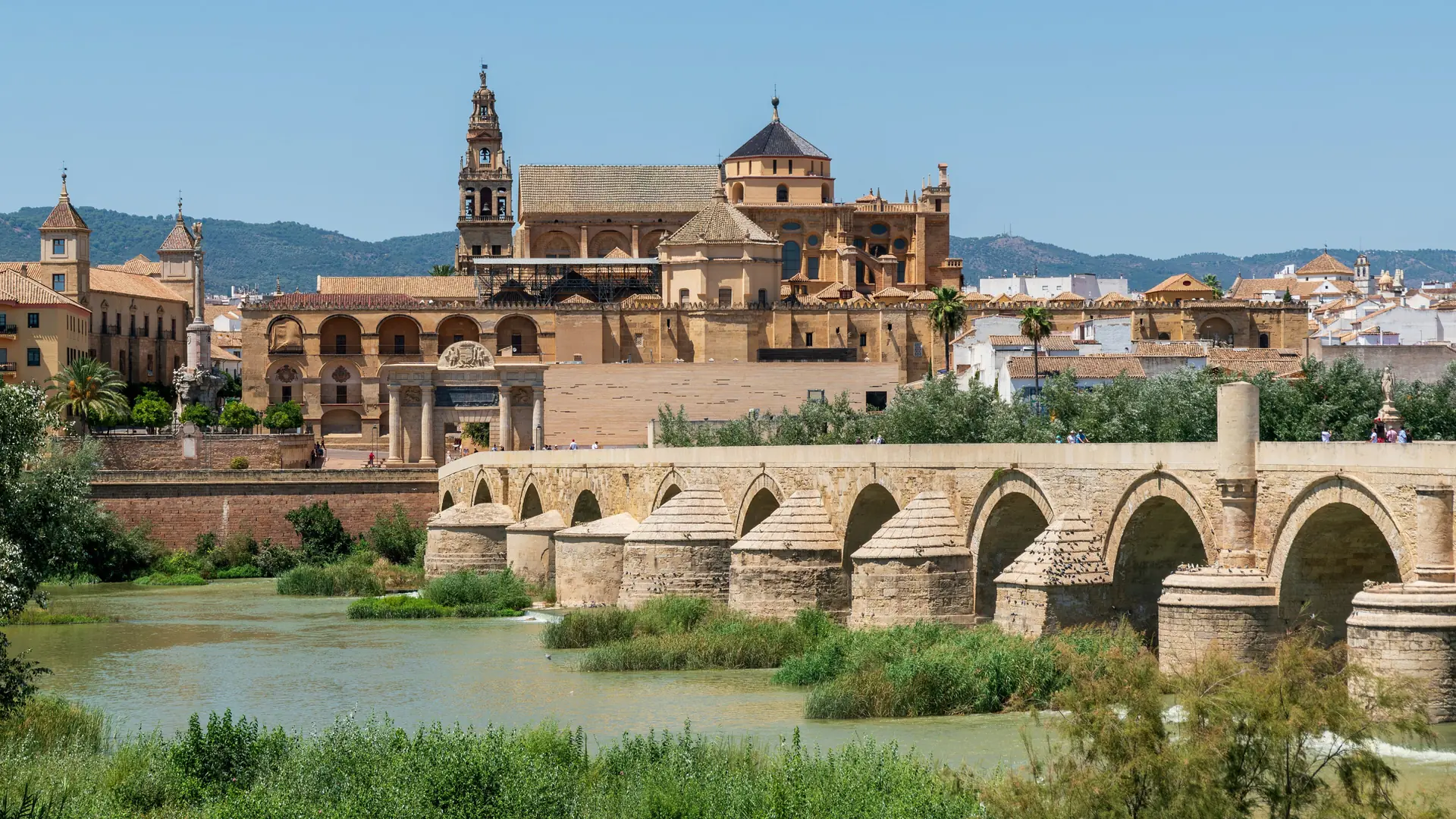
The journeys to compare before booking
Area Useful for Features Getting around
Old Town

Returning to the room between cultural visits

A pedestrian address can add a final luggage carry

Walk within the historic core; choose an airport stop from the hotel’s directions.
Santa Catalina

A market purchase followed by a local meal

Eastern coastal plans require crossing the centre

Walk towards Es Baluard or check a city bus for the farther side of Palma.
Portixol

Starting a morning directly on the waterfront

The station and western districts are separate journeys

Use the coast for walking or cycling; plan a city-bus or taxi return when needed.
Can Pastilla

Changing at the room during a beach day

Each Old Town visit needs transport time

A2 is for airport trips; use an ordinary city service for central Palma outings.

A Palma weekend with time left between visits

Arriving on Friday and leaving on Sunday means two hotel nights, one full Saturday and parts of two travel days. These four plans show how different interests can use that time. They are editorial suggestions; reserve the actual visits around their operating calendar.

Friday arrival, Saturday in the historic city

Friday: settle in and walk to Cort. On Saturday, visit La Seu, pause for lunch, then choose palace interiors or another cultural stop. Keep Parc de la Mar and the waterfront flexible after the main visit.

A child’s day with a change of scene

Give the family one indoor visit, then look for the town hall’s small figures, a snack or a coast outing. A beach-side room break can provide dry clothes and rest; keep a flexible meal between activities.

A gentler day around contemporary art

Choose one Es Baluard exhibition, a seated pause and outdoor viewing spaces if weather allows. Check the museum entrance and hotel route; leave time for a slow lunch instead of two consecutive galleries.

The last night before leaving Mallorca

Eat near the hotel and pack before going out. Confirm the morning transfer and bag collection after checkout. An airport-coast room suits a final island night only if the whole departure plan works.

Search Palma de Mallorca hotels

Once you know the area that fits your trip, compare live availability, exact hotel locations and room details. Editorial advice is separate from provider prices and availability.

Search Palma de Mallorca hotels →
Loading Palma de Mallorca hotel results

Arrival and getting around

Palma’s airport code is PMI. Pick the arrival corridor first, then the stop and final walk. The airport buses serve different parts of the bay; a taxi becomes useful when the last part of a luggage journey is awkward or the landing time falls outside a practical bus connection.

Airport arrival

A1 for the central-city arrival

Aena identifies A1 as the airport–Palma centre service. Start with this route for a central stay, then use the hotel’s directions to select the stop. Plaça d’Espanya is an important orientation point for wider island connections, but it is not automatically the shortest luggage route to every Old Town room. Save the street approach before travelling, especially if reception is reached through a pedestrian lane. Check the date’s departures and any temporary diversions with EMT.

A2 for the eastern airport coast

A2 runs between the airport and the S’Arenal corridor and is the relevant airport service for the Can Pastilla side. Match the stop with the actual entrance rather than choosing the closest name on a map. If a direct transfer suits your group better, Aena asks passengers to use the signed taxi rank at the terminal and avoid offers from other points. Keep the receipt. A published room address does not establish a fixed taxi price, so ask about the applicable fare before the journey.

Local mobility

Let the old streets form a short walk

Palma’s historic core has upper and lower parts. Begin near the sea, then choose a few streets and squares inland rather than trying to cover the whole old quarter at once. Carrer de la Unió, Plaça del Mercat and the streets around Plaça Major give a different view of the city from the cathedral side. Keep the walk within the group’s comfortable distance and leave a café pause available; the appeal is what you see on the way.

Use a city bus for a city journey

EMT explicitly limits A1 and A2 to journeys starting or ending at the airport. You cannot use an airport bus for an intermediate Can Pastilla-to-centre hop. For that outing, check the current ordinary city routes; the published network map includes line 35 between the aquarium area and Plaça de la Reina by the cathedral. Locate the stop for your address and direction, and check the live return rather than assuming the airport service also functions as a beach shuttle.

Give the Sóller railway its own day

The wooden train to Sóller is an excursion choice rather than Palma’s airport transport. The operator’s example timetable takes about an hour between Palma and Sóller, before time spent in the town or on the separate tram to the port. It asks passengers to be at the departure station thirty minutes early. Check the outward and return services for your date before adding lunch or a port visit. Bicycles and electric scooters are not admitted on board.

Passes and tickets

Compare the payment method as well as the network

EMT cash singles cost €5 (≈ US$5.61) for the airport or €2 (≈ US$2.25) for an ordinary city ride, without transfers. Contactless bank-card fares can be cheaper, with group discounts for up to five on one card; follow the validator instructions. TIB’s island buses, trains and metro use separate rules: tap in for each person and out once per bus group; each rail passenger validates in and out. Keep the same card or device throughout. Rates checked on 20 October 2026.

Accessibility

An art visit with documented adaptations

Es Baluard describes ramps, two lifts, adapted toilets and a wheelchair available for visitors who need it. Those features make the museum a useful option when you want an indoor cultural visit with fewer architectural barriers. Ask the museum about the route through the exhibition you intend to see and any assistance needed. The terraces and surrounding streets deserve a separate check, particularly when you are making your own way from the hotel.

Check the whole journey from pavement to bed

Write down the access requirements that matter to your group: entrance steps, doorway clearance, lift dimensions, bathroom layout and the distance you can manage with bags. Ask the hotel to answer them for the specific room category. A photograph of a broad entrance or a statement that a district is walkable is incomplete information. La Almudaina also lists access for visitors with reduced mobility and manual wheelchairs; confirm current arrangements before making it the day’s fixed stop.

Small decisions that make the trip run better

Price the whole stay before choosing extra visits. The October example uses a historical room benchmark and explicit meal, tax and reserve allowances. Check your hotel’s final invoice to prevent double-counting tax. For comparison, euro amounts carry rounded US-dollar equivalents at the ECB reference of 19 October 2026, 1 EUR = US$1.1225; bank and card rates may differ.

Season and weather

Read the season through the airport station
  • AEMET’s 1981–2010 normals for Palma Airport, station B278 at 5 metres elevation, put the average daily maximum at 31.2°C in July and 31.3°C in August. April’s figure is 19.8°C and October’s 23.9°C; the January average minimum is 3.8°C. These historical airport observations give useful seasonal context, not the temperature promised for an Old Town room or a beach afternoon. Pack for the likely range, then use the near-date forecast to decide how long you want to stay outdoors.

  • Keep a wet-day option without forcing a museum marathon

    October’s historical monthly rainfall at the same station is 62 mm, compared with 5 mm in July. A city break can therefore need more flexibility than a postcard of the bay suggests. Keep one indoor visit that genuinely interests the group and a shorter outdoor walk you can move between showers. The museum’s outdoor viewing spaces may be less appealing in wind or rain; enjoying the galleries on their own is still a worthwhile visit.

  • Put the trading and visiting calendar beside the dates

    La Seu’s Spanish calendar gives March–November weekdays 10:00–17:15, December–February 10:00–15:15; Saturdays 10:00–14:15, normally closed Sundays. La Almudaina normally closes Mondays; October–March is Tuesday–Sunday 10:00–18:00, last entry 17:00. Its owner lists 2 November as an extra opening: confirm that day’s hours. Es Baluard opens Tuesday–Saturday 10:00–20:00, Sunday 10:00–15:00, closes Monday and stops ticket sales thirty minutes earlier. Check holiday exceptions for your actual dates.

Budget choices

Two adults, three days and two nights
  • For October 2026, share one double room: €300 (≈ US$337) lodging, €300 (≈ US$337) meals, €58 (≈ US$65) airport/monument tickets, €20 (≈ US$22) tourist-tax allowance, €8 (≈ US$8.98) for four city rides and €30 (≈ US$34) reserve. Total: €716 (≈ US$804), rounded to €720 (≈ US$808). Each person’s daily €50 (≈ US$56) food allowance includes breakfast and ordinary drinks. The reserve is not a taxi fare. Excludes flights, island travel, extra attractions, insurance and shopping; substitute your final room quote.

  • Room history and the separate tourist tax

    INE’s October 2025 Palma double-room ADR was €136.05 (≈ US$153), before tax/services. Two nights plus 10% VAT give €299.31 (≈ US$336), rounded to €300 (≈ US$337): a historical city benchmark across categories, not a four-star offer. A regular four-star hotel’s May–October tourist-tax base is €3 (≈ US$3.37) per adult/night: €12 (≈ US$13) for this stay before invoice VAT. Our €20 (≈ US$22) tax amount is an allowance. The base falls 75% November–April; confirm the actual category and final bill.

  • What the tickets cover, and what costs extra

    The €58 (≈ US$65) sum covers four cash airport singles, two basic La Seu/museum entries at €11 (≈ US$12) each and two La Almudaina entries at €8 (≈ US$8.98) each. La Seu with audio guide is €16 (≈ US$18); its €25 (≈ US$28) terraces product includes the interior and museum, so avoid buying basic entry twice. Es Baluard is extra: €8 (≈ US$8.98) per adult, or choose a Friday price from €0.10 (≈ US$0.11). Check the selected product and any booking fee before paying.

Can children or visitors with limited mobility use La Seu’s terraces?

The terrace route is limited to visitors older than nine and excludes people with vertigo, cardiorespiratory conditions or reduced mobility for age or health reasons. Minors need official identification proving their age, and visitors under eighteen require an accompanying adult, at least one for each minor. These rules concern the elevated route; they are not a blanket ban on visiting the cathedral interior. Choose a floor-level visit or another accessible cultural outing when the roof conditions do not fit your group.

What should I bring for a cathedral visit after checkout?

Dress for a working religious building: the cathedral asks visitors to avoid swimwear or going shirtless. It does not admit travel suitcases or bulky packages and has no lockers for them. Arrange bag storage with the hotel before choosing a visit between checkout and the airport transfer. Take the admission confirmation and any documentation needed for a concession. For the terraces, arrive for the booked start rather than assuming a late arrival will be accepted.

Are Palma buses free for everyone in 2026?

No. EMT’s 2026 information links free travel to holders of an eligible Tarjeta Intermodal or Tarjeta Única with an updated profile. A visitor paying cash or using an ordinary bank card should compare that product’s applicable fare instead. Having a contactless card does not turn it into a resident transport card. Use the card category and conditions that actually apply to you; the same city can display different prices without those prices referring to the same ticket.

Should I add Sóller to a two-night Palma visit?

The Palma–Sóller train return is €30 (≈ US$34) per adult; the combined train/tram return is €40 (≈ US$45), checked on 20 October 2026. Travel, time in Sóller and the port can use most of the full day between two hotel nights. Add another night if La Seu and Palma’s art are your priorities. If Sóller is the main reason for coming, choose it deliberately and reduce the city list. Check the booked return and boarding instructions before arranging a late meal in Palma.

Which walk can I do when a paid attraction is closed?

Choose a route around Plaça de Cort, the nearby old streets and the outside of the cathedral quarter, or spend time beside the bay. An exterior walk can be rewarding without treating a closed building as a failed visit. Let your interests and the weather decide the distance: architectural details suit a short central circuit, while an open coastal stretch gives the day a different mood. Save the interior you want for a date when its published tourist calendar allows the visit.

Can I take luggage or a long umbrella into Es Baluard?

Es Baluard bars large backpacks, suitcases and bulky items from its galleries; its published rules specify 30 × 30 cm for large items. Long umbrellas must go in the free cloakroom. Leave overnight luggage with your hotel before visiting, or ask the museum whether the cloakroom can accommodate your particular bag. Free cloakroom service does not establish that every suitcase will fit or be accepted.

Which room comfort and access details matter in an Old Town casal?

Historic mansions can have a courtyard or broad stone entrance while the booked bedroom receives little outside light. Ask which part of the building your category occupies, where the window faces and how you reach it from reception. Confirm cooling, whether the window opens to a street, courtyard or internal shaft, and whether the lift reaches the floor without intermediate steps. Check entrance thresholds and usable shower space. Compare room category, breakfast and cancellation on the same dates; a handsome building earns a premium only if the room’s space and comfort work for you.

What local pastry can I try on an Old Town walk?

Look for an ensaimada in a traditional forn, or bakery. This Mallorcan spiral pastry uses pork lard and is dusted with icing sugar; a lisa is plain, while filled versions can include fruit or other fillings. Choose a small one for a breakfast pause, asking what was baked that day and which fillings are available. It gives the walk past Palma’s old bakery façades a purpose beyond photographing them. Check ingredients with the bakery if your group has dietary requirements.

How this guide was researched

Reviewed by StartBooker editorial review Travel guide research and self-review

Last reviewed 2026-10-20

Updated

Editorial method: Editorial self-review checked museum and transport prices, the current visiting calendar, the tourist-tax law and the whole two-adult example. INE’s dated city average is a room benchmark; meal, tax and reserve amounts are allowances. Cathedral, regional heritage and municipal tourism records support the art and pastry details. Unchanged neighbourhood, access, market and climate evidence keeps its earlier dates. All six existing real photographs and their place labels are retained.

34 sources reviewed

Primary sources
  • Catedral de Mallorca
  • Aena
  • Patrimonio Nacional
  • Es Baluard Museu
  • Mercat de Santa Catalina
  • Fundació Turisme Palma 365
References
Photo credits

Some photos provided by Pexels.

Share one Palma stay lesson: Old Town versus Santa Catalina