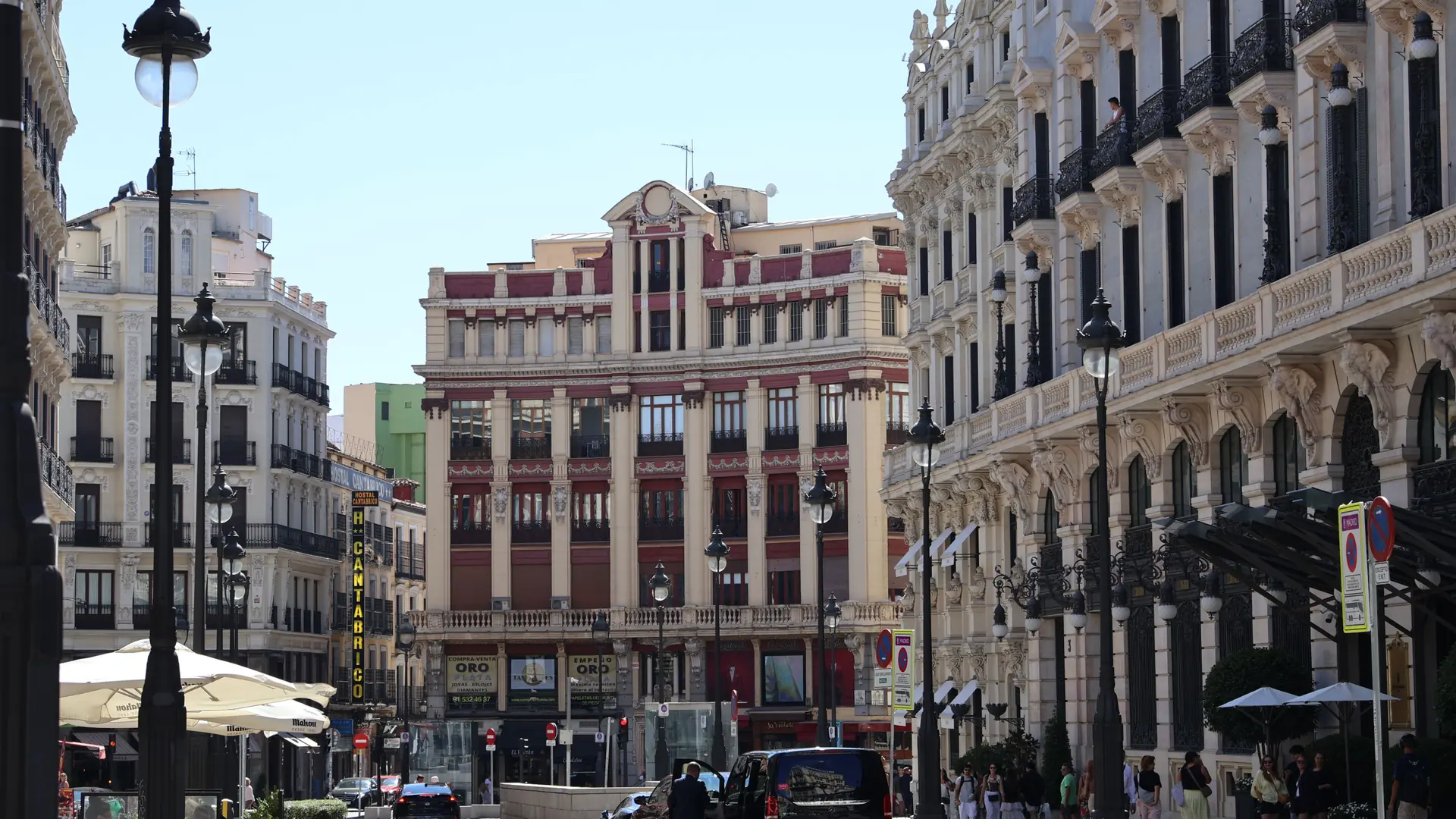
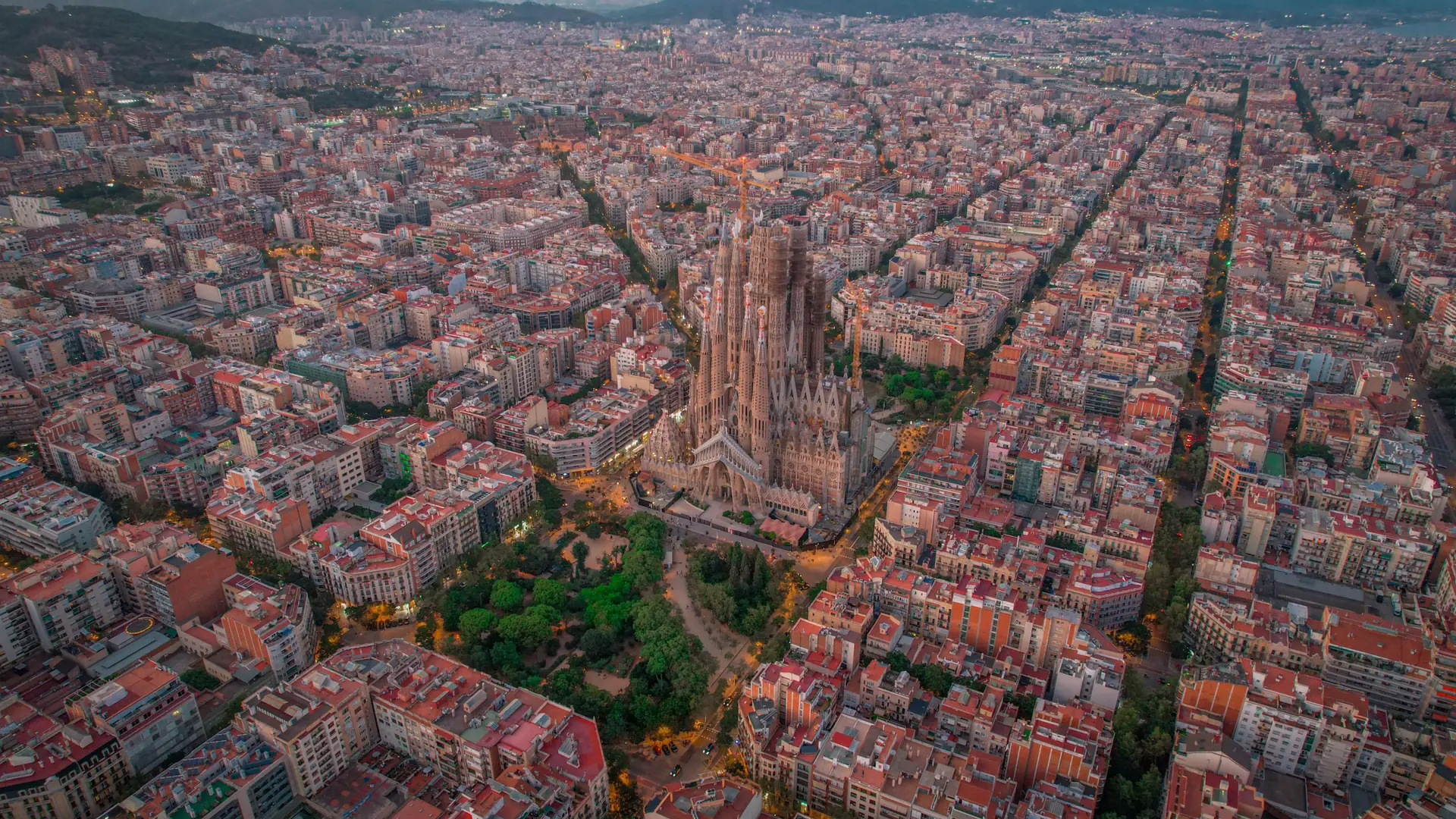
Palma is more than the airport
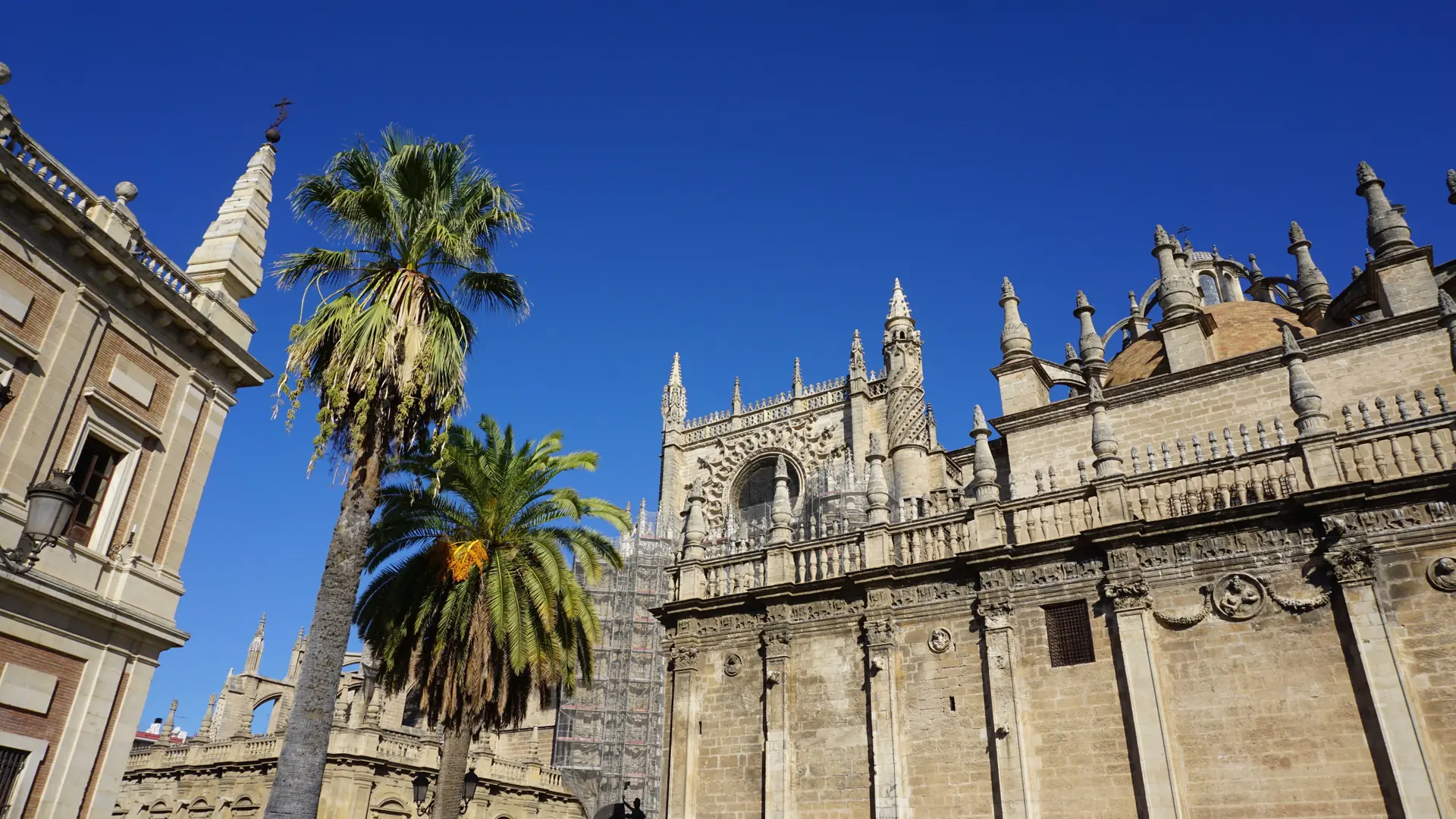
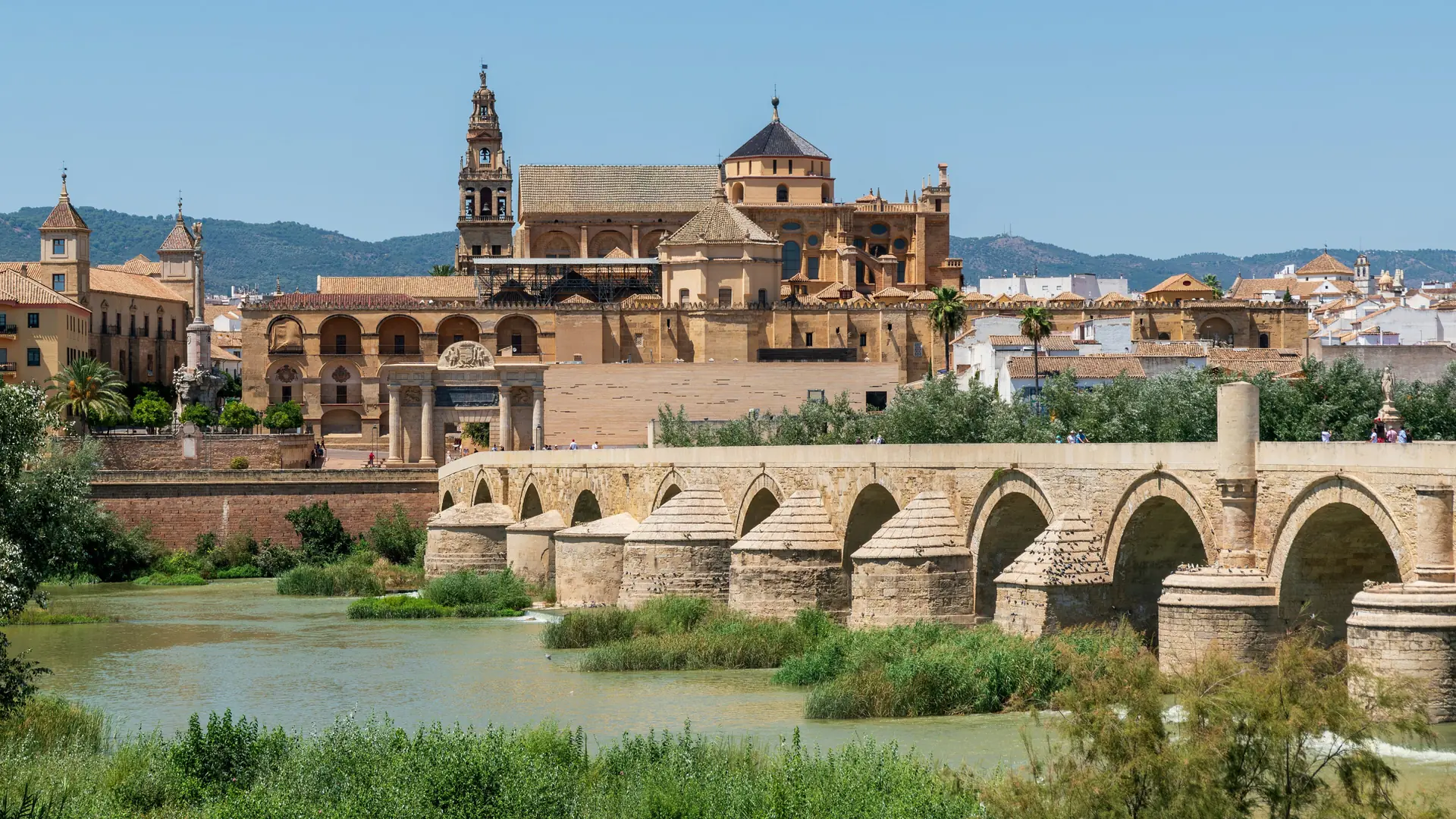
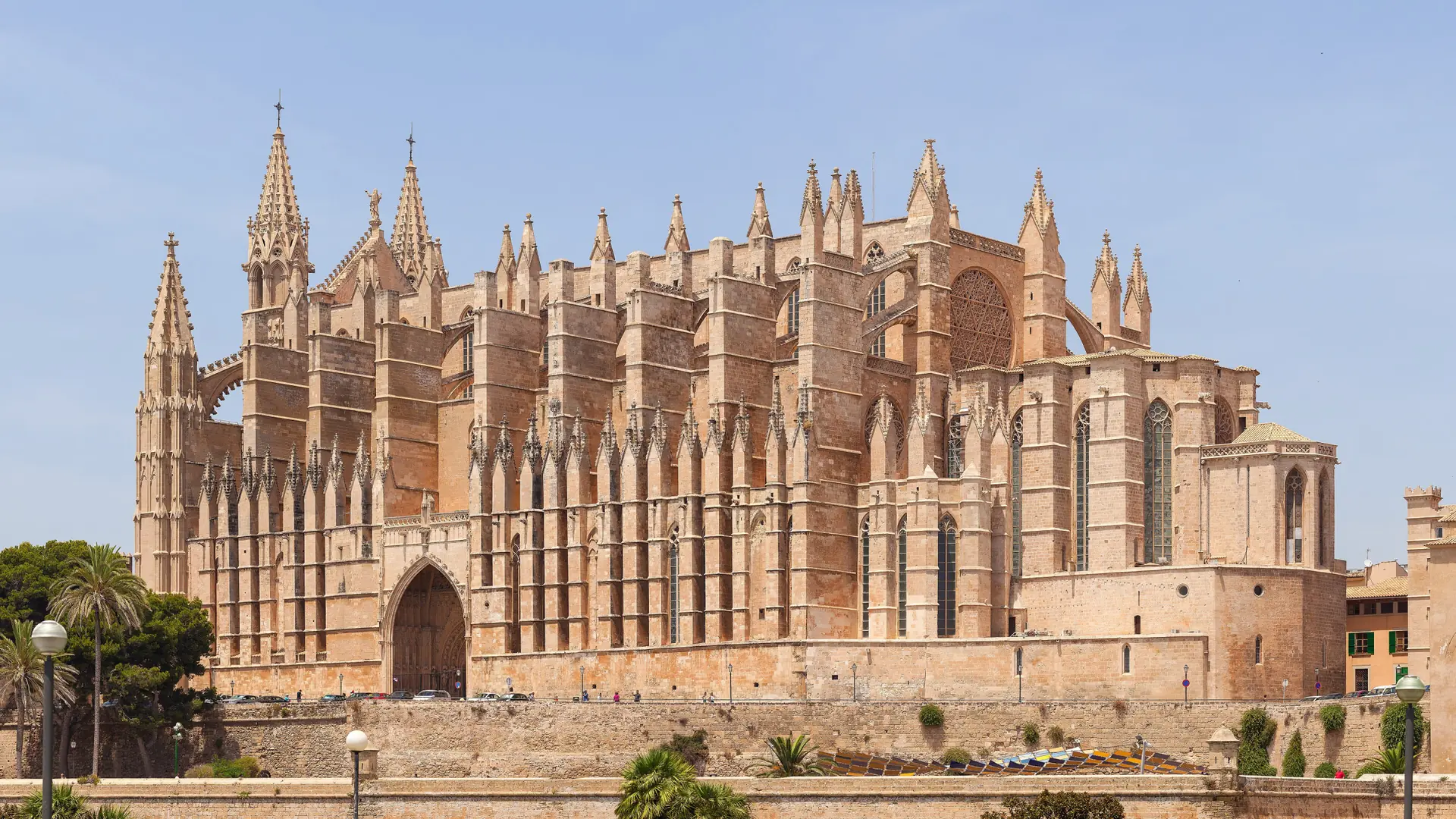
The old city, cathedral and waterfront are enough to justify two nights before you collect a car. The contrast is inside La Seu: Gothic architecture shares the building with changes by Antoni Gaudí and Miquel Barceló.
Two nights in Palma, a Sóller tram ride and a mountain drive to Alcúdia, with time to enjoy each stop.
Palma’s Gothic cathedral, Sóller’s wooden tram and Alcúdia’s Roman ruins give these five days three different settings. Sleep twice in Palma, then once in the Sóller valley and once in Alcúdia. The fifth day ends at Palma airport, after a morning in the north. There are four hotel nights and two changes of accommodation.
Walk during the two Palma days and collect a rental car on the third morning. The tram is a separate town-to-port excursion: return to Sóller afterwards, keeping the car for the mountain road through Lluc. This plan suits a driver comfortable with bends and cyclists; an easier lowland alternative is given with the transfers.
The worked example runs Monday 19 to Friday 23 October 2026, for two adults sharing a double room and leaving on an evening flight. The eastern coves, long mountain hikes and Formentor need another day. For a holiday centred on swimming, choose fewer bases; for more time in the historic towns, add a northern night rather than another stop on the driving day.
The old city, cathedral and waterfront are enough to justify two nights before you collect a car. The contrast is inside La Seu: Gothic architecture shares the building with changes by Antoni Gaudí and Miquel Barceló.
The tram opened in 1913 to connect Sóller with its port. Riding past town houses and citrus groves gives the afternoon a link to the valley’s working history as well as its bay views. Return to the same base after the harbour outing.
Behind Alcúdia’s medieval gates are pedestrian streets and manor houses; just outside lies a Roman town with houses, a forum and a rock-cut theatre. The final base works well with an evening flight from Palma. A morning departure calls for a different final night near the airport.
Best for
StartBooker answer
Give Palma the first two nights for La Seu and its old quarter. Follow with a night in the Sóller valley and your last night in Alcúdia. Use a car for these later stages; the wooden town-to-port tram is an afternoon excursion rather than a substitute for the drive north. Pause at Lluc on the mountain-road day, then visit Roman Pollentia before returning south for an evening flight. The four-night plan leaves longer beach outings or Formentor for an extended stay.
Explore tours, attractions and local experiences in Palma, Sóller, Alcúdia along this route through Spain.
Loading activities…
Activities provided by GetYourGuide. We may earn a commission on bookings.
Two nights in Palma, one in Sóller and one in Alcúdia. Each base serves a different part of the island; town and beach addresses are not interchangeable.
3 stops · swipe
 1
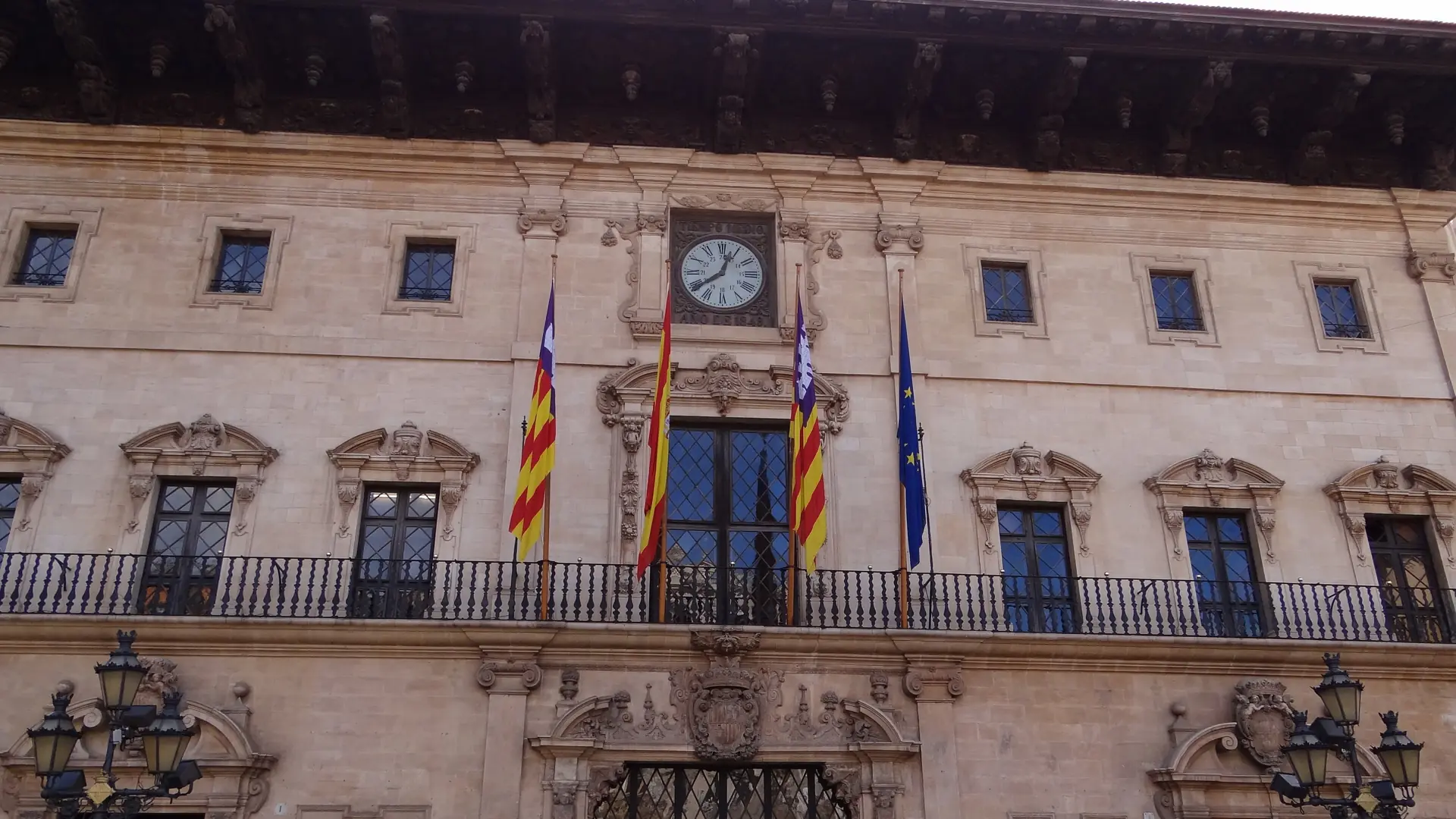
La Seu, the old city, markets and a powerful waterfront setting
Passeig des Born and Plaça de Cort put the cathedral and old lanes within walking distance. Santa Catalina favours the market and evening restaurants, farther from La Seu. Plaça d’Espanya is useful for the airport bus and historic train. Narrow old-town streets can mean a final walk with your bags.
Read the Palma guide → 2
The historic railway and tram, orange groves, harbour sunsets and Tramuntana access
Stay near Plaça de la Constitució or Sa Lluna for a town walk before and after the tram outing. The main square is lively with terraces and passing trams. Port de Sóller instead puts the beach and waterfront outside your door, a separate half-hour tram ride from the valley town. Confirm parking access.
 3
A walled old town, Roman Pollentia, long bays and the Formentor side of the island
Carrer Major and Sant Jaume suit an evening inside the walls and the next morning at Pollentia. Arrange parking outside the pedestrian centre. Port d’Alcúdia favours the beach and waterfront, with another journey to the old town; choose that setting if you intend to replace the Roman visit with the bay.
Palma has a full sightseeing day; the two moving days leave time for an afternoon walk and a rest.
Check in near the old centre or waterfront, then start with Parc de la Mar and the lanes behind the cathedral. La Seu rises above the former sea wall, with the park and its pool below. Continue towards La Portella if you still have energy; a late flight can simply mean dinner and a shorter exterior walk. The EMT A1 bus connects Palma airport with the centre. The ordinary cash ticket is €5 (≈ US$6) per adult; match its central stop to your accommodation using the operator’s map. A taxi from the official rank is another option, additional to this bus-based budget. Leave the rental handover until day three. For a first taste of Mallorca, visit a bakery for an ensaïmada: a spiral pastry traditionally made with pork lard, dusted with icing sugar and sold plain or filled. It is a local breakfast or afternoon snack, rather than a reason to book another excursion. The traditional dough contains wheat, egg and pork, which matters when choosing for dietary needs.
Overnight: Palma
Give La Seu a morning visit. Built after the Christian conquest of 1229, the cathedral layers Mediterranean Gothic architecture with later work. Gaudí reorganised its interior in the early twentieth century; Miquel Barceló later transformed the Chapel of the Blessed Sacrament. Look at these interventions as well as the nave’s height and stained glass. The €11 (≈ US$12) adult ticket includes the Museum of Sacred Art. October visiting hours are Monday–Friday 10:00–17:15 and Saturday 10:00–14:15, closed Sunday. Enter through the museum entrance at Plaça de la Seu. Confirm before paying: ordinary tickets cannot be changed or refunded, and there are no lockers for suitcases or bulky bags. The optional €25 (≈ US$28) terrace product includes the basic visit. Walk towards Plaça de Cort afterwards, then lunch around Santa Catalina’s market. Stalls close at 15:00 Monday–Saturday, while food services generally continue until 17:00; arrive before the stalls finish if browsing produce is part of the plan. Leave the remaining afternoon for the old lanes or waterfront.
Overnight: Palma
Collect the car after your two Palma nights and take the tunnel route to Sóller. Aim for a town lunch, then look around Plaça de la Constitució: Sant Bartomeu church and the former bank bring modernist façades into the mountain setting. Sa Lluna makes a short pedestrian walk before the harbour outing. The electric tram opened in 1913. Besides passengers, it once carried fish and other freight, connecting the valley with its port. Board near the railway station in Plaça d’Espanya for the half-hour ride through the town and citrus groves. Single tickets cost €10 (≈ US$11) per adult in each direction, sold on board. Leave the car at your accommodation or agreed parking place. At Port de Sóller, walk the Es Través promenade, sit beside the boats or spend time on the beach if conditions suit. Return by tram to the same Sóller base for dinner. The historic Palma–Sóller train is a different journey, useful for the car-free alternative; it does not replace the vehicle needed for tomorrow’s drive north.
Overnight: Sóller
Follow the Ma-10 into the Tramuntana, with Lluc as the main stop. Dry-stone terraces and water channels reveal a landscape shaped by generations of farming, recognised by UNESCO for this cultural heritage as well as its setting. Keep Sa Calobra for another outing; its descent adds a separate mountain drive. Lluc’s pilgrimage tradition dates from the thirteenth century. The present church is largely seventeenth century, and the courtyards and former pilgrims’ lodgings explain why this is more than a roadside lunch stop. Allow an hour or two, including a meal; the basilica’s published hours are 08:30–19:30 and services take priority. The small botanical garden is an optional walk. Continue towards Pollença and Alcúdia, leaving time to rest before dinner. At Porta des Moll, the twin towers frame the passage into the medieval town. Walk inside towards Carrer Major and Sant Jaume. This Thursday example misses the regular Tuesday and Sunday markets, so enjoy the streets without planning a market visit.
Overnight: Alcúdia
Begin at Pollentia, just outside Alcúdia’s walls opposite Sant Jaume. It developed after Rome’s conquest of Mallorca in 123 BC. The Portella houses, forum and theatre cut into the rock reveal a Roman town beneath the island’s better-known medieval story. Allow an hour to ninety minutes; the ordinary adult ticket costs €4 (≈ US$4). The archaeological museum in the old town is an optional addition. Check the operator’s seasonal calendar before committing the morning. Its posted 2026 summer timetable lists Friday 09:00–13:00, last entry one hour before closing; that is not confirmation of October hours. If closed, use the old town and bay instead. Confirm bag storage with your accommodation before sightseeing after checkout. After lunch, allow roughly an hour’s drive via Ma-13, Ma-20 and Ma-19 to Palma airport, plus fuel, the rental handover and your airline’s check-in margin. The example return is at 16:00 for a flight after 19:00. For an earlier flight, shorten the morning or change the final base before booking; no fifth night is included.
Base: Alcúdia
The first move uses the Sóller tunnel; the second follows a slower mountain road. These approximate driving durations exclude collecting the car, meals, sightseeing and parking.
2 transfers
Palma Sóller
Collect at the airport on day three, then take Ma-19, Ma-20 and Ma-11 through the Sóller tunnel. Allow the handover separately from the hour’s drive. City pickup needs an agreed airport return or a different final transfer.
Sóller Alcúdia
Follow Ma-10 via Lluc and Pollença, then Ma-2200 and Ma-2201 to Alcúdia. Two hours excludes the Lluc stop. For poor visibility or a driver avoiding mountain bends, use Ma-11, Ma-20 and Ma-13 instead, omitting Lluc.
For two adults sharing a double room, the six rows total €1,369 (≈ US$1,537). Add €26.40 (≈ US$30) tourist tax and a chosen €30 (≈ US$34) reserve: €1,425.40 (≈ US$1,600), rounded to €1,450 (≈ US$1,628), excluding flights. Rooms use a historical benchmark; the rental is a dated example. Food, fuel and parking are allowances, not held offers.
Booking tips
All three overnight stops appear on the map. Use their markers to compare the town and port settings, then check each property’s address and parking. Prices on this island-wide view can belong to other towns; the markers do not trace the mountain driving road.
Palma de Mallorca
For a simpler car-free holiday, use two nights in Palma and two in Sóller, then return by train before the airport bus. You keep La Seu, the valley and harbour but leave Alcúdia and the mountain transfer for another trip. The train does not provide transport for the main itinerary’s drive north. Current rail products are €23 (≈ US$26) one way, €30 (≈ US$34) return and €40 (≈ US$45) for the combined train-and-tram excursion. Check date validity for an overnight stay; a day-trip return may serve a different purpose. Reach the railway departure station thirty minutes early. The train connects Palma and Sóller; the tram continues to the port.
Late spring and early autumn suit the walking, mountain scenery and harbour time. Summer is better for a beach focus, but sightseeing in older towns can be hot. AEMET’s 1981–2010 Palma airport normals give July and August average daily highs of 31.2°C and 31.3°C. October’s average high is 23.9°C, low 13.1°C and monthly rainfall 62 mm. These are historical low-altitude airport figures, not a forecast for Lluc or a promise of swimming weather. In winter, confirm the particular heritage-rail service operates on your dates.
Add a northern night and give Formentor half a day if its cliffs and lighthouse matter to you. It is a separate outing, not a stop to squeeze in before the airport. The published 2026 restrictions ran 15 May–18 October, 10:00–22:00, ending before this worked example. During that period, the lighthouse section beyond kilometre 8.7 required authorisation, while beach parking before it was capacity-controlled. TIB 334 served the peninsula from Alcúdia and Port de Pollença. For other travel dates, consult the current road notice and bus timetable; reduced-mobility vehicles require advance authorisation in the regulated zone.
Choose a cathedral interior, the square and tram, then Lluc’s courtyards or garden. Wall climbing and long hikes are optional; a rest can replace another outing. Two bases may be easier if your family finds repeated packing tiring. The cathedral terrace route requires visitors to be older than nine and excludes people with reduced mobility, vertigo or relevant cardiorespiratory conditions. These rules concern the terraces, rather than the cathedral floor. The driving itinerary as a whole is not an accessible or toddler-specific package. Check accommodation entrances and parking individually.
Alcúdia gives an extra night the most obvious purpose: time for the bay or Formentor without putting either before a flight. The existing overnight and morning cover the historic centre and Pollentia; a second night makes a separate coastal day possible. Sóller is the better addition if you want valley walks and a longer stay beside the harbour. An early flight changes the answer. Put the final night in Palma or near the airport, even if that means giving up the northern overnight. You can retain four nights by using two in Palma, one in Sóller and one back in Palma, but that is a different route from the three-base plan above.
Reviewed by StartBooker
Last reviewed 2026-10-20
Updated
How this route was checked: This revision retains the four-night route, researched stop coordinates and distinct real photographs. Cathedral and Roman history, the tram’s heritage and local food are checked against responsible institutions. Hotel averages and the earlier rental search are labelled separately from chosen spending allowances and live hotel results.
41 references reviewed
Compare routes by length, stops and transport.