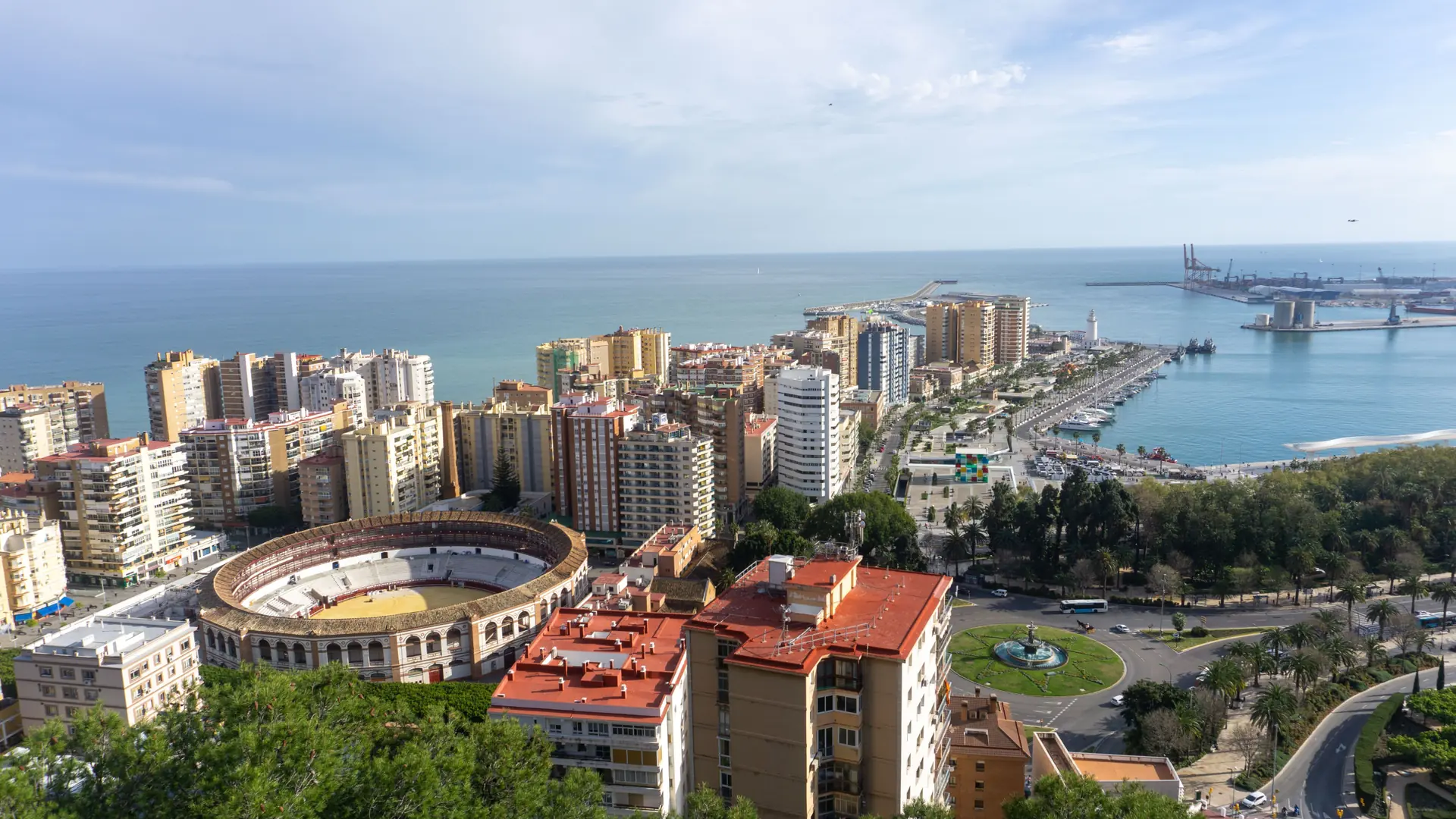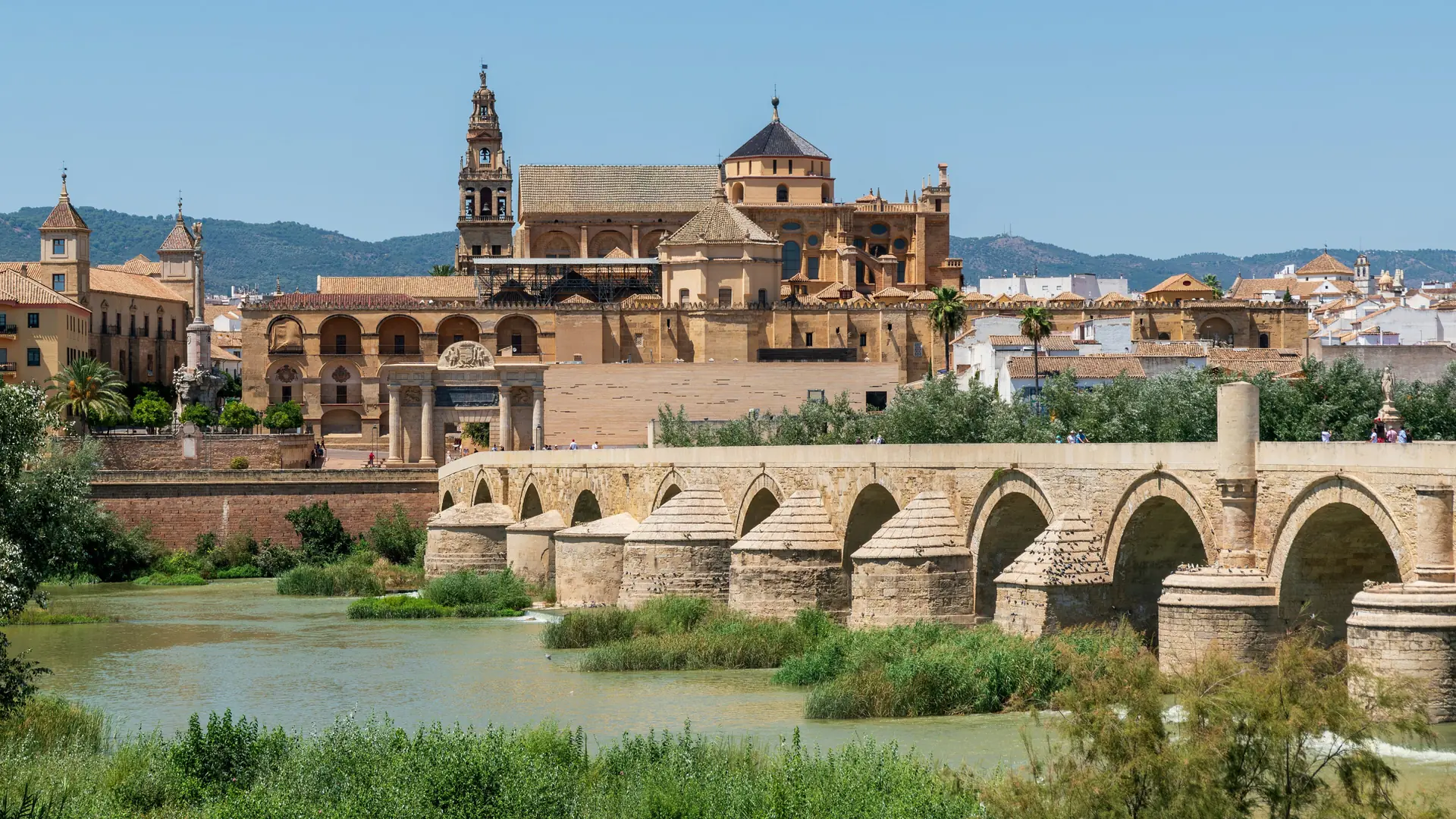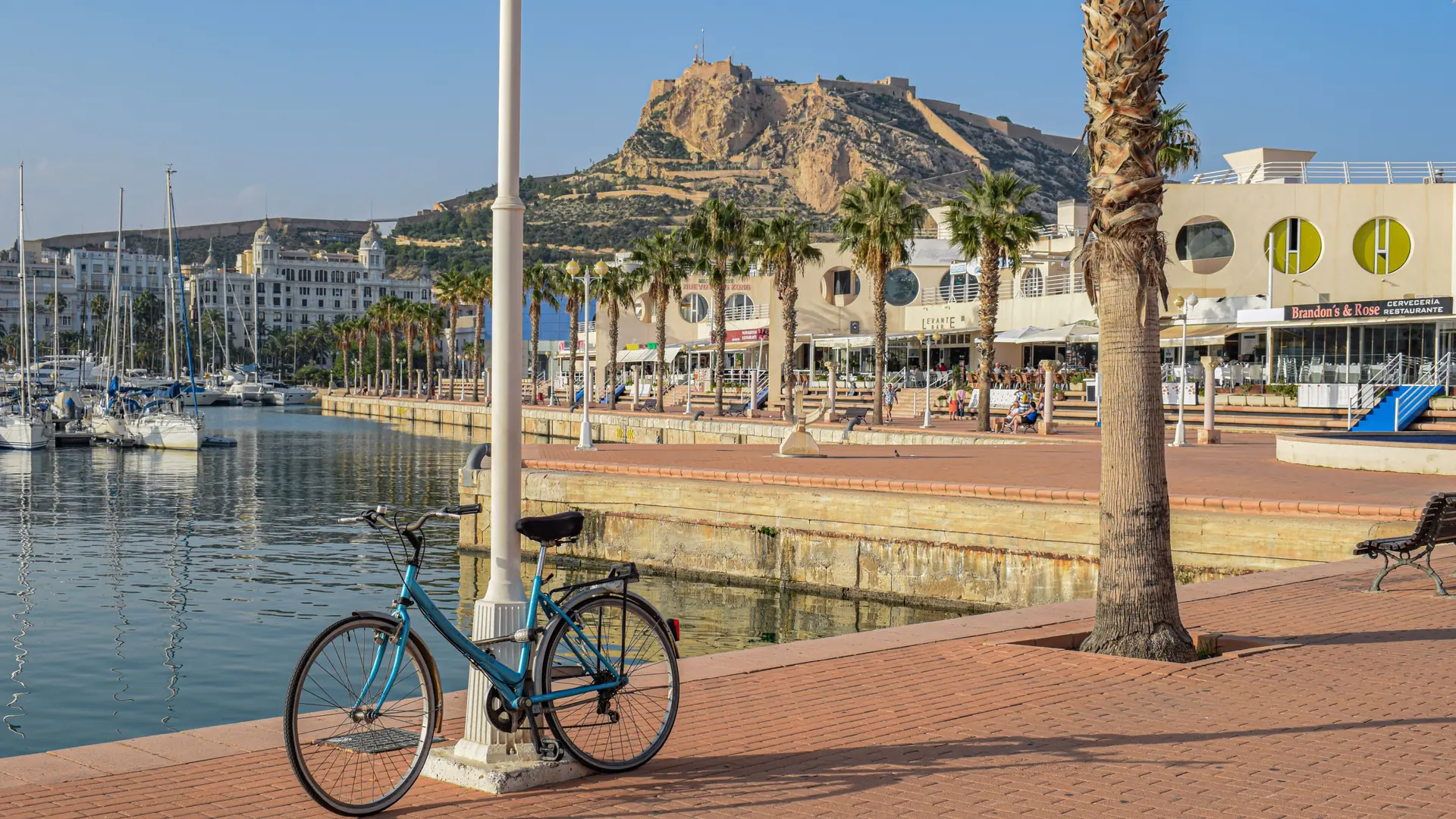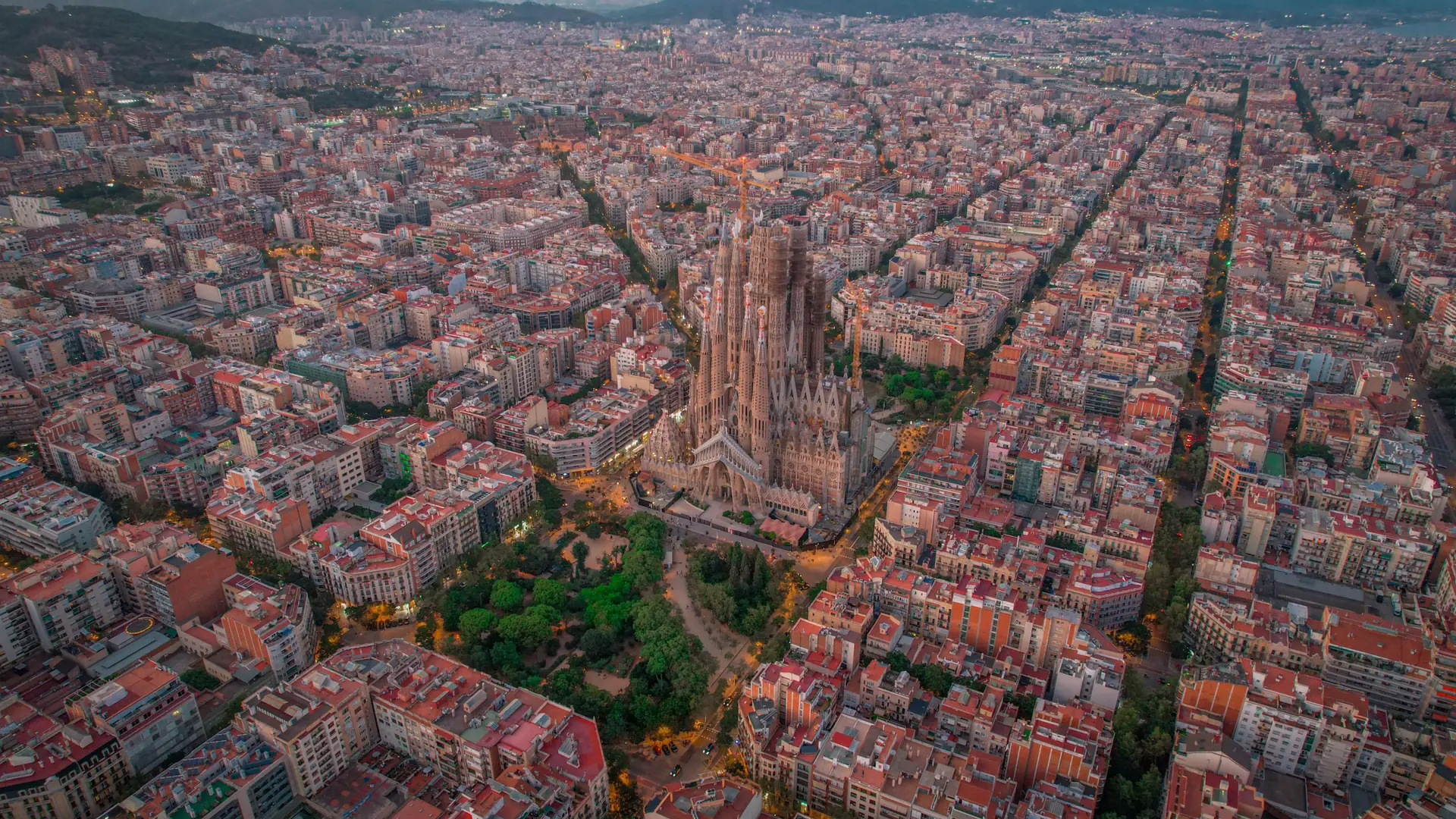
Santa Cruz
short stays centred on palace architecture
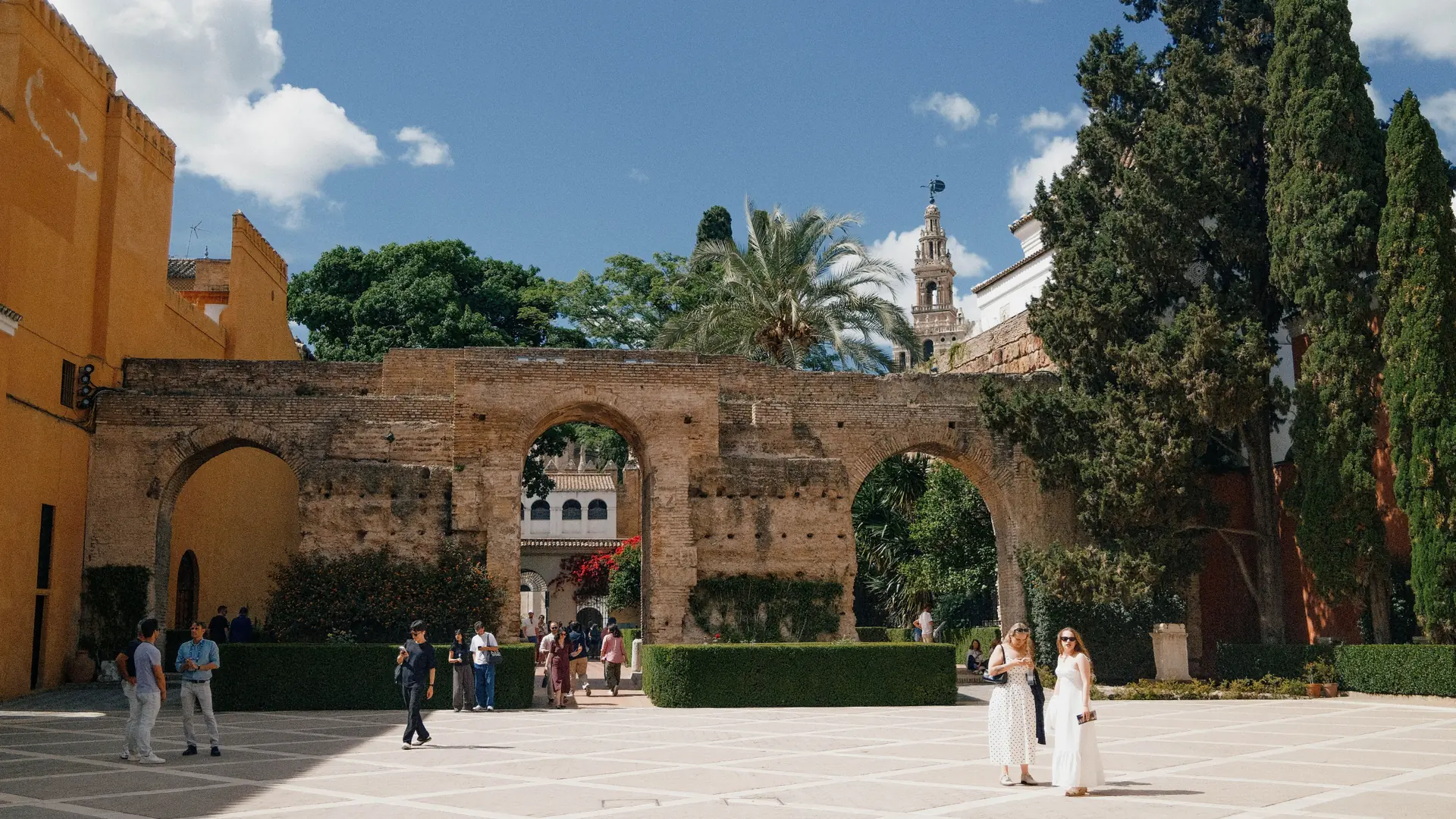
Santa Cruz includes the lanes towards Doña Elvira and Callejón del Agua. Jardines de Murillo gives the southern edge a different setting from the small internal squares.
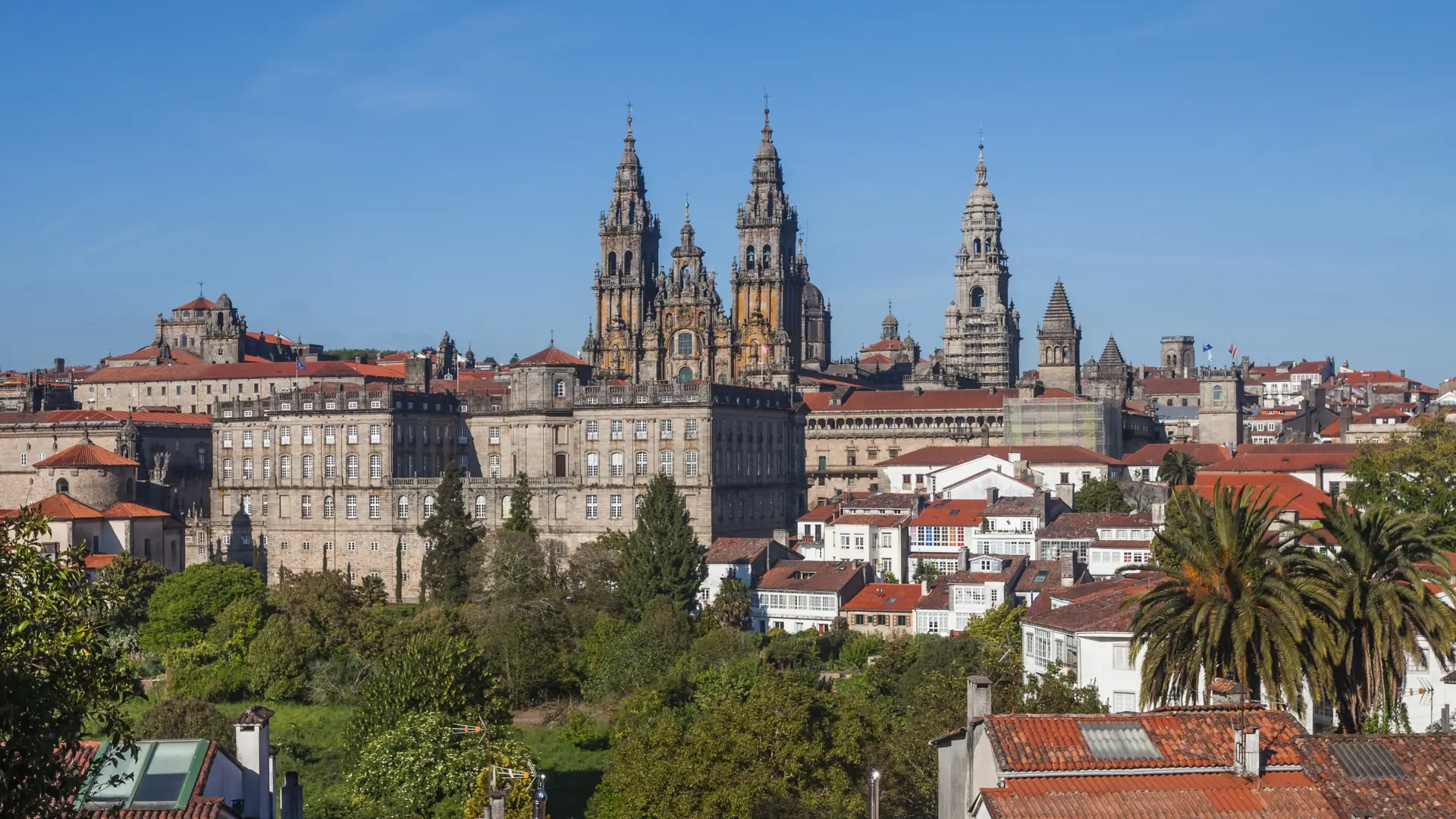
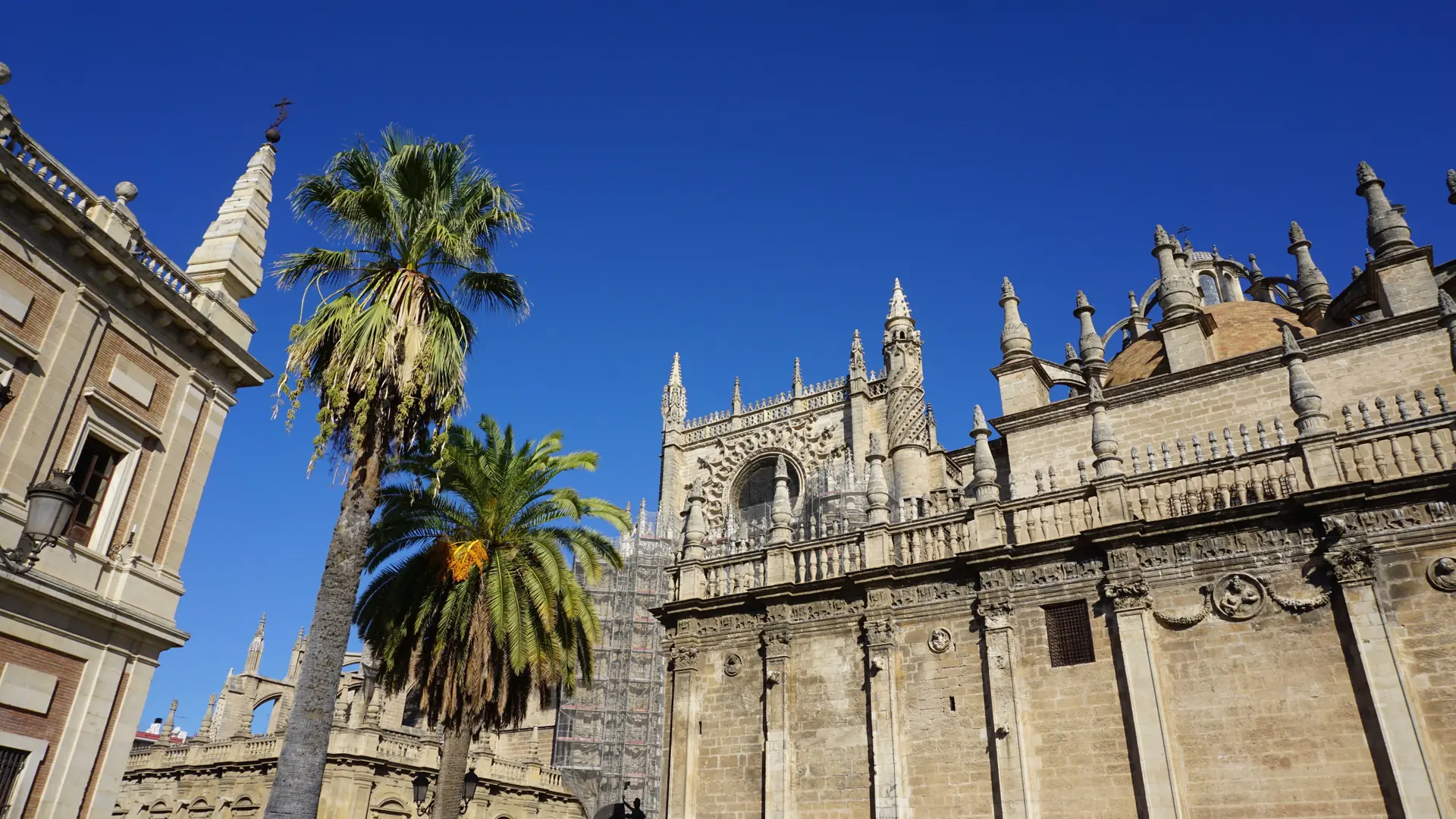
Seville’s Cathedral and Alcázar stand close together, but the city opens out beyond their monument quarter. Small lanes give way to squares, and the Guadalquivir draws a walk towards bridges and a different bank. Give each outing a stopping point: an interior followed by a street walk and a meal is more enjoyable than circling the same landmarks all day.
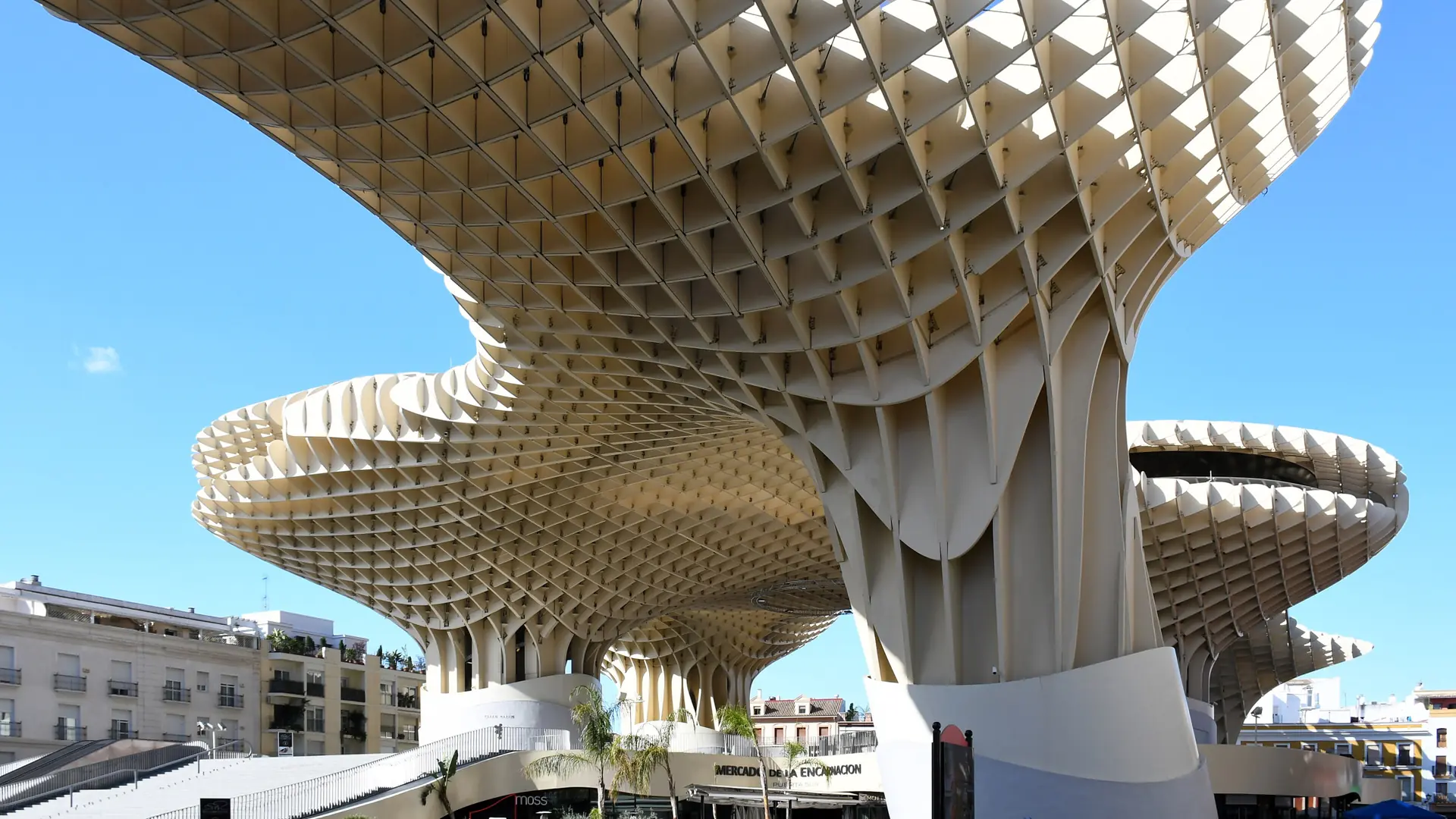
Different periods of the city’s history are visible in quite different ways. Santa Cruz grew from the medieval Jewish quarter; its winding streets invite a closer look at the small spaces between monuments. At Encarnación, the contemporary Setas canopy stands above archaeological remains from Roman, Visigothic and Muslim Seville. Exploring the layers below is a different outing from looking over the roofs above.
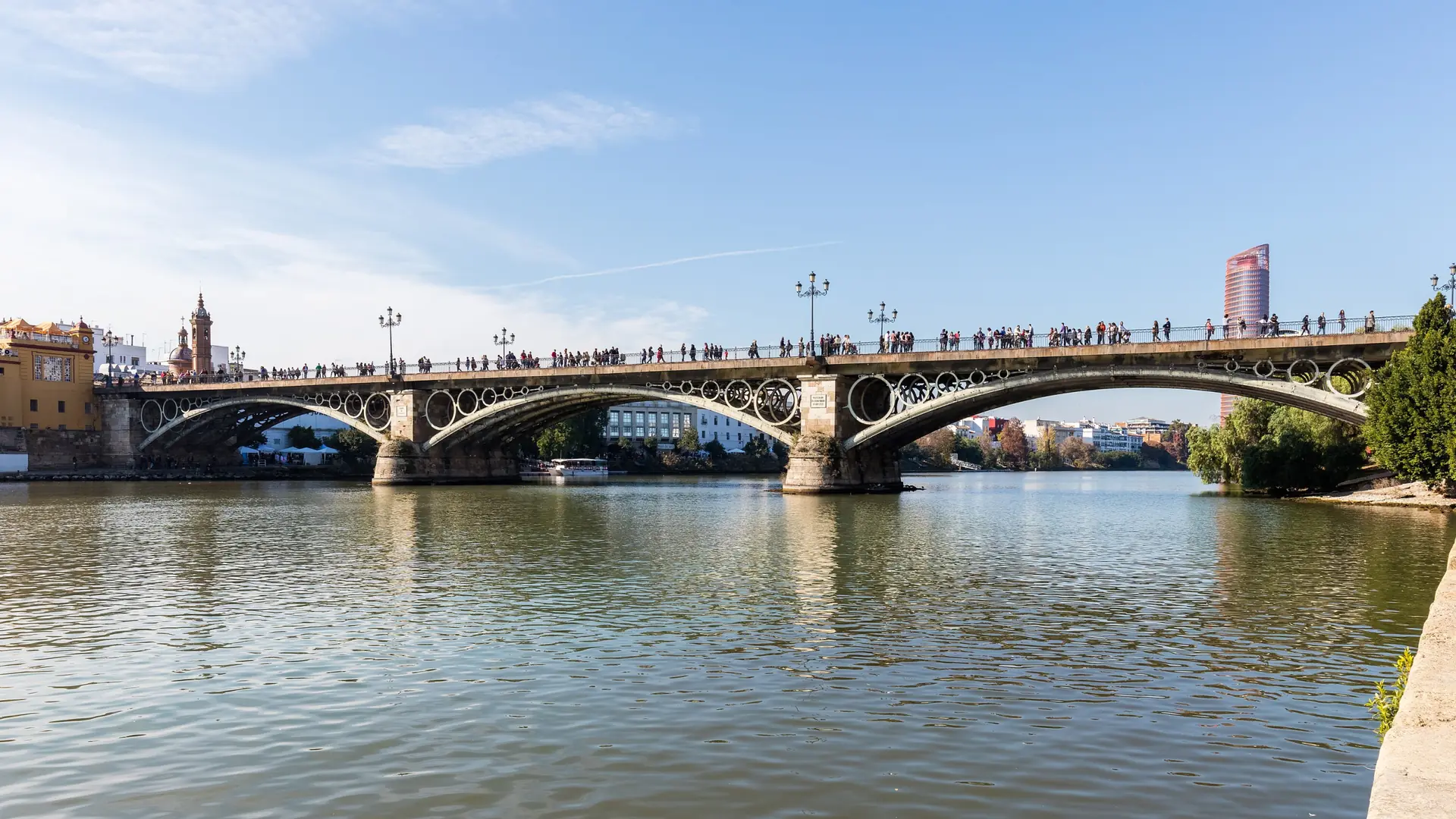
Across the river, Calle Betis looks back towards the Cathedral and Torre del Oro. That change of viewpoint helps you understand how the two banks fit together, while a walk through Triana adds streets associated with pottery and flamenco. Leave some time for those surroundings as well as the paid visits: they are part of the city you came to see.
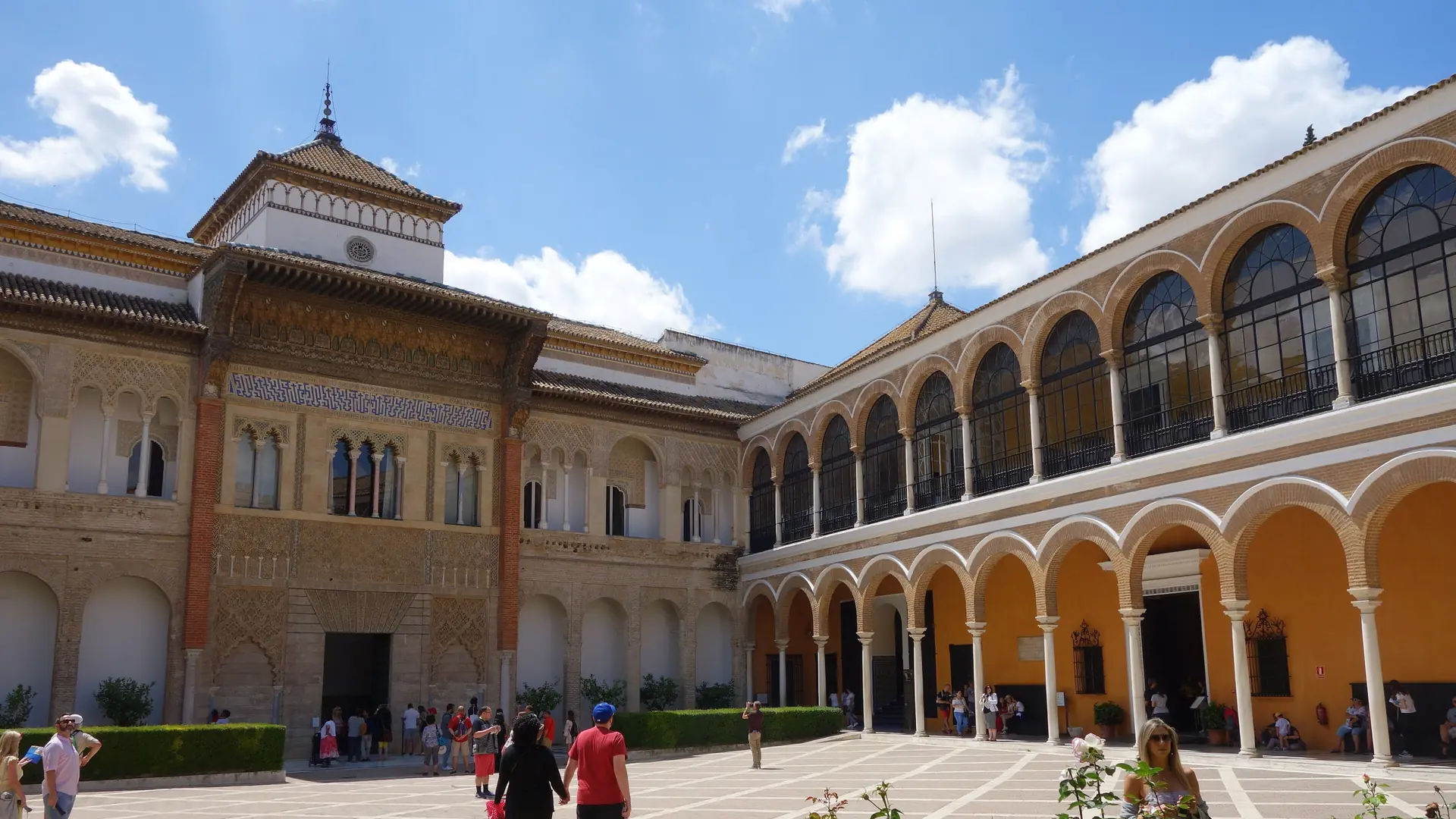
Pedro I’s fourteenth-century palace uses Mudéjar architecture: Islamic decorative traditions in a Christian royal setting. Look for patterned tilework and carved ornament, then compare the courtyards and gardens.
Aníbal González designed Plaza de España for the 1929 Ibero-American Exposition. Look at the tiled provincial benches and covered gallery, then continue into María Luisa Park when the weather suits.
Centro Cerámica occupies a former pottery site at Calle Callao 16, beside Antillano Campos. Explore its account of the craft, then look for ceramic work in Triana’s streets beyond the riverbank.
Murillo’s paintings for Seville’s Capuchin convent and Zurbarán’s monastic cycles anchor the museum’s Baroque collection. In the former convent church, notice the scale of works made for religious interiors.
Iglesia del Salvador has a Baroque interior with altarpieces and sculpture, including Cayetano de Acosta’s main altarpiece. Standard Cathedral cultural admission includes this separate church visit.
Alameda’s northern promenade has terraces, bookshops and independent cultural venues. Find the columns topped by Hercules and Julius Caesar, then choose a place to sit or a confirmed evening event.
StartBooker answer
Two nights give Seville room for a palace visit, the Cathedral, a river evening and a different neighbourhood on departure day. Santa Cruz suits a short monument-focused stay; Alfalfa offers a central position for dining, while Triana puts ceramics and the river outside your door. Book the Alcázar with each visitor’s identification details, then fit the remaining stops to their opening days. For an early Sunday departure, finish the Cathedral on Saturday: its Sunday cultural opening is in the afternoon.
Explore tours, attractions and local experiences in Seville, Spain.
Loading activities…
Activities provided by GetYourGuide. We may earn a commission on bookings.
Give the planner your flight times, preferred room setting and any mobility needs. Ask it to check the calendar before assigning a museum or Cathedral visit to a particular morning.
Use your email security code to continue planning.
A palace visit worth planning properly
Santa Cruz
Santa Cruz suits a short monument-focused stay: the lanes around Callejón del Agua and Doña Elvira lead into the palace quarter, with Jardines de Murillo for an outdoor break nearby. A morning Alcázar slot can sit alongside a separate Cathedral visit without crossing the river. Book with correct names and identification details, and carry the physical document. The Cuarto Real Alto adds €5.50 (≈ US$6) and needs separate availability; keep entry clear of breakfast or an arrival transfer.
Use these four areas to narrow the search, then inspect the hotel’s street and room description. “Central” can mean a pedestrian lane, a busy square or a position across the Guadalquivir; each changes how you arrive and what you hear at night.
short stays centred on palace architecture
Santa Cruz includes the lanes towards Doña Elvira and Callejón del Agua. Jardines de Murillo gives the southern edge a different setting from the small internal squares.
dining and a central base beyond the palace quarter
Alfalfa and Encarnación form a wider central area with Salvador, Regina and Pérez Galdós among its useful reference points. An accommodation label may cover more than one of those settings.
pottery history and staying beside the river
Triana's ceramic heritage gives a museum visit context within the neighbourhood. Callao, Antillano Campos and Calle Betis make better address reference points than a generic western-bank description.
cultural venues and northern-centre evenings
Alameda's surrounding cultural venues include Santa Clara and the Palace of the Marqueses de la Algaba. Check their individual programmes if an event is the reason for choosing a northern-centre stay.
| Area | Useful for | Features | Getting around |
|---|---|---|---|
| Santa Cruz |
One full monument day |
Narrow lanes can add a luggage walk |
Walk between palace and Cathedral; bags may need a final walk |
| Alfalfa |
Salvador and northern-centre dining |
Terrace noise varies with room frontage |
Walk via Salvador to Encarnación for the market and Setas |
| Triana |
Ceramic heritage on the western bank |
The palace lies across the river |
Cross Puente de Isabel II, then walk through the centre to the palace |
| Alameda |
Promenade terraces and cultural venues |
More distance from the palace quarter |
Walk south through the centre to Cathedral; consider a taxi with bags |
These are starting points for different arrival patterns, not a list to complete. Check current operator notices when choosing your dates, and leave a meal break between substantial visits.
Friday: use remaining daylight for Plaza de España and María Luisa Park. Saturday: morning Alcázar, lunch and a booked Cathedral visit. Leave Sunday for Triana’s ceramics only if departure allows it.
With a Saturday arrival and an early Sunday train, choose one main interior. Put a Cathedral visit on Saturday, then Salvador or a nearby walk; Sunday morning is for breakfast and the station transfer.
An extra Tuesday–Saturday suits a late-afternoon Museo de Bellas Artes visit, after a park or neighbourhood morning. Ordinary Mondays are closed; choose an outdoor outing or another confirmed open attraction.
Give processions or the Feria their own day and budget. Confirm the hotel’s event-time arrival route and taxi drop-off. After a late festival night, leave the next morning for breakfast or a nearby walk.
Read the station or stop name on your ticket before planning the last leg. The historic centre is a destination, not a single arrival point, and a tram stop beside a hotel does not imply a rail connection to the airport.
The EA service links the airport with Seville, serving Santa Justa and the route towards Plaza de Armas. A single costs €6 (≈ US$7); bank-card payment is available on board. Use singles as the budget baseline, then compare the airport-inclusive tourist cards below against your actual travel times. Check the TUSSAM timetable in your direction before relying on a first or final departure, and map the walk from your chosen stop to the hotel.
The authorised airport taxi fare is €26 (≈ US$29) on ordinary Monday–Friday journeys from 07:00 to 21:00, or €29 (≈ US$33) at night, weekends, holidays and specified festival periods. These are vehicle prices. Ordinary urban luggage and station supplements do not apply to this fixed airport fare. A telephone-arranged pickup may add the permitted journey-to-pickup amount; confirm the distinction and request the official receipt.
Santa Justa is the rail station; Prado de San Sebastián and Plaza de Armas are separate coach-station names. Check the arrival point on an intercity booking rather than selecting a hotel by a generic “station” distance. With bags, send the hotel your actual terminal and ask for its nearest usable drop-off. That is more reliable than treating a pedestrian entrance as a car-accessible address.
Combine Santa Cruz’s lanes with Jardines de Murillo, or make the bridge and Triana a separate outing. Plaza de España belongs with María Luisa Park; Alameda sits in the northern centre. These groupings give each walk a purpose. In very hot weather, shorten an exposed stretch rather than relying on a map’s distance alone to decide whether the next stop is sensible.
TUSSAM’s ordinary single is €1.40 (≈ US$1.57). Its current fare page lists discounted multiviaje journeys at €0.46 (≈ US$0.52) with transfers or €0.41 (≈ US$0.46) without. Check card purchase and loading conditions before choosing one for a short stay. Metrocentro is the city tram, shown between Plaza Nueva and Nervión on the visitor map. It is separate from Metro de Sevilla’s Line 1; check the network and ticket name before boarding.
Before committing to a late table, inspect the return service for that evening and save a route back to the hotel. A nearby restaurant can suit a short stay better than another cross-city connection. If travelling with children or limited stamina, make the choice before everyone is tired; there is no need to visit every evening district in one trip.
TUSSAM lists a 48-hour tourist card at €14 (≈ US$16) and a four-calendar-day card at €18 (≈ US$20). The September 2026 ordinance includes ordinary TUSSAM services and the EA airport line in both. The 48-hour window starts at first validation or the selected advance-purchase time. A two-night stay can exceed it: check both airport journeys against the expiry. Confirm current purchase and card-support charges; Metro de Sevilla is a separate network.
The Cathedral offers adapted toilets, wheelchair loans and visitor aids including sign-language guides. That does not make the tower climb accessible: the Giralda route includes 34 ramps and 17 steps, and the operator does not permit wheelchairs or pushchairs on it. Decide whether the interior alone suits your group, and contact the Cathedral about current arrangements before purchasing. Ask a historic hotel equally specific questions about its entrance, lift and the room you would receive.
Transport, attraction and menu prices were checked on 19 October 2026; the historical room benchmark retains its earlier source date. Indicative USD uses the ECB rate of 1 EUR = US$1.1225 on 19 October, rounded. Card and cash rates differ.
AEMET’s 1981–2010 normals for Seville Airport, at 34 metres, give July an average daily maximum of 36.0°C and just 2 mm of monthly rain. These are historical airport observations, not a forecast for your street. Plan outdoor stops early or later, with a room or indoor visit available during the hottest period. Alcázar gardens and open courtyards still involve time outside; booking the palace does not solve every heat problem.
October’s historical airport averages are a 26.0°C daily maximum, a 14.4°C minimum and 68 mm of rain. Those figures support carrying a light layer and checking the near-date forecast instead of assuming a dry summer pattern. Use a wet afternoon for a confirmed museum visit, but keep that museum’s opening day in view; a weather fallback only works when the doors are open.
The city’s current festival calendar lists Semana Santa for 21–28 March 2027 and the Feria for 13–18 April 2027. Decide whether you want the events before selecting those dates: a procession-centred visit changes how you use the historic streets, while the Feria draws time towards its fairground. Compare live accommodation and transport costs for the actual week; do not carry a quiet-season price assumption into an event stay.
For two adults sharing a double across three days and two nights, the components total €796 (≈ US$894): €355 (≈ US$398) for rooms, €300 (≈ US$337) for food, €81 (≈ US$91) for airport travel and main visits, €20 (≈ US$22) for local rides and €40 (≈ US$45) for contingencies. Plan about €800 (≈ US$898). Food, local rides and reserve are chosen allowances. Flights, intercity travel, insurance, shopping, performances, audio guides and extra visits are excluded.
The room figure rounds two nights at Sevilla’s October 2025 INE average of €161 (≈ US$181) before 10% hotel VAT. This historical, city-wide room-only benchmark is not a current hotel offer or a breakfast/cancellation promise. Use the actual room total. The ticket component covers four €6 (≈ US$7) EA singles, two €15.50 (≈ US$17) Alcázar entries and two €13 (≈ US$15) online Cathedral entries; add any checkout fees to the reserve.
At El Pintón, Calle Francos 42, gazpacho at €6.90 (≈ US$8), courgette-and-mushroom risotto at €14.90 (≈ US$17) and baked cheesecake at €7.50 (≈ US$8) total €29.30 (≈ US$33) for one, before drinks or extras. This is one owner’s menu, checked 19 October 2026. The food allowance is €50 (≈ US$56) per adult daily, including ordinary drinks. Compare actual menus, portion sizes and allergens; a restaurant example does not establish a city-wide meal price.
Online cultural visitors enter through Puerta del Lagarto; ticket-office access is through Puerta del Príncipe, also called San Cristóbal. Locate the correct door before the slot rather than joining whichever queue you find first. The Royal Chapel is reserved for worship and is not part of the ordinary cultural itinerary, so do not assume your sightseeing ticket opens every Cathedral space.
The October 2026 calendar specifies a free Sunday cultural window of 16:30–18:00, excluding holidays, with advance online booking. The Cathedral’s general fare page describes a different arrangement at the counter from 17:00. Follow the actual official reservation and entry instructions for your date, and confirm with the Cathedral if they conflict. A published free window is not a guarantee of space; later months need their own calendar check.
The operator normally does not allow visitor-requested ticket changes, rescheduling or refunds, including problems with travel plans. Identification details are entered at purchase and cannot simply be edited later. Check each name, document and date before payment. The FAQ says minor name typos are normally acceptable when identification still matches, but that is not permission to transfer a ticket to another visitor.
Standard admission is €1.50 (≈ US$1.68), with free entry for EU citizens who can show the required proof. Bags or backpacks larger than 20 × 30 × 10 cm are not allowed; lockers are available, but do not assume they hold a suitcase. The final half-hour is closed to new entry, and capacity controls can restrict the last 45 minutes. Arrive with time to see the collection instead of aiming for the last possible minute.
The Ministry’s cultural-visit schedule is Tuesday–Saturday 09:30–17:00, with last entry at 16:30, and Sundays or holidays 10:00–14:00, with last entry at 13:30. The archive’s research room has a different timetable and purpose; it is not an extended tourist opening. Check for notices and capacity limits before the visit, particularly if you are building a short stop around a train departure.
Do not assume a caseta is open to every visitor: many are private social spaces, while publicly accessible options offer a different way to take part. If a particular tent matters, confirm its entry rules before arranging the evening. You can still plan around the fairground atmosphere, but an invitation-only gathering should not appear on your itinerary as a guaranteed walk-in meal or flamenco performance.
Alcázar entry runs 09:30–17:00 in October–March and until 19:00 in April–September. Clearance begins at 17:45 and 19:45 respectively; entry and clearance are different times. If online general entry sells out, the Patio de Banderas counter opens at 09:00 for limited same-day tickets, paid by card. A queue is possible, so treat it as a fallback rather than a reservation.
Look for espinacas con garbanzos: spinach with chickpeas, listed by the city tourism office among Seville’s traditional tapas. Try it in a tapas bar in the neighbourhood where you are staying, checking the current menu rather than assuming every kitchen serves it. Ask whether the listed size is a small tapa or a larger sharing portion, and check allergens with staff. The restaurant price example above illustrates one menu; a tapas evening offers another way to explore the city’s cooking.
Reviewed by StartBooker
Last reviewed 2026-10-19
Updated
Editorial method: Editorial self-review checked current operator fares, the dated Cathedral calendar, museum conditions and the weekend’s timing. Palace history and the Baroque collection use the responsible heritage and museum sources; historical material has no publication-age cutoff. The room benchmark and unchanged research retain their earlier source dates. Current indicative USD uses a dated ECB rate. Photos and their honest location captions are preserved.
33 sources reviewed
Some photos provided by Pexels.