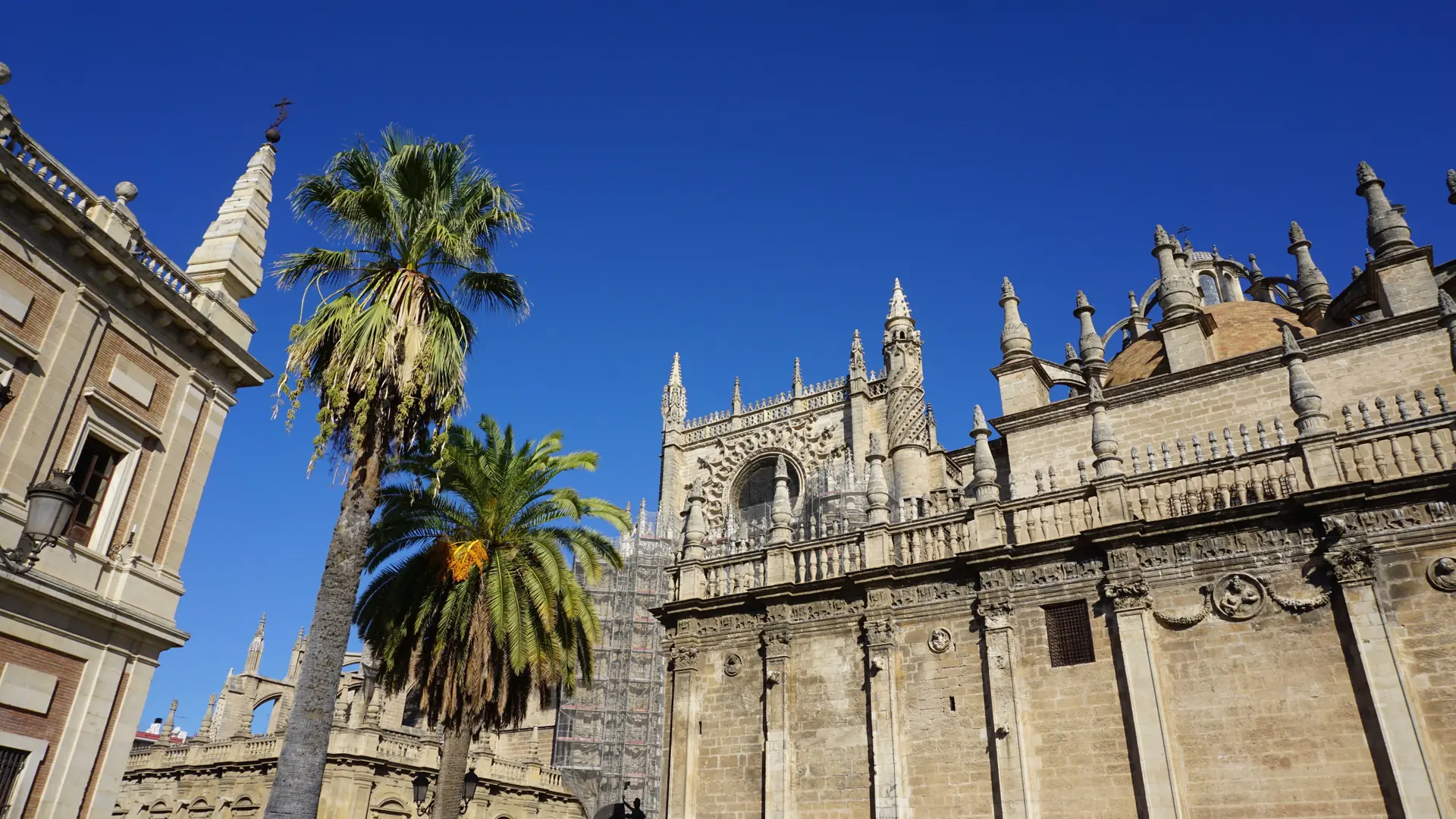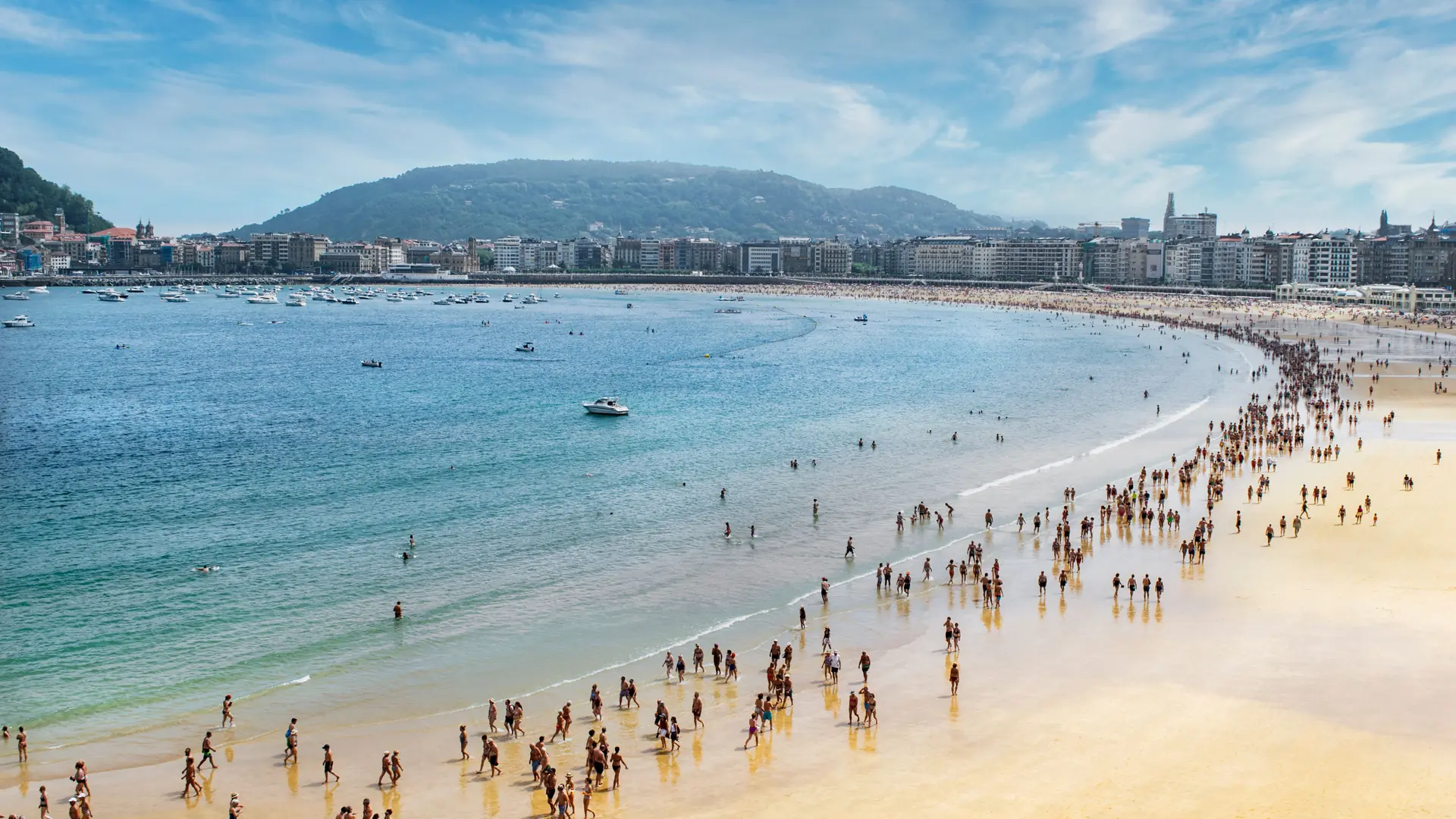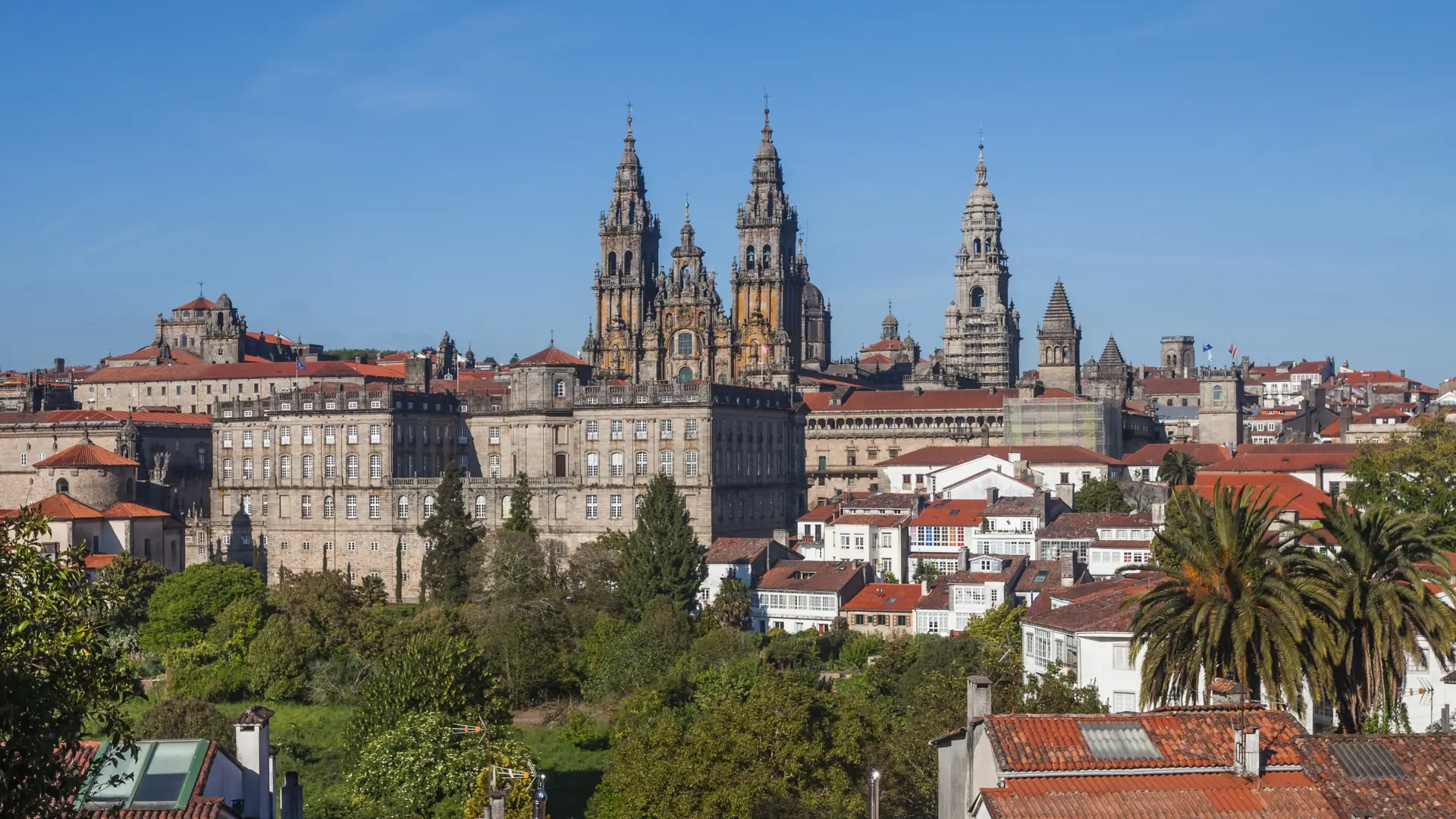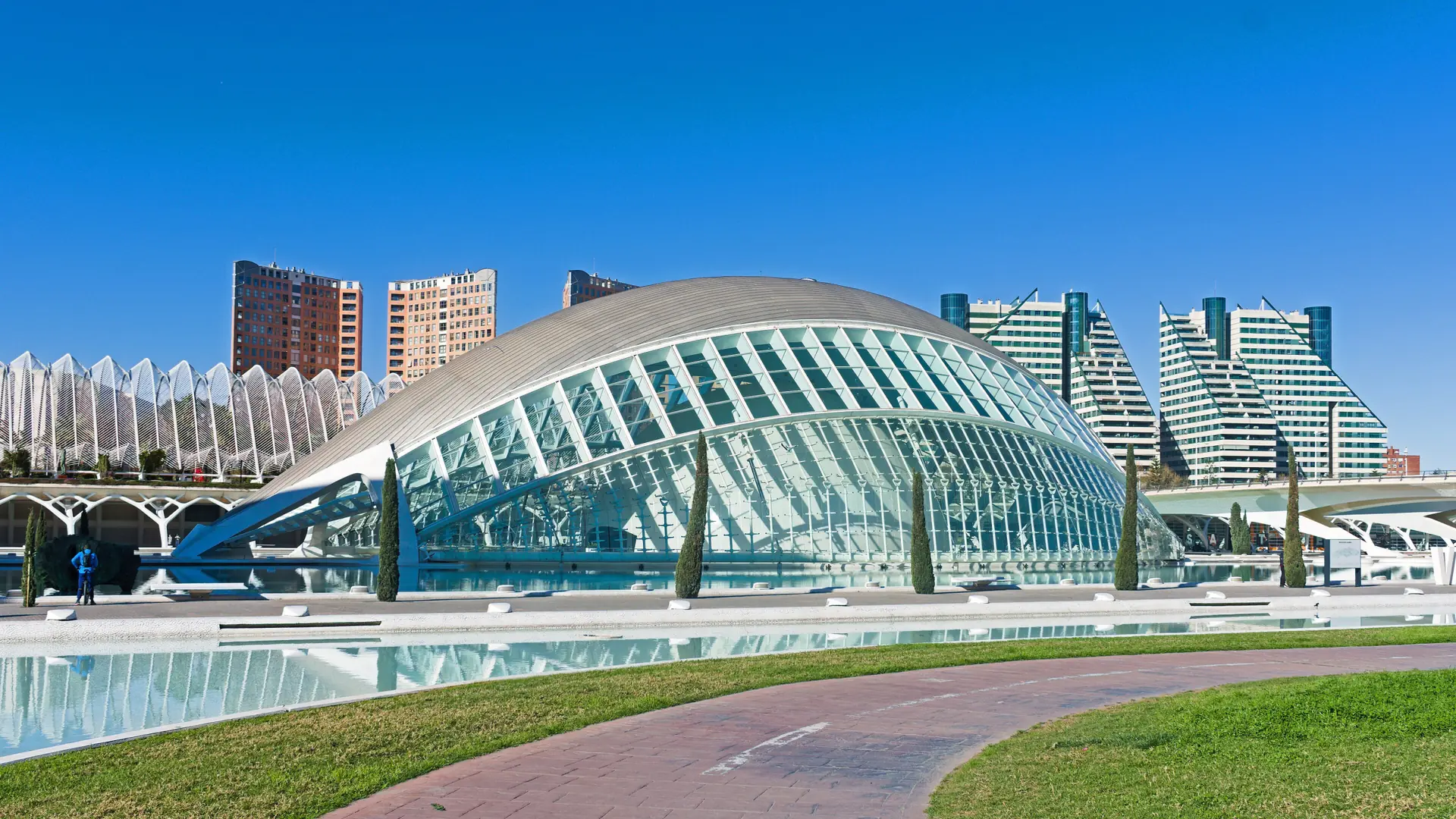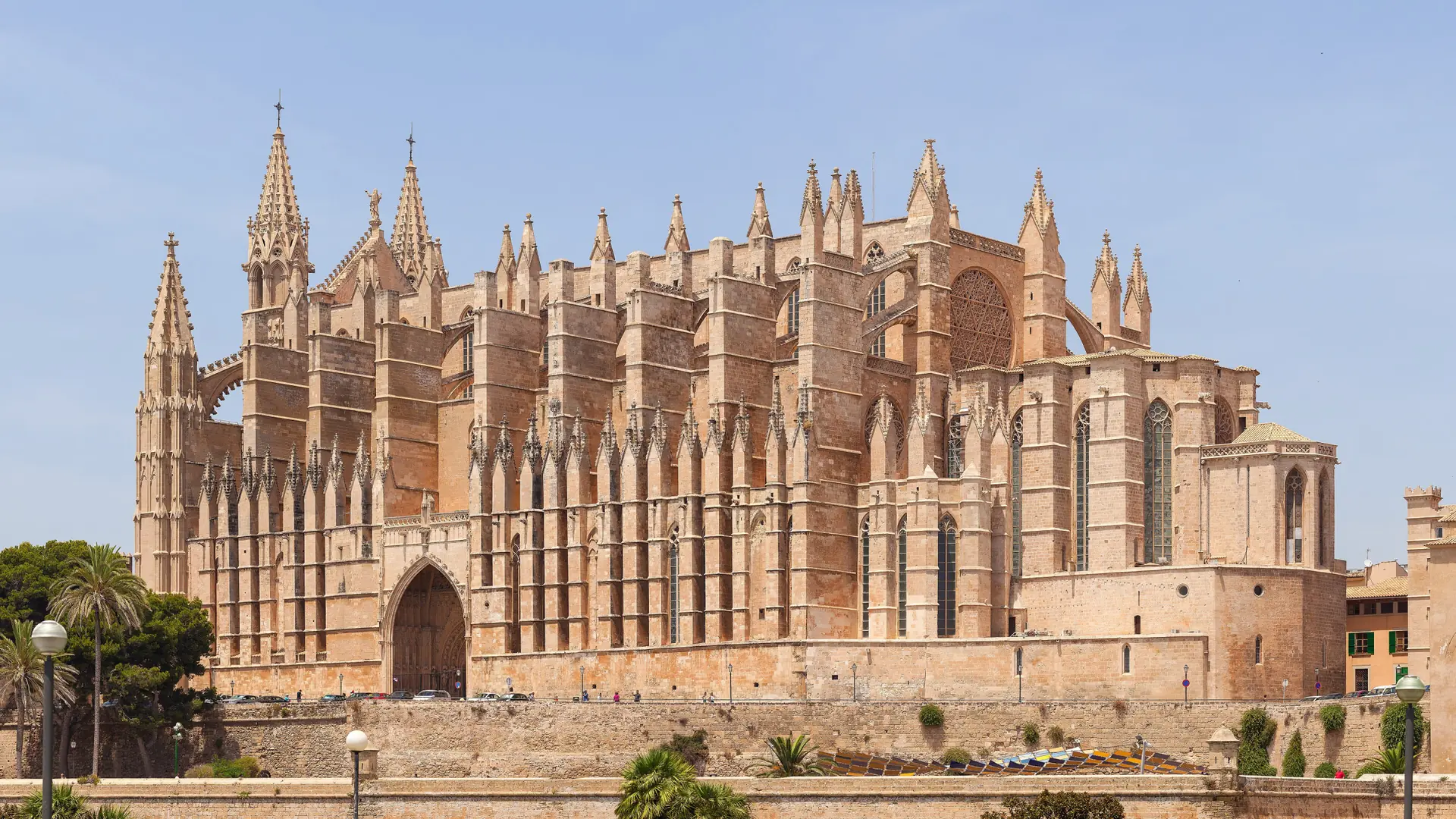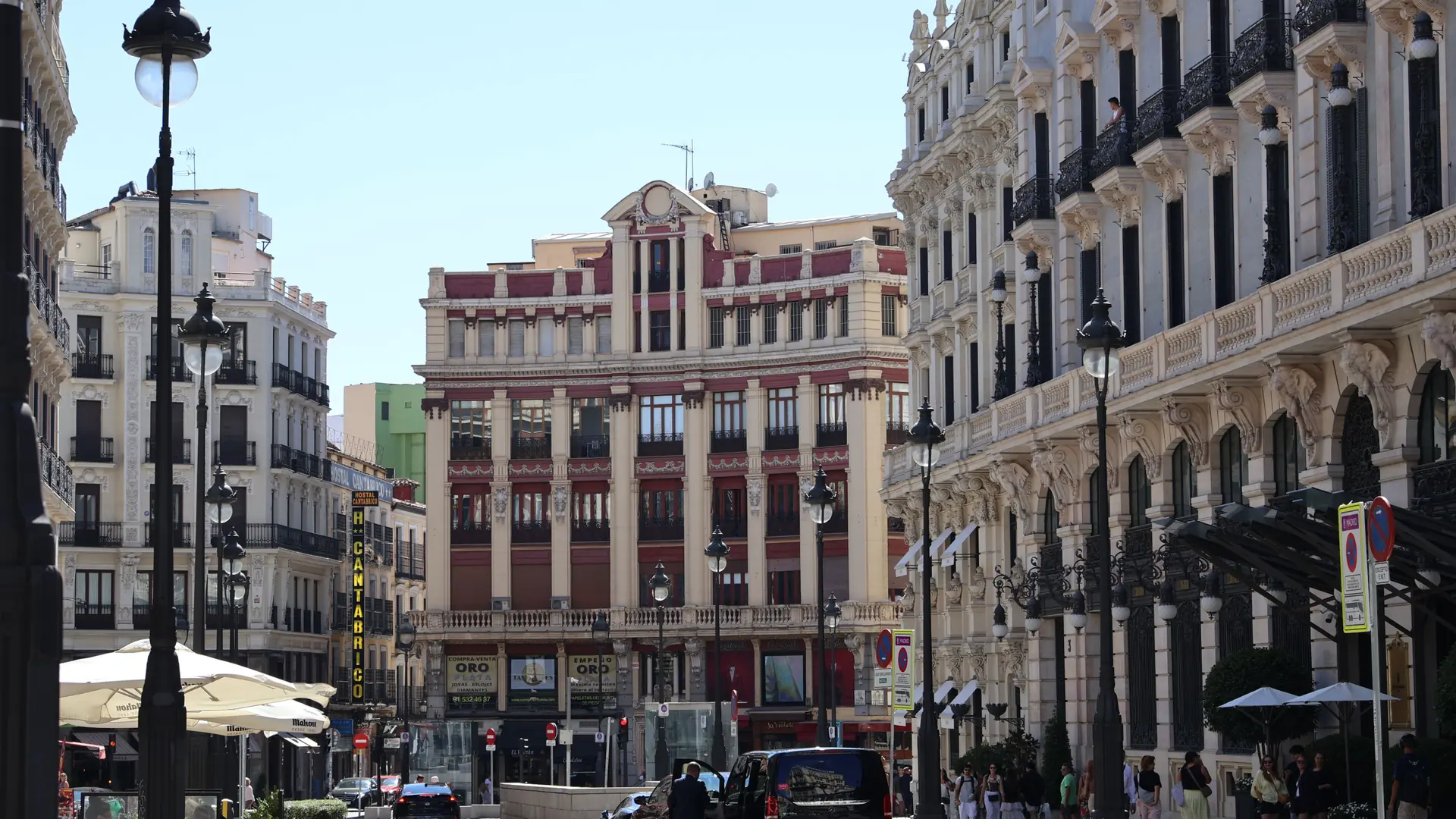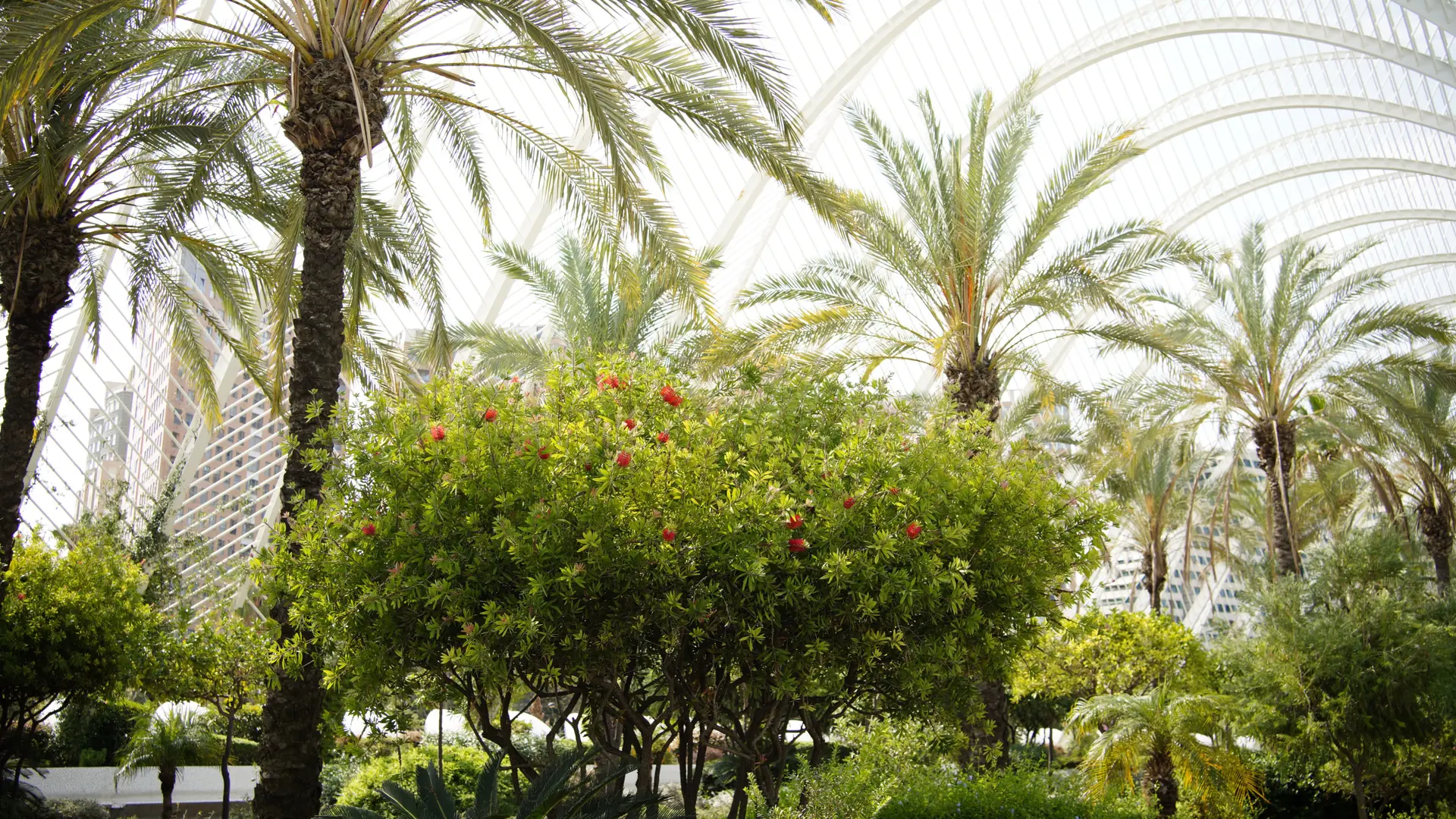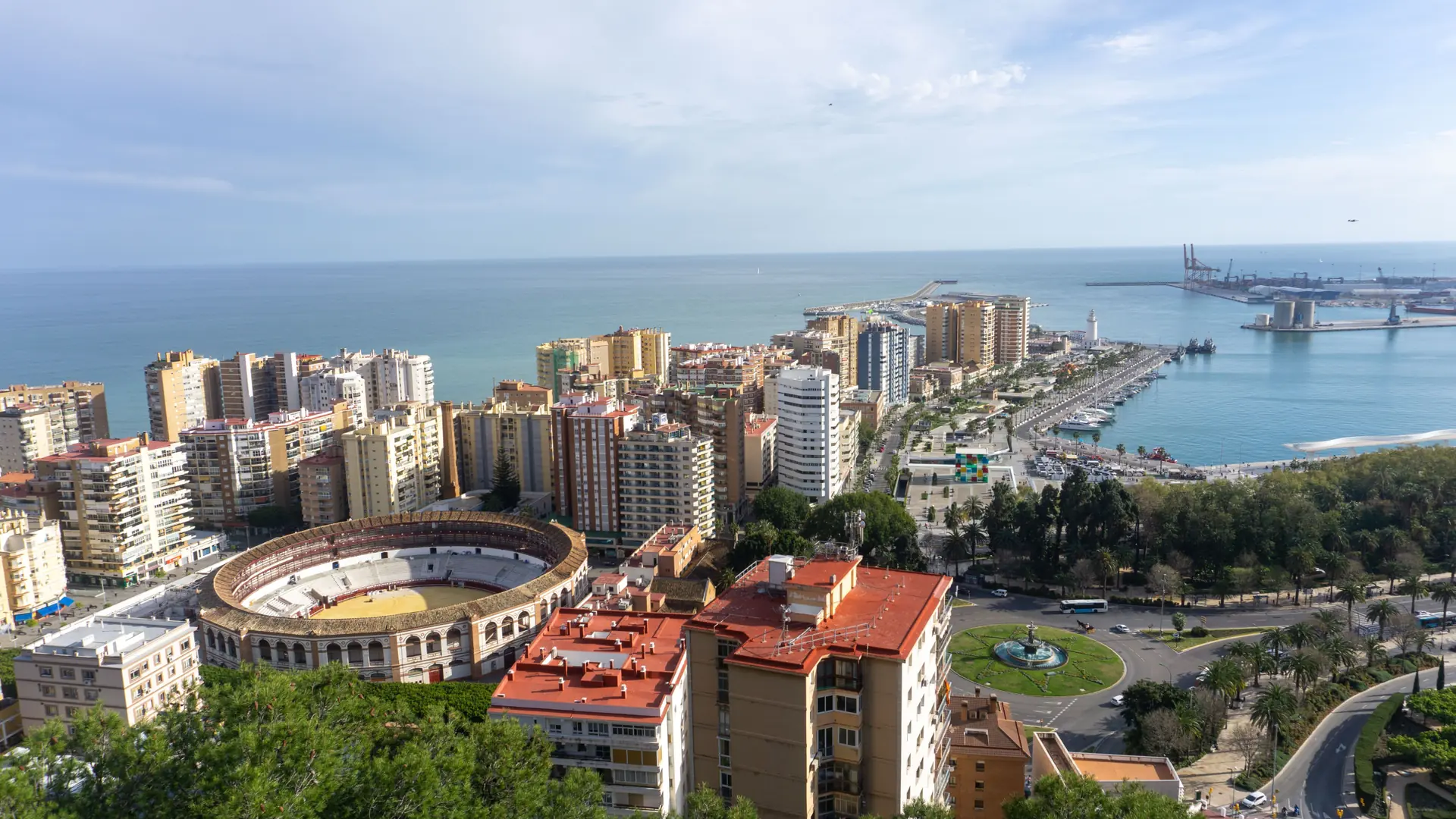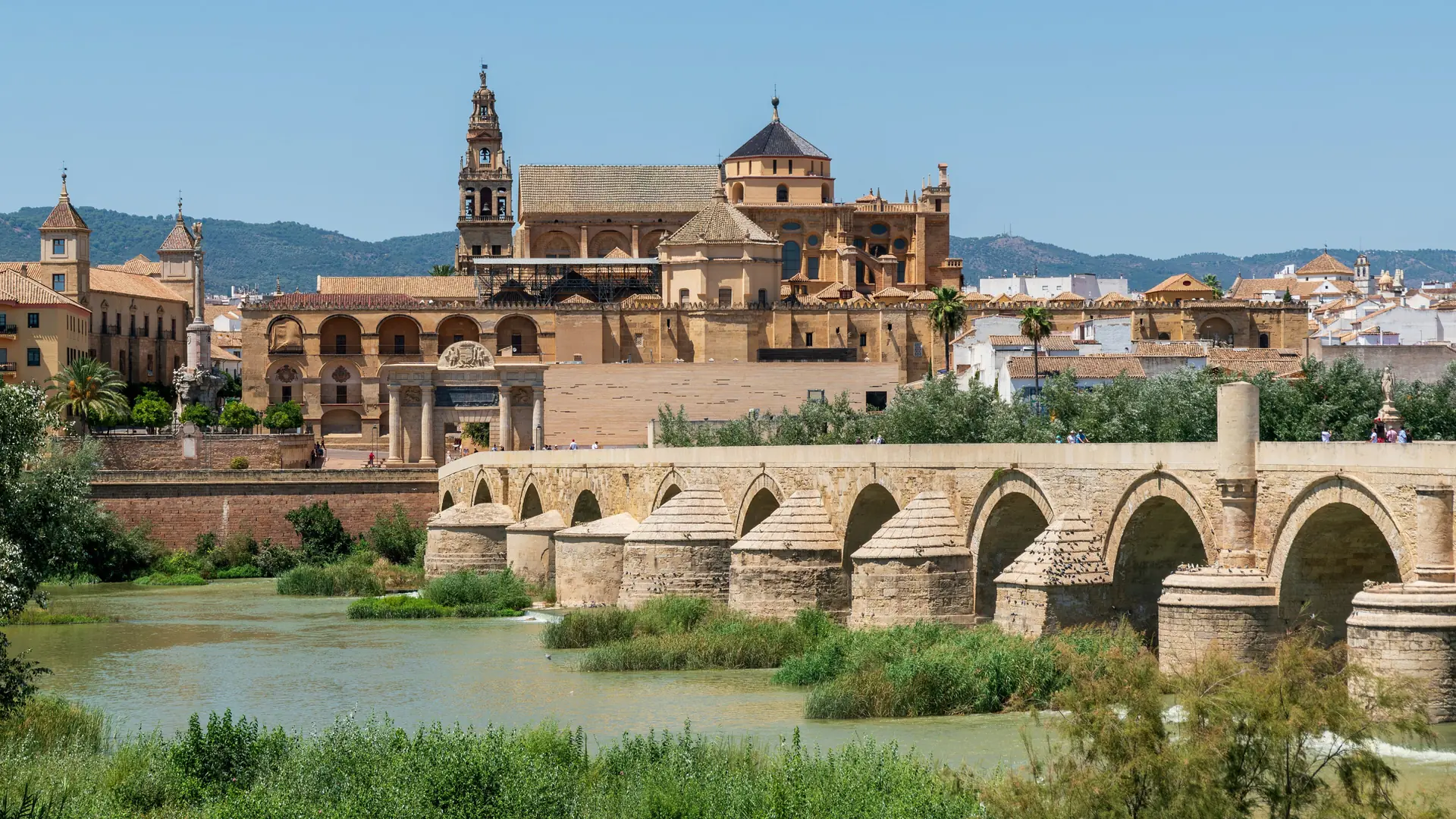
Centro
cathedral visits and central dining
Centro offers cathedral visits and central dining.
Neighbourhood stay

Granada’s appeal changes as you move from broad central squares into small hillside lanes. The palace complex is a substantial visit in its own right, while the city’s streets reveal how people lived around it. Looking at the setting between interiors gives the architecture more meaning than a succession of ticket checkpoints.
In the Albaicín, old water cisterns sit among the houses and placetas. They are a reminder that this quarter has a history of everyday infrastructure as well as famous views. Casa de Zafra’s interpretation centre offers a starting point for understanding the neighbourhood before exploring its streets; a short walk can focus on these smaller details.
Realejo adds the city’s former Jewish quarter to that picture. Near Pavaneras, the statue of scholar Yehuda Ibn Tibon marks its entrance, while the Puerta del Sol viewpoint preserves an old washhouse. These are reasons to look beyond the palace hill and cathedral interiors. An overnight visit leaves room for that less hurried encounter with Granada, alongside its major monuments.
Muhammad V’s fourteenth-century Palace of the Lions combines slender marble columns, carved plasterwork and a courtyard fountain. Compare this Nasrid setting with the Royal Chapel’s royal tombs on a separate visit. Check current conservation notices.
From the Albaicín, San Nicolás looks across to the palace hill, its fortified outline and the mountains. A daylight visit reveals the setting without entering the monument. Returning for evening light is an option, rather than another compulsory appointment.
The Albaicín’s cármenes combine a house with a garden or orchard behind walls. Greenery over a wall does not establish public access. Choose a public venue for sightseeing; ask a hotel which outdoor spaces are included in your room rate.
An overnight stop leaves an evening for a meal or an old-quarter walk. A second night gives you a full middle day, especially after a late arrival. Count the usable hours before departure before adding another major visit.
Albaicín, Albayzín and Albaycin refer to the same quarter. Compare the street and entrance pin: a lower riverside address and a lane by the upper viewpoints can share the district name while having very different approaches on foot.
Sacromonte has homes, visitor exhibits and performance venues. The Cave Museum presents domestic life, including a kitchen and stable; a zambra is a flamenco venue. Check the ticket’s named experience: a cave-house photograph cannot establish that a show, tour or overnight stay is included.
StartBooker answer
Centro works well for a short first visit with cathedral sightseeing, meals and straightforward transport connections. Choose the Albaicín if old hillside lanes and viewpoints are central to the trip, accepting steps and cobbles. Realejo offers streets and squares below the Alhambra, with considerable variation between lower and upper addresses. Sacromonte suits a stay focused on cave-house heritage and flamenco. Compare the precise hotel entrance and room facilities before booking; the district name alone cannot establish comfort or accessibility.
Explore tours, attractions and local experiences in Granada, Spain.
Loading activities…
Activities provided by GetYourGuide. We may earn a commission on bookings.
Give the planner your arrival, departure and palace booking, plus any limits on steps or long walks. Include the time needed to collect luggage. A useful plan leaves room for lunch and a break after the main visit, rather than placing every viewpoint on the same afternoon.
Use your email security code to continue planning.
Use your email security code to continue planning.
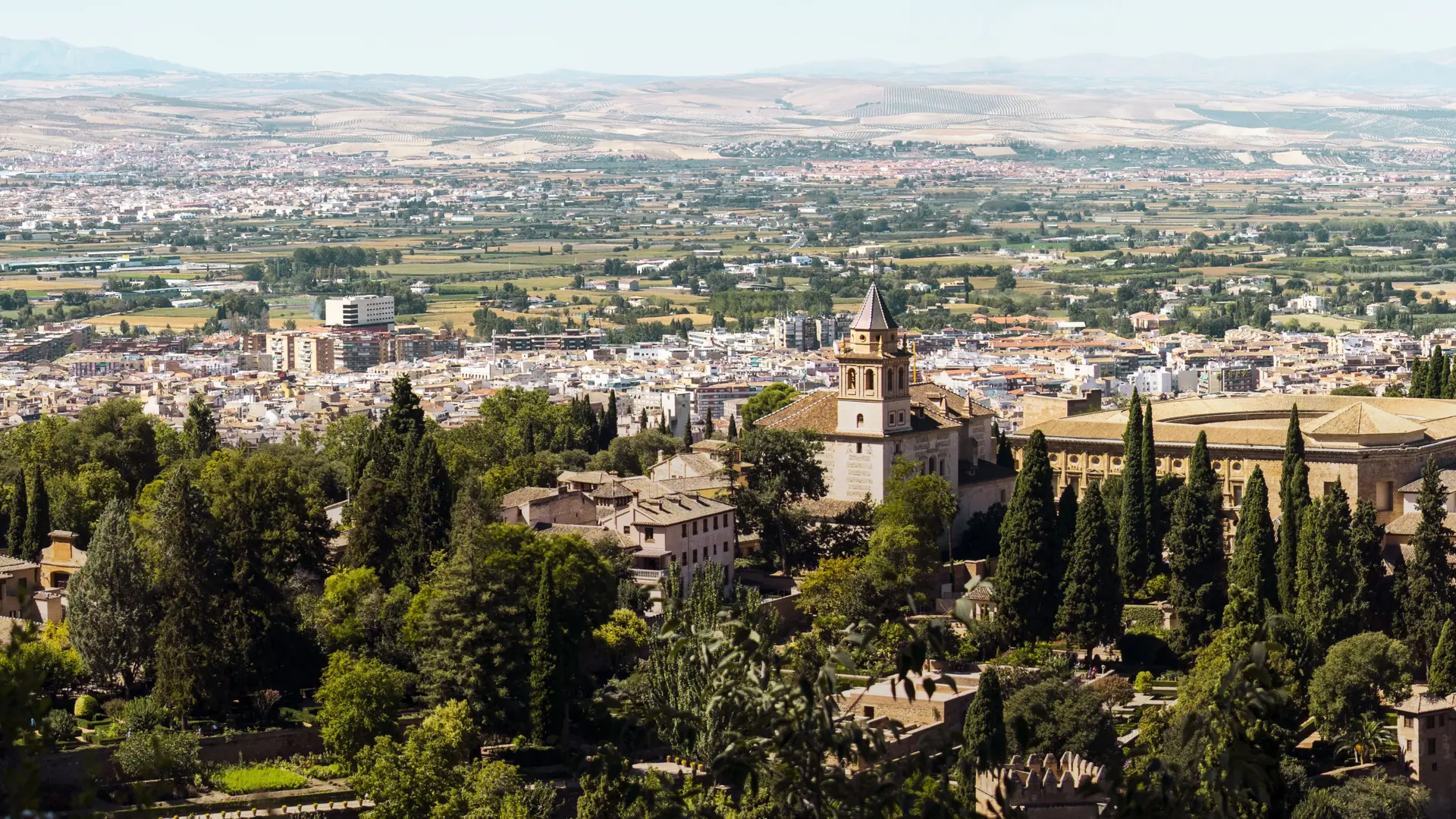
A base for a short first visit
Centro
Centro makes sense when you want a city-centre routine between visits, with cafés and shops around the cathedral rather than another climb to your room. Use the lower streets around Bib-Rambla and Gran Vía as the starting point for a first stay. You can spend your energy on the Alhambra and the Albaicín, then return to the lower city for the evening. A hillside base is more rewarding when the view and the old quarter are the main reason for coming.
Choose between the lower centre, lanes overlooking the palace, squares below the Alhambra and the cave district. The useful distinction is what you want within walking reach when you return from sightseeing.
cathedral visits and central dining
Centro offers cathedral visits and central dining.
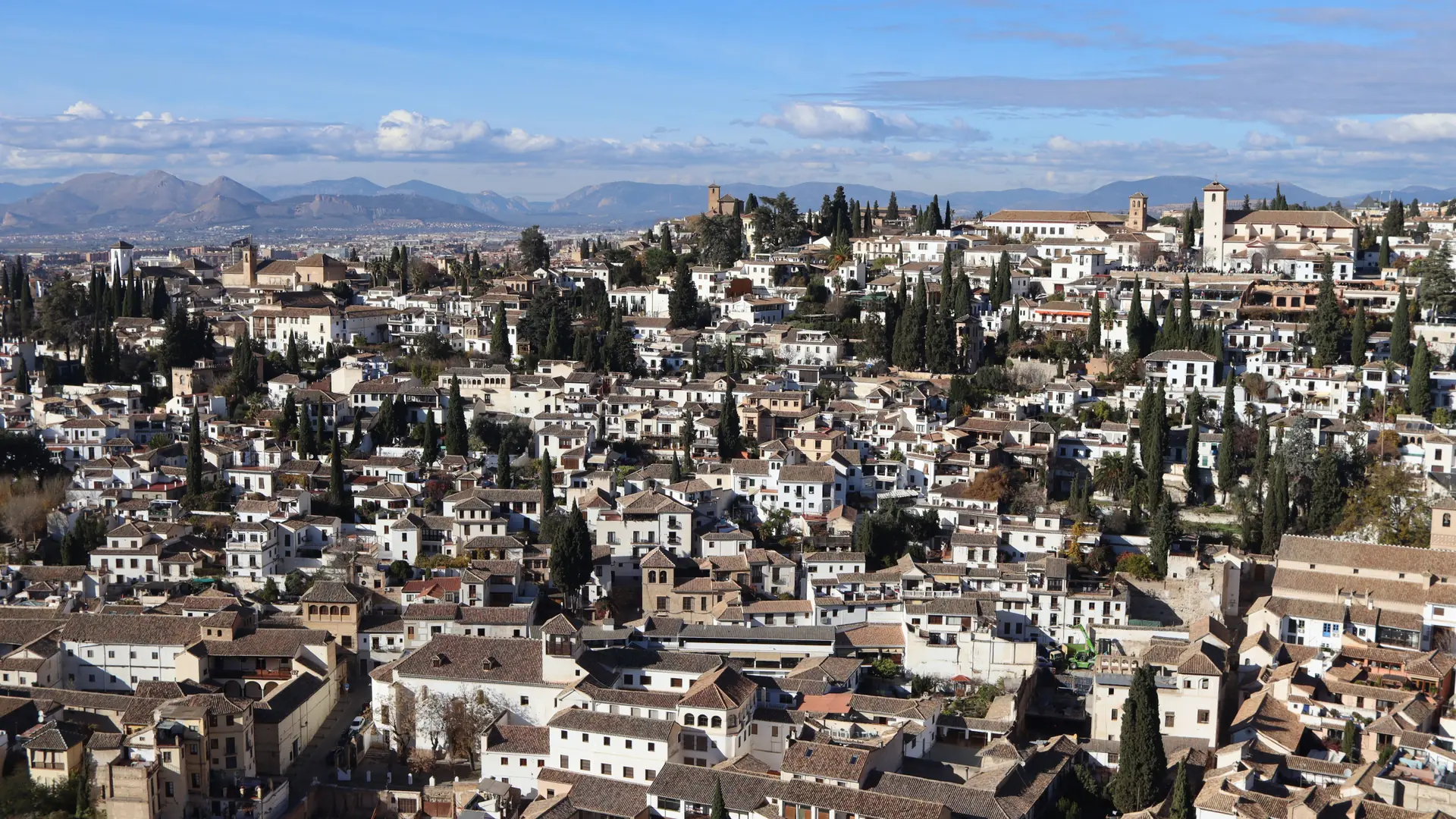
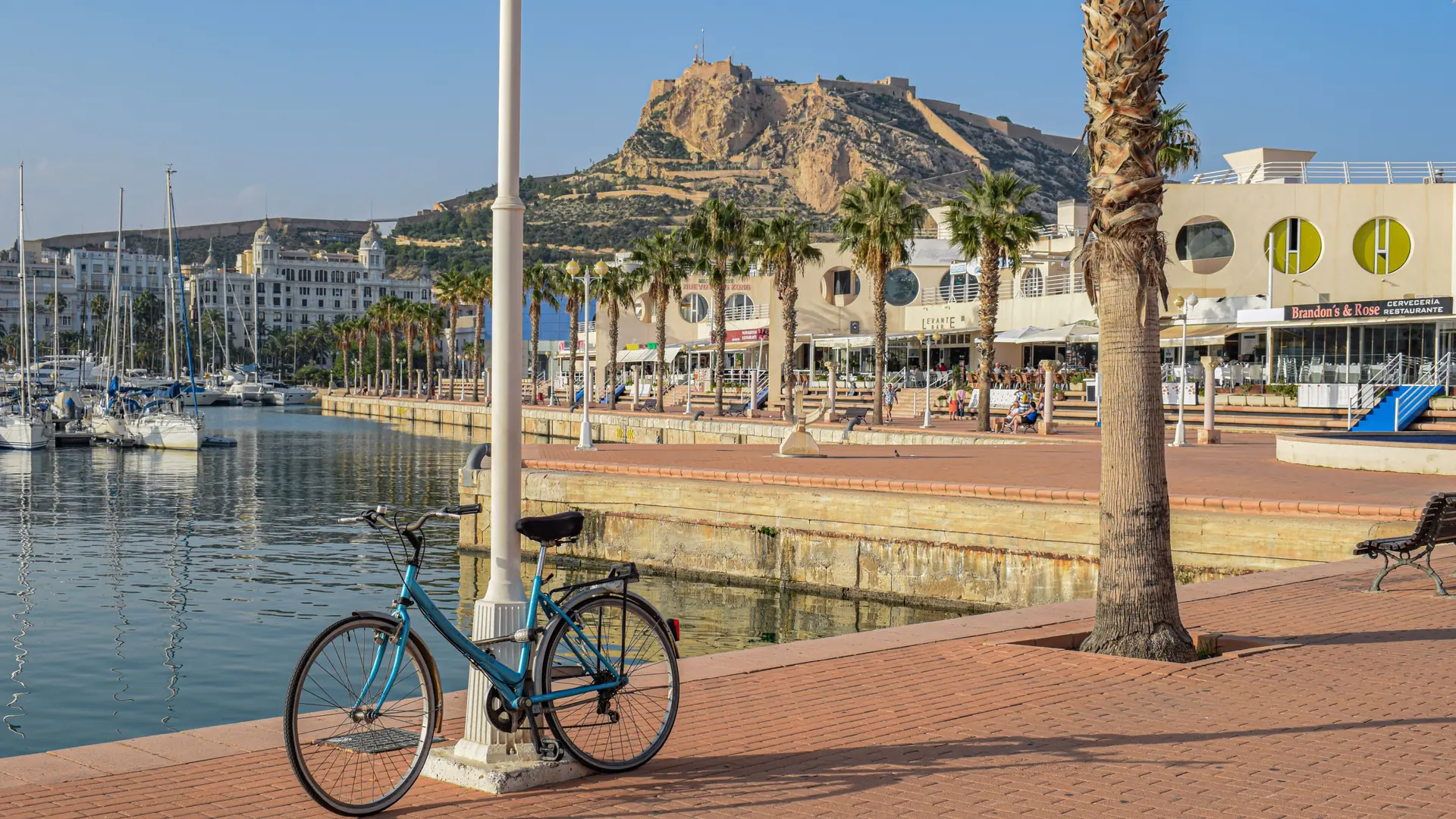
historic lanes and views across to the palace
Albaicín offers historic lanes and views across to the palace.
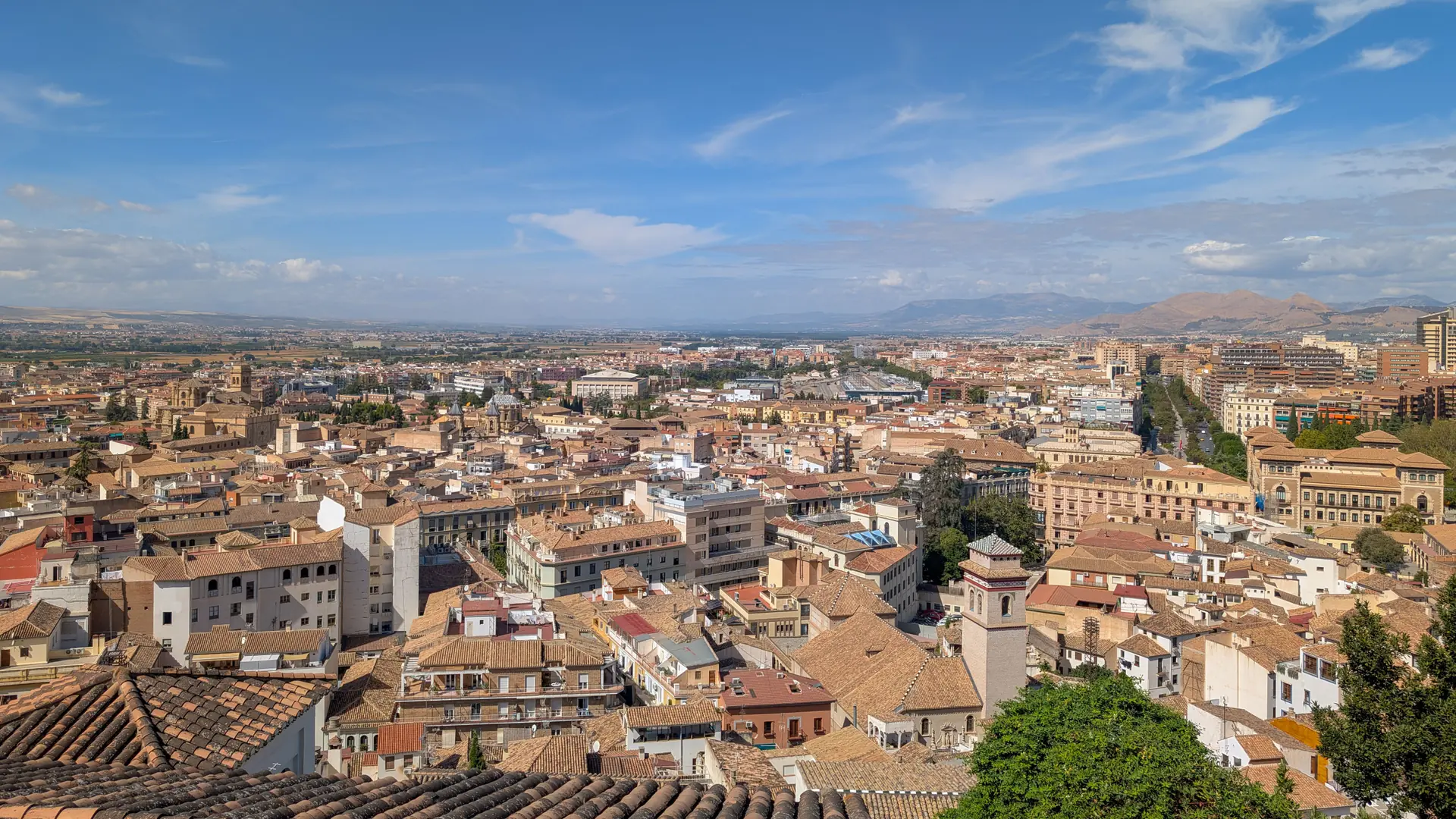
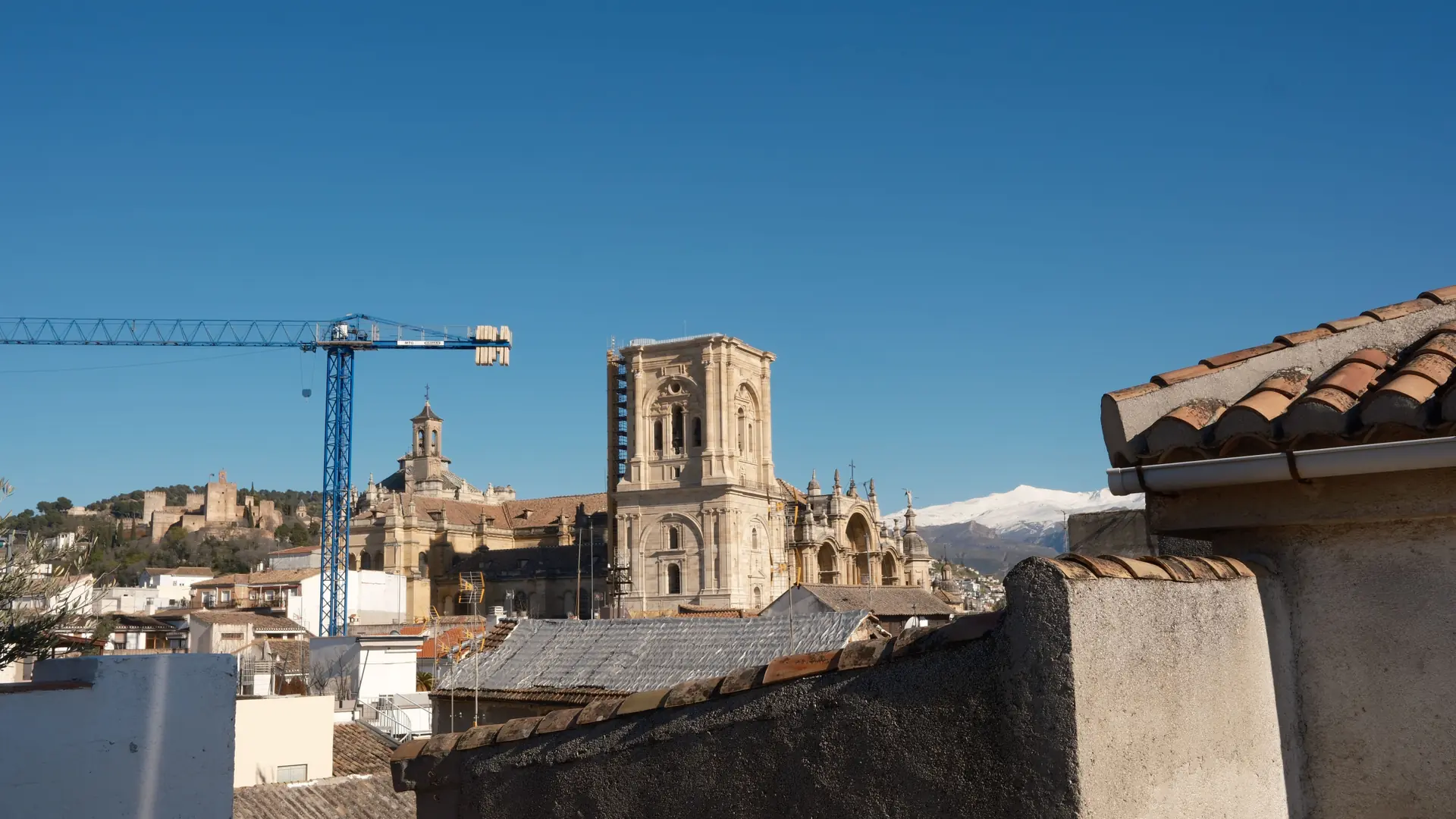
neighbourhood squares below the Alhambra
Realejo offers neighbourhood squares below the Alhambra.
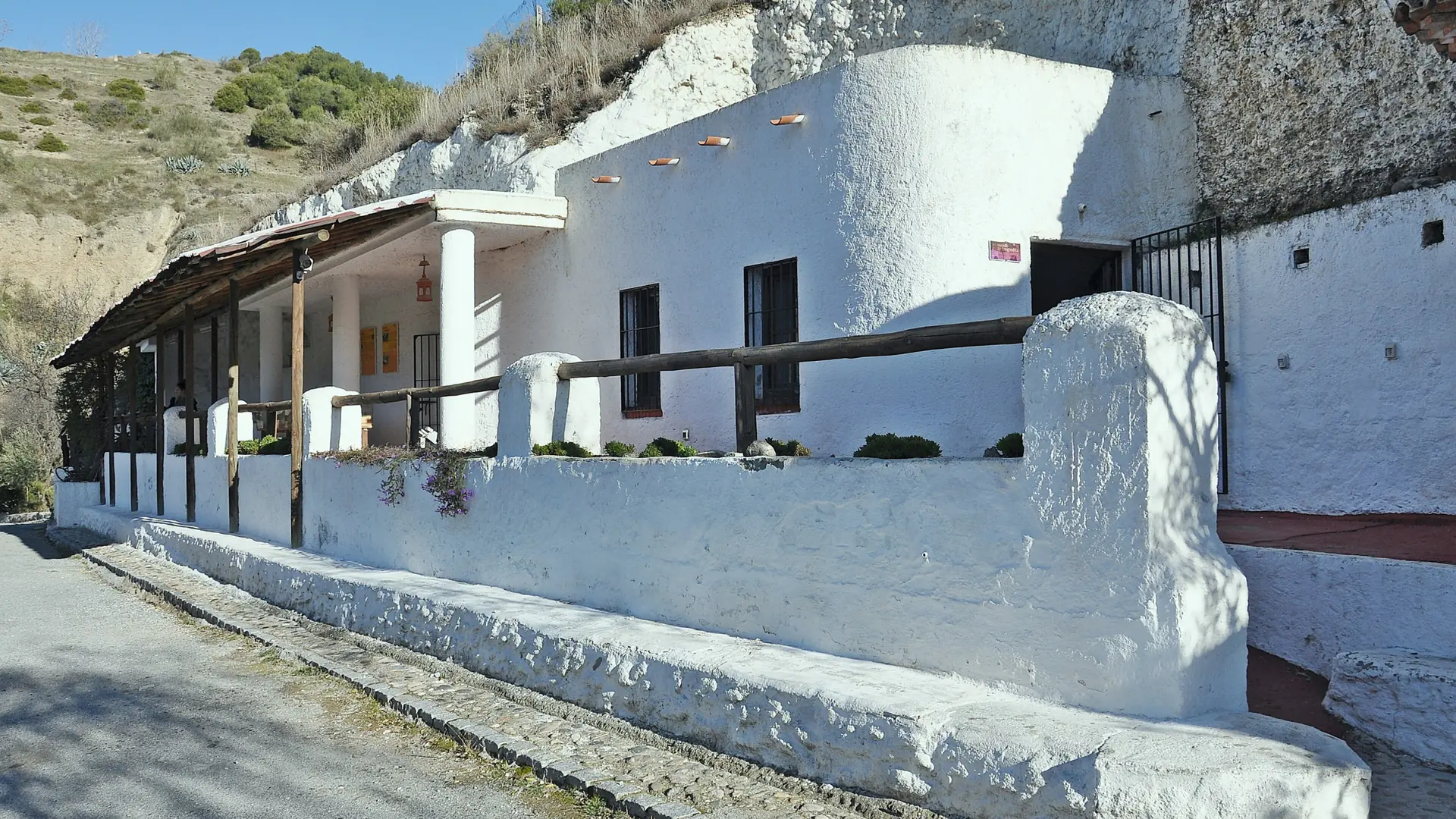
cave-house culture and a hillside stay
Sacromonte offers cave-house culture and a hillside stay.
| Area | Best for | Features | Getting around |
|---|---|---|---|
| Centro |
First visits with cathedral sightseeing and central dining |
Busy terrace streets can make evenings lively. |
Walk between the cathedral and Royal Chapel; take the C30 from Pavaneras for the Alhambra. |
| Albaicín |
Historic-quarter stays and views towards the Alhambra |
Steep lanes and steps make upper-quarter stays harder with luggage or limited mobility. |
Explore on foot around San Nicolás, allowing for the climb between the upper lanes and the lower city. |
| Realejo |
Terrace meals and neighbourhood walks around Campo del Príncipe |
Upper streets mean an uphill walk even when the address is below the Alhambra. |
Walk into the quarter from Pavaneras; the C30 continues along Molinos towards the monument. |
| Sacromonte |
Flamenco evenings and cave-house culture |
Steep side lanes and a longer trip to the cathedral quarter. |
Use Camino del Sacromonte for the main approach; side lanes climb above the road. |
Once the district fits, compare what the booking actually provides. These requirements can matter more than being a few streets nearer a landmark; ask for an answer about the specific room, rate or service rather than the property in general.
Family accommodation in Granada
Late arrivals in Granada
Bedroom comfort in Granada
Longer visits to Granada
Once you know the area that fits your trip, compare live availability, exact hotel locations and room details. Editorial advice is separate from provider prices and availability.
Save the airport or station connection and your hotel entrance separately. City sightseeing buses and the airport coach are different services; the operator’s dated notices take precedence over an older map or an undated timetable copied elsewhere.
Look for “Aeropuerto Granada” on the coach: L245 is the line identifier, but it need not appear on the front. This is an airport coach, not a red city bus. Aena estimates 45 minutes for the complete journey. The municipal guide lists Gran Vía/Catedral and Acera del Darro 52 for arrivals, subject to diversions. Departures follow flights and a date-specific timetable; select your travel day in the consortium’s planner instead of assuming a regular interval.
The consortium’s 13 October 2026 notice announces about two weeks of works from 19 October, 16:00–23:59. Line 245 diverts via Camino de Ronda and Avenida de Severo Ochoa, rejoining near Triunfo; Acera del Darro and Gran Vía stops are suspended during those hours. Confirm the replacement stop and current end date before setting out. The ordinary central stop list does not apply during this diversion.
The usual airport-bound stops include Acera del Darro 9 and Gran Vía 12 and 54, unlike the arrival stops. Check the current boarding point and departure for your travel day, including the works notice above. If the coach leaves too little time for airline check-in, arrange a taxi. Airport journeys use intercity taxi tariffs; confirm fare conditions and request a receipt.
Renfe sells Granada–Madrid AVE and long-distance services to Madrid Puerta de Atocha–Almudena Grandes. Select your actual date, not a first departure in a general route article. Save the connection between Granada station and your hotel before arriving. For departure, we suggest reaching the station 45 minutes before the booked train, with more time for assistance; this is an editorial buffer, not a universal operator check-in rule.
The route change effective 10 August 2026 places the C30 starting stop at Plaza Isabel la Católica 4, on Pavaneras. It reaches Alhambra–Generalife 2 via Molinos and Cuesta del Caidero. Save the stop and monument map, allowing for the walk inside. We suggest reaching the correct Nasrid entrance thirty minutes before your printed time, adding more for ticket collection or assistance. This buffer does not change your admission time.
Checked on 20 October 2026, the operator’s current notices still list the C31 and C34 diversion through Calle Elvira because of works on Reyes Católicos. Its 30 September notice names Av. del Hospicio–Triunfo, stop 1424, and Plaza Nueva, stop 1105, as alternatives to the suspended stop. Check the current route planner before travelling; a familiar old stop may not serve your hill bus while works continue.
The urban operator’s linked fare sheet lists an ordinary ticket at €1.60 (≈ US$1.80), separate from the airport coach and subsidised resident products. A Granada Card includes nine urban rides: compare them with journeys you will take and read collection/use instructions before boarding. If paying individually, check the operator’s current payment instructions rather than assuming every bus accepts the same method.
The Alhambra’s map distinguishes gradients, paving and practicable sections; the whole complex is not level. Ask its visitor service which route meets your needs. The Royal Chapel’s adapted access is through the cathedral and depends on its opening hours; confirm that arrangement before buying. For the hotel, check doorway steps, lift dimensions and bathroom facilities separately. An accessible monument does not establish access to your bedroom.
Operator prices and dated notices were checked on 19–20 October 2026. The room figure remains a historical benchmark; meals and reserve are allowances. Indicative USD uses the ECB’s 19 October rate of 1 EUR = US$1.1225, rounded. Card and cash rates differ.
AEMET’s 1981–2010 normals for Granada Airport give a July average daily maximum of 34.8°C. The station is at Chauchina, outside the city; that is historical context, not a forecast for a particular street or date. Put optional exposed walking in the cooler part of the day and leave space for lunch or a return to the room. Check the near-date forecast before committing to another uphill outing. A long summer afternoon is useful only if you still have the energy to enjoy it.
At the same airport station, January’s historical average daily minimum is 0°C, while April and October average daily maxima are 20.6°C and 23.2°C. Bring a layer for an evening viewpoint and check heating when booking outside summer. The Alhambra’s daytime opening changes to 08:30–18:00 from 15 October through 31 March, compared with 08:30–20:00 from 1 April through 14 October. A shorter opening day gives less room to recover from a late start.
The Alhambra closes on 25 December and 1 January. Church visitor hours also depend on worship and special celebrations, so an ordinary weekly timetable is not enough for a holiday plan. If the only free sightseeing time falls on the departure morning, establish what is open then before buying another ticket. Keep a nearby outdoor walk as the flexible part of the day, rather than moving a reservation into a period when the building may not admit tourists.
Two adults, one double, three days/two nights in October 2026: €270 (≈ US$303) room, €300 (≈ US$337) meals, €6.40 (≈ US$7.18) for four city rides, €44.54 (≈ US$50) for two Alhambra General tickets, €20 (≈ US$22) Cathedral, €14 (≈ US$16) Royal Chapel and €30 (≈ US$34) reserve: €684.94 (≈ US$769), rounded to €690 (≈ US$775). Meals and reserve are allowances; check the Alhambra commission. Excludes airport/intercity travel, extra rides, shows, other sights, insurance and shopping.
The Granada Card costs €55 (≈ US$62) for 48h or €60 (≈ US$67) for 72h, including daytime Alhambra General. The €50 (≈ US$56) 24h Card covers a Nasrid night visit; Jardines excludes those palaces. Validity is three consecutive calendar days for 48h, four for 72h. Fix the start date and palace slot when buying. Two 48h Cards total €110 (≈ US$123); price only visits you want.
Royal Chapel adult admission is €7 (≈ US$7.86). The Cathedral costs €10 (≈ US$11) during Kerygma through 28 November 2026, then €7 (≈ US$7.86) from 29 November. The October budget uses the exhibition fare. Buy separately unless your pass includes them. Follow the seller’s price; the Granada Card table’s Cathedral figure is older.
Granada’s October 2025 INE room-only double average was €122.46 (≈ US$137) nightly, net of tax/services, across categories and channels. Two nights plus 10% VAT give €269.41 (≈ US$302), rounded to €270 (≈ US$303). This historical city figure is no current room or district offer and includes no breakfast or cancellation terms. Use your actual room total.
Treat it as an arrival day, one full middle day and a departure day. After check-in, choose a nearby meal and a short orientation walk. Give the middle day’s main block to the Alhambra, with lunch and a break afterwards; add a small part of the Albaicín only if you feel fresh. On the final morning, stay near the luggage collection point and choose a visit that fits its opening hours and your departure. Two nights do not automatically provide two full sightseeing days.
Read the official catalogue before choosing another product. A gardens ticket and a night palace visit cover different spaces and should not be presented as an equivalent general daytime visit. If you decide to continue with Granada, the Palace of Charles V and Alhambra Museum have free admission, subject to their own opening arrangements; the cathedral, Royal Chapel and old quarters provide other interests. Do not pay an intermediary solely on a vague promise of access. Establish exactly which spaces, date and entry conditions the purchase covers.
Children need their own ticket even when admission is free. The owner’s FAQ says ages 3–11 should be reserved with the adults, while under-three tickets are issued at entry. Check the current instructions for your party before purchase. Pushchairs cannot accompany you into specified monument interiors; arrange where to leave one and how to carry a younger child. The visitor service describes loan equipment, but availability is limited. A family visit works better when those practical details are settled before reaching the first checkpoint.
Granada has a strong tradition of a tapa with a drink, but ask what is included and whether you choose it or receive the house selection. Separately ordered plates follow their own prices. For a meal beyond tapas, look for habas con jamón (broad beans with cured ham) or remojón granadino (salted cod with orange). Ask about ingredients and dietary needs before ordering; a customary tapa is not a guaranteed meal with every drink.
It can be, if the transport on your chosen date leaves enough usable time between arrival and departure. Check the complete outward and return journey before reserving an attraction, including the connection from the station and time to find the correct entrance. If nearly all the available hours would be consumed by travel and one monument, consider an overnight stop instead. Granada’s other districts reward time beyond a tightly scheduled visit, and a later train should be booked from its actual timetable rather than assumed to exist.
The Cave Museum and a performance are separate activities. The museum’s ordinary admission is €6 (≈ US$6.74), checked on 19 October 2026. Its owner lists 10:00–20:00 from 29 March to 25 October and 10:00–18:00 from 26 October to 28 March, with last entry twenty minutes before closing. For a show, read the named venue’s product to establish its time and whether a transfer, drink or meal is included. Do not infer a performance from a cave photograph. Make separate arrangements if you want both experiences.
Reviewed by StartBooker
Last reviewed 2026-10-20
Updated
Editorial method: Editorial self-review checked current airport and city bus notices, attraction and pass prices, and budget arithmetic. Primary monument and municipal food sources support the added cultural context. Unchanged room, climate and other research retain their earlier source dates. Indicative USD uses a dated ECB rate. Existing photographs and credits are preserved.
38 sources reviewed
Some photos provided by Pexels.
Compare routes by length, stops and transport.