A route endorsed by its geography
Official Green Spain planning also runs east to west between Bilbao and Santiago, acknowledging the four northern regions rather than pretending one city stands in for them all.
Four northern cities, an Atlantic road, and a Spain of green hills, cider, seafood and changing weather.
Northern Spain is not a cooler version of the Barcelona–Madrid axis. The road between Bilbao and Santiago moves through four identities: Basque design and food, Cantabrian sea air, Asturias' cider-and-stone cities, and Galicia's wet granite finale. A car makes the seven-day version honest because the landscapes between the cities are part of the reward, but it also means accepting that a beautiful road is not a fast road. This itinerary gives Bilbao two nights, then one each in Santander, Oviedo and Santiago. It deliberately skips the temptation to stop at every beach, village and viewpoint. That is not a failure; it is what leaves time for a real dinner, an evening walk and weather that asks you to change plans.
There is a rail alternative for parts of the coast, but it is a different trip: retain fewer bases and decide the live connections before booking non-refundable rooms. The car version earns its keep only when a clear weather window makes one coast stop worthwhile. In poor visibility, arrive earlier, walk the next city's centre and keep the coastal idea for another day.
Official Green Spain planning also runs east to west between Bilbao and Santiago, acknowledging the four northern regions rather than pretending one city stands in for them all.
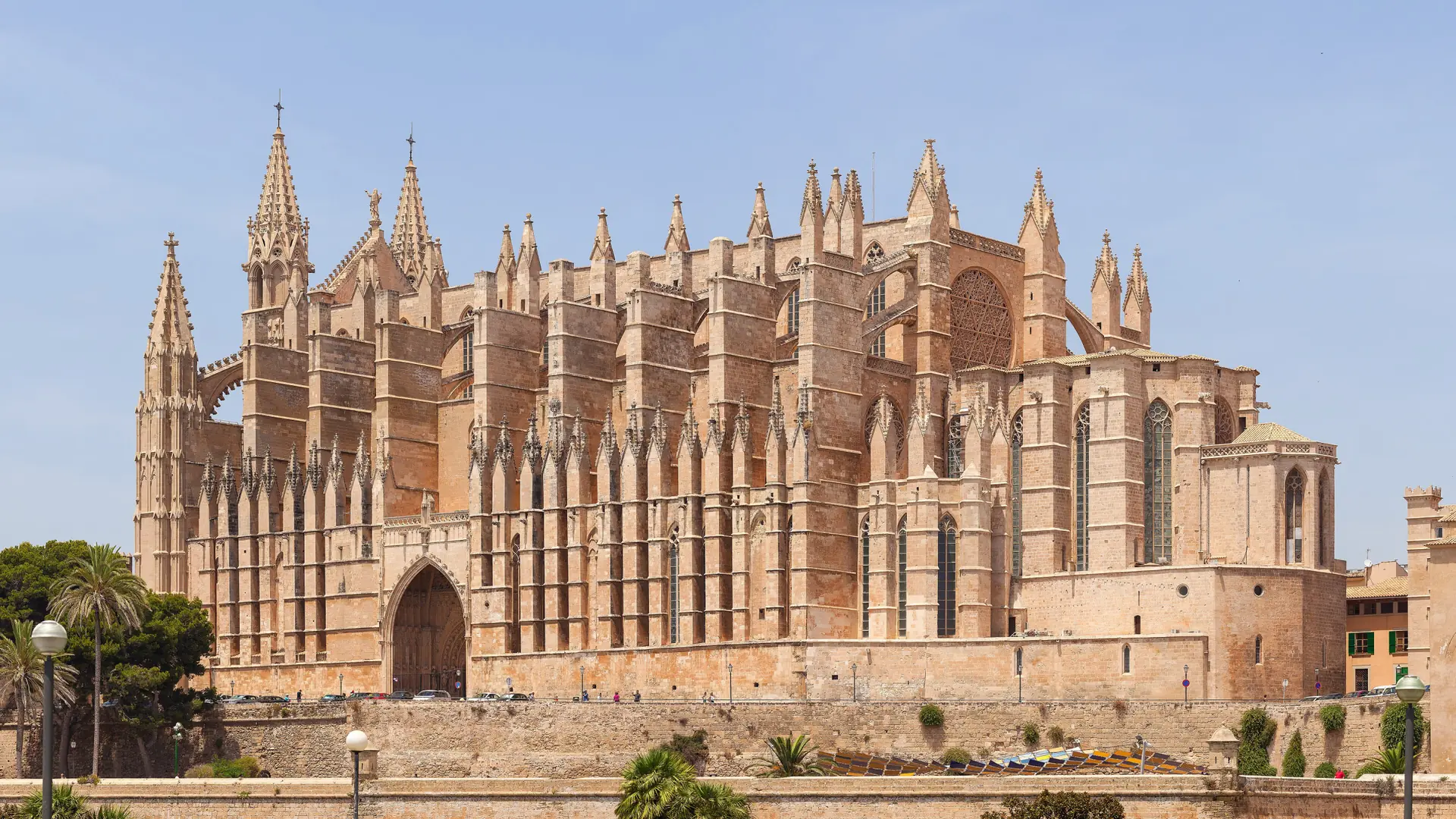
Bilbao's museum district, Santander's bay, Oviedo's old centre and Santiago's stone squares make four contrasting evenings, not four interchangeable hotel stops.
The car opens coast and countryside, but no static itinerary can promise seasonal road access, parking or weather. Build one scenic pause into each driving day, not five.
Best for
Think twice if
This is not a beach-resort route and it is not a fast public-transport itinerary. If you dislike driving in rain or arriving after dark, add nights or choose a shorter region.
StartBooker answer
Travel west from Bilbao through Santander and Oviedo to Santiago de Compostela, using a car if you want the freedom to stop along the Atlantic coast. The route works because each city offers a different rhythm: Basque design, Cantabrian seafront, Asturian food and a pilgrimage-city finale. Build weather flexibility into every day, keep distances realistic, and do not reduce the north to a sunny-beach itinerary.
Two nights in Bilbao, then a westbound chain of one-night city stops.
4 stops · swipe
1
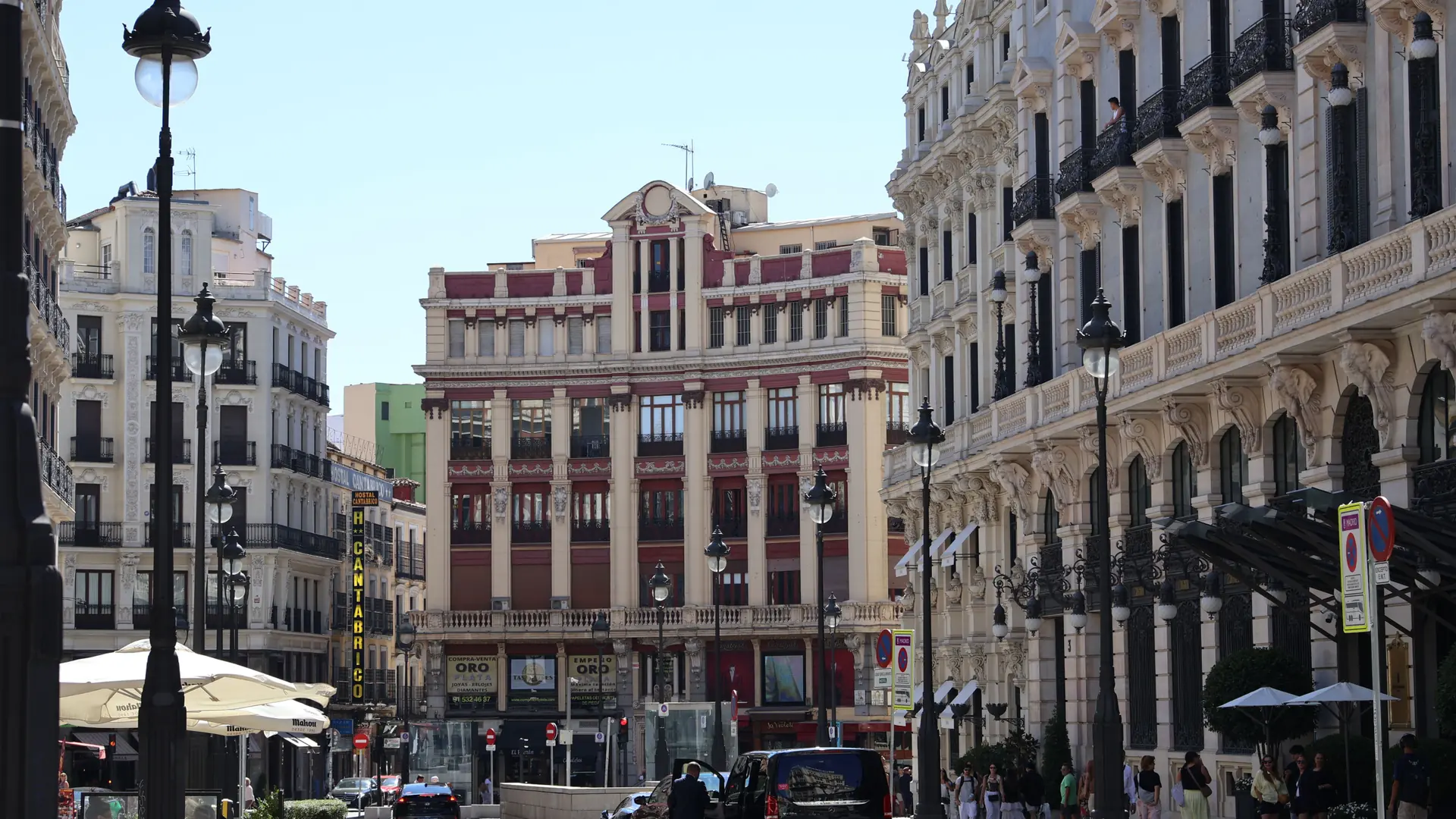
Guggenheim, riverfront architecture and Basque food
Bilbao is the right beginning because it has an airport, a complete city centre and enough visual confidence to deserve two nights. Use the extra day to avoid making the Guggenheim your only memory.
Watch out: A museum visit needs a chosen pace; leave room for the old town and the river rather than stacking every gallery into one afternoon.
2
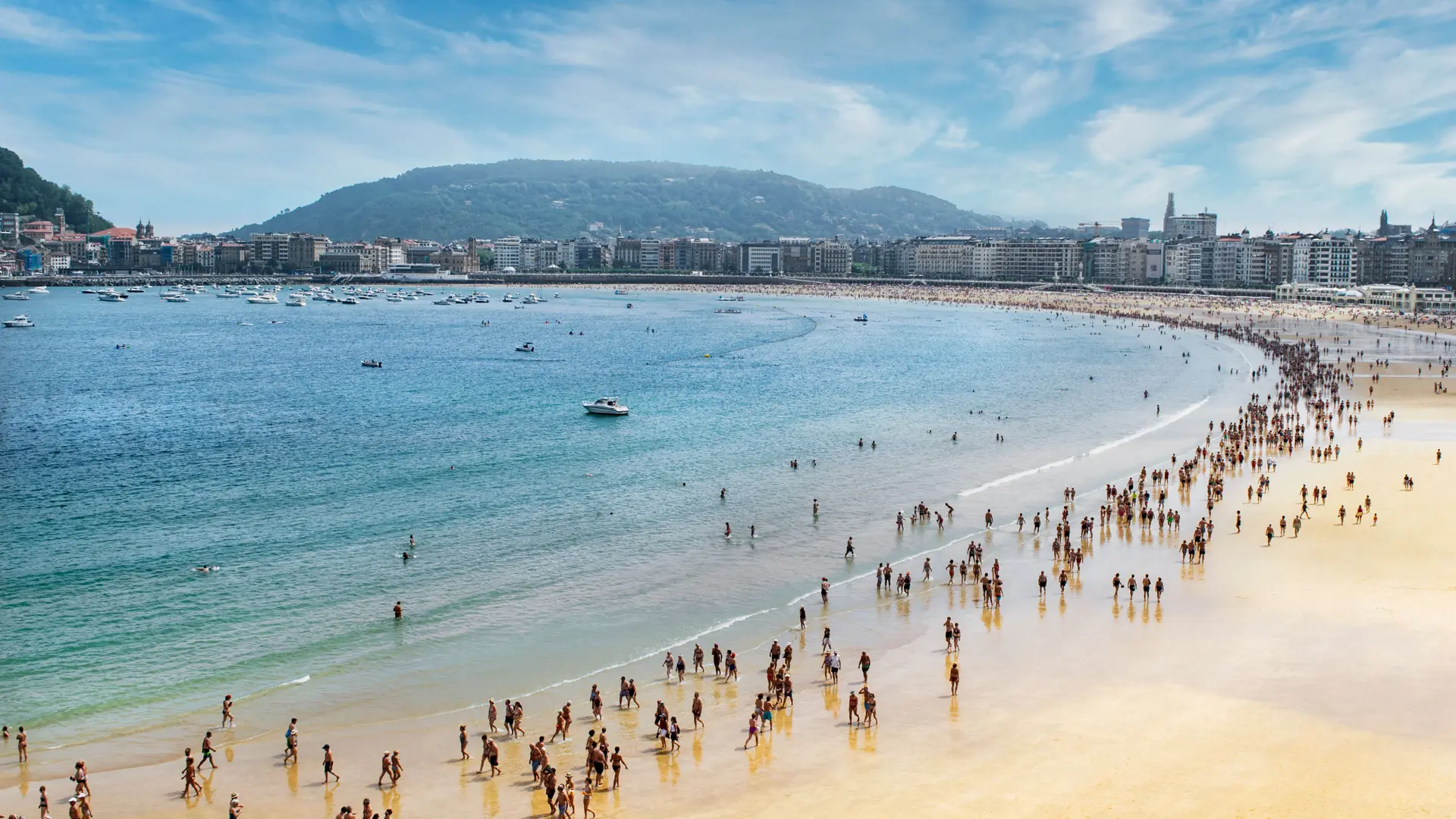
Bay walks, beaches and Belle Époque sea air
Santander is a coastal reset after Bilbao, not a place to overprogramme. Walk the bay, watch the light change and choose a dinner that makes the one night feel intentional.
Watch out: Atlantic weather can reorder an outdoor day. Keep a city walk and an indoor alternative in mind.
3
Pre-Romanesque heritage, cider and an intimate old centre
Oviedo is the inland turn: compact enough for an evening and morning, but rich enough to make the route feel less like a string of beaches. Eat and walk before driving west.
Watch out: One night works only when you keep the driving day modest and do not add a long mountain detour first.
4
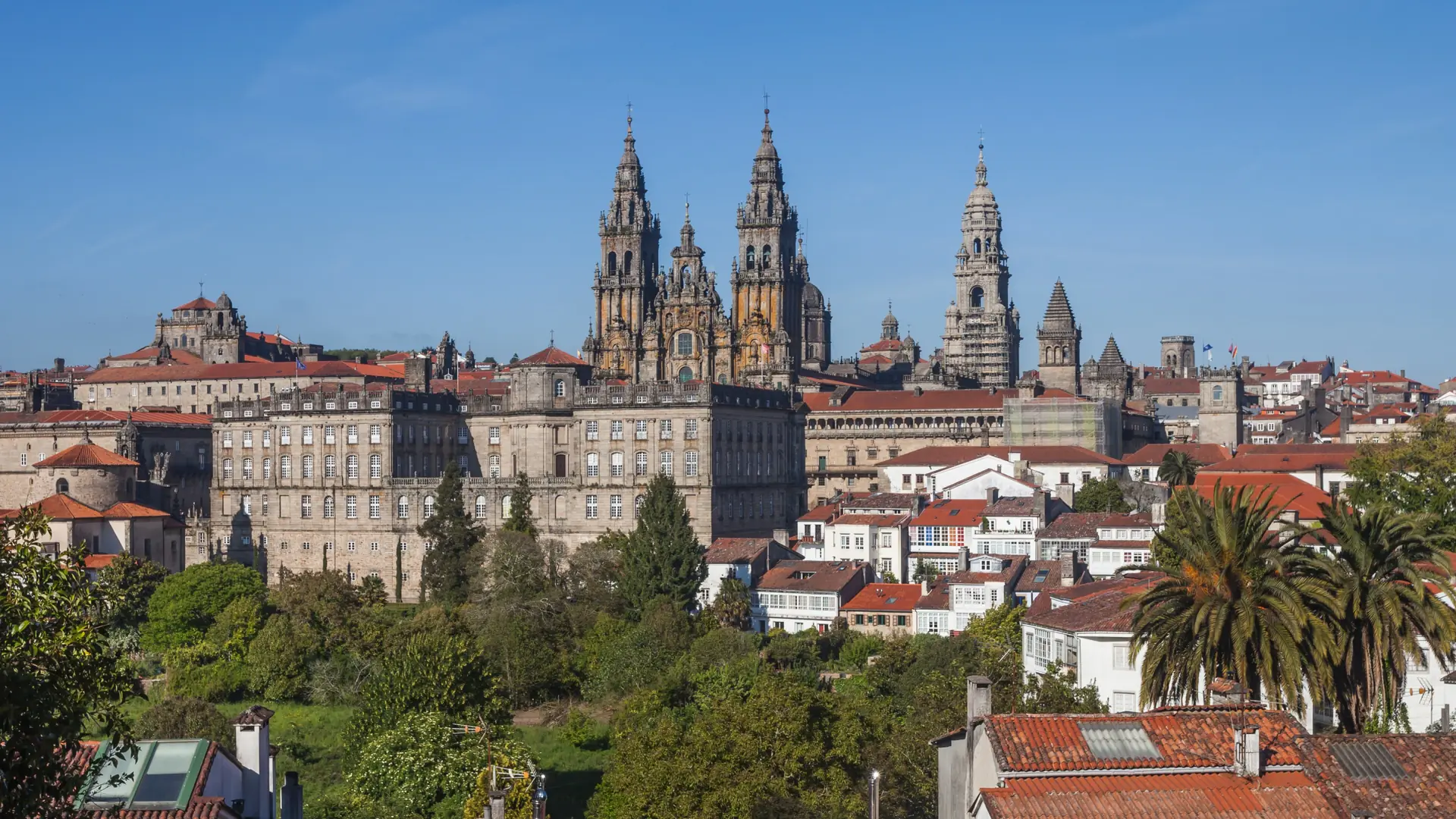
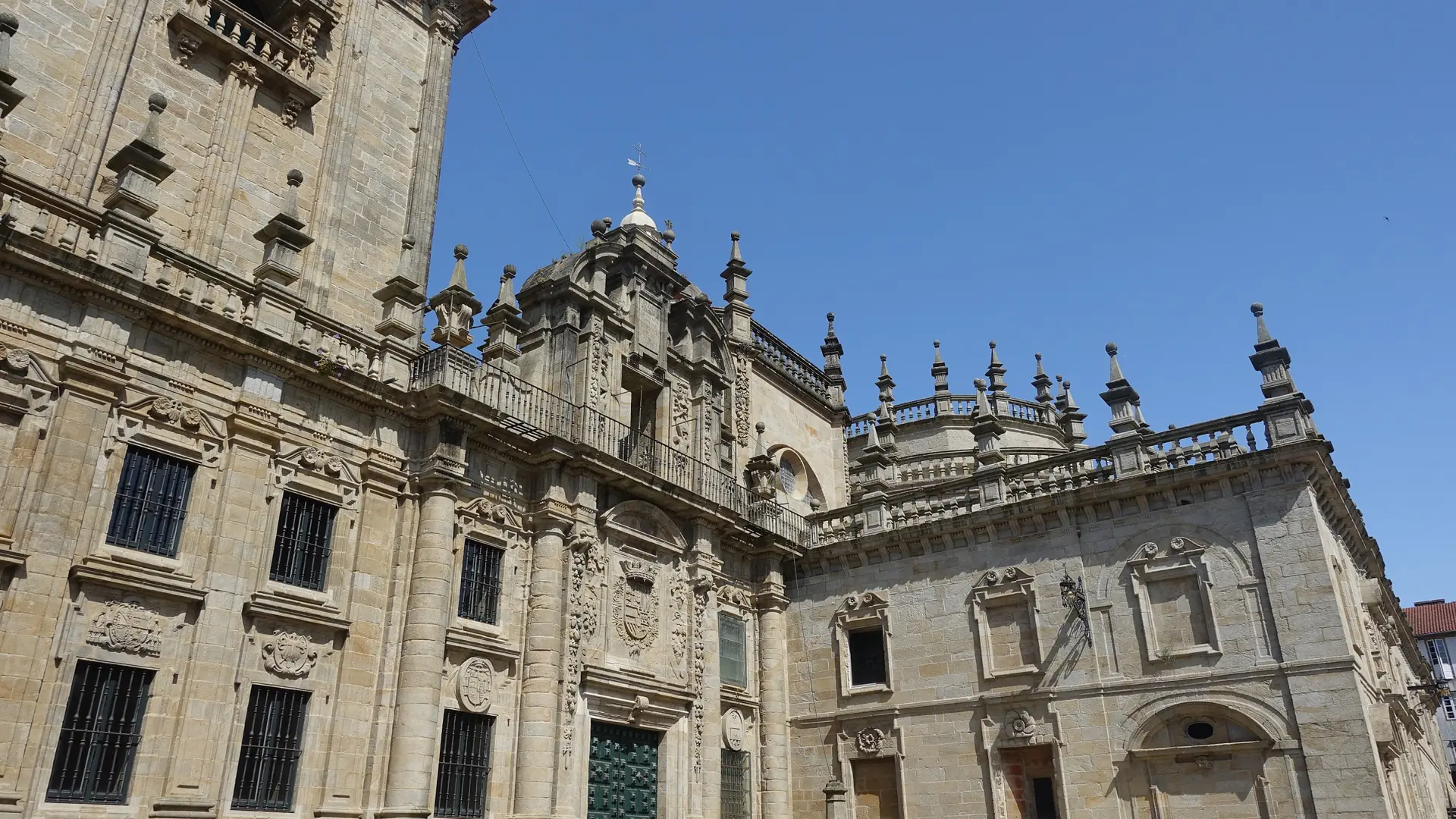
Cathedral squares, pilgrimage atmosphere and Galician food
Two nights let Santiago be more than a finish-line photograph. Arrive gently, then explore the old centre early or late when its stone and sound feel most distinct.
Watch out: Santiago can be busy around pilgrimage seasons and events; reserve accommodation early and do not rely on a single restaurant plan.
Read the Santiago de Compostela guide →One meaningful city experience and one realistic drive at a time.
Settle in near the centre, walk the Nervión and let the museum district frame the first evening. The point is orientation, not a rushed architecture lecture.
Base: Bilbao
See the Guggenheim if it interests you, but give Casco Viejo and a pintxos evening equal weight. Bilbao is strongest when art and ordinary city life sit in the same day.
Base: Bilbao
Drive west with one chosen stop, then reach Santander in time for the bay. Resist turning this into an all-day detour collection; the evening waterfront is part of Santander's value.
Base: Santander
Make the transfer the main job of the day. Once in Oviedo, trade the road for the old centre, a relaxed meal and, if it appeals, cider rather than another long sightseeing circuit.
Base: Oviedo
This is the longest mental shift in the route. Start early, stop once with purpose, and arrive in Santiago with enough daylight for the cathedral square rather than a parking battle after dark.
Base: Santiago de Compostela
Walk the old city before the middle of the day, visit the cathedral area according to current access rules and spend the rest of the day on food, lanes and viewpoints. The city is small enough to revisit rather than conquer.
Base: Santiago de Compostela
Keep departure day open for coffee, a final circuit of the old centre and the airport or onward transport. Finishing in Santiago makes the route directional rather than a return drive.
Base: Santiago de Compostela
Drive west, but let current weather and road conditions overrule a paper plan.
3 transfers
Bilbao Santander
A manageable first coast leg that becomes longer only if you deliberately stop.
Booking note: Plan the scenic pause before leaving Bilbao, not while searching for parking.
Santander Oviedo
The road links Cantabria with Asturias; keep the day light enough to enjoy Oviedo after arrival.
Booking note: Use the live route and weather forecast on the morning of travel.
Oviedo Santiago de Compostela
The longest transfer deserves an early start and one intentional break rather than a string of hopeful detours.
Booking note: Confirm airport-return and parking arrangements before making a late dinner reservation.
Drive times are planning estimates only. Rain, traffic, mountain and coastal roads, parking and seasonal restrictions can alter the day; check current official information before leaving.
Pay for the things that protect time: sensible car terms, central bases and a little flexibility.
Booking tips
Live stays for the route's two-night Galician finale.
Use the map to find a final base within easy reach of the old city and your departure plan.
Santiago de Compostela
For this four-base week, a car makes the coastal and cross-region legs realistic. Without one, simplify the route rather than forcing every transfer.
Weather is part of the region's green landscape. Pack layers and treat the forecast as an active planning tool, not a reason to avoid the trip.
Not well in this seven-day four-city route. Give it its own nights or replace a stop; a mountain detour should not become a drive-through.
It gives the route a coherent westbound ending and lets the cathedral city have two nights rather than a rushed arrival.
Late spring through early autumn gives the best daylight balance, though weather still varies; check current conditions rather than relying on a generic forecast.
Use it to make the space between cities meaningful, not to turn every day into a coastal mileage challenge. Leave Bilbao after you have explored it on foot, then choose one honest pause on the way to Santander: a seafront walk, a small town or a viewpoint that suits the weather. Do the same between Santander and Oviedo, with enough time to arrive before dinner and settle into the next place. The car is most valuable because it lets you respond to a clear morning or skip an exposed stop in rain; it is not an invitation to add Picos de Europa, every beach and every fishing village to a seven-day schedule. Check parking at each accommodation before you book, and keep luggage organised so a short stop does not become a stressful repack.
Bilbao begins the route with architecture, riverfront walks and a Basque urban energy that is very different from the Mediterranean image of Spain. Santander then opens the trip toward the Cantabrian coast, where a promenade and sea air matter as much as a formal sight list. Oviedo shifts the focus inland to Asturian streets, food and a more compact city rhythm. Santiago de Compostela provides a fitting final contrast: its historic centre carries the atmosphere of a pilgrimage destination, and two nights let arrival feel like an ending rather than a photo stop. Keeping these roles separate is what makes the route coherent. If every city is asked to deliver the same generic old-town walk and seafood dinner, the journey loses its regional texture.
Make the fixed commitments small and meaningful: accommodation, any timed cultural entry you truly care about, and the practical car or rail links. Leave coastline walks, viewpoints and long lunches adjustable until the forecast becomes clearer. A wet morning can be an excellent time for a market, museum or cathedral, while a brighter afternoon can be moved to the seafront without feeling like a compromise. Avoid booking a different ambitious excursion for every day, because the route already includes several regional transfers. Also give yourself a choice at each base: one outdoor plan and one local, sheltered alternative. That is how Northern Spain stays pleasurable in changeable conditions rather than becoming a week spent trying to enforce a southern-Spain timetable on an Atlantic landscape.
Keep the first three stops to one or two nights according to arrival time, then give Santiago two nights so the final city can breathe. Bilbao deserves enough time for a proper opening, Santander and Oviedo work as contrasting overnight pauses, and Santiago benefits from an arrival evening plus a full day. This allocation is more satisfying than adding an extra city merely to claim another region. It also means the final drive is not followed immediately by a flight. If your outbound connection requires an earlier departure, shorten a stop only after checking the actual transport time rather than cutting the Santiago finish automatically.
Bring layers, a compact waterproof, shoes suitable for wet stone and a small bag that makes short coastal stops easy. Keep water and a warm layer accessible in the car, because a sunny departure can become a windy seafront walk later the same day. Download key addresses and route details before leaving each city, but do not treat a navigation app's fastest line as proof that a detour is worthwhile. The useful packing mindset is adaptable rather than heavy: the north changes mood quickly, and being comfortable lets you enjoy that change instead of hiding from it.
Do not judge the north by a southern-Spain checklist. The pleasure here is the sequence of coast, weather, food and compact cities, so a day with low cloud can still be a good day if you let it become a market, cathedral or long lunch rather than an abandoned viewpoint. Keep driving distances modest and reserve the big mountain detour for a longer trip. The route succeeds when you arrive in each city early enough to experience an evening there.
You can simplify it for rail and bus, but do not assume every coastal pause remains easy. For a city-only version, keep the overnight stops and check each live connection in advance. If scenic freedom is important, a car is the more honest fit; if you prefer fewer logistics, reduce the number of bases instead of forcing an ambitious timetable.
Reviewed by StartBooker editorial Route planning and destination research
Last reviewed 2026-08-29
How this route was checked: Official regional tourism, city, rail and weather sources were cross-checked with independent northern-Spain reporting. The route remains deliberately limited and retains weather and road uncertainty as a planning constraint rather than fabricating exact promises.
10 references reviewed
Photos provided by Pexels.
Which stop deserved a second night?