Barcelona gets the demanding sightseeing
Use Barcelona for Sagrada Família and a focused architecture day. Its big sights need planning, so beginning there prevents tickets from dictating the final day.
Two nights in Barcelona, two in Valencia and a direct train between them, with one full sightseeing day in each city.
Pair Barcelona’s Gaudí architecture and old-city streets with Valencia’s market, Turia gardens and City of Arts and Sciences. Spend two nights in each city, moving by train on day three. This leaves one full sightseeing day per city; arrival and departure provide shorter outings when your flights allow.
In Barcelona, give Sagrada Família the main appointment and explore the surrounding Eixample afterwards. In Valencia, choose the Museu and one Hemisfèric screening for the full day, or replace them with a coastal outing. The Oceanogràfic would take much of another day, so it is an alternative to the science combination rather than an addition.
A short Turia walk fits beside the complex, but the whole nine-kilometre park is a separate outing. Keep the first evening and final morning flexible: a late landing removes the arrival walk, and an early flight removes the market visit. Use day numbers below for your own dates, then check opening calendars and transport before buying timed tickets.
Use Barcelona for Sagrada Família and a focused architecture day. Its big sights need planning, so beginning there prevents tickets from dictating the final day.
Historic squares and the modern complex occupy different parts of Valencia. The Turia’s former riverbed links city walks, while the maritime districts offer a separate coast outing.
Arriving in Barcelona and departing from Valencia avoids a return rail journey. Compare the complete flight pair before choosing the direction: a cheap inbound flight can lose its advantage if the onward departure needs another hotel night.
Best for
StartBooker answer
Spend two nights in Barcelona, take a direct train to Valencia on day three and stay there for two nights before departing on day five. That gives you one full sightseeing day in each city. Use Barcelona for Sagrada Família and an Eixample walk, then Valencia for its old centre, the Turia gardens and a chosen science venue. The route suits a short architecture-and-food break; a late arrival or early departure reduces the time available at either end.
Explore tours, attractions and local experiences in Barcelona, Valencia along this route through Spain.
Loading activities…
Activities provided by GetYourGuide. We may earn a commission on bookings.
Pick each base for the places you will use during its two nights. A station address, a historic-quarter address and a coastal address offer different kinds of convenience.
2 stops · swipe
 1
1
Gaudí, markets, old lanes and the waterfront
Choose the Eixample around Passeig de Gràcia for architecture, cafés and access to Sants by metro. The Gothic Quarter suits old-city evenings, with a final walk through pedestrian lanes. Both districts are extensive: check the hotel address rather than relying on the area name.
Read the Barcelona guide →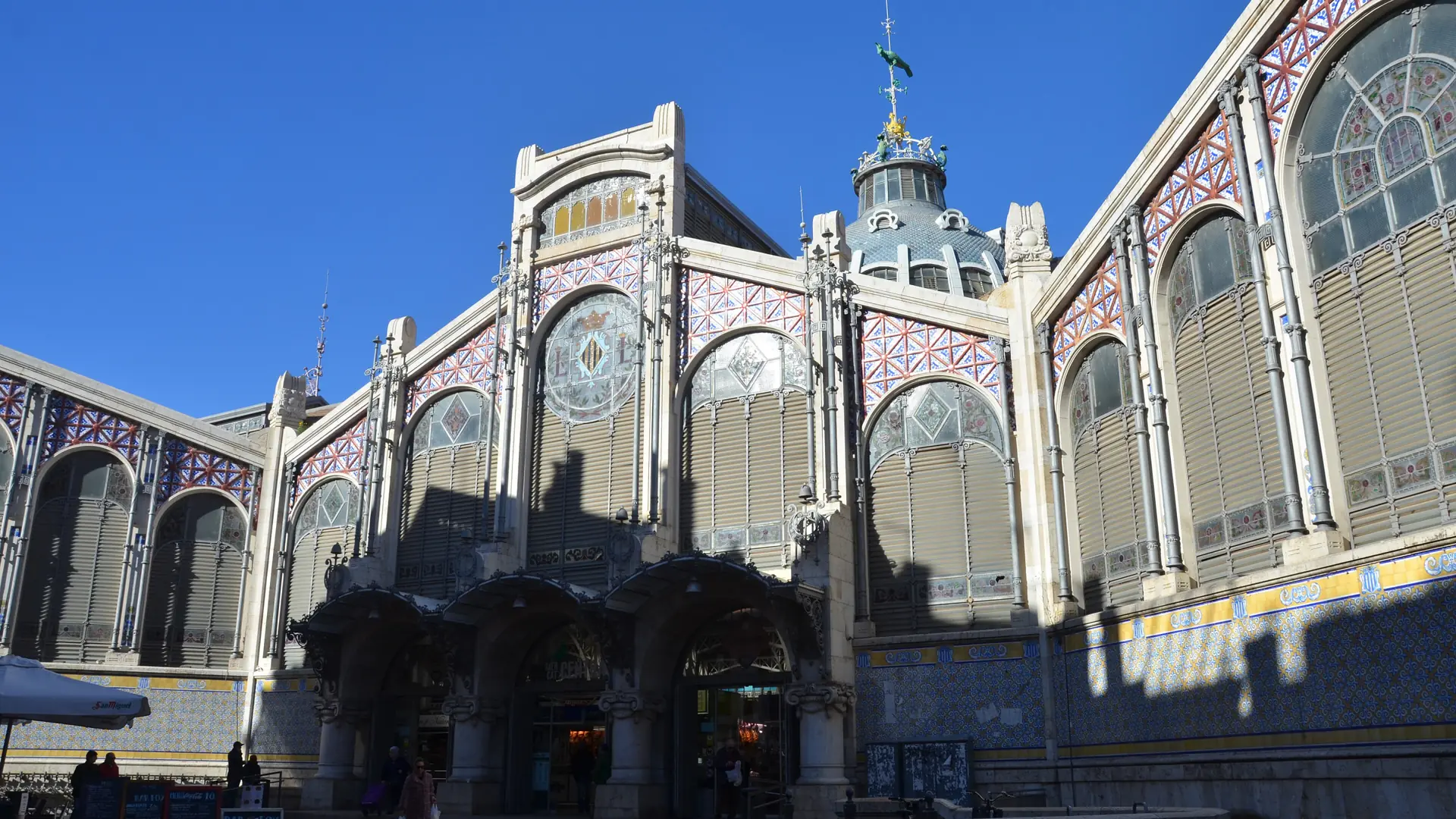 2
2
City of Arts and Sciences, historic centre, rice dishes and beach access
Ciutat Vella puts the market and monuments close together. Ruzafa suits restaurant evenings, though terraces can be noisy late. A room by the science complex favours that visit but needs a journey to the old centre; a maritime stay adds travel to both cultural outings.
Read the Valencia guide →Use this five-day plan with two nights in each city. Move the dates to suit your flights, keeping day three for the train and checking attraction calendars before booking.
Check in, choose the Gothic Quarter, El Born or the seafront for a first walk, and save your booked landmark for tomorrow. From Barcelona-El Prat, Aerobús A1 serves T1 and A2 serves T2; the operator estimates 30–35 minutes to the centre, subject to traffic. Both run around the clock. Plaça de Catalunya is a useful arrival point for the lower Eixample or the northern side of the old city, but the final hotel approach still matters. Leave the suitcase before walking, rather than attaching a paid entrance to the landing time. For a compact Gothic Quarter introduction, link the Cathedral exterior with Plaça de Sant Jaume and the lanes towards Plaça del Rei. This reveals several layers of the centre without requiring another ticket. If dinner is the only outing left after arrival, eat near the room and make the same walk tomorrow after the main visit. A Catalan bar meal can begin with pa amb tomàquet, tomato-rubbed bread with olive oil; it is an easy local taste without another excursion.
Overnight: Barcelona
Gaudí took charge of Sagrada Família in 1883. Its sculpted biblical façades and coloured interior light give this architecture morning a clear focus; keep the afternoon for Eixample. The standard €26 (≈ US$29) adult ticket includes the basilica, museum and official app audioguide; towers and the crypt are excluded. Download the app, bring earphones and carry photo ID matching the named ticket. Late arrival does not guarantee admission. Allow about twenty minutes to find the entrance before your booked time; this is a planning margin, not extra entry flexibility. Afterwards, walk Passeig de Gràcia to see Casa Batlló and La Pedrera from outside, then pause for a meal along Rambla de Catalunya. Their interiors require separate tickets. If Park Güell matters more, give it this afternoon and allow for the journey instead of trying to combine every Gaudí sight. A waterfront walk can fill any remaining time, but leave space for dinner and rest before tomorrow’s transfer.
Overnight: Barcelona
Choose a train that fits checkout, then leave Valencia’s first evening for its old centre and dinner. Avoid turning the transfer day into a timed City of Arts visit. The dated rail example below arrives at Estació del Nord, beside the bullring and Xàtiva metro station. From this side of town, settle the bag drop before turning towards the old centre. A Ciutat Vella hotel may be reachable on foot, depending on its actual address; a room near the science complex or shore needs another connection. For the first walk, link the market’s exterior, La Lonja and the Cathedral quarter. La Lonja was built between 1482 and 1533 for the silk trade: its Gothic decoration expresses the wealth of a Mediterranean merchant city. This walk uses the exterior, with no extra admission assumed. The market stalls belong to a later morning because trading closes in the afternoon. For dinner, Ruzafa offers a different café-and-restaurant setting from the old centre.
Overnight: Valencia
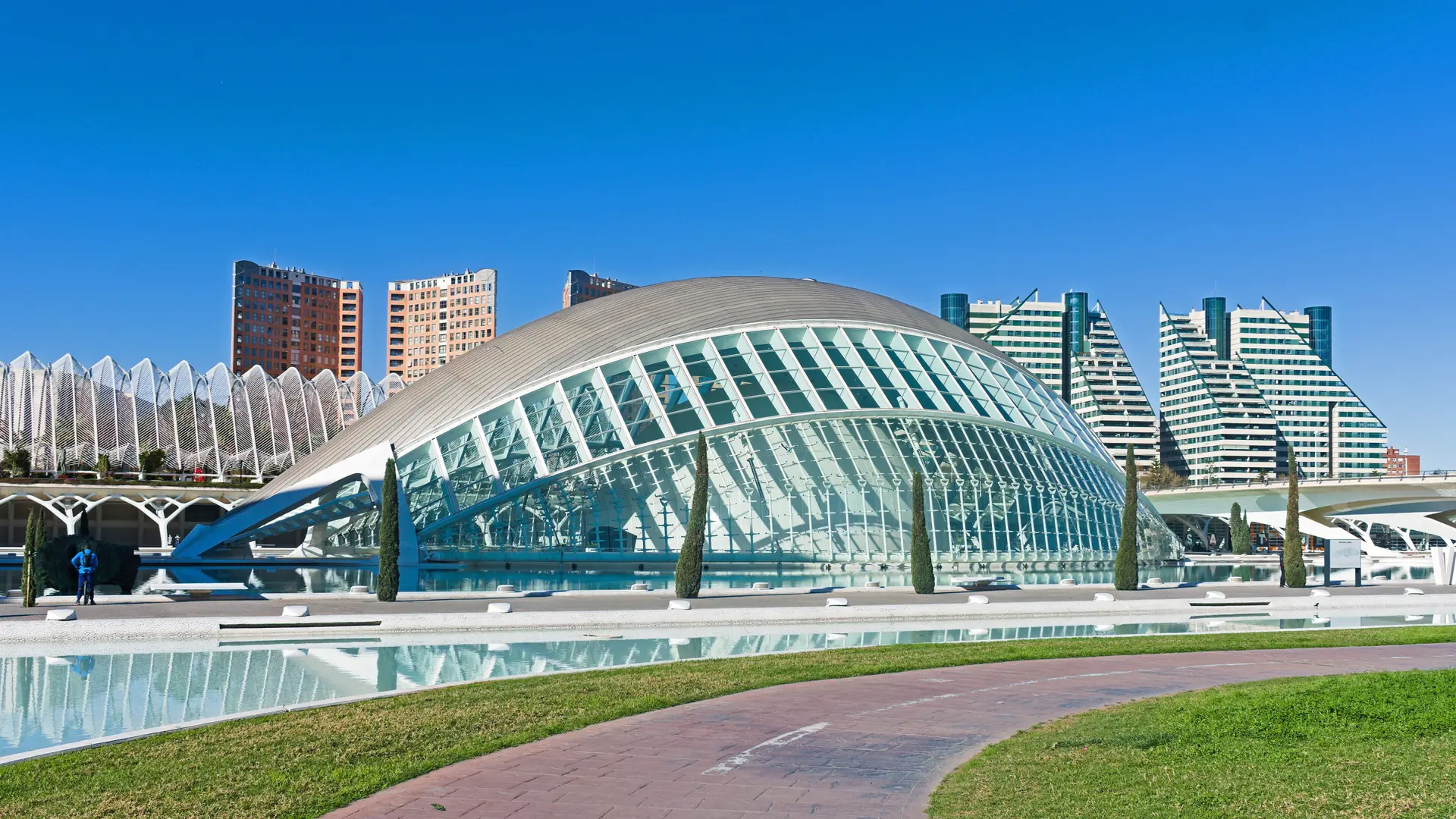
The science complex’s curved shells and reflecting pools give Valencia a strikingly modern setting after La Lonja. Make an outdoor circuit before the indoor visits. The nearby Turia gardens occupy the former riverbed: after the devastating flood of 1957, the river was diverted south. A short walk here connects the modern buildings with a major change in the city’s history. For the indoor plan, choose the Museu–Hemisfèric combination and fix the film time first. The operator suggests about three hours in the Museu and 45–50 minutes for a Hemisfèric session; leave a lunch interval. The museum’s 10:00 opening is not a fixed admission appointment like the screening. Oceanogràfic takes around four hours and is a separate alternative, outside the combination ticket. Line 10 reaches Ciutat Arts i Ciències–Justícia from Alacant. The Xàtiva–Alacant pedestrian link opened in December 2025, with an official estimate of three minutes between stations. Finish with a nearby stretch of the gardens, rather than the whole nine-kilometre park.
Overnight: Valencia
Mercado Central trades Monday–Saturday, 07:30–15:00. Browse without blocking shoppers, then use La Lonja’s exterior and nearby squares for a compact morning. On Sunday, choose the historic streets instead. Confirm hotel bag storage before relying on this after-checkout walk. For a later departure, a rice lunch can be the main outing. Paella valenciana traditionally combines rice with chicken, rabbit and beans, linking the city’s best-known dish to l’Albufera’s farming landscape. Seafood rice is another choice, with different ingredients. La Pepica opens lunch at 13:00 on weekdays and 12:30 at weekends. Rice needs at least 45 minutes to prepare and sometimes over an hour, before eating or collecting bags. Move this lunch to day four, replacing part of the science visit, if departure day is too tight. Metrovalencia Lines 3 and 5 serve the airport. Read the city-to-airport timetable: the first departure from the airport does not establish the first train from your city station. Add the station walk, waiting and terminal approach to your airline’s check-in margin.
Base: Valencia
One direct train joins the cities. Add the hotel-to-station approach and about thirty minutes at Sants as an editorial planning margin; the advertised running time excludes both.
1 transfer
Barcelona Valencia
The recorded example is Euromed 01101 on 21 October: Barcelona Sants 10:15–València Nord 13:13. Renfe’s route page names Joaquín Sorolla; check your actual ticket’s station rather than assuming every service uses Nord.
Autumn 2026 illustration: €1,549.07 (≈ US$1,739) for two standard-paying adults sharing a double room with a bathroom for four nights. It combines historical room and rail figures with ticket prices and chosen allowances, not a bookable package. USD uses 1.1225 per euro (ECB, 19 October 2026).
Booking tips
The map shows both overnight bases. Zoom into Barcelona or Valencia to compare hotel addresses with the station and sights; the broad route view does not imply that the two cities are close enough for a daily commute.
Valencia
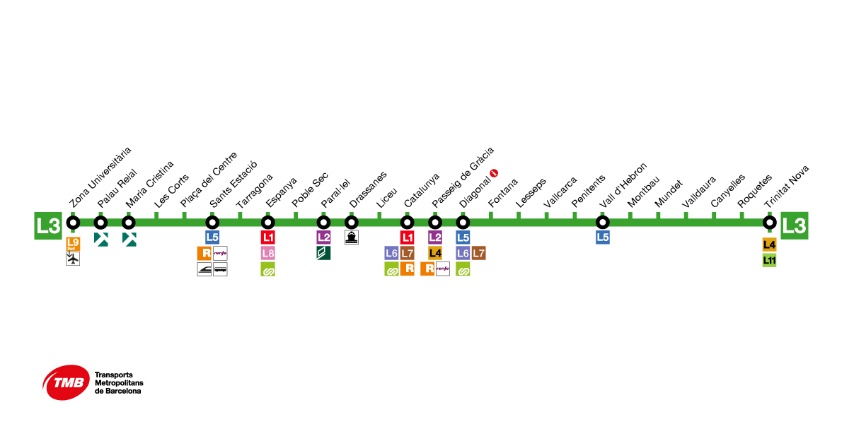
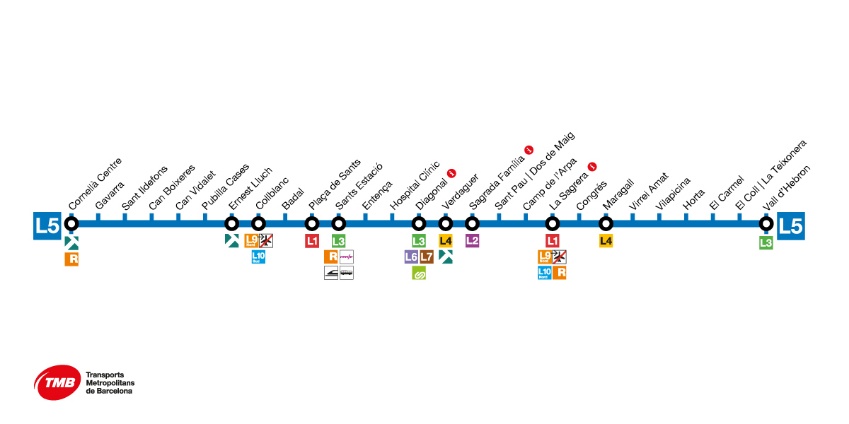
A car adds little to this route. Both stays focus on city sightseeing and the intercity move is by rail. In Barcelona, L3 connects Passeig de Gràcia and Liceu with Sants Estació; L5 links Sagrada Família with Sants. Pick a hotel with a manageable walk to the station you will use. A rental is a different comparison for rural excursions, which are outside this five-day plan; allow for parking if you add one.
Look at the other official visit products for the same day before buying elsewhere: a guided or tower ticket has different inclusions and prices. The entrance QR purchase is still subject to available capacity and does not create a guaranteed walk-up allocation. If no suitable product remains, use the Eixample exterior walk or another chosen interior, and acknowledge that the basilica visit has been lost. Adding a train-day appointment would put the Valencia transfer at risk.
Yes, when the flights and dated train results suit that direction. Reverse the two bases, then put Sagrada Família on the full Barcelona day and rebuild the airport costs. A Valencia-to-Barcelona ticket needs its own timetable and fare comparison; the quoted Barcelona-to-Valencia result is not a reverse-direction price. The final Barcelona morning can be less forgiving if you are trying to add a timed attraction before a flight, so leave it for an outing that can be shortened.
Use a shorter garden walk and spend more of day four inside the selected science venues. AEMET’s 1981–2010 Valencia city normals give October an average daily high of 24.3°C, low of 15.2°C and monthly rain of 77 mm; those historical values explain why an autumn beach day is an option rather than a promise. Summer needs a different walking rhythm, with breaks from the midday heat. The forecast and official warnings for your dates should decide the outdoor portions.
The Sagrada basilica is accessible, with priority access at entrance B on Carrer de la Marina; its towers are excluded from the accessible visit. The science complex reports adapted entrances, lifts and toilets. Wheelchair loans there require identification and a deposit, depend on availability and remain within the venue, so they do not cover the outdoor journey. Arrange railway assistance with the service you book and check the actual metro entrance and lift status. A flat Valencia street plan does not establish step-free hotel access.
Arrange the hotel handoff before assuming a room will be ready or bags will be accepted after checkout. Sagrada Família has no suitcase lockers; its small tower lockers are temporary facilities for that specific climb. The Museu offers small-luggage lockers, while the Oceanogràfic has paid lockers, but neither is a reason to carry the holiday case through a sightseeing day. For the ordinary Renfe service, up to three hand-luggage pieces must remain within its combined 25 kg and 290 cm limits, with a maximum individual size of 85 × 55 × 35 cm.
The science operator does not offer ordinary cancellation or refunds. It permits up to two date changes requested before the visit, within one year of the initial date, with any fare difference paid. A flexible hotel rate does not alter that admission policy. For the Hemisfèric, agree the replacement session as part of the change rather than assuming the same film or hour is available. If the plan is chiefly an outdoor walk, avoid buying an indoor combination merely as insurance against rain.
Renfe’s Básico fare permits one change at least 24 hours before departure, for €10 (≈ US$11) plus any higher fare difference. A lower replacement fare does not refund the difference, and ordinary cancellation has no refund. Renfe separately allows free cancellation within two hours after purchase. Read the conditions of the product you actually buy; a more flexible ticket has a different price. The historical fare here does not reserve seats for your dates.
Reviewed by StartBooker
Last reviewed 2026-10-20
Updated
How this route was checked: The four-night split, one dated rail move and three real photos are retained. This revision adds institutional evidence for Gaudí, the Silk Exchange, the Turia’s transformation and Valencian food. Historical rail and room figures remain separate from live availability; approximate dollar comparisons use the ECB reference of 19 October 2026. The earlier operator checks retain their individual dates.
45 references reviewed
Some photos provided by Pexels.
Compare routes by length, stops and transport.