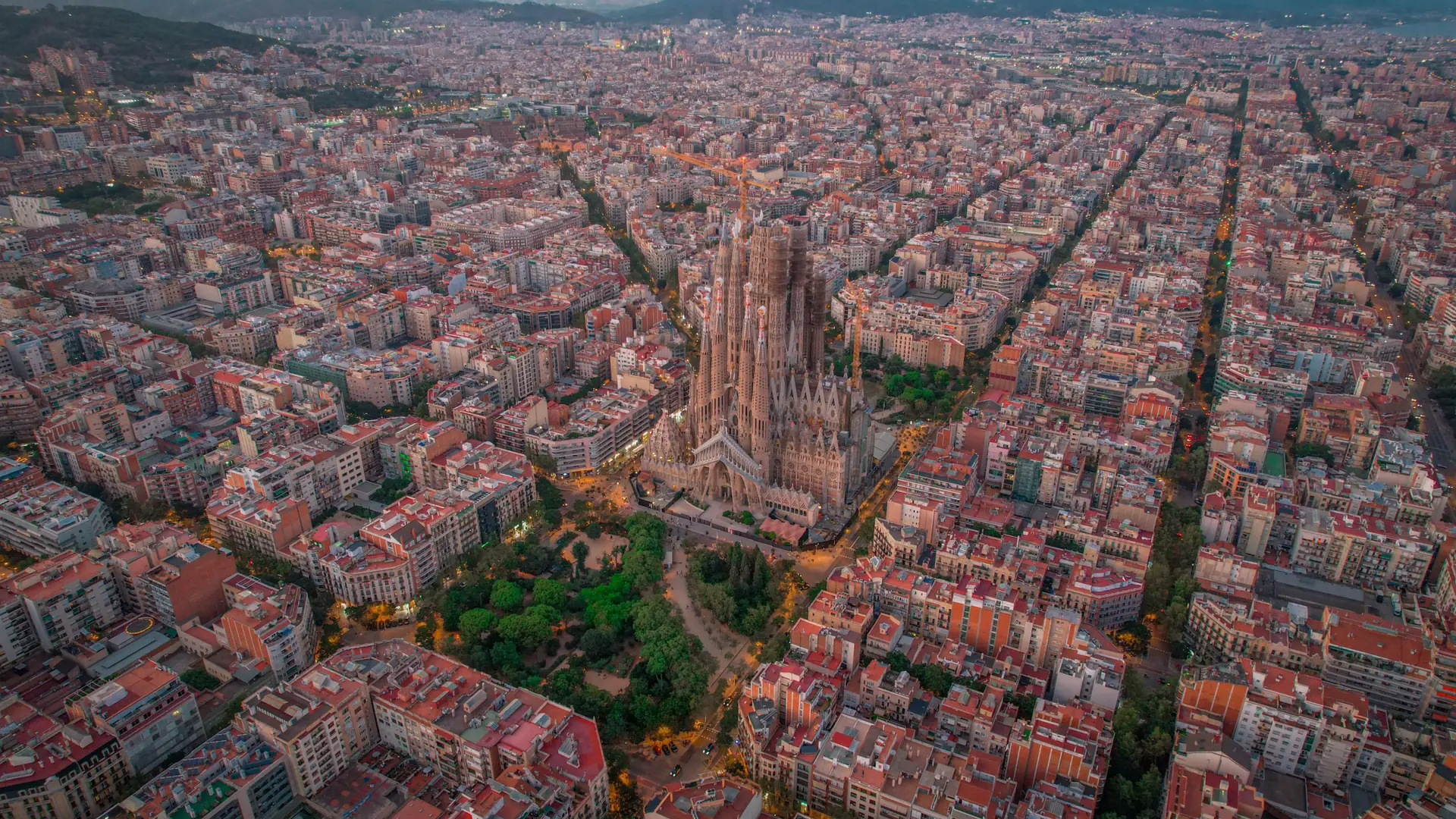
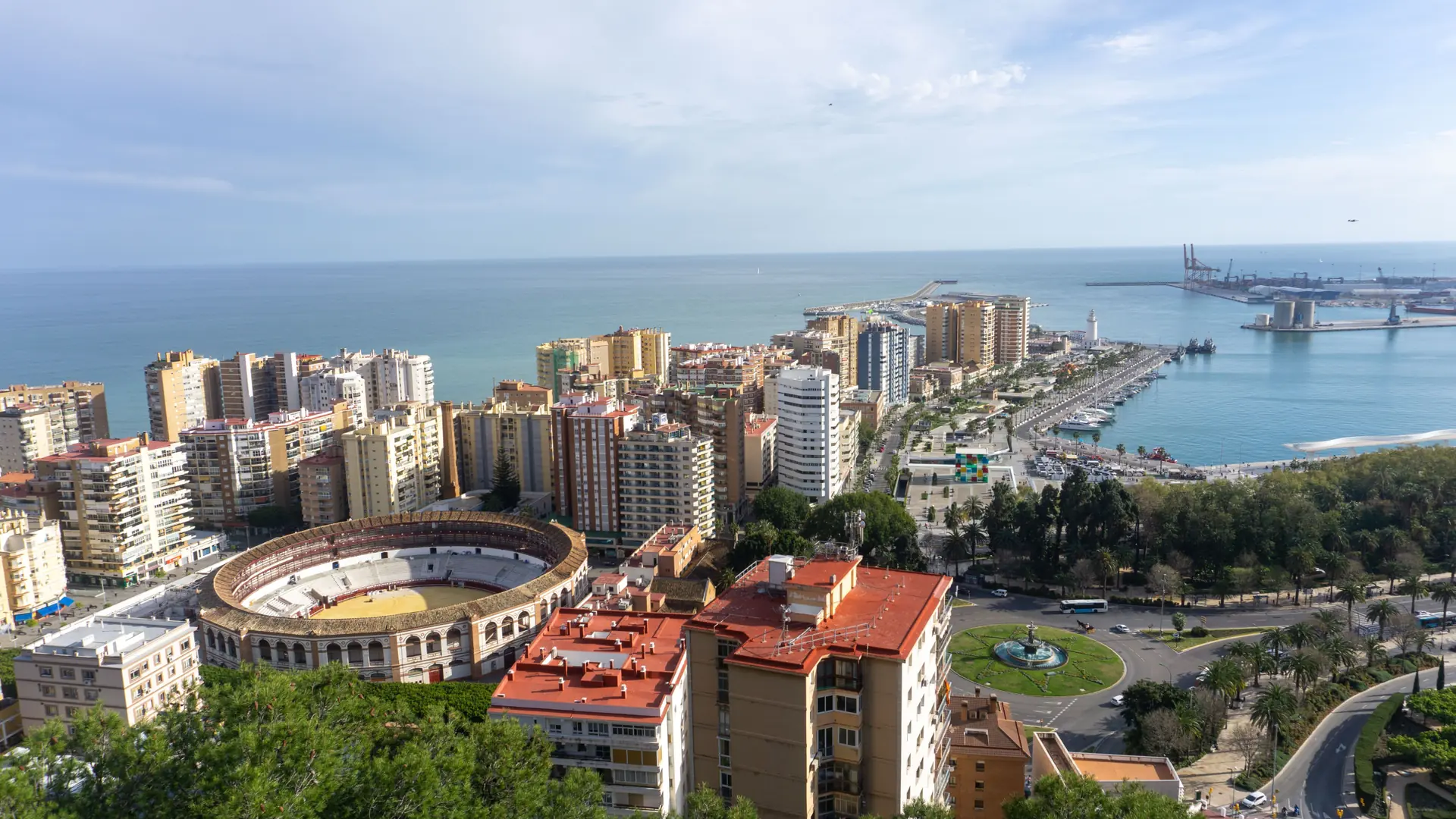
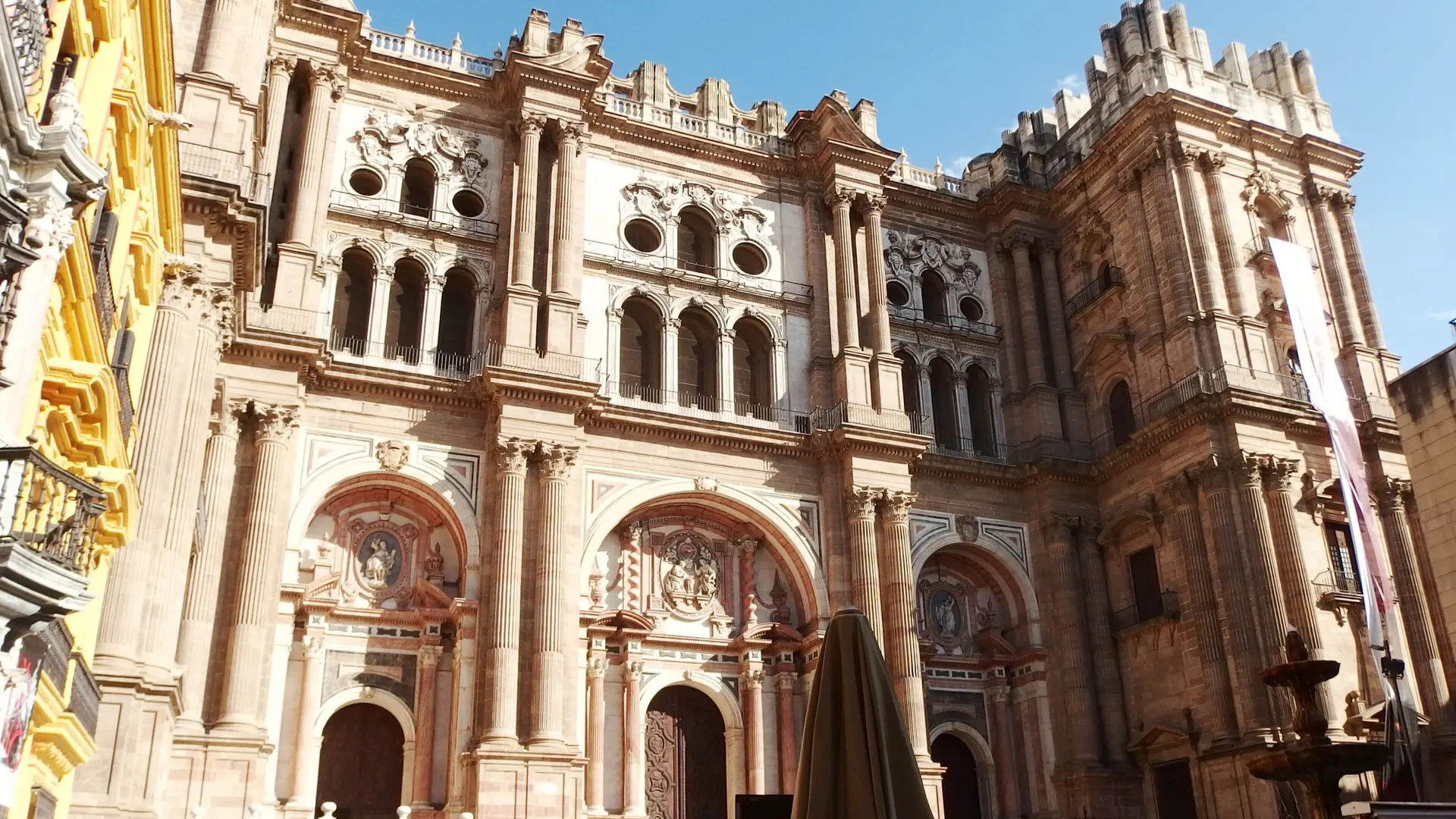
La Malagueta bullring, Málaga city buildings and the Mediterranean coast in daylight

Málaga in two nights: Picasso, fortress walls and the coast

Loading Málaga hotel search

Six ways to spend the time between hotel nights

Málaga is a Mediterranean port city as well as a place to see art. The old centre leads out towards the harbour, while the coastline continues beyond the central sightseeing area. That setting gives a short visit more variety than a sequence of museum rooms: you can spend part of the day looking closely at a work, then change the scale of the walk outside.

Parque de Málaga offers another way to do that. On Paseo del Parque, its curved paths weave around planted islands, with fountains, a music kiosk and statues among the greenery. Many of those monuments honour writers or artists associated with the city, so the garden brings cultural details into an ordinary outdoor stroll. Look for the small features along the paths rather than treating the park as a straight corridor to cross.

Near the park, Museo de Málaga brings archaeology and fine art together in the Palacio de la Aduana. Its displays include finds from the Alcazaba and nineteenth-century local painting. Choose it when you want regional history and a broader range of artists in one museum, rather than another visit focused on Picasso.

Palace and painting Museo Picasso Málaga

In the Palacio de Buenavista, Picasso’s Woman with Raised Arms (1936) combines oil, charcoal and sand on canvas. Notice its black outlines and rounded fields of colour. Check the current display if this work is your main reason to visit.

A fortress with gardens Alcazaba palace-fortress

The entry fortifications were rebuilt under Badis, the Zirid ruler of Granada, after he annexed Málaga in 1057. Look for reused Roman Theatre stone in the towers and follow the bent gateways before reaching the palace precinct. The walls trace both defence and successive building phases.

Height and long views Gibralfaro castle

The castle sits 132 metres above sea level. Its wall circuit and interpretation centre tell a different story from the Alcazaba below: defence, water storage and the watch over the city and sea. Give that height a proper place in your walking plan.

The harbour landmark La Farola lighthouse

The white lighthouse has marked the port since 1817. A walk towards it gives the city a more open scale after the lanes: water, boats and the long curve of the bay. Treat it as an exterior harbour walk; there is no promised tower visit here.

A morning with local shoppers Atarazanas market

Go while the stalls are trading, rather than expecting a late-night food hall. The market is a useful place to buy fruit or something for a picnic and see what is being sold that day. Leave room in your schedule to browse without joining a tour-group bottleneck.

A change of street rhythm Soho’s art and theatre

Take a short walk through the streets south of the Alameda to see murals at building scale, then look at the theatre’s current programme if you want an evening indoors. A performance makes a different final chapter to the day from another long central dinner.

StartBooker answer

Where should I stay for a first two-night visit to Málaga?

For two nights, Centro Histórico puts the main cultural sights within walking reach; its southern edge also makes the harbour easy to reach. Soho suits a stay with a theatre evening or frequent station journeys, while La Malagueta brings the beach closer. Treat Pedregalejo as a longer coastal stay and check the exact property’s access during promenade renovation. Spend the full middle day on one fortress and a booked museum, then give the shore its own unhurried block. The airport train reaches central Málaga quickly, but the hotel walk still needs time.

Airport rail journey
About 12 minutes to Centro-Alameda
Two fortress admissions
€10 (≈ US$11) combined per adult
Cathedral roof
Visits suspended during works

Things to do in Málaga, Spain

Explore tours, attractions and local experiences in Málaga, Spain.

Loading activities…

Activities provided by GetYourGuide. We may earn a commission on bookings.

AI-powered

Build a Málaga day with room for the sea

Set your arrival time, museum choices and walking limits. The planner can fit them around a two-night stay, check a beach detour and leave enough time for the airport return.

Málaga’s centre, harbour side and eastern shoreline

Use these area notes for the setting around the hotel, then use the table for everyday movement. The exact block matters more than a sweeping neighbourhood label, especially beside late terraces or current building work.

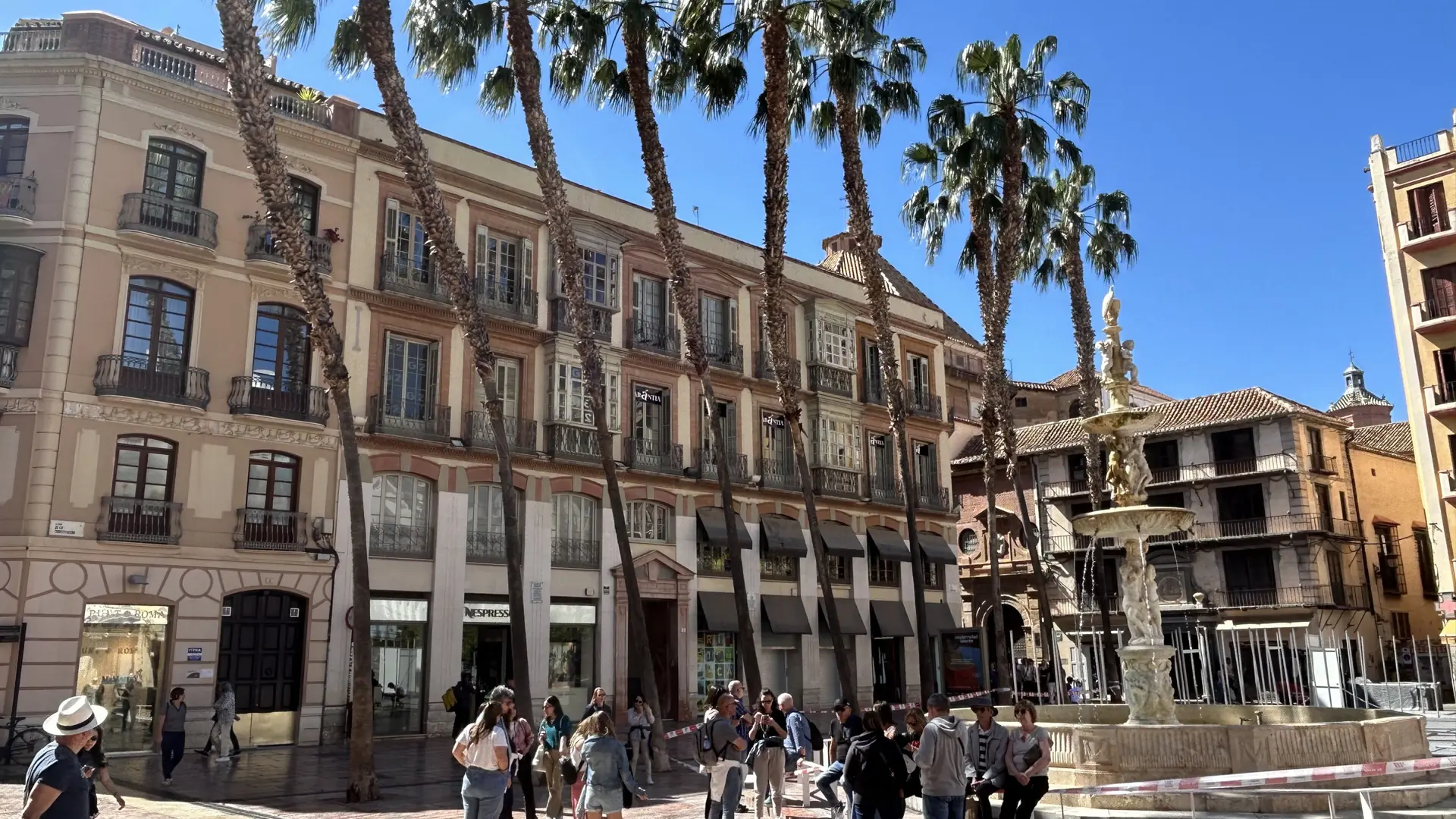
Fuente de Génova and palm trees in Málaga’s Plaza de la Constitución

Centro Histórico

museums, old-town lanes and evening food

The historic centre is a network of lanes and squares around the cathedral, Calle Larios and the Alcazaba side. Its appeal is the small distance between very different stops. You can leave a gallery and be looking for a table within the same compact part of town.

Neighbourhood stay Walkable
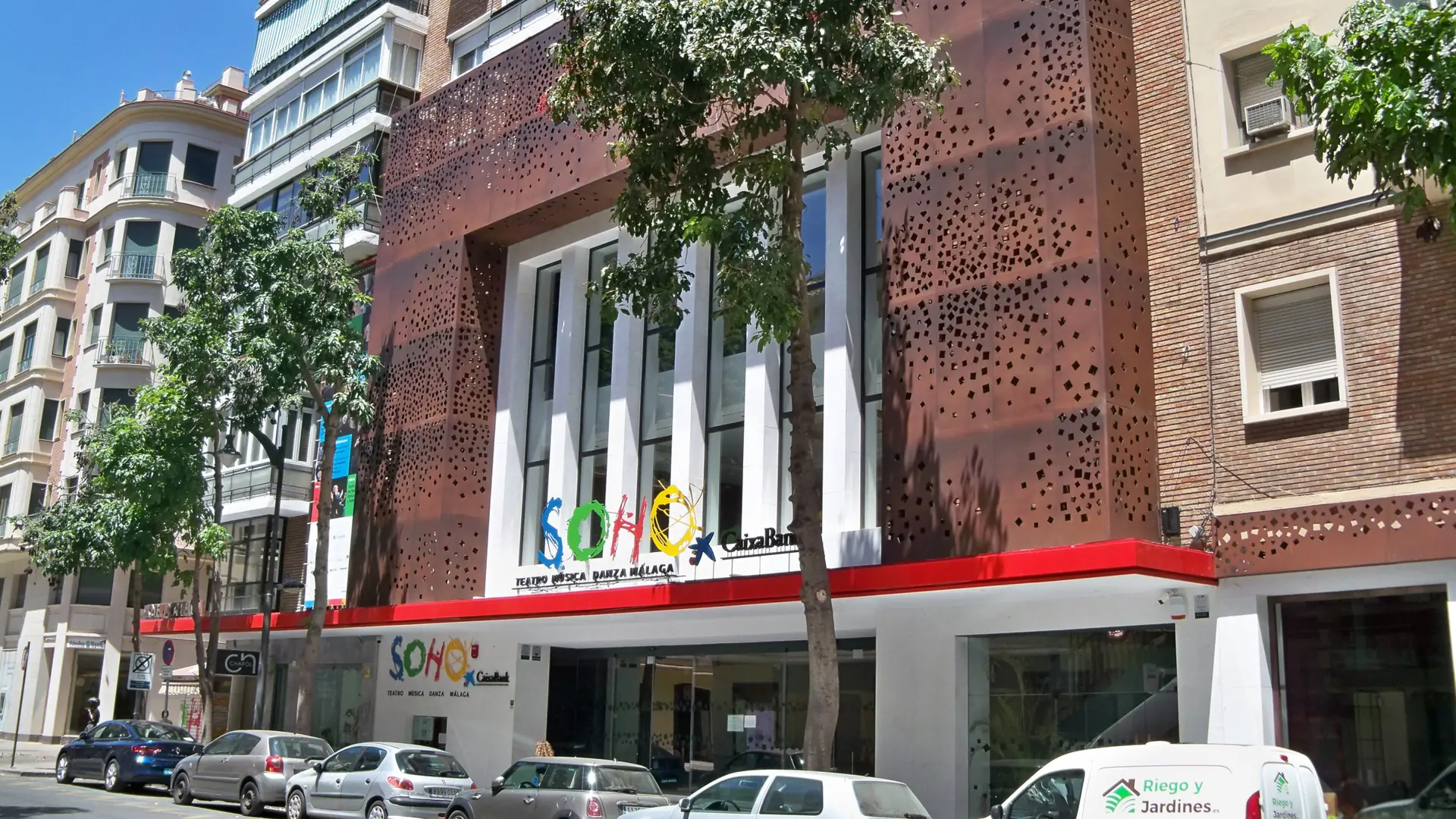
Perforated metal façade and colourful sign of Teatro del Soho in Málaga

Soho

murals, theatre and an Alameda-side arrival

South of the Alameda, Soho has a more regular street pattern than the older lanes. Large murals and the Teatro del Soho give it a cultural identity of its own. The river and port edges help orient a walk, though a Soho address is still some distance from María Zambrano station.

Neighbourhood stay Walkable
La Farola lighthouse and blue Mediterranean water in Málaga

La Malagueta

urban beach time with the centre still reachable

La Malagueta sits on the beach side of the port, around residential blocks rather than the dense old-town lanes. It works when you want to return to your room after the sand, change and head out again. A high floor can offer a view, while the daily entrance route may still cross a busy road.

Neighbourhood stay Walkable
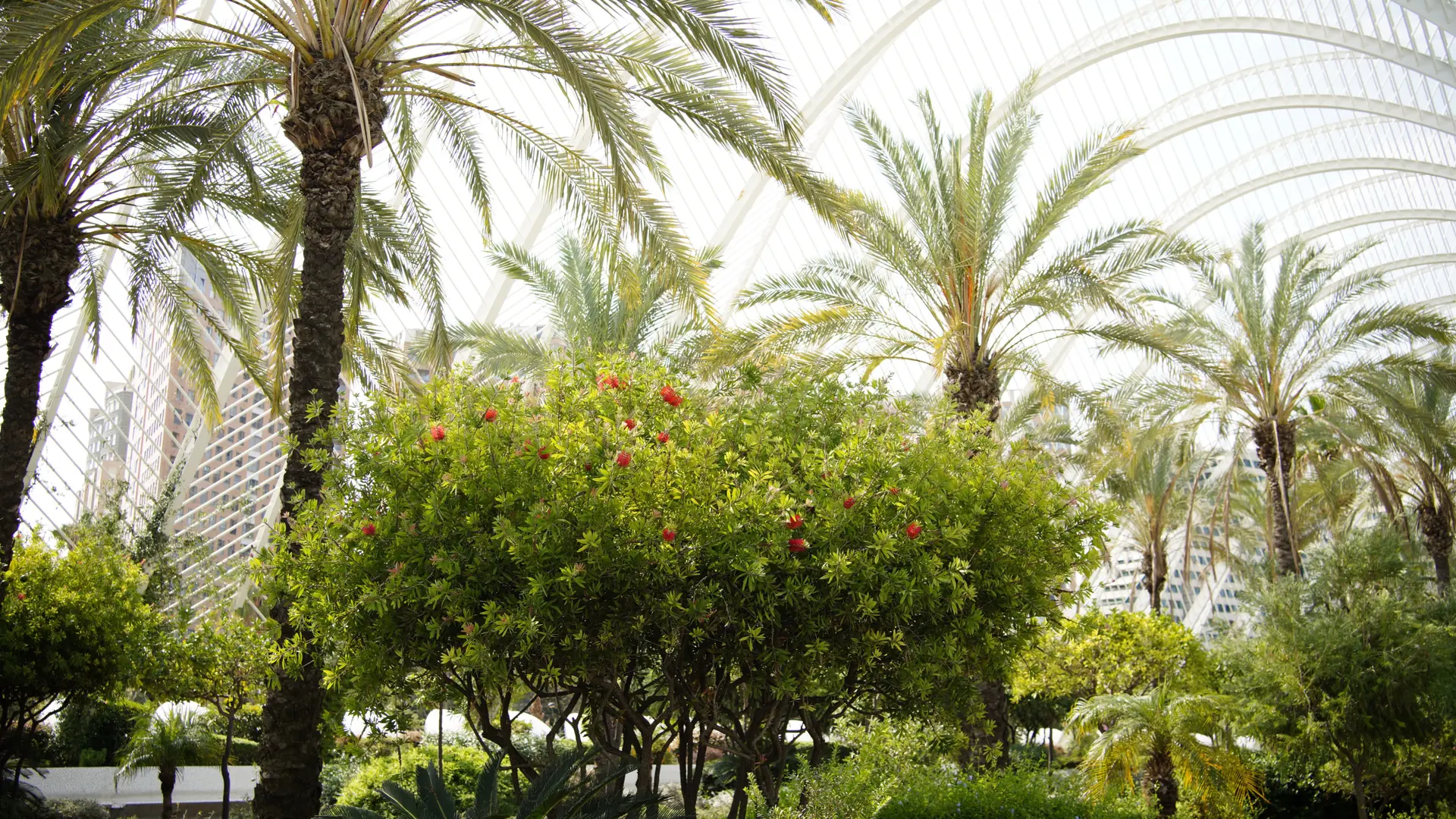
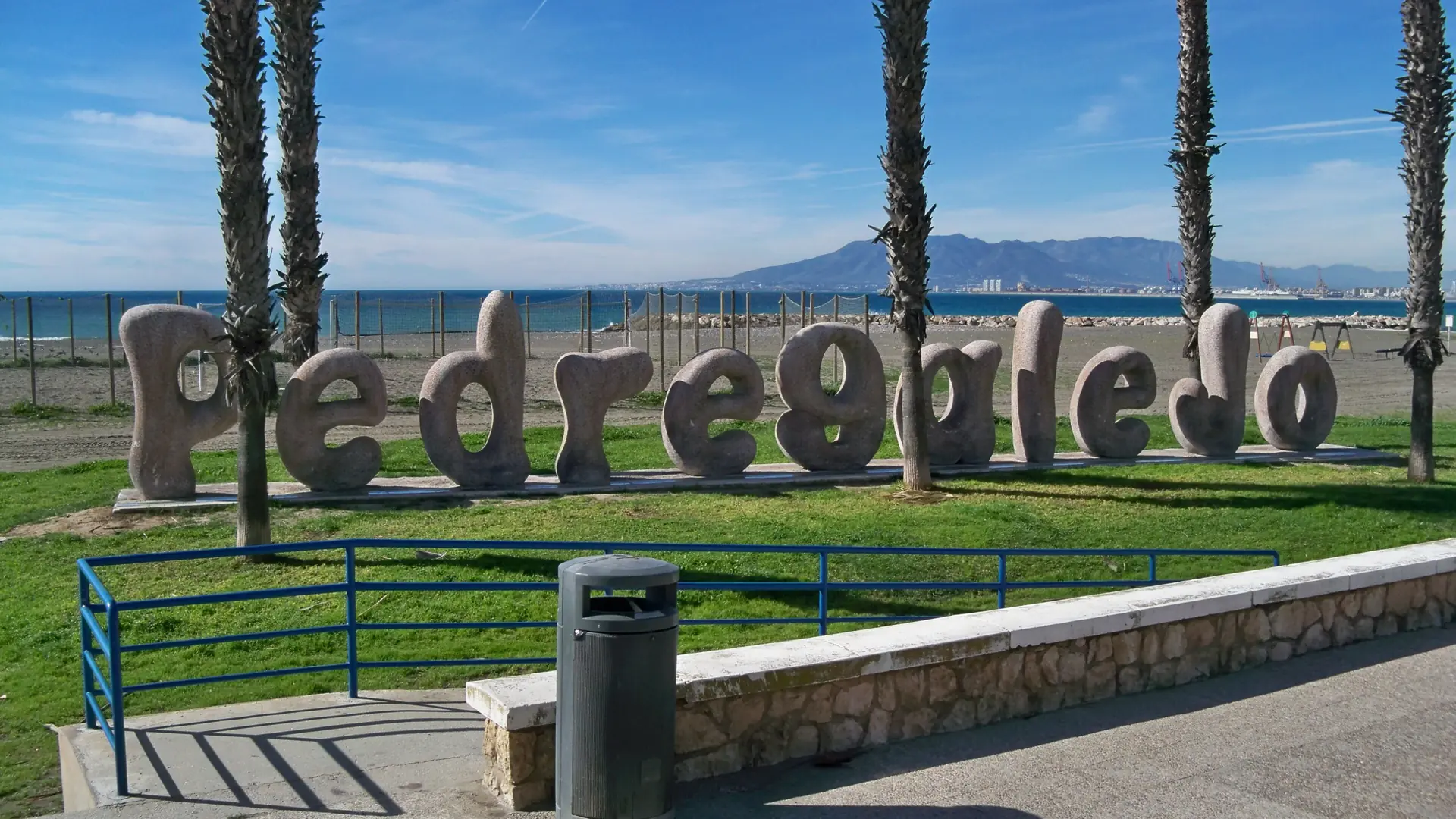
Pedregalejo beach sign between palm trees with the sea behind it

Pedregalejo

a longer stay around the eastern shoreline

Low waterfront buildings, fishing history and seafood restaurants give Pedregalejo its appeal. It lies east of the compact sightseeing core, so group central visits into a single outing rather than crossing the city repeatedly. Before booking, get the street address and a current photograph of the approach.

Neighbourhood stay Walkable
How each base connects to the rest of the day
Area Useful for Features Getting around
Centro Histórico

An afternoon arrival with a museum booked next day

Pedestrian lanes need a precise luggage route

Walk the cultural core; choose the nearest practical airport stop.
Soho

A show followed by a short walk home

A theatre-side base adds a walk to the cathedral and Alcazaba quarter.

Use the Alameda as your landmark; map the walk to María Zambrano separately.
La Malagueta

Changing at the hotel between beach and dinner

A western station journey adds a city crossing

Follow the harbour edge to the centre; allow time beyond the sand.
Pedregalejo

Staying on the eastern coast for most of the day

Access may depend on the renovation segment

Use a city bus or taxi for central outings; C1 does not run along this eastern shore.

Make two nights work around your arrival and departure

Two hotel nights give you one full middle day. These four situations change what fits around it; the suggested order is editorial planning advice, not a timed attraction package.

A late first afternoon

Leave bags, walk the central streets and have dinner nearby. Book the museum for the middle day so a flight delay cannot consume its window; two nights still give only one full day without travel.

One full day for art and walls

Morning Alcazaba, lunch, then a reserved Museo Picasso visit with time for the galleries. Finish at the harbour if you want to walk; architecture and painting each get their own block.

A family beach interval

Use a short beach session before lunch and an indoor visit. Return to the room to rinse sand, change and rest; leave the afternoon flexible rather than booking a gallery directly after swimming.

The morning before a flight

After checkout, choose coffee, a stroll or picnic supplies when the market is open. Store bags only if collection fits the airport route, and set a cut-off time for leaving.

Search Málaga hotels

Search Málaga hotels →
Loading Málaga hotel results

Arrival and getting around

Málaga-Costa del Sol Airport uses code AGP. The rail link and Airport Express serve central arrival points; the eastern beaches require a separate city leg. Compare the whole journey with your luggage and walking limits.

Airport arrival

C1: choose the city-bound train

Take C1 towards Málaga Centro-Alameda. Aena gives about 8 minutes on the train to María Zambrano, the mainline interchange, and 12 to the central terminus near the old-town/Soho approach. Renfe’s August 2026 statement describes a usual 20-minute frequency. Add waiting, passport control, bags, the platform approach and hotel walk; these are not included in the ride time. Check Renfe’s current departure board and fare for your dates.

Airport Express A: a different arrival point

Airport Express A costs €4 (≈ US$4.49) one way. EMT lists airport and Paseo del Parque departures, with 20–25-minute peak frequency; check its date selector and temporary stop notices for your journey. Aena confirms free luggage carriage and cash, Visa or Mastercard payment aboard. Choose it when the central stop saves a luggage walk, allowing for road conditions. After services finish, arrange a direct ride with the full destination price quoted.

Local mobility

A centre walk with a clear direction

Start around Calle Larios and Plaza de la Constitución, then walk towards the cathedral and Calle San Agustín for the Museo Picasso. The Alcazaba side lies farther east; the harbour gives you an open return route after the lanes. Choose lunch near the point where you already are. Walking back to the same hotel between every stop can use more of the day than the map suggests, especially when you are repeatedly waiting for a lift, changing bags or collecting something from the room.

The eastern coast needs its own journey

Pedregalejo lies east of the airport-side rail corridor. C1 runs west towards Fuengirola, not along this seafront. Use EMT’s planner with the exact address and check your return before leaving the centre. A stop on the road above the waterfront can help if the promenade is awkward; follow signed construction diversions. For a taxi, confirm the nearest usable drop-off with the restaurant or hotel.

Returning to the airport by train

From Centro-Alameda or María Zambrano, take C1 in the Fuengirola direction and leave at Aeropuerto. Keep the platform direction distinct from the name of your destination: Fuengirola is the train’s onward terminus, not the airport stop. Add the hotel-to-station leg, the wait and the walk into the terminal to the short train ride. If you are connecting from a mainline train, leave time to reach the Cercanías platform; a station interchange is not an instant platform-to-platform transfer.

Passes and tickets

Keep the airport ticket separate from city fares

EMT’s ordinary fare is €1.40 (≈ US$1.57) per ride through 2026, without a transfer; Airport A is separate and also has no onward transfer. A €5 (≈ US$5.61) ten-journey reload on compatible cards allows a free bus-line change within one hour; check card cost and eligibility. A walking-focused stay may need only a few singles. The Consortium uses its own card fares and zones: identify the product rather than treating every listed figure as a cash single.

Accessibility

Confirm the route within each venue

The Alcazaba lift, replaced in May 2025, reaches Casa Palacio from the Calle Guillén Sotelo tunnel. Ask the monument whether it is operating and which areas you can reach: this does not make every rampart or Gibralfaro wall step-free. Centre Pompidou describes ramps, lifts and adapted toilets inside. Check the hotel’s threshold, lift dimensions and room layout separately; an area described as flat cannot establish access to your room.

Admission arithmetic, weather and the details that change a visit

Operator prices and access notices were checked on 20 October 2026. The room figure is historical; meals and reserve are allowances. The rounded dollar estimates apply the ECB’s 19 October 2026 rate of 1 EUR = US$1.1225 to each amount; your payment rate may differ.

Season and weather

Spring and autumn: walking weather still varies
  • AEMET’s 1981–2010 normals for Málaga Aeropuerto show an average daily maximum of 21.4°C in April and 24.1°C in October. Those are historical airport measurements, not temperatures promised for the old town or your visit. They make these months sensible starting points for a city walk, with layers for a later harbour stop. October’s average rainfall is higher than the dry summer months, so protect one indoor block that can move if a wet morning makes the outdoor route uncomfortable.

  • Summer: allow for a warm night as well as the climb

    The same station records average daily maxima of 30.5°C in July and 30.8°C in August, with average nightly minima above 20°C in both months. Ask the hotel about working air conditioning in your room category. Put an exposed walk into the part of the day suited to the actual forecast, and allow time for water and a proper rest. A museum can offer a change of pace, but its opening hours are still a constraint; a beach break adds its own sun exposure.

  • Winter: an indoor alternative earns its place

    January’s historical average minimum is 7.4°C at the airport, while November and December each average 100 millimetres of rain in the same climate series. Pack for a cool evening rather than treating Málaga as a guaranteed winter-swimming trip. Plan a cultural visit you would enjoy in its own right, with a flexible harbour walk around it. Check the live forecast and beach notices close to travel; the season does not tell you whether a particular day is suitable for swimming.

Budget choices

A two-night October budget for two
  • Two adults sharing a double, three days/two nights in October 2026: €320 (≈ US$359) room, €300 (≈ US$337) meals, €16 (≈ US$18) four Airport A singles, €20 (≈ US$22) two combined fortress tickets, €26 (≈ US$29) two Museo Picasso tickets, €5.60 (≈ US$6.29) four city rides and €30 (≈ US$34) fees/reserve: €717.60 (≈ US$806), rounded to €720 (≈ US$808). Meals and reserve are allowances. Excludes flights, intercity travel, extra sights/rides, insurance and shopping.

  • The room is a historical benchmark

    INE’s October 2025 Málaga room-only double average was €146.05 (≈ US$164) per night, net of tax/services, across categories and booking channels. Two nights plus 10% hotel VAT give €321.31 (≈ US$361), rounded to €320 (≈ US$359) in this plan. It is a historical city benchmark, not a current district or star-category offer. Breakfast and cancellation terms are not implied; substitute the final quote for your dates and room.

  • Choose only the admissions you will use

    The €62 (≈ US$70) ticket subtotal covers four airport-coach rides, two combined fortress tickets and two Museo Picasso tickets. One fortress at €7 (≈ US$7.86), instead of the €10 (≈ US$11) combined ticket, saves €6 (≈ US$6.74) for two adults. Museo Picasso’s €13 (≈ US$15) full-access ticket includes a mobile audio guide; Casa Natal and Centre Pompidou are separate. Compare their admission products and pass conditions in the FAQs before adding them.

Are Museo Picasso and Casa Natal Picasso the same visit?

They are separate museums with separate admissions. Museo Picasso is in the Palacio de Buenavista on Calle San Agustín 8, with a collection arranged around Picasso’s work. Casa Natal is his birthplace at Plaza de la Merced 15; its temporary exhibition room is at number 13. Casa Natal costs €3 (≈ US$3.37), or €4 (≈ US$4.49) with that temporary room, plus €0.30 (≈ US$0.34) for online management. Choose the main museum for a fuller art visit and the birthplace for its biographical setting. The birthplace’s combined ticket does not admit you to Museo Picasso.

Can Sunday free entry cover both a fortress and the Picasso museum?

The fortresses offer free admission from 14:00 on Sundays, while Museo Picasso’s free period begins two hours before its seasonal closing time. The monuments’ published hours are 09:00–20:00 in April–October and 09:00–18:00 in November–March, with admission ending an hour before closure. The windows can fit the same afternoon, but you need enough time for the outdoor visit, the walk and museum entry. Plan one fortress rather than squeezing both hills into that window. Museum access still depends on obtaining a ticket and capacity; paying for an earlier visit may give the day a better rhythm.

Does the Arte Xperience pass include Museo Picasso Málaga?

Centre Pompidou’s €16.50 (≈ US$19) one-week Arte Xperience product names three museums: Casa Natal Picasso, Centre Pompidou Málaga and the Russian Museum collection. Museo Picasso Málaga is a different institution and is outside that named bundle. Read the product list and the exhibitions covered before buying. A visitor interested chiefly in Picasso’s paintings may be better served by the main museum ticket, while someone wanting several of the municipal museums should compare their actual planned admissions. Centre Pompidou’s combined exhibition ticket is €9 (≈ US$10), plus €0.30 (≈ US$0.34) online management.

How do children’s museum admission rules differ?

Museo Picasso grants free admission to children under 17; Casa Natal and Centre Pompidou list free admission for under-18s. That distinction matters for a 17-year-old, so enter the correct age when booking and take any documentation the venue requires. Free admission is a price category, rather than a reason to assume that booking or capacity rules disappear. At the fortresses, children under six are listed for free entry; check other concessions against the monument’s own eligibility conditions.

How much time should I leave between the hotel and an airport check-in deadline?

Build the return backwards from the airline’s required terminal-arrival time. Add the walk from the railway platform or bus stop into departures, the transport wait and the journey from the hotel to the departure point. The short C1 ride alone is an incomplete calculation. As editorial advice, keep an extra buffer for a missed service or a slow luggage walk, and choose a direct transfer if an early departure falls outside the operator’s timetable. The airline’s check-in and bag-drop deadlines remain the controlling times.

Can I go straight from the beach into Centre Pompidou?

Bring something to change into: the museum’s rules prohibit entry in swimwear or without a shirt, and food and drink cannot be taken inside. That makes a room nearby useful when you want to combine the shore with a gallery visit. Put the beach bag away, dress for an indoor venue and check the cloakroom rules for anything bulky. The museum describes an accessible building, but the particular beach-to-entrance route still deserves its own check.

How should I plan the food part of the budget?

The example’s €300 (≈ US$337) covers two adults for three days at a chosen €50 (≈ US$56) per person daily, including breakfasts and ordinary drinks. This is an allowance, not an average restaurant tariff. Try an espeto de sardinas: sardines skewered on cane and roasted over wood embers at a beach bar. Ask the price per skewer or portion. Compare actual menus, including bread, drinks and breakfast charges; for seafood sold by weight, establish the unit and total before ordering. Extra dishes or drinks increase this component independently of admission costs.

Which room and arrival details should I check in Centro Histórico?

Save the actual check-in entrance and luggage route: a taxi may stop near a pedestrian street rather than at the door. Ask whether your room faces a terrace, service lane or interior courtyard, and confirm glazing and daylight for that category; the hotel’s best balcony photograph may show a different room. Check any steps, lift size and shower layout against your needs before choosing a non-refundable rate. Establish breakfast hours and whether bags can be held after checkout, especially before an early departure.

How this guide was researched

Reviewed by StartBooker editorial review Travel guide research and self-review

Last reviewed 2026-10-20

Updated

Editorial method: Editorial self-review checked operator prices, museum distinctions, access notices and budget arithmetic. The museum’s work record and regional food source support the added art and coastal cooking details. Unchanged room, climate and other research keep their earlier source dates. Indicative USD uses a dated ECB rate. Existing photographs and credits are preserved.

33 sources reviewed

Primary sources
  • Turespaña
  • Aena
  • Málaga City Council
  • Museo Picasso Málaga
  • Port Authority of Málaga
  • EMASA / Málaga City Council
References
Photo credits

Some photos provided by Pexels.

Add an honest Málaga city-and-beach observation