Wide sunlit view across Plaza de España and its canal in Seville

Spain: your guide to where to go and where to stay

Search stays
Quick answer

Madrid, Seville and Granada over 7–10 days

Best coast-and-culture base
Valencia; choose Málaga for a warmer southern coast
Best months
Late April–May and late September–October
Do you need a car?
No for the classic city route; useful for rural coasts and islands
Heritage fact
Spain has 50 properties on UNESCO’s World Heritage List
Planning budget
About €85–120 budget-conscious or €150–240 comfortable per person per day, excluding flights
Book ahead
Alhambra, Sagrada Família and popular high-speed trains

StartBooker answer

How can I build a realistic Spain trip around regions, seasons and train times?

For a first visit, give Spain 7-10 days and limit the plan to two or three bases: Madrid plus Seville and Granada for art and Andalusia, or Barcelona, Valencia and Madrid for a Mediterranean city route. High-speed rail makes the principal urban links workable without a car, while a car is better reserved for rural coasts, mountain villages and road-trip regions. Book timed visits to the Alhambra and Sagrada Familia early, check Renfe's current timetable before fixing transfers, and use shoulder seasons where possible for more comfortable city sightseeing.

First-route choice
Madrid, Seville and Granada
Rail option
Major city routes can work without a car
Timed highlights
Reserve Alhambra and Sagrada Familia visits early
Easier walking seasons
Late spring or early autumn
AI-powered

Ask StartBooker AI

Ask about routes, city bases, seasons, budgets, and practical trip questions for Spain. StartBooker AI does not make bookings.

Quick quiz

What kind of Spain trip are you planning?

Best places to stay in Spain

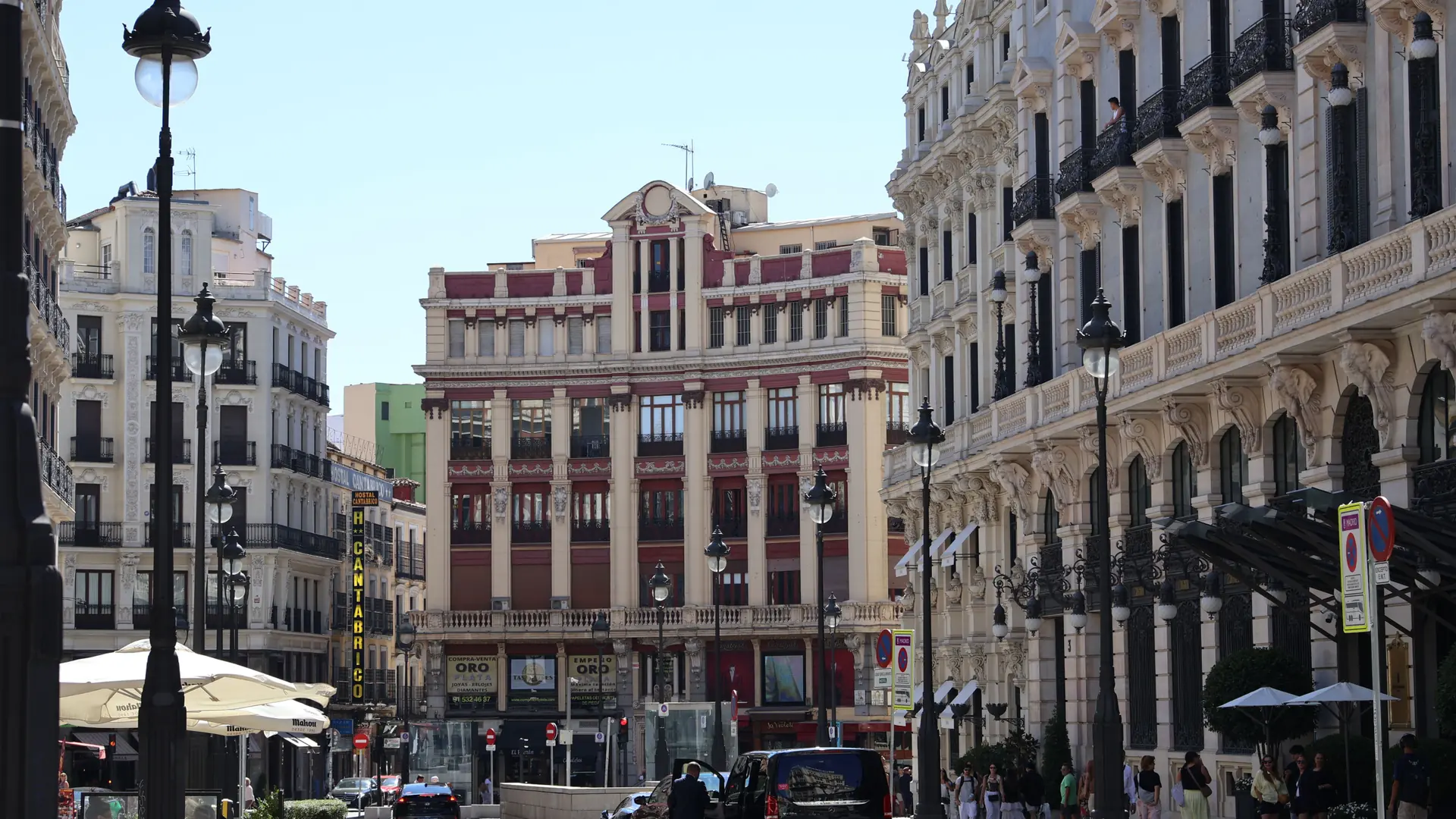
Gran Vía and its ornate historic buildings beneath a clear blue Madrid sky Madrid
first-trip

The best all-round first base for the Prado, Retiro, historic neighborhoods and fast day trips to Toledo or Segovia.

Summer afternoons can be very hot; plan museums and long lunches for the middle of the day.

Colourful Park Güell terraces overlooking Barcelona in bright sunshine Barcelona
culture

Choose Barcelona for Gaudí architecture, lively neighborhoods, food markets and an easy mix of city time and Mediterranean coast.

Reserve Sagrada Família and Park Güell early, and do not judge the city only by La Rambla.

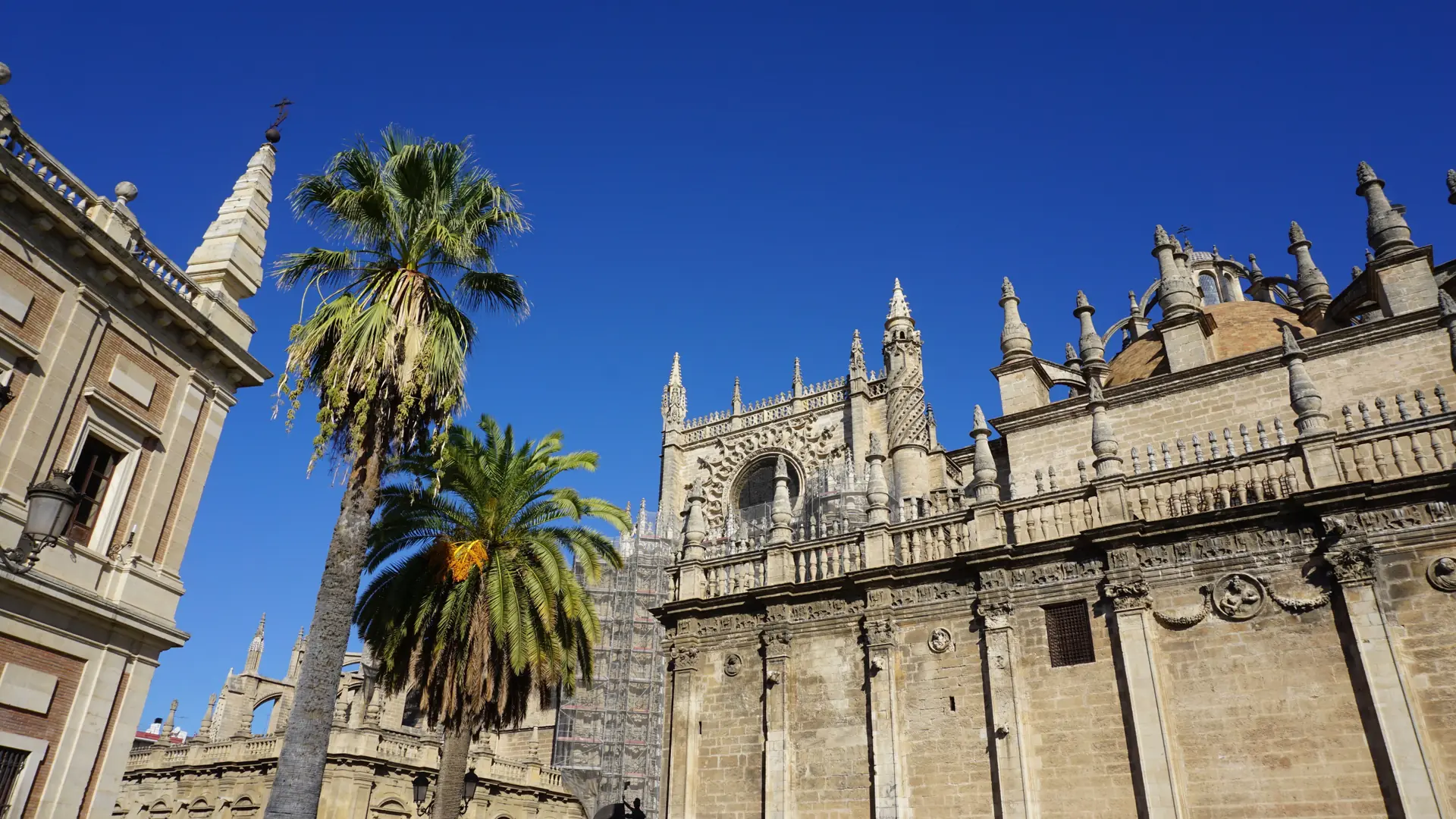
Palm-filled gardens and ornate architecture of the Real Alcázar in Seville Seville
culture

A compact Andalusian city for the Alcázar, cathedral, Triana, tapas evenings and a strong sense of place after dark.

July and August heat can dominate the day; spring and autumn are much easier for walking.

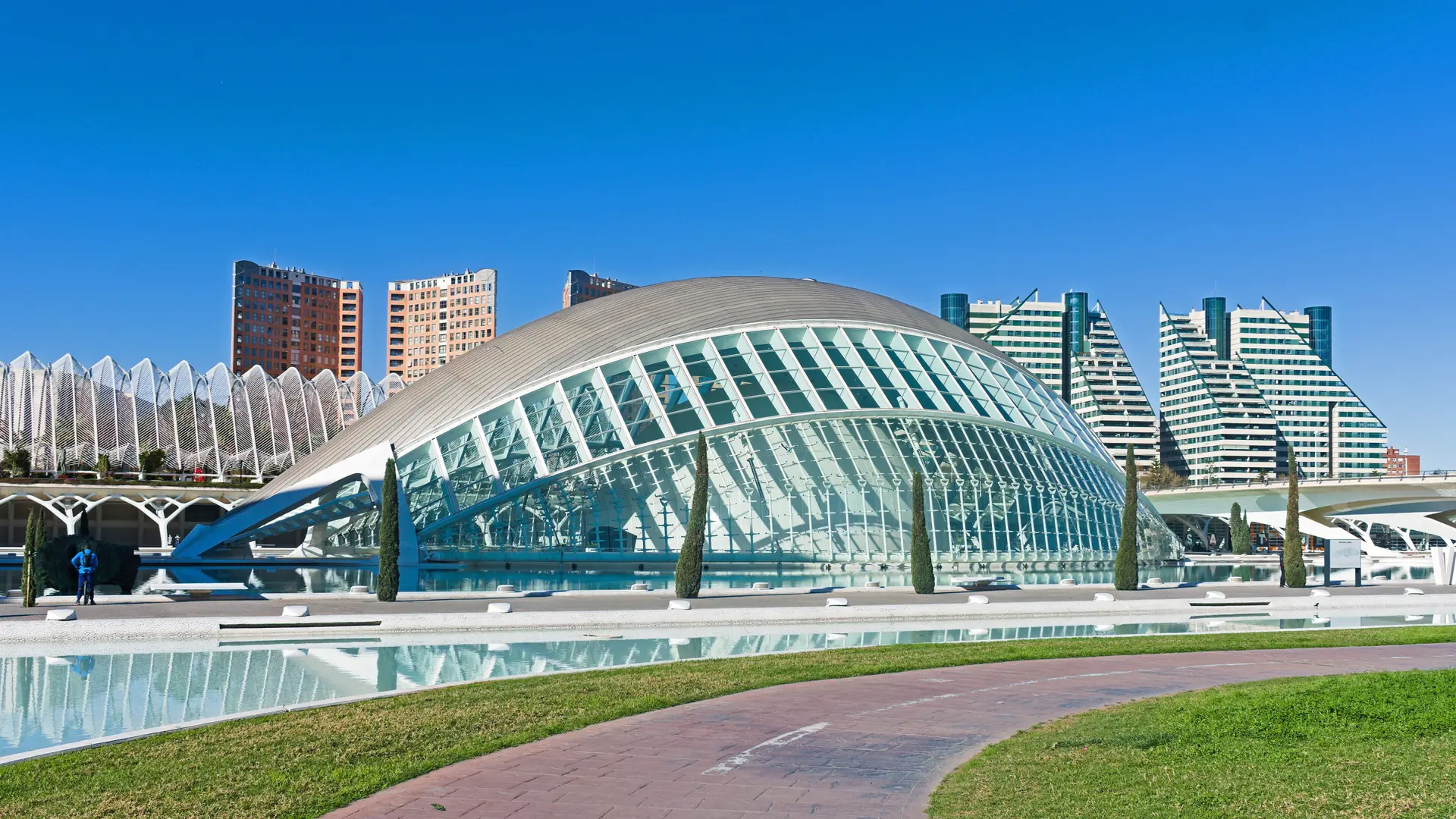
City of Arts and Sciences reflected in bright blue water in Valencia Valencia
beach

The strongest single base for travelers asking where to stay in Spain for beaches and culture, with an old town, modern architecture and a broad urban beach.

The beach and historic center are separate areas, so choose your hotel according to which atmosphere matters most.

The Alhambra rising above green woodland with the Sierra Nevada beyond Granada
romantic

A smaller, atmospheric stop for the Alhambra, Albaicín viewpoints, tea houses and an easy two-night finish to an Andalusia route.

The Nasrid Palaces use timed entry; buy through the official Alhambra ticket site.

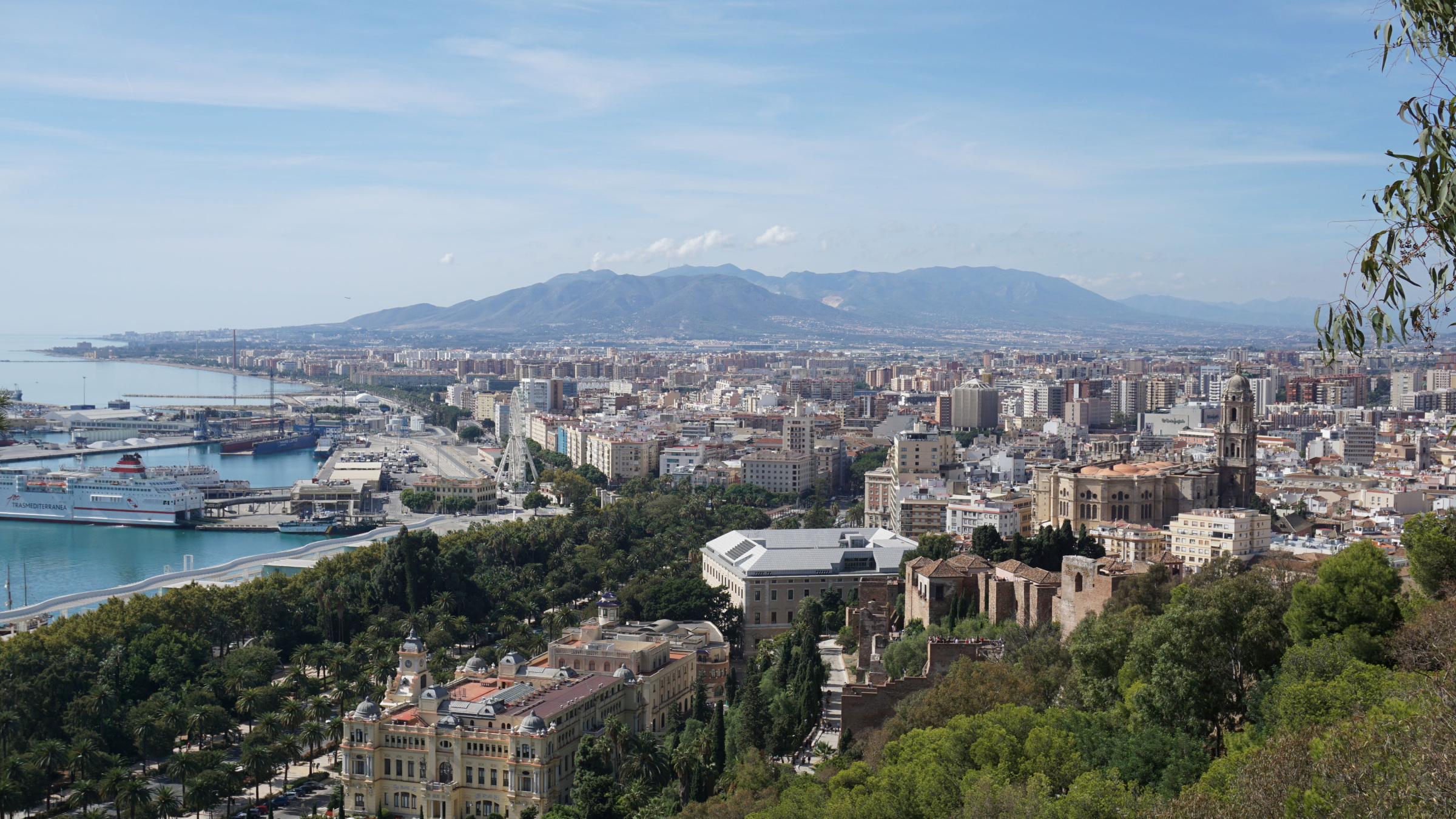
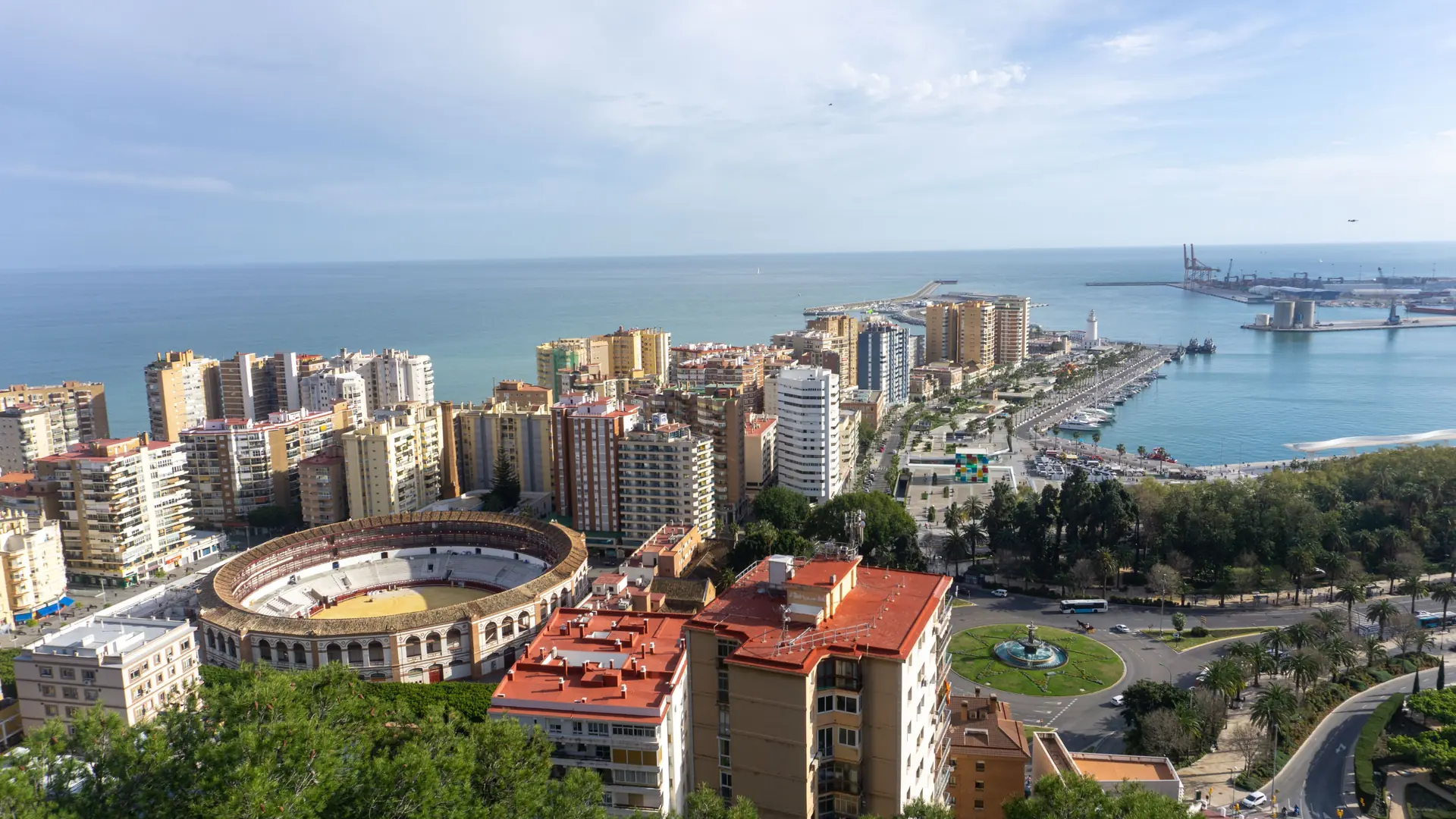
Sunny panoramic view of Málaga, its harbour and Mediterranean coastline Málaga
beach

A practical coastal base with the Picasso Museum, Alcazaba, seafood and straightforward day trips along the Costa del Sol.

The busiest resort strips are not the same experience as Málaga’s historic center; check the exact neighborhood before booking.

Compare Spain destinations

Madrid

01
Best for

First trips, museums and rail day trips

Vibe
Big-city energy with traditional neighborhoods
Stay
3 nights
Transport
No car needed
Also fits
First trip Culture Food Day Trips

Barcelona

02
Best for

Architecture, city beaches and nightlife

Vibe
Mediterranean, creative and busy
Stay
3–4 nights
Transport
No car needed
Also fits
Culture Beach Nightlife Food

Seville

03
Best for

Andalusian culture, tapas and romance

Vibe
Historic, social and late-night
Stay
2–3 nights
Transport
No car needed
Also fits
Culture Food Romantic Walkable

Valencia

04
Best for

Beaches and culture in one city

Vibe
Relaxed, modern and family-friendly
Stay
2–4 nights
Transport
No car needed
Also fits
Beach Culture Family Food

Granada

05
Best for

Alhambra, views and a compact historic stay

Vibe
Atmospheric, hilly and intimate
Stay
2 nights
Transport
No car needed
Also fits
Culture Romantic Budget Local Vibe

Málaga

06
Best for

Winter sun, museums and Costa del Sol trips

Vibe
Coastal, lively and easy-going
Stay
2–4 nights
Transport
No car needed
Also fits
Beach Culture Family Day Trips

Stay in Madrid for museums, food and easy day trips

These hotel cards link to partner-supplied accommodation options. Prices, availability and ratings can change, so confirm details in the booking window before paying.

Search more hotels in Madrid →
Search stays
Trip styles

Choose your Spain trip style

Plaza de España glowing in warm afternoon light in Seville

First trip

Combine Madrid, Seville and Granada over 7–10 days for the clearest first look at Spain, using two- or three-night bases instead of changing hotels every day.

Sunny Mediterranean beach in Nerja with turquoise water, pale sand and palm trees

Beach

Valencia combines parks, an urban beach and easy family logistics; Málaga adds the southern coast; Barcelona pairs major architecture with the sea.

Ornate Plaza de España façade and fountain in Seville

Culture

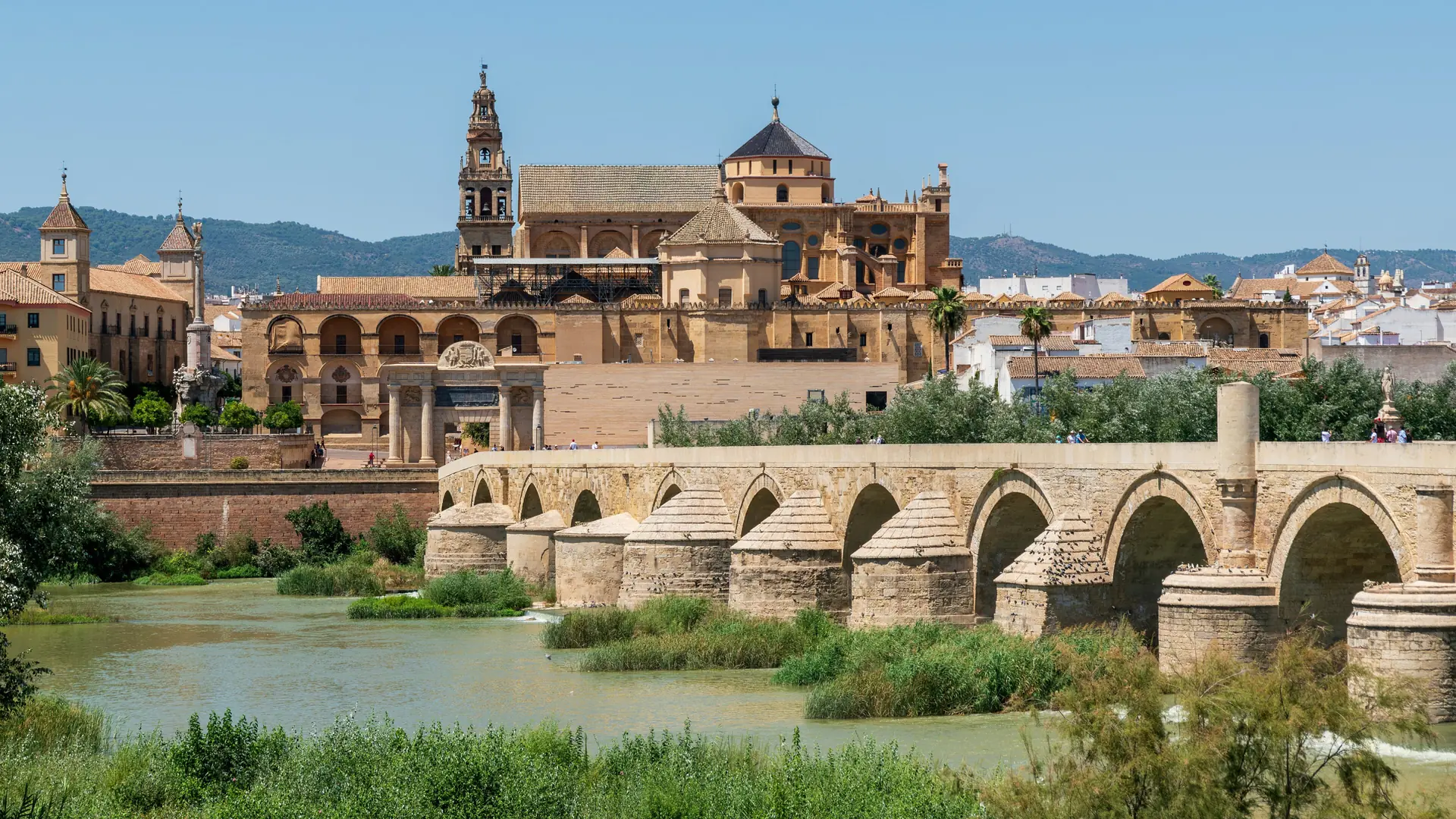
Build the route around Madrid’s museums, Gaudí in Barcelona, Seville’s historic centre, Córdoba’s Mezquita and Granada’s Alhambra.

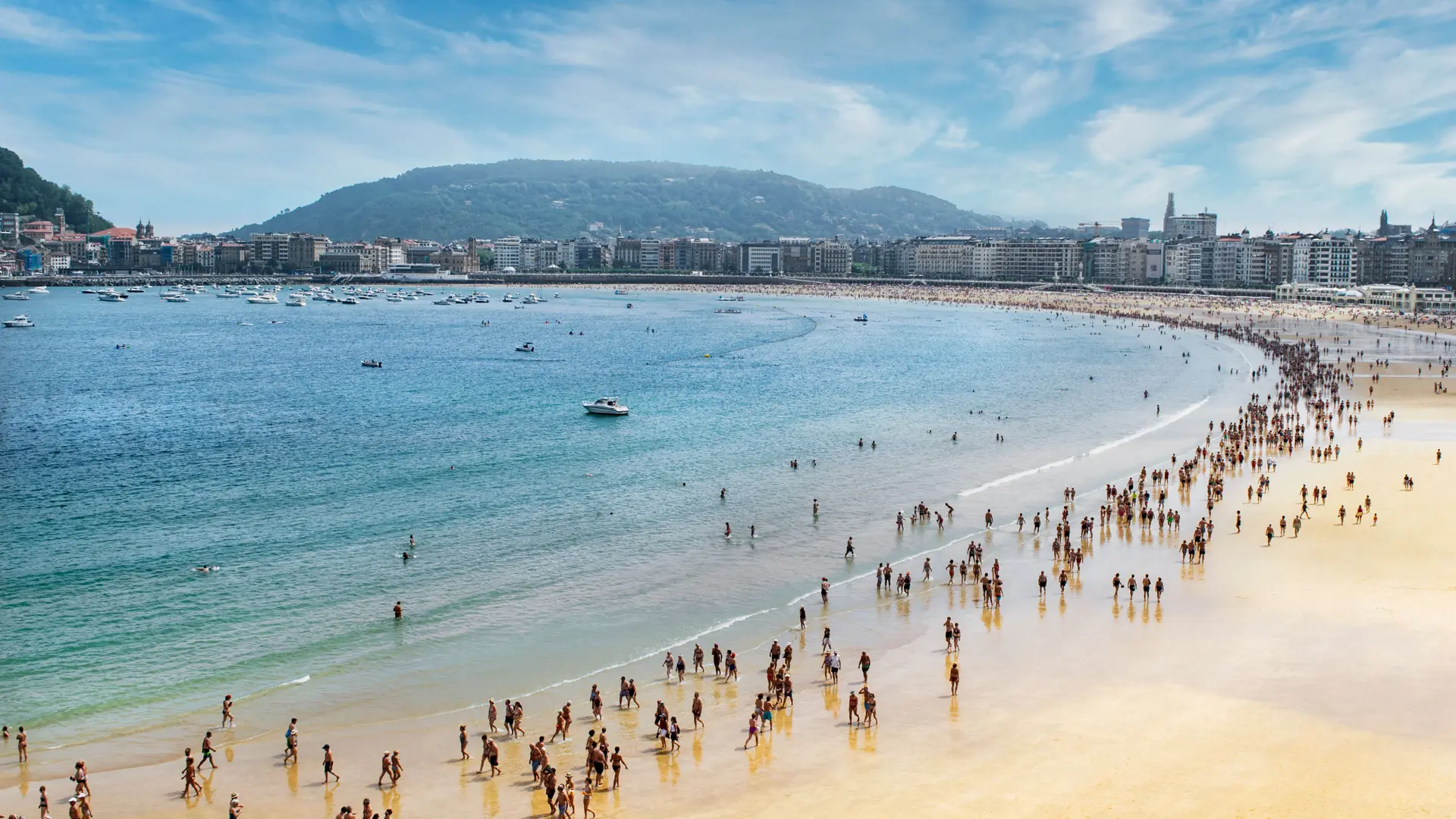
Broad sandy urban beach and turquoise sea on Spain's northern coast

Family

Use Valencia or Málaga as an easy family base with parks, beaches, short transfers and enough day-trip options without turning the holiday into constant travel.

Outdoor café tables on a lively sunlit Spanish street

Budget

Travel in late spring or early autumn, compare weekday stays and use two longer city bases instead of paying for transport and hotel changes every night.

Large pans of colourful paella ready to serve

Food

Build the route around Madrid markets, paella in Valencia, pintxos in San Sebastián and tapas in Seville, leaving room for regional stops rather than one national checklist.

Spanish city square and illuminated streets at blue hour

Nightlife

Protect the morning after: keep Barcelona clubs away from early timed sights, start Madrid late, and check bedroom orientation in Seville’s bar-heavy lanes.

White high-speed passenger train travelling on electrified railway tracks

Car-free

Madrid, Barcelona, Valencia, Seville, Córdoba and Málaga connect well by train, making a strong city route without renting a car.

Mountain road curving beside a blue reservoir in southern Spain

Road trip

Drive a slow Andalusia loop through Seville, Córdoba, Granada, Cádiz, Jerez and Málaga, adding white villages, rural stops and coastal detours between the main bases.

Season guide

When to visit Spain

Late April–May

Weather
Warm days, cooler evenings and good walking conditions in most cities
Crowds
Moderate; major festivals can make individual dates busy
Prices
Usually below peak-summer coast and island prices
Best For
City routes, Andalusia, food markets and outdoor sightseeing

June

Weather
Sunny and increasingly hot, especially inland and in Andalusia
Crowds
Rising but generally easier than July and August
Prices
Mid to high on popular coasts
Best For
Beach-and-city combinations before the main summer peak

July–August

Weather
Hot on the coasts and often intensely hot inland
Crowds
Peak season on beaches, islands and headline attractions
Prices
Highest in many coastal and island destinations
Best For
Beach holidays, northern Spain and travelers tied to school holidays

Late September–October

Weather
Warm, softer light and more comfortable city temperatures
Crowds
Lower after the main summer season
Prices
Often better than August, though major events still affect rates
Best For
First trips, rail itineraries, wine regions and long walking days

November–March

Weather
Cool or wet in parts of the mainland; mild in much of Andalusia; spring-like in the Canary Islands
Crowds
Lowest outside Christmas, New Year and major festivals
Prices
Good city value; Canary Islands remain popular
Best For
Museums, Andalusian cities, food trips and winter sun in the Canaries

How to plan a Spain trip that feels like Spain

Last updated July 2026

Spain is too varied for one week to work as a checklist of famous cities. Madrid, Seville and Granada form a coherent first route through royal art, Andalusian squares, flamenco culture, the Alhambra and Albaicín. Barcelona pairs more naturally with Valencia on a Mediterranean journey with shorter geographic jumps and a different rhythm. Pick one side of the country and protect time for markets, long lunches and evening walks.

A Spain itinerary for 7 days by train works best with two or three bases. One efficient plan is Madrid for three nights, Seville for two and Granada for two, with a Córdoba stop if the timetable works. Another is Barcelona for three nights, Valencia for two and Madrid for two. High-speed rail links the major cities, while buses fill regional gaps. Madrid–Barcelona takes roughly 2.5 to 3 hours, Madrid–Seville around 2.5 to 3 hours, Madrid–Valencia about 2 hours and Madrid–Málaga around 3 hours, so a car is unnecessary for the classic city route.

The best time to visit Spain to avoid crowds is usually late April to May or late September to October. These months are warm enough for outdoor dining but kinder for walking than peak summer. July and August suit beach trips, yet inland Andalusia can be intensely hot and famous monuments sell out early. Winter is excellent for Madrid museums, Seville and Granada, while the Canary Islands are the safer choice for winter sun.

Food changes by region, so a generic “Spanish restaurant” can miss the point. Order paella in Valencia, pintxos in San Sebastián, jamón ibérico in western Spain, salmorejo in Córdoba, grilled sardines in Málaga and tortilla almost anywhere. A weekday menú del día often costs about €12–18, tapas commonly €3–8 each, and a comfortable dinner with drinks is often €25–45 per person outside the most touristy addresses.

How much does a trip to Spain cost? Excluding international flights, a careful traveler can often plan around €85–120 per person per day, while a comfortable mid-range trip is more realistically €150–240 once hotels, trains and paid sights are included. Landmark prices add up: the Prado is €15, standard Sagrada Família entry is €26 and the Alhambra general visit is €22.27. Book headline attractions directly with official sites and reserve trains early when dates are fixed.

For beaches and culture in one base, Valencia is the most balanced choice: a walkable historic center, the City of Arts and Sciences and a broad urban beach. Málaga adds Picasso and Costa del Sol day trips; San Sebastián is stronger for food and a compact city beach; Mallorca is better for coves and scenic drives. The best Spanish days are rarely built around a checklist: one major sight, one neighborhood, one market and one unhurried meal usually create a better trip.

Make the irreversible bookings in a deliberate order. Decide the city sequence and accommodation bases first: a cheap room is a poor saving when it creates a long arrival or departure transfer. Reserve timed sights through their official operators next, then buy a train only when its departure, luggage conditions and station location fit the day. Keep meals, neighbourhood walks and smaller museums flexible. On a city-and-coast trip, compare the price of a second base with the return rail and late-evening transport it may replace. Check current cancellation, access and festival conditions before paying for anything non-refundable. This approach leaves room for weather, energy and a good local recommendation, rather than making every day depend on a connection booked months earlier. It also gives families and travellers with limited mobility time to add realistic transfer buffers, not simply the fastest published journey. Those buffers are especially valuable after a flight or a late dinner.

Mediterranean stays in Barcelona

These hotel cards link to partner-supplied accommodation options. Prices, availability and ratings can change, so confirm details in the booking window before paying.

Search more hotels in Barcelona →
Search stays

Budget Snapshot

Moderate overall; Madrid, Barcelona, the islands and peak-summer coasts cost more.
November–March in mainland cities, plus selected weeks in late autumn and early spring.
Granada, Córdoba, Zaragoza, inland Andalusia and smaller regional cities usually stretch a budget further than Barcelona or island resorts.
July–August, Easter week, major festivals, football weekends and short-notice stays in famous city centers.
Use €85–120 per person per day as a careful planning range and €150–240 for comfortable mid-range travel, excluding international flights. A weekday menú del día is often around €12–18; official general admission is currently €15 at the Prado, €26 at Sagrada Família and €22.27 for the Alhambra General visit. Prices should be rechecked before publication updates.

Mistakes To Avoid

  1. Trying to combine Madrid, Barcelona, Seville and Granada in one rushed week.

  2. Booking the Alhambra, Sagrada Família or other timed monuments through an unofficial reseller without checking the official price first.

  3. Choosing a coastal hotel by destination name alone instead of checking the exact neighborhood and distance to the beach or old town.

Explore Spain city guides

Compare hotel bases across other published city guides in Spain.

Explore routes through Spain

Choose a complete route with the stops, transport and overnight plan already mapped out.

Sources
What are the best cities to visit in Spain for first-time travelers?

Madrid, Seville and Granada make the strongest first route for art, historic neighborhoods and Andalusian culture. Choose Barcelona and Valencia instead when architecture, beaches and Mediterranean food matter more.

What is the best Spain itinerary for 7 days by train?

Use only two or three bases. A practical route is three nights in Madrid, two in Seville and two in Granada. A Mediterranean alternative is three nights in Barcelona, two in Valencia and two in Madrid.

Which months balance Spanish weather with lighter visitor numbers?

Late April to May and late September to October usually give the best balance of comfortable weather and lighter crowds. Always check local festival dates because they can change prices and availability.

How much does a trip to Spain cost per day?

A careful independent trip often needs around €85–120 per person per day, while comfortable mid-range travel is more realistically €150–240. Hotels, high-speed trains and season create the biggest differences.

Where should I stay in Spain for beaches and culture?

Valencia is the best-balanced single base, with a historic center, modern architecture and an urban beach. Málaga is stronger for southern-coast day trips, while Barcelona adds more famous architecture and nightlife.

Can you travel around Spain without a car?

Yes. The classic Madrid, Barcelona, Valencia, Seville and Málaga route works well by high-speed train and city transport. A car becomes useful for rural villages, remote coves, mountains and island road trips.

What food should I try in Spain?

Try paella in Valencia, pintxos in the Basque Country, jamón ibérico in western Spain, salmorejo in Córdoba, grilled sardines in Málaga, Galician seafood and tortilla in local bars.

How many days do you need for Spain?

Seven days are enough for one focused route with two or three bases. Ten to fourteen days allow Madrid plus Andalusia, or Barcelona plus Valencia and another region, without turning the trip into constant transit.

Been here? Share your experience

Traveller reviews

A
Alina
Aug 2026

Honestly, I’m really glad I stumbled upon Startbooker for my trip to Spain. ​First off, the prices were noticeably cheaper than on the other major booking sites I checked, which was a huge plus. The AI planner was a game-changer, too—it made organizing the itinerary so effortles…

Honestly, I’m really glad I stumbled upon Startbooker for my trip to Spain. ​First off, the prices were noticeably cheaper than on the other major booking sites I checked, which was a huge plus. The AI planner was a game-changer, too—it made organizing the itinerary so effortless and genuinely saved me a ton of time. ​As for the place itself, it turned out to be super comfortable, clean, and exactly as described. The whole experience from planning to staying was seamless. ​I’d definitely recommend giving it a try if you’re planning a trip to Spain. I’ll certainly be using it again!
L
Lilu
Jul 2026

An interesting guide, useful for quickly determining what suits me, but I would have liked more information about the unique character of Spain, its traditions, etc. Overall, it's an original approach.