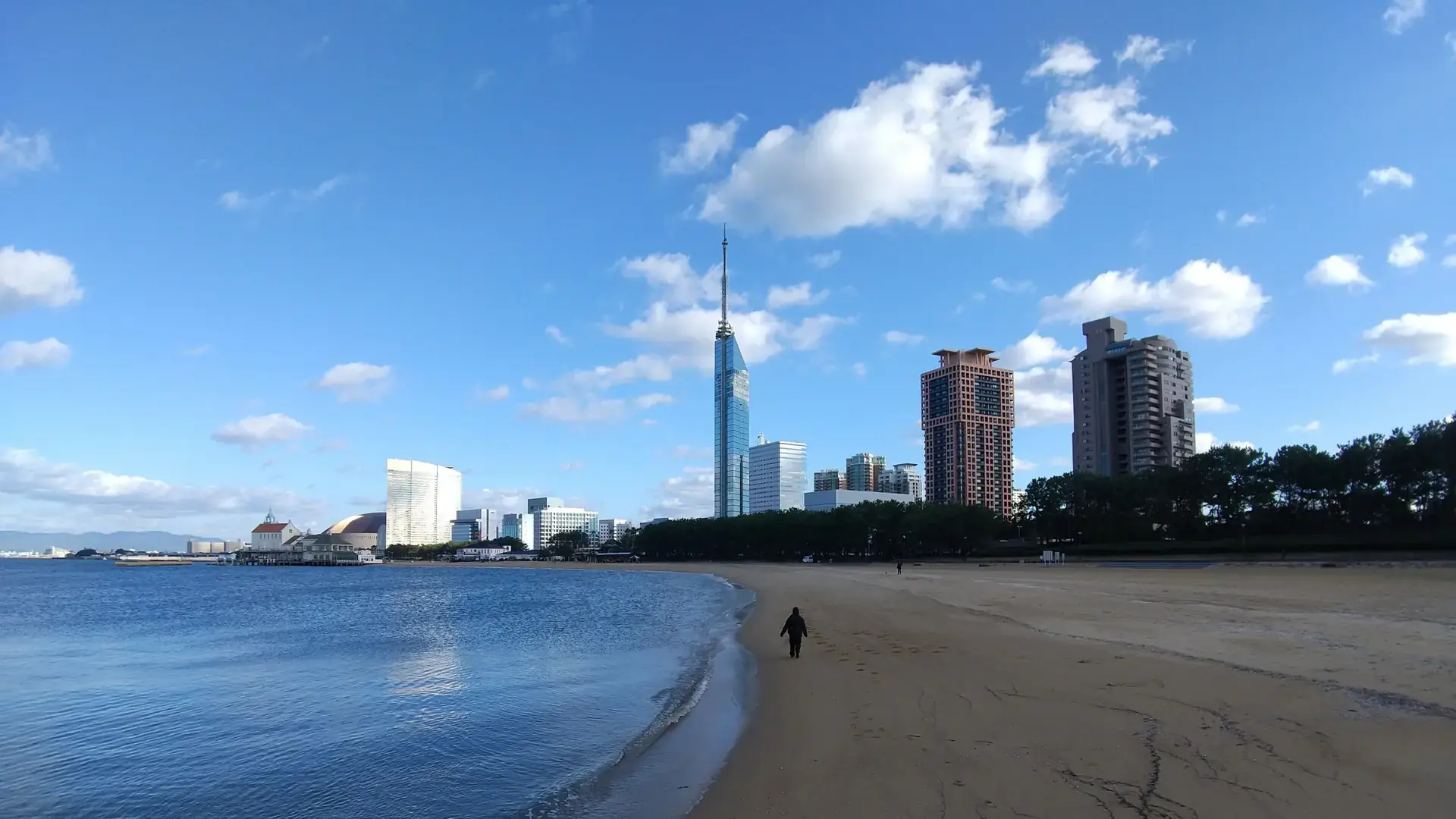
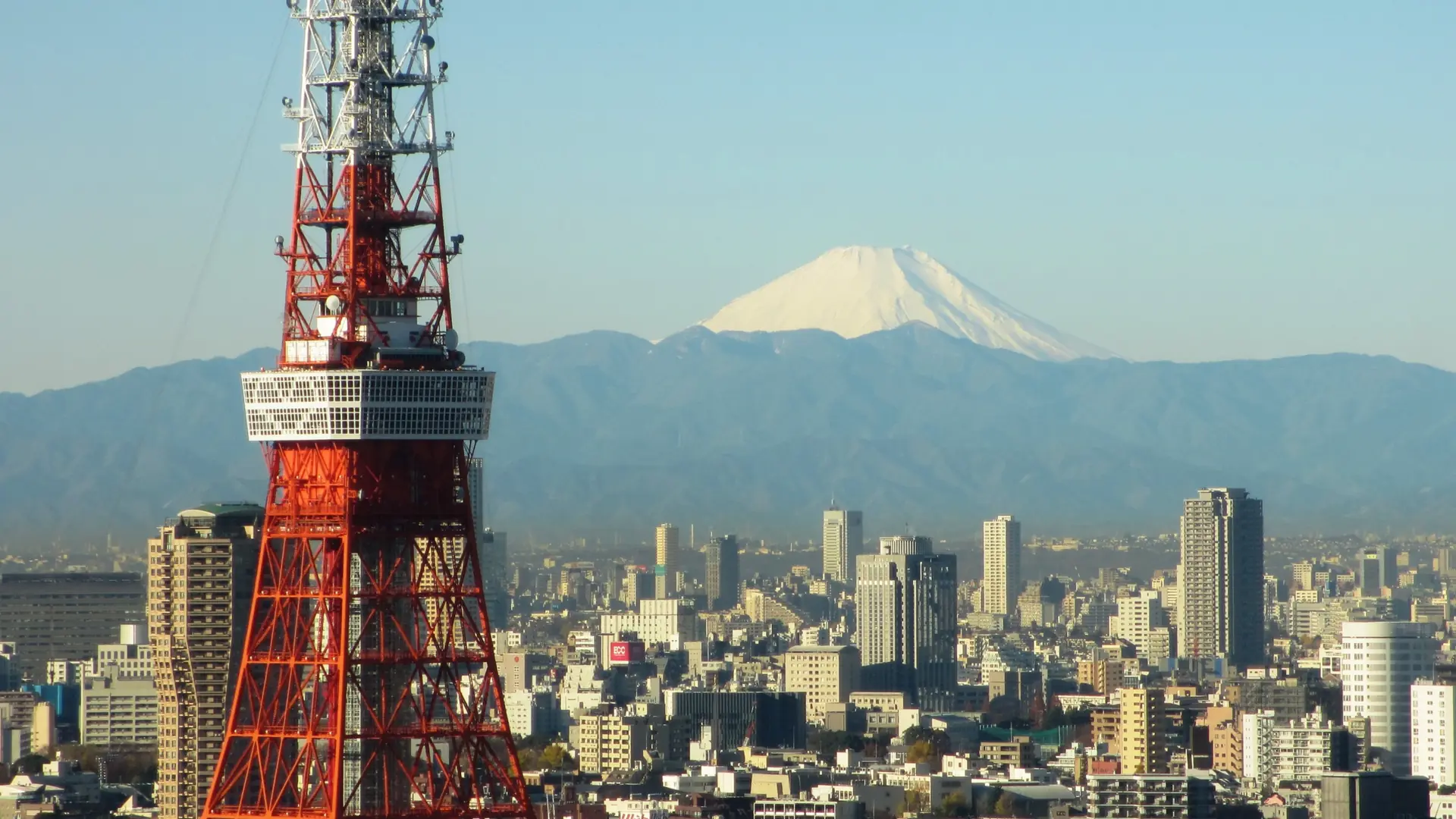
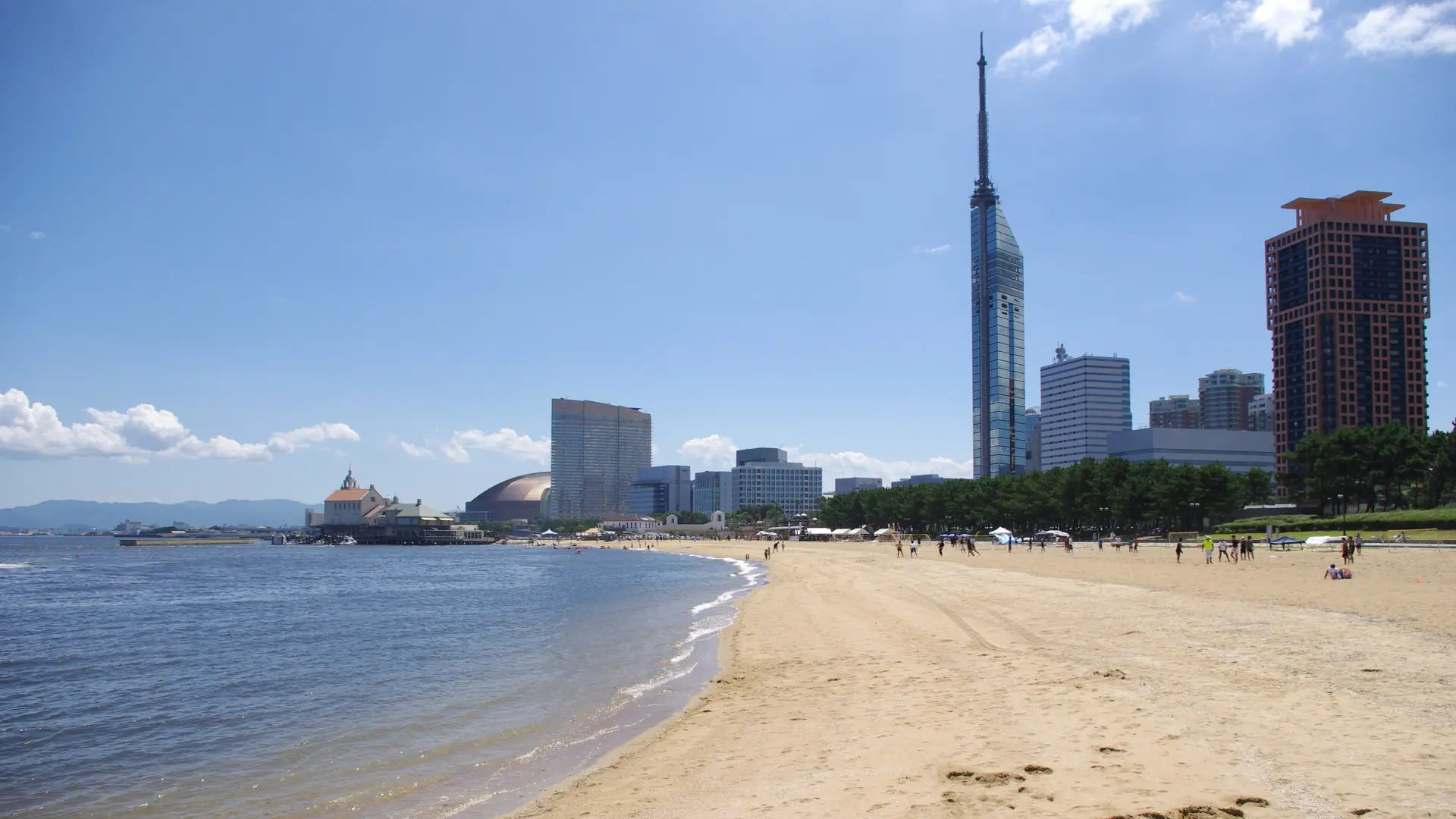
Fukuoka Tower and the bright blue waters of Hakata Bay beneath a clear sky

Where to stay in Fukuoka for food nights and easy Kyushu days

Loading Fukuoka hotel search

Fukuoka has two centres, so choose the journey you repeat

Hakata and Tenjin are close, but they solve different days. Put early regional rail beside Hakata; place food, shopping and late cocktails beside Tenjin. The areas between and beyond them become worthwhile only when their atmosphere is a deliberate part of the trip.

Short first trip Hakata

A compact visit loses least time when airport and intercity platforms share the hotel district.

City-focused weekend Tenjin

Stay west when evenings in Daimyo, Imaizumi and Tenjin are the main experience rather than a return journey.

Old-town texture Gion

Temple lanes sit between Hakata Station and Nakasu, giving atmosphere without abandoning central transport.

Sea and events Momochi

The waterfront works for tower, beach and dome plans, not as an automatic base for nightly Hakata dining.

StartBooker answer

Should a first-time Fukuoka visitor sleep by Hakata Station or Tenjin?

Hakata Station is the easiest first base when airport arrival, Shinkansen travel or Kyushu day trips shape the schedule. Tenjin is the better choice when restaurants, shopping, Daimyo bars and late evenings matter more than morning trains. Nakasu places riverside yatai between both centres but needs a careful noise check. Gion adds temple-town atmosphere near Hakata, Ohori Park gives quieter water-side mornings, and Momochi trades central convenience for beach, tower and dome access.

Best for rail
Hakata Station
Best for evenings
Tenjin and Daimyo
Fastest airport pattern
Domestic terminal to subway
Quieter central option
Ohori Park
AI-powered

Build Fukuoka around departures and dinner districts

Add your airport terminal, train days, yatai plans, dome event, children, luggage and preferred bedtime; the planner can compare the real final connection.

Eight Fukuoka bases from rail hub to sea edge

Distances look small, yet the best district changes with airport terminal, rail operator, bedtime and whether the waterfront is a goal or a detour.

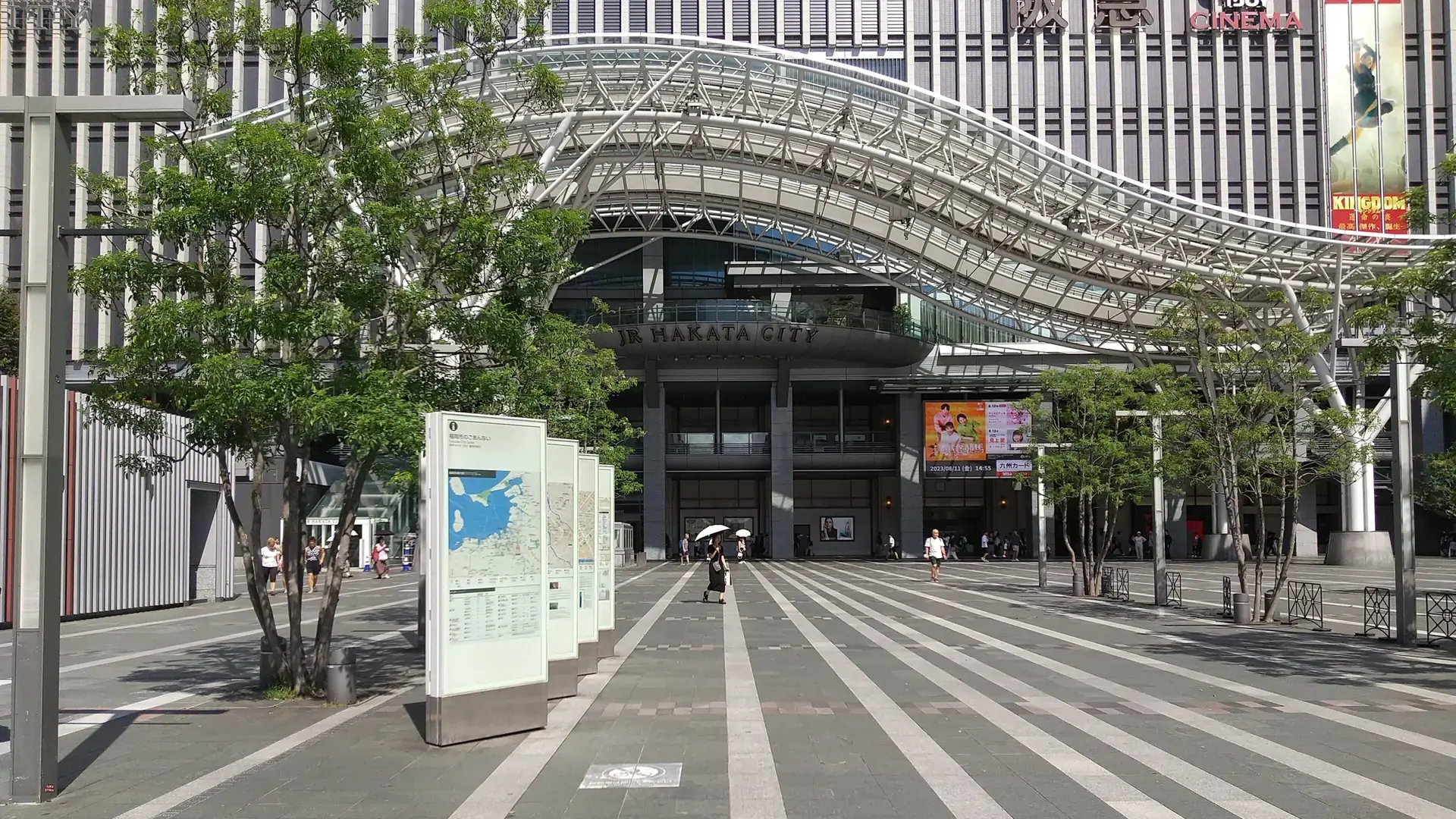
arched Hakata entrance of JR Hakata City opening onto the station square

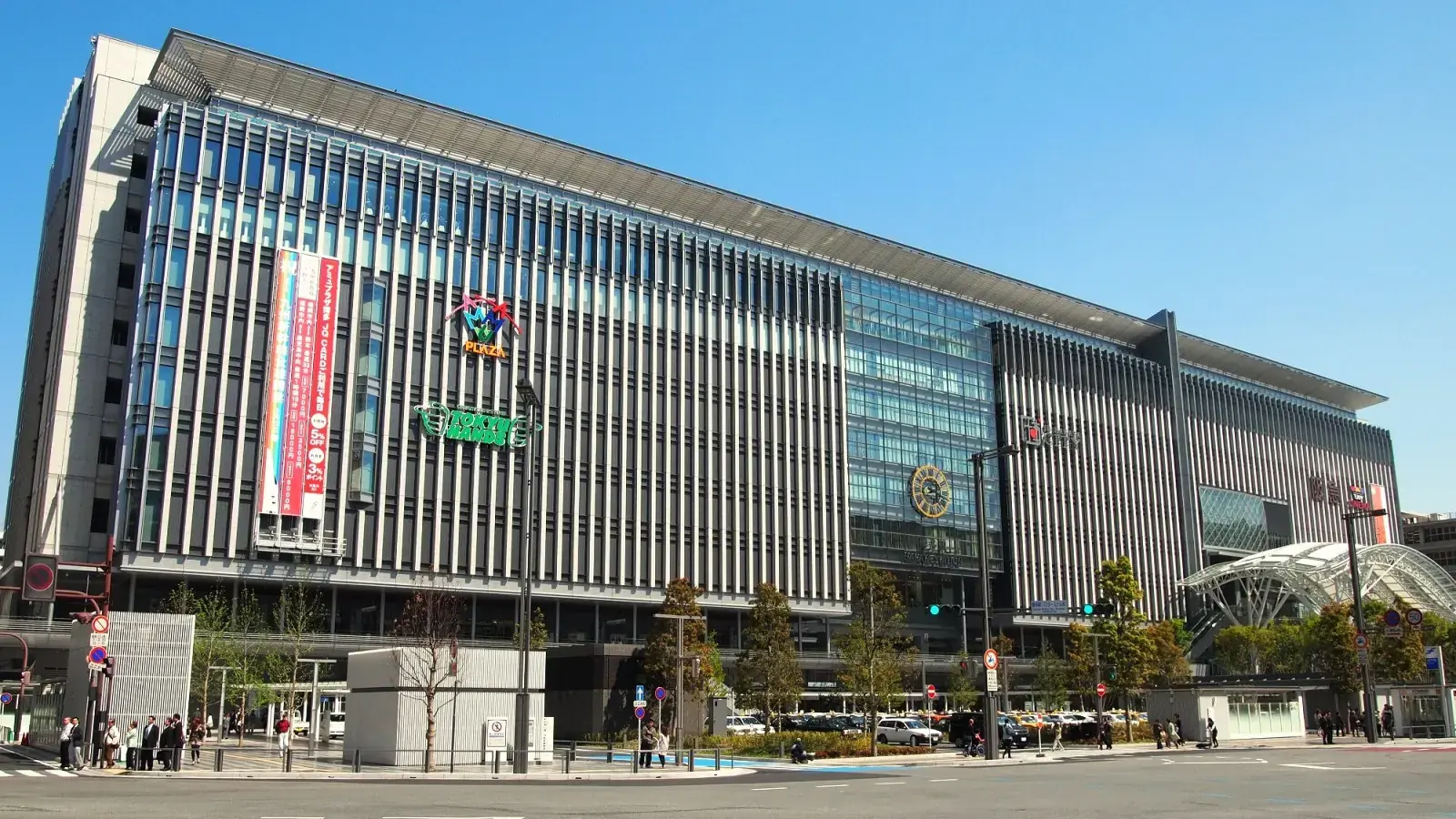
Hakata Station

airport arrivals, Shinkansen and Kyushu day trips

Book here when at least two mornings begin on JR or Shinkansen platforms.

Sleep: often controlled; check recent reviews for road- and rail-facing rooms.

Rail Airport First visit

Check east versus west exit; a hotel described as near Hakata can still sit across a large station footprint.

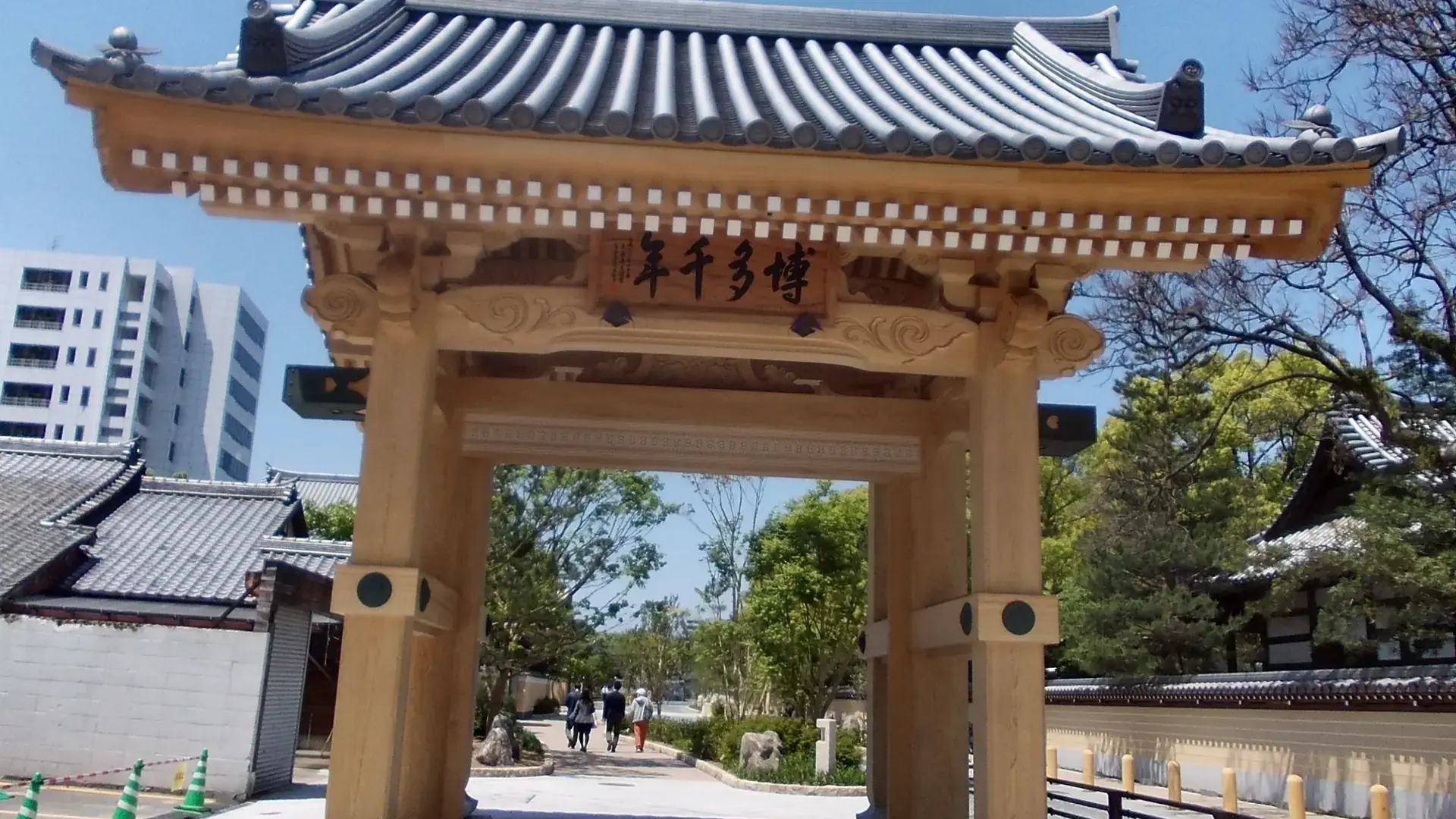
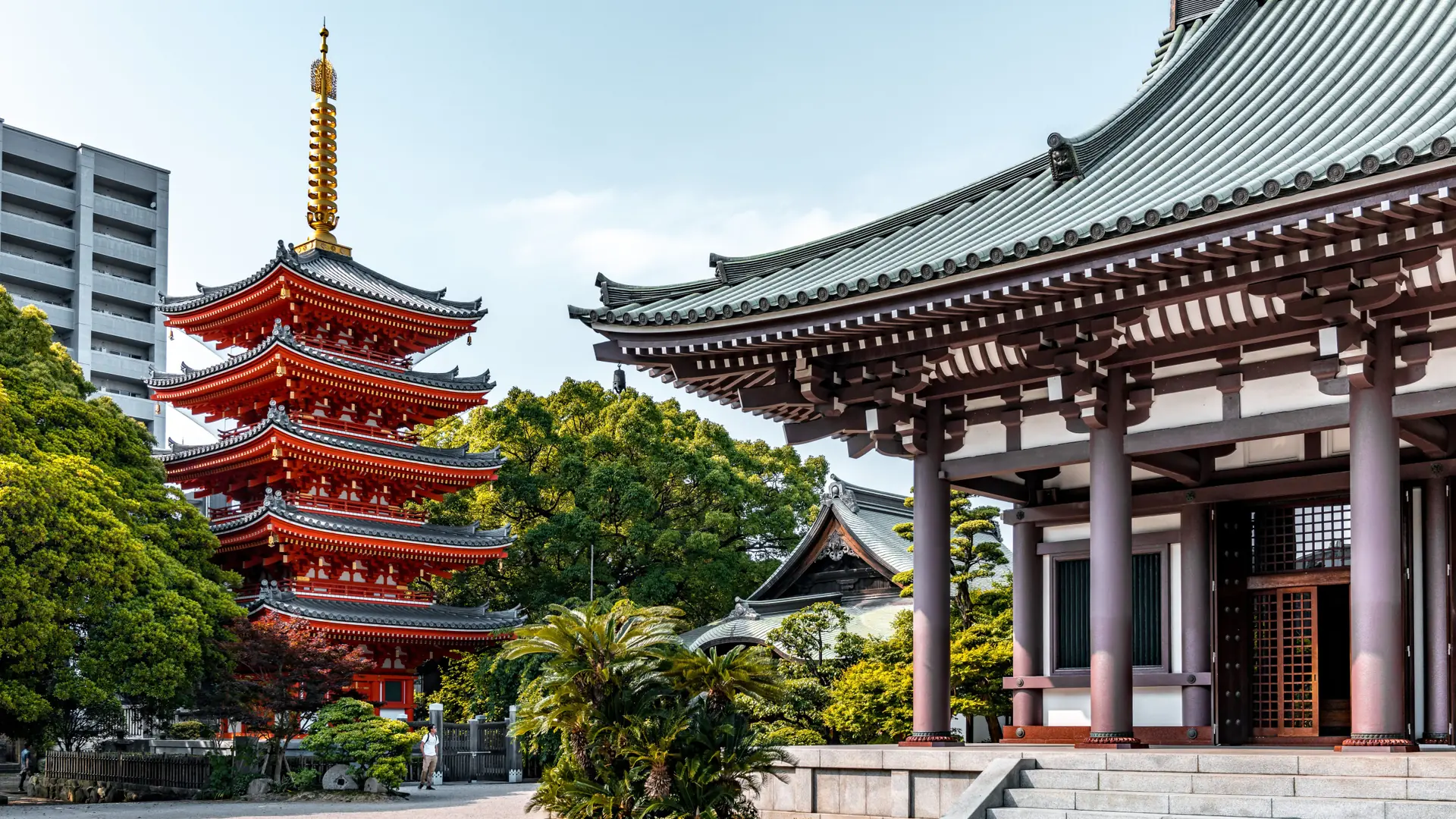
traditional Hakata Old Town gate and temple roofs in warm sunlight

Gion and Hakata Old Town

temples, traditional streets and central calm

Use Gion when atmosphere matters but rail departures remain part of the plan.

Sleep: lanes can be quiet, while properties beside major roads have a different character.

Old town Temples Calm

Do not confuse a wide Hakata ward label with the compact old-town pocket around Gion and Gofukumachi.

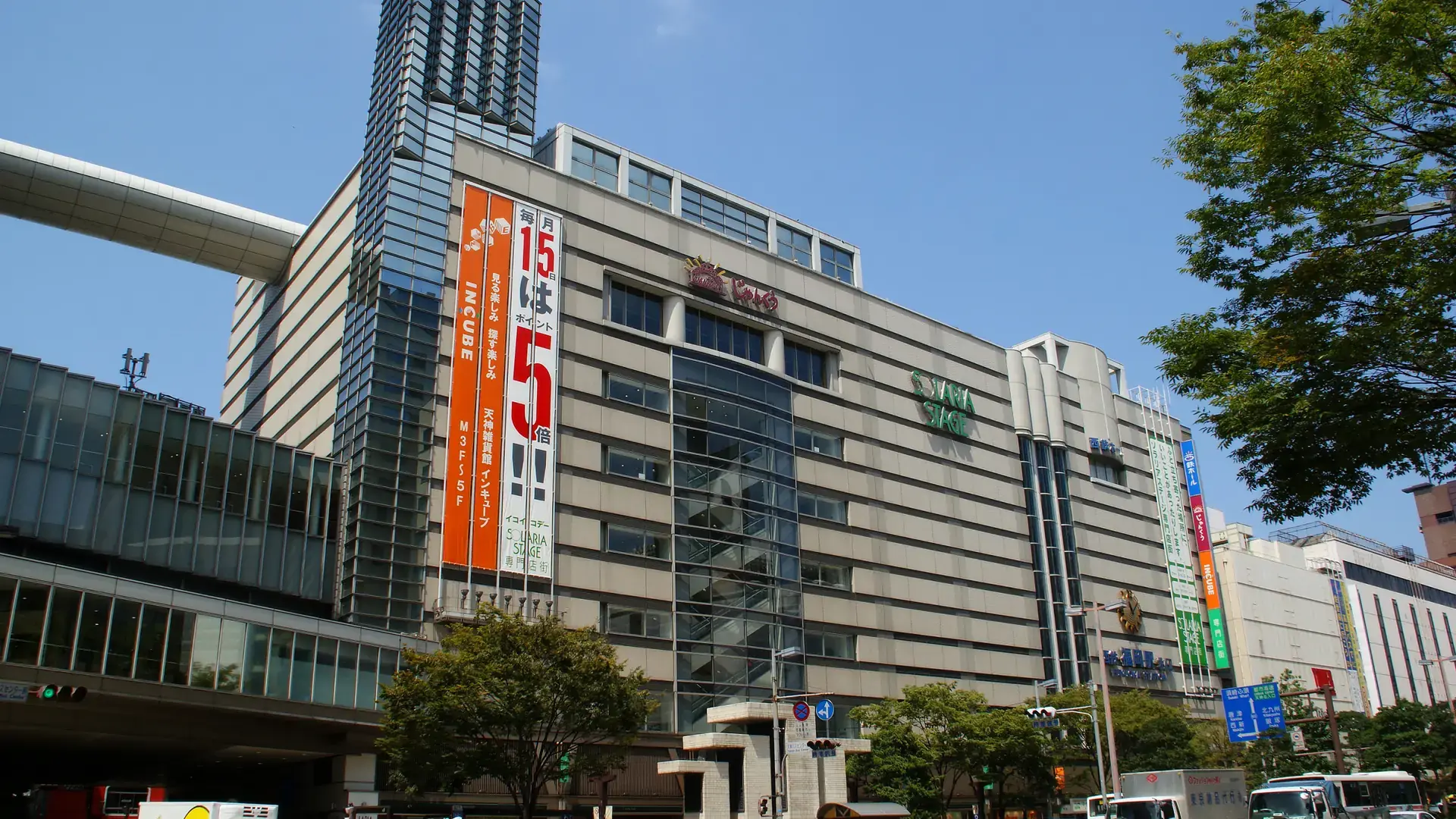
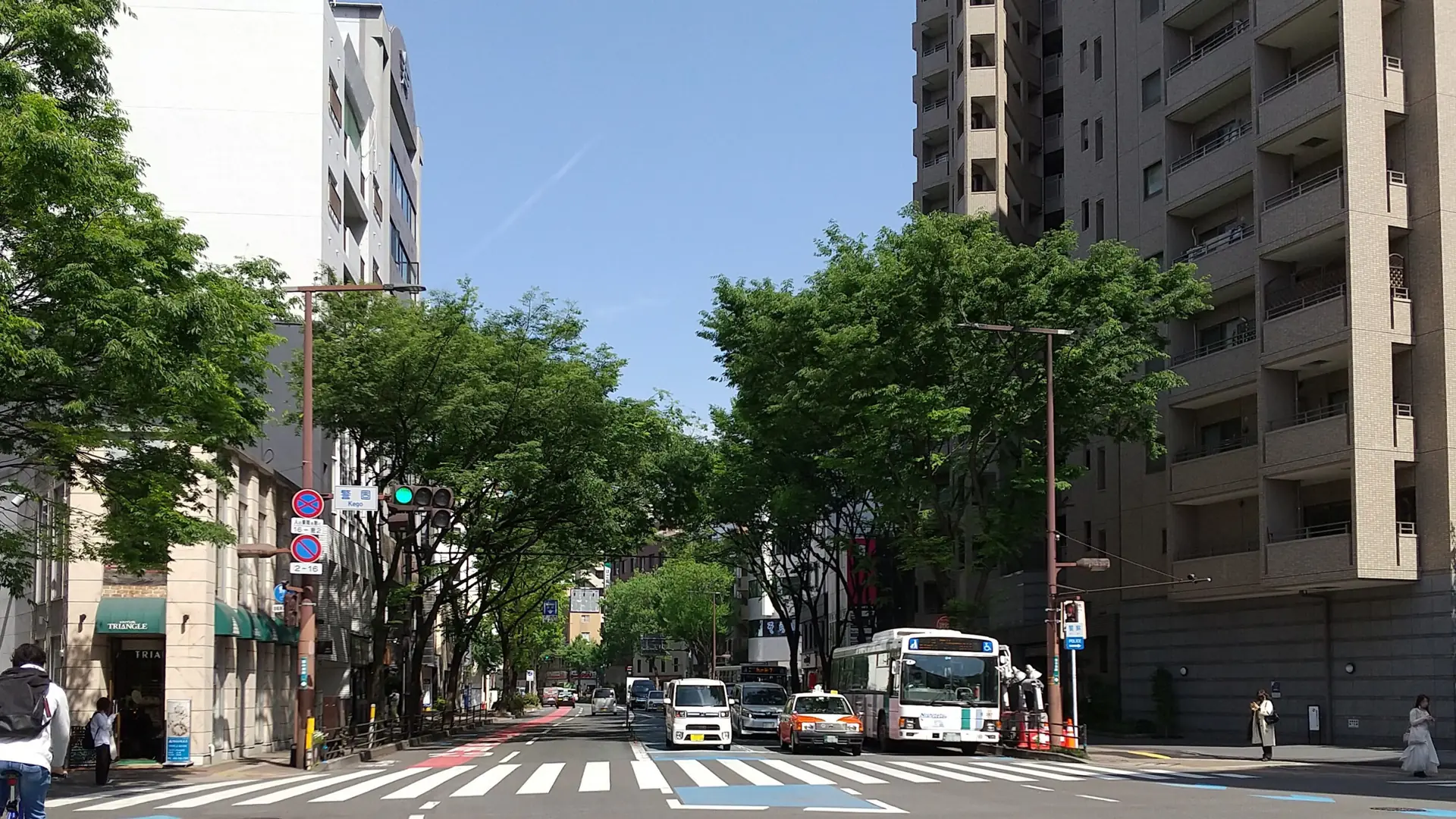
sunlit Tenjin avenue with modern towers and lively pedestrian streets

Tenjin, Daimyo and Imaizumi

restaurants, shopping, bars and city weekends

Stay here when the final meal and drink matter more than the first regional train.

Sleep: lively in core blocks, calmer toward Yakuin and quieter side streets.

Food Shopping Nightlife

Tenjin, Tenjin-minami and Nishitetsu Fukuoka are related but separate stations; map the entrance you need.

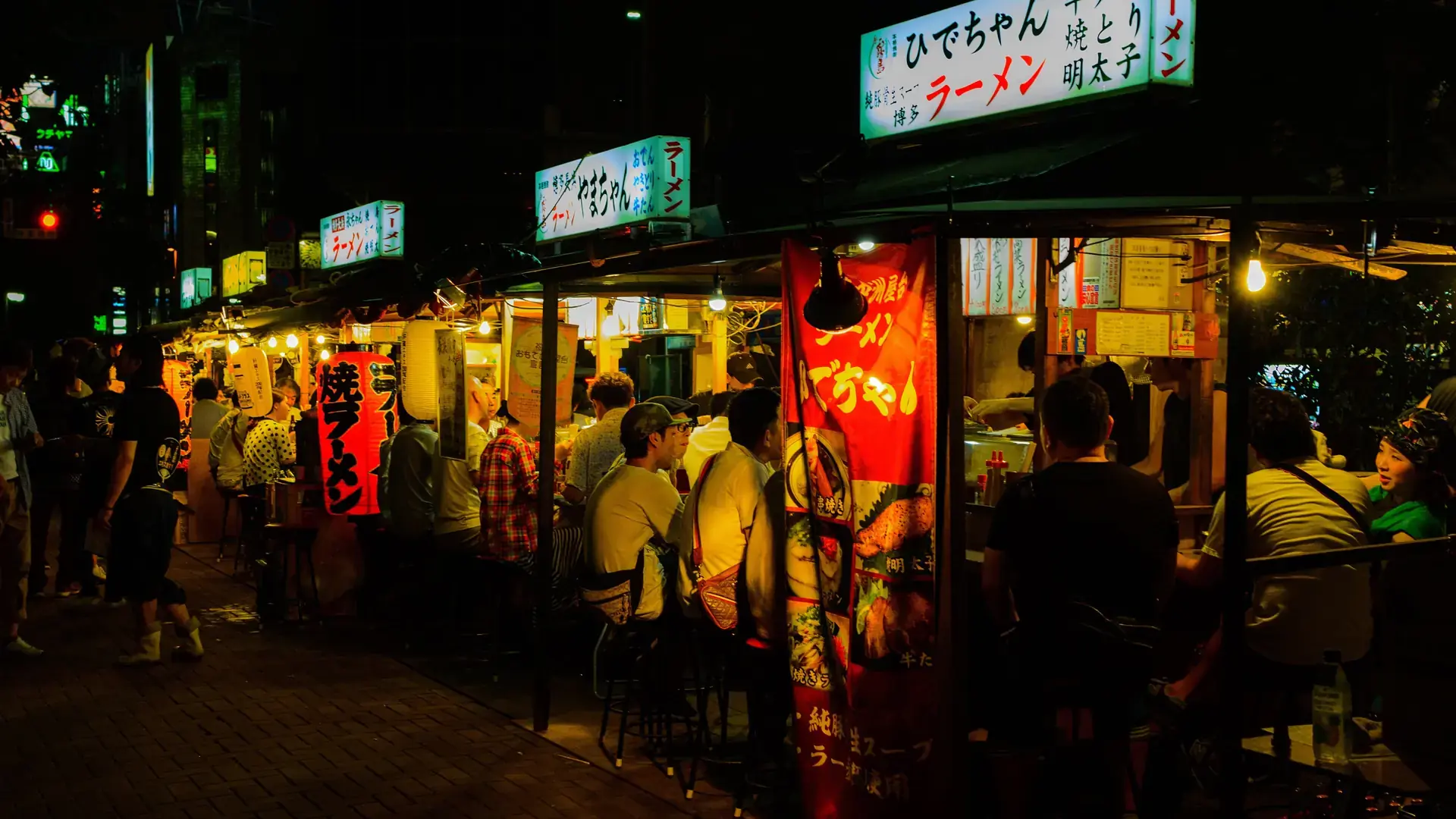
vivid lantern-lit Hakata yatai stalls serving diners near Nakasu after dark

Nakasu-Kawabata

riverside yatai, central walks and late entertainment

Choose Nakasu when the night itself is the headline and walking home is valuable.

Sleep: highest risk near entertainment streets; request a high inward room if needed.

Yatai River Late nights

A river view does not guarantee quiet, and yatai locations or operating nights can change.

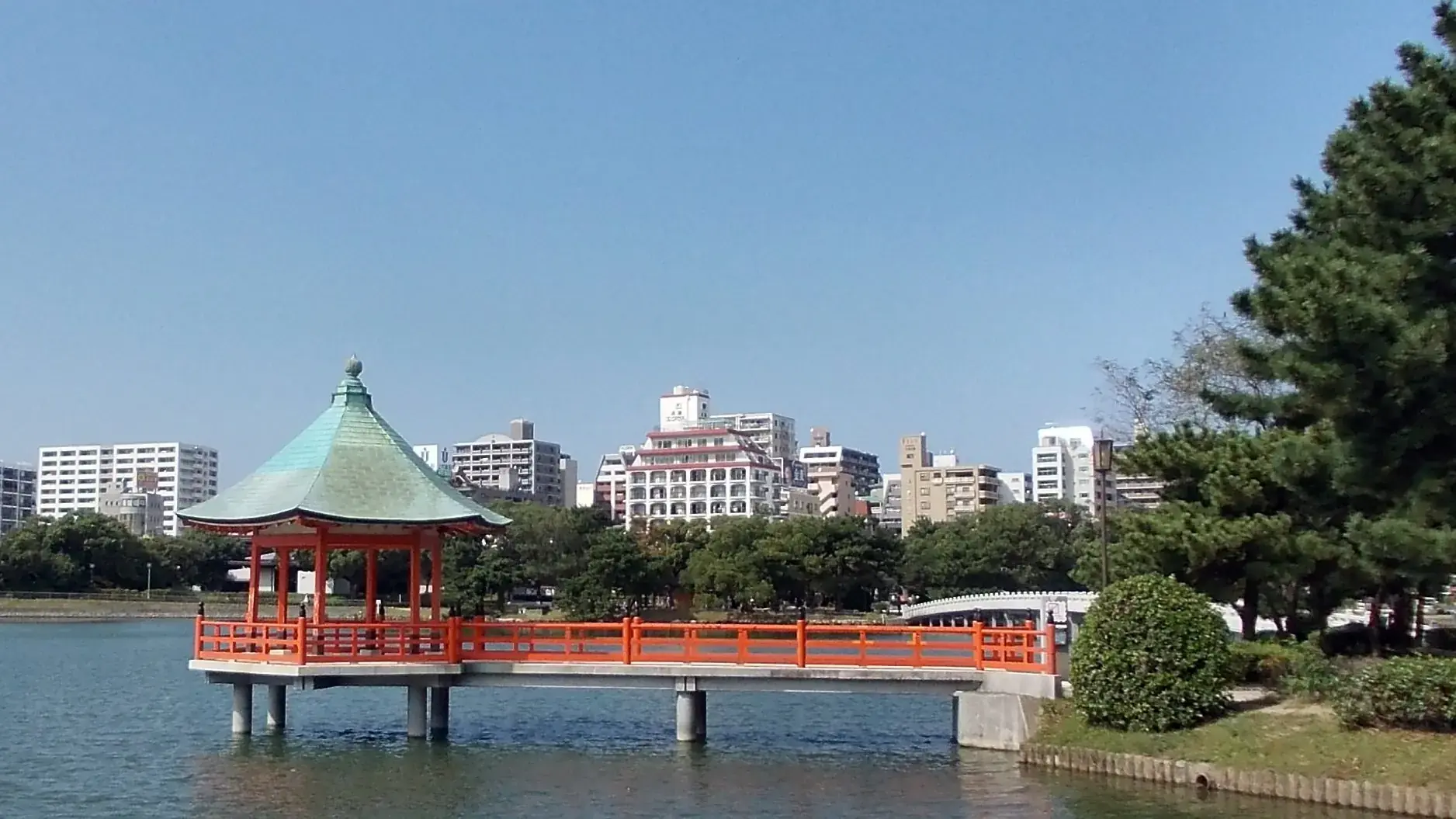
Ohori Park lake, pavilion and vivid green shoreline beneath blue sky

Ohori Park and Akasaka

quiet mornings, running and longer stays

Pick Ohori when a restorative walk is part of every day rather than a single attraction visit.

Sleep: generally calmer, with traffic exposure on major roads around the edges.

Park Running Long stay

Map the hotel to Ohorikoen or Akasaka Station; the park perimeter is larger than it appears.

Fukuoka Tower above sunny Momochi beach and deep blue Hakata Bay

Momochi and Tojinmachi

beach, Fukuoka Tower, dome events and families

Stay here when multiple waterfront activities justify waking beside the sea.

Sleep: often calm away from event release, when roads and pavements can become busy.

Sea Families Events

A bay-front hotel may not sit beside a subway station; include the bus or walk in every central journey.

sunny Daimyo side street in Fukuoka lined with colourful boutiques and cafés

Daimyo, Imaizumi and Yakuin

design shops, coffee, independent restaurants and stylish late afternoons

Stay southwest of Tenjin when small streets matter more than department-store convenience.

Sleep: variable around Daimyo bars, noticeably calmer on selected Yakuin residential streets.

Cafés Design Dining

Do not treat the three names as interchangeable; verify the nearest subway or Nishitetsu station.

bright Nishijin shopping street in Fukuoka with local storefronts and pedestrians

Nishijin and Fujisaki

local shopping streets, west-side beaches and a residential repeat visit

Choose Nishijin when Momochi and ordinary neighbourhood life deserve equal time.

Sleep: mostly residential, with activity concentrated around stations and the shopping street.

Local life Subway West side

Measure the property against the station you will actually use; the district stretches farther than one compact centre.

Match the hotel district to the hardest movement
Area Best for Trade-off Getting around
Hakata Station Rail-led trip Commercial setting JR, Shinkansen, subway and buses
Gion and Hakata Old Town History and calm Fewer late options Airport Line and walking
Tenjin, Daimyo and Imaizumi Food and shopping Transfer to Shinkansen Subway, Nishitetsu and buses
Nakasu-Kawabata Yatai and nightlife Noise Walking plus two subway lines
Ohori Park and Akasaka Quiet routine Less hotel choice Airport Line
Momochi and Tojinmachi Beach and dome Removed from central dining Bus, walk and Tojinmachi subway
Daimyo, Imaizumi and Yakuin Independent dining and design Night noise varies sharply Walk, subway and Nishitetsu rail
Nishijin and Fujisaki Residential west-side access Limited major-hotel supply Airport Line subway and buses

Choose by the trip Fukuoka unlocks

The right base is the one that protects the most time-sensitive morning or the latest repeated evening.

Two or more regional rail days

Put the hotel on the station side matching your first platforms.

Do not pay a station premium when every day remains in central Fukuoka.

Gion adds atmosphere without moving far away.

Food-first city break

Stay west when evenings regularly finish after the main sightseeing day.

Avoid the noisiest core if sleep is fragile.

Nakasu is stronger for riverside atmosphere; Yakuin edges are calmer.

Family pace with outdoor space

Select the exact outdoor anchor the family will use more than once.

Do not choose Momochi for one tower visit inside a rail-heavy trip.

Hakata remains simpler with very early flights and large cases.

Yatai and river evenings

Book nearby when late street-food atmosphere is a central reason to visit.

Choose another district if adult nightlife or street noise will undermine the stay.

Tenjin offers deeper conventional dining while keeping some yatai walkable.

Search Fukuoka hotels around your repeated route

Compare live stays only after deciding whether Hakata platforms, Tenjin evenings or the waterfront deserves the shortest return.

Search Fukuoka hotels →
Loading Fukuoka hotel results

Fukuoka Airport is close, but the terminal changes the transfer

The domestic terminal connects to the subway; international passengers first cross the airport complex by shuttle. Build the route from the terminal printed on the booking.

From Fukuoka Airport

Domestic arrivals feed directly into the Airport Line

Domestic arrivals feed directly into the Airport Line

Escalators and elevators connect the domestic building with Fukuoka-kuko Station. Hakata is the first major hotel hub; Tenjin continues on the same line, while Gion and Nakasu-Kawabata sit between them.

International arrivals require the terminal shuttle

The international building does not share the domestic subway entrance. Follow the airport's current shuttle instructions, allow luggage time, and compare a direct airport bus if it serves the chosen hotel area better.

Separate JR, subway, Nishitetsu and buses

The Airport Line is the central spine

The Airport Line is the central spine

It links the airport, Hakata, Gion, Nakasu-Kawabata, Tenjin, Akasaka and Ohori. That makes a hotel near the correct entrance more valuable than a vague central label.

Nanakuma Line gives Tenjin-minami another role

Trips beginning south or around Yakuin may use a different Tenjin station from the Airport Line. Check the walking connection instead of treating every Tenjin label as one platform complex.

Momochi remains a final-leg decision

Subway to Tojinmachi may still leave a substantial walk, while buses can approach the tower or dome. Event release and beach weather change the practical winner.

Buy a day pass only after counting subway journeys

The subway day pass covers all city subway lines

The subway day pass covers all city subway lines

The official 2026 fare page lists the adult one-day pass at ¥640. Compare that with the actual airport, centre and park rides; JR and Nishitetsu journeys follow separate products.

Map the elevator to the correct terminal and street

A station name is not a complete step-free route

A station name is not a complete step-free route

Use the airport's barrier-free terminal instructions and confirm the subway exit with a lift nearest the hotel. Ask about thresholds and accessible bathrooms directly; large Tenjin and Hakata complexes can add distance even without stairs.

Plan for rain, humid summers and event pressure

Fukuoka's compactness helps, but covered access, air-conditioning, festival dates and stadium crowds can change the value of each block.

Match the base to the seasonal day

Spring and autumn reward walkable combinations
  • Spring and autumn reward walkable combinations

    These seasons suit routes linking Gion temples, river edges and Ohori Park. Keep a rain alternative because a pleasant cross-centre walk is not equally attractive in every forecast.

  • Summer raises the value of underground and waterfront choices

    Tenjin's connected retail and subway access can protect the hottest hours; Momochi adds sea breeze but less shelter between stops. Reserve recovery time instead of treating every compact distance as effortless.

  • Festival and dome dates reshape local demand

    Hakata festival periods and major games or concerts can tighten rooms and transport in different parts of the city. Verify official event calendars before selecting a non-refundable hotel.

Compare the payable stay, not the headline room

Fukuoka accommodation tax is collected per person and night
  • Fukuoka accommodation tax is collected per person and night

    City guidance applies the local lodging tax according to the qualifying accommodation charge. Confirm whether the booking total includes it, especially when several guests or separate payments make the checkout price less obvious.

  • A central premium can replace repeated transfers

    Hakata may save airport and rail journeys; Tenjin can remove late taxis. Price the route the group actually repeats before accepting a cheaper edge-of-city room.

  • Waterfront event nights need an exit plan

    A Momochi hotel may be valuable after a dome event, while a central hotel may offer more choice on ordinary nights. Compare event-date rates with the time and crowd cost of returning east.

Fukuoka booking mistakes that survive a map glance

Assuming the international terminal has direct subway access
  • Assuming the international terminal has direct subway access

    The subway serves the domestic side. Add the free inter-terminal shuttle stage or choose an appropriate direct bus, then protect enough time for bags and terminal circulation.

  • Treating every Hakata address as station-adjacent

    Hakata is also a ward and historical identity. Measure the entrance-to-platform route and name the station exit; a tempting listing can be much farther from rail than its area label suggests.

  • Booking Nakasu for children without a night-time block check

    The riverside can be memorable, but entertainment businesses and noise change street by street. Inspect recent reviews and the walking route, or move to Gion, Hakata or Ohori for a calmer return.

Is Hakata or Tenjin better for a first stay?

Hakata is better for short visits, airport convenience, Shinkansen and regional day trips. Tenjin wins when the trip stays inside Fukuoka and dinner, bars or shopping define most evenings. Both use the Airport Line, so choose the harder repeated journey.

How close is Fukuoka Airport to the city?

The domestic terminal is directly connected to the subway, with Hakata reached before Tenjin on the Airport Line. International arrivals first use the airport's terminal shuttle or an appropriate bus. Always plan from the actual terminal rather than a generic airport pin.

Is Nakasu a good area to stay?

It suits travellers who want riverside yatai and late entertainment within a short walk. It can be noisy and some blocks are adult-oriented, so inspect the immediate street. Gion offers a calmer central alternative; Tenjin has broader conventional dining.

Where should families stay in Fukuoka?

Hakata simplifies luggage and transport, Ohori Park gives open space and a lake routine, and Momochi fits repeated beach, tower or dome plans. The best choice depends on whether the family needs early rail, quiet mornings or several waterfront activities.

Do I need a car in Fukuoka?

Not for the main city districts. Subway, JR, Nishitetsu and buses cover the usual visitor network, while parking can complicate central hotels. Consider a car only for an itinerary with poorly served outlying stops, and verify parking and return times first.

Can I stay in Momochi and explore central Fukuoka?

Yes, but it is a purposeful waterfront trade. Tojinmachi subway and buses connect east, yet a hotel may still be a walk from the station. Choose Momochi for several bay, museum or dome plans, not merely for one tower photograph.

Which Fukuoka area is best for Dazaifu or southern Kyushu?

Tenjin is useful for Nishitetsu journeys toward Dazaifu, while Hakata is strongest for Shinkansen and JR travel across Kyushu. Check the operator and departure station for each excursion before deciding; the destination name alone does not reveal the simplest base.

Is Ohori Park too far from Fukuoka nightlife?

It is a few Airport Line stops from Tenjin and provides a quieter sleep setting. It works when park mornings matter more than walking home from every late venue. Check the final train and exact park-side hotel distance before a long evening.

How many nights should I spend in Fukuoka?

Two nights cover a focused city visit with one Hakata or Tenjin base; three or four allow Ohori, Momochi and an excursion without turning every day into a transfer. Add nights when Fukuoka is the base for several Kyushu journeys, but reconsider Hakata Station if those early departures start to outnumber city mornings. A split between Hakata and Tenjin rarely saves enough time on a short stay to justify moving luggage.

Where should I stay for Fukuoka food and yatai?

Tenjin offers the broadest all-evening mix of restaurants, department-store food halls, Daimyo bars and some yatai. Nakasu gives the strongest riverfront night atmosphere but also the greatest need to check noise and adult-oriented streets. Hakata works for station dining and an early departure. Treat yatai as one experience rather than the only meal plan: opening patterns, queues, seating and weather can change the evening.

What should I check before booking a Fukuoka hotel?

Confirm the exact station entrance, airport terminal route, room size, luggage policy, accommodation-tax treatment and cancellation terms. For Tenjin, identify which of the related stations serves the itinerary. For Hakata, note the east or west side. For Nakasu, inspect the street after dark. For Momochi, calculate the bus or walk beyond the subway. These small checks matter more than a generic distance to the city centre. Also compare breakfast hours with early departures and ask whether the property can hold luggage before check-in or after checkout.

How this Fukuoka guide was researched

Reviewed by StartBooker editorial team Travel editorial research and rewrite

Last reviewed 2026-09-12

Editorial method: Original district advice checked against current city tourism, airport, subway and tax records, with traveller questions and stay trade-offs cross-checked against two independent 2026 accommodation guides.

16 sources reviewed

Primary and operator sources
  • Fukuoka City Official Tourist Guide
  • City of Fukuoka
  • Fukuoka Prefecture
  • Fukuoka Airport
  • Fukuoka City Subway
  • YokaTrip
Photo credits

Share the Fukuoka base that matched your real trip

Did Hakata or Tenjin save more time for your itinerary?