Why Tokyo stays in the route
Three Tokyo nights offer two flexible mornings across very different gardens and waterways, making the capital the route's best insurance against a single disappointing blossom site.
A southbound spring route combines famous blossom settings with enough flexibility to remain worthwhile before, during or after peak bloom.
Cherry blossom planning has two clocks: reservations open early, while reliable flowering information arrives much later. The solution is a strong fixed route with flexible local days. Tokyo, Kyoto and Osaka offer gardens, food and neighbourhood life in any stage of bloom; Yoshino contributes a mountain landscape whose elevations do not flower all at once.
Three Tokyo nights and three Kyoto nights create chances to respond to updated conditions without crossing a city repeatedly. The Yoshino night avoids making the mountain a dawn-to-dark commute, then Osaka provides a practical final base. Premium spending works best on flexible hotel terms, a knowledgeable local guide and a well-positioned room, not on anyone claiming to control nature.
The route rejects daily intercity flower chasing. A social-media report may be hours old, describe one tree or ignore rain and crowd access. Use official updates and hotel staff, then choose the best nearby landscape. Petals on the ground, fresh green leaves and temple architecture can still produce a good day when the plan has substance beyond peak pink.
Photography should follow the place rather than block it. Carry one light setup, obey tripod restrictions and step away from entrances, bridges and commuter paths. In rain, wet bark, stone and fallen petals may be stronger than a grey panorama; in hard midday light, move indoors instead of manufacturing another park stop. Ask what an observation measured and when it was made. Tokyo and Kyoto contain local variation, while Yoshino adds elevation to the timing question. Flexible hotel terms are therefore a more defensible spring upgrade than a distant room booked only for one famous tree. Every base here retains food, architecture and cultural depth, so changed flowering dates alter the emphasis without destroying the journey.
Keep a small decision sheet for each base: the latest official stage, the clearest forecast window, the least disruptive transport and one indoor alternative. Make the choice the evening before, then resist changing cities for a single viral image. Blossom travel is richer when a garden’s design, a temple’s history or a riverside neighbourhood still matters after the flowers. That standard turns an uncertain natural event into a resilient spring journey and produces photographs with an identifiable sense of place.
Restaurants and trains still need independent decisions during peak spring demand. Reserve the few meals that define the journey, but keep ordinary lunches near the morning district. Send the largest case past Yoshino so steep access is manageable. When the mountain forecast is poor, contact the lodging before changing the plan; its local advice may distinguish a wet but worthwhile walk from a genuinely unsuitable ascent.
Three Tokyo nights offer two flexible mornings across very different gardens and waterways, making the capital the route's best insurance against a single disappointing blossom site.
Kyoto pairs spring colour with temples, canals and craft neighbourhoods, while three nights make early starts possible without turning each day into a race between distant districts.
A night on Mount Yoshino changes the trip from a sequence of city parks into a mountain pilgrimage, with time to follow the elevation bands before peak day-trip congestion.
Best for
Think twice if
Anyone who requires guaranteed peak bloom on fixed dates; no honest itinerary can promise that outcome.
StartBooker answer
Base for three nights in Tokyo, three in Kyoto, one near Mount Yoshino and two in Osaka. Check the official forecast, but book a route that still works without peak bloom. Use early mornings for compact flower-and-culture walks, keep one flexible Kyoto day, and sleep near Yoshino rather than forcing the mountain into a long Osaka commute. Do not promise exact dates months ahead: weather changes flowering, while crowd and transport conditions change the best daily order.
Three nights each in Tokyo and Kyoto leave room to react to local bloom reports, while Yoshino earns an overnight and Osaka provides a practical, food-rich final base.
4 stops · swipe
 1
1
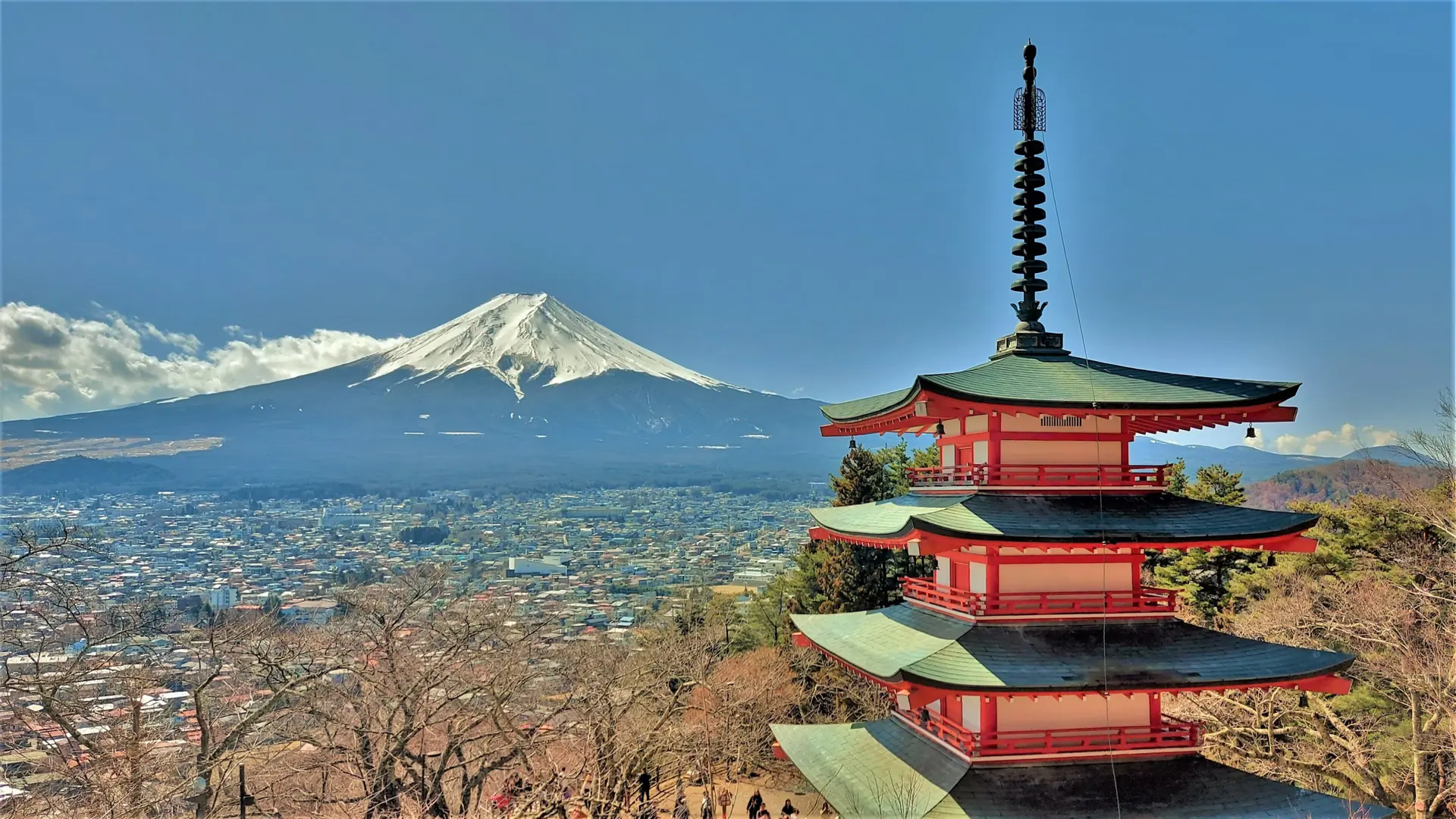
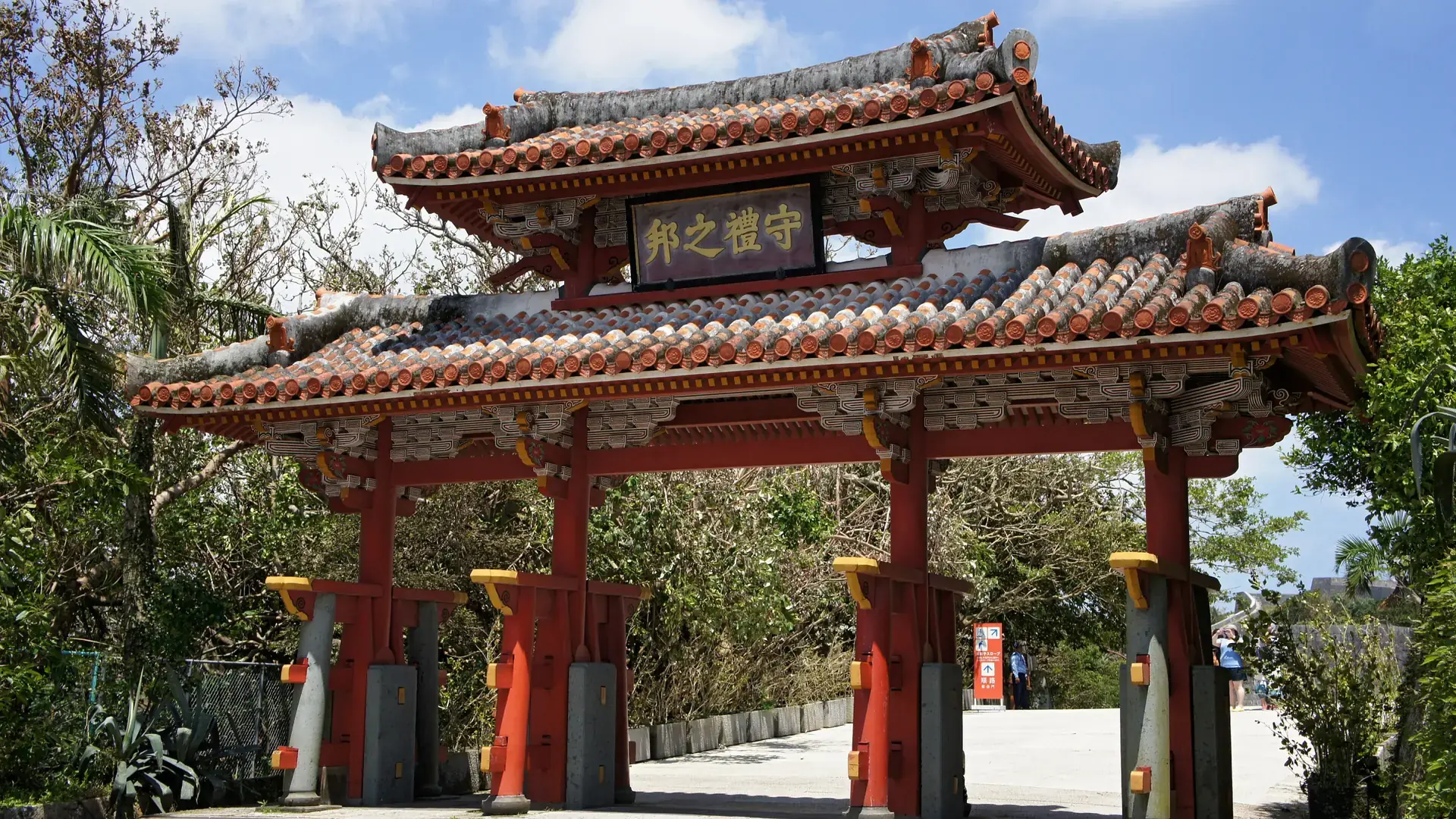
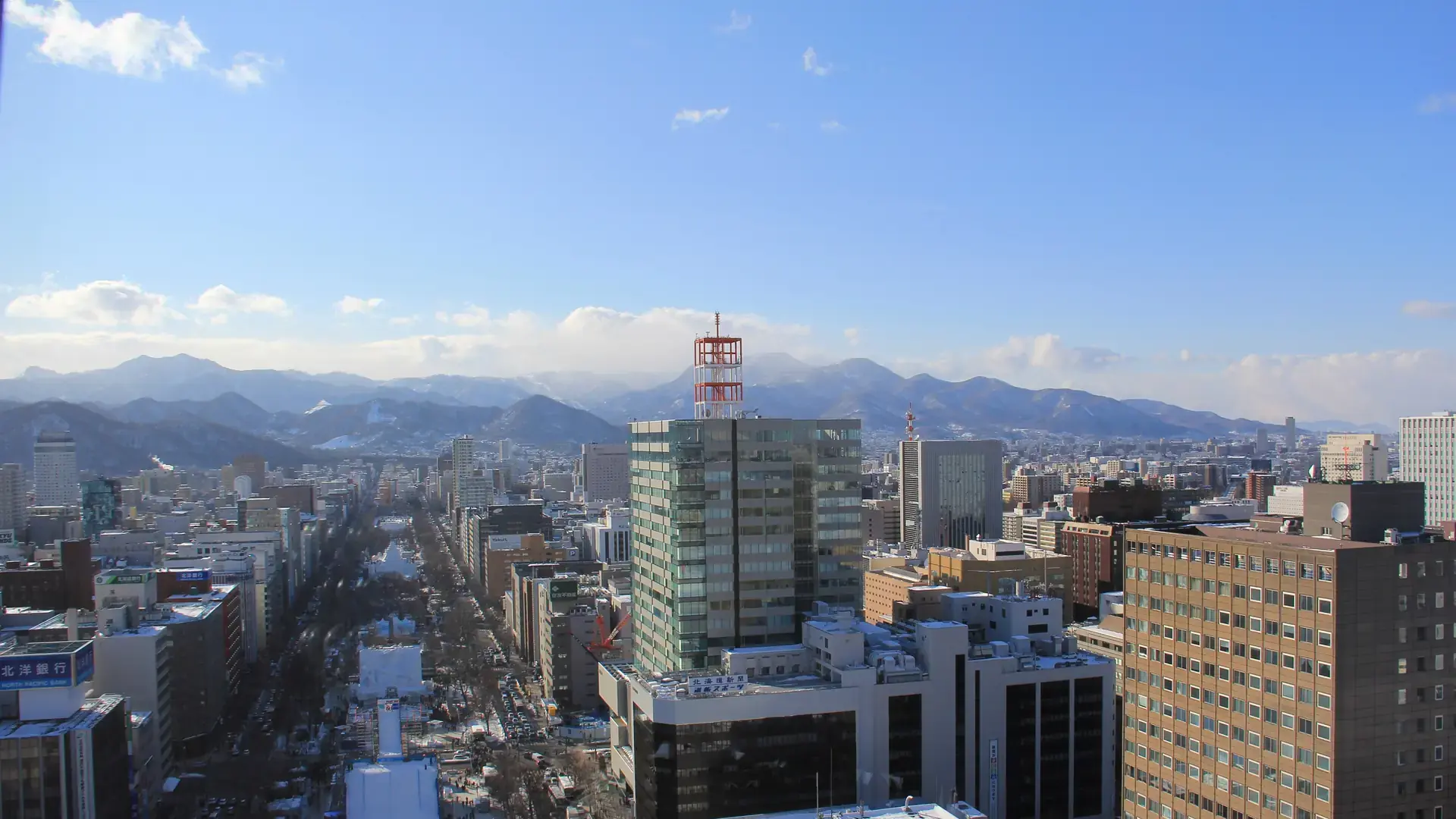
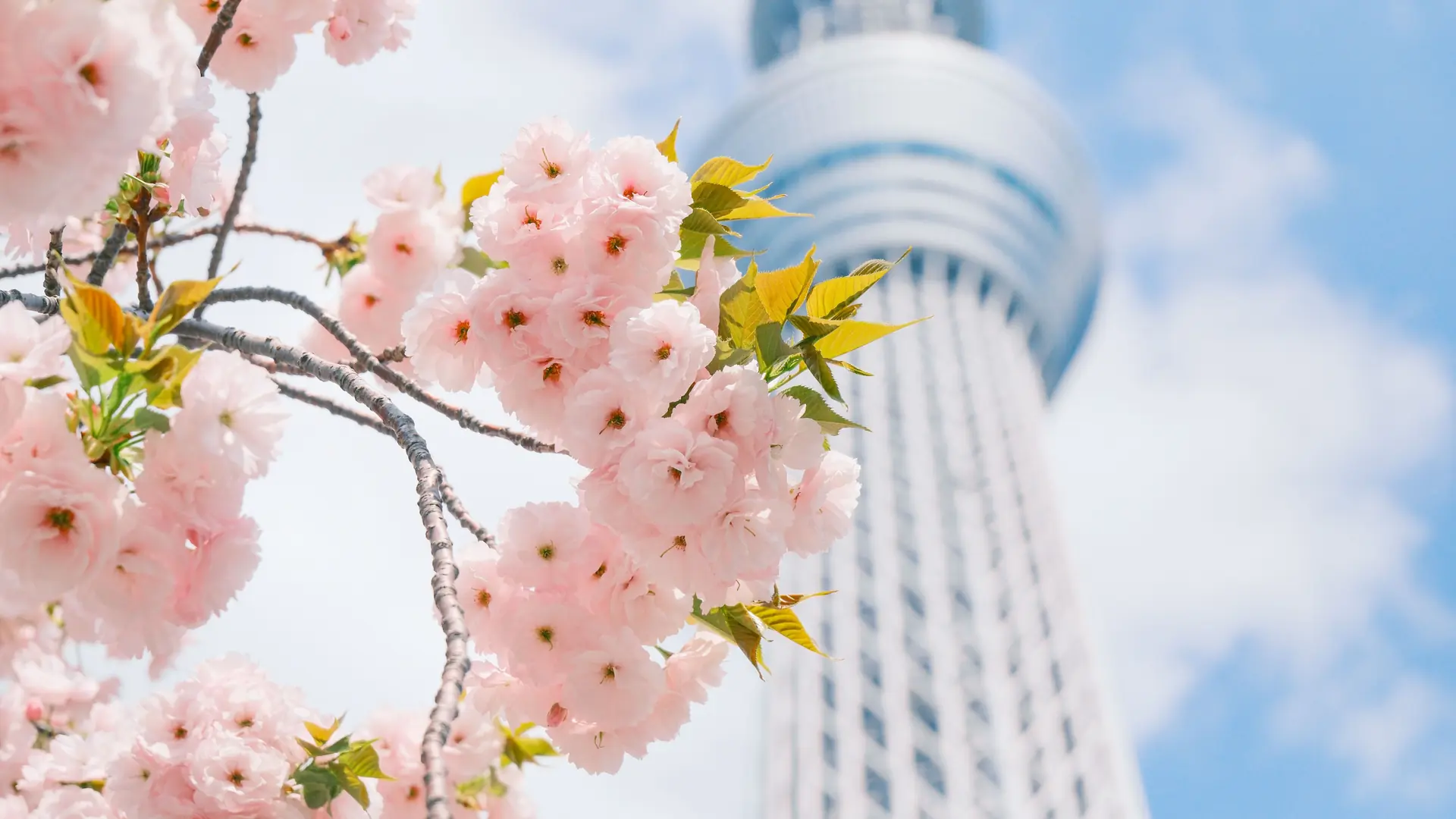
Urban blossom walks, museums and neighbourhood dining
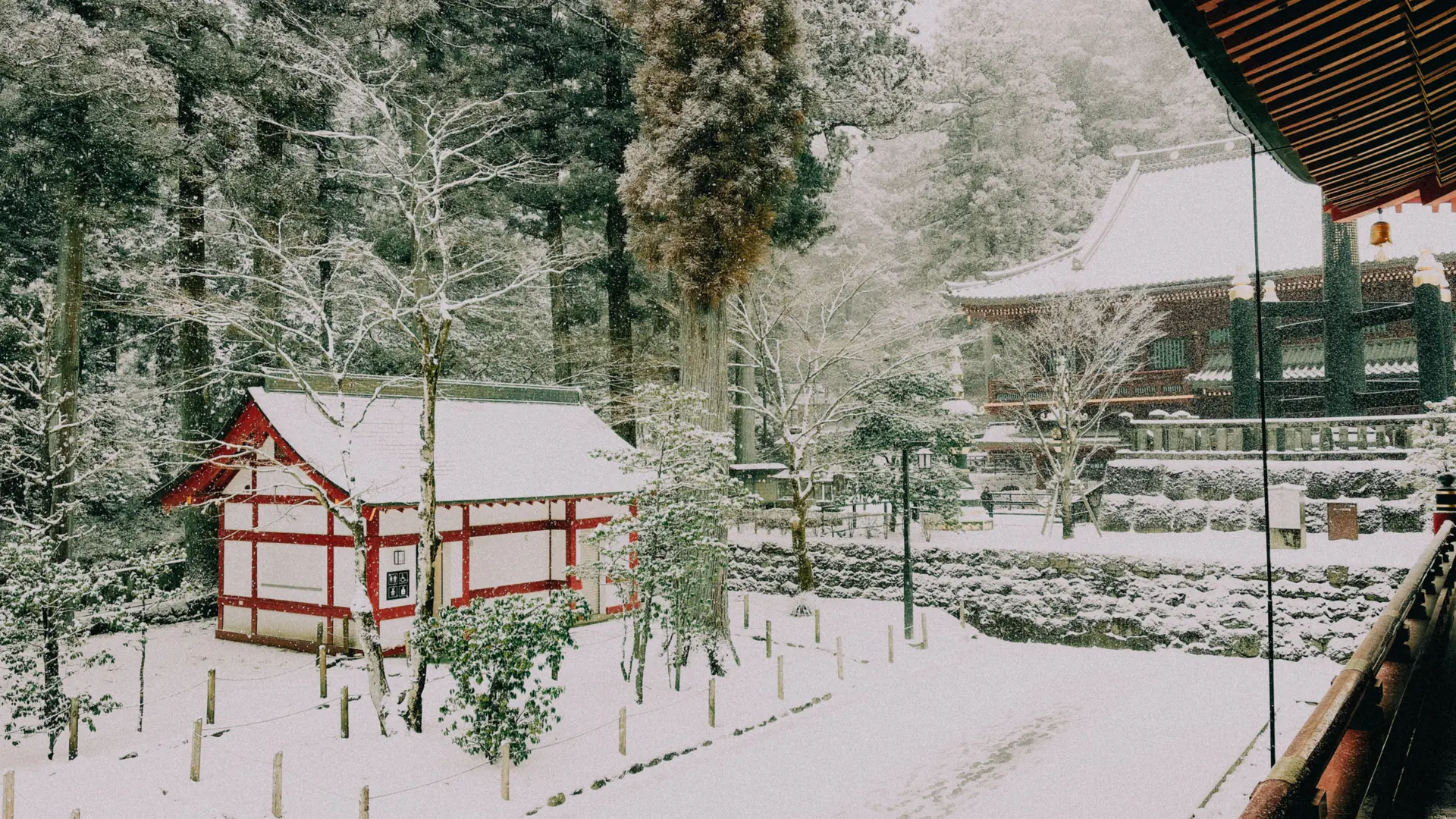
Choose two contrasting areas and let current bloom information decide which receives the clearest morning. Tokyo's many parks and riverside walks reduce dependence on one famous, overcrowded display.
Watch out: Flowering varies by tree and exposure, while headline parks become dense.
Read the Tokyo guide →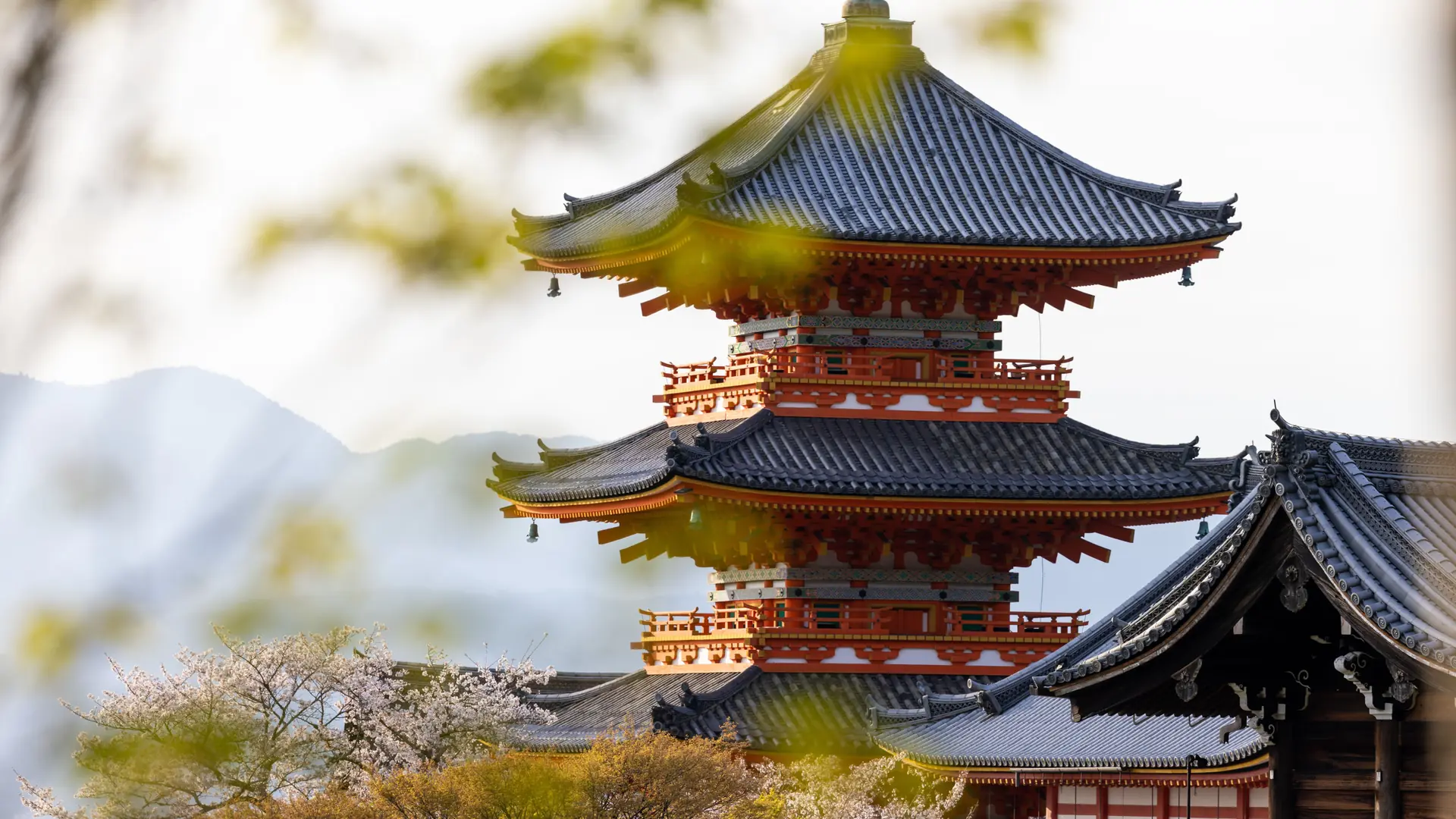 2
2
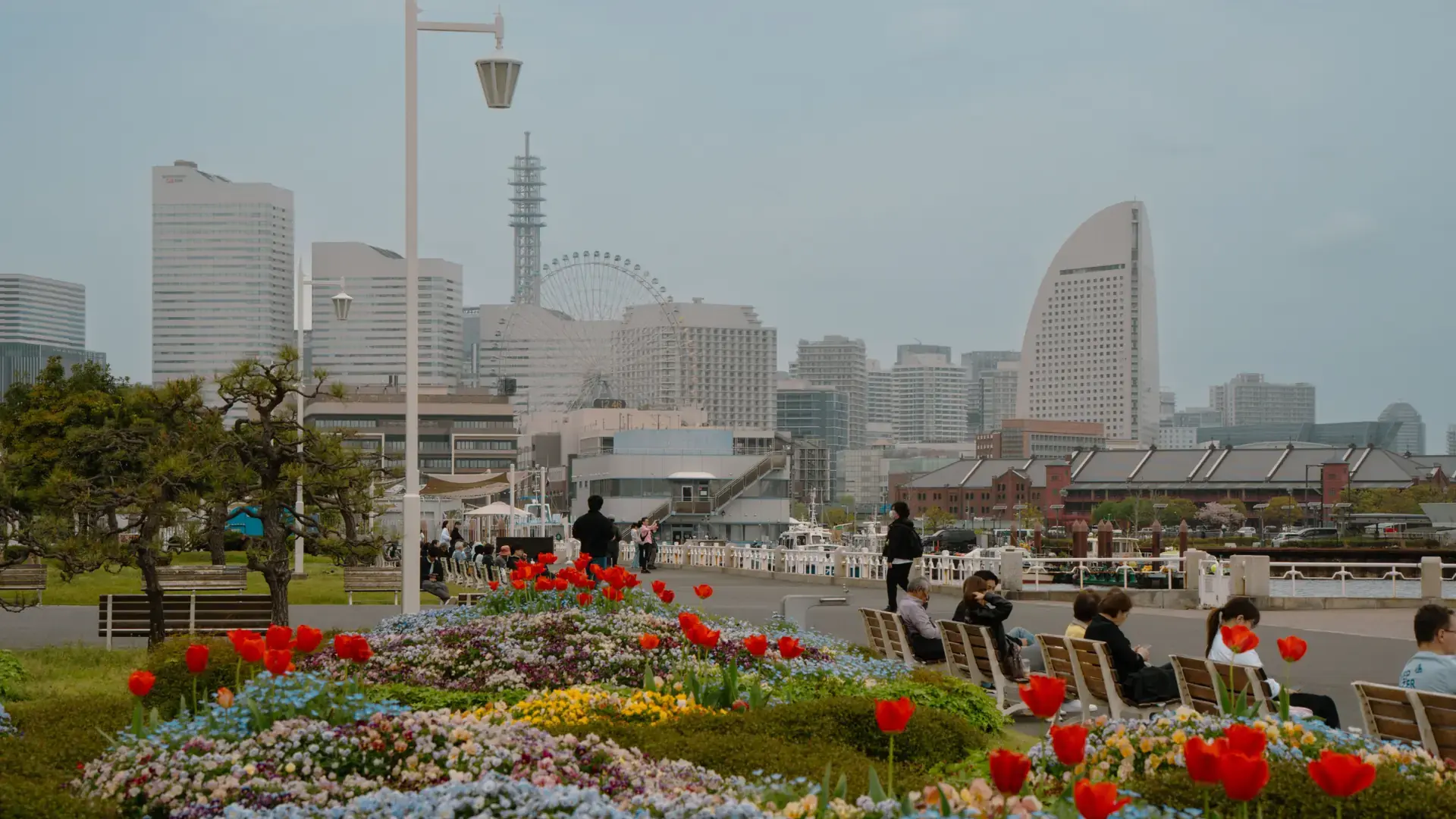
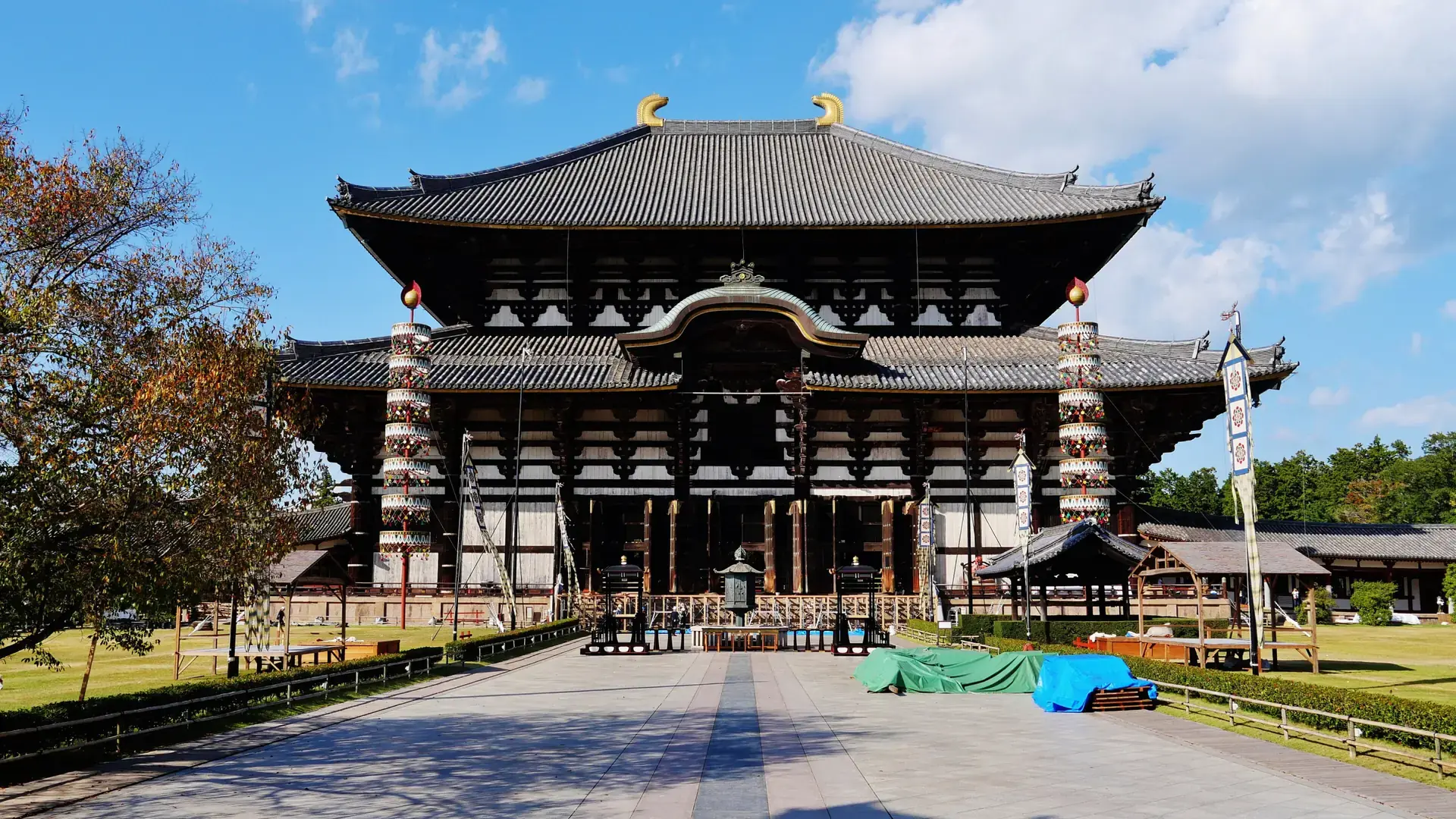
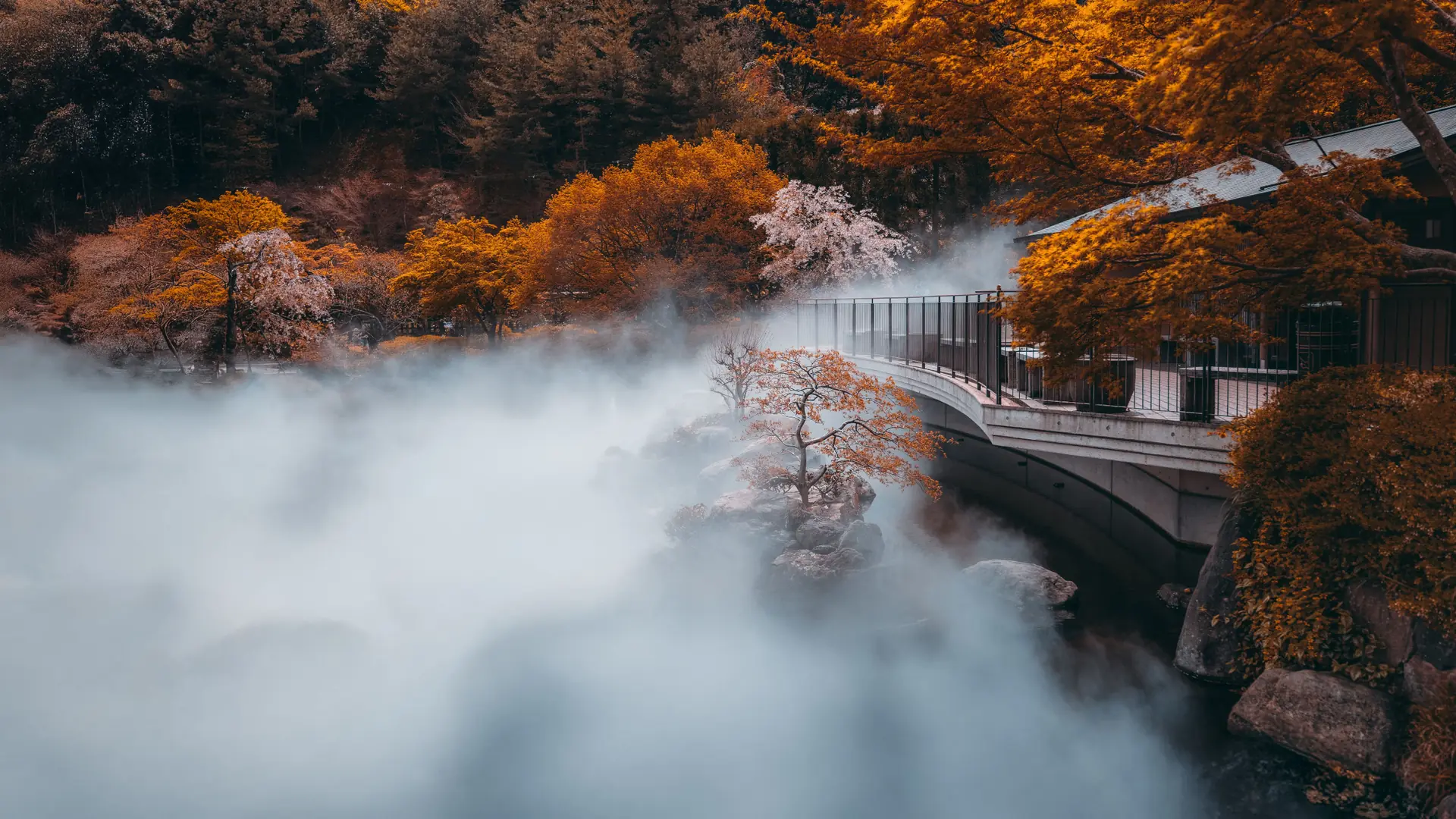
Temple gardens and historic streets in spring light
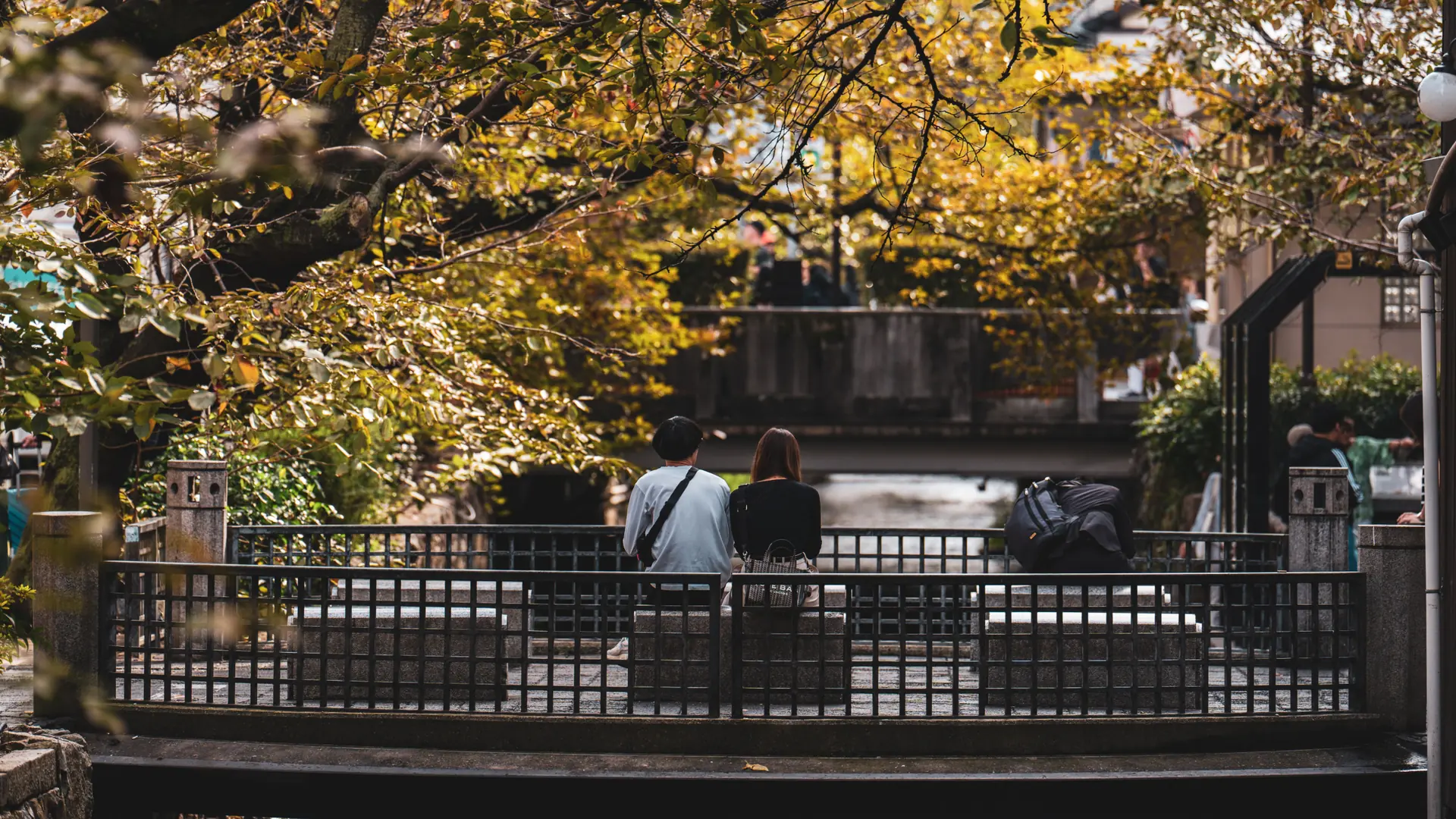
Keep eastern, southern and western choices separate, swapping their order with current crowd and flower conditions. Two full mornings provide room to change direction without spending the day crossing Kyoto.
Watch out: Road congestion and blossom crowds amplify each other.
Read the Kyoto guide →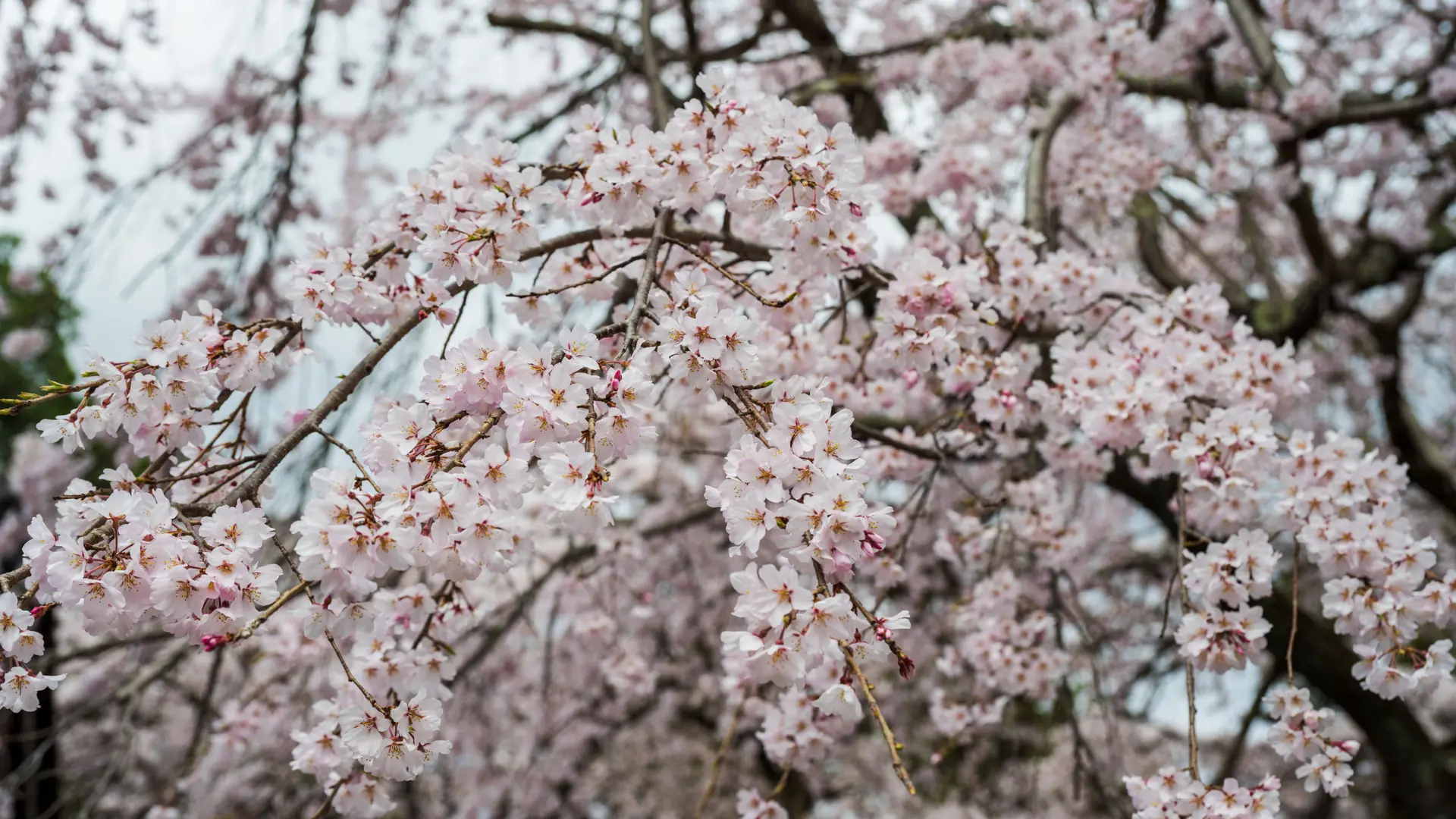 3
3
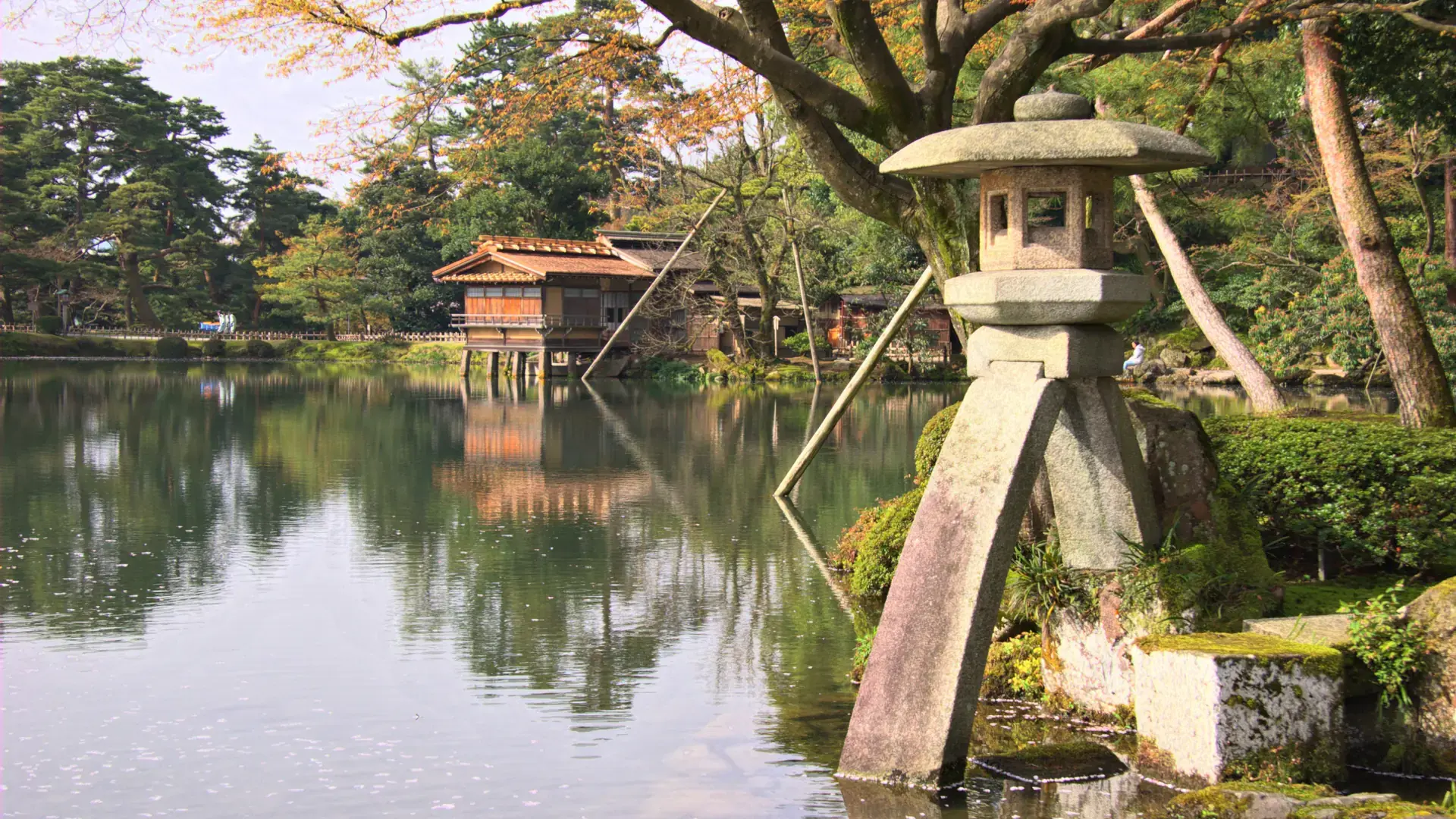
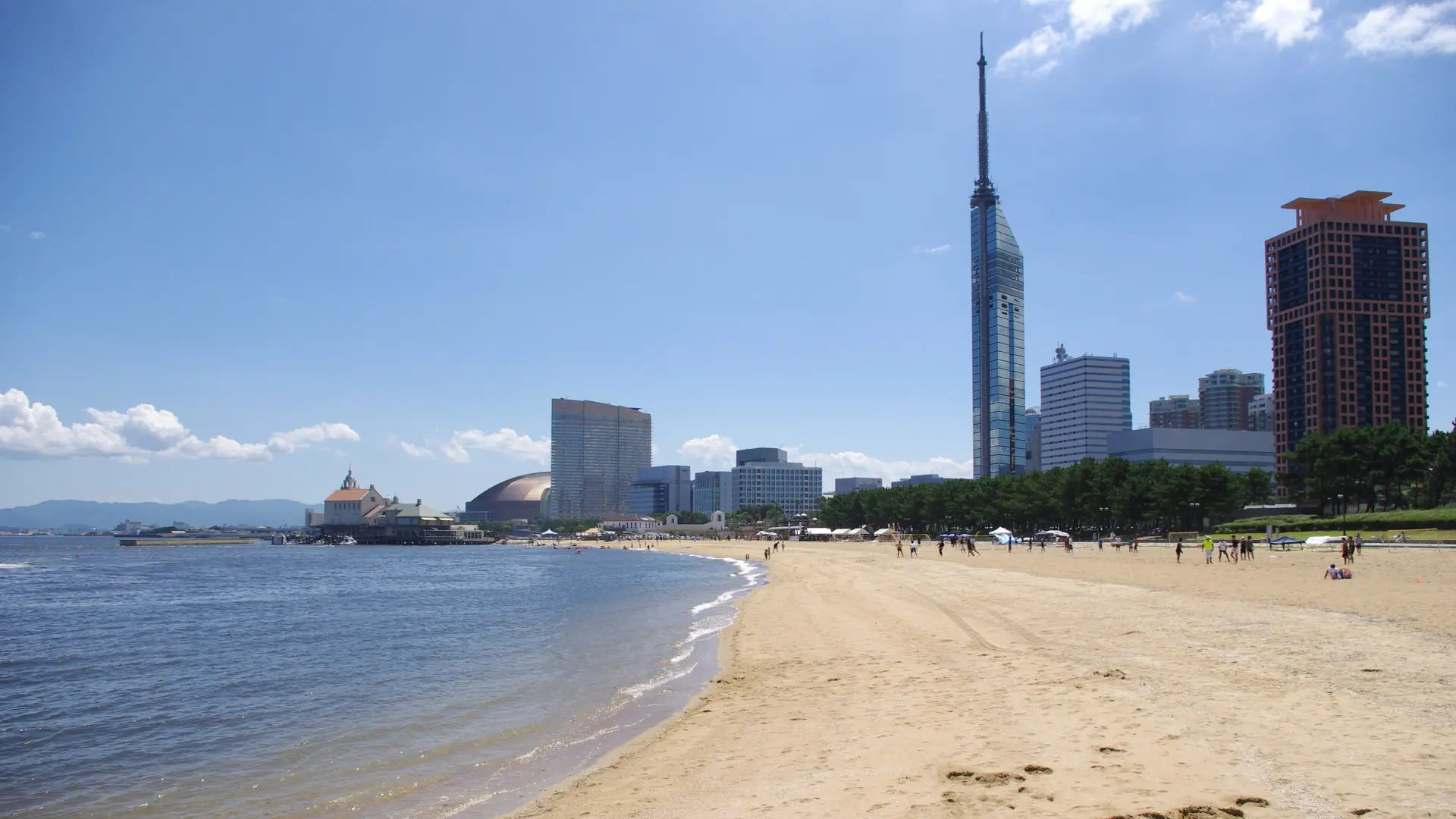
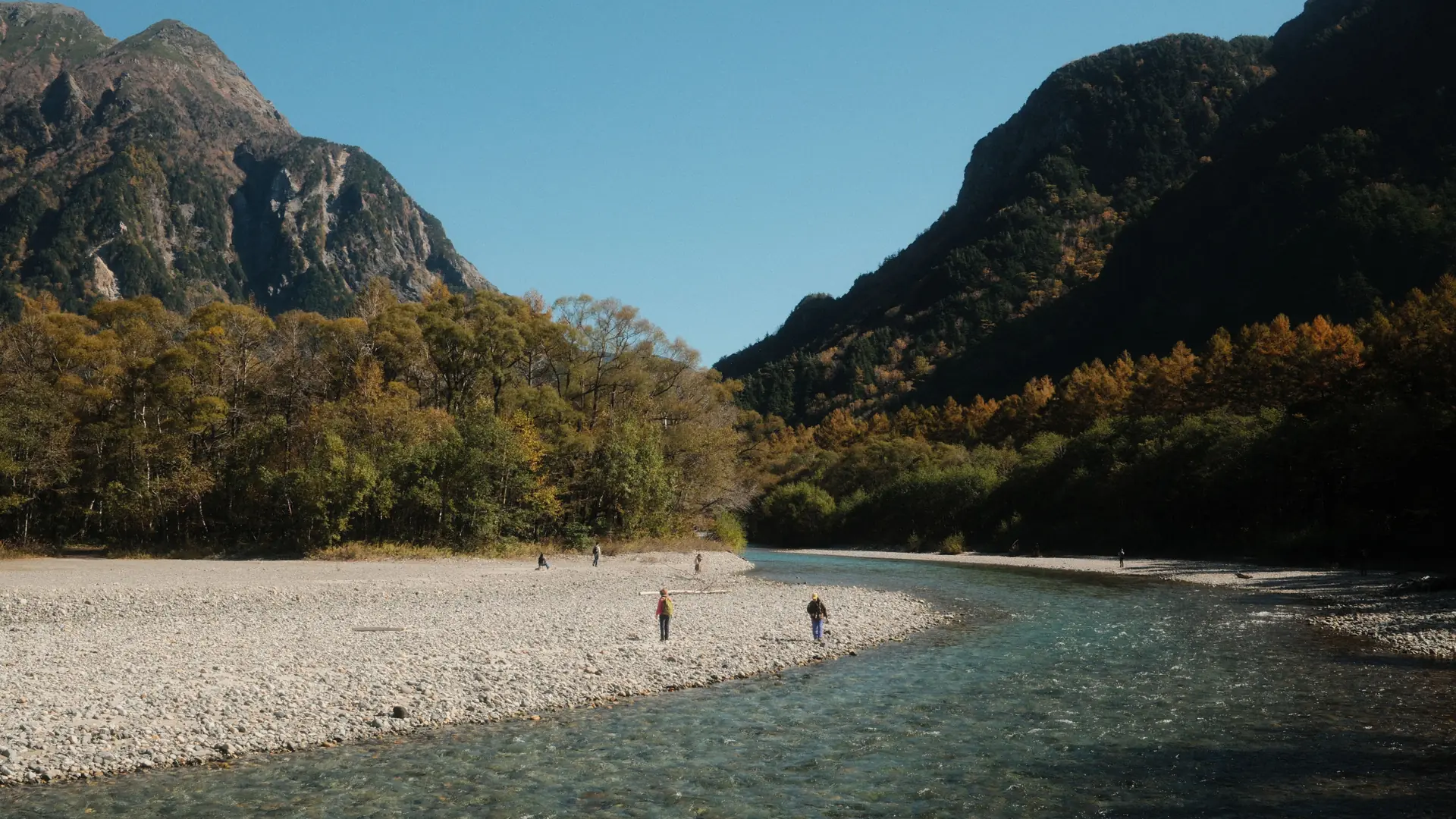
Layered mountain blossom scenery and pilgrimage landscape
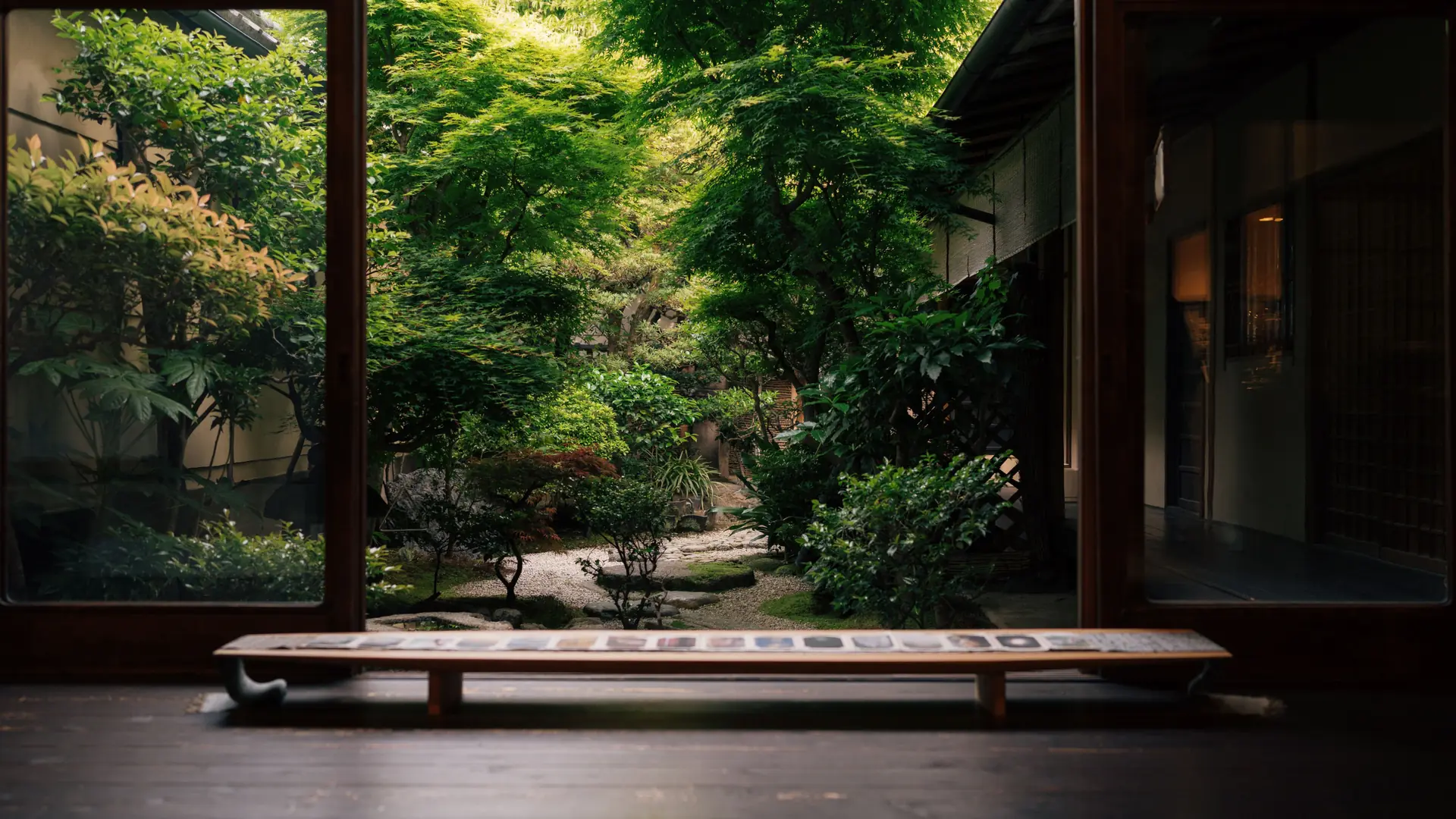
Arrive with a small bag, walk only the elevation band suited to conditions and respect the mountain’s religious and residential life. Sleeping locally gives you an early window that a rushed round trip from Osaka cannot reproduce.
Watch out: Steep paths, weather and seasonal transport make this more than a photo stop.
 4
4
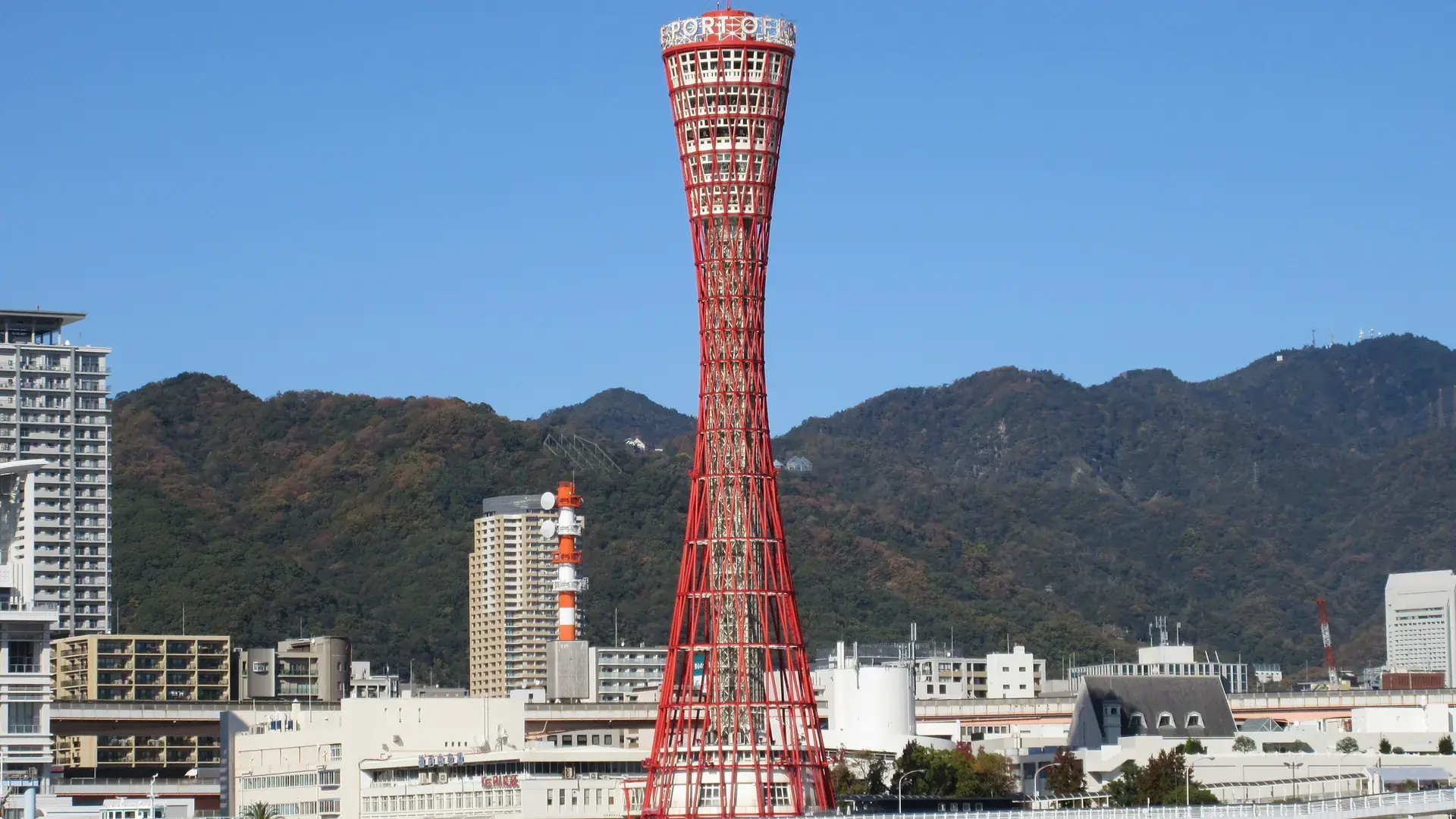
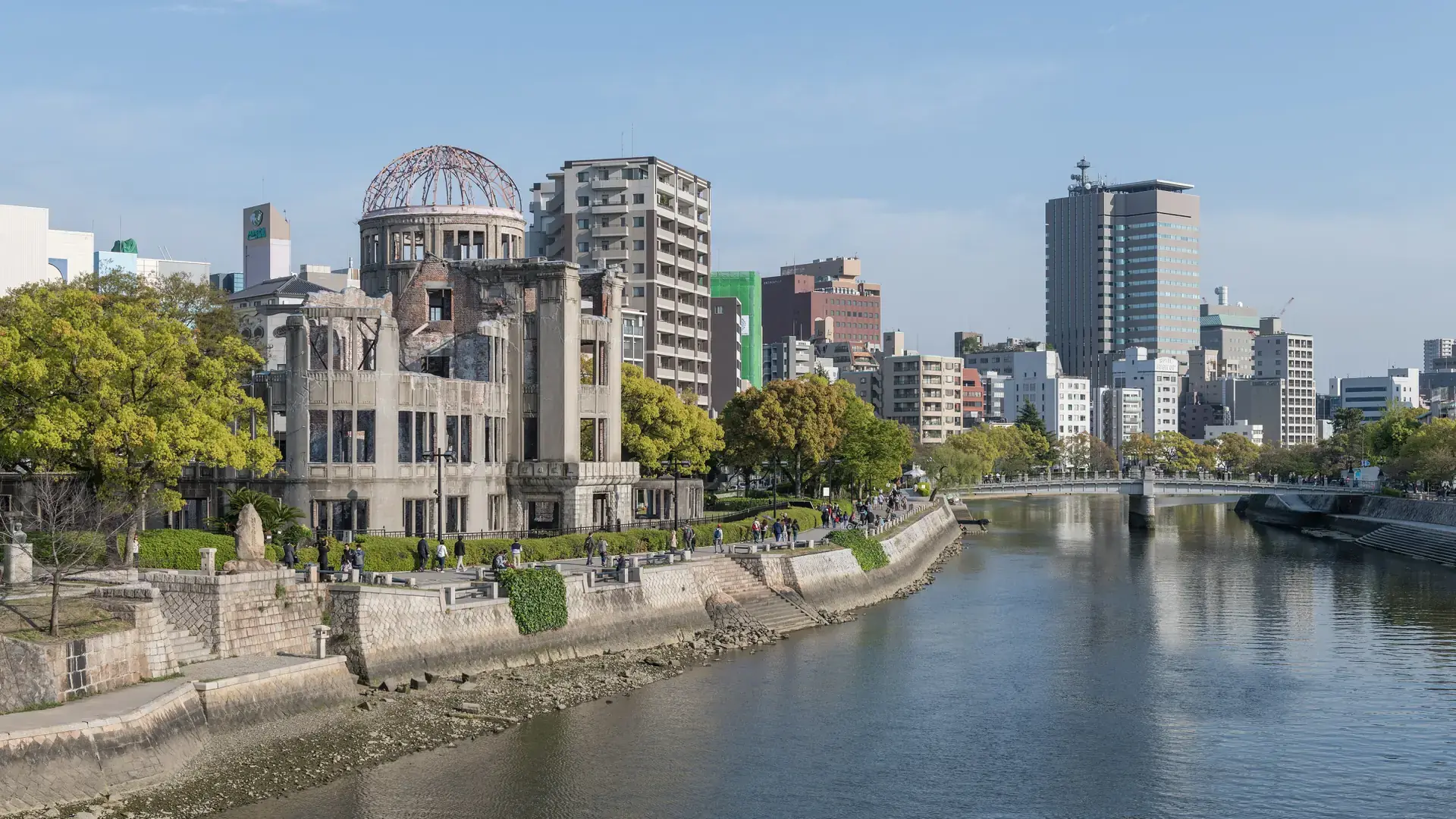
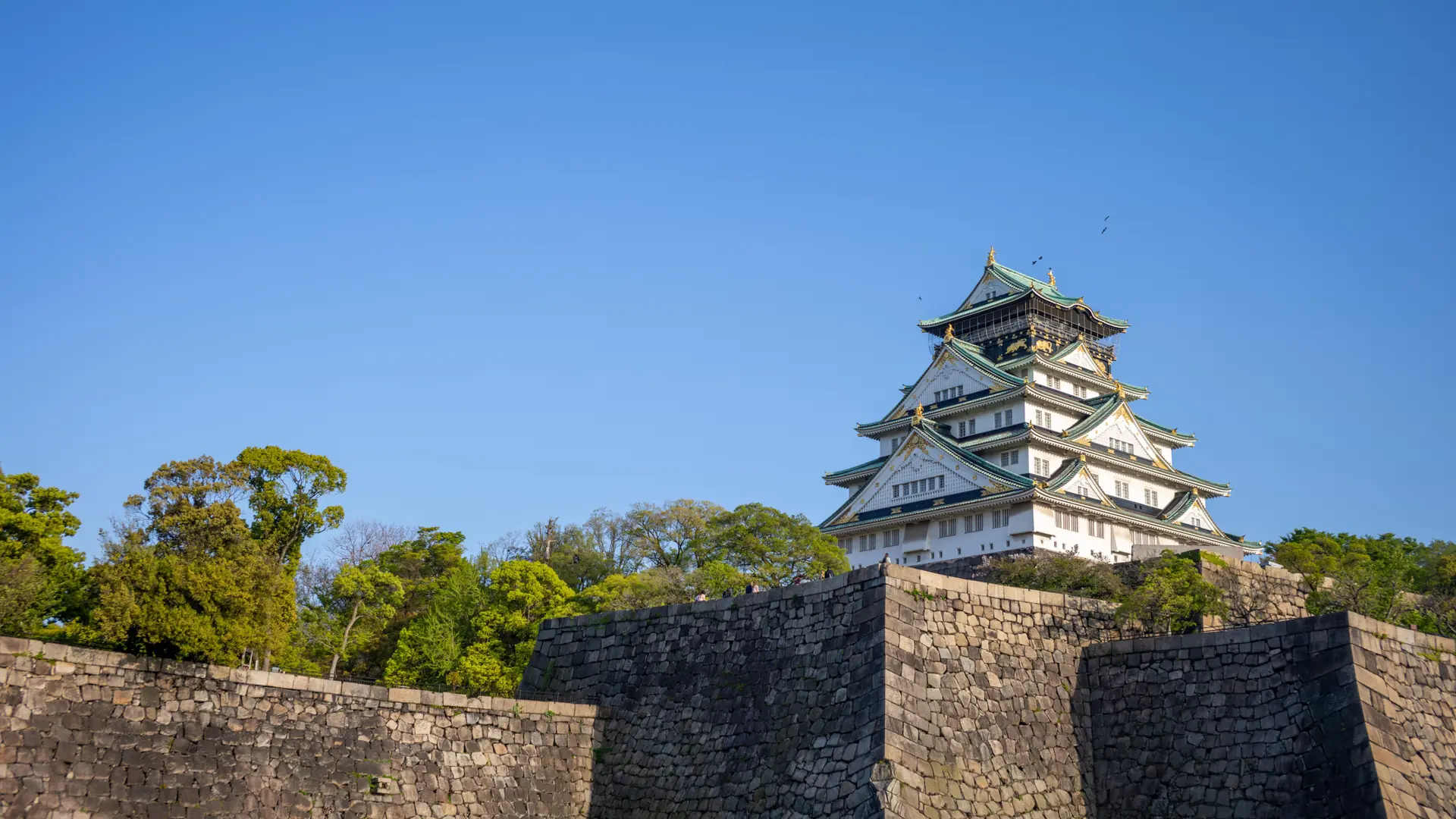
Food, river walks and a resilient final departure base
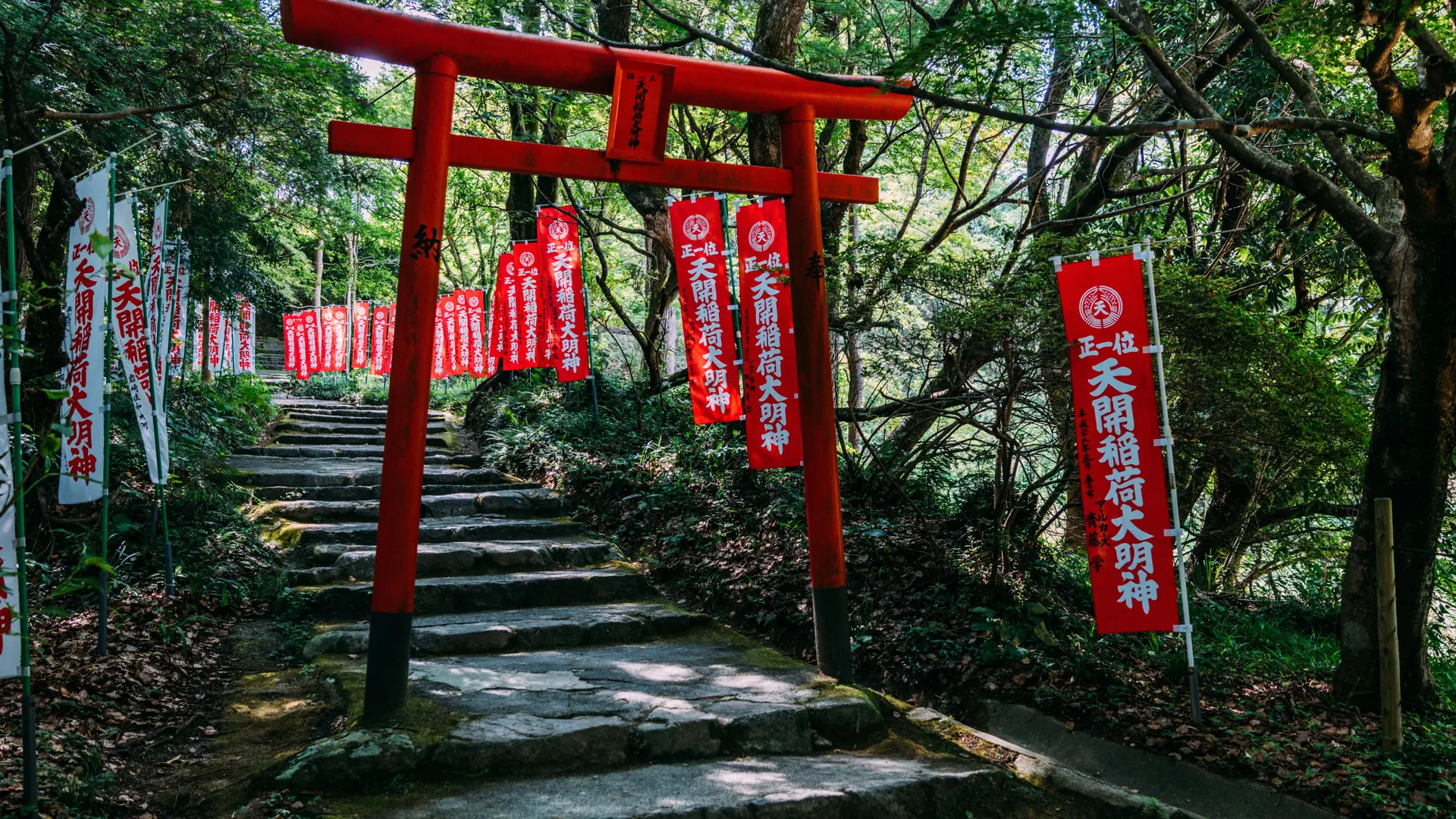
Use one complete Osaka day for a market, waterside walk and evening food district, selecting any blossom stop from live local conditions. The city gives the journey a lively culinary finish even if the flowers disappoint.
Watch out: Do not turn the final day into another distant blossom chase.
Read the Osaka guide →The spring route travels steadily west, with one mountain detour at Yoshino. Rail journeys do not double as sightseeing blocks: leave room for crowded platforms, forwarded luggage and the possibility that bloom conditions change the next day’s priority. Check the official forecasts each evening, but keep one non-floral alternative nearby because wind and rain can alter a promising scene overnight.
Morning: hotel check-in and a nearby spring walk. Midday: a current official bloom update and tomorrow’s local choice. Later: an early meal without a rigid viewing reservation. A forecast is guidance, not a contract. Arrival day gathers evidence instead of spending energy on rumours.
Base: Tokyo
Morning: a canal, river or garden chosen from current reports. Midday: Asakusa, Ueno or Yanaka as the cultural second layer. Later: a dinner kept east of the city centre. Do not occupy paths with tripods during commuter or peak walking periods. Flowers become part of a neighbourhood rather than the entire subject.
Base: Tokyo
Morning: a western garden or shrine approach. Midday: one museum or architecture walk after the light hardens. Later: a final Tokyo dinner and luggage-forwarding handover. Rain may favour indoor collections and a later wet-petal walk. Two different city environments hedge the bloom stage gracefully.
Base: Tokyo
Morning: the Tokaido Shinkansen after breakfast. Midday: hotel check-in and one nearby river or lane. Later: a crowd-informed decision for tomorrow at dawn. Avoid crossing Kyoto for a weak afternoon report. The long rail move still leaves a useful local evening.
Base: Kyoto
Morning: a temple garden or canal walk at opening. Midday: a single Higashiyama cluster and quiet lunch. Later: rest followed by a lantern-lit local evening. Respect photography rules and never shake branches for petals. Architecture and landscape sustain the day at every bloom stage.
Base: Kyoto
Morning: Fushimi, Arashiyama or a northern garden selected from evidence. Midday: one adjoining cultural visit instead of a cross-city race. Later: the final Kyoto dinner with bags ready for Yoshino. Live congestion information matters alongside flower condition. An uncommitted geographic slot is the route’s most valuable spring asset.
Base: Kyoto
Morning: an early rail departure through the Kii approach. Midday: lower or middle mountain paths suited to the day. Later: a quiet local dinner after day visitors descend. Check the exact seasonal access and walking demands before setting out. The overnight converts a pressured excursion into a landscape stay.
Base: Yoshino
Morning: the suitable elevation band in early light. Midday: descent, lunch and the onward rail journey. Later: Namba after check-in, without another attraction list. Weather can make higher paths unsuitable even when blossoms are reported. A measured departure preserves the mountain and Osaka evening.
Base: Osaka
Morning: a market or castle-park walk selected by local conditions. Midday: one food-focused neighbourhood and a hotel pause. Later: Dotonbori and Hozenji after dark. Avoid repeating Kyoto’s temple vocabulary here. Food, water and commercial energy provide a deliberate tonal change.
Base: Osaka
Morning: breakfast near the hotel. Midday: the airport transfer matched to terminal and flight. Later: a calm margin for check-in. Online bloom excitement is never a reason to risk departure. The route ends where its westward logic intended.
Base: Osaka
The Tokaido corridor is straightforward; Yoshino is the deliberate exception, requiring a smaller bag, an early start and enough flexibility for seasonal crowd controls or weather.
3 transfers
Tokyo Kyoto
Take the Tokaido Shinkansen west and reserve baggage space where the case requires it.
Booking note: Use a flexible city-day sequence around the fixed intercity ticket.
Kyoto Yoshino
Travel south via the appropriate interchange; local and seasonal services need same-week confirmation.
Booking note: Carry a small bag and verify the lodging’s latest arrival instructions.
Yoshino Osaka
Descend through the Kintetsu network toward Osaka after the morning mountain window.
Booking note: Do not reserve an inflexible connection immediately after a long hillside walk.
Check current rail timetables, reserved-seat conditions and official Yoshino access notices close to the travel date; blossom forecasts do not guarantee conditions on arrival.
Spring premiums are defensible when they buy flexibility or a better morning position. Choose cancellable rooms until the route is firm, place the Kyoto hotel near the district you intend to enter early, and hire a specialist who can interpret current conditions rather than recite famous viewpoints. Forward the main case around Yoshino. Paying more cannot improve the flowering date, but it can reduce wasted travel and make a wet or crowded day easier to reshape.
Booking tips
Compare live stays in Kyoto after fixing the route dates and the first appointment each morning.
The line follows likely spring travel south and west without implying that flowering advances on a fixed timetable.
Kyoto
Tokyo and Kyoto provide several independent blossom areas, Yoshino adds a mountain landscape with a different flowering progression, and Osaka makes the departure practical. The fourth base is justified by place and timing rather than distance. More hotel changes would reduce the ability to react to the current bloom; fewer would make Yoshino a punishing out-and-back day.
Not automatically. Price the Tokyo–Kyoto Shinkansen, the Yoshino excursion and any airport leg individually, including the private-rail segments the national pass does not cover. Reserved point-to-point tickets may cost less and avoid shaping the itinerary around pass validity. The most valuable flexibility in spring is changing a local viewing plan, not adding unnecessary long-distance trains.
Leave the main case at the Kyoto hotel during the Yoshino excursion, then forward it to Osaka before departure if that improves the final transfer. Carry only a day bag on the mountain trains and paths. Confirm Osaka’s receiving date in advance, and keep medication, documents, electronics and a rain layer with you.
A spring-aware guide helps when the goal is to interpret a garden, photograph at difficult light or switch intelligently after rain and crowd reports. Ask for a flexible district plan rather than a promise of peak bloom at one tree. Official forecasts guide the broad route, but a good specialist translates current local conditions into a worthwhile morning.
Keep the two Tokyo area choices and two Kyoto clusters interchangeable until current flowering, rain and congestion reports are available.
Book flexible rooms and intercity structure early, then decide exact blossom walks from the official forecast and local conditions close to travel.
Reviewed by StartBooker editorial Japan seasonal itinerary editor
Last checked 2026-09-13
How this route was checked: Fourteen current sources across nine publishers were reviewed, led by the official national blossom forecast and local destination guidance. Independent itineraries were used to challenge pace, never to promise bloom dates.
14 references reviewed
Photos provided by Pexels.
Choose a complete route with the stops, transport and overnight plan already mapped out.
Which stop deserved its night count?