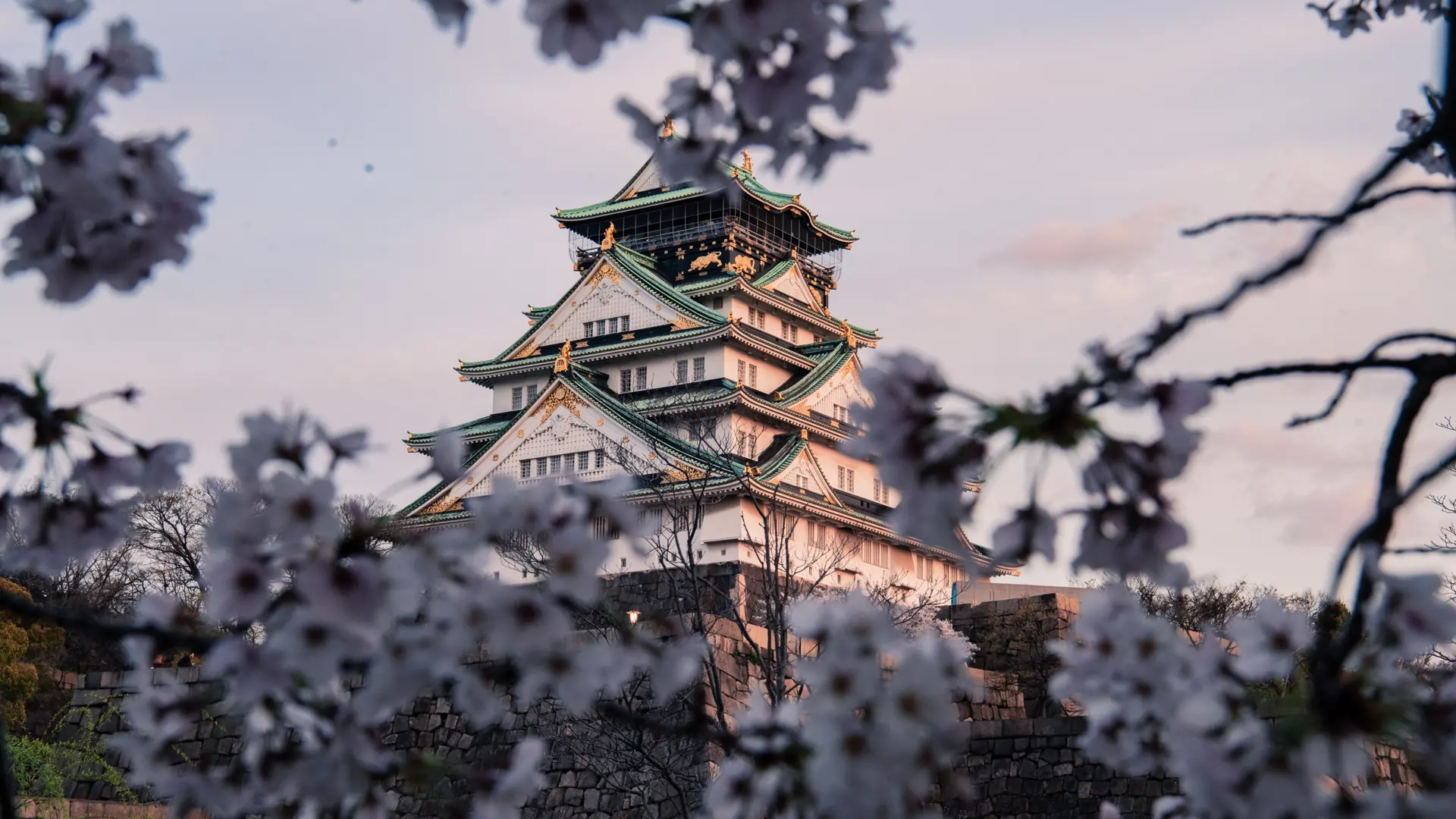
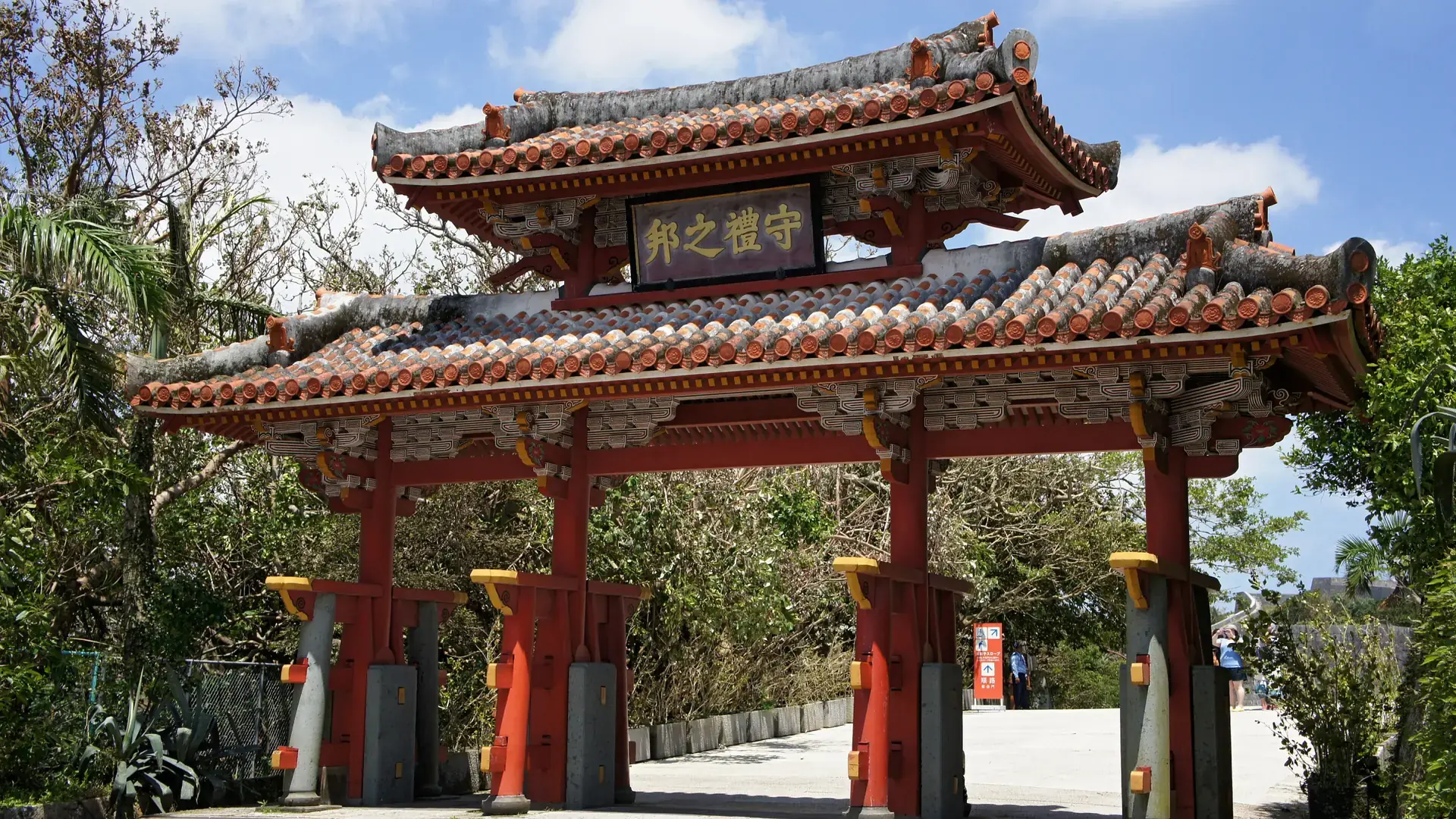
Shureimon's vermilion gate at Shurijo Castle Park framed by tropical green trees and blue sky

Where to stay in Naha for Ryukyu culture and island ferries

Loading Naha hotel search

Naha solves airport and ferry logistics, but it should not be sold as a resort beach stay

Choose a Yui Rail base for a car-free city visit, Tomari for a fixed boat, or Shuri for heritage. Travellers seeking a broad white-sand resort should split Naha with the Onna coast or another island rather than expecting Kokusai-dori to deliver that experience.

First and last nights Kumoji or Makishi

Both retain direct monorail access while keeping meals and errands easy.

Market evenings Makishi and Asato

Arcades, public-market streets and Sakaemachi create distinct food rhythms on opposite sides of the centre.

Kerama departure Tomari

Stay near Tomarin only when the booked ferry time justifies moving away from rail.

Shuri in late 2026 Check the castle phase

The restored Seiden interior is scheduled for timed public visits from 23 November 2026.

StartBooker answer

Is Kokusai-dori, Shuri or Tomari the right Naha base?

Stay around Makishi or the central stretch of Kokusai-dori for the easiest first visit: Yui Rail links the airport and Shuri, while markets, arcades and Okinawan restaurants fill the evening. Kumoji and Asahibashi work better for the bus terminal, offices and a quieter western end. Tomari suits early Kerama ferries, and Shuri gives a residential cultural stay near the former royal capital. Naha is an urban gateway, not Okinawa's main beach-resort coast.

Best all-round base
Makishi and Kokusai-dori
Best for buses
Kumoji and Asahibashi
Best for ferries
Tomari
Best cultural quiet
Shuri
AI-powered

Build Naha around the flight, ferry and one cultural anchor

Add your arrival terminal, Yui Rail stop, Kerama sailing, Shuri date, luggage and whether a rental car begins later; the planner can test the hotel against actual transfers.

Eight Naha bases for distinct versions of an Okinawa stop

Naha stretches from airport-facing transport streets to a hilltop royal capital. A short urban distance can still hide heat, traffic, port luggage or a steep final walk.

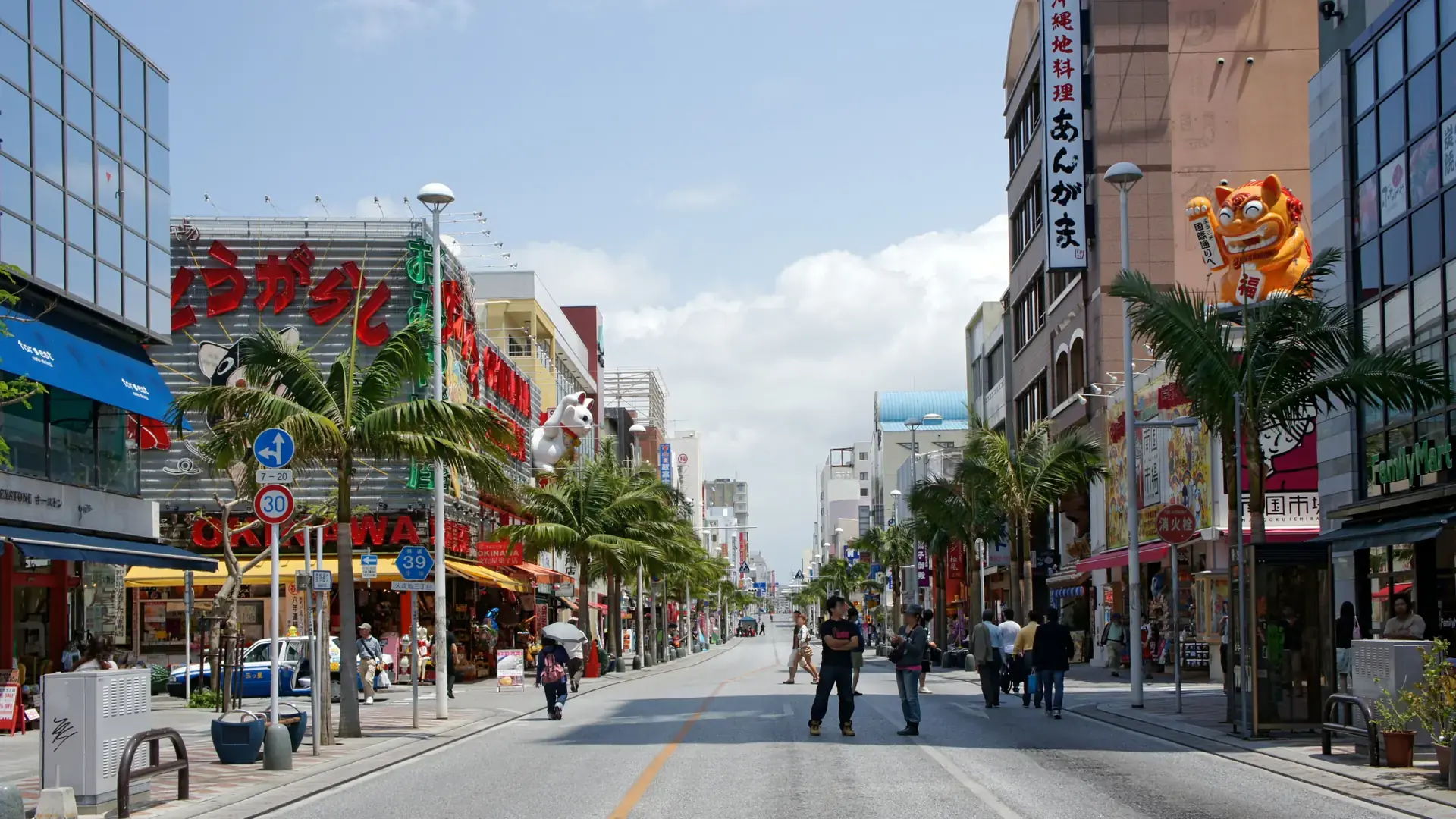
Kokusai-dori's bright palm-lined avenue and colourful Okinawan storefronts

Makishi and Kokusai-dori

first visits, food, markets and car-free evenings

Book here when Naha itself, rather than a rental-car road trip, fills the stay.

Sleep: lively; inward-facing upper rooms are safer for early departures.

First visit Food Yui Rail

Check whether the entrance faces Kokusai-dori, an arcade or a quieter rear lane.

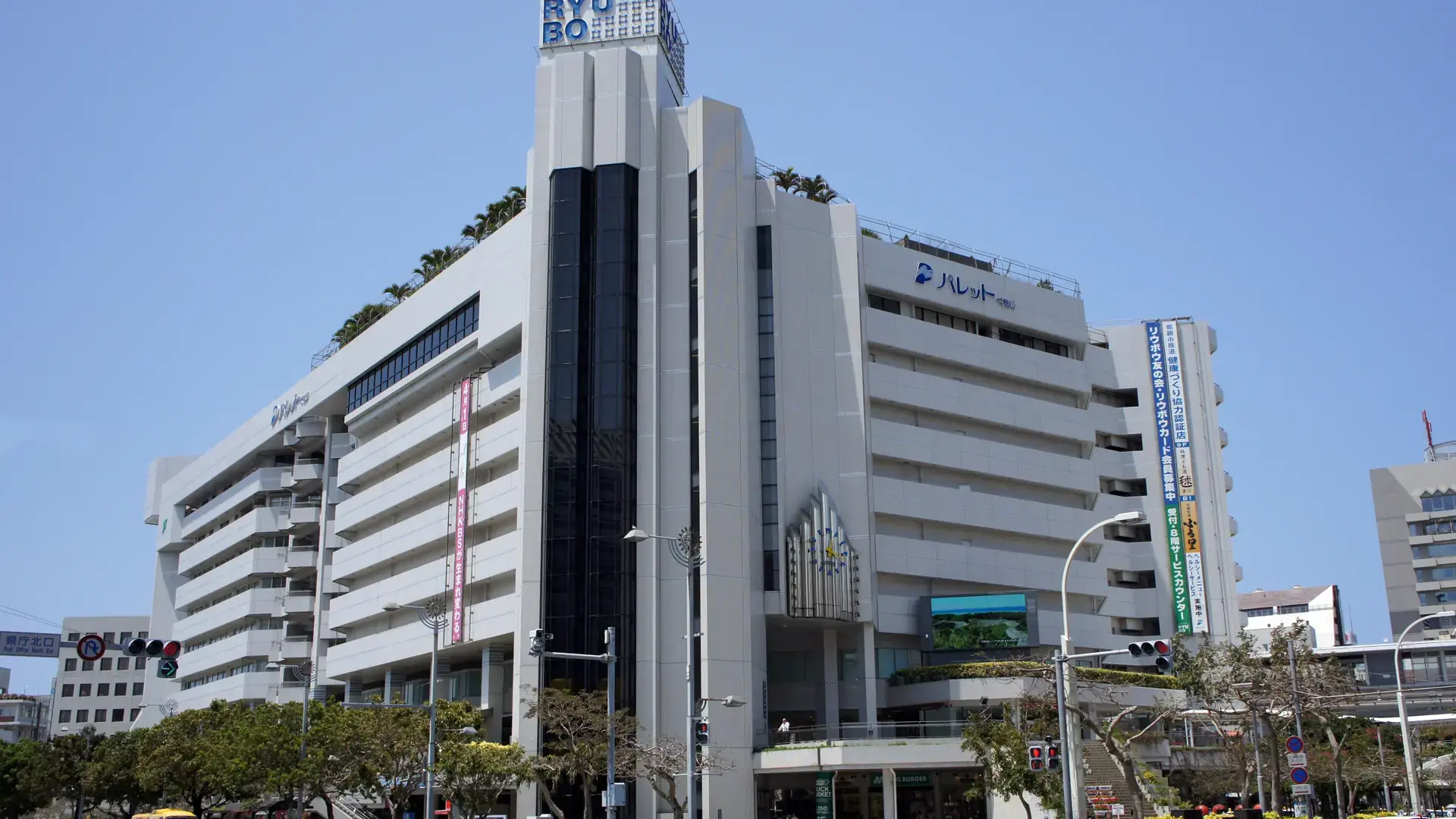
modern Kumoji skyline and Yui Rail crossing central Naha in clear daylight

Kumoji and Asahibashi

airport access, buses, business comfort and short stays

Choose the west end when flights or main-island buses matter every day.

Sleep: moderate around arterial roads, quieter in modern insulated rooms.

Airport Bus terminal Short stay

Asahibashi and Kencho-mae serve different ends; match the hotel to the useful station.

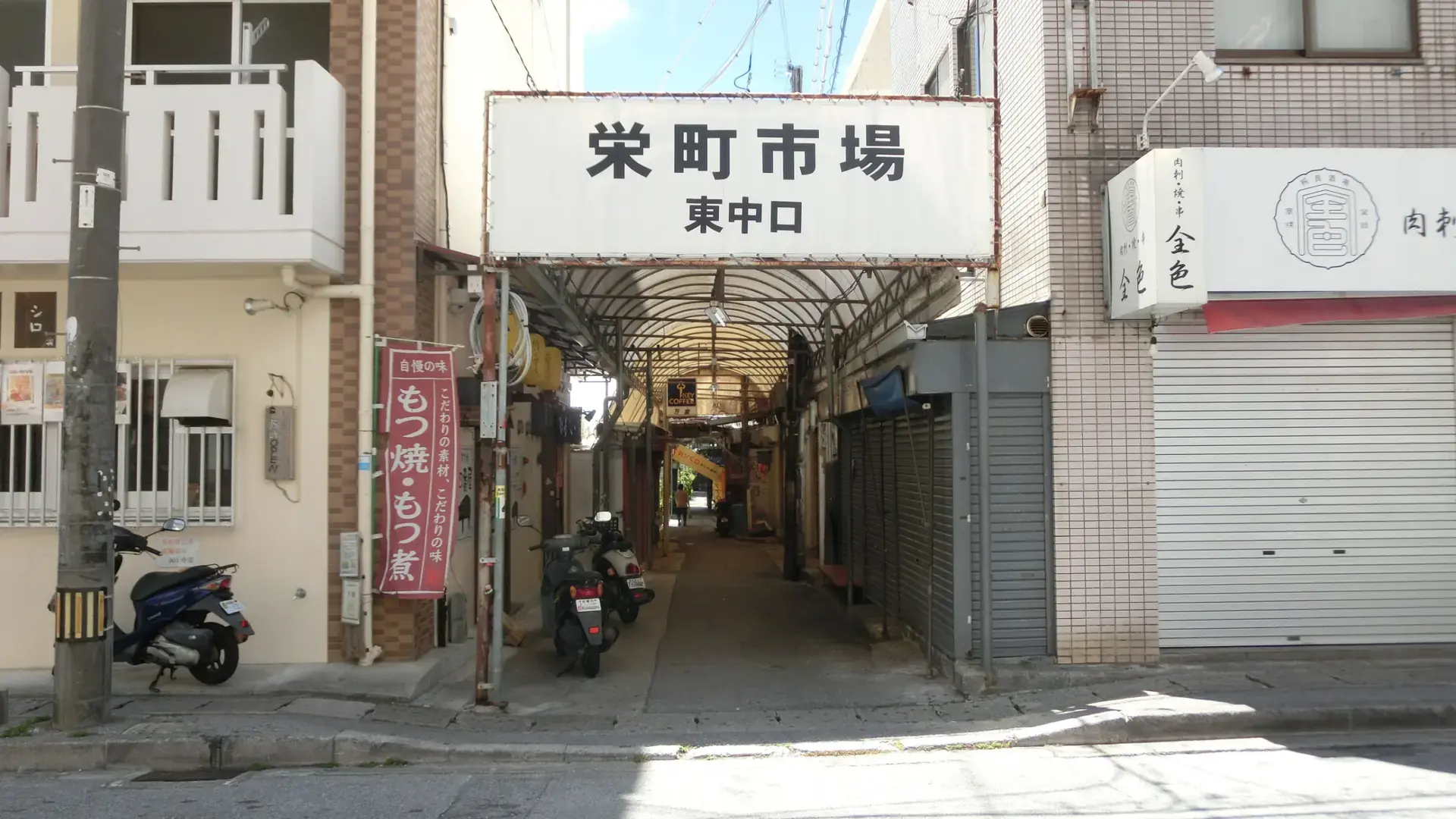
colourful stalls and lanterns inside Naha's Sakaemachi Market in daylight

Asato and Sakaemachi

local market nights, izakaya and lower-key food

Stay here when small food counters matter more than a landmark view.

Sleep: variable around bars, calm a few blocks into residential areas.

Local food Night market Value

Inspect the immediate route from station to hotel and choose well-reviewed streets.

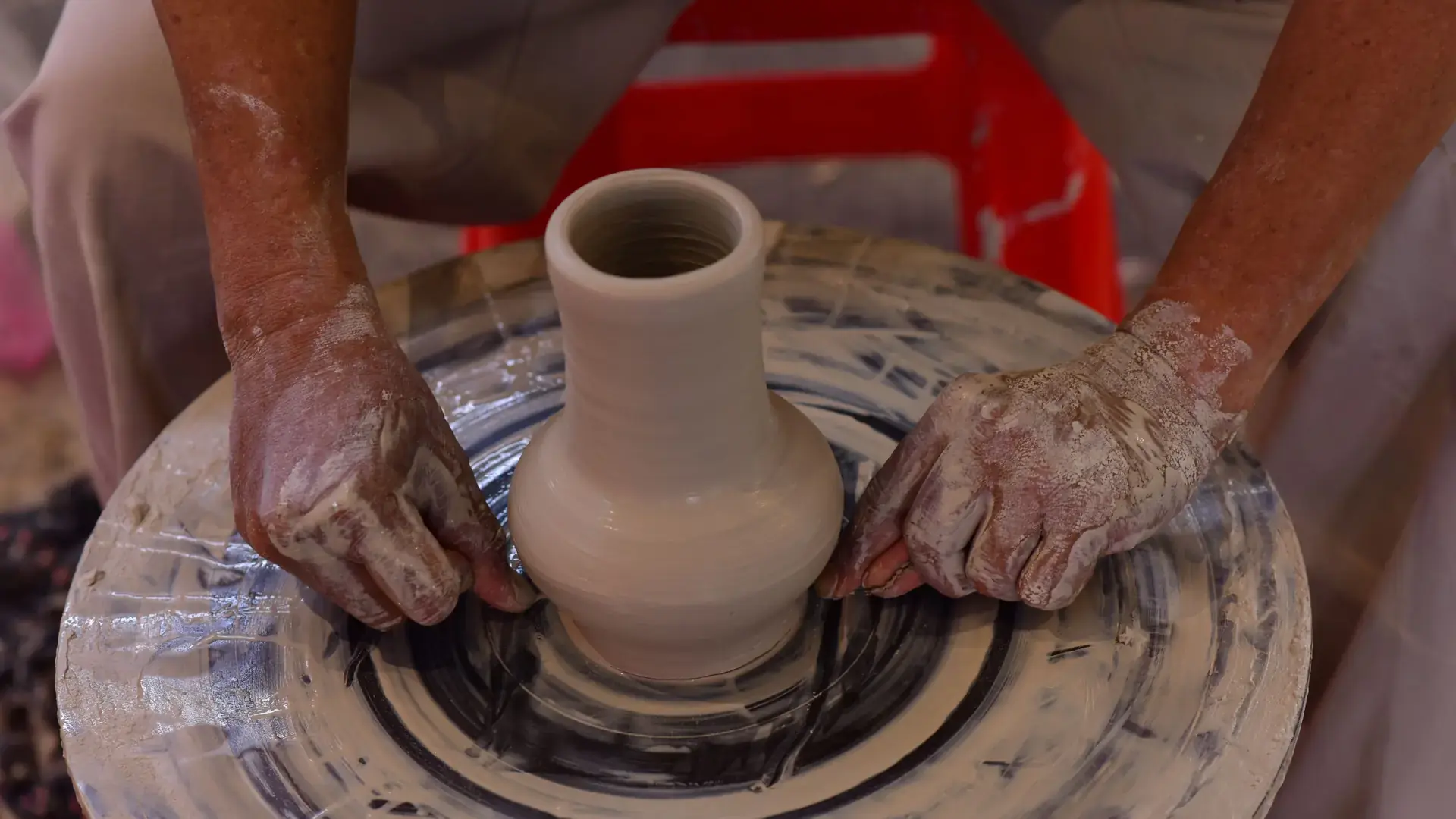
potter shaping a clay vessel by hand on a wheel in a sunlit artisan workshop

Tsuboya and the pottery quarter

crafts, traditional lanes and creative slow travel

Use Tsuboya when material culture and neighbourhood character justify extra walking.

Sleep: generally calm away from main roads and workshop delivery hours.

Crafts Quiet Old streets

Confirm step-free access and late check-in at small accommodation.

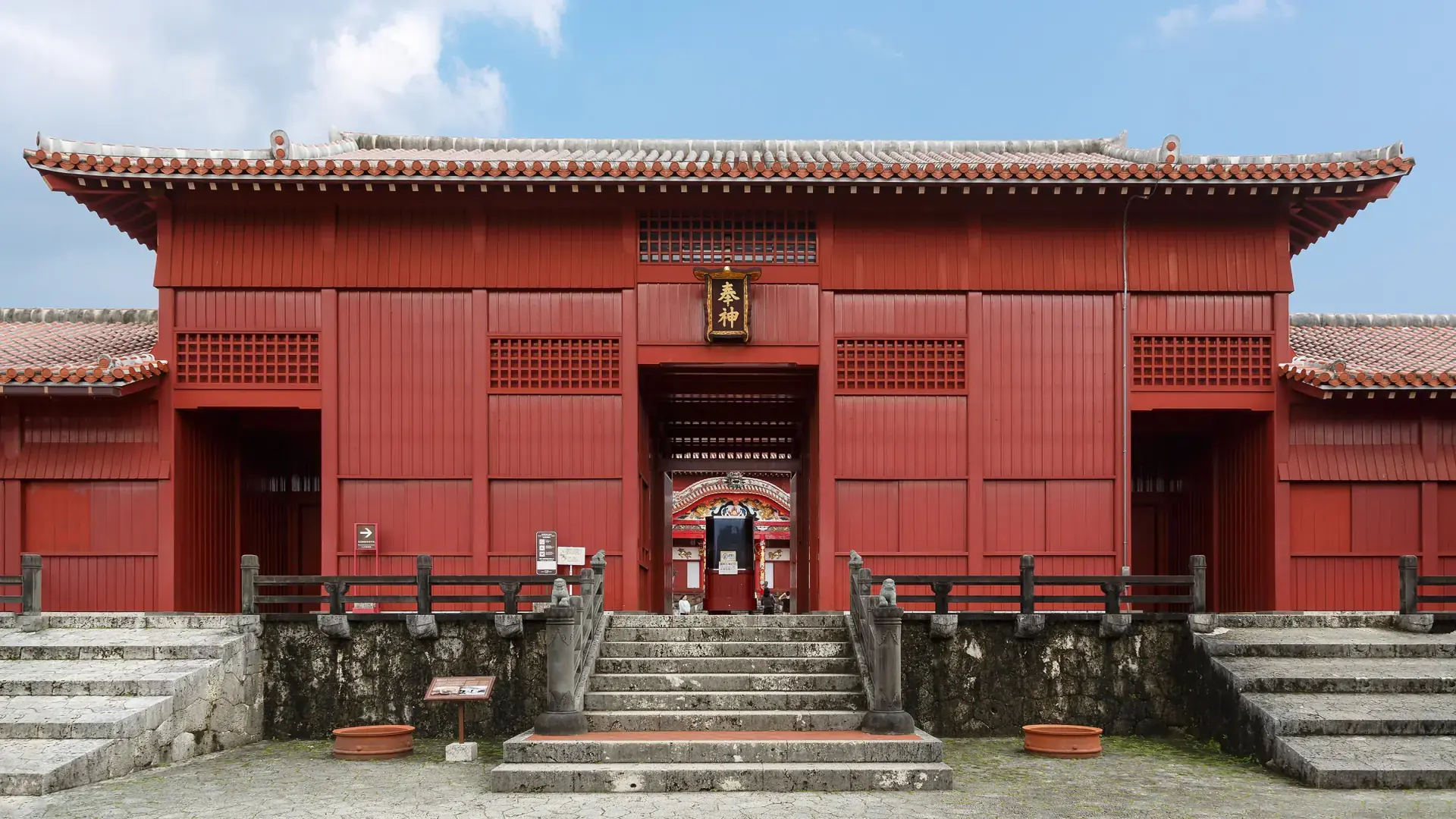
Shureimon gate glowing red against blue sky in green Shurijo Castle Park

Shuri

Ryukyu history, castle mornings and residential calm

Choose Shuri when cultural depth deserves the first and last hours.

Sleep: quiet in residential streets, with occasional road traffic near stations.

History Shurijo Quiet

For visits from 23 November 2026, verify timed Seiden interior reservations before fixing the plan.

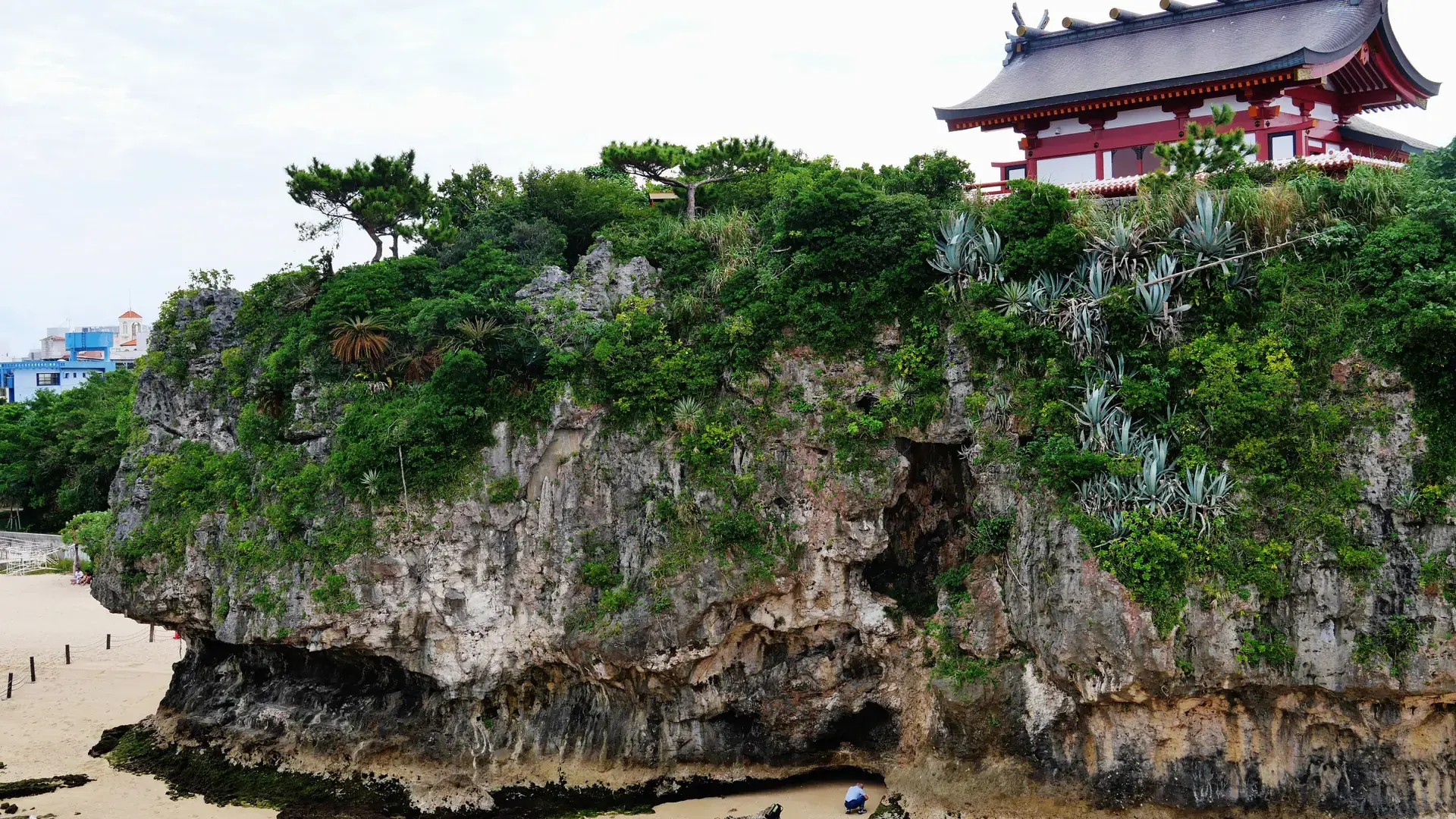
Naminoue Shrine above turquoise water and bright subtropical Naha coast

Tomari and Naminoue

Kerama ferries, port mornings and a city beach walk

Stay here for a confirmed sailing or a final waterfront night.

Sleep: mixed around port roads, calmer toward selected residential blocks.

Ferries Waterfront Airport

Identify the correct ferry terminal, check weather operation and leave luggage margin.

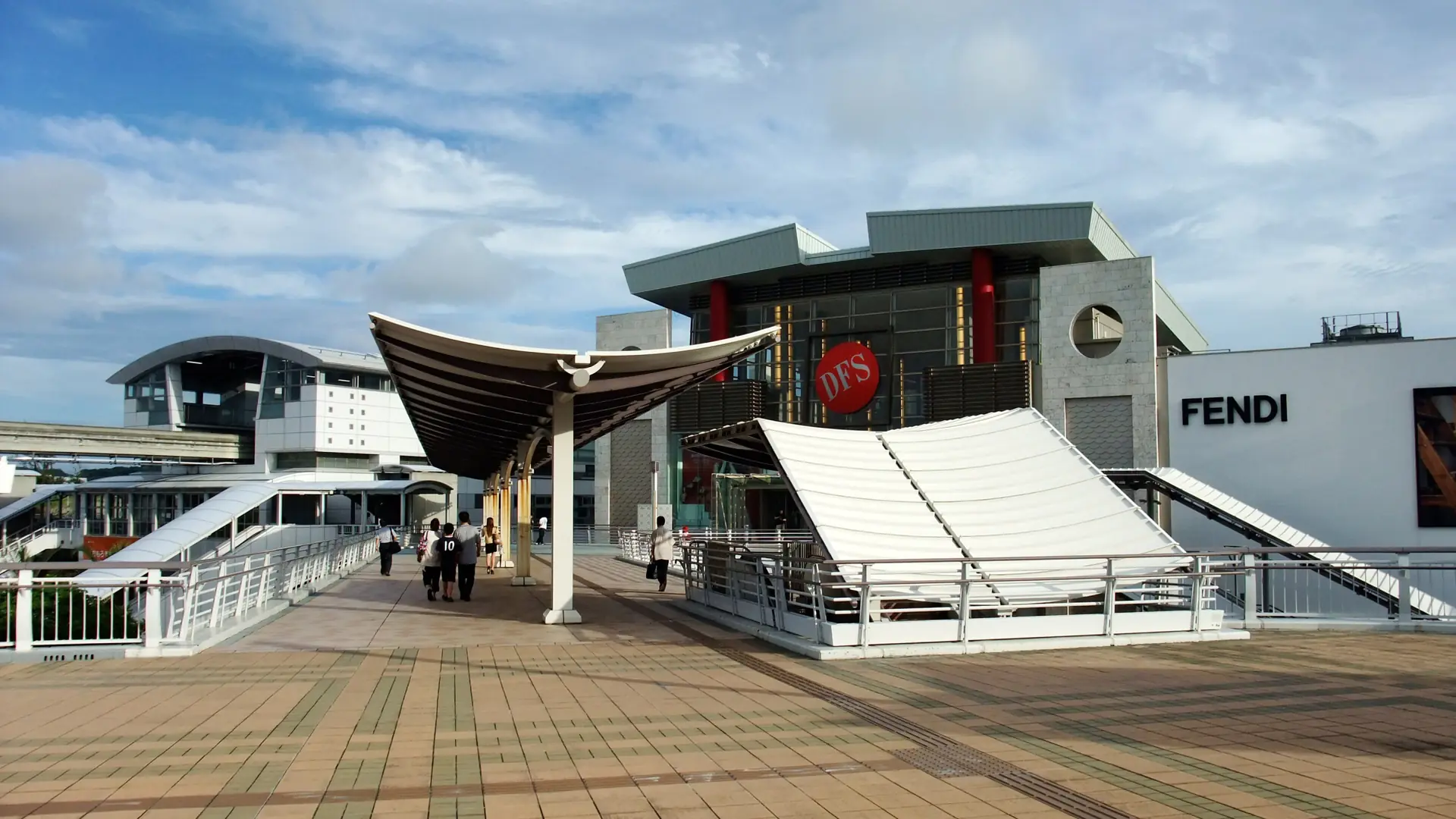
sunny Omoromachi Station plaza and modern shopping buildings in Naha

Omoromachi and Shintoshin

museum visits, modern shopping, families and monorail convenience

Stay in Omoromachi when air-conditioned culture and practical family errands matter between excursions.

Sleep: moderate around malls and arterial roads, calmer on park-facing residential blocks.

Museums Families Monorail

A Shintoshin listing can be far from Omoromachi Station; check the walking route in humid or rainy weather.

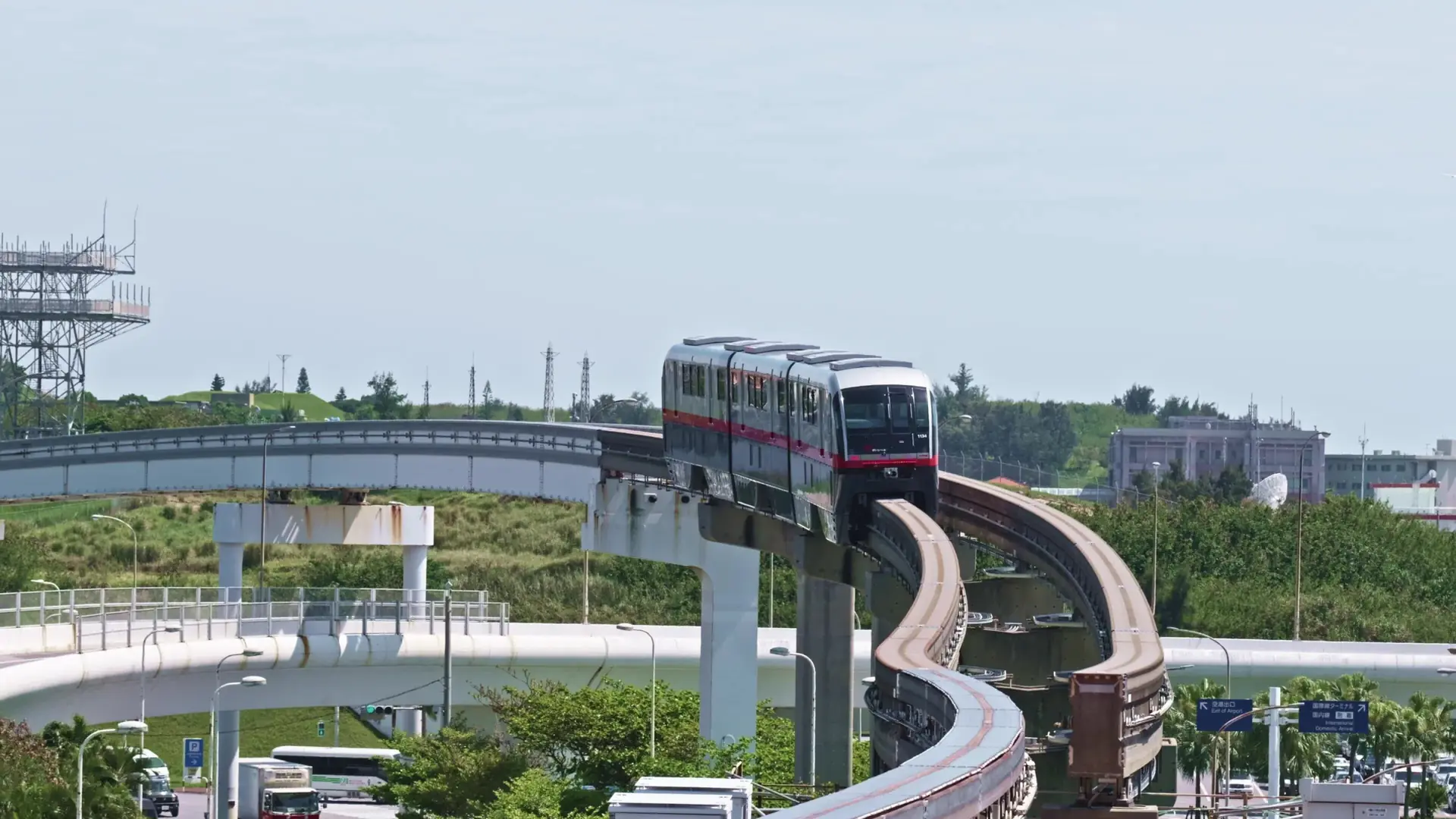
Yui Rail trains leaving Naha Airport Station above green airport-side landscape

Oroku and Akamine

airport nights, rental-car handovers and early southern-island departures

Base near Oroku or Akamine when the next day's airport clock matters more than a final Kokusai-dori evening.

Sleep: suburban, though aircraft and main-road sound depends on the exact building.

Airport Short stay Monorail

Confirm hotel shuttle claims and rental-car depot hours; airport proximity does not guarantee a walkable transfer.

Choose the base that protects the fixed departure
Area Best for Trade-off Getting around
Makishi and Kokusai-dori Complete first visit Noise and crowds Yui Rail and walking
Kumoji and Asahibashi Flight and bus links Business atmosphere Rail, bus and taxi
Asato and Sakaemachi Local food Patchy late-night feel Rail and walking
Tsuboya and the pottery quarter Craft immersion Luggage friction Walking and taxi
Shuri Royal history Farther from nightlife Rail, bus and walking
Tomari and Naminoue Island boats Less central Ferry, taxi and bus
Omoromachi and Shintoshin Museums and family logistics Less old-Naha atmosphere Yui Rail, bus and broad pavements
Oroku and Akamine Early flights and car returns Far from evening attractions Yui Rail, taxi and rental-car depots

Separate the Naha city stay from the Okinawa beach holiday

The capital is excellent for transport, culture and food; the resort decision often belongs elsewhere.

Explore Naha without a rental car

Base centrally when two days focus on Naha's own streets and history.

Do not promise effortless access to every main-island beach from one urban hotel.

Split the trip with Onna or a northern base.

Catch a Kerama boat without a dawn taxi gamble

Move only when a fixed early sailing justifies the transfer.

Stay central when the excursion departs later or includes hotel pickup.

Store large bags and carry an island overnight case.

Give Shuri more than a rushed monorail return

Stay east when Ryukyu history is the trip's main question.

Do not choose Shuri solely for a morning flight.

Makishi offers direct rail with broader evenings.

Protect the final night before an early flight

Use rail when check-in time is fixed and rental-car return is complete.

An airport hotel is unnecessary for a comfortable midday flight.

Makishi keeps a stronger final dinner while retaining direct rail.

Search Naha hotels by rail stop, ferry or cultural focus

Compare live stays after deciding whether the airport, Kokusai-dori, Shuri or Tomari controls the itinerary.

Search Naha hotels →
Loading Naha hotel results

Treat Yui Rail as Naha's spine and roads as a separate island decision

The airport connects directly to the centre by monorail. Ferries, buses and rental cars then branch into different travel systems with their own congestion and weather risks.

From Naha Airport

Yui Rail avoids central road traffic

Yui Rail avoids central road traffic

The terminal connects to Naha Airport Station and trains serve Asahibashi, Kencho-mae, Makishi, Asato and Shuri. Check the official 2026 timetable around the actual flight rather than relying on a general frequency.

A taxi helps with port bags or late groups

For several travellers, a short road transfer may be practical, but rush-hour traffic is real. Share the hotel name in Japanese and preserve time before a ferry or flight.

Use rail for the corridor, walking for texture and buses beyond it

The monorail intersects Kokusai-dori at useful but different points

The monorail intersects Kokusai-dori at useful but different points

Asahibashi and Kencho-mae serve the western end; Makishi serves the eastern market side; Asato continues toward local food streets. Pick the stop by the hotel entrance and day's direction.

Shuri requires a final walk or bus

The rail station is not the castle gate, and tropical heat amplifies the hill. Use a connecting bus or taxi when stamina, children or mobility make the scenic approach inappropriate.

A car becomes more useful outside Naha

The city itself works without one. Northern beaches, aquarium days and rural landscapes alter the calculation, but central parking and congestion mean collecting the car only when the road trip begins.

Compare rail-pass hours with the trips you will actually take

Yui Rail day products run by validity period

Yui Rail day products run by validity period

Operator information and independent transport guidance describe one- and two-day options. Verify the current 2026 price and start time, then count airport, centre and Shuri journeys before buying.

Plan heat, lifts and preserved surfaces together

A lift-equipped station does not solve the final street

A lift-equipped station does not solve the final street

Confirm the hotel's level entrance, monorail lift exit, Shuri slopes, Tsuboya paving and ferry boarding. Short taxi links can preserve an otherwise car-free itinerary for travellers with limited mobility.

Let tropical weather control the order without controlling the trip

Heat, typhoons and sea conditions affect Naha differently: city rail may continue while boats, outdoor heritage or northern roads need a new plan.

Build a weather-ready city layer

Summer requires shade and early cultural walks
  • Summer requires shade and early cultural walks

    Move Shuri, Tsuboya and exposed waterfront time toward morning, then use markets, museums or a hotel rest through peak heat. Hydration and sun protection belong in the itinerary, not only the packing list.

  • Typhoon disruption can outlast the rain

    Flights, ferries and buses recover on different schedules. Keep flexible accommodation around the port or airport, monitor operators directly and never assume a missed island boat will simply run later.

  • Late 2026 changes the Shuri experience

    The official site schedules restored Seiden interior visits from 23 November 2026 under advance timed reservation. Earlier travellers still encounter a meaningful park and reconstruction story, but must not expect the same access.

Count transfers, parking and split-stay value

A central room can remove both car and taxi costs
  • A central room can remove both car and taxi costs

    Makishi or Kumoji may cost more than an outlying hotel yet saves airport transfers, parking and repeated evenings on the road. Compare total movement rather than nightly rate alone.

  • A port premium matters only for a real sailing

    Tomari value comes from protecting a fixed ferry. If no early boat is booked, a central hotel and short taxi may offer stronger food, rail and sightseeing access.

  • Naha and resort nights solve different needs

    Split-stay costs include a transfer, but the result can be better than commuting repeatedly from the city to a distant beach coast. Use Naha for culture and connections, then move once for sand and resort time.

Avoid these Naha booking mistakes

Using Okinawa and Naha as interchangeable hotel locations
  • Using Okinawa and Naha as interchangeable hotel locations

    Okinawa is an island prefecture and Naha is its dense capital. A listing can be technically on the main island yet hours from the intended beach, ferry or urban district.

  • Assuming Shuri Station stands at the castle entrance

    The final approach takes time and elevation. Check the route in heat and choose a bus or taxi when the walk would reduce the value of the visit.

  • Booking a ferry and flight too tightly

    Sea conditions, luggage and terminal procedures create independent failure points. Leave a recovery night in Naha before an important outbound flight rather than relying on a perfect same-day chain.

Which Naha district makes an Okinawa trip easiest without a car?

Makishi and central Kokusai-dori provide the best mix of Yui Rail, markets, meals and walkability. Kumoji is better for the bus terminal and airport-focused short stays. Shuri remains reachable by rail, although the castle needs a final walk or connection. Collect a rental car only when the wider island itinerary begins.

Is Naha a good base for an Okinawa beach holiday?

Naha is a strong urban gateway with food, culture, airport access and ferries, but it is not the main resort coast. Naminoue offers an accessible city beach, while broader resort experiences belong around Onna or other islands. Split the stay when both city history and sustained beach time matter.

Should I stay near Kokusai-dori or Naha Airport?

Choose Kokusai-dori for restaurants, markets and an enjoyable evening; Yui Rail still gives a direct airport journey. Stay unusually close to the airport only for a very early departure, late disruption or car-return problem. A central rail-side hotel usually balances the final night better than a terminal-only location.

Where should I stay for ferries to the Kerama Islands?

Tomari is the practical choice before a confirmed early departure from Tomarin. Verify the vessel, check-in point and weather because different services may use different procedures. For a later boat, Makishi or Kumoji plus a taxi can preserve a better city evening without creating unreasonable morning risk.

How many nights do I need in Naha?

Two nights cover Kokusai-dori, markets, Tsuboya and a focused Shuri visit without rushing. Add a third for museums, southern Okinawa or weather recovery. Kerama excursions should receive their own day or overnight. Travellers seeking beaches may use one or two Naha nights around a separate resort stay.

What is happening at Shuri Castle in 2026?

The park remains visitable, with gates, viewpoints, cultural sites and reconstruction interpretation. The official reservation page states that the restored Seiden interior opens to timed public visits on 23 November 2026. Travellers before and after that date must read the current official notice because access, pricing and reservation requirements differ.

Can I take Yui Rail from Naha Airport to my hotel?

Yes when the hotel is near a served station. The line runs through Asahibashi, the Prefectural Office area, Miebashi, Makishi and Asato before continuing to Shuri and beyond. Check the 2026 timetable, last train and the station exit nearest the entrance; tropical rain makes a long final walk significant.

Where is the best nightlife in Naha?

Kokusai-dori provides the broadest tourist-friendly restaurants, music and bars. Sakaemachi near Asato is smaller, more local and better for counter dining. Kumoji also has mature dining streets. Inspect recent reviews around the exact hotel because nightlife convenience and sleep quality can change within one block.

Is Shuri a convenient place to stay?

It is convenient for travellers who prioritise Ryukyu history, residential calm and cooler morning walks. It is less convenient for ferries, airport-first logistics and late central dining. The monorail helps, but the castle is not at the station. Choose Shuri as an intentional cultural base rather than a generic Naha location.

What should I book ahead in Naha in 2026?

Book peak accommodation, rental cars, Kerama ferries and any fixed cultural performance first. For restored Shuri Seiden entry from 23 November, use the official timed-reservation system. During typhoon risk, favour flexible terms and monitor flight and ferry operators separately because one service continuing does not guarantee another.

Is Naha accessible for travellers with limited mobility?

Yui Rail and modern central hotels can support an accessible trip, but station exits, Shuri hills, Tsuboya paving and ferry gangways require route-level checks. Request the exact lift exit, step-free hotel entrance and attraction gate. Use short taxis for difficult final legs while keeping the rest of the visit car-free.

Which Naha area is quietest for sleep?

Shuri's residential streets and selected Tsuboya lanes are generally calmer than Kokusai-dori, while Kumoji business blocks can settle after office hours. Quiet also depends on aircraft routes, arterial traffic and bars. Request an inward-facing room with strong air-conditioning and verify nearby construction before accepting a non-refundable booking.

How this Naha guide was researched

Reviewed by StartBooker editorial team Travel editorial research and rewrite

Last reviewed 2026-09-13

Editorial method: Original stay guidance checked against Naha City, Yui Rail, Naha Airport, Kokusai-dori and Shurijo records, including the November 2026 Seiden reservation change, then cross-checked against four independent travel publishers.

18 sources reviewed

Primary and operator sources
  • Naha City Tourism Association
  • Naha City
  • Naha Kokusai-dori Shopping Street Association
  • Shurijo Castle Park
  • Okinawa Urban Monorail
  • Naha Airport
Photo credits

Photos provided by Pexels.

Share a practical Naha stay lesson

Which Yui Rail stop made your trip easier?