
Why Sapporo stays in the route
One night in Sapporo absorbs flight risk, provides a dependable place to collect or replace winter equipment and adds a proper Hokkaido food evening before the smaller towns.
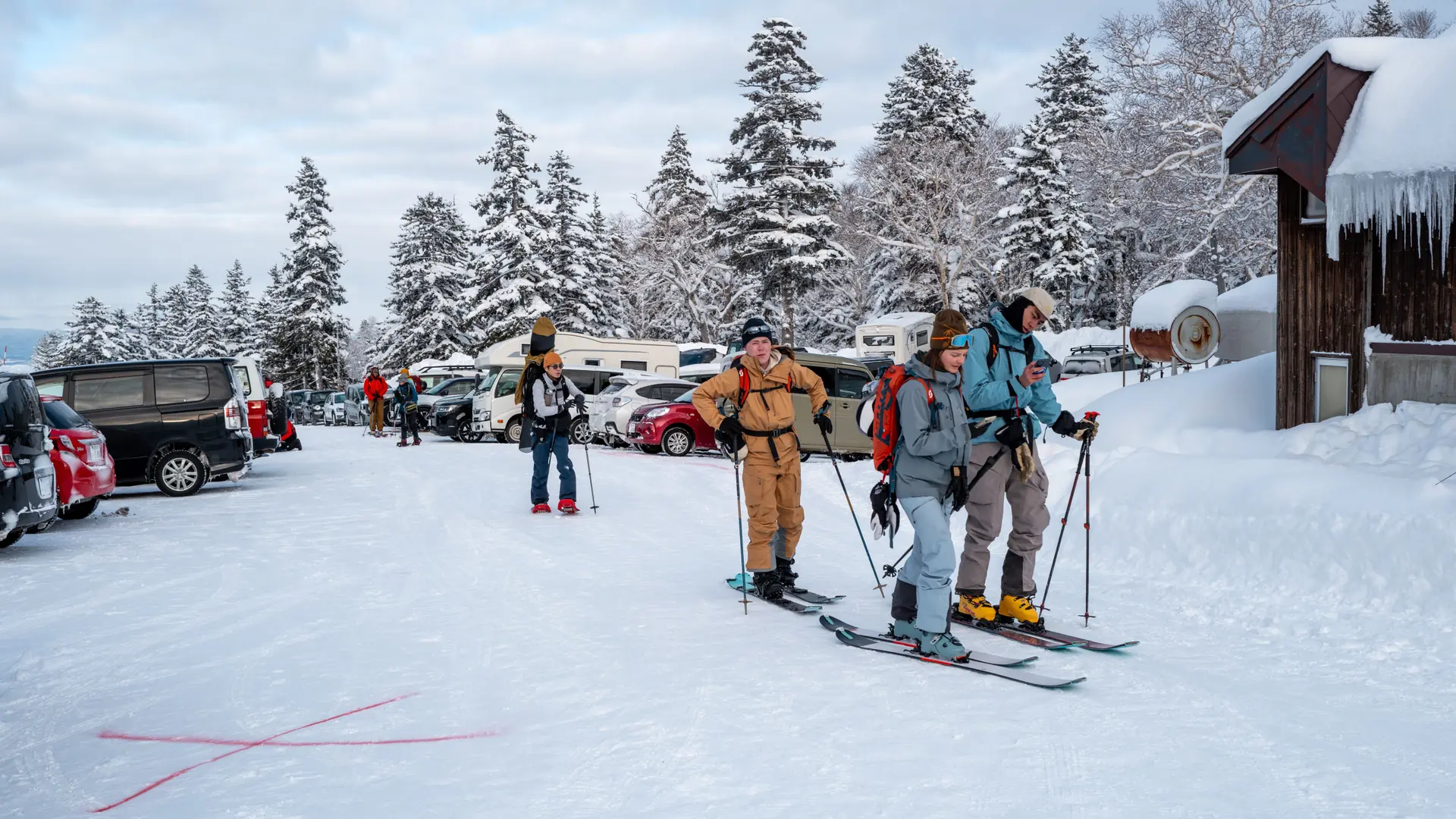
A short northern journey gives Niseko four nights and three potential ski days, while Sapporo and Otaru absorb arrival, culture and weather risk.
A seven-day Hokkaido trip succeeds only if skiing remains the centre. Sapporo takes the first night after flying, Otaru supplies a compact harbour-city interlude, and Niseko receives four nights. That creates three potential snow days: enough to orient, respond to weather and enjoy one stronger guided day without moving accommodation.
The most important luxury decision is the Niseko base. Hirafu offers the broadest restaurant and nightlife choice; other sectors can feel quieter or suit different terrain. A ski-in position may outperform a grander room dependent on a scarce taxi. Reserve lessons, rental fitting, restaurant tables and airport transfer in the order that the chosen property cannot solve them.
Powder language can hide risk. Gate status, wind and avalanche information decide what is available, and a famous season does not guarantee fresh snow on specific dates. Travellers without appropriate experience should remain on controlled terrain or hire a qualified guide. The route includes Sapporo and Otaru as real places, not insurance policies for a cancelled ski day.
Equipment and evening logistics deserve decisions before the flight. Carry boots if fit is difficult to replace, or reserve a fitting early enough to correct pressure points. Confirm whether the Niseko hotel stores skis, dries clothing and connects to terrain suited to the group. Dinner across another resort sector can create a harder journey than skiing once shuttles thin. If one traveller does not ski, verify the exact winter activities and transport that person will use; a generic promise of plenty to do is insufficient. These details justify four nights in one base and prevent daily arguments about taxis, gear and where to meet.
Before choosing a room, map the lift used by the least experienced skier, the rental shop, dinner options and the last shuttle. A ski-in claim may describe access that depends on snow or ability, so ask for the actual route. Non-skiing partners need confirmed activities and transport, not a vague promise that the resort offers plenty. Four nights in one sector make equipment adjustments, recovery and changed lift plans manageable without another luggage move.
Insurance should cover the activities actually planned, including any guided terrain, and every participant should understand the limits. Save resort patrol and accommodation contacts offline. A storm can also affect the flight home, so a tightly priced airport transfer is not enough; the itinerary needs time, warm clothing and essential medication accessible until check-in.
One night in Sapporo absorbs flight risk, provides a dependable place to collect or replace winter equipment and adds a proper Hokkaido food evening before the smaller towns.
Otaru supplies the trip's intimate historic interlude: arrive before dusk, stay through the quieter evening and leave for Niseko after an unhurried morning.
Four Niseko nights create three usable mountain days and enough flexibility to respond to weather, lift status and ability without treating every hour as guaranteed ski time.
Best for
Think twice if
Non-skiers seeking a complete Hokkaido circuit or experts planning unsupported backcountry objectives.
StartBooker answer
Stay one night in Sapporo, one in Otaru and four in Niseko. This creates three potential mountain days while avoiding a same-day international arrival and resort transfer. Book Niseko accommodation, lessons or guiding and airport transport first; then fit the city nights around them. Choose the resort base by terrain, dining and shuttle needs. Weather controls lifts and visibility, so never treat off-piste access as guaranteed and follow local safety rules.
Sapporo absorbs the flight and equipment check, Otaru adds one compact cultural overnight, and four Niseko nights create three weather-responsive mountain days without changing hotels.
3 stops · swipe
 1
1
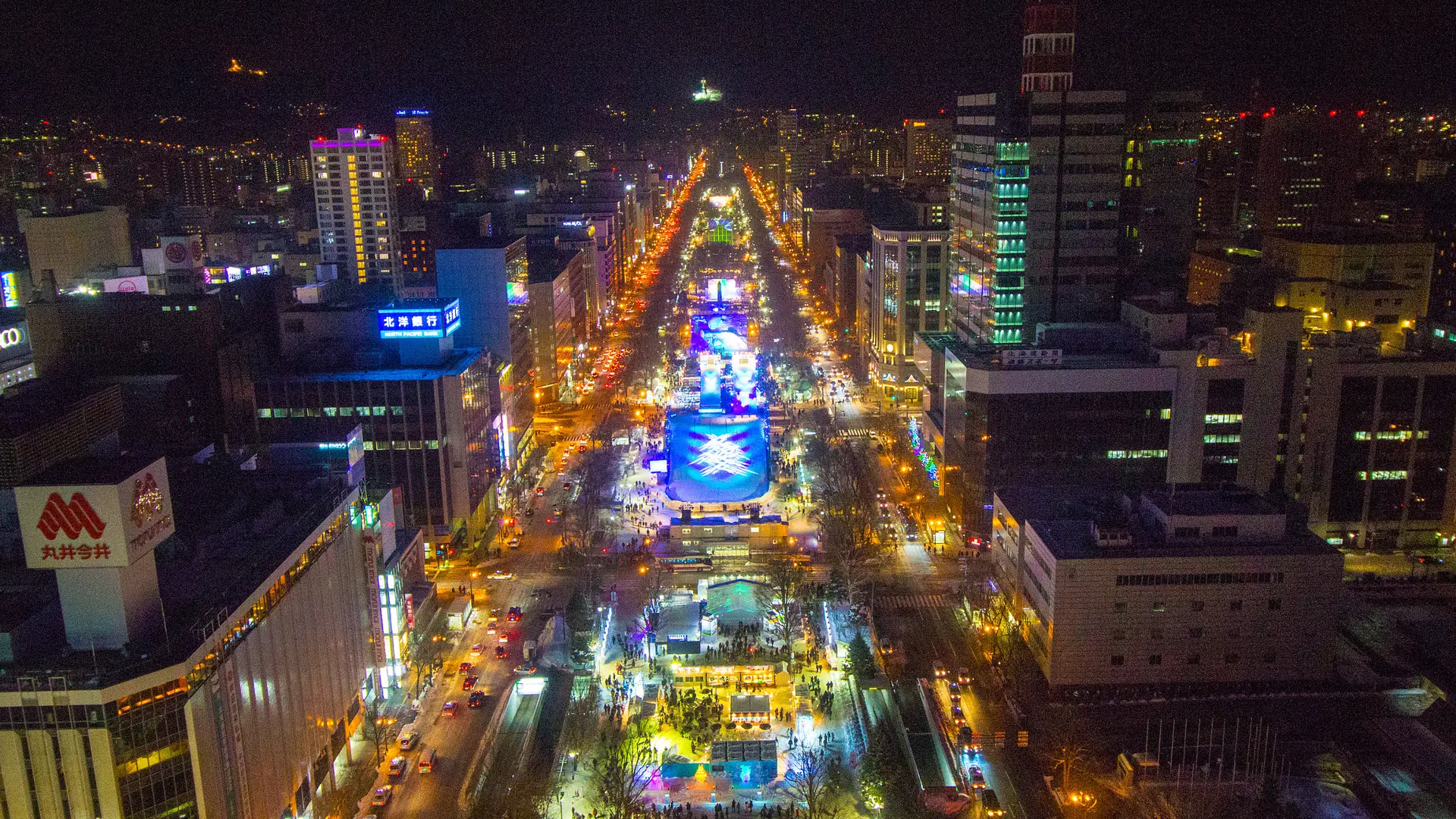
Winter-city arrival, seafood and equipment recovery
Use the capital to recover from the flight, replace missing kit and enjoy one winter-city evening before the regional move. The overnight also protects the trip from a delayed arrival instead of gambling on a same-day resort connection.
Watch out: Festival dates sharply change availability and street movement.
Read the Sapporo guide →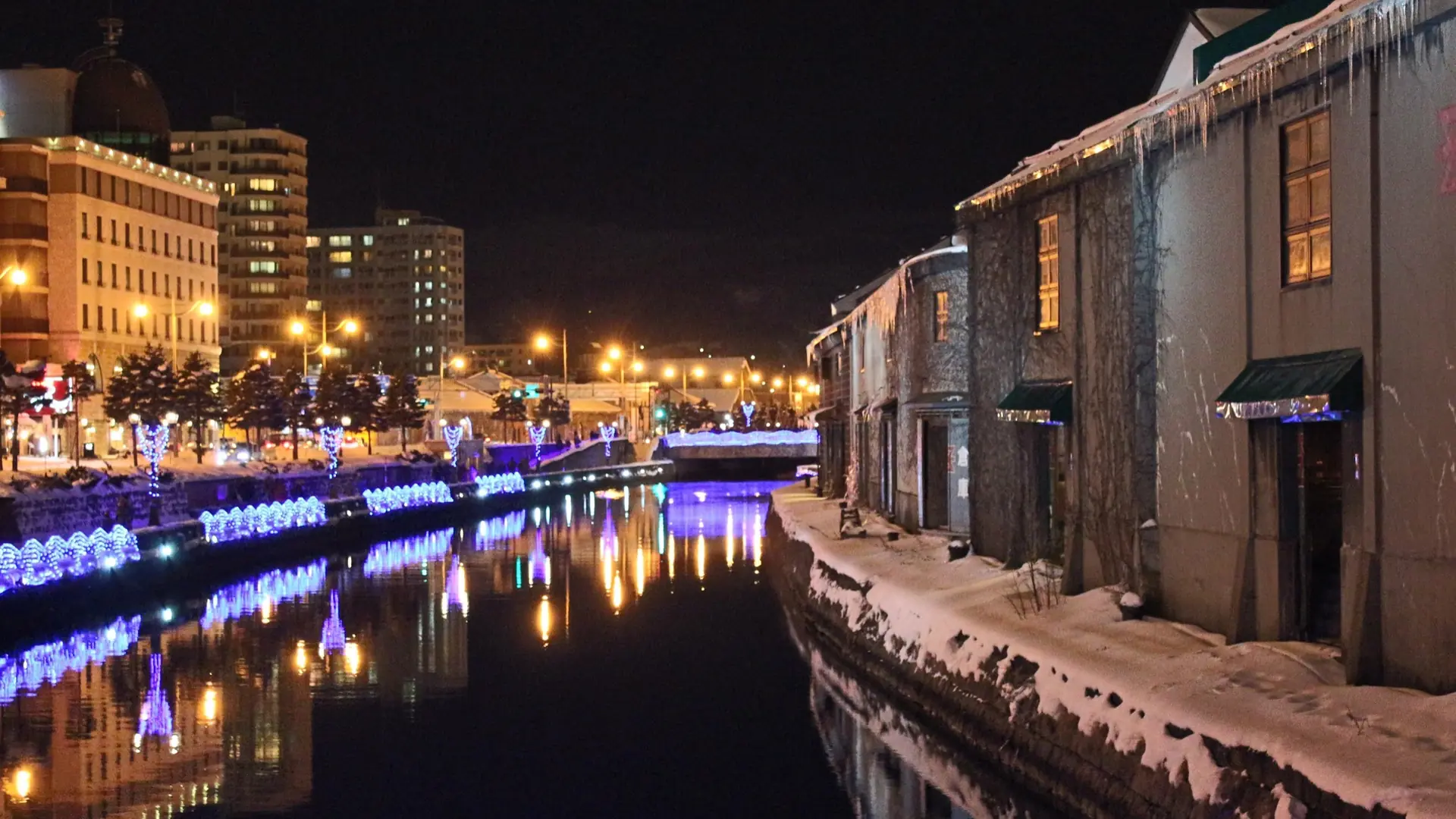 2
2
Canal warehouses, glass craft and a smaller harbour-city rhythm
Sleep beside the compact historic area, arriving early enough for craft streets and staying beyond the main excursion window. One night captures Otaru at its quietest without sacrificing a full ski day in Niseko.
Watch out: Snowy pavements and early closing hours make a late day trip weak.
 3
3
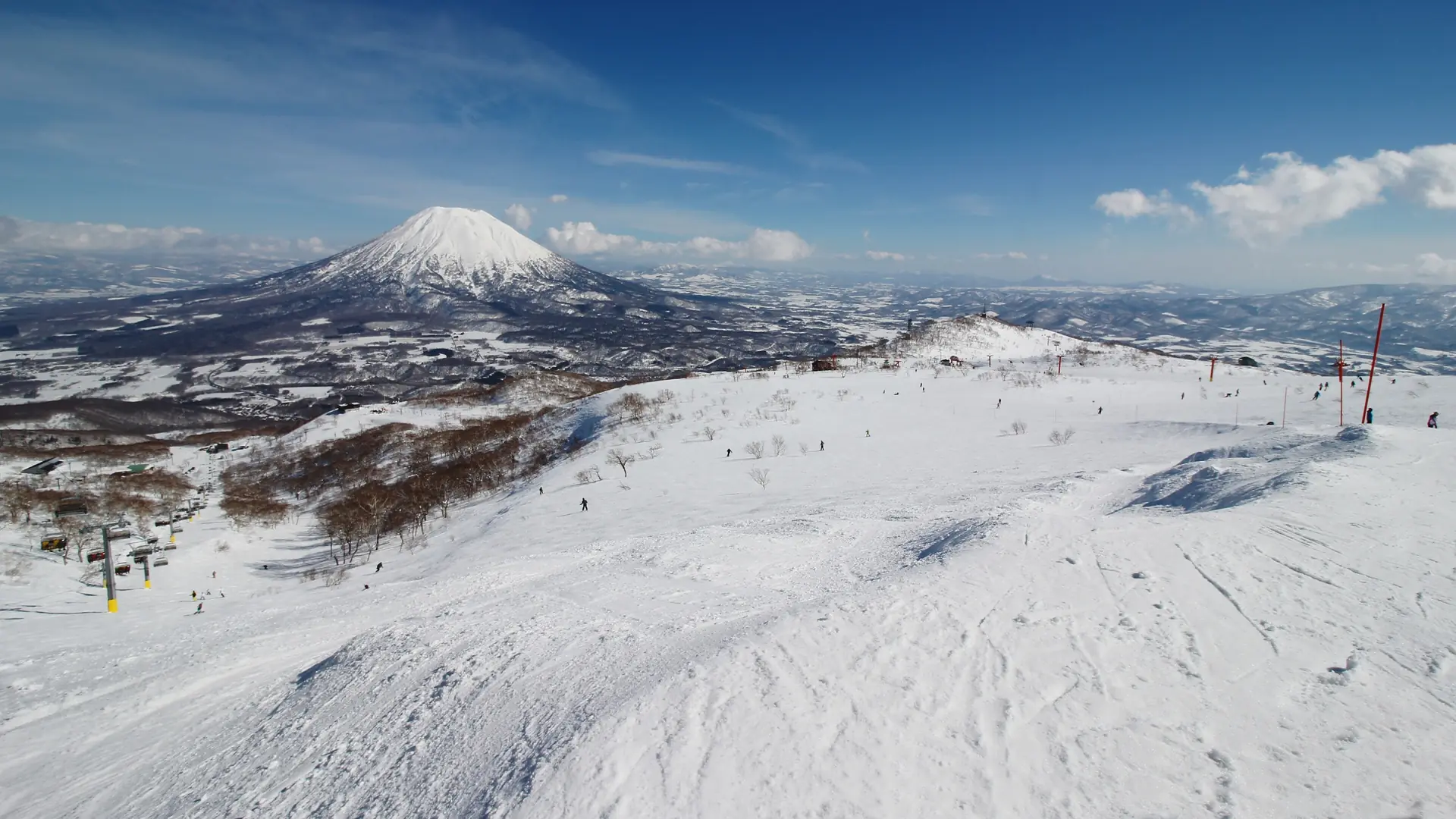
Linked ski sectors, powder, onsen and international dining
Pick Hirafu, Hanazono, Niseko Village or Annupuri according to ability and evening needs, then keep every mountain decision inside official status and guide advice. Four nights leave three potential ski days, so poor visibility or wind does not force a reckless choice.
Watch out: Wind, gates, avalanche conditions and transport availability change daily.
Sapporo and Otaru ease the arrival before the trip commits to Niseko. Snow, equipment and winter roads make these relocations slower than their map distance suggests, so the timetable protects transfer windows rather than hiding them inside activity days.
Morning: the airport rail or winter transfer to the hotel. Midday: rental, gloves or boot issues while city shops are accessible. Later: a seafood or soup-curry dinner near the base. Do not attach a distant snow activity to the flight day. A controlled first night prevents avoidable resort problems. Keep ski boots, one base layer and essential medication in cabin baggage. If a checked bag is delayed, Sapporo offers a better chance to solve the problem than a resort arrival after rental shops close. Ask the hotel to identify a nearby outdoor shop before setting out for dinner.
Base: Sapporo
Morning: a morning train after a calm breakfast. Midday: the canal, merchant architecture and one glass or music-box craft. Later: a quiet harbour dinner after excursion traffic fades. Walk for the surface underfoot, not the map’s summer timing. One compact overnight adds cultural contrast efficiently. Otaru is compact, but snowbanks change crossings and the canal edge can be slick. Choose one indoor craft stop as a warming interval. Send bulky ski luggage onward if the hotel and carrier confirm delivery; otherwise use station storage that you have verified for size.
Base: Otaru
Morning: the confirmed winter bus or rail connection. Midday: property check-in and rental fitting. Later: a dinner reachable without hoping for a taxi. The resort name covers several bases with different logistics. Arrival afternoon prepares tomorrow rather than pretending to be a ski day. Write down the property name in Japanese and its resort sector before boarding. Kutchan, Hirafu, Hanazono, Niseko Village and Annupuri are not interchangeable drop-offs. Complete rental fitting today, including boot adjustments, so the first lift morning is not lost to an avoidable queue.
Base: Niseko
Morning: the official lift and weather report. Midday: terrain suited to current ability with an instructor if needed. Later: an onsen and reserved dinner close to the accommodation. Do not follow tracks through a gate or into trees. A conservative first day learns the mountain and equipment. Use this orientation day to learn lift names, return routes and the final shuttle time. Ski one sector well before traversing the whole linked area. Finish while legs are fresh enough to walk safely in boots, and report any equipment discomfort before it becomes an injury.
Base: Niseko
Morning: a qualified guide briefing and current safety information. Midday: terrain selected for the group rather than its ambition. Later: recovery, equipment drying and a flexible meal. The guide may change or cancel the plan when conditions demand it. Expert judgment has most value on the day with the best safe opportunity. A guide briefing should cover ability honestly, separation procedure, gates and avalanche decisions. Carrying safety equipment without training does not create competence. If wind shuts upper lifts, accept the revised objective; professional judgment is part of the service purchased, not an obstacle to the promised day.
Base: Niseko
Morning: the sector offering the best open terrain. Midday: a long lunch, onsen or rest when wind closes upper lifts. Later: one final Niseko evening planned around shuttles. Fatigue is a condition to manage, not proof that the holiday succeeded. A spare day lets weather and bodies determine the pace. Fatigue often appears on the third consecutive morning, especially after deep snow. Start later, choose groomed terrain or make this the onsen day without treating rest as failure. Confirm dinner transportation before drinking; resort taxis can be scarce and a distant reservation may become a cold walk.
Base: Niseko
Morning: the prebooked transfer from the exact property. Midday: New Chitose check-in well ahead of departure. Later: a terminal meal rather than another resort commitment. Road and rail disruption can expand the advertised journey. The final day protects the flight instead of chasing one last run. Pack the previous evening and protect extra road time. A private vehicle offers privacy, not immunity from snowfall or traffic. Keep passports and flight essentials with you, check the airline terminal, and use live airport information rather than a transfer company’s ideal-duration estimate.
Base: Niseko
The rail hop to Otaru is easy; the resort transfer is not. Book against the exact Niseko sector and property, then protect the airport leg with winter margin.
2 transfers
Sapporo Otaru
Use the current JR service from Sapporo, allowing extra walking time on winter surfaces.
Booking note: Check service status on the travel morning and keep luggage compact.
Otaru Niseko
The practical route varies by season and property; a direct winter bus may be preferable to several rail and road changes.
Booking note: Confirm pickup, drop-off and luggage allowance with the named operator.
Recheck road, rail and airport conditions with the named operators. Snow, wind and traffic can lengthen or cancel services despite a confirmed reservation.
Put the premium budget into decisions that change time on snow: accommodation aligned with the chosen lift network, professional instruction or guiding, suitable safety equipment and a confirmed resort transfer. Otaru needs a convenient overnight base, not a resort-level room bill. In Niseko, ask whether the property’s advertised access still requires a shuttle, how equipment storage works and which restaurants are realistically reachable after skiing; village geography matters more than brand prestige.
Booking tips
Compare live stays in Sapporo after fixing the route dates and the first appointment each morning.
The short western Hokkaido line makes the resort commitment clear and helps compare the city arrival base separately.
Sapporo
Sapporo handles the flight arrival and city food, Otaru supplies a compact coastal interlude, and Niseko receives the largest share because snow days need slack. Otaru is close enough to connect naturally but distinct enough to merit an evening. A fourth hotel would steal time from the mountain; skipping the city opening would make a delayed flight more damaging.
A nationwide pass is unlikely to suit this short regional route. Compare local rail tickets with an airport or resort coach and remember that the final Niseko transfer may determine convenience more than the fare. Build the calculation around flight times, winter connections and the exact accommodation area; the cheapest rail option is poor value if it creates a fragile arrival.
Send bulky equipment directly to the Niseko accommodation or rent it at the resort, then visit Otaru with one manageable bag. Verify the hotel’s delivery address, acceptance window and the carrier’s winter lead time. Boots, medication and anything needed for the first ski day should travel with you in case weather slows forwarded luggage.
Book a qualified guide for terrain decisions, backcountry aspirations or a group whose abilities need careful matching—not as a shortcut around published piste maps. Confirm certification, avalanche-safety scope, equipment and cancellation rules. In Sapporo or Otaru, private help is most useful for a specific food or culture interest rather than routine sightseeing.
Keep all three mountain days interchangeable. Wind, snowfall, fatigue, lift openings and gate status determine the safe plan each morning.
Secure the resort base, qualified instruction or guiding and airport transfer first; fit Sapporo and Otaru rooms around those fixed services.
Reviewed by StartBooker editorial Hokkaido ski itinerary editor
Last checked 2026-09-13
How this route was checked: Twelve records across eight publishers were reviewed, including Niseko lift, access, season and safety pages. Two independent ski reports were used to test resort-base and pacing decisions, while operators control live status.
13 references reviewed
Photos provided by Pexels.
Choose a complete route with the stops, transport and overnight plan already mapped out.
Which stop deserved its night count?
.jpg)

.jpeg)