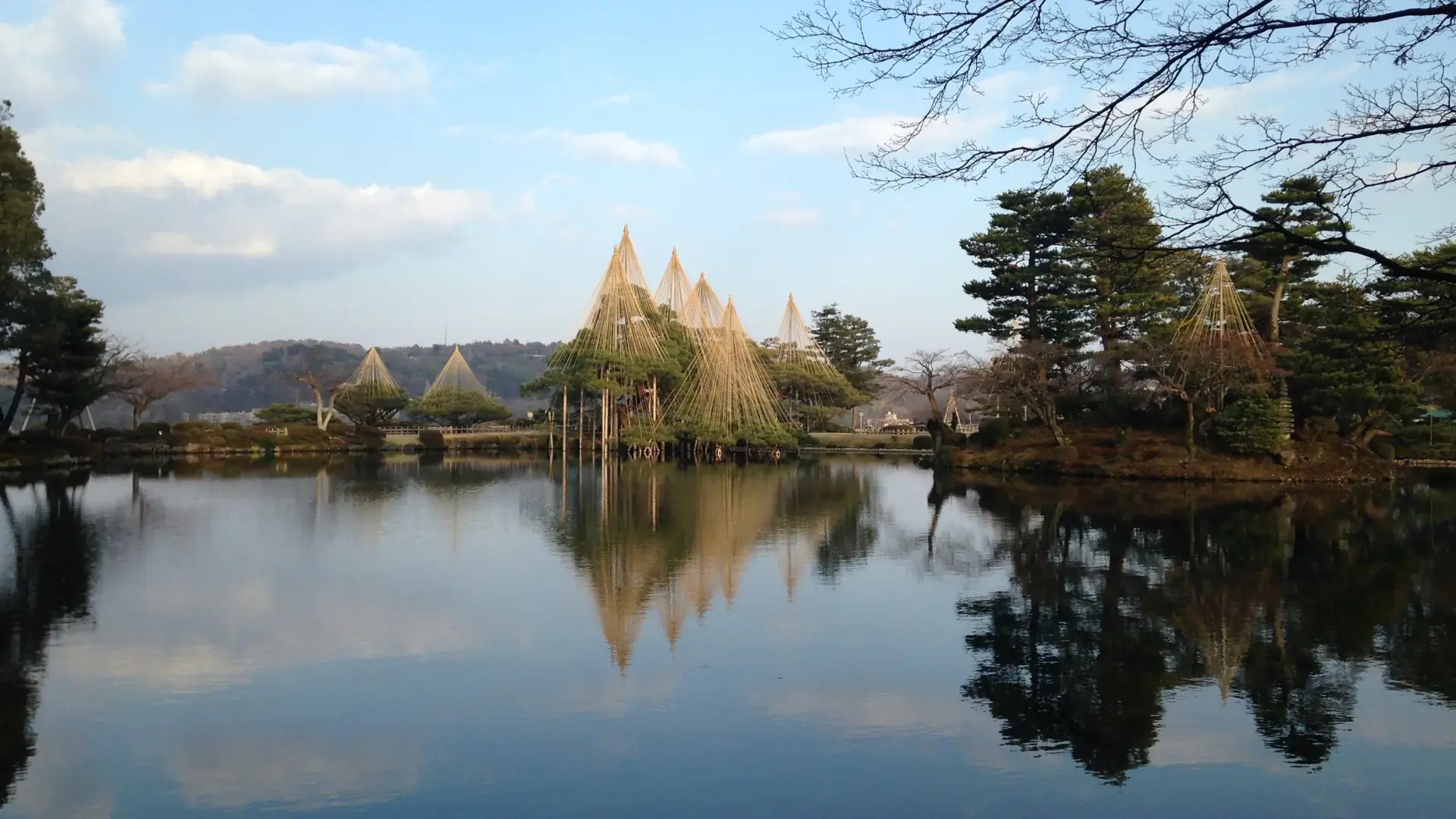
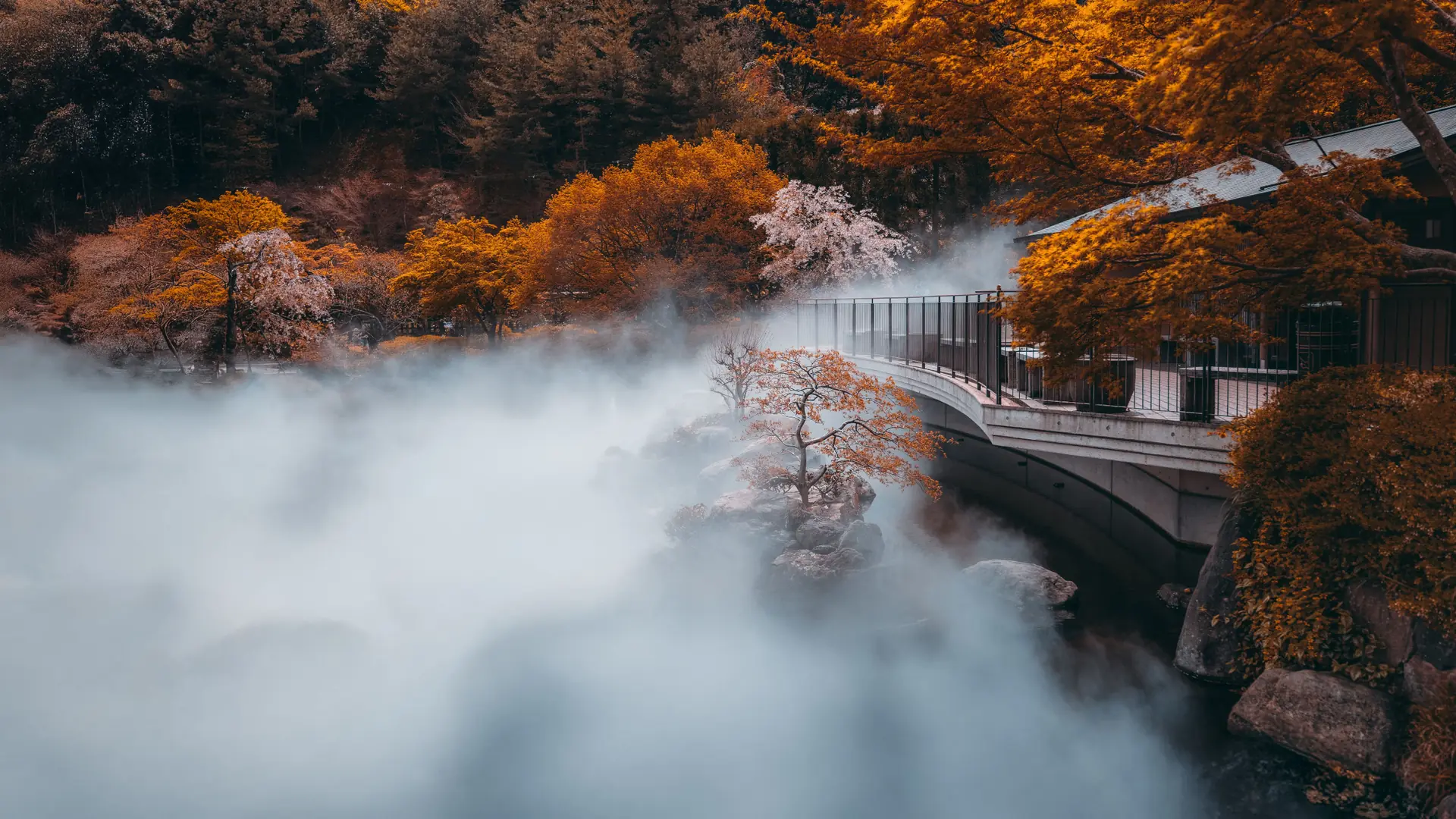
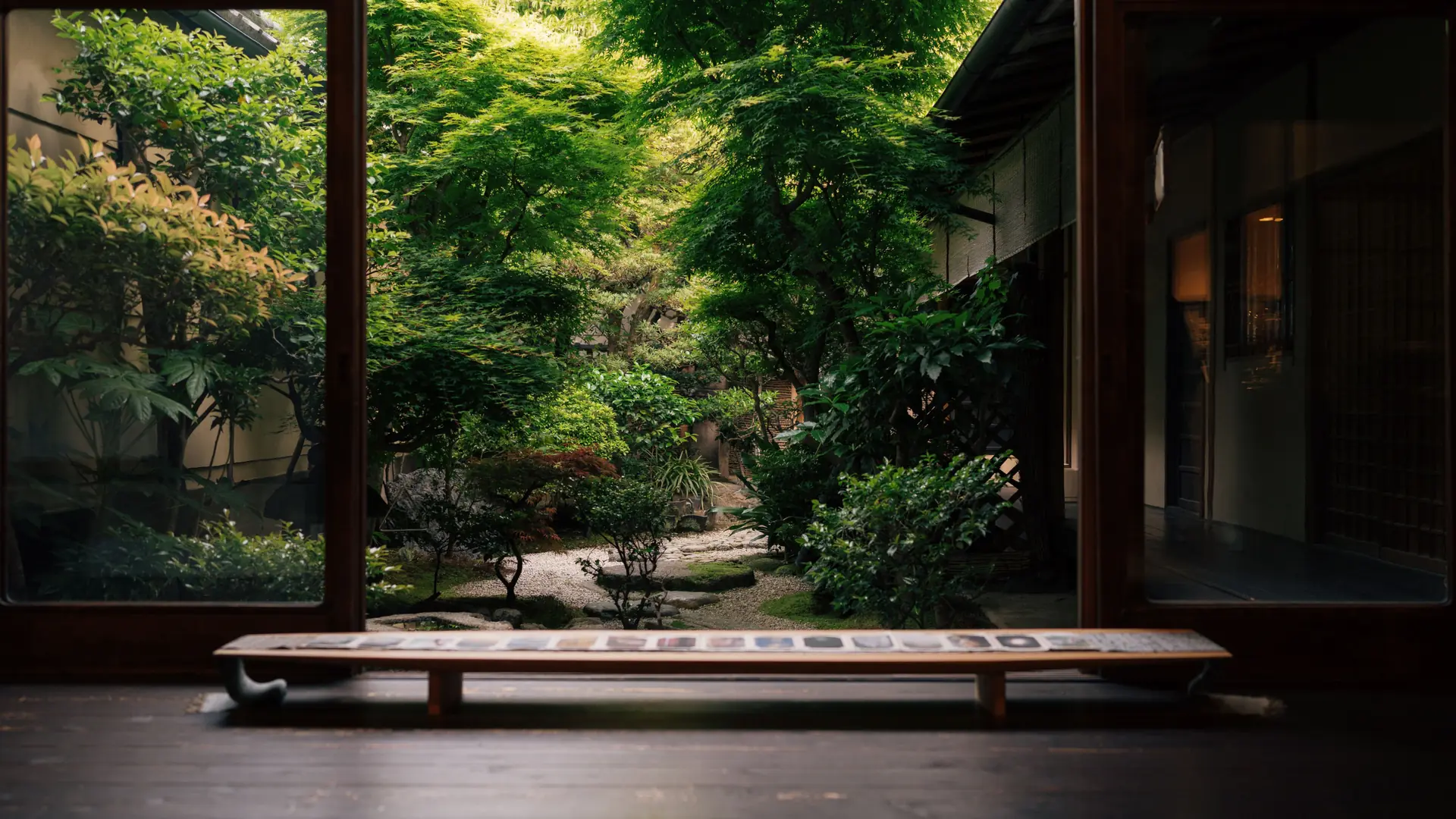
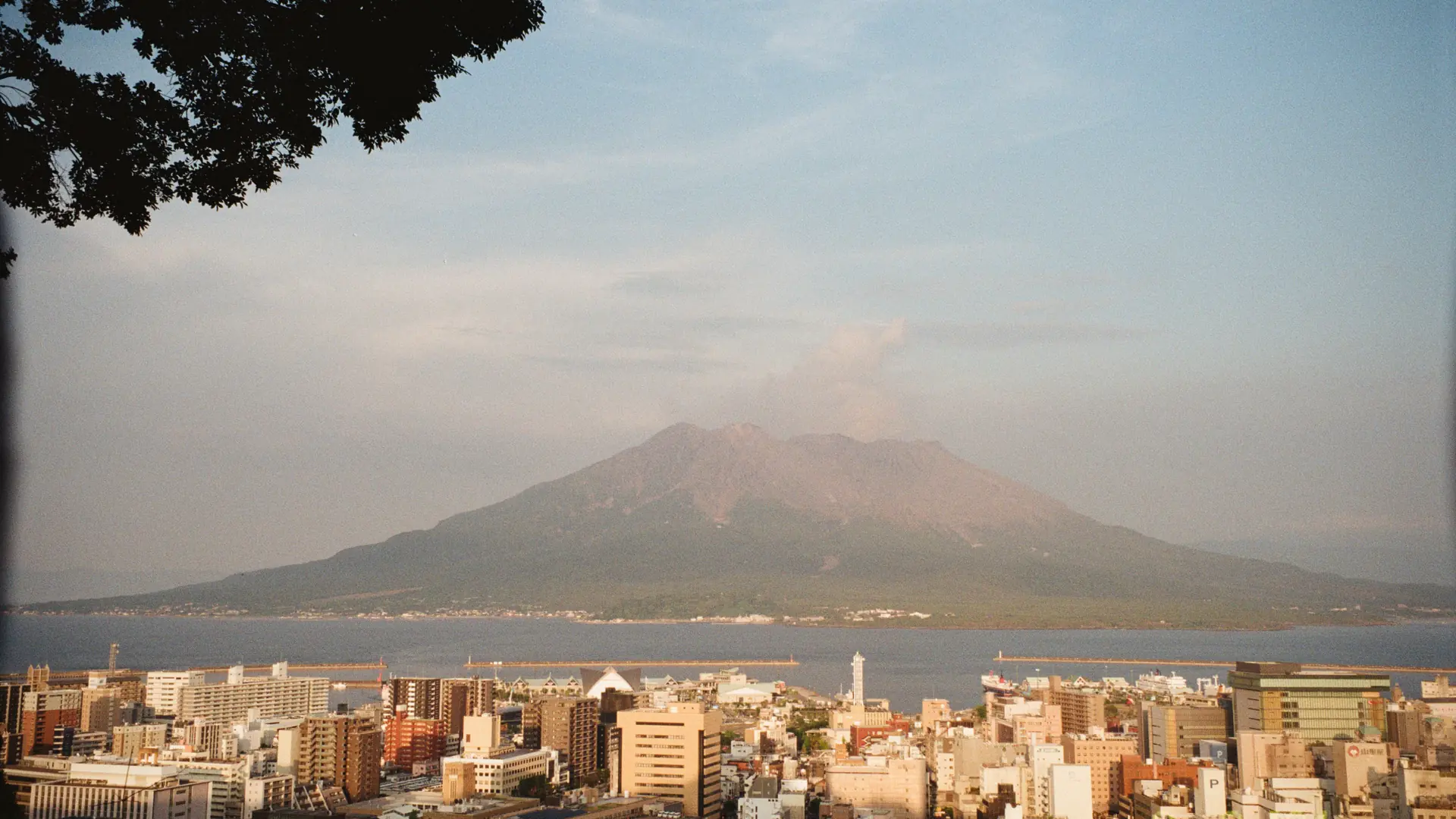
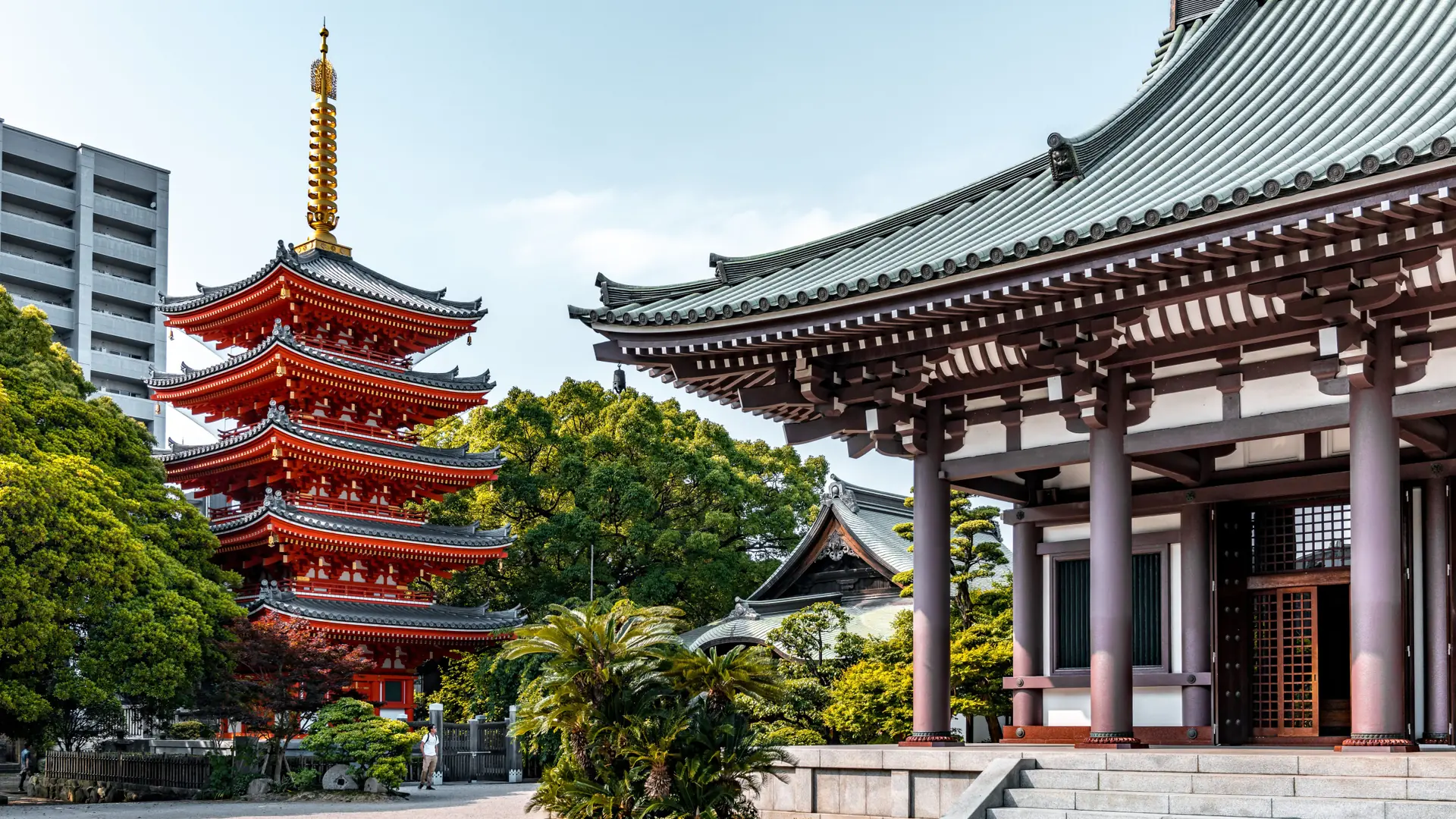
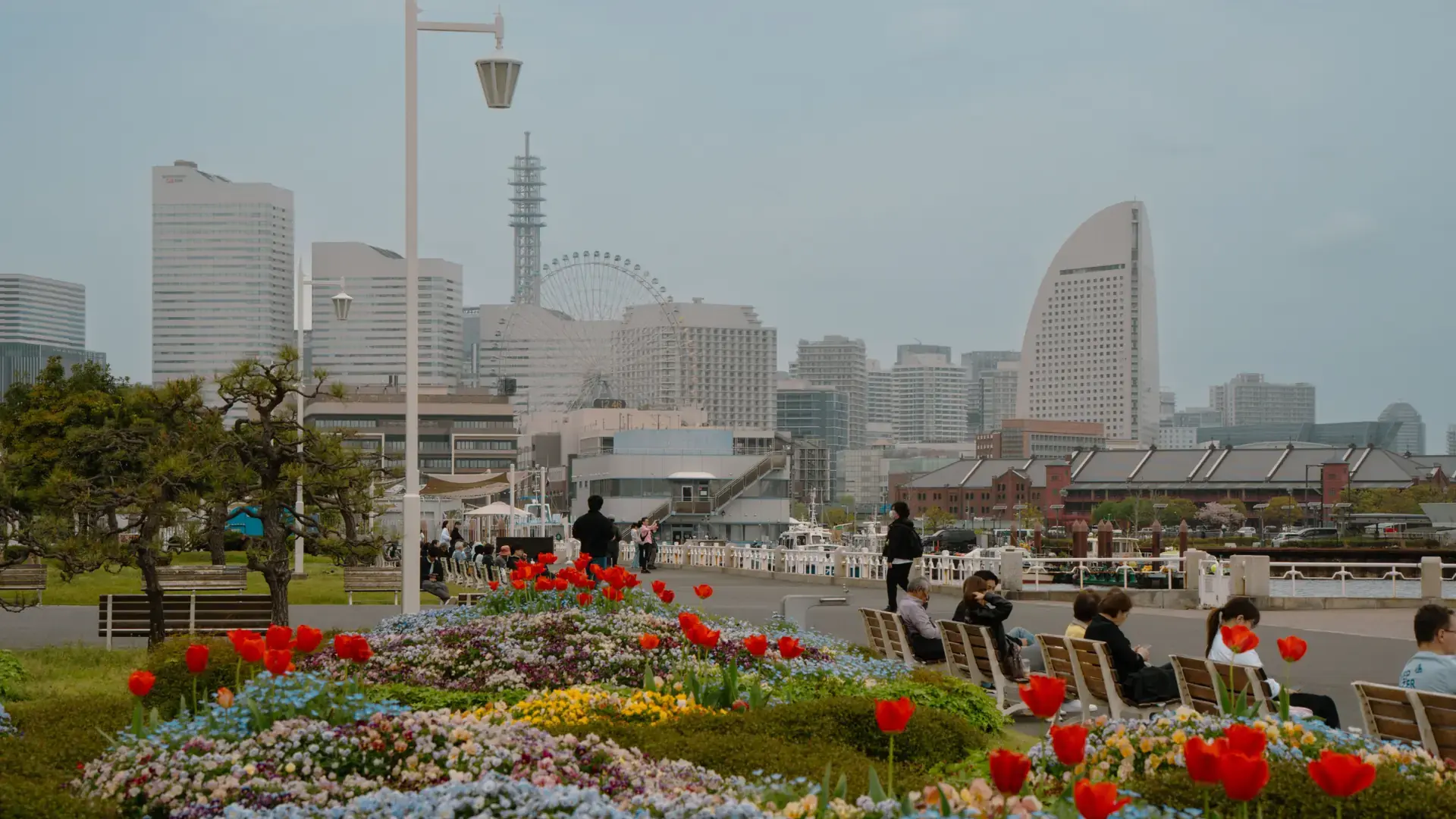
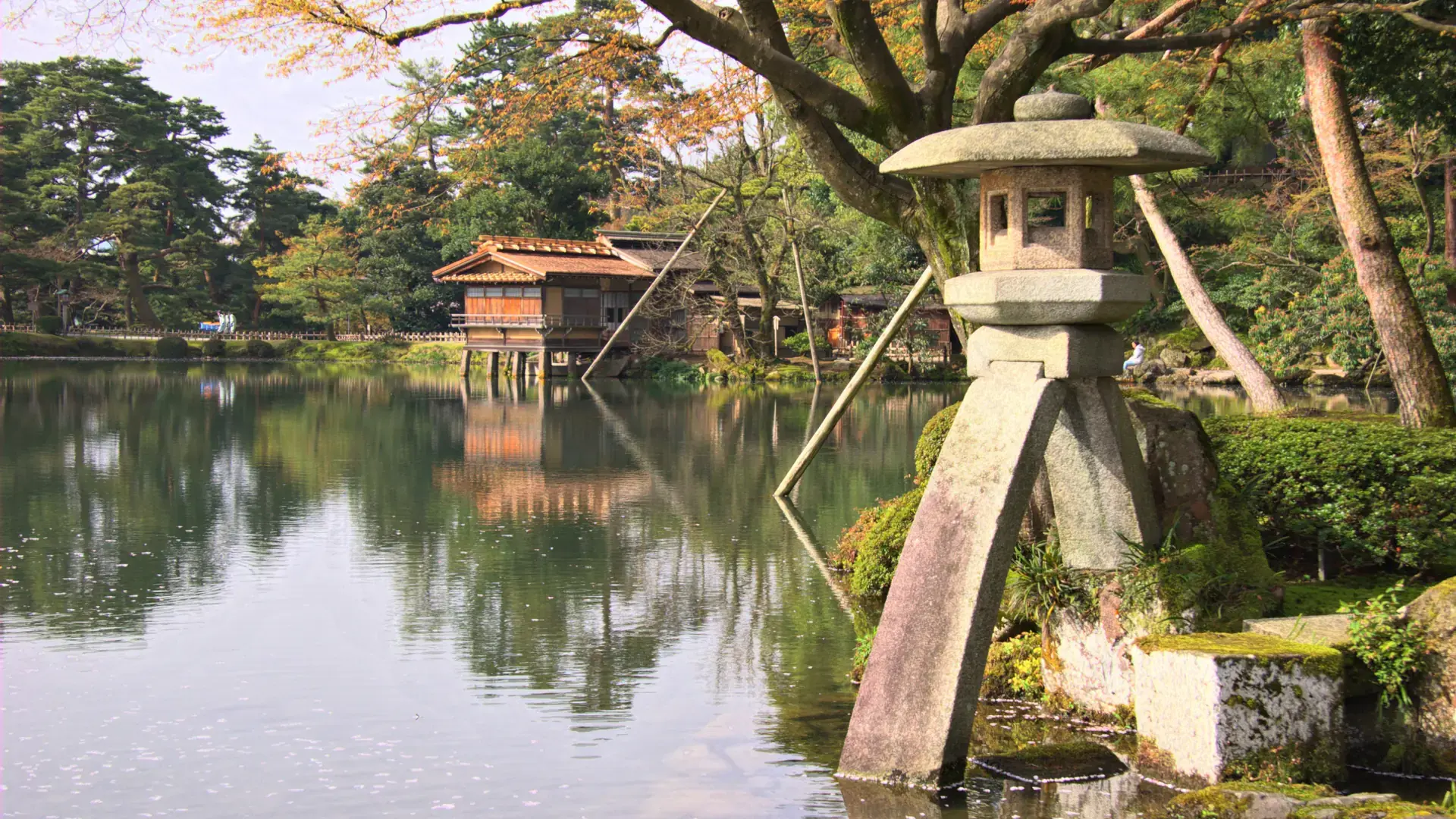
Kenrokuen Garden's Kotoji lantern beside blue water and sculpted pines in bright sunshine

Where to stay in Kanazawa for gardens and samurai streets

Loading Kanazawa hotel search

Kanazawa Station is the arrival hub, not the centre of the heritage loop

The station makes travel easy; Korinbo, Omicho and the castle zone make sightseeing easier. Select by the fixed point that repeats—an early train, Kenrokuen morning, market breakfast or late Katamachi dinner—then use the loop bus for the gaps.

Two-night first stay Korinbo

It reduces dependence on the final evening bus and keeps Nagamachi, museums and garden routes flexible.

Late arrival Kanazawa Station

A platform-side room protects sleep and lets the next morning begin at the loop-bus terminal.

Seafood priority Omicho

Morning market access can be more valuable than a station doorstep when food drives the visit.

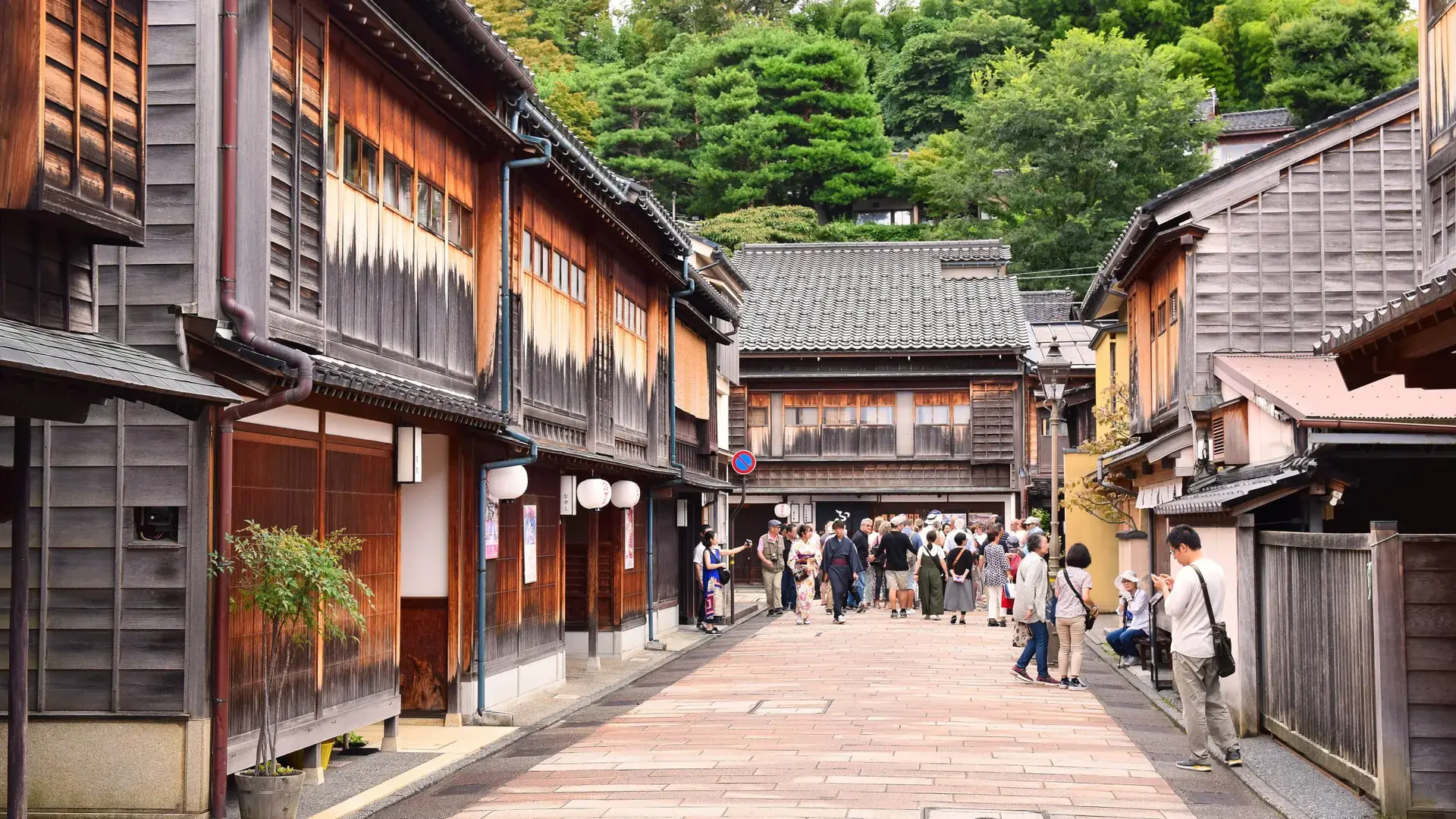
Traditional mood Higashi Chaya

Choose it for riverside and teahouse atmosphere, accepting fewer ordinary evening services.

StartBooker answer

Should Kanazawa travellers choose Korinbo, Omicho Market or the station?

Korinbo and the Nagamachi edge offer the strongest first-visit balance: Kenrokuen, the castle, museums, samurai lanes and Katamachi dinners spread around a walkable centre. Stay by Omicho Market for seafood mornings and a useful midpoint between the station and old districts. Kanazawa Station wins for Shinkansen connections and luggage but requires buses for most sights. Higashi Chaya is the atmospheric choice, while the Kenrokuen edge protects quiet garden mornings at the cost of late dining.

Best overall
Korinbo and Nagamachi
Best food morning
Omicho Market
Best rail logistics
Kanazawa Station
Most atmospheric
Higashi Chaya
AI-powered

Build Kanazawa around weather, opening hours and one protected morning

Add your Shinkansen, Komatsu Airport connection, museum days, food priorities and tolerance for rain; the planner can compare a downtown base with the station, market or chaya districts.

Eight Kanazawa bases arranged around different mornings and evenings

The castle anchors a compact sightseeing ring, but rivers, slopes, rain and bus direction make adjacent districts feel less interchangeable than their map distance suggests.

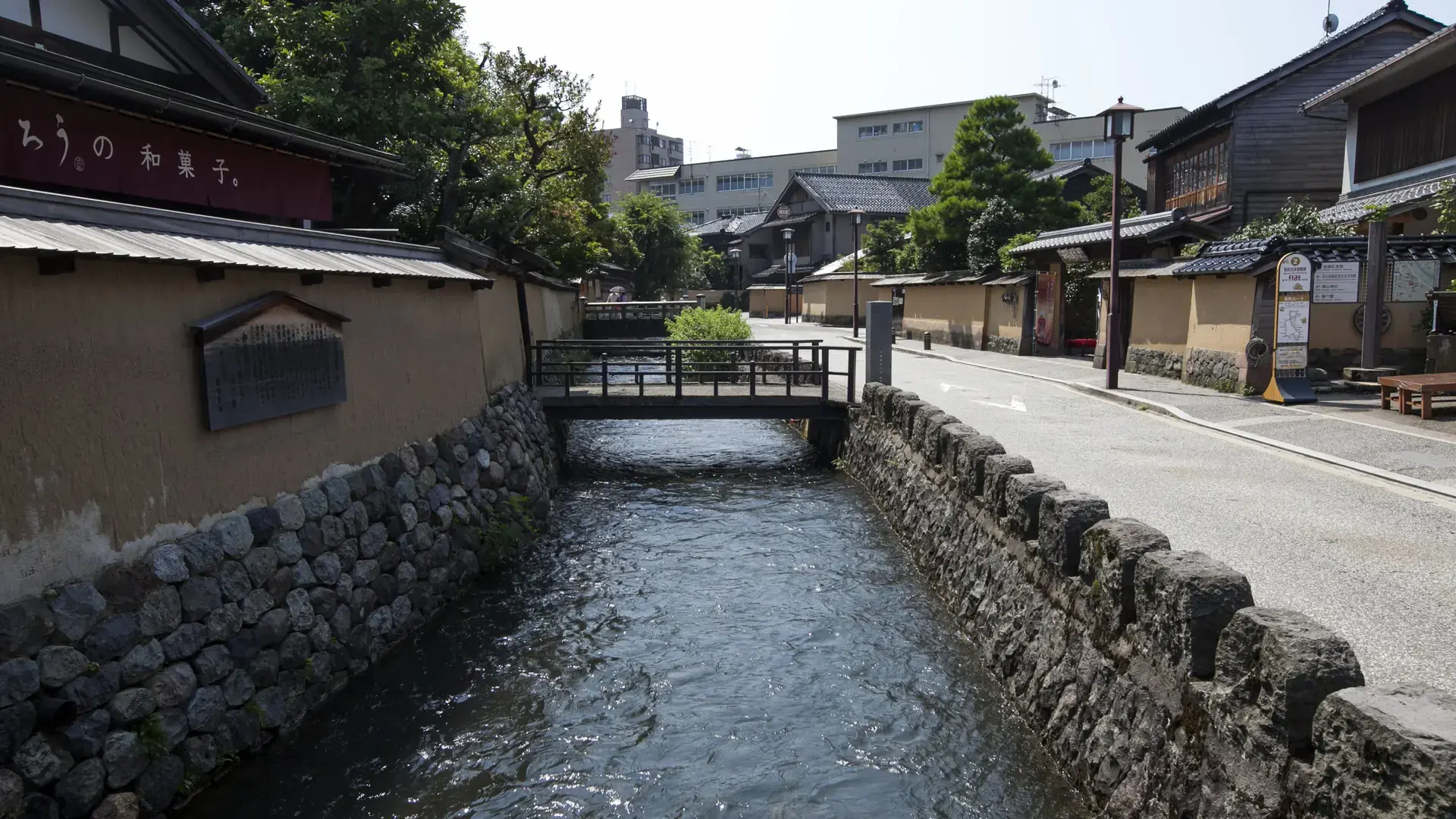
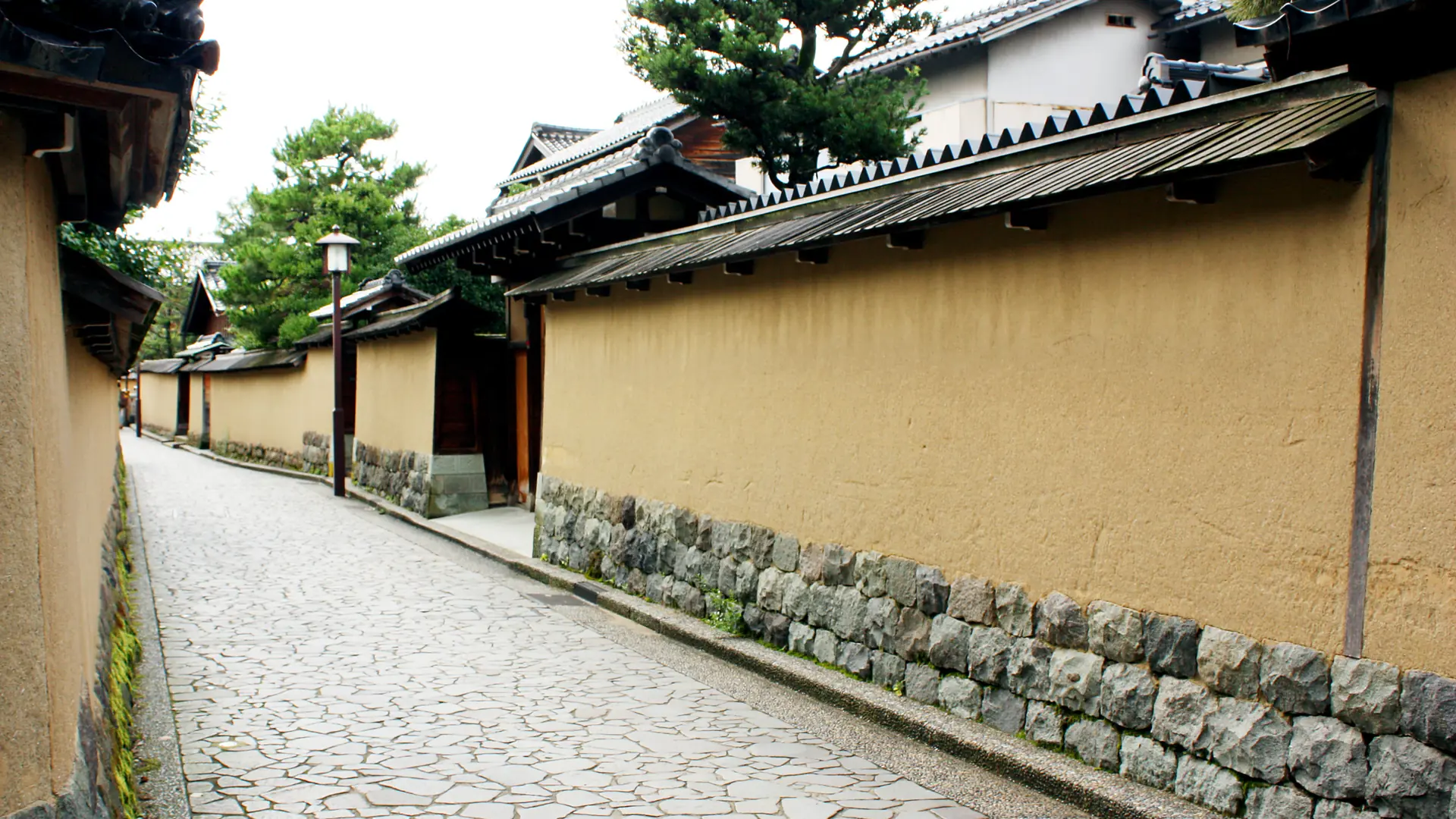
Nagamachi samurai walls and canal glowing in clear afternoon light

Korinbo and Nagamachi

first visits, museums, samurai streets and dinner

Book here when a varied two-day itinerary needs one dependable centre.

Sleep: variable downtown, quieter toward Nagamachi side streets.

First visit Dining Walkable

Light sleepers should inspect proximity to Katamachi bars and bus traffic.

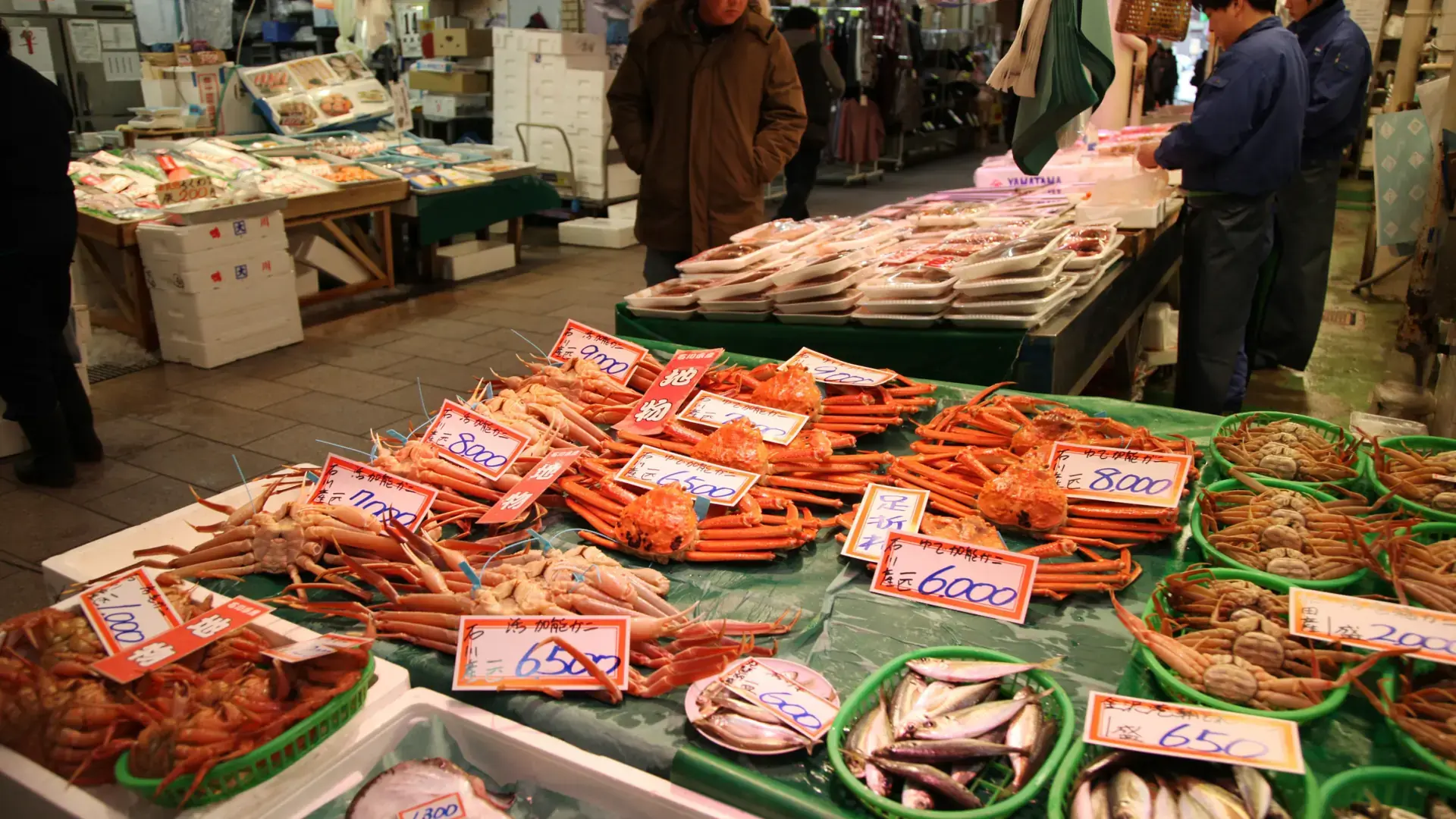
colourful seafood stalls and visitors inside Kanazawa's Omicho Market

Omicho Market and Musashigatsuji

seafood breakfast, buses and central positioning

Choose Omicho when the city's kitchen is a main attraction rather than a lunch stop.

Sleep: calm after business hours, livelier during early deliveries.

Market Food Central

Confirm market closure days and whether the room faces delivery activity.

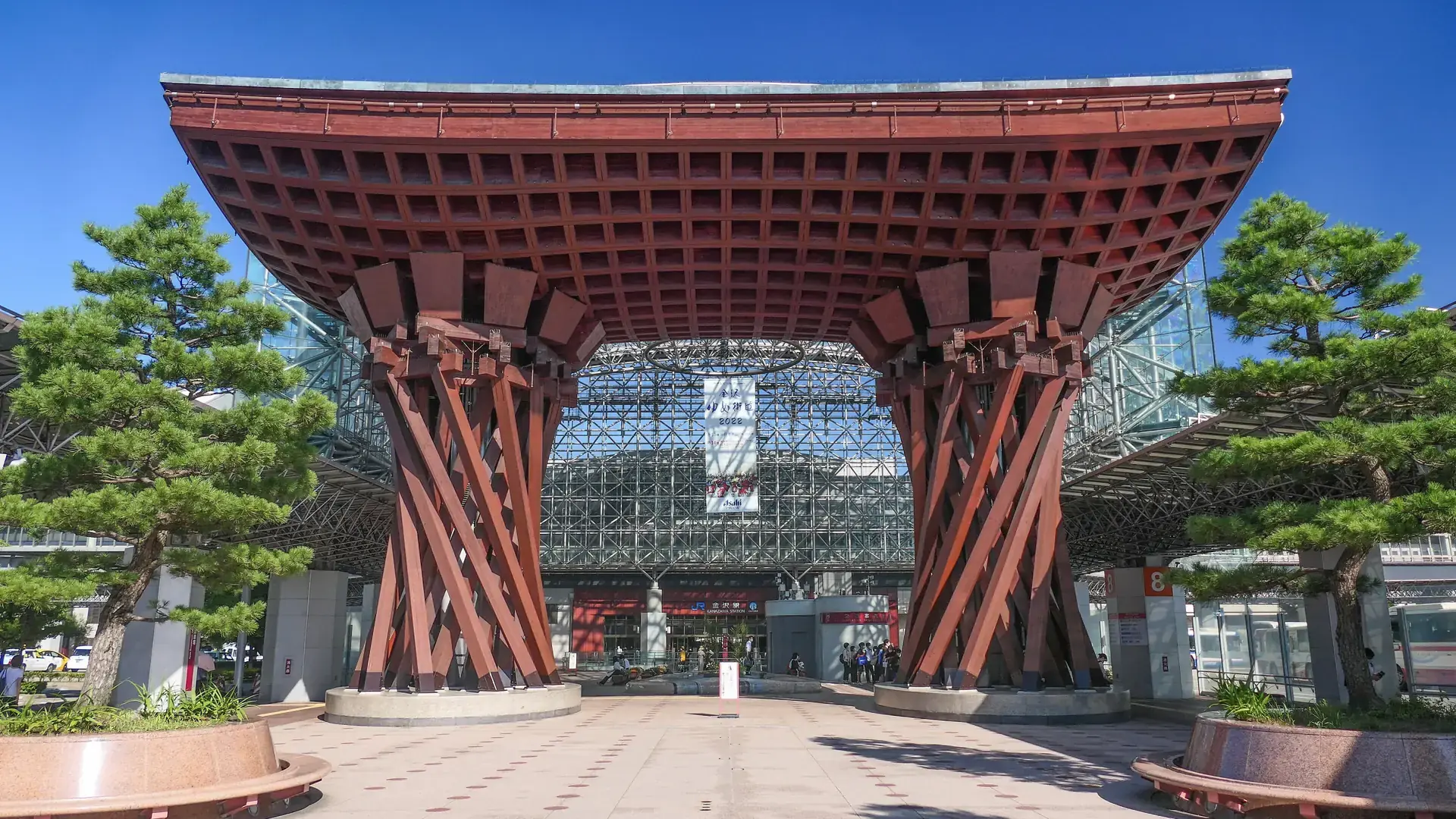
Kanazawa Station's dramatic wooden Tsuzumi-mon gate under a brilliant blue sky

Kanazawa Station

Shinkansen, airport buses, luggage and regional departures

Stay beside the station when arrival and departure efficiency outweigh evening heritage atmosphere.

Sleep: often controlled in modern hotels; verify track-facing rooms.

Shinkansen Airport Luggage

Use the correct east or west exit for city buses, airport services and hotel entrances.

wooden teahouses lining Higashi Chaya's broad stone street in warm sunlight

Higashi Chaya and Asano River

teahouse streets, photography and romantic atmosphere

Stay east when the neighbourhood itself should be a central memory.

Sleep: usually quiet after visitors leave, with occasional hospitality activity.

Historic Couples Photography

Traditional properties may have stairs, shared facilities or strict arrival windows.

Kotoji lantern and reflective pond among Kenrokuen Garden's vivid green pines

Kenrokuen and Honda-no-Mori

garden dawns, art museums and calm cultural days

Prioritise it when an early garden walk or museum programme defines the stay.

Sleep: calm outside event nights and busy garden approaches.

Garden Museums Quiet

Check which Kenrokuen gate is open for early admission and how the hotel handles luggage uphill.

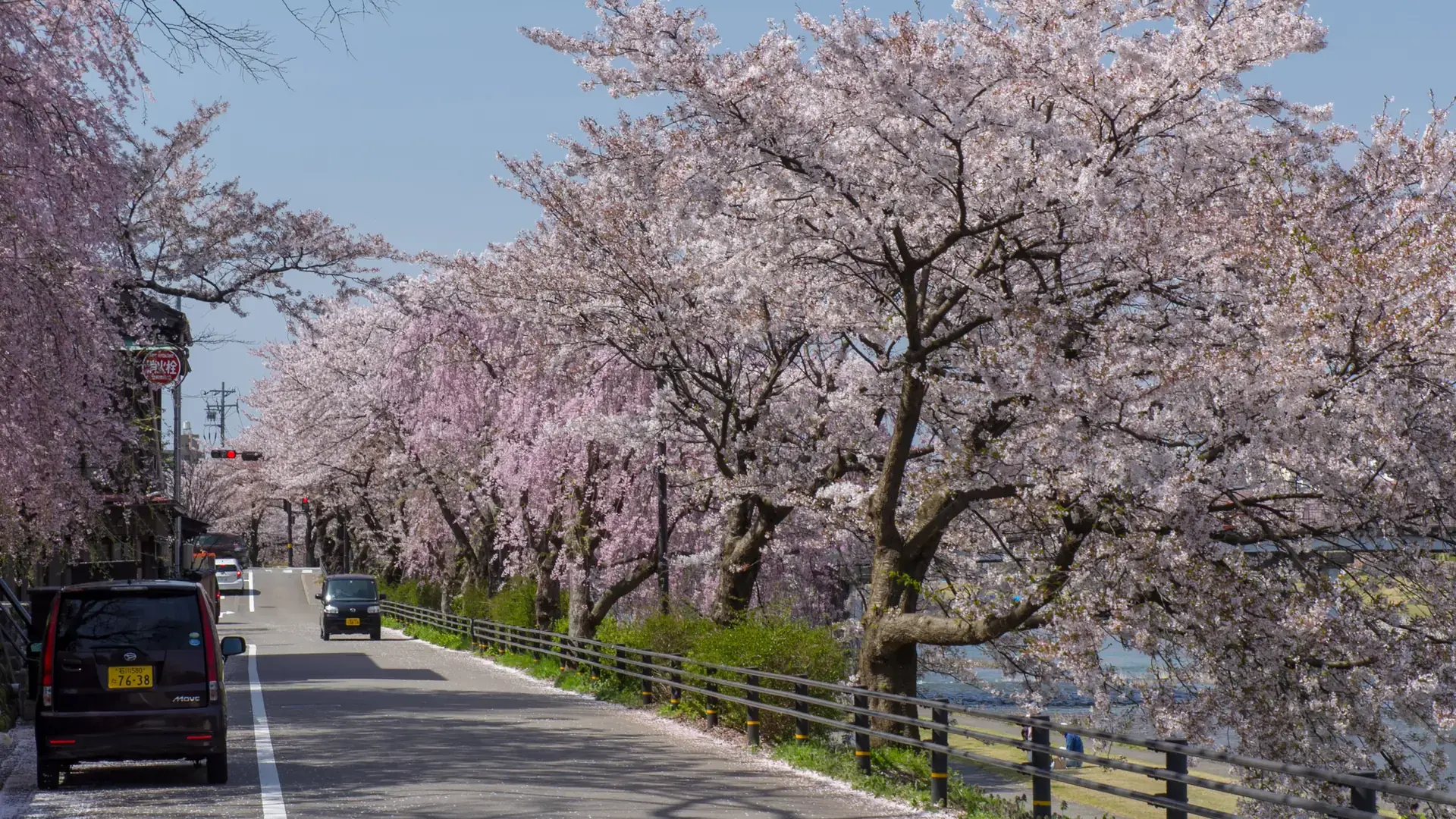
sunlit Sai River promenade with Kanazawa hills and blue water beyond

Sai River, Teramachi and Nishi Chaya

local walks, temples and a quieter repeat visit

Use this edge when quiet and local rhythm matter more than a first-trip checklist.

Sleep: generally quiet beyond the Katamachi end of the bridge.

Local Temples River

Ninjadera visits and smaller venues may require current reservations or fixed entry procedures.

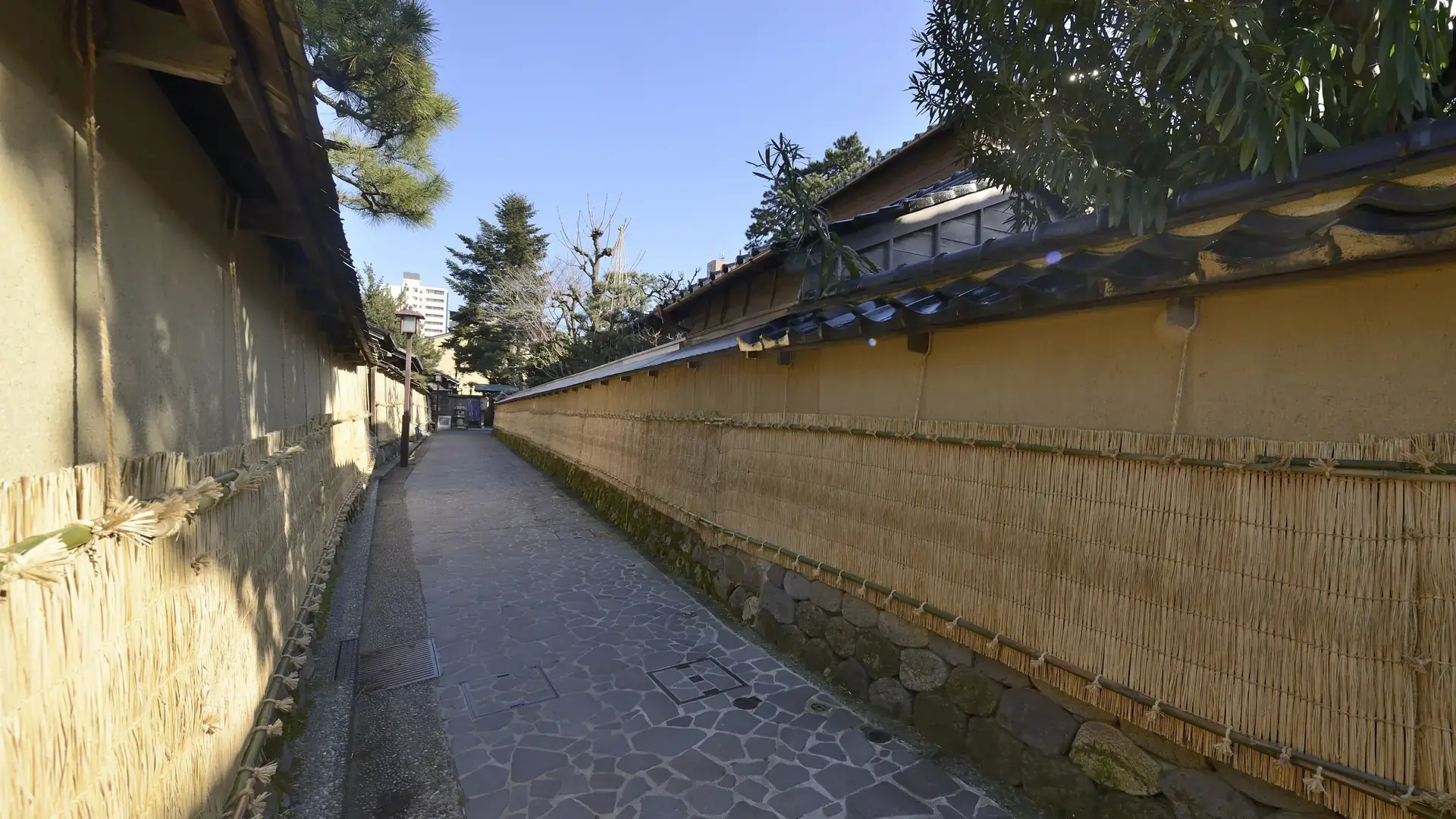
sunny earthen walls and stone lane in Kanazawa's Nagamachi Samurai District

Nagamachi Samurai District

samurai-era lanes, garden walls, crafts and central walking

Choose Nagamachi when historic streets should begin at breakfast rather than after a bus ride.

Sleep: calm within the historic lanes, livelier near the Korinbo and Katamachi edges.

Samurai history Crafts Walking

Distinguish a true Nagamachi address from a property using the district name while sitting across a major road.

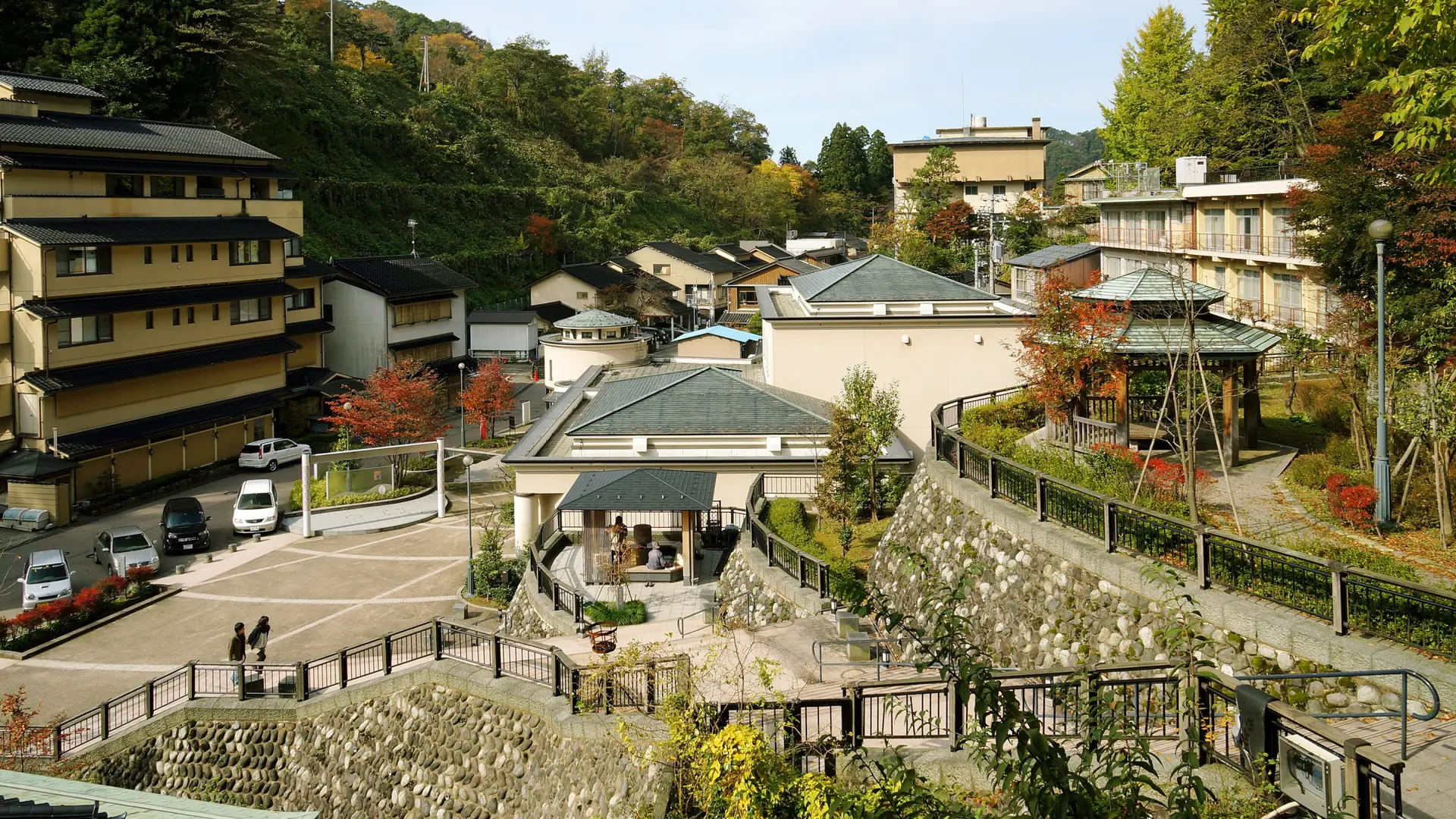
Yuwaku Onsen ryokan buildings surrounded by colourful forested hills in Kanazawa

Yuwaku Onsen

onsen lodging, forest calm and a deliberate countryside night

Move to Yuwaku only when bathing and ryokan hospitality deserve a separate night from Kanazawa sightseeing.

Sleep: very quiet, governed more by inn schedules than urban activity.

Onsen Ryokan Nature

Confirm pickup, dinner check-in, bathing arrangements and the current last bus directly with the inn.

Choose the district that keeps the wettest or latest journey short
Area Best for Trade-off Getting around
Korinbo and Nagamachi Complete first visit Downtown traffic Walking and loop bus
Omicho Market and Musashigatsuji Market mornings Early delivery noise Walking and bus
Kanazawa Station Transport Bus-dependent sights Rail and bus
Higashi Chaya and Asano River Historic atmosphere Sparse late services Walking and bus
Kenrokuen and Honda-no-Mori Gardens and art Hills and dinner limits Walking, bus and taxi
Sai River, Teramachi and Nishi Chaya Neighbourhood calm Fewer hotels Bus and walking
Nagamachi Samurai District Historic lanes near the centre Small accommodation pool Walking, loop bus and taxi
Yuwaku Onsen A dedicated onsen night Disconnected from city evenings Scheduled bus or inn transfer

Decide whether Kanazawa is a castle-town stay or a transport stop

A compact map does not remove the choice between early heritage, late food and effortless onward travel.

Walk the castle-town core over two days

Use downtown when the first visit includes several cultural categories.

Do not pay the centre premium for an overnight rail connection only.

Omicho shifts the balance toward food and the station.

Begin with the market, finish in Katamachi

Choose the end of the day you value more and walk or bus the other.

A chaya stay can frustrate diners expecting a large late restaurant field.

Market-side rooms suit early eaters who reserve dinner elsewhere.

Protect an early Shinkansen or highway-bus departure

Prioritise the station when two separate onward departures shape the stay.

Skip it when every full day revolves around gardens and museums.

Omicho is the halfway compromise.

Own the chaya district outside tour hours

Commit when photography and place matter more than full-service convenience.

Avoid it before an early train with heavy luggage.

Korinbo gives heritage walks with easier services.

Search Kanazawa hotels by the morning you want to protect

Compare live stays after choosing between garden access, market breakfast, station logistics and downtown evenings.

Search Kanazawa hotels →
Loading Kanazawa hotel results

Use Kanazawa Station as the transfer node, then choose whether to leave it behind

Shinkansen and regional rail arrive at one striking hub; Komatsu Airport buses and city routes divide from there. Hotel location decides whether that interchange repeats daily.

From Komatsu Airport

Airport buses serve Kanazawa Station and selected central stops

Airport buses serve Kanazawa Station and selected central stops

The airport states that buses leave after domestic arrivals and publishes a Kanazawa timetable. From August 2026 fares changed, so confirm the current price, stop and flight-linked departure directly.

Korinbo can avoid a station backtrack

When the operating bus calls at Korinbo, a downtown hotel may receive a direct arrival. Match the exact service to the flight because not every departure follows an identical stopping pattern.

Combine the loop bus with deliberate walking

Right and left loops change which sight arrives first

Right and left loops change which sight arrives first

Both directions begin at the station and circle major districts. Board by the next fixed attraction rather than habit; the official 2026 guide lists different daytime frequencies for each direction.

Castle-centred walks reveal the city between sights

Official guidance places major attractions within roughly two kilometres of the castle. Walking works beautifully in fair weather, while a bus or short taxi protects energy during coastal rain.

E-bikes help with terraces when surfaces are dry

Machi-nori offers electric bicycles across a broad docking network. Register before relying on it, obey parking rules and switch plans in snow, heavy rain or crowded heritage lanes.

Count rides, then price the city pass

Four or more covered bus rides may justify a day product

Four or more covered bus rides may justify a day product

The official transport page recommends the pass from four rides and notes attraction discounts. Confirm the displayed 2026 price because one cached field is incomplete, and ensure every planned bus is included.

Plan for slopes, wet surfaces and traditional thresholds

Ask about the complete route from stop to room

Ask about the complete route from stop to room

Modern buses and hotels can be accessible while garden paths, chaya buildings and samurai lanes introduce gravel or steps. Confirm vehicle boarding, attraction entrances and room facilities individually.

Let weather and opening patterns decide the order

Kanazawa rewards outdoor detail, yet Sea of Japan rain, winter snow and venue closure days can reshape an otherwise compact route.

Treat every season as a different city texture

Winter creates atmosphere and transport friction together
  • Winter creates atmosphere and transport friction together

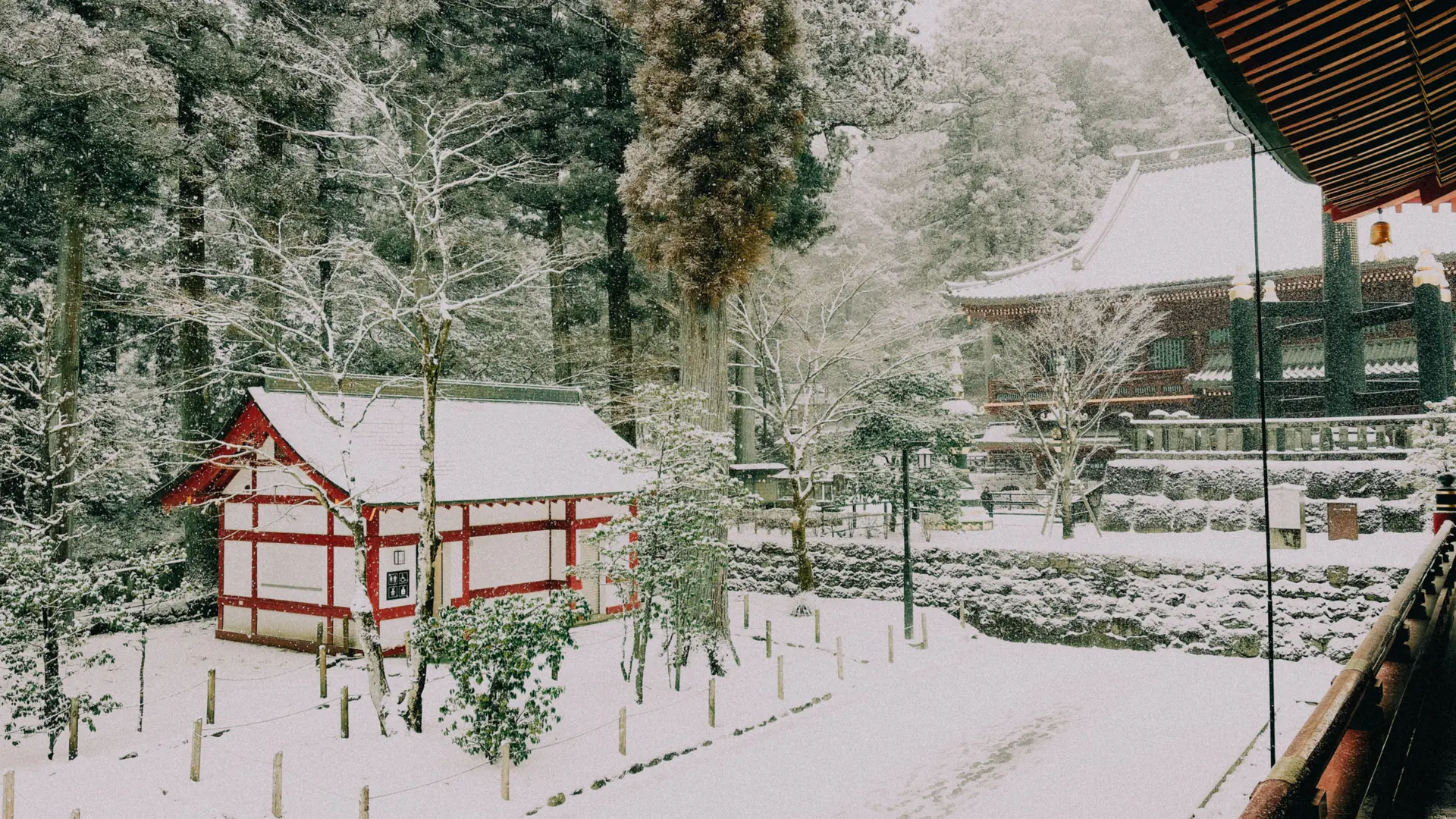
    Snow and yukitsuri transform Kenrokuen, while wet pavements and bus demand slow movement. Pack waterproof footwear and leave margin before reserved trains rather than stacking outdoor districts tightly.

  • Spring and autumn reward an early garden entry

    Popular colour periods increase pressure around the Kotoji lantern and main gates. Official early-admission windows use selected entrances, so verify the date and gate before dawn.

  • Weekdays reduce queues but can reveal closing days

    The tourism office recommends weekdays for crowded hotspots while warning that businesses often close between Monday and Wednesday. Build from must-visit opening calendars, not a generic two-day template.

Price buses, breakfast and room character together

A station discount may create daily transport costs
  • A station discount may create daily transport costs

    Add bus fares and time for every garden or chaya return. The station remains excellent when rail dominates, but Omicho or Korinbo can produce better overall value for a sightseeing-led stay.

  • Market breakfast can replace an expensive hotel meal

    An Omicho base gives access to early seafood counters, yet not every stall opens daily and queues can erase the saving. Identify real breakfast options before selecting a room-only rate.

  • Machiya value is experiential, not square metres

    Traditional lodging may include architectural character but also stairs, futons or shared spaces. Compare privacy, heating, bathroom and luggage support before paying for atmosphere.

Avoid these Kanazawa planning shortcuts

Calling the station central for every attraction
  • Calling the station central for every attraction

    It is central to transport, not to Kenrokuen, Nagamachi or Higashi Chaya. Book it intentionally for trains and buses, not because all maps begin there.

  • Scheduling Omicho as a late-afternoon fallback

    The market's useful rhythm belongs earlier in the day and individual businesses vary. Visit for a planned breakfast or lunch rather than after museums close.

  • Assuming a sunny walking plan survives coastal weather

    Carry a bus alternative and cluster indoor museums or craft experiences nearby. Short map distances still feel long in driving rain, slush or summer heat.

Should I stay near Kanazawa Station or downtown?

Choose the station for Shinkansen legs, airport buses, luggage and early regional departures. Choose Korinbo or Omicho when full sightseeing days matter more: they reduce repeated bus rides and keep food or evening walks close. A two-night first visit usually benefits from the castle-town side unless transport is unusually tight.

How many nights should I spend in Kanazawa?

Two nights support a complete first visit with Kenrokuen, the castle, Omicho, Nagamachi, one chaya district and selected museums. Three nights allow slower crafts, both river districts or a weather buffer. One night works only with firm priorities and well-timed arrival; it should not attempt every preserved quarter. In winter, a third morning also protects the trip from a delayed bus or a garden walk shortened by heavy weather. Travellers adding Kaga Onsen or Shirakawa-go should count those as separate chapters rather than pretending they fit invisibly between city attractions.

Where should food-focused travellers stay for lively Kanazawa evenings?

Korinbo and adjoining Katamachi provide the broadest late dining and bar choice. Omicho excels earlier for seafood; Higashi Chaya becomes quiet after visitor hours. Check the exact block because a hotel near Katamachi can be convenient or noisy, while one toward Nagamachi may feel markedly calmer.

Is Higashi Chaya a good place to stay?

Yes for travellers who value wooden streets, the Asano River and quiet photography outside daytime crowds. It is less suitable for late dining, heavy luggage or an early train. Confirm stairs, bathrooms and arrival rules at traditional accommodation and plan the final evening bus or taxi before booking.

Can I walk around Kanazawa without buses?

Much of the castle-centred visitor area is walkable, with official examples linking Omicho, the castle, Kenrokuen, museums and Nagamachi. The station, Higashi Chaya and Nishi Chaya stretch the circuit. Mix walking with one directional loop-bus ride, especially in rain, snow, heat or with limited mobility.

How do I get from Komatsu Airport to Kanazawa?

Flight-linked limousine buses connect Komatsu Airport with Kanazawa Station and some city stops. The airport publishes current schedules and notes that buses generally depart shortly after domestic arrivals. From August 2026 fares changed, so verify the operator timetable, payment and the stop nearest the hotel immediately before travel.

Where should I stay for Kenrokuen Garden?

A garden or Honda-no-Mori hotel creates the shortest morning, while Korinbo offers a better balance of garden access and dinner. Check which gate serves the hotel's side and which entrance opens during early admission. The closest-looking room can still involve a slope or indirect gate approach.

Is Omicho Market a convenient base?

Yes. It lies between the station and castle, supports early food, and connects well by bus. Its weakness is the quiet after market hours and possible delivery noise in the morning. Choose it when seafood and daytime centrality outweigh nightlife, and verify operating days around holidays.

Do I need to reserve attractions in Kanazawa in 2026?

Reserve any timed performance, tea experience, small-group traditional venue or Ninjadera visit required by the operator. Museums, illuminations and special openings can alter normal access. Check each first-party page for the travel date; a general city guide cannot safely guarantee same-day entry or holiday operation.

What is the quietest central area?

Nagamachi's residential edge and the quieter streets near Honda-no-Mori offer calm without leaving the heritage core. Higashi Chaya settles after visitors depart but has fewer services. Request a room away from Katamachi nightlife, arterial roads, lifts and delivery areas; district names alone do not guarantee silence.

Is Kanazawa accessible for a traveller with limited mobility?

A workable visit is possible using buses, taxis and modern accommodation, but preserved buildings, garden paths, slopes and wet surfaces require specific checks. Filter the official accommodation directory for barrier-free properties, contact each attraction about entrances, and shorten the walking circuit rather than assuming compact means step-free.

Can I visit Shirakawa-go from Kanazawa?

Kanazawa is a common gateway for highway buses to Shirakawa-go, but reserved departures and seasonal demand can make the day rigid. A station hotel is useful before an early bus. Confirm the current operator, reservation and luggage rules, and do not sacrifice Kanazawa's own two-day rhythm unless the village is a top priority. Snow, road disruption and full departures matter more than the straight-line distance suggests. If the excursion returns after dusk, choose a hotel with an uncomplicated route from the arrival bay and identify dinner that remains open afterward.

How this Kanazawa guide was researched

Reviewed by StartBooker editorial team Travel editorial research and rewrite

Last reviewed 2026-09-13

Editorial method: Original stay guidance checked against Kanazawa tourism, city transport, Hokutetsu, Komatsu Airport and JNTO records, with traveller questions cross-checked against four independent editorial guides.

16 sources reviewed

Primary and operator sources
  • Kanazawa City Tourism Association
  • Japan National Tourism Organization
  • Hokuriku Railroad
  • Komatsu Airport
  • Lonely Planet
  • Travel Stay Guide
Photo credits

Share a useful Kanazawa stay lesson

Which district worked best in wet weather?