Why Tokyo stays in the route
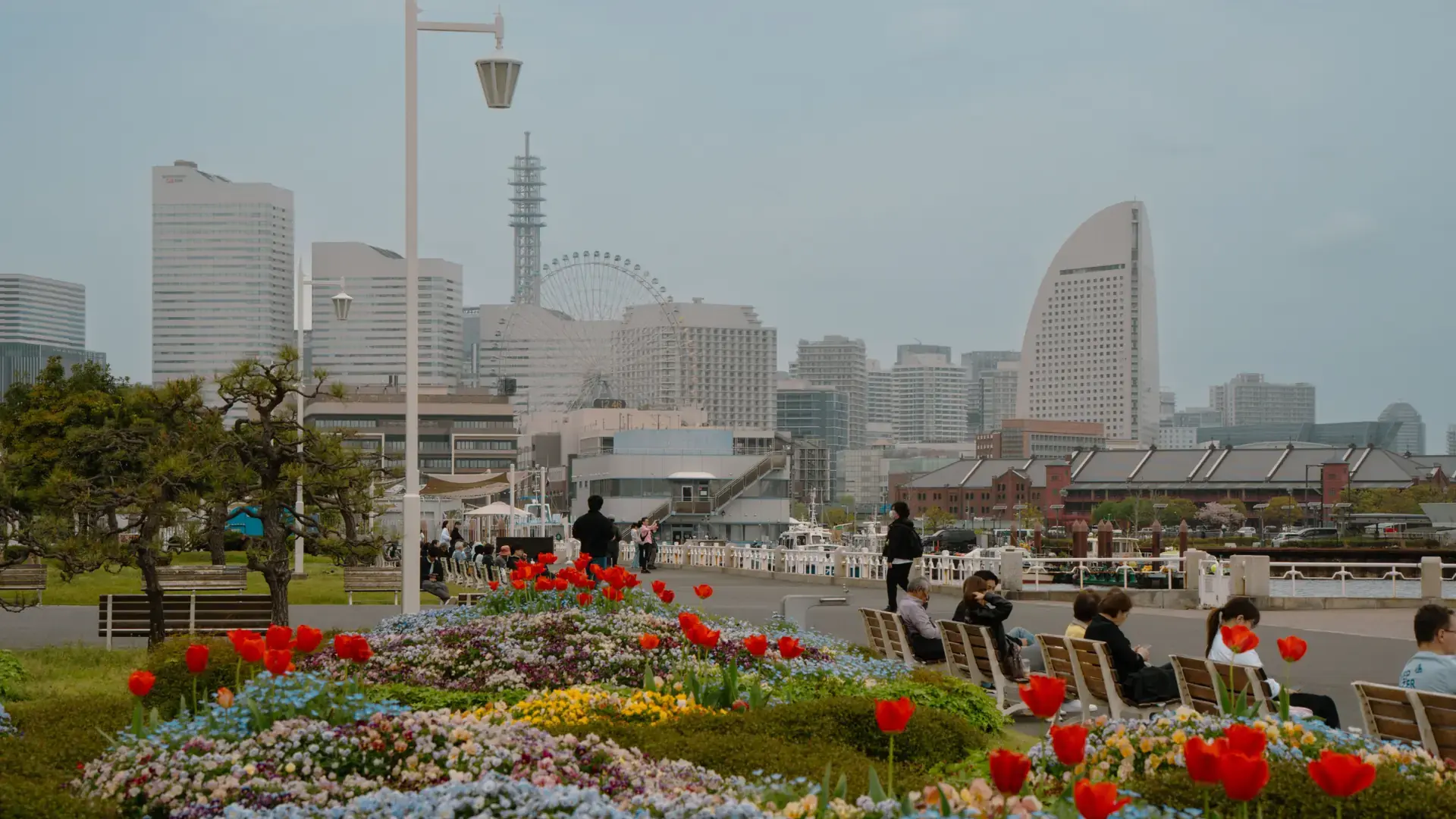
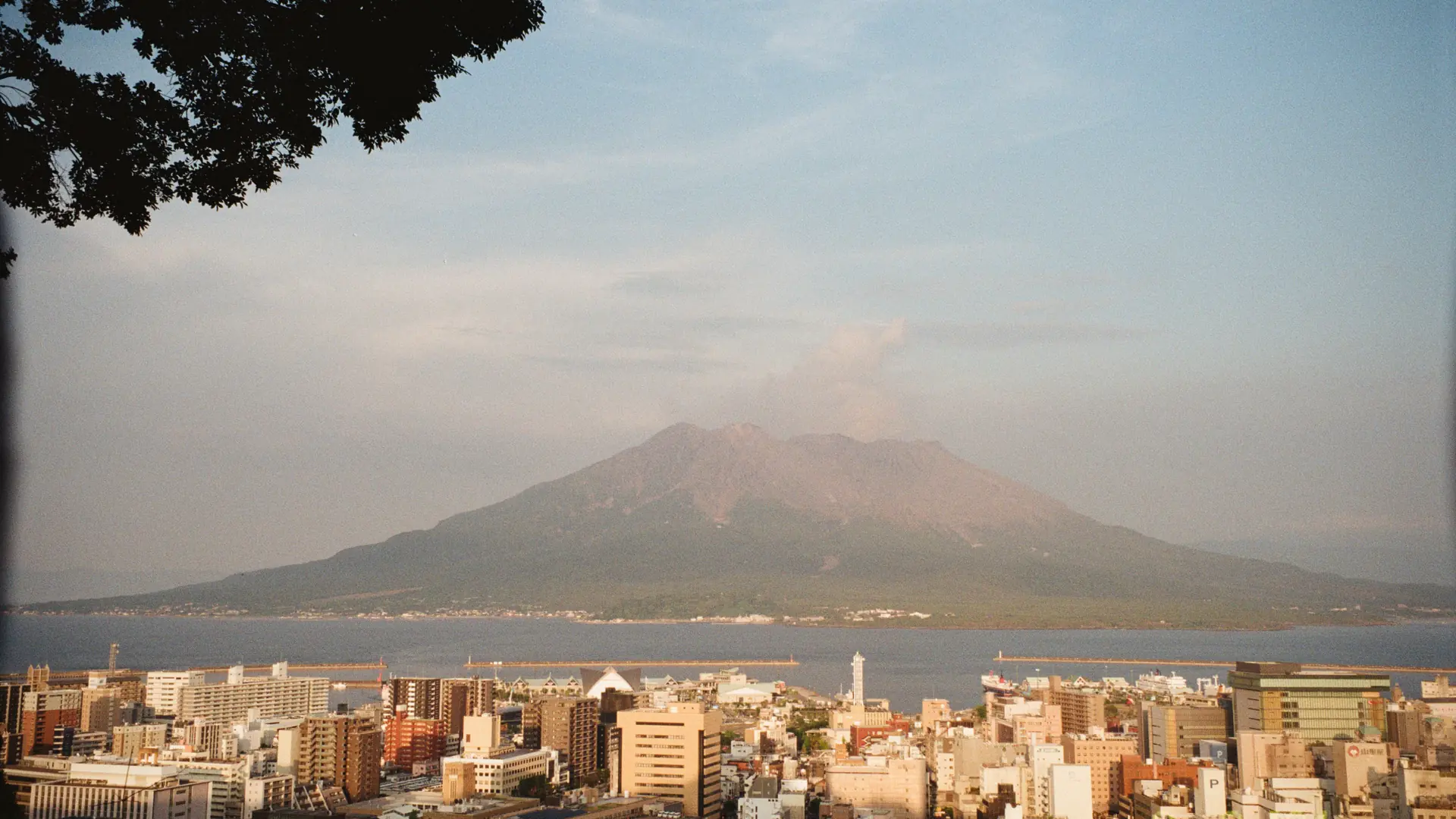
Tokyo provides energy and choice at the start, but two nights keep the metropolis in proportion and leave the couple fresh for the quieter experiences ahead.
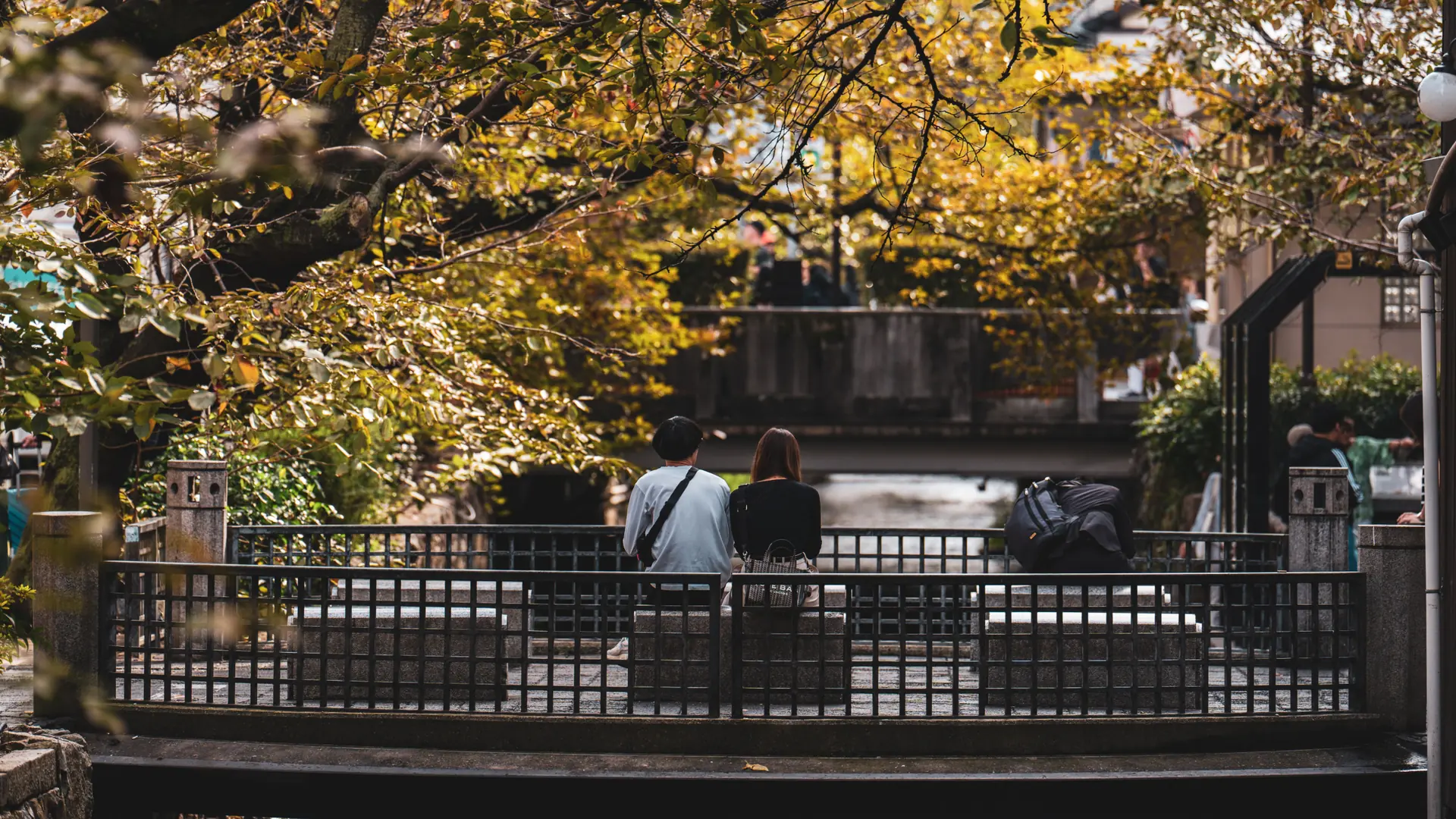
The route balances celebration with breathing room: city dinners, two onsen nights, Kyoto mornings and an island ending that never doubles back.
A honeymoon deserves memorable settings, but it also needs unclaimed time. Tokyo opens with one full neighbourhood day rather than an encyclopaedia. Hakone receives two nights so the private bath and dinners are usable. Kyoto has two clear mornings, while Miyajima’s second night leaves an evening and early shore after day visitors depart.
The costly reservations must suit two actual people. Ask whether a ryokan bath is genuinely private, how meals accommodate dietary needs and when check-in closes. Decide whether the Miyajima room prioritises water view, quiet or ease from the pier. A photographer, guide or car is worthwhile only when both partners want the experience it creates.
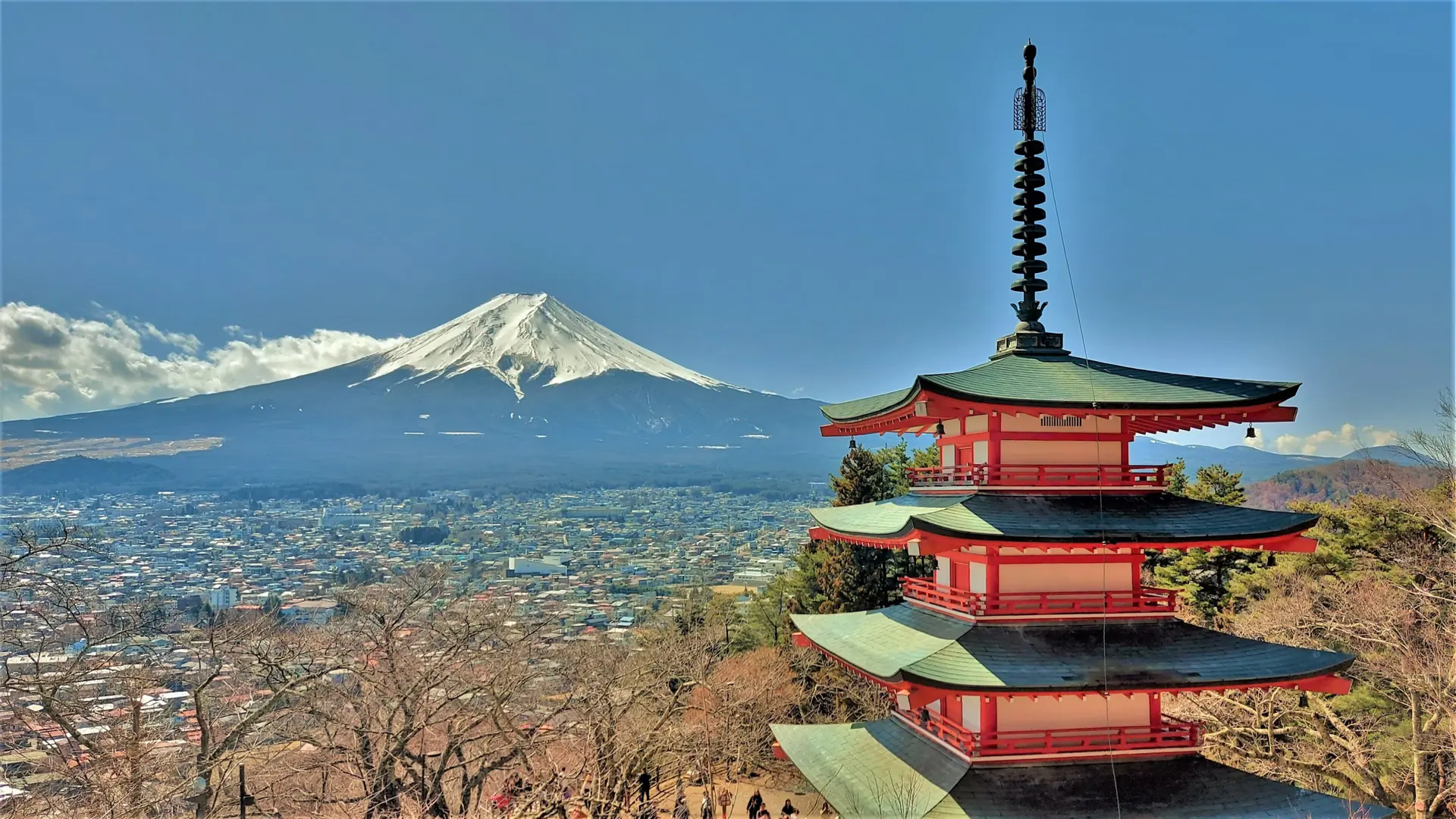
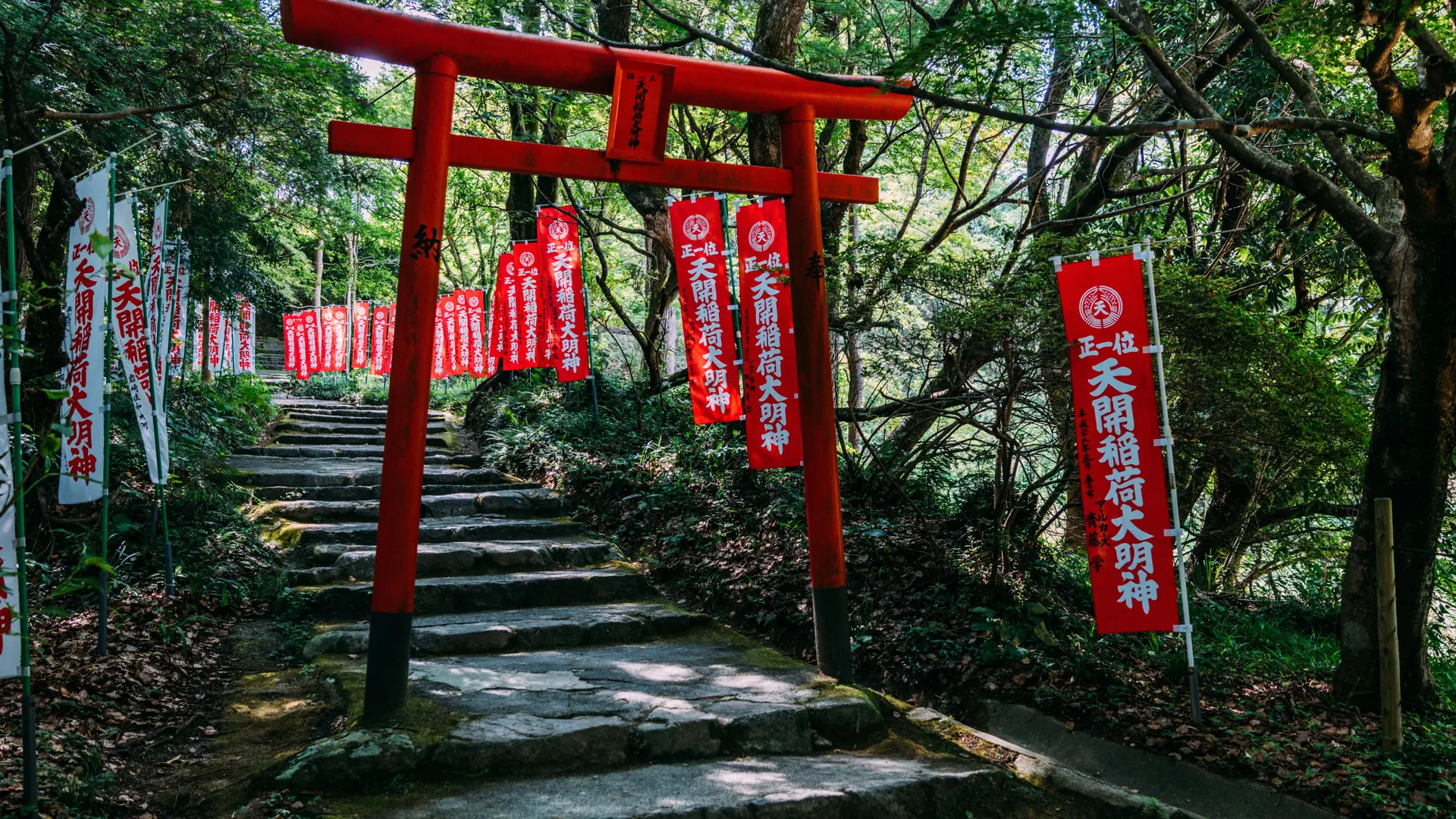
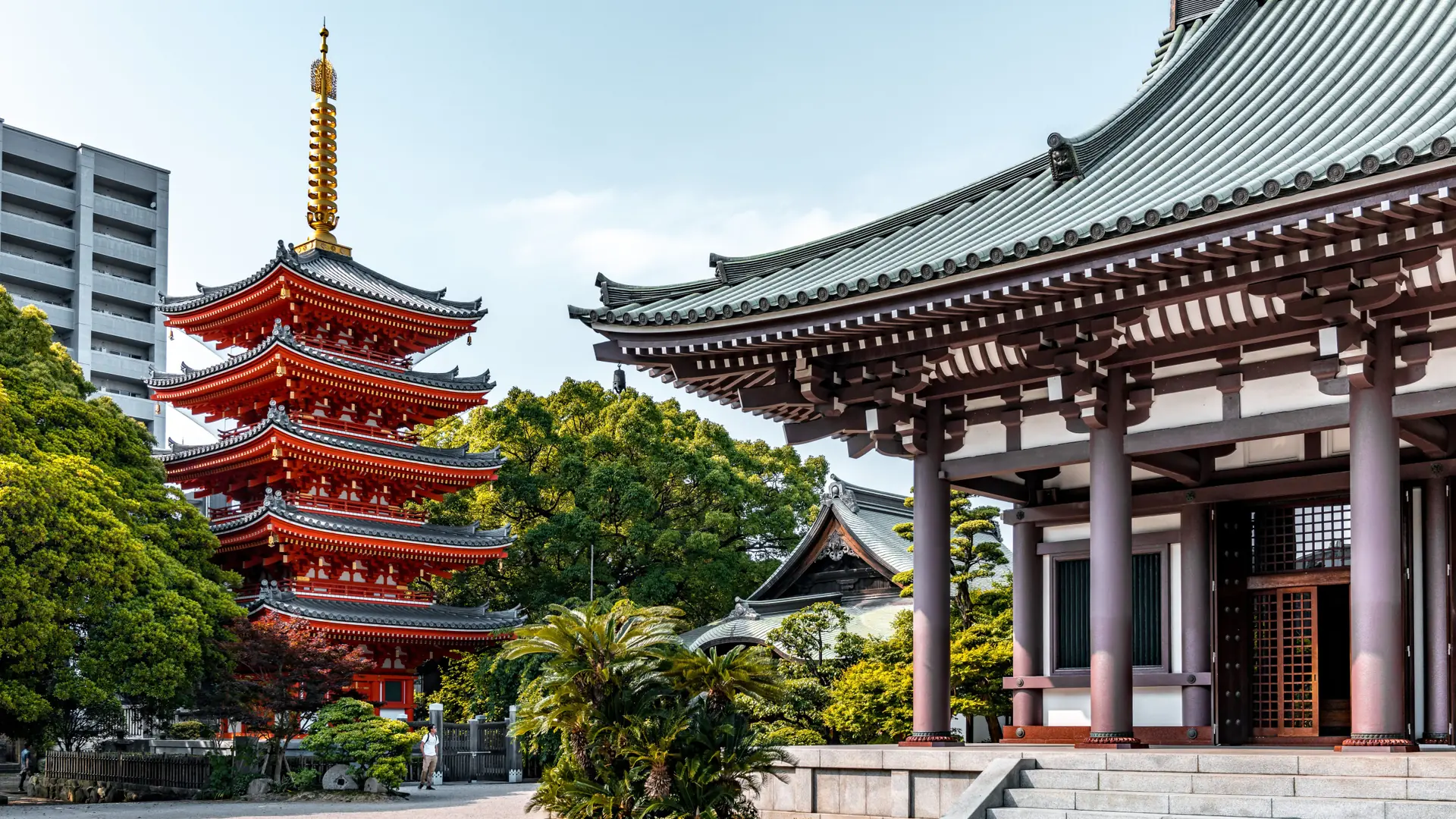
This is not a promise of empty torii gates, visible Mount Fuji or perfect blossoms. Weather, tides and public access remain real. The romantic decision is to preserve alternatives: a museum and long lunch on a cloudy Hakone day, a garden swap in Kyoto, or a slow island walk when the ropeway is unsuitable.
Agree on the few moments that matter before booking: perhaps one Tokyo dinner, the character of the Hakone bath and a quiet Miyajima morning. Everything else can support those choices. This prevents one partner from becoming the permanent trip manager and gives both people permission to separate briefly when interests differ. A honeymoon becomes personal through shared decisions and recovery time, not through a catalogue of places labelled romantic.
The practical conversation is part of planning for two. Agree how early both travellers genuinely want to wake, whether communal bathing is comfortable, and which meal deserves a firm reservation. Keep a small shared list of non-negotiables and let each person own one day. On Miyajima, decide whether the priority is the shrine at a particular tide, a forest walk or time inside the island inn; no room can maximise all three without trade-offs. Photographs will follow more naturally when the schedule leaves room to stop, change plans and be present.
Keep the final island stay protected from departure anxiety. If the flight requires a difficult morning chain, add an airport-side night outside these ten days or choose a later service. A ferry, local train and long-distance rail connection should not sit between breakfast and an inflexible check-in. The best ending gives the couple one last shoreline walk and enough margin to remember it.
Tokyo provides energy and choice at the start, but two nights keep the metropolis in proportion and leave the couple fresh for the quieter experiences ahead.
Hakone is the deliberate pause: two ryokan nights allow private bathing, long dinners and a weather-flexible day instead of a hurried overnight built around a Fuji photograph.
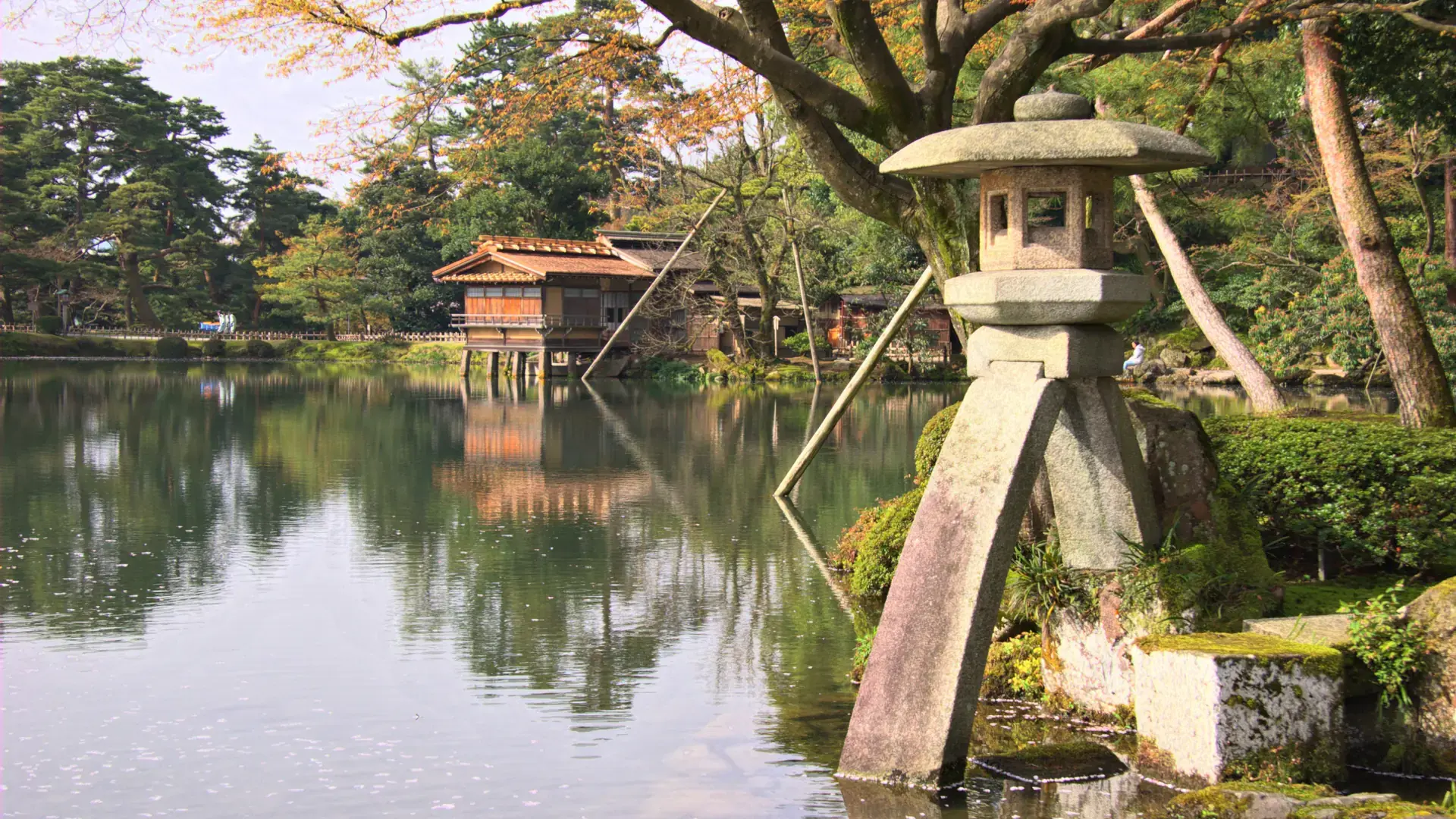
Three Kyoto nights balance early cultural visits with the unscheduled meals, walks and hotel time that make a honeymoon feel shared rather than managed.
Best for
Think twice if
Couples who want nightlife every night, multiple theme parks or a beach-resort honeymoon; this route centres culture, baths and walking.
StartBooker answer
Choose two Tokyo nights, two in Hakone, three in Kyoto and two on Miyajima, departing from Hiroshima or Kansai on day ten. Book the Hakone bath and meal plan first, then the island stay and Kyoto hotel. Forward the main suitcase from Tokyo to Kyoto and again toward the final departure point. The sequence mixes city energy, private time and landscape without requiring a new room every evening or turning the honeymoon into a photography timetable.
The stays alternate city energy with two-night retreats: Tokyo first, Hakone for the ryokan experience, Kyoto for cultural depth and Miyajima for an unhurried finale by the water.
4 stops · swipe
 1
1
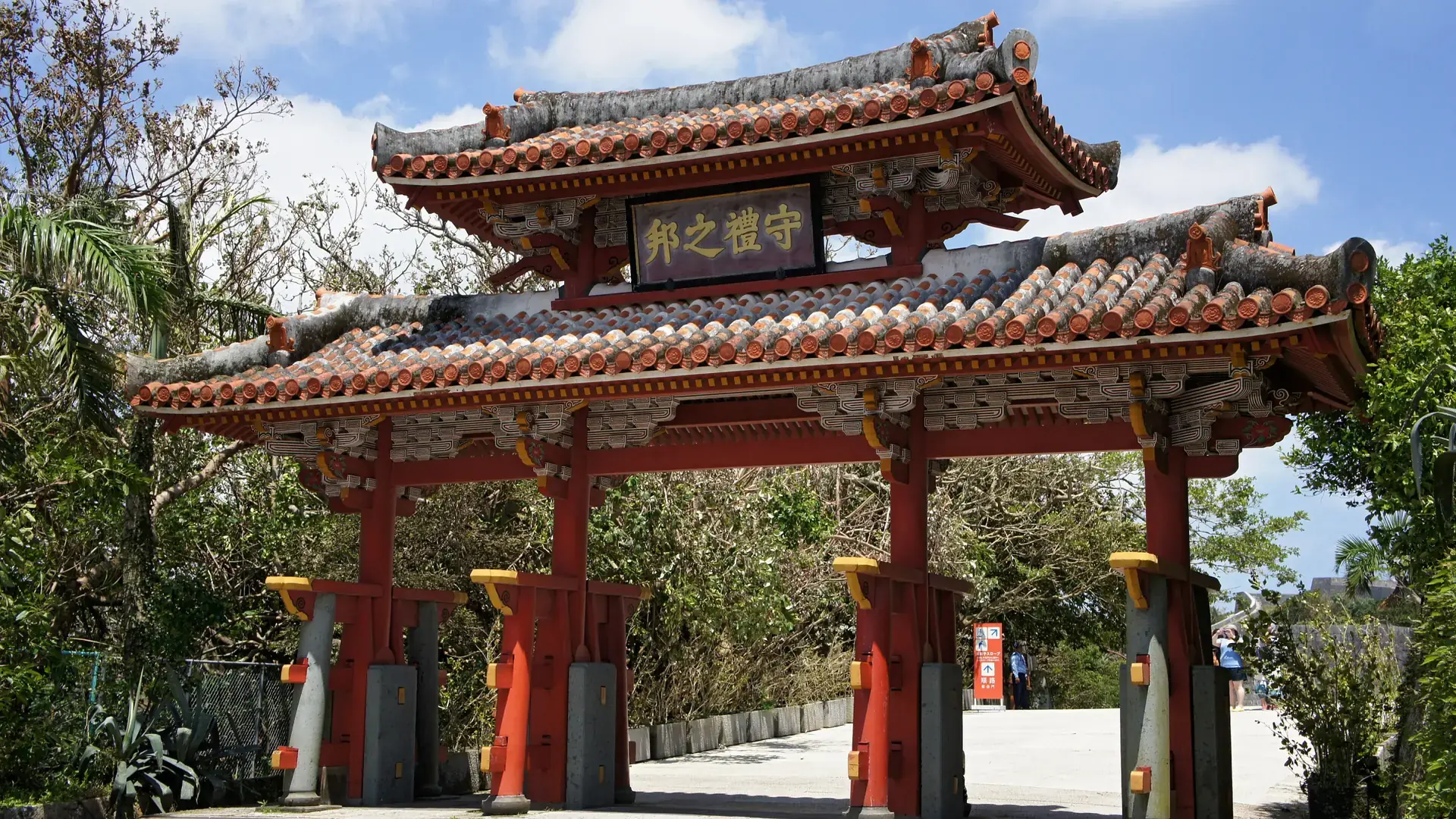
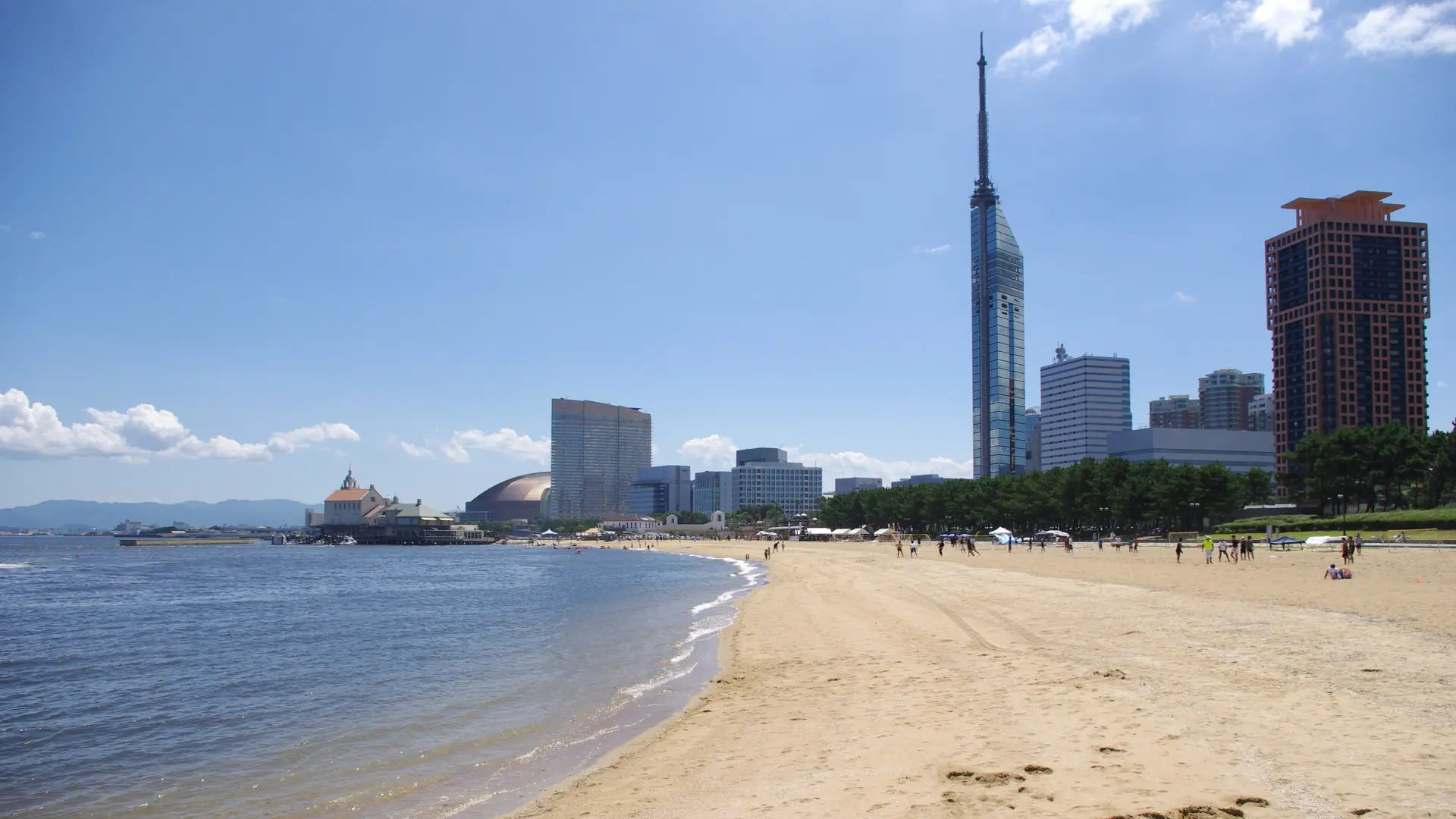
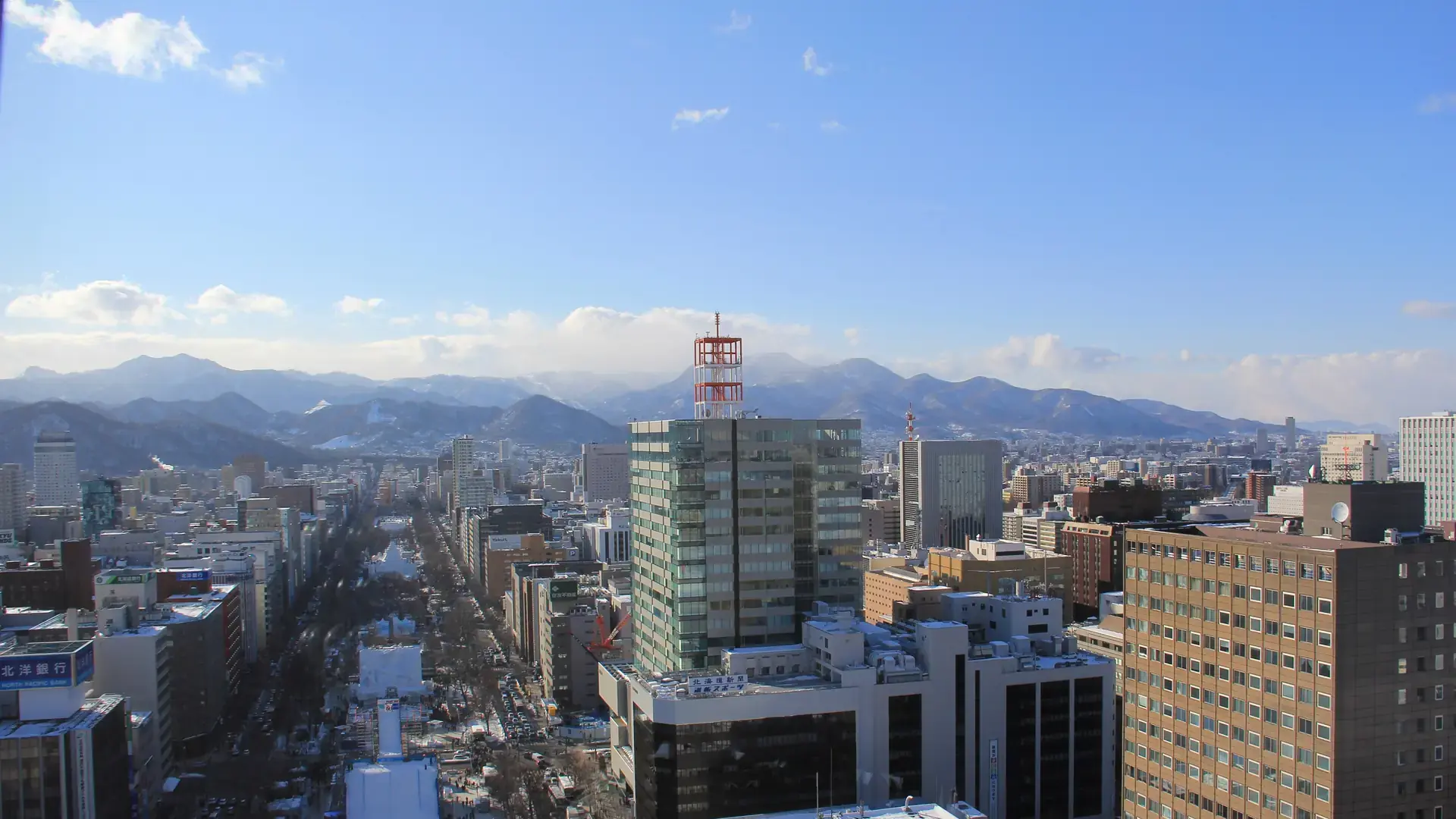
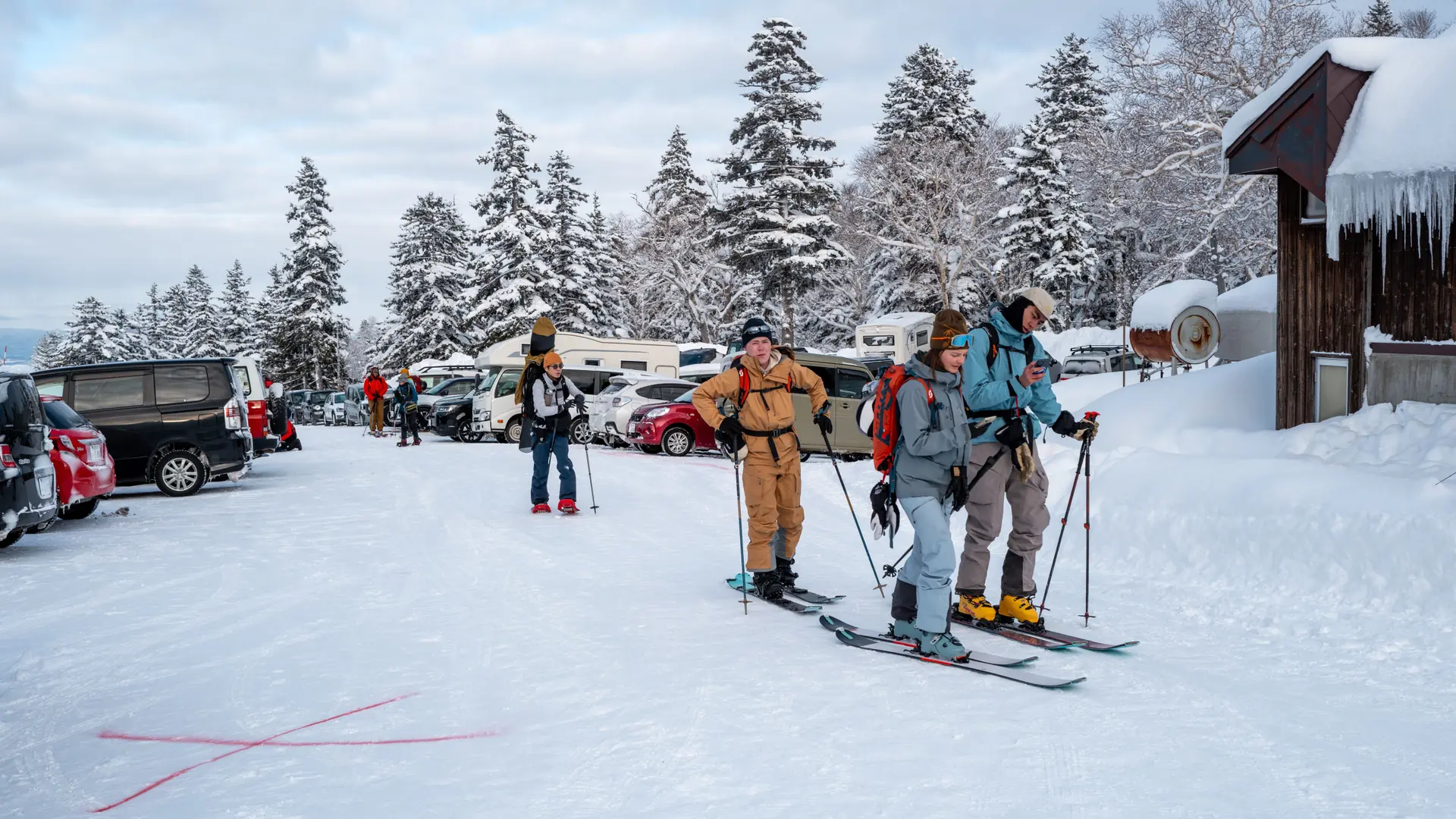
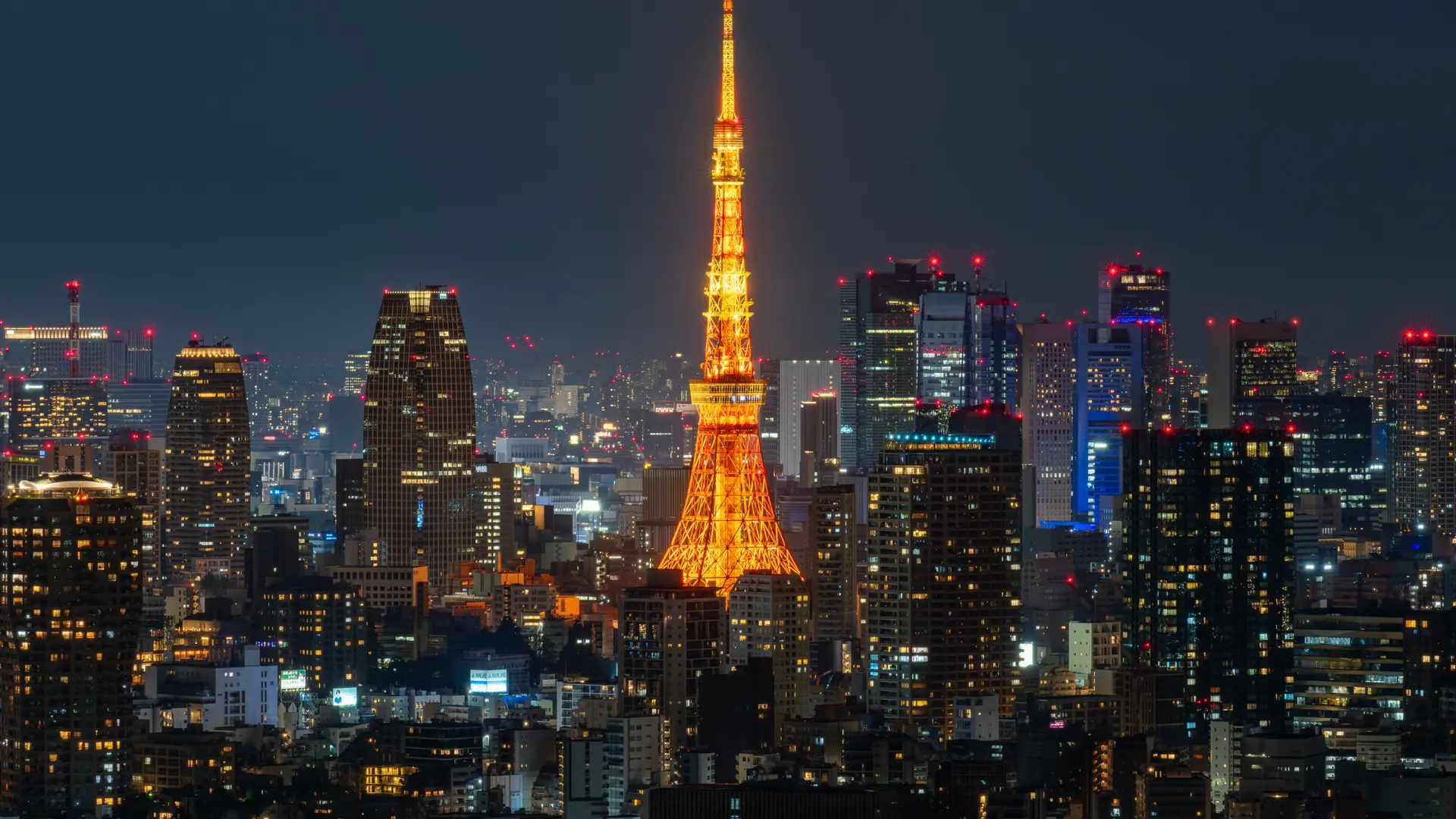
A celebratory opening, contemporary design and exceptional dining
Choose the Tokyo side that fits the couple’s strongest interests and place the first important dinner there. With only one full day, a deliberate neighbourhood choice protects the beginning from exhausting transfers.
Watch out: One full day cannot cover east and west with equal care.
Read the Tokyo guide →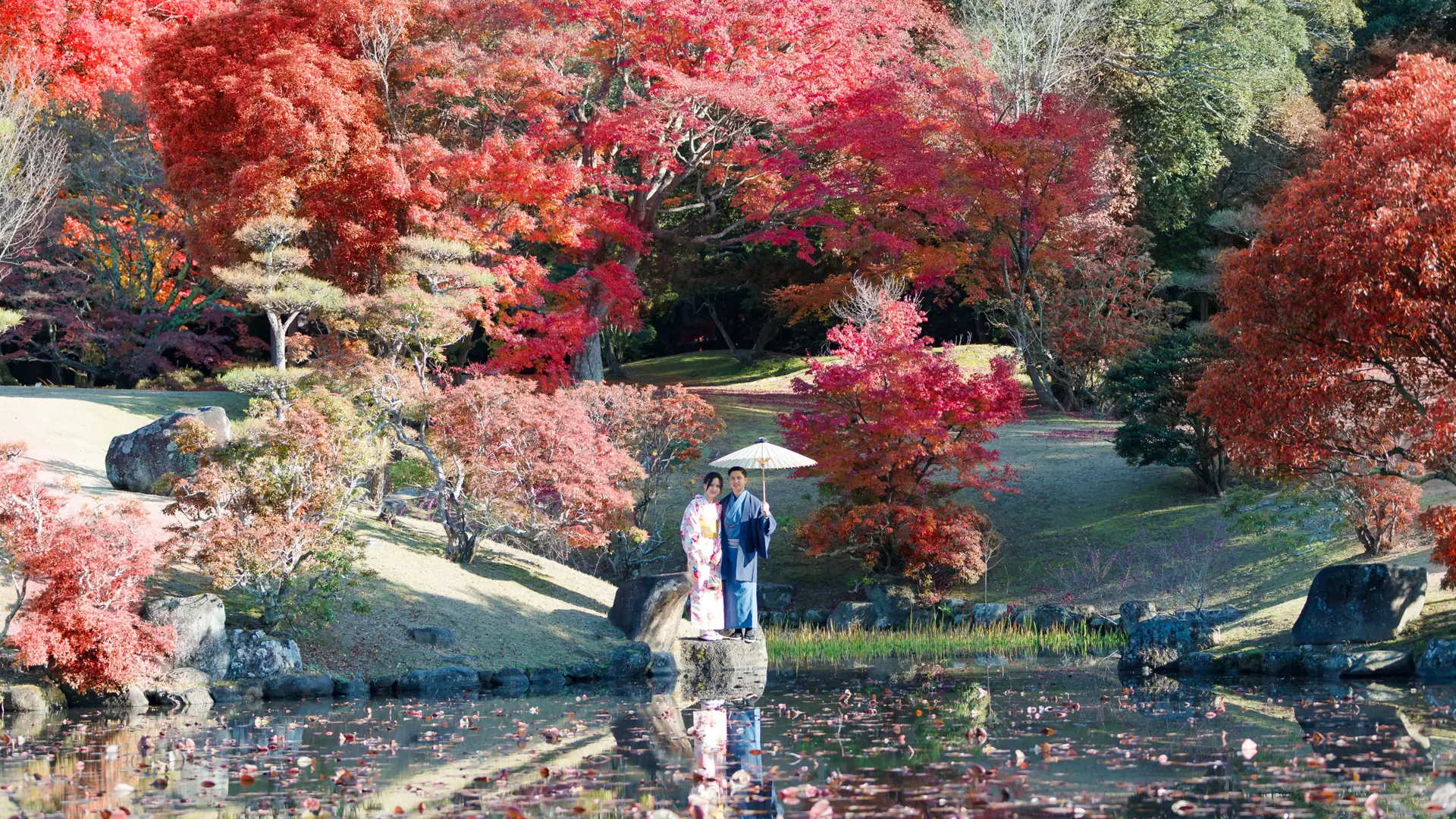 2
2
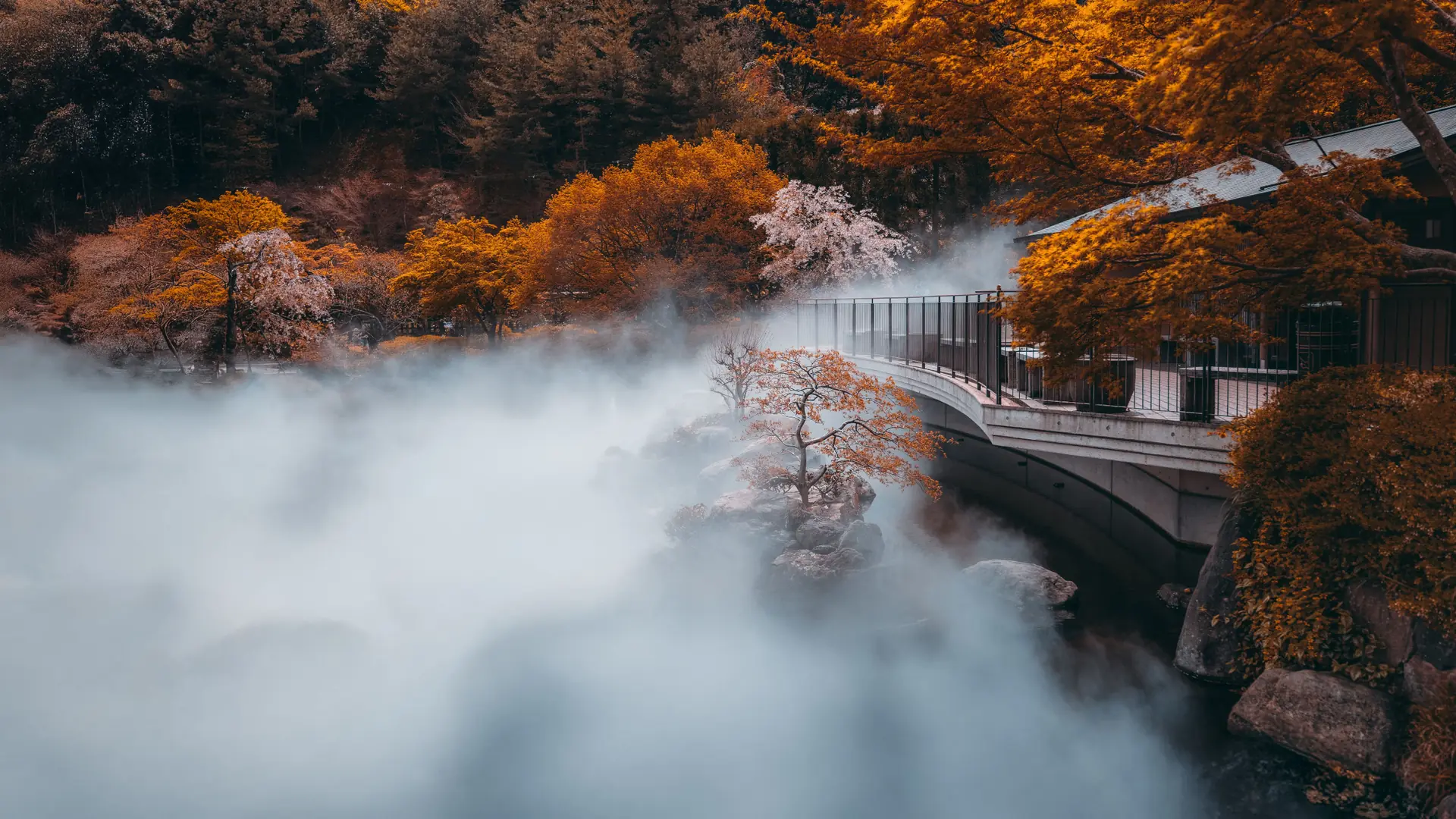
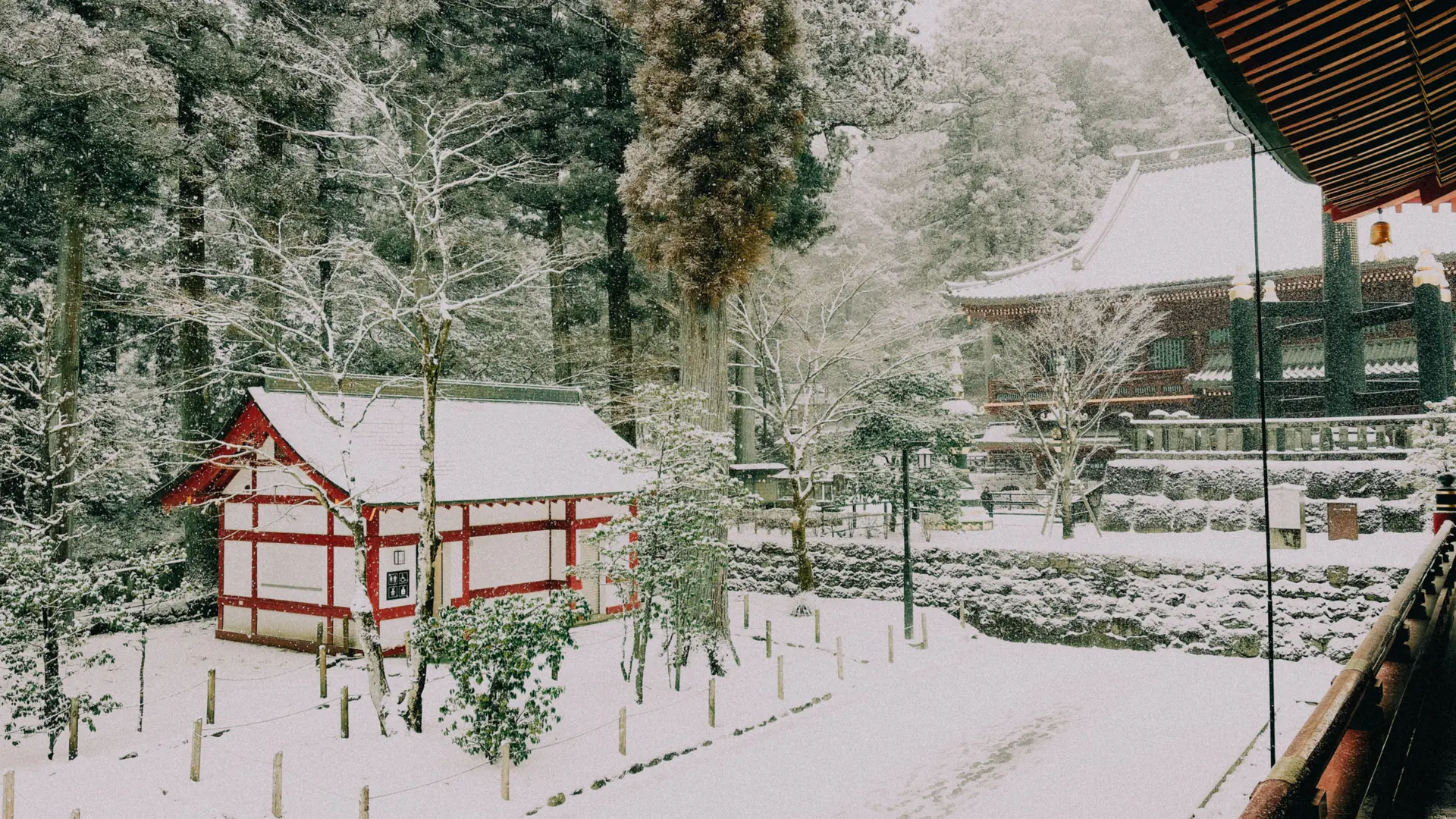
Private baths, shared meals and weather-led mountain time
Treat the ryokan as a destination, leaving one complete day that can follow clear views or retreat indoors. Two dinners and an unhurried bath schedule let the hospitality carry the stay even when Mount Fuji is hidden.
Watch out: Bath arrangements, meal deadlines and tattoo rules require direct confirmation.
 3
3
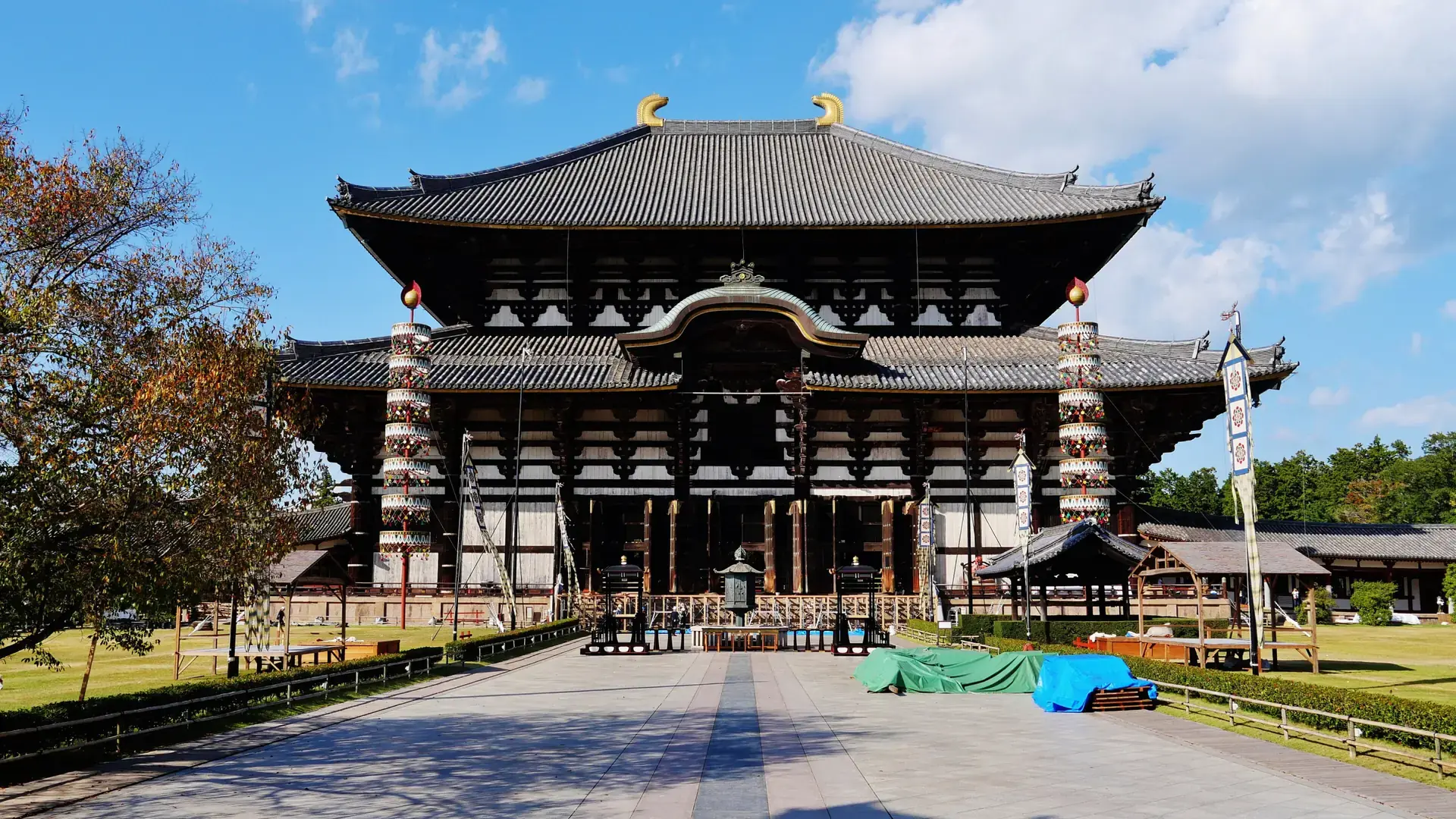
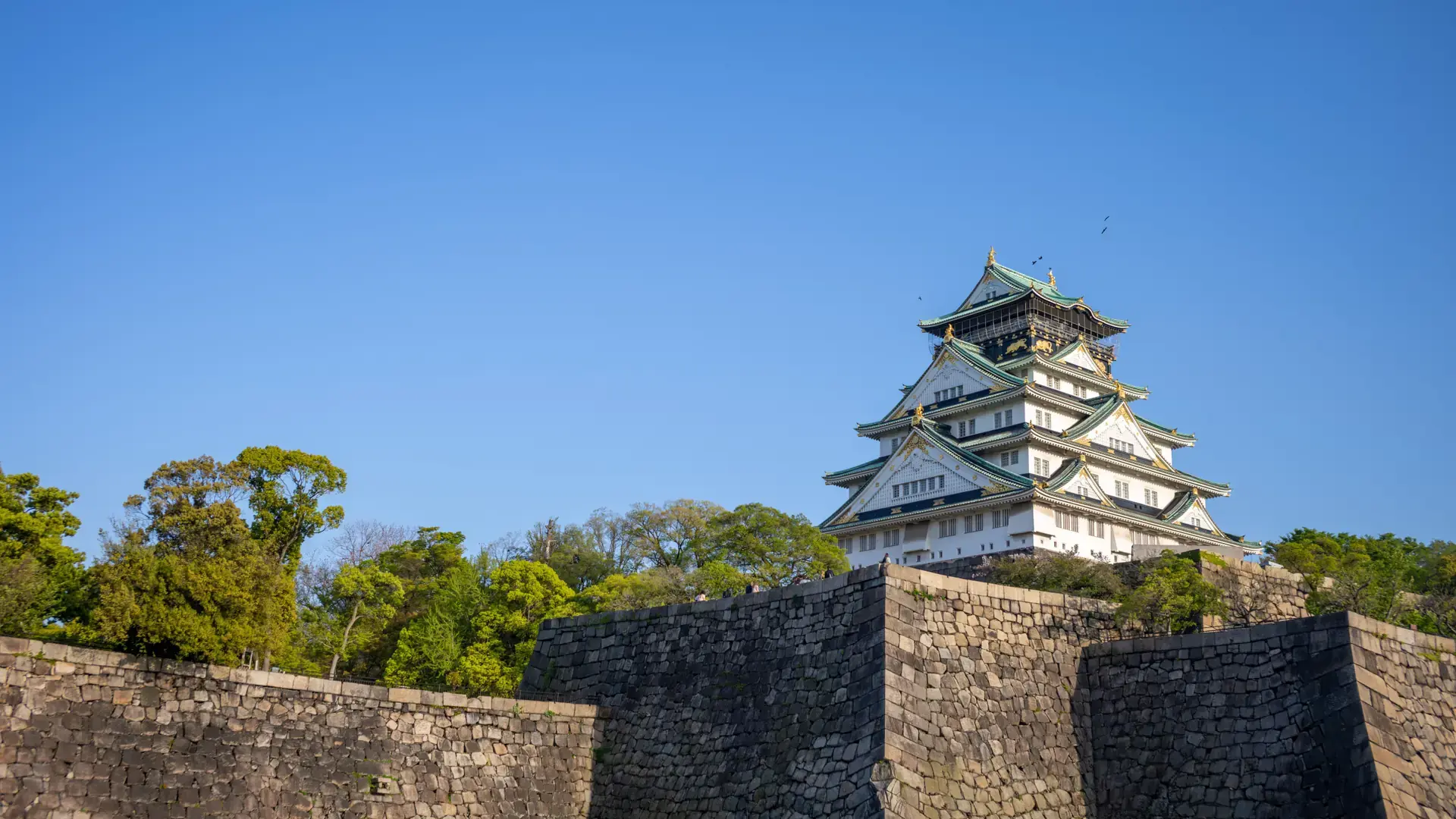
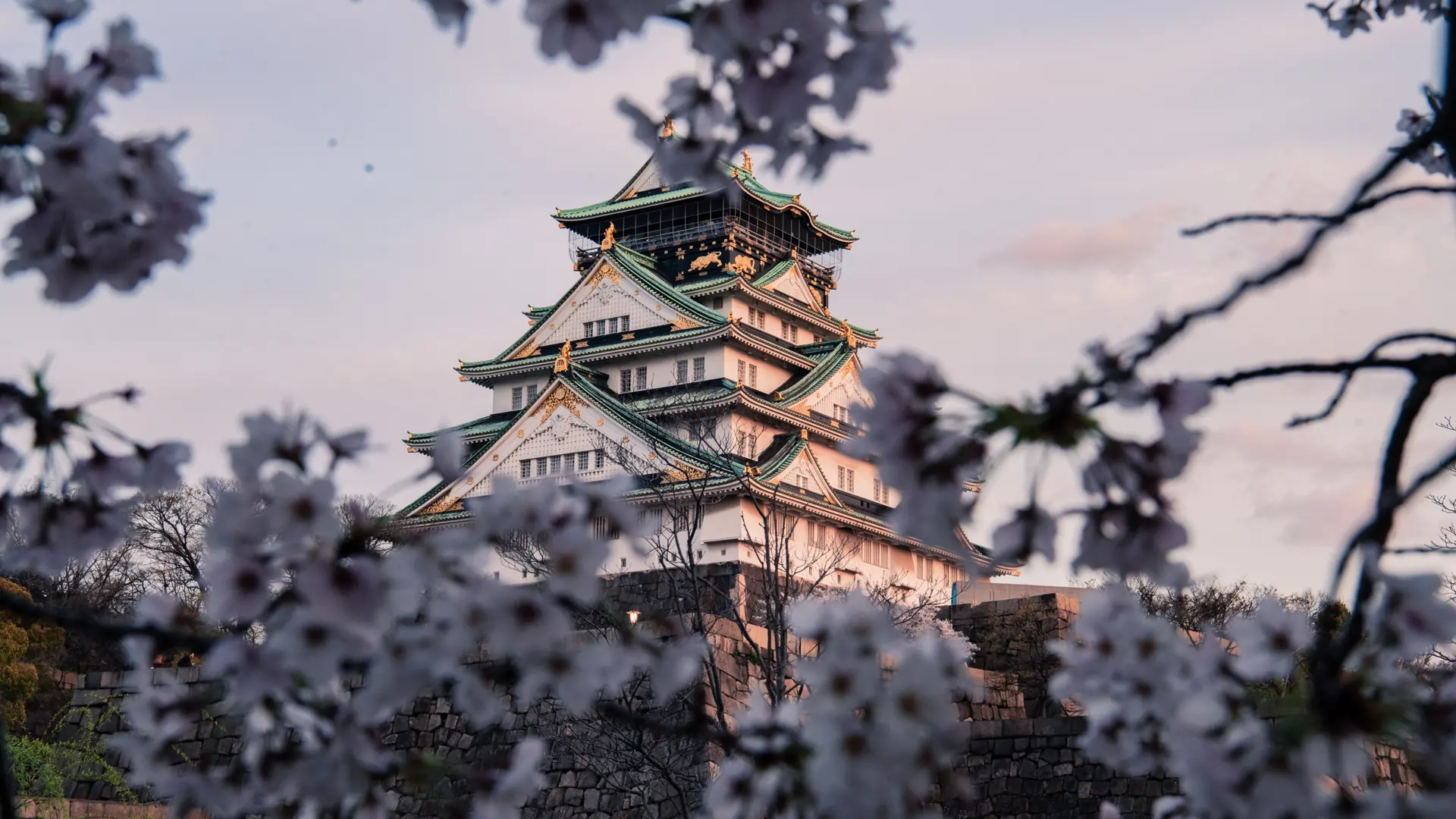
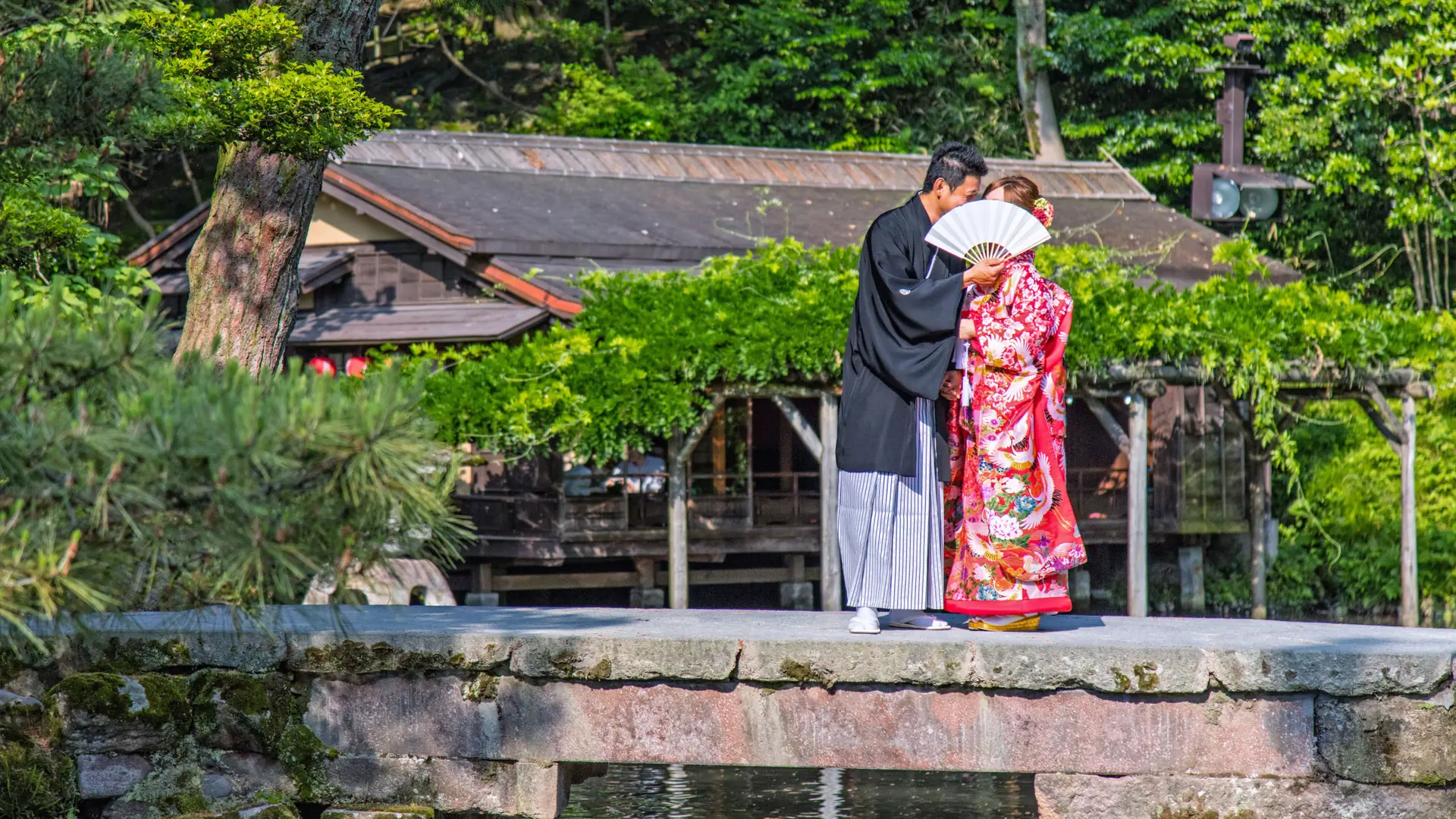
Gardens, crafts, temples and intimate evening streets
Use two early geographic clusters and keep afternoons for craft, food and rest rather than more transfers. Two mornings are enough for meaningful contrast when the route resists the urge to collect temples.
Watch out: Crowds grow quickly and private cars do not erase congestion.
Read the Kyoto guide →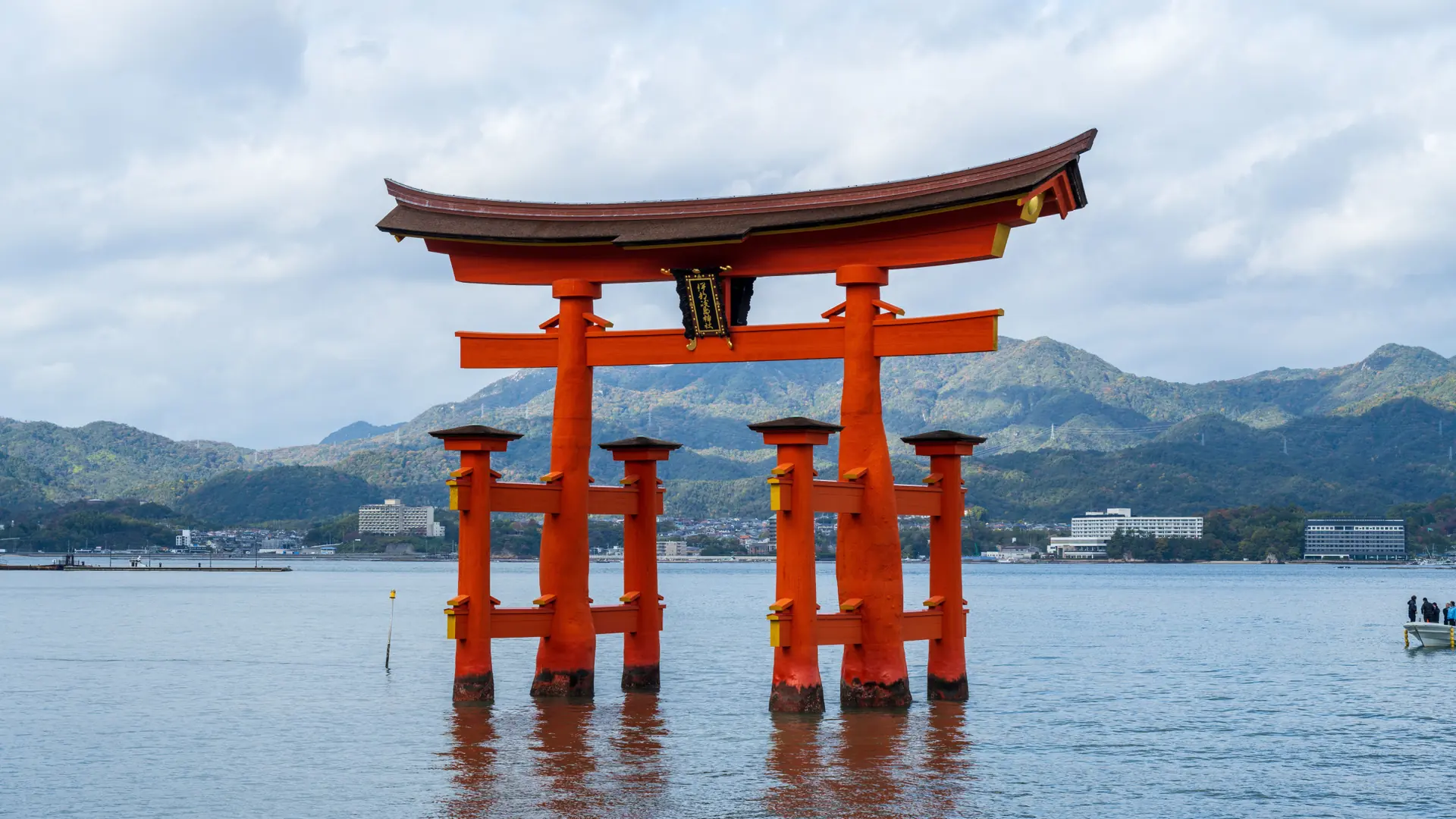 4
4
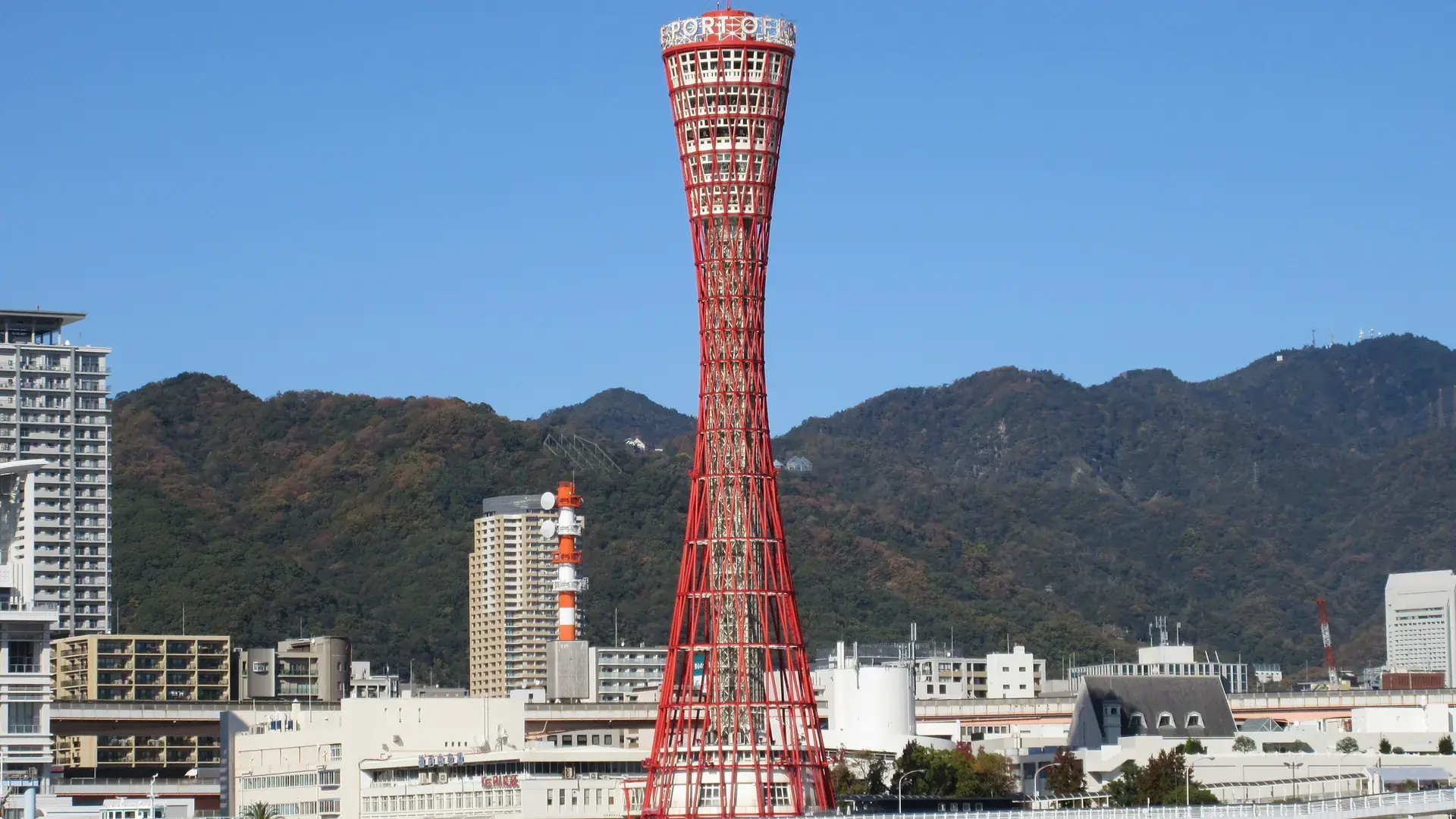
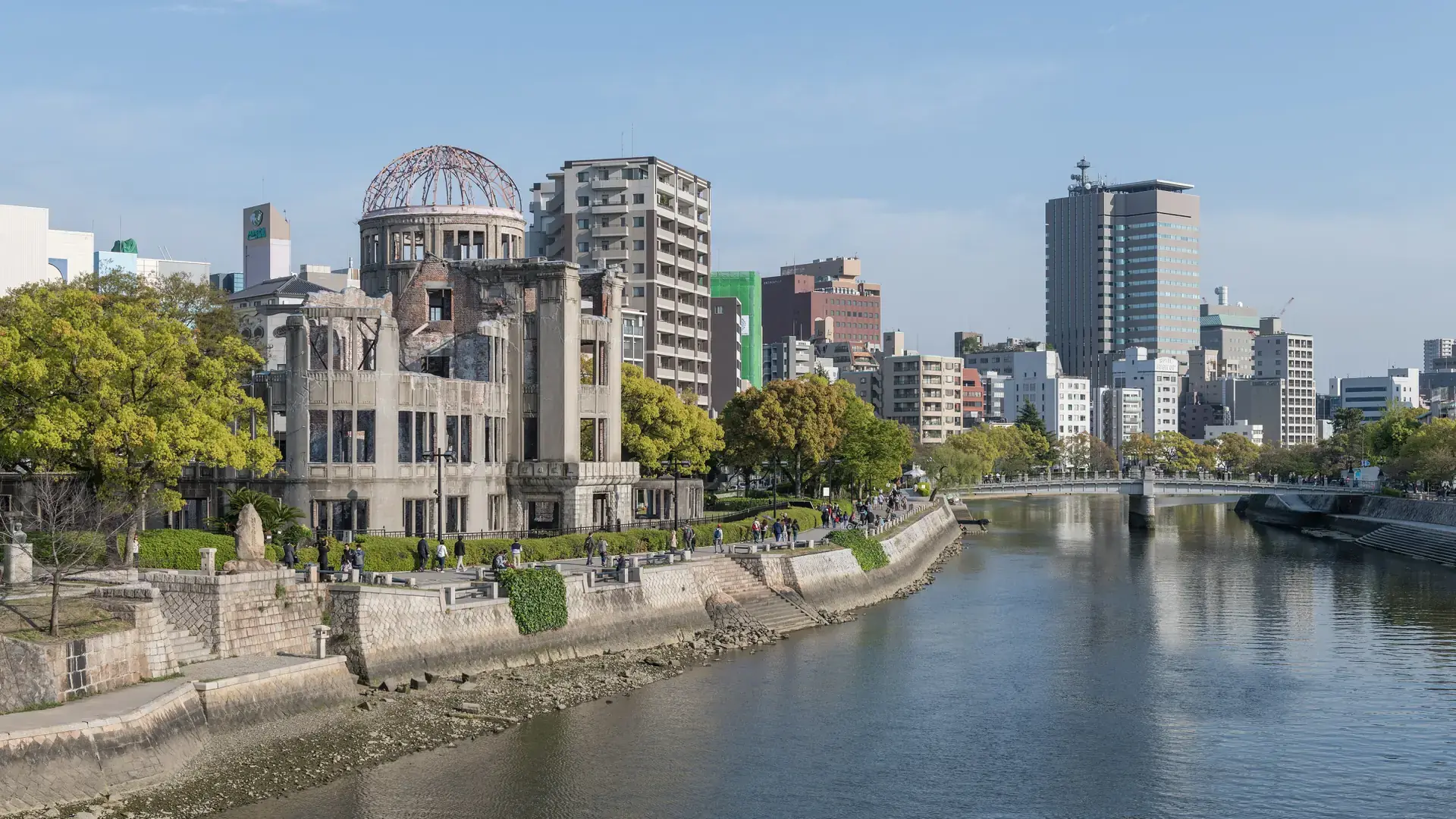
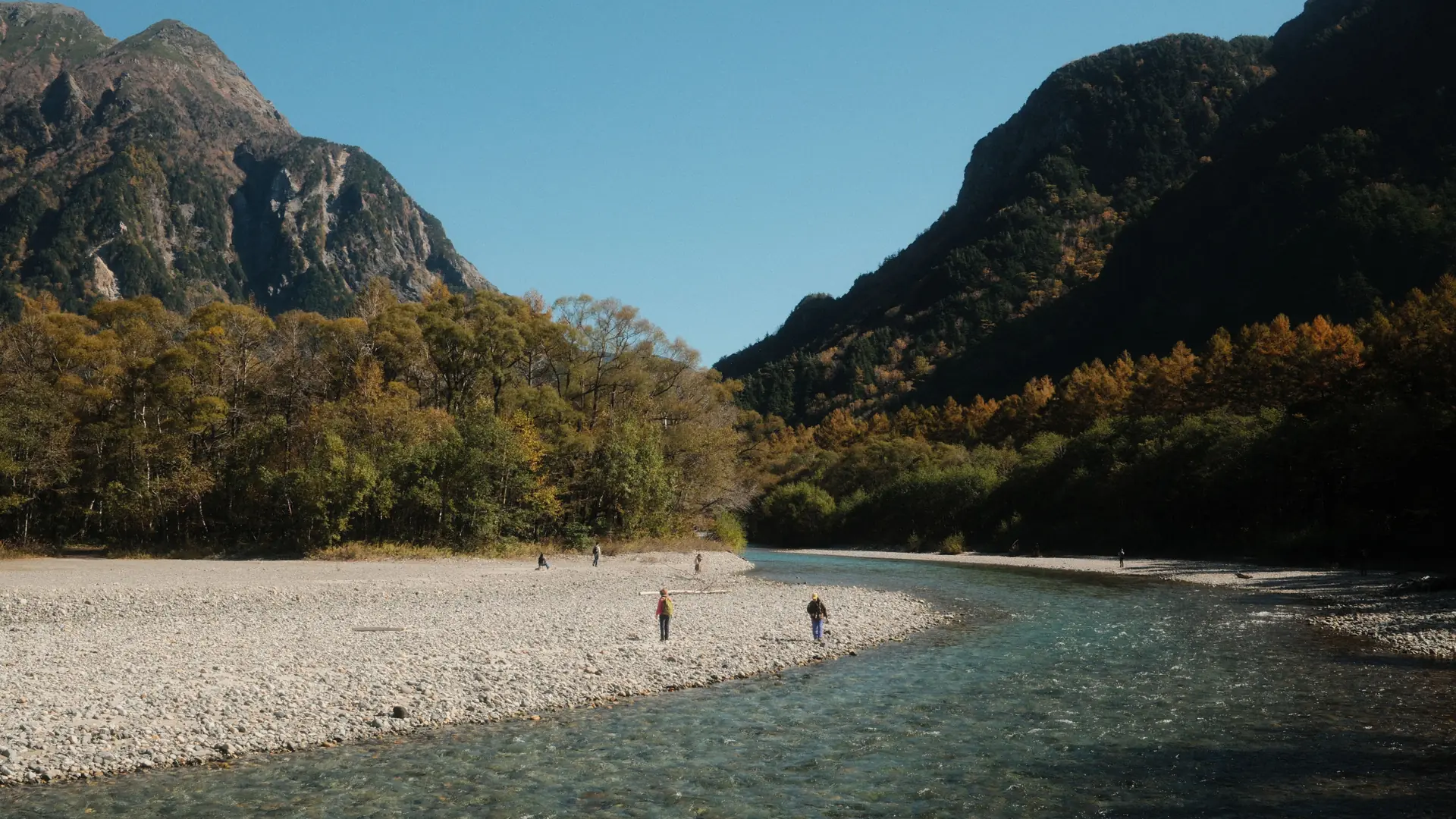
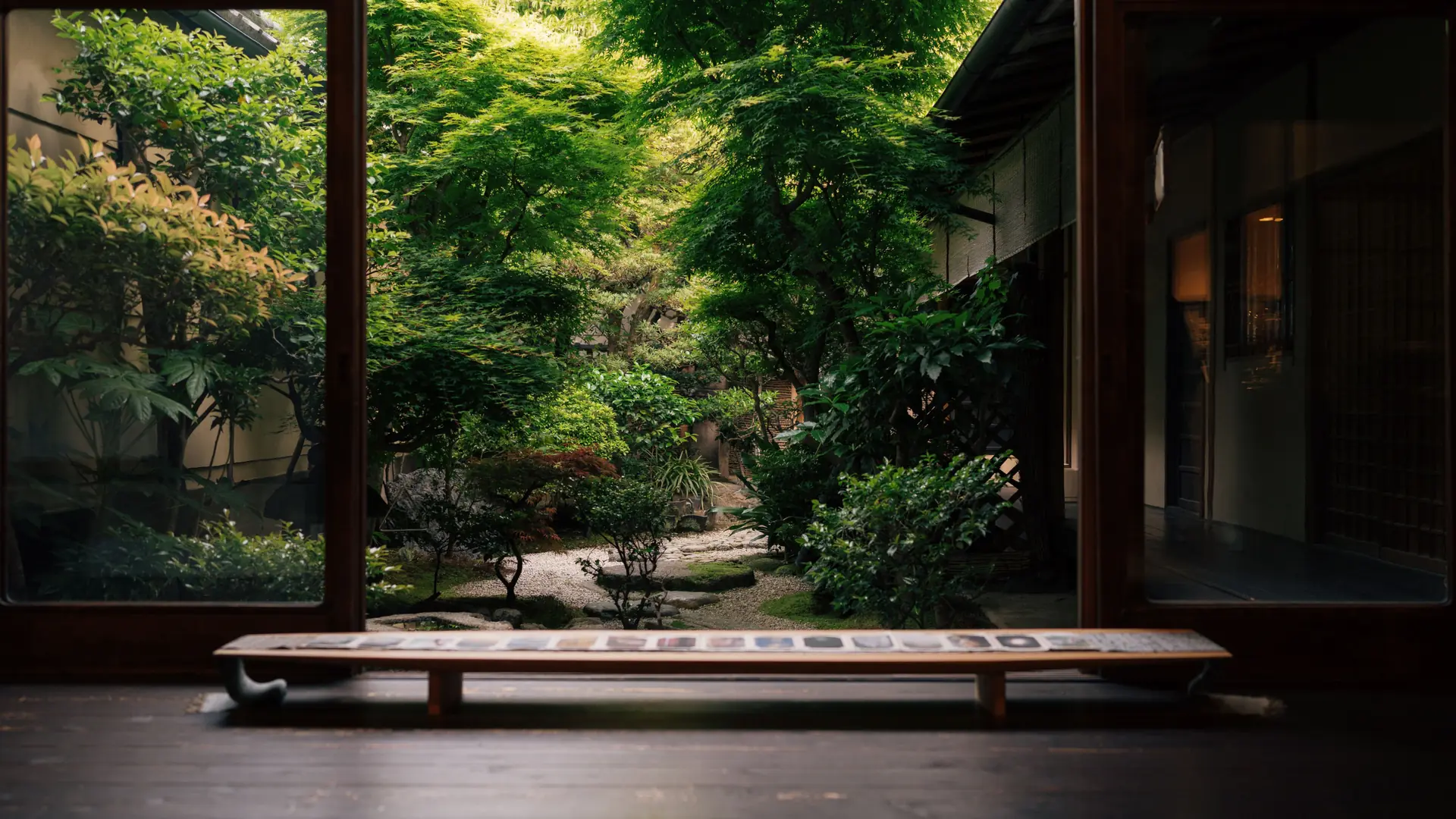
Tidal scenery, forest paths and island quiet after ferries thin
Stay beyond the day-trip window, using the full island day for shrine context, a walk and a flexible higher viewpoint. Evening and dawn reveal an island atmosphere that a crowded excursion necessarily misses.
Watch out: The tide and weather change the view; deer are wildlife, not props.
This honeymoon progresses west in four deliberate stages. Travel days are part of the shared experience, yet station navigation, luggage and check-in still take real time; keep those days lighter instead of promising full sightseeing on either side. Agree in advance which dinners and private moments matter most, so a late train or wet afternoon does not turn into a negotiation.
Morning: a transfer chosen by the hotel address. Midday: unpacking and a walk within the immediate district. Later: a welcoming dinner with an easy cancellation policy. Do not stake the first evening on a long-haul arrival being punctual. The trip begins together rather than in recovery transit.
Base: Tokyo
Morning: an early shrine, market or old-city walk selected together. Midday: one shared interest such as design, food or contemporary art. Later: a prebooked dinner with time to dress and arrive. Two individual free hours can be more generous than forced agreement all day. One coherent side of Tokyo leaves energy for the evening.
Base: Tokyo
Morning: a relaxed departure toward Odawara. Midday: the property’s advised final transfer and early check-in. Later: baths and the first included dinner. Carry only two nights of essentials and send the main case west. Arrival before dinner lets the accommodation deliver its value.
Base: Hakone
Morning: Lake Ashi or higher viewpoints in a clear window. Midday: a museum, long lunch or private bath when visibility fails. Later: the second ryokan meal without packing. Agree the alternative before breakfast so cloud does not become disappointment. Shared flexibility matters more than a compulsory Fuji photograph.
Base: Hakone
Morning: a final slow breakfast and descent to Odawara. Midday: the westbound Shinkansen with a conservative connection. Later: one lantern-lit lane or river walk near the hotel. Confirm the forwarded suitcase and dinner time before departure. One gentle Kyoto evening follows a multi-mode travel day.
Base: Kyoto
Morning: one Higashiyama landmark before peak footfall. Midday: a garden, craft visit and long lunch within the district. Later: an unscheduled hotel pause before dinner. A couple’s photo session should respect venue rules and public space. Staying local leaves attention for each other and the setting.
Base: Kyoto
Morning: Fushimi Inari early enough to walk beyond the entrance. Midday: the brewing quarter or a private tasting with confirmed timing. Later: the final Kyoto dinner in one nearby central area. Do not combine Fushimi with Arashiyama simply because both are famous. A southern day has its own landscape and flavour.
Base: Kyoto
Morning: the Shinkansen and local connection after breakfast. Midday: ferry arrival and an unhurried ryokan check-in. Later: the shore after most day visitors leave. Send heavy luggage to the departure hotel or station service where possible. Sleeping on the island makes the evening the purpose of the move.
Base: Miyajima
Morning: the shrine precinct at the most suitable tide window. Midday: a forest trail, ropeway or temple according to conditions. Later: a second island evening and celebratory meal. Never feed or crowd the deer for a photograph. A full day supports both iconic water scenery and quieter inland space.
Base: Miyajima
Morning: one final shoreline walk before breakfast. Midday: the ferry and onward rail connection. Later: departure from Hiroshima or a protected Kansai transfer. An international flight from Kansai needs much more margin than a Hiroshima hotel. The honeymoon should end with control, not a sprint.
Base: Miyajima
Three westbound transfers connect the romantic stays. The Hakone descent and final ferry make punctuality, light luggage and conservative connections more important than squeezing in one extra sight.
3 transfers
Tokyo Hakone
Travel to Odawara or Hakone-Yumoto, then follow the accommodation’s exact approach instructions.
Booking note: Forward the principal suitcase to Kyoto and reserve any property shuttle.
Hakone Kyoto
Descend to Odawara and continue by Tokaido Shinkansen with a weather-resistant buffer.
Booking note: Choose a seat and departure only after setting the ryokan checkout plan.
Kyoto Miyajima
Take the Shinkansen toward Hiroshima, connect to the island ferry and preserve check-in time.
Booking note: Confirm ferry access and the island property’s dinner deadline.
Verify rail and ferry timetables, reserved-seat rules and luggage delivery windows with the listed operators before travel, especially around holidays.
Give the largest share of the accommodation budget to the two retreats: Hakone for bathing, meals and a weather-flexible day, then Miyajima for the shoreline after the day crowd leaves. In the cities, position usually improves the trip more than extra floor area. Reserve one or two private experiences both partners genuinely want and leave the rest of the schedule free enough for a slow breakfast, a changed plan or time apart.
Booking tips
Compare live stays in Kyoto after fixing the route dates and the first appointment each morning.
The stop line moves west through two-night retreats; the Kyoto hotel layer helps position the three-night cultural centre.
Kyoto
The four stays create a deliberate change of mood: Tokyo’s energy, private ryokan time in Hakone, several evenings in Kyoto, then Miyajima after the day-trip crowds depart. Each move has an emotional purpose rather than merely collecting places. Cutting either quiet stay weakens the honeymoon rhythm; adding another base would replace shared time with another transfer.
Compare the pass with the actual reserved trains from Tokyo through Kyoto and Hiroshima, not with a vague idea of convenience. Hakone local travel and the ferry choice have separate coverage rules, while premium-seat preferences can change the calculation. Point-to-point tickets are often competitive and let the couple choose the service that best protects each hotel arrival.
Send large cases from Tokyo to Kyoto, then onward to the hotel after Miyajima if the delivery timing works. Take compact overnight bags to Hakone and the island so stairs, buses and the ferry remain easy. Every receiving property should confirm its name, date and storage policy; rings, documents, medicine and valuables never go in forwarded luggage.
Choose one purposeful half-day rather than escorting the entire trip. A Kyoto specialist can open a deeper conversation around gardens, craft or food, while a photographer can preserve an occasion without consuming the day. State the couple’s interests and desired pace beforehand; the rest of the itinerary benefits from privacy and room for spontaneous decisions.
Leave Hakone’s outdoor circuit, Kyoto’s district order and Miyajima’s shrine timing adjustable to visibility, crowd information and tide.
Reserve flights, Hakone, Miyajima and Kyoto in that order of scarcity, then add significant dinners and any specialist couple experience.
Reviewed by StartBooker editorial Japan honeymoon itinerary editor
Last checked 2026-09-13
How this route was checked: Sixteen records across ten publishers were reviewed. Destination and operator sources govern transfers, tides and crowd planning; independent honeymoon and ryokan reporting was used to test couple-focused trade-offs.
16 references reviewed
Photos provided by Pexels.
Choose a complete route with the stops, transport and overnight plan already mapped out.
Which stop deserved its night count?