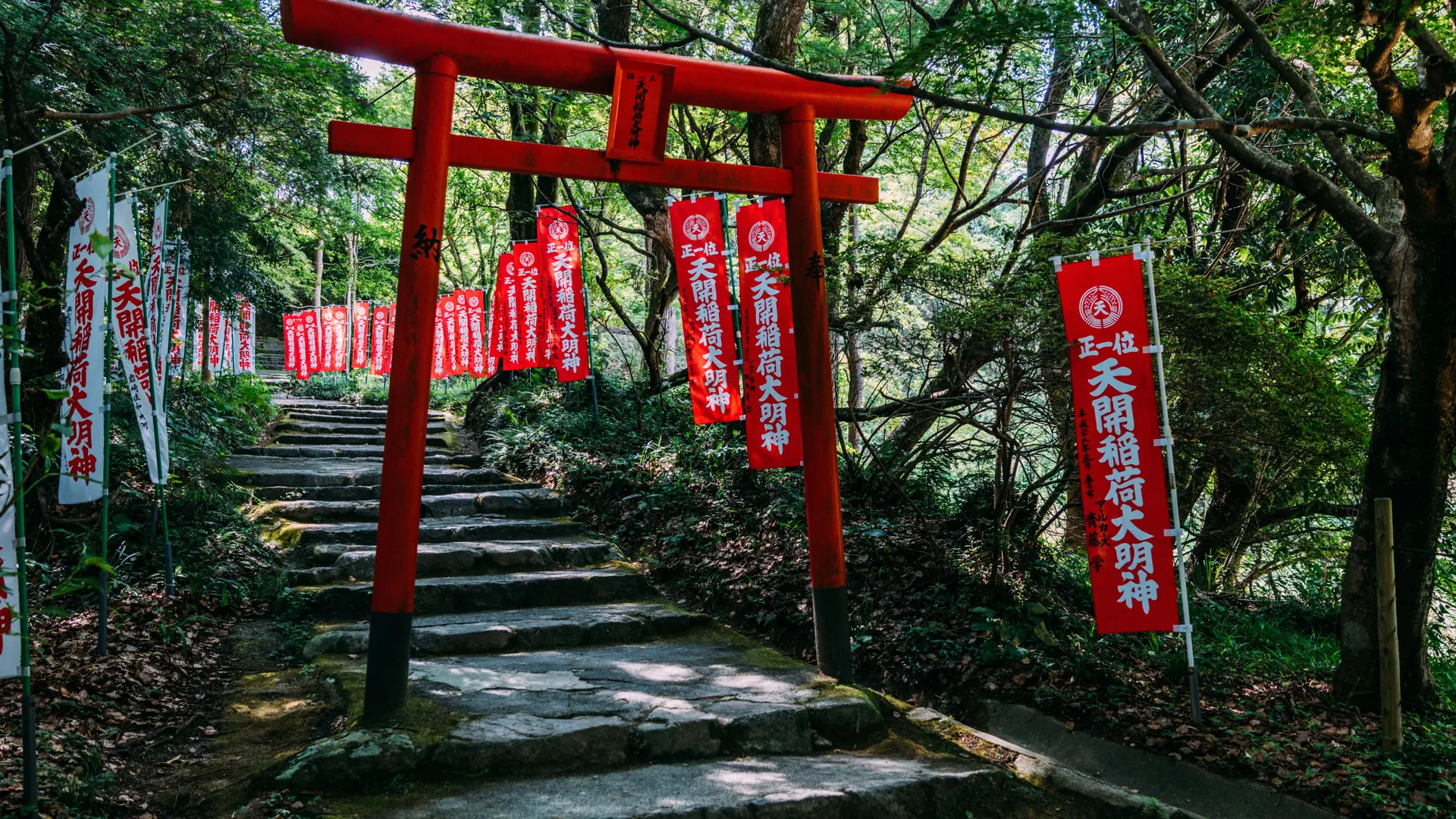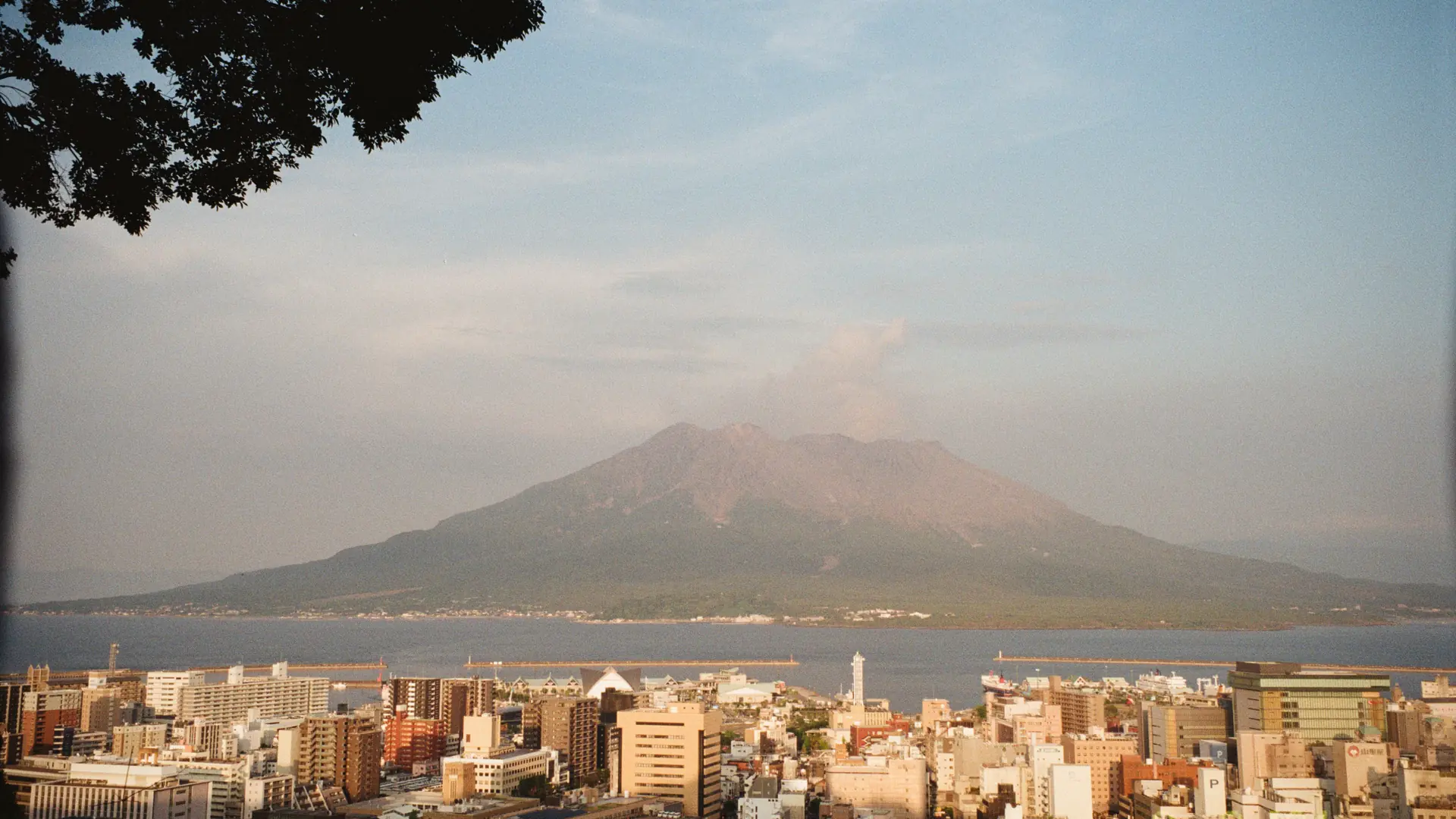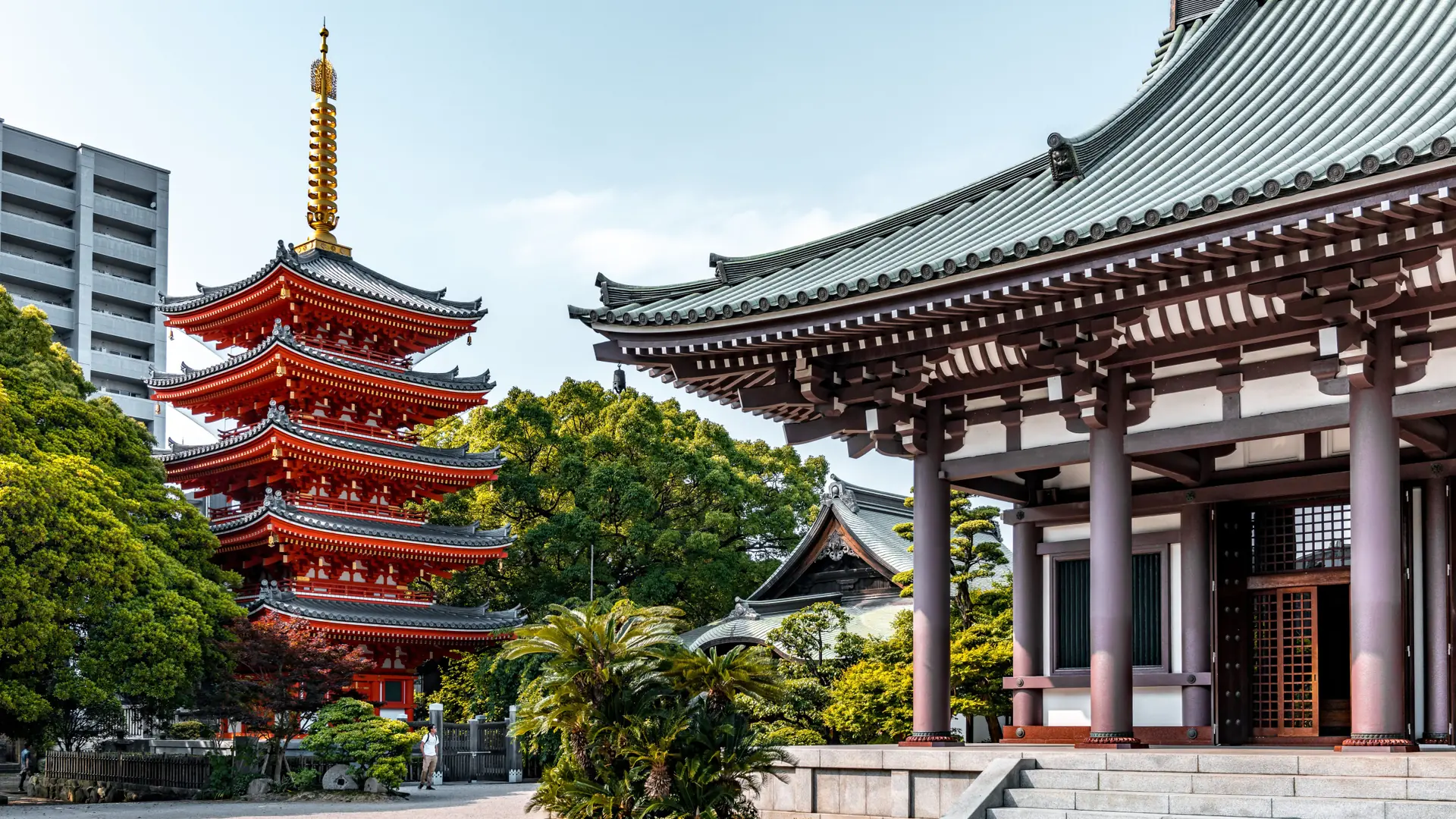
Why Tokyo stays in the route
Three Tokyo nights create two focused days for specialist access, exceptional dining and a measured arrival, without letting the metropolis consume the entire itinerary.
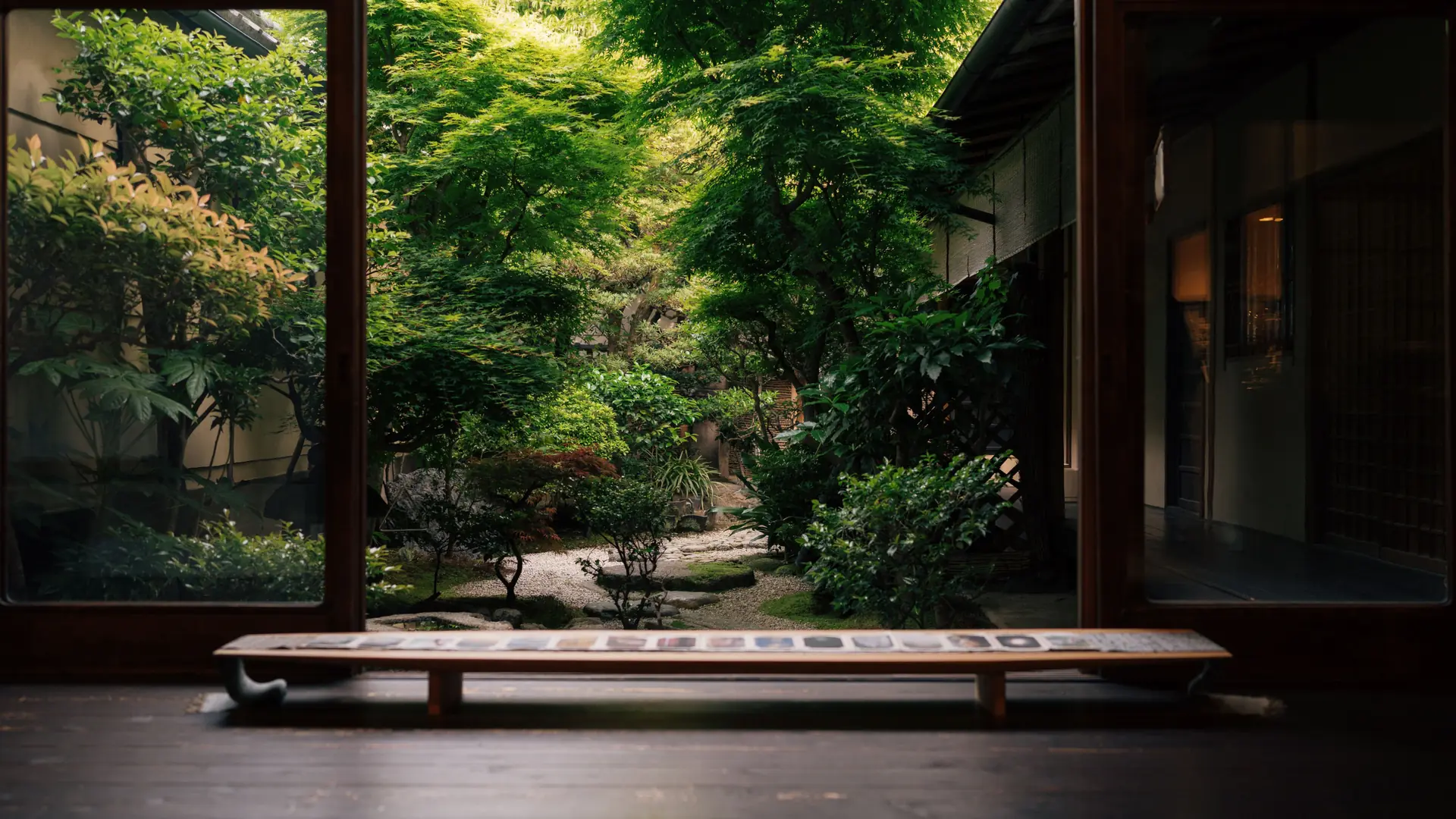
Three excellent bases replace constant upgrades: Tokyo for contemporary access, Hakone for two complete ryokan evenings and Kyoto for four nights of specialist culture.
Luxury travel fails when every premium room is paired with a dawn checkout. This route limits the journey to Tokyo, Hakone and Kyoto so that each expensive choice can be used. Tokyo receives two full district days, Hakone a complete weather-flexible pause, and Kyoto three full mornings plus an arrival evening.
A concierge is most valuable before arrival: securing a small counter, confirming dietary needs at the ryokan, briefing a craft specialist and arranging luggage forwarding. Private cars are deployed only where they change the outcome. In Tokyo and Kyoto, road traffic can make a chauffeured day less elegant than a short train, a taxi and a well-designed walk.
The itinerary avoids claims that money can purchase empty landmarks or a guaranteed Fuji view. Quiet comes from timing, access rules and restraint. If an early temple opening or private atelier is unavailable, the day is rebuilt around another meaningful subject instead of disguising a standard crowded visit as exclusive.
Hotel design needs the same honesty. A Tokyo tower view can be memorable, but not if every appointment begins with a cross-city commute. In Hakone, a private bath facing forest may be better than a room marketed around a mountain that cloud can hide. Kyoto doorstep access to the first morning district can matter more than an oversized suite beside the station. Ask what is included, which facilities require reservations, when breakfast begins and whether the concierge can execute the specific requests already chosen. Leave one evening in every base without a scarce booking. That space allows a bar recommended by a chef, a gallery found during a walk or simply sleep after a long lunch. It also prevents a common failure: paying for exceptional hospitality while spending almost no waking time inside it. The journey should feel composed to the guests, not merely impressive when its reservation list is read aloud.
Reserve privacy with precision. A room labelled suite does not establish whether its bath is private, whether dinner is served in-room or how long the final transfer takes. Ask the Hakone property those questions in writing and share dietary needs while the kitchen can still respond. In Kyoto, brief guides by subject—garden history, architecture, ceramics or cuisine—and refuse a generic greatest-hits day. Tokyo deserves the same discrimination: a chef reservation, collector visit or design walk needs space around it. Keep ordinary city rides simple and spend heavily only where access, expertise or rest genuinely changes the experience. This distinction also protects spontaneity. When every hour has a cancellation fee, the guest becomes an administrator of expensive promises. A strong luxury circuit contains several high-value commitments and enough unsold time to enjoy them.
There is also value in saying no. Decline airport-to-sightseeing theatre after an overnight flight, skip a private vehicle when rail is faster, and refuse a tasting menu that forces an early departure from Hakone. Ask every provider what happens if weather or delay changes the day. Flexible service, accurate communication and a humane cancellation response are luxury qualities too. They rarely appear in a room-size comparison, yet they decide whether the journey remains gracious when reality departs from the brochure.
Three Tokyo nights create two focused days for specialist access, exceptional dining and a measured arrival, without letting the metropolis consume the entire itinerary.
Hakone is where the trip slows down: two ryokan nights provide time for bathing, seasonal meals and weather-dependent views without treating the property as a one-night trophy.
Four Kyoto nights support early cultural visits, private appointments and restorative afternoons, giving the journey a spacious finale rather than a frantic temple inventory.
Best for
Think twice if
Anyone whose definition of luxury requires a different hotel every night, private aviation between nearby cities or guaranteed solitude at public landmarks.
StartBooker answer
Use three Tokyo nights, two in Hakone and four in Kyoto, then fly out of Kansai. The luxury is protected time: a hotel in the correct Tokyo district, two full ryokan dinners rather than a late one-night stop, luggage sent around the mountain transfer, and privately guided Kyoto mornings built around one subject. Reserve scarce rooms and meals first. A car can solve a specific transfer or accessibility need, but rail remains the cleanest intercity spine.
Four Tokyo nights establish the trip without haste, two ryokan nights make Hakone a retreat rather than a transit stop, and three Kyoto nights reserve real time for specialist-led visits.
3 stops · swipe
 1
1
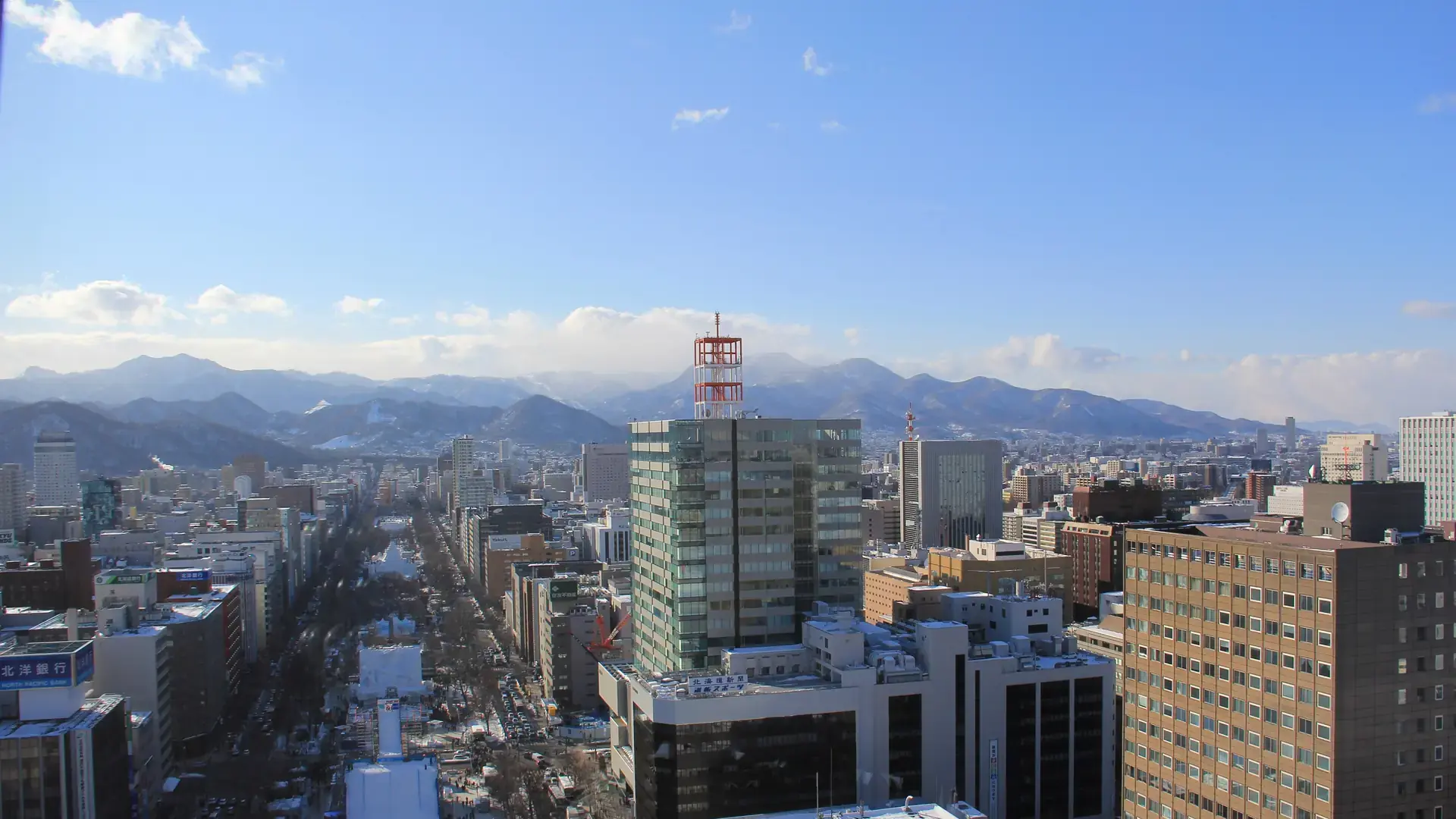
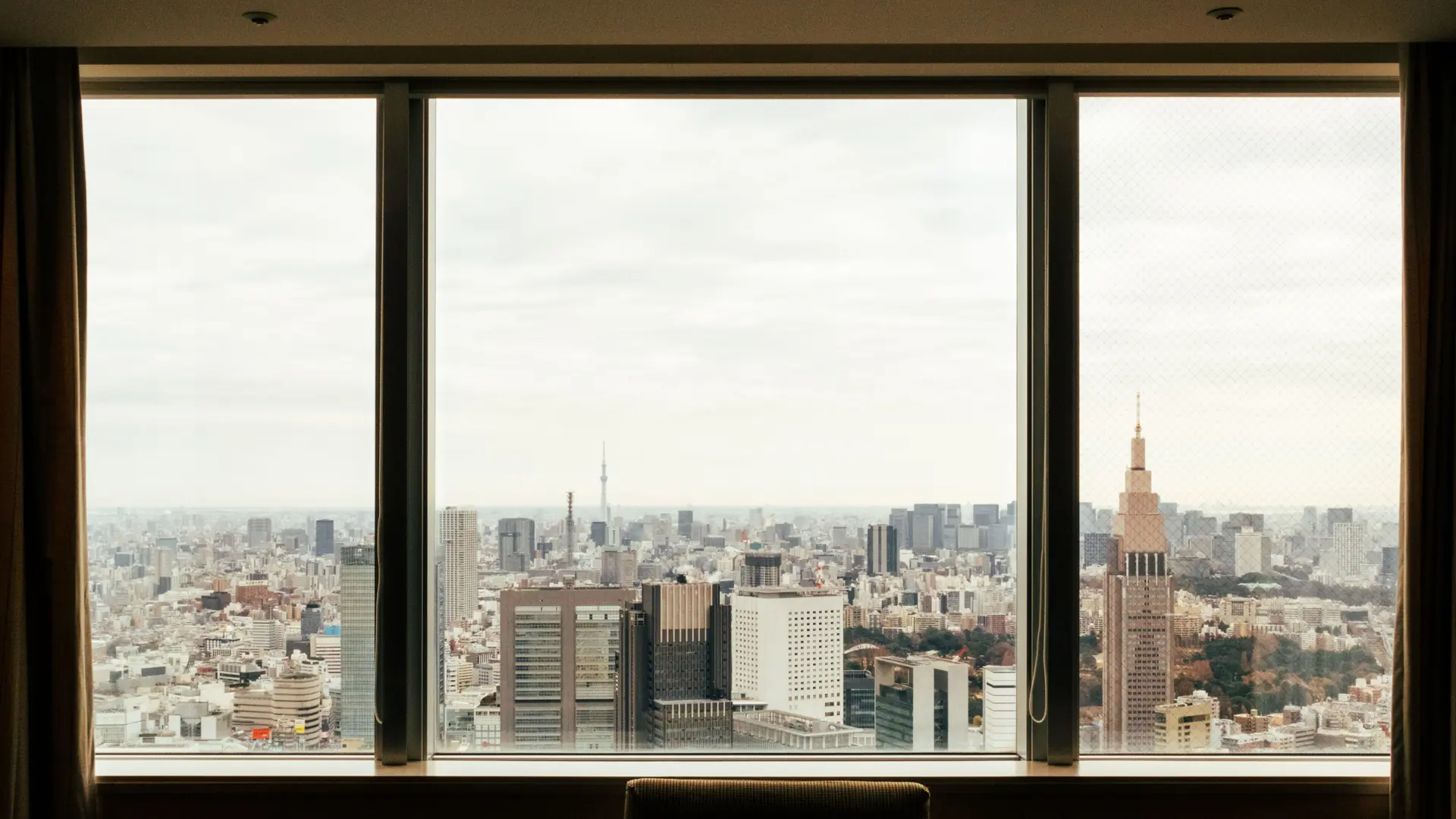
Contemporary dining, architecture, art and precise neighbourhood access
Design each day around one side of the metropolis, with a private expert chosen for architecture, food or art rather than generic escorting. Two full days leave enough space around reservations for rest and spontaneous discoveries.
Watch out: A prestigious west-side hotel is a poor base for every east-side appointment.
Read the Tokyo guide →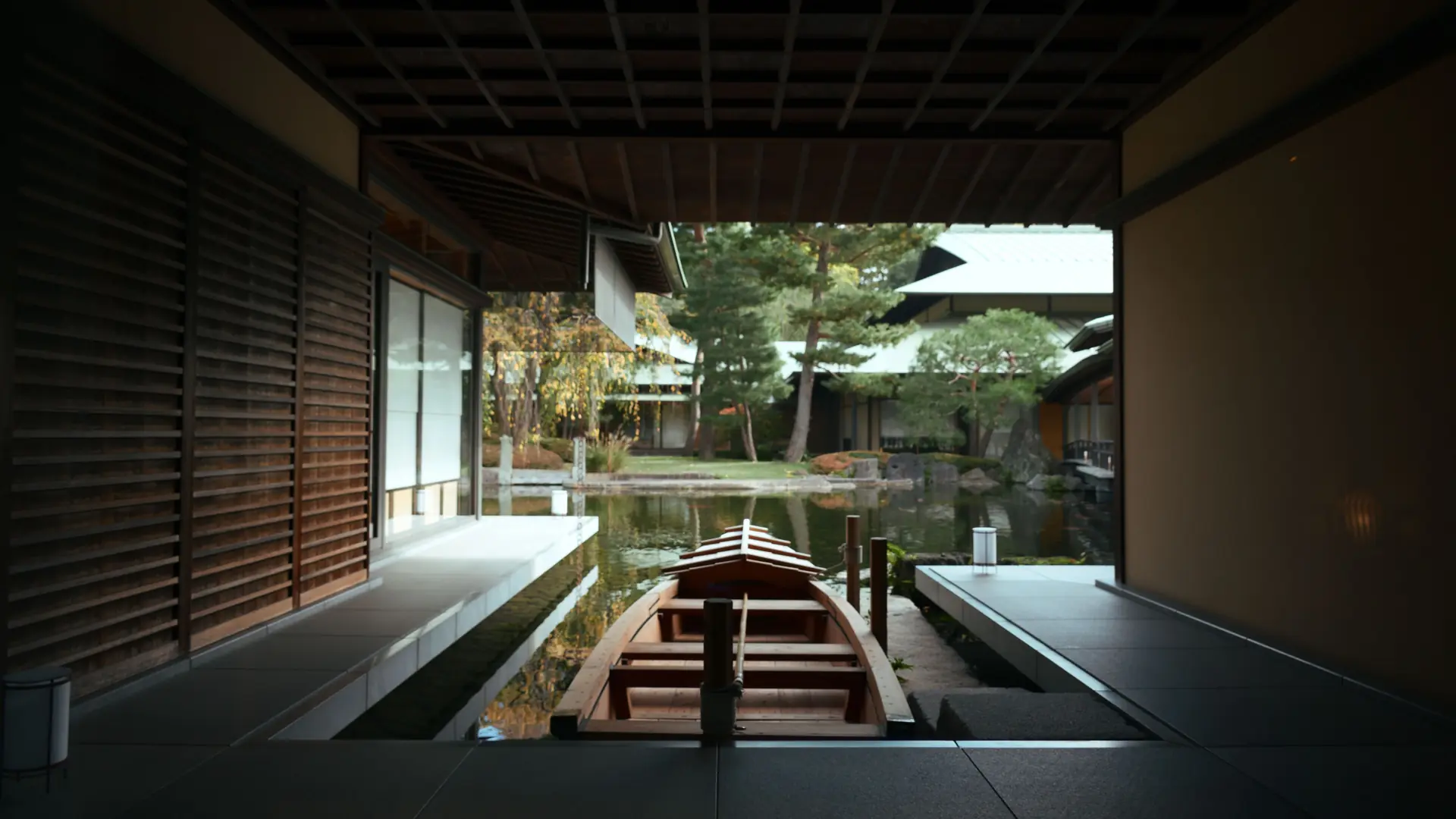 2
2
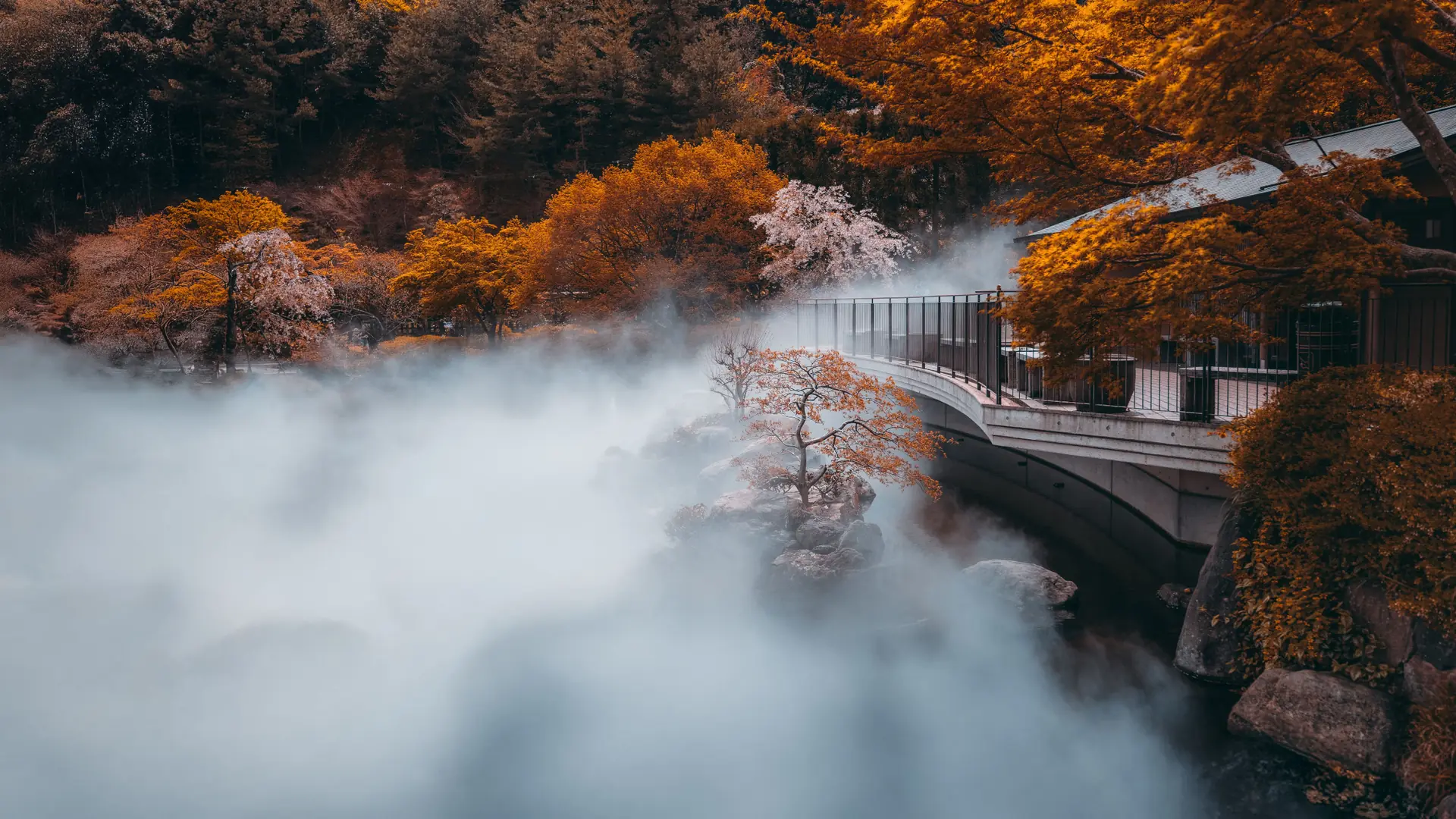
Ryokan hospitality, mineral baths and mountain landscape
Select the ryokan by room bath, communal facilities, cuisine, setting and access as separate facts, then arrive early enough to enjoy them. The second night lets the hospitality unfold without compressing every bath and meal into one evening.
Watch out: Meal times and bath privacy differ by property, while Fuji visibility is never assured.
 3
3
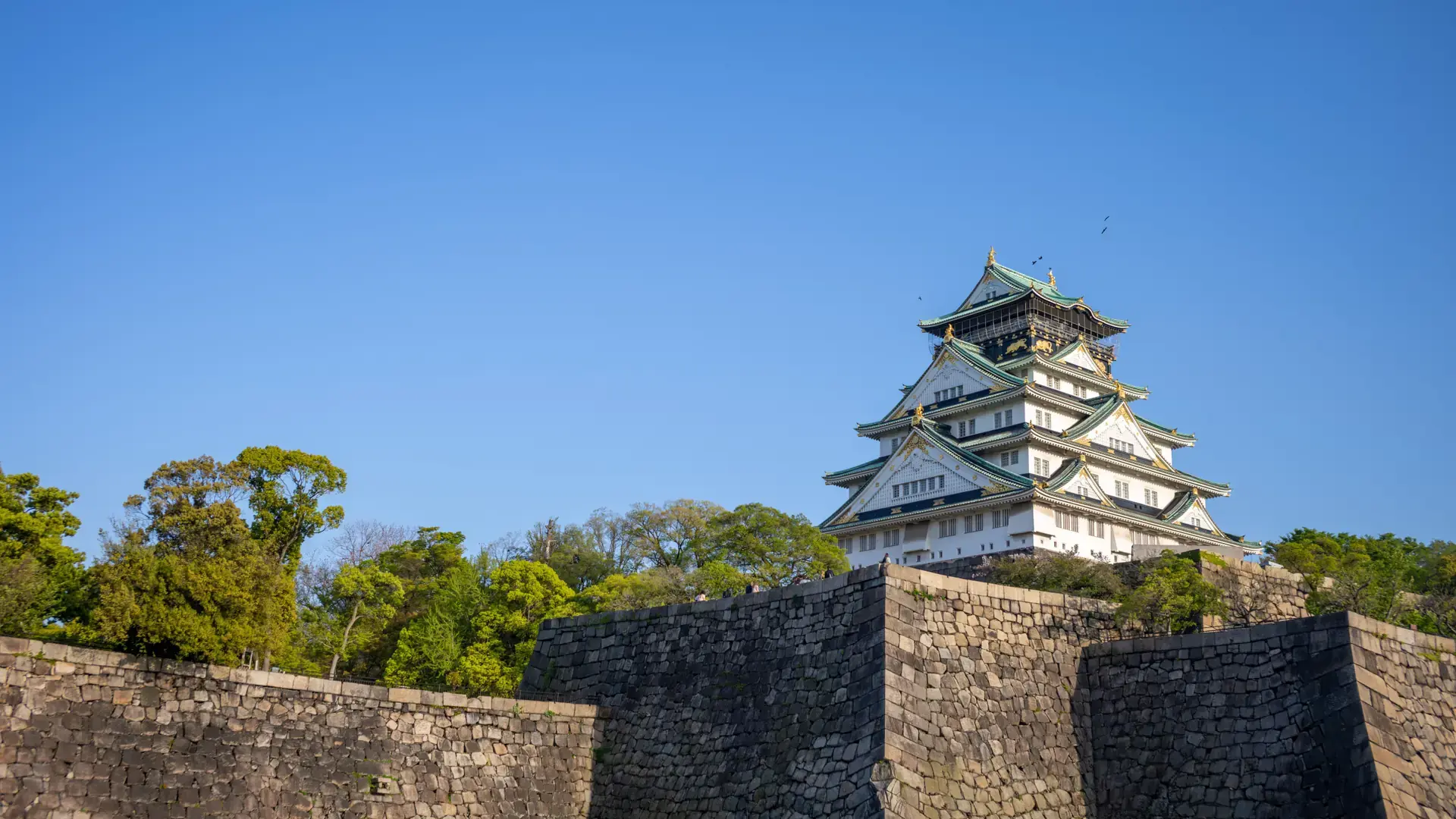
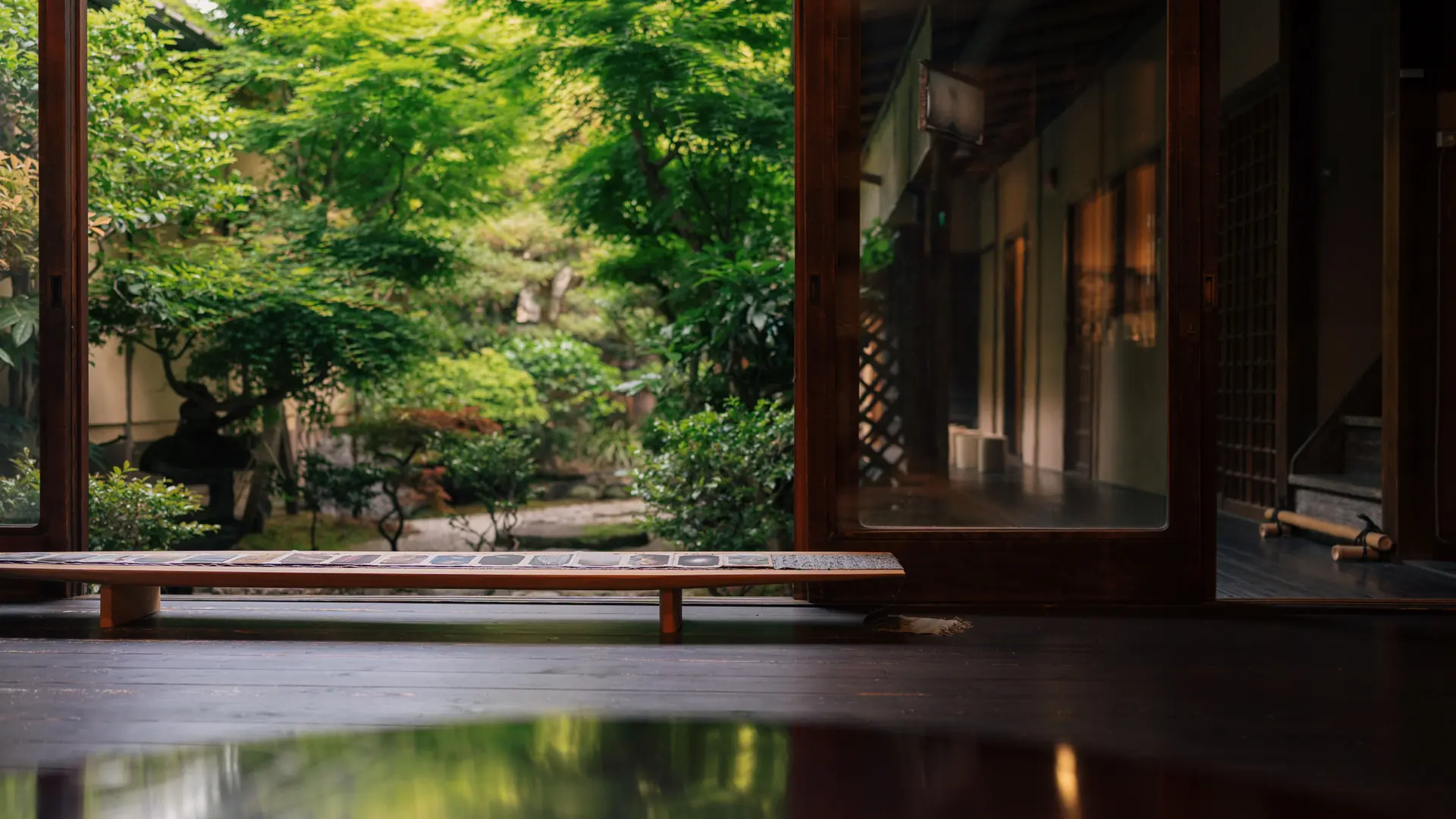
Gardens, architecture, crafts and season-led cuisine
Four nights allow three carefully briefed mornings, hotel pauses and evenings that do not depend on crossing the whole city. Scarce cultural appointments feel more meaningful when they are not stacked back to back.
Watch out: Public monuments remain public even on an expensive trip; timing matters more than labels.
Read the Kyoto guide →Tokyo, Hakone and Kyoto form a clean east-to-west line, but each move consumes a meaningful part of the day. Treat station access, luggage handoff and ryokan check-in as appointments, then build experiences around the remaining hours. The deliberate gaps are useful: they protect a long lunch, a private visit that runs over, or an early return to a room chosen for its view and bath.
Morning: a direct transfer selected for the airport and hotel address. Midday: unpacking, concierge confirmations and a short local walk. Later: dinner inside or beside the hotel. Long-haul fatigue is not compatible with a distant reservation. A calm first night protects every prepaid experience that follows.
Base: Tokyo
Morning: Sensoji and merchant streets with a historian or food specialist. Midday: one private craft visit or museum collection. Later: a counter dinner reached without crossing the city. The guide brief should name the subject, pace and mobility needs. Expertise is valuable only when it reveals relationships a checklist misses.
Base: Tokyo
Morning: Meiji Jingu before the commercial streets wake. Midday: Omotesando design, contemporary art or a personal shopping consultation. Later: a skyline bar or chef-led dinner with margin. Send the principal luggage to Kyoto before leaving the hotel. One anchored appointment gives the large district shape.
Base: Tokyo
Morning: a reserved Tokyo–Odawara train and prearranged final transfer. Midday: one nearby museum or an immediate bath. Later: the first kaiseki dinner at the property’s stated time. Do not make a scenic circuit responsible for arrival punctuality. The room and dinner are the day’s premium experiences.
Base: Hakone
Morning: the clearest available window for Lake Ashi or higher terrain. Midday: a museum-led alternative if cloud or wind closes the view. Later: a second bath and dinner without repacking. A driver cannot override suspended mountain transport. Flexibility is a more credible luxury than a guaranteed postcard.
Base: Hakone
Morning: breakfast and a controlled descent to Odawara. Midday: the reserved Shinkansen and unhurried Kyoto check-in. Later: one river or Higashiyama walk near the hotel. The forwarded case should be confirmed before the Tokyo handover. Removing baggage makes a multi-mode day feel composed.
Base: Kyoto
Morning: an eastern temple at opening with an architecture specialist. Midday: a garden, ceramics visit or seasonal lunch nearby. Later: a hotel pause before an intimate evening. Avoid advertising language about private access unless the venue confirms it. Depth within one district is more exclusive than skipping queues across five.
Base: Kyoto
Morning: Fushimi Inari beyond the crowded lower gates. Midday: a brewery-quarter visit arranged around opening times. Later: a downtown dinner after genuine rest. Religious space is not a private photo studio. Rail geography joins shrine landscape and brewing history naturally.
Base: Kyoto
Morning: a prebooked atelier or curator-led collection. Midday: a long lunch and independent return to the hotel. Later: the final Kyoto meal chosen for cuisine rather than fame. Do not ask craftspeople to compress a process into a content stop. A lightly scheduled final day leaves attention for the encounter.
Base: Kyoto
Morning: breakfast matched to the flight time. Midday: a reserved station or private airport transfer. Later: a comfortable terminal margin. Check terminal and traffic or rail status on the day. The route ends west and protects its own logic.
Base: Kyoto
The two intercity moves are simple only after the last-mile Hakone transfer, reserved seats and luggage handoffs have been matched to hotel timings.
2 transfers
Tokyo Hakone
Reserve Tokyo to Odawara, then use the ryokan’s advised train, car or shuttle for the final approach.
Booking note: Forward large luggage to Kyoto and carry a two-night bag.
Hakone Kyoto
Return to Odawara with buffer before the Tokaido Shinkansen to Kyoto.
Booking note: A Green Car changes seat space, not mountain feeder reliability.
Confirm current train times, seat rules and baggage arrangements with the named operators and both hotels shortly before departure.
Spend where the benefit survives scrutiny: a Hakone room whose bath, dinner and setting can be enjoyed for two nights; a Kyoto specialist with genuine subject knowledge; and assistance that removes friction at the station or airport. A grander Tokyo suite is poor value if its location lengthens every outing. Compare upgrades by privacy gained, expertise added and unhurried hours protected—not by the adjectives in a brochure.
Booking tips
Compare live stays in Kyoto after fixing the route dates and the first appointment each morning.
Three bases show where the itinerary invests its time; the hotel layer helps compare Kyoto access after the cultural mornings are fixed.
Kyoto
Three bases are enough because each earns several unhurried days. Tokyo supplies the contemporary opening, Hakone creates a genuine ryokan pause with time for the baths and dinner, and Kyoto carries the cultural finish. Adding another hotel would trade a valuable Kyoto morning for packing and check-in; removing Hakone would turn a considered journey into a fast city pairing.
Usually the better comparison is reserved point-to-point Shinkansen tickets plus Hakone’s local transport. A nationwide pass can cost more than this route’s covered journeys and does not replace buses, cable cars or private transfers around the ryokan stay. Price the exact trains after choosing flight times and accommodation, then pay for flexibility only where it improves the trip.
Forward the main cases from Tokyo to Kyoto and carry one small bag for the ryokan nights. Confirm the dispatch date and Kyoto hotel’s receiving policy before handing anything over. Passports, medicine, valuables and dinner clothing stay with you; delivery services are convenient, but they are not guaranteed same-day storage for essentials.
Use expert time for access and interpretation that independent navigation cannot provide: a focused architecture or craft morning in Kyoto, a market visit tied to a serious food interest, or a weather-aware Hakone plan. Agree the subject and outcome in advance. Paying someone merely to lead the standard landmark circuit adds convenience, but little insight.
Keep the Hakone outdoor day and Kyoto district order flexible. Cloud, wind and crowd forecasts matter more than a rigid prewritten sequence.
Book international flights, the two-night ryokan and Kyoto hotel first; then secure scarce dining and specialist appointments around those fixed dates.
Reviewed by StartBooker editorial Luxury Japan itinerary editor
Last checked 2026-09-13
How this route was checked: Fourteen current records across nine publishers were checked; operator pages control movement and restrictions, while independent reporting was used to challenge the meaning of luxury.
14 references reviewed
Photos provided by Pexels.
Choose a complete route with the stops, transport and overnight plan already mapped out.
Which stop deserved its night count?