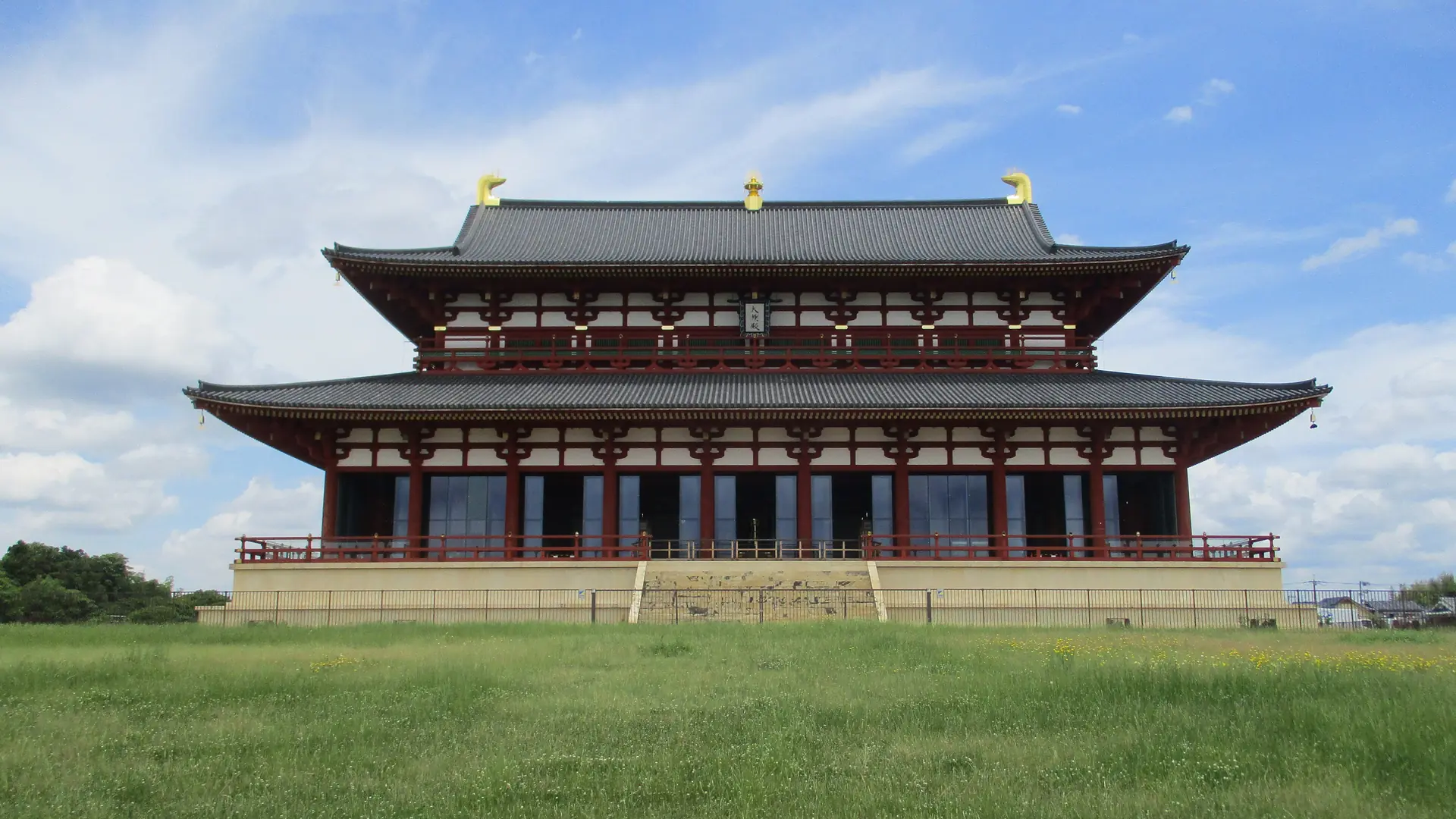
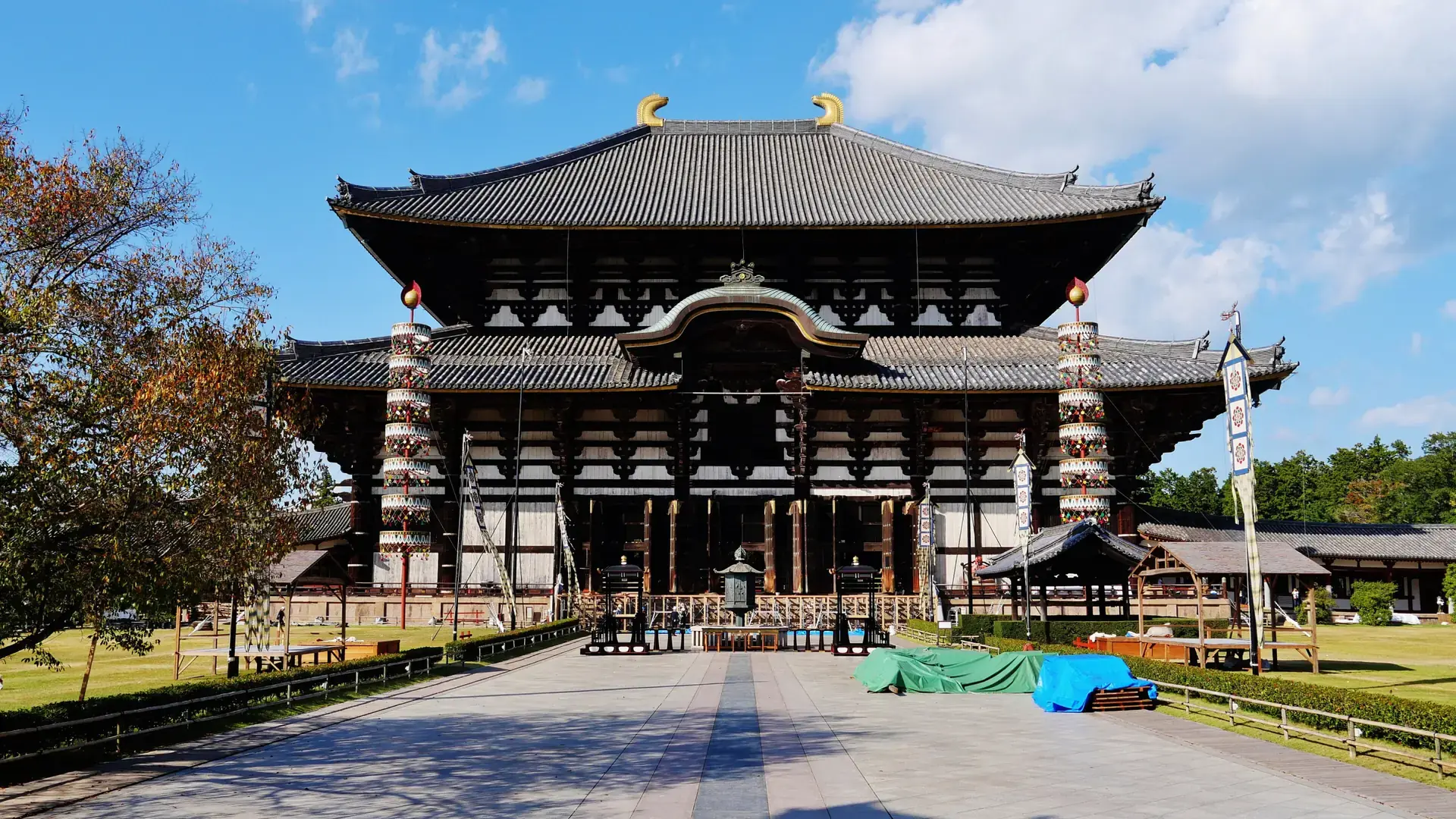
Todaiji's Great Buddha Hall rising above its broad approach beneath a vivid blue sky

Where to stay in Nara for temples, deer and old streets

Loading Nara hotel search

Nara has two main stations, and only one sits beside the classic first-day walk

Kintetsu-Nara is closer to Kofukuji, the park and central shopping streets; JR Nara is the more practical rail-and-luggage base. An overnight earns its value through early temple access and quieter old-town hours, not nightlife.

One-night cultural stay Kintetsu-Nara or Naramachi

Both protect the short visit from unnecessary transfers and keep dinner within a walk.

Early Todaiji visit Park edge

The Great Buddha Hall opens earlier than many surrounding attractions in much of the year, so nearby rooms create useful morning time.

Heavy luggage Match the railway

Book beside the station used on arrival rather than dragging cases between JR Nara and Kintetsu-Nara.

Repeat visit Nishinokyo

Western temples and the palace site replace the standard deer-and-Todaiji loop with a different historical scale.

StartBooker answer

Is Kintetsu-Nara or JR Nara the smarter base for temple days?

Stay near Kintetsu-Nara Station for the easiest first visit: Nara Park begins within walking distance, Naramachi lies south, and trains arrive directly from Kyoto or Osaka. Choose the park edge or Takabatake when quiet temple mornings matter more than late restaurants. Naramachi offers the strongest old-town atmosphere, while JR Nara suits travellers using JR lines or carrying luggage. Nishinokyo is a deliberate alternative for western temples, not a default central base.

Best all-round base
Kintetsu-Nara
Best atmosphere
Naramachi
Best for JR travel
JR Nara Station
Best temple retreat
Nishinokyo
AI-powered

Build Nara around the station you actually use

Add your Kyoto or Osaka departure, luggage, temple priorities, walking tolerance and dinner expectations; the planner can compare a central night with a park-edge or western-temple base.

Eight Nara bases that change the hours around the monuments

Nara looks compact on a map, yet the difference between a station door, a park gate and a western temple shapes luggage, meals and the mood before day trips arrive.

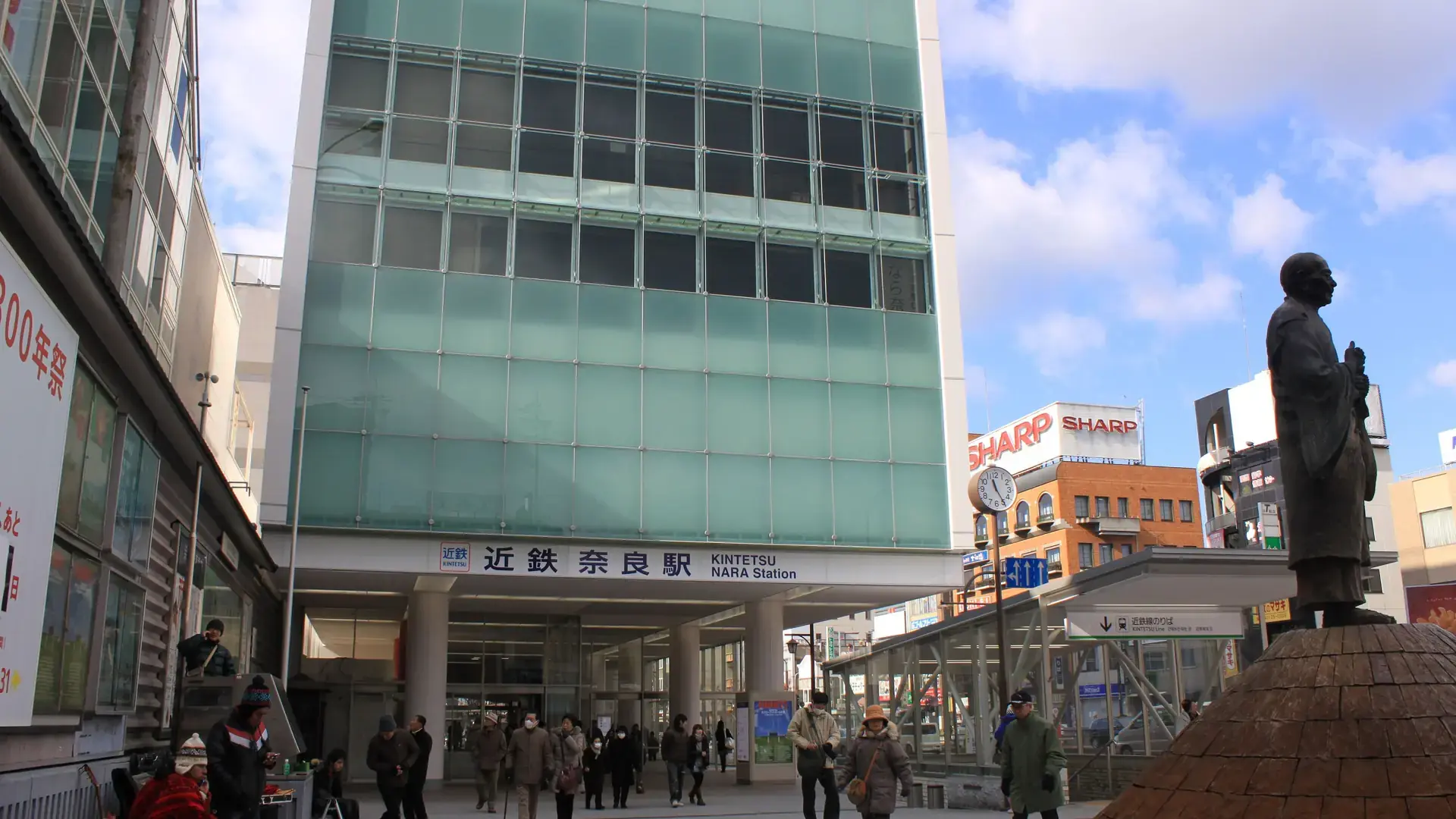
Kintetsu-Nara Station plaza and glass-fronted entrance beneath a blue sky

Kintetsu-Nara Station

first visits, Kyoto or Osaka trains and flexible meals

Choose it when everyone in the group wants a different part of Nara.

Sleep: mixed beside main roads, calmer on inward-facing upper floors.

First visit Kintetsu Walkable

Confirm the exit and final slope; underground station geography can make a nearby pin feel farther.

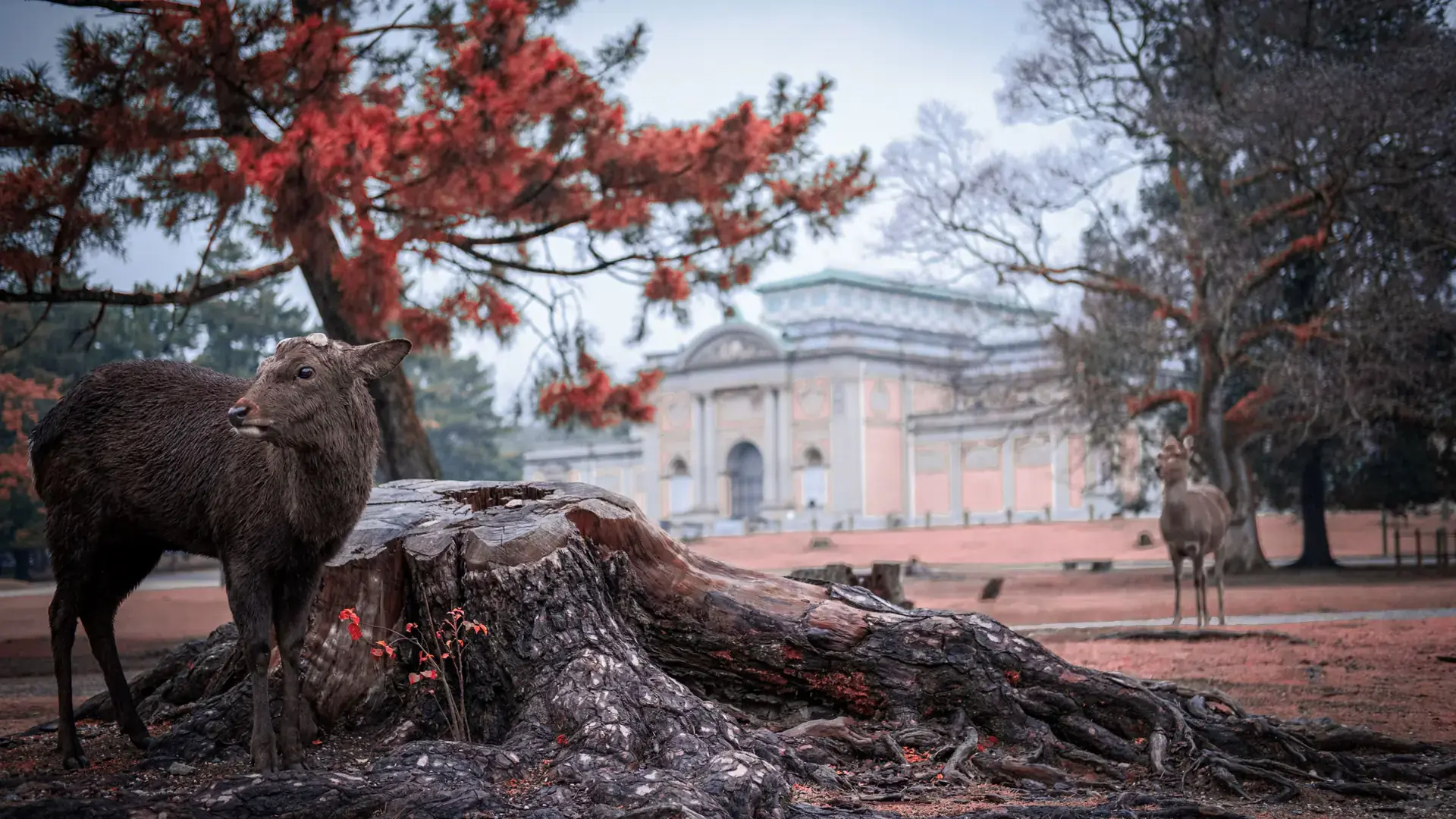
deer resting among the sunlit lawns and trees of Nara Park

Nara Park and Takabatake

Todaiji, deer, museums and early photography

Stay here when dawn and dusk outside matter more than station convenience.

Sleep: generally calm away from tour-bus approaches and event nights.

Temples Nature Early start

Park distances are larger than they appear; a deer-filled lawn is not the same point as Todaiji or Kasuga Taisha.

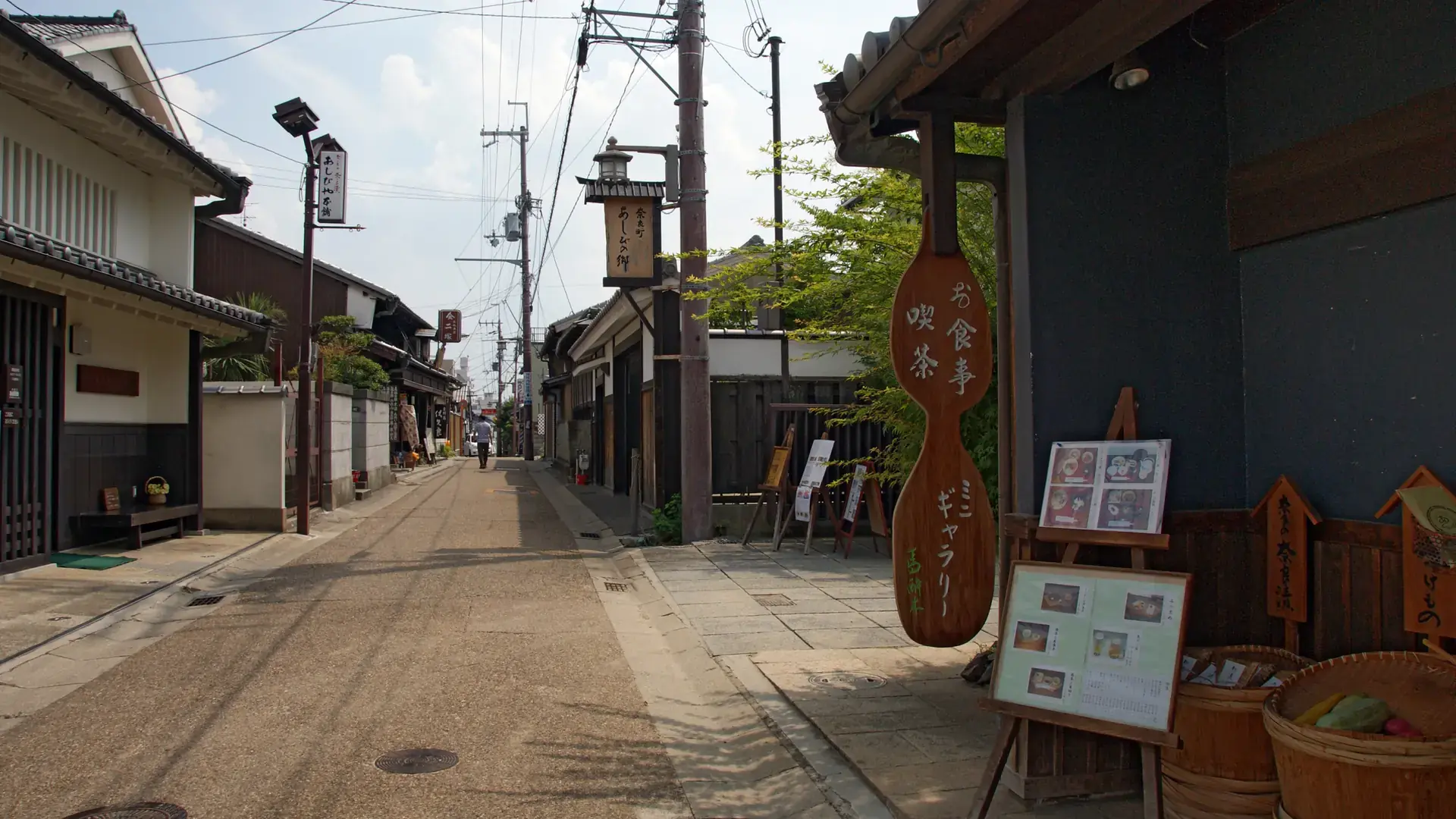
traditional wooden machiya and red charms along a bright Naramachi lane

Naramachi

machiya lanes, small inns, crafts and slow evenings

Book Naramachi when the overnight should feel distinct from a Kyoto or Osaka hotel.

Sleep: often quiet, with occasional restaurant or residential sounds.

Old town Ryokan Couples

Check reception hours and bathroom format at compact guesthouses or restored townhouses.

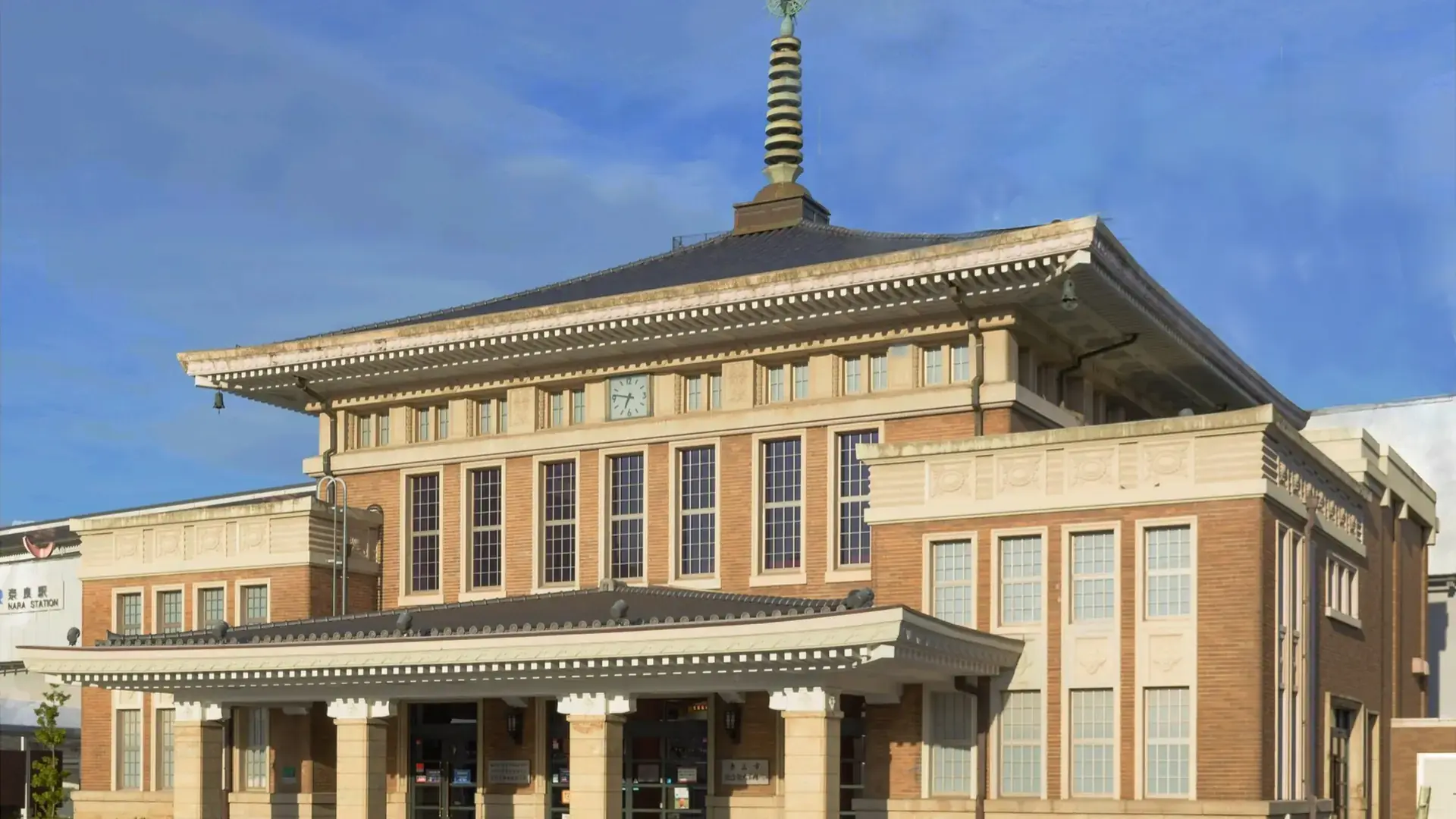
JR Nara Station's historic brick frontage beneath a vivid blue sky

JR Nara Station

JR passes, value hotels, luggage and onward travel

Use JR Nara when rail simplicity protects a tight Kansai itinerary.

Sleep: usually manageable; inspect exposure to tracks and arterial streets.

JR Luggage Value

Do not confuse it with Kintetsu-Nara when reading walking directions or booking transfers.

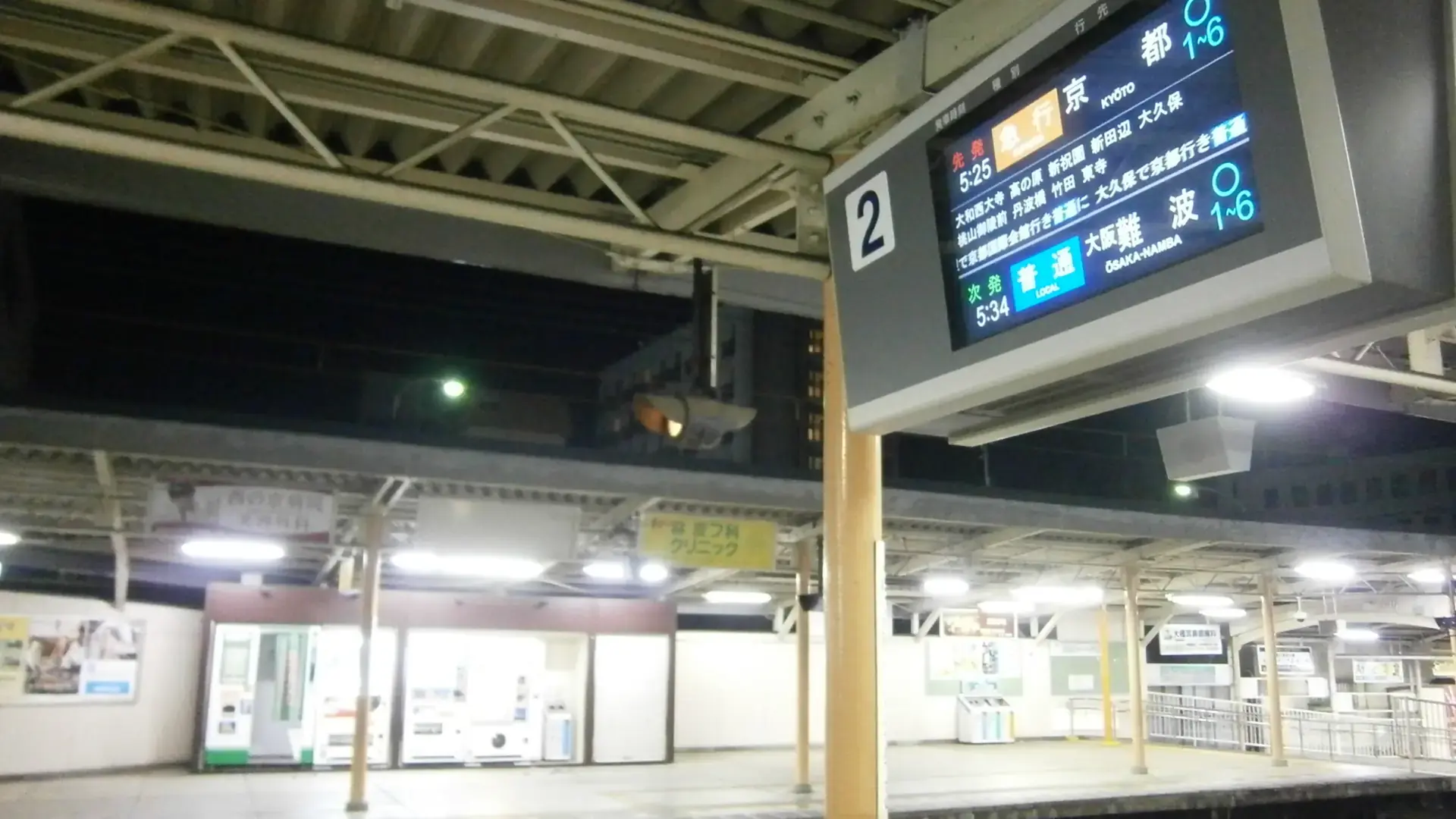
covered platform and station signs at Shin-Omiya Station in Nara

Shin-Omiya

modern rooms, business rates and palace-side plans

Consider it when central prices spike or western sightseeing dominates.

Sleep: calmer on side streets, busier near the railway and main avenues.

Modern Value Palace

Budget daily travel east; walking to the park is possible but rarely the best use of a short stay.

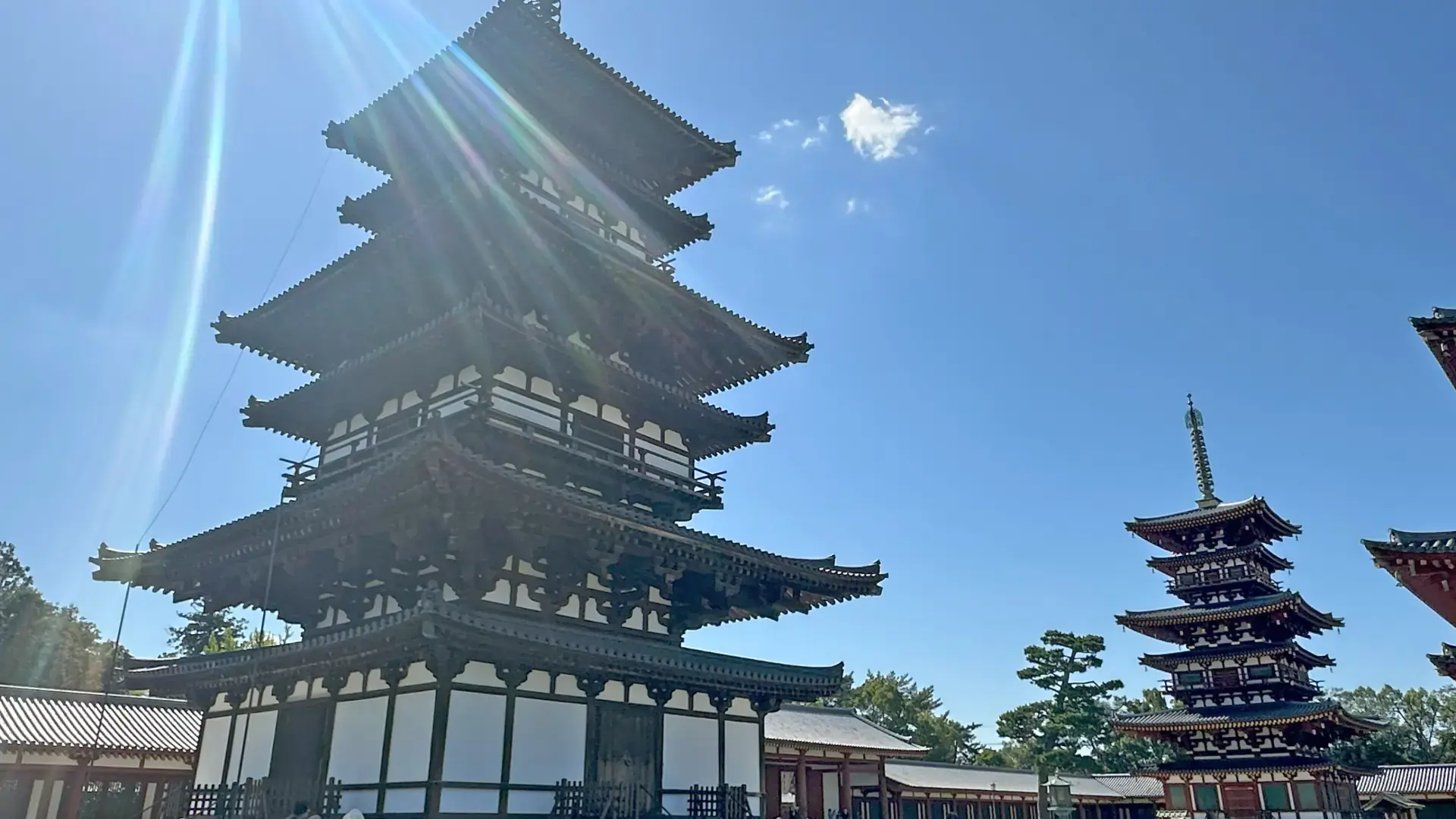
Yakushiji pagoda rising above green Nishinokyo temple grounds in sunshine

Nishinokyo

Yakushiji, Toshodaiji and reflective repeat visits

Stay here only when western temples are the reason, not merely a possible side trip.

Sleep: quiet, with local rail and residential rhythms.

Western temples Quiet Repeat visit

Plan lunch and dinner before leaving the centre because choices disperse around temple hours.

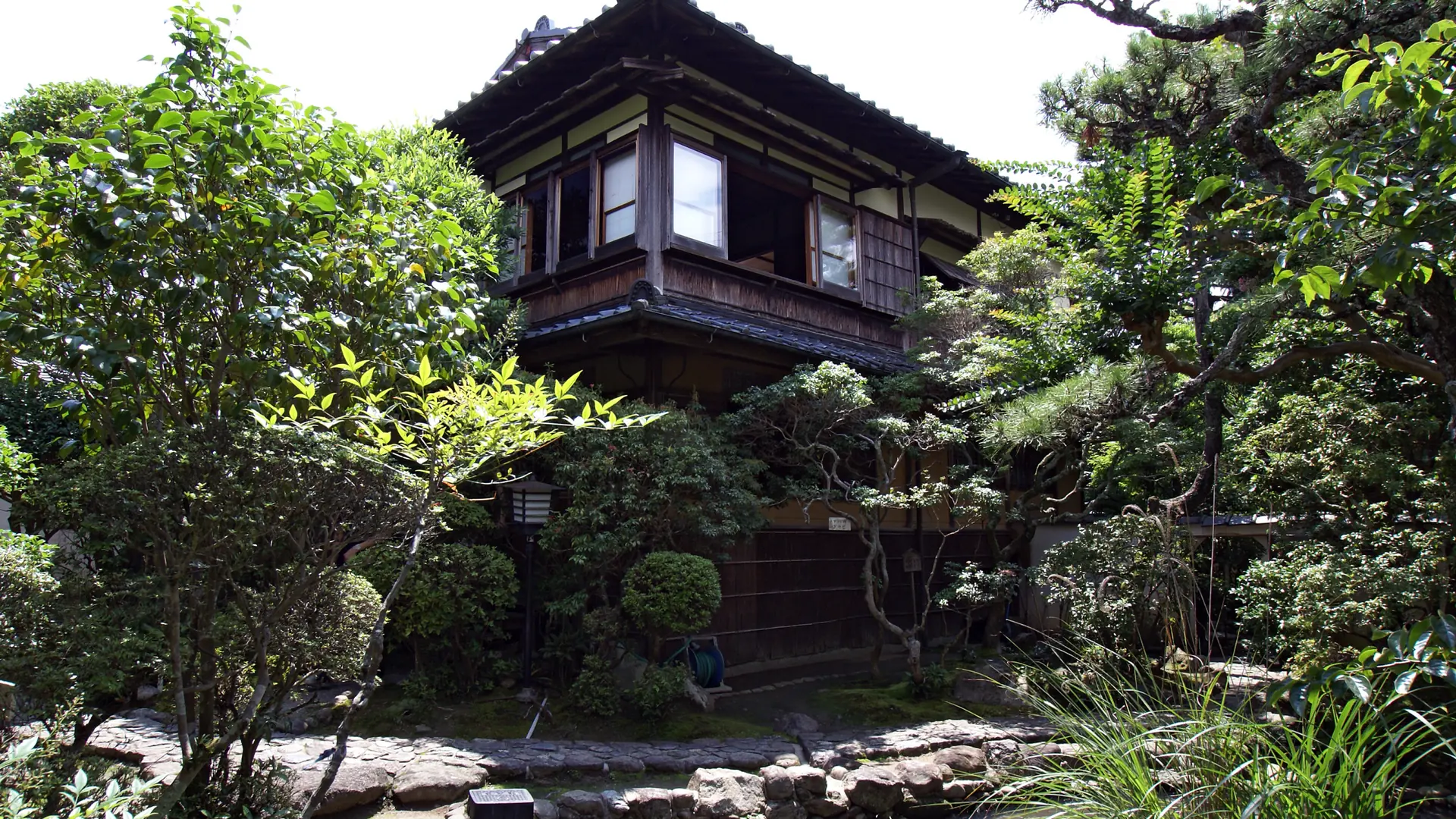
traditional Naoya Shiga house and lush garden greenery in Takabatake, Nara

Takabatake and Kasugano

garden walks, quiet lanes, photography and the park's southern edge

Stay in Takabatake when the first and final hours beside Kasugano matter more than station convenience.

Sleep: notably quiet after sightseers leave, with occasional deer and early service traffic.

Quiet Gardens Park edge

Arrange a taxi or luggage transfer and confirm whether the property serves an evening meal.

Heijo Palace reconstruction under a vivid blue sky in western Nara

Yamato-Saidaiji and Heijo Palace

Heijo Palace, Osaka connections and a low-stress rail-based stay

Use Yamato-Saidaiji when western Nara and the Kintetsu network outweigh park-doorstep atmosphere.

Sleep: suburban around side streets, busier at the station and major roads.

Rail hub Heijo Palace Repeat visit

Check which Saidaiji exit faces the hotel and allow for the exposed walk across the palace site.

Choose the area that removes the day's least pleasant transfer
Area Best for Trade-off Getting around
Kintetsu-Nara Station Balanced short visit Busy station edge Kintetsu, bus and walking
Nara Park and Takabatake Temple mornings Fewer late meals Walking and bus
Naramachi Old-town feeling Luggage friction Walking
JR Nara Station Rail logistics Farther from temples JR, bus and taxi
Shin-Omiya Modern value Little visitor atmosphere Kintetsu and bus
Nishinokyo Western heritage Sparse evenings Kintetsu and bus
Takabatake and Kasugano Quiet southern park mornings Awkward with luggage Bus, taxi and long scenic walks
Yamato-Saidaiji and Heijo Palace Western heritage and Osaka rail No park atmosphere at the door Kintetsu junction, bus and walking

Decide whether Nara is a night, a morning or a deeper historical stay

The best base follows the hour you want to reclaim from day-trip traffic.

Turn a day trip into one unhurried night

Sleep in Nara when quiet hours are worth carrying an overnight bag.

Keep it a day trip when only Todaiji and the deer are priorities.

A two-night stay creates room for Nishinokyo without compressing the park.

Reach Todaiji before the central wave

Prioritise it for photography, contemplative walking or limited stamina.

Do not pay a park premium when an early bus solves the same need.

Kintetsu-Nara balances an early walk with easier evenings.

Protect a rail-heavy Kansai route

Use it before an onward JR morning or with large cases.

Skip the station default when most time belongs east of Kofukuji.

Kintetsu-Nara is stronger for direct private-rail arrivals.

Trade deer crowds for western monuments

Choose west when the second visit needs a new centre of gravity.

First-timers with one night should remain near the park corridor.

A central base plus a bus day keeps more dining flexibility.

Search Nara hotels after choosing your station and morning

Compare live stays around Kintetsu-Nara, the park, Naramachi and JR Nara once the walking and luggage trade-off is clear.

Search Nara hotels →
Loading Nara hotel results

Choose the railway before choosing the side of Nara

Nara has no airport and no Shinkansen station. Most visitors arrive through Kyoto, Osaka or an Osaka-area airport, then choose JR, Kintetsu, bus or taxi for the final approach.

From Kansai and Itami airports

Rail from Kansai Airport requires a connection

Rail from Kansai Airport requires a connection

Official guidance routes travellers through Tennoji or the Namba and Tsuruhashi corridor. Select JR Nara or Kintetsu-Nara according to the hotel, not according to a generic city name on the ticket machine.

Airport buses can reduce luggage changes

When a current limousine service matches the flight, its Nara stops may be worth extra road time. Recheck the operator timetable for 2026 and keep a rail fallback for delays or suspended departures.

Walk east, use buses west and respect the park's scale

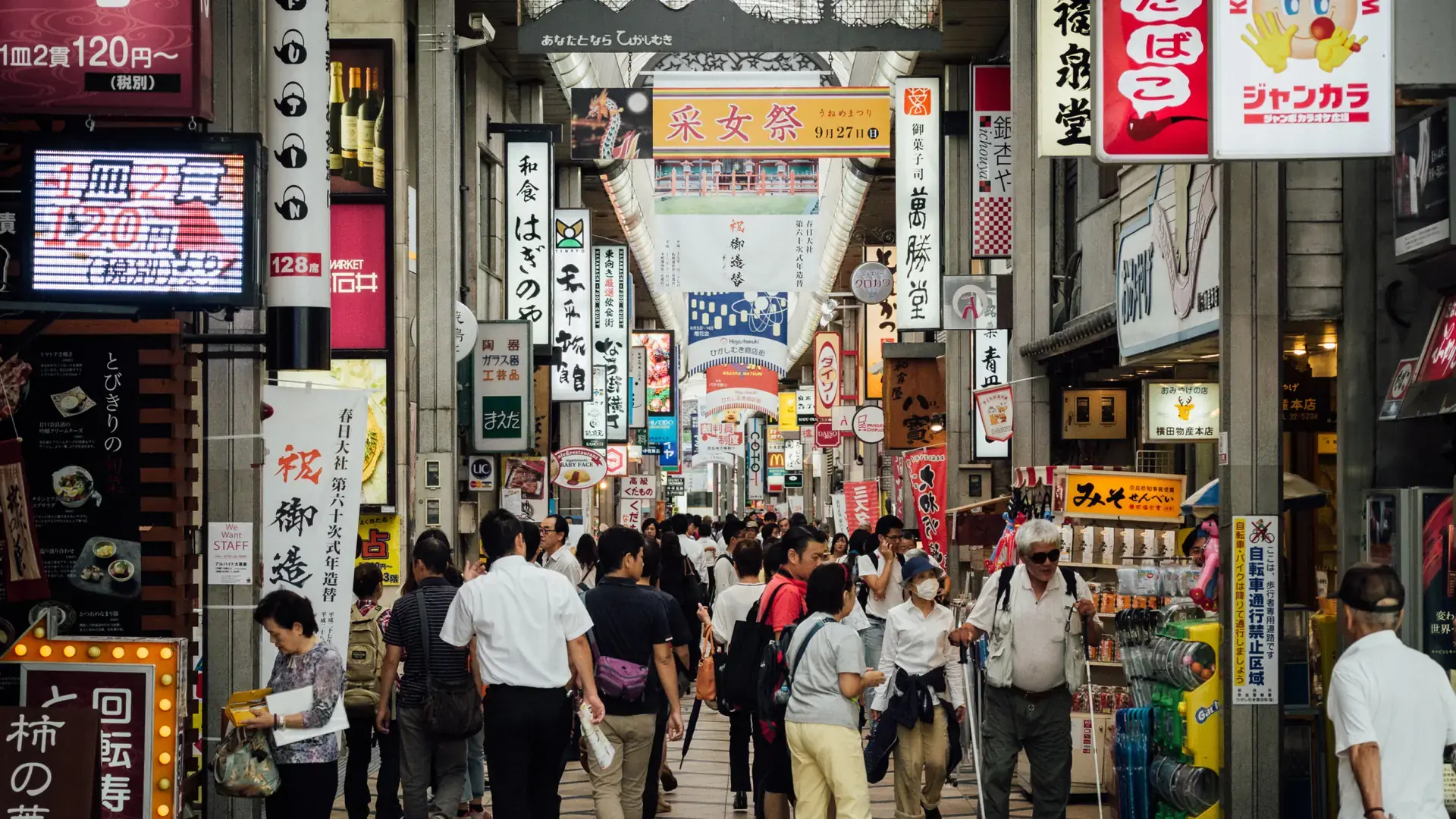
The central cultural route is naturally walkable

The central cultural route is naturally walkable

Kofukuji, Nara Park, Todaiji approaches and Naramachi can be linked on foot, but a full loop is substantial. Insert a bus when heat, rain or mobility makes the return less enjoyable.

Buses connect the three official visitor areas

Nara tourism identifies Nara Park, Naramachi and Nishinokyo as the city's main zones. Route maps and IC-card acceptance make buses useful, but boarding patterns differ, so read the vehicle instructions.

Bicycles suit selected western routes

Flatter palace and temple corridors can reward cycling, provided the rental permits the route and parking is available. Crowded park approaches require slow, considerate riding or walking the bicycle.

Buy a pass only after plotting the outlying sights

Central walkers may spend less with individual fares

Central walkers may spend less with individual fares

A Nara bus pass gains value when Nishinokyo, Horyuji or repeated rides appear. The operator listed a 600-yen city pass in 2026, but verify price, coverage and sales point on the travel date.

Separate accessible transport from accessible temple ground

Confirm surfaces, gradients and vehicle boarding

Confirm surfaces, gradients and vehicle boarding

Major stations offer staffed assistance, yet gravel, thresholds and long outdoor approaches can remain. Ask the hotel and each attraction about the exact entrance, then preserve time for rests and crowds.

Use the overnight to change Nara's rhythm, not to add a checklist

The city's value comes from pacing: early doors, shaded paths, museum time and the quieter intervals between coach groups.

Plan around exposure and sacred calendars

Spring and autumn concentrate demand
  • Spring and autumn concentrate demand

    Blossom and foliage frame the park beautifully but raise room pressure and walking crowds. Reserve a genuinely well-located room early instead of accepting a distant listing with a broad Nara label.

  • Summer rewards an eastern early start

    Heat and humidity make exposed lawns and long temple approaches tiring. A park-side room or first bus shifts strenuous walking before midday, leaving museums and Naramachi interiors for warmer hours.

  • Temple events can change normal access

    Todaiji and other sacred sites publish seasonal hours and ceremonies. Recheck official pages before locking a train around a special opening, closure or crowd-heavy observance.

Price the room against saved transfers

A central premium can buy two useful mornings
  • A central premium can buy two useful mornings

    Compare the room difference with buses, taxis, luggage storage and lost early time. For one night, position often matters more than a larger room at the city's edge.

  • Traditional stays need a complete rate comparison

    A ryokan or machiya may include breakfast, dinner or cultural character that a business hotel does not. Check meals, bathroom, bedding and check-in rather than comparing headline prices alone.

  • Pass savings depend on actual rides

    Do not buy regional rail and bus products because Nara appears on the map. List paid legs, operator restrictions and reserved-seat supplements, then calculate the 2026 itinerary.

Avoid these Nara booking errors

Treating JR Nara and Kintetsu-Nara as one hub
  • Treating JR Nara and Kintetsu-Nara as one hub

    They sit in different parts of the centre and serve different networks. The mistake appears small until luggage, rain or an early temple start turns it into friction.

  • Assuming every park hotel is beside Todaiji

    Nara Park covers a broad landscape. Measure the door-to-gate route for the exact sight and inspect elevation instead of trusting a district label.

  • Expecting big-city dining after temple hours

    Nara evenings are part of the appeal but many kitchens and shops close earlier than in Osaka. Identify dinner before a late arrival, especially around Takabatake and Nishinokyo.

Is it worth staying overnight in Nara?

Yes when you want the park before day-trip crowds, a quiet Naramachi evening or enough time for western temples. One night changes the atmosphere substantially. Keep Nara as a day trip when the plan is only deer, Todaiji and one central walk and changing hotels would consume more time than it creates.

Should I stay near JR Nara or Kintetsu-Nara?

Kintetsu-Nara is normally better for a first visit because the park and Kofukuji are closer. JR Nara is stronger when the arrival and departure already use JR, luggage is heavy or a modern station hotel costs materially less. Measure the entire itinerary rather than choosing by station name.

What area is best for Nara Park and Todaiji?

The park edge and Takabatake offer the closest atmospheric stay, while Kintetsu-Nara provides a practical compromise with more dining. Check the exact entrance and walking route because the park spans hundreds of hectares and accommodation marketed near it may still be distant from the Great Buddha Hall.

Where should couples stay in Nara?

Naramachi suits couples who prefer wooden streets, intimate inns, cafés and a calm walk after dinner. A park-edge ryokan is more secluded; Kintetsu-Nara gives easier logistics. Check private bathroom, bedding and meal arrangements because traditional character does not imply a standard hotel configuration.

How many nights do I need in Nara?

One night is enough to make the central park and Naramachi circuit feel less rushed. Two nights support Todaiji and Kasuga on one day, then Nishinokyo, the palace site or a museum-led second day. Add more only for wider prefectural trips such as Asuka, Horyuji or Yoshino.

Can I reach Nara directly from Kyoto or Osaka?

Yes. JR and Kintetsu both connect Nara with Kyoto and Osaka, but they terminate at separate central stations. Official journey examples put several routes at roughly half an hour to an hour. Confirm the 2026 timetable, train type and the station nearest the booked hotel.

Do I need a car in Nara?

Not for the city centre. Walking, Kintetsu, JR and Nara Kotsu buses cover the park, Naramachi and western sights. A car becomes useful for a wider rural prefecture itinerary, but parking and congestion can undermine it around central attractions. Design the city stay without one unless the next destination truly requires driving.

What should I book ahead in Nara in 2026?

Reserve peak-season accommodation, special ryokan meals and any timed cultural experience first. Standard temple admission may remain walk-up, but hours, event access and group requirements change. Todaiji publishes current opening and fee information; use responsible official pages again immediately before travel.

Is Nara accessible for travellers with limited mobility?

The central stations and buses can support an accessible visit, but temple grounds include long distances, gravel and occasional gradients. Request station assistance, verify low-floor bus options, ask attractions about the correct step-free gate and select a hotel whose entrance is genuinely level. A taxi can connect difficult gaps without turning the whole trip into car travel.

Where is the quietest place to stay in Nara?

Takabatake and the park's southern edge are peaceful when the hotel is away from coach routes. Naramachi side lanes also settle early, while Nishinokyo offers a residential temple setting. Quiet comes with fewer late meals, so arrange dinner first and request a room away from roads, lifts and communal guesthouse spaces.

Can I visit Nara with luggage between Kyoto and Osaka?

Yes, but avoid carrying bags through the park. Use station lockers or hotel storage and choose the railway that matches the next city. If the stay is only a transit-day visit, confirm locker size and availability early; if sleeping overnight, leave cases at reception before beginning the eastern walking circuit.

Which months offer the easiest deer encounters in Nara?

Early morning and later afternoon usually feel calmer than the central day-trip period, which is one reason to stay overnight. Deer are wild animals despite their familiarity with visitors: follow current park guidance, do not tease them with food and keep children supervised. Choose the hotel for a pleasant early walk, not a promise of deer outside the window.

How this Nara guide was researched

Reviewed by StartBooker editorial team Travel editorial research and rewrite

Last reviewed 2026-09-12

Editorial method: Original stay guidance checked against Nara tourism, temple, JNTO, JR, Kintetsu and bus records, with traveller questions cross-checked against three independent editorial guides.

18 sources reviewed

Primary and operator sources
  • Nara Prefecture Tourism Bureau
  • Todaiji Temple
  • Japan National Tourism Organization
  • Nara Kotsu Bus Lines
  • Kintetsu Railway
  • West Japan Railway Company
Photo credits

Photos provided by Pexels.

Share a thoughtful Nara stay lesson

Which station worked best with your luggage?