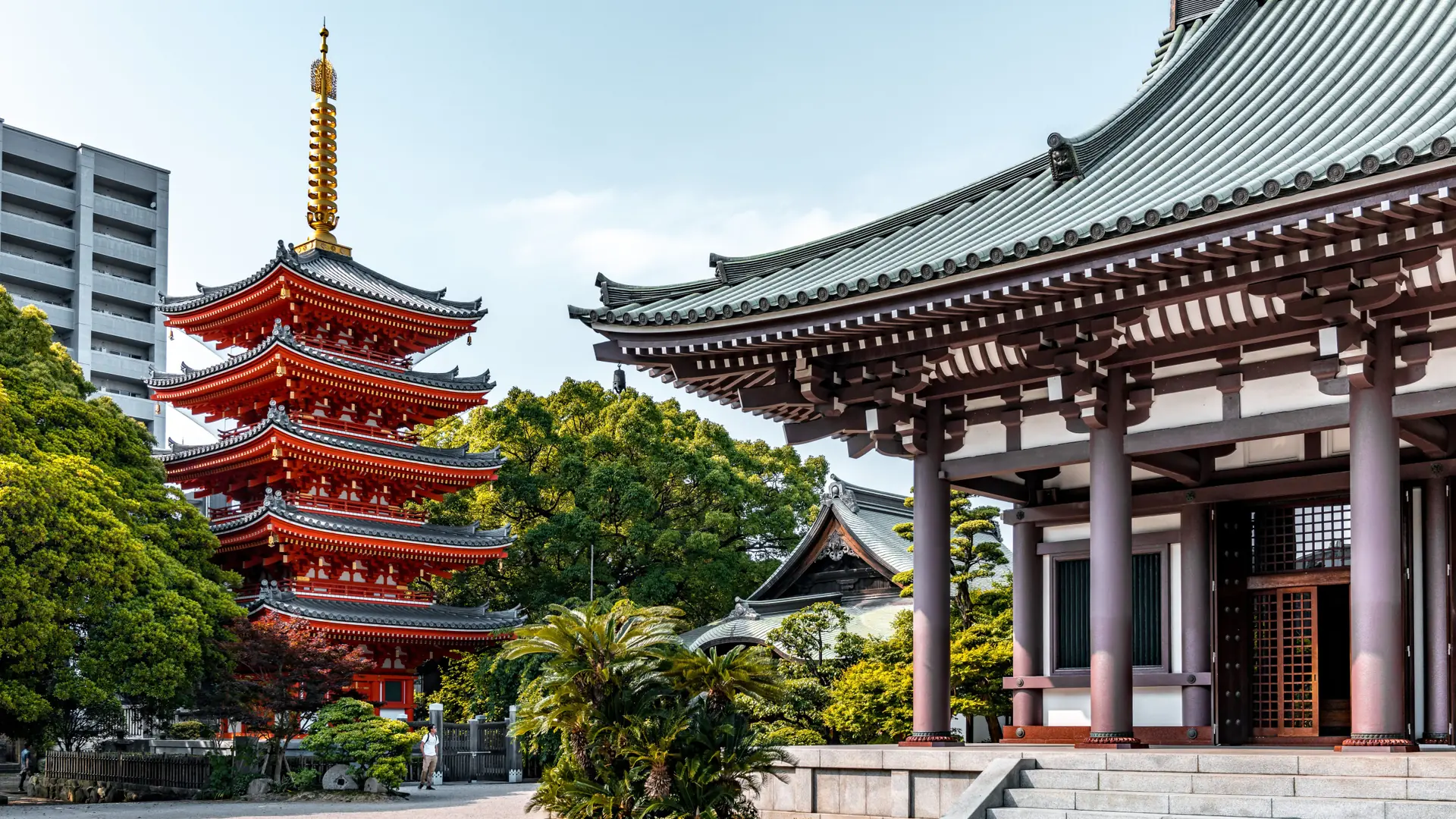
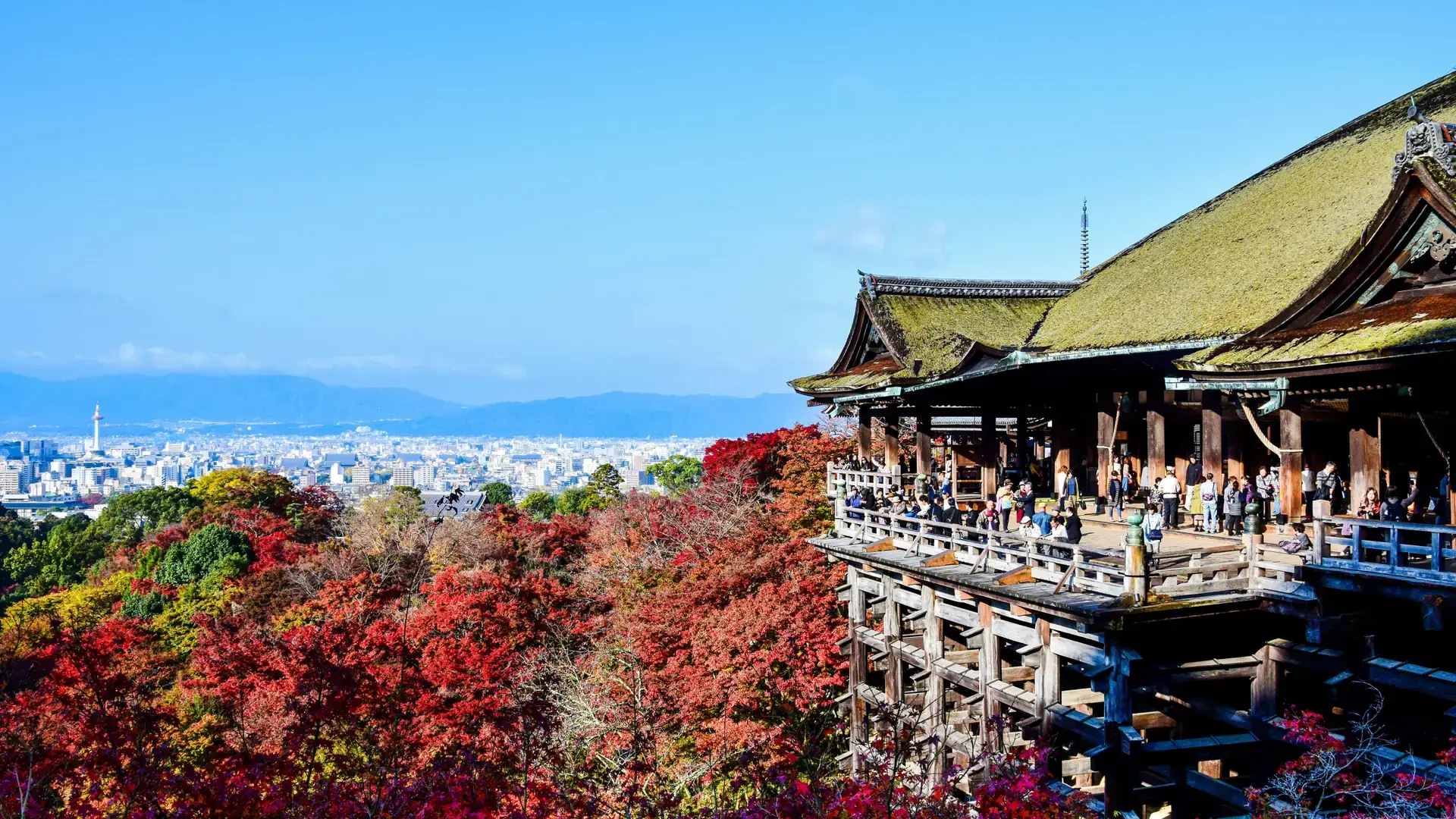
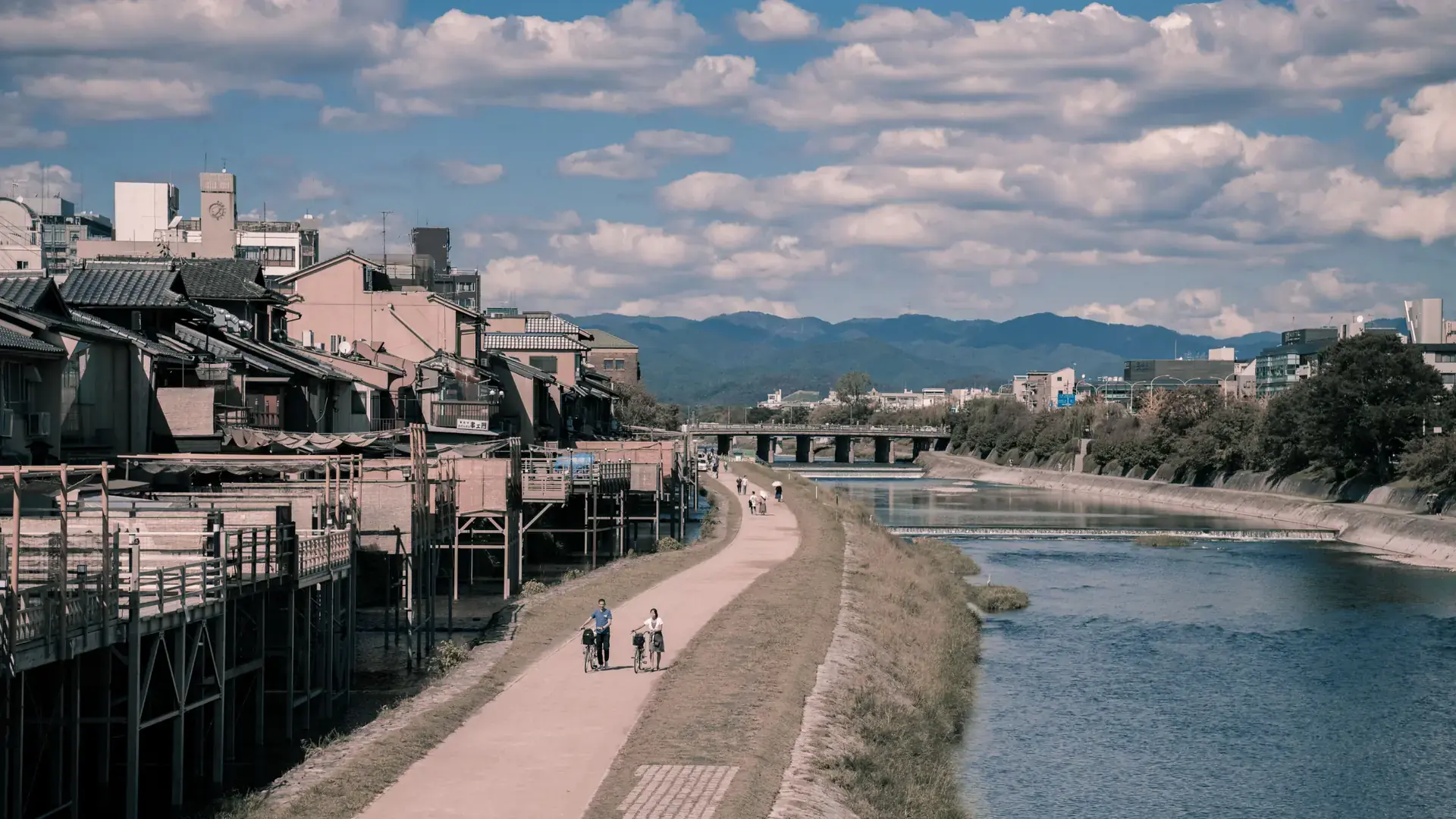
Kiyomizu-dera's wooden terrace and vermilion pagoda above sunlit Kyoto

Where to stay in Kyoto for temple mornings and easy evenings

Loading Kyoto hotel search

Choose Kyoto by the first hour and the last meal

Kyoto is not difficult because sights are obscure; it is demanding because famous places sit in separate eastern, western, northern and southern clusters. A useful hotel removes the journey you would otherwise repeat every morning or night.

First visit Downtown Kyoto

Stay between Karasuma and Kawaramachi for adaptable transport, Nishiki Market access and an easy evening link to Pontocho and Gion.

Temple-led trip Southern Higashiyama

Book here when Kiyomizu-dera, Yasaka and quiet early streets are the emotional centre of the visit, accepting hills and bus pressure.

Day trips Kyoto Station

Frequent departures to Osaka, Nara and farther west favour a station-side room, particularly with children or full-size luggage.

Local rule Use trains before buses

The official guide recommends rail-first combinations on busy corridors and baggage storage or delivery before boarding city buses.

StartBooker answer

What is the best area to stay in Kyoto for a first visit?

Downtown Kyoto around Kawaramachi or Karasuma is the most balanced first base: restaurants remain close after temple hours, rail and subway choices reduce dependence on crowded buses, and Gion is walkable. Choose Gion or southern Higashiyama when sunrise lanes and an atmospheric ryokan matter more than simple luggage transfers. Kyoto Station is stronger for families, late arrivals and several day trips. Arashiyama gives exceptional early access to the bamboo district but adds travel to eastern Kyoto.

Best all-round base
Downtown near Kawaramachi or Karasuma
Best heritage atmosphere
Gion and southern Higashiyama
Best transport base
Kyoto Station
2026 cost change
Allow for the revised accommodation tax
AI-powered

Build Kyoto days around districts, not a temple checklist

Add your fixed reservations, walking tolerance, luggage, food priorities and preferred morning pace; the planner can group east, west and south without needless crossings.

Eight Kyoto bases with genuinely different daily rhythms

The right district depends on whether you want heritage before breakfast, a transport interchange, late dining, western gardens, residential craft culture or direct southern rail. Compare the exact station and street, because labels such as central or Higashiyama cover very different walks.

bright Nishiki Market approach and traditional central Kyoto shopfronts

Downtown: Kawaramachi and Karasuma

first visits, dining and flexible cross-city days

Choose downtown when no single temple cluster dominates and you want the easiest dinner return.

Sleep: request a rear-facing room away from Pontocho approaches and late shopping streets.

First visit Food Rail options

Kawaramachi and Karasuma are not interchangeable; map the hotel against the railway you will use most.
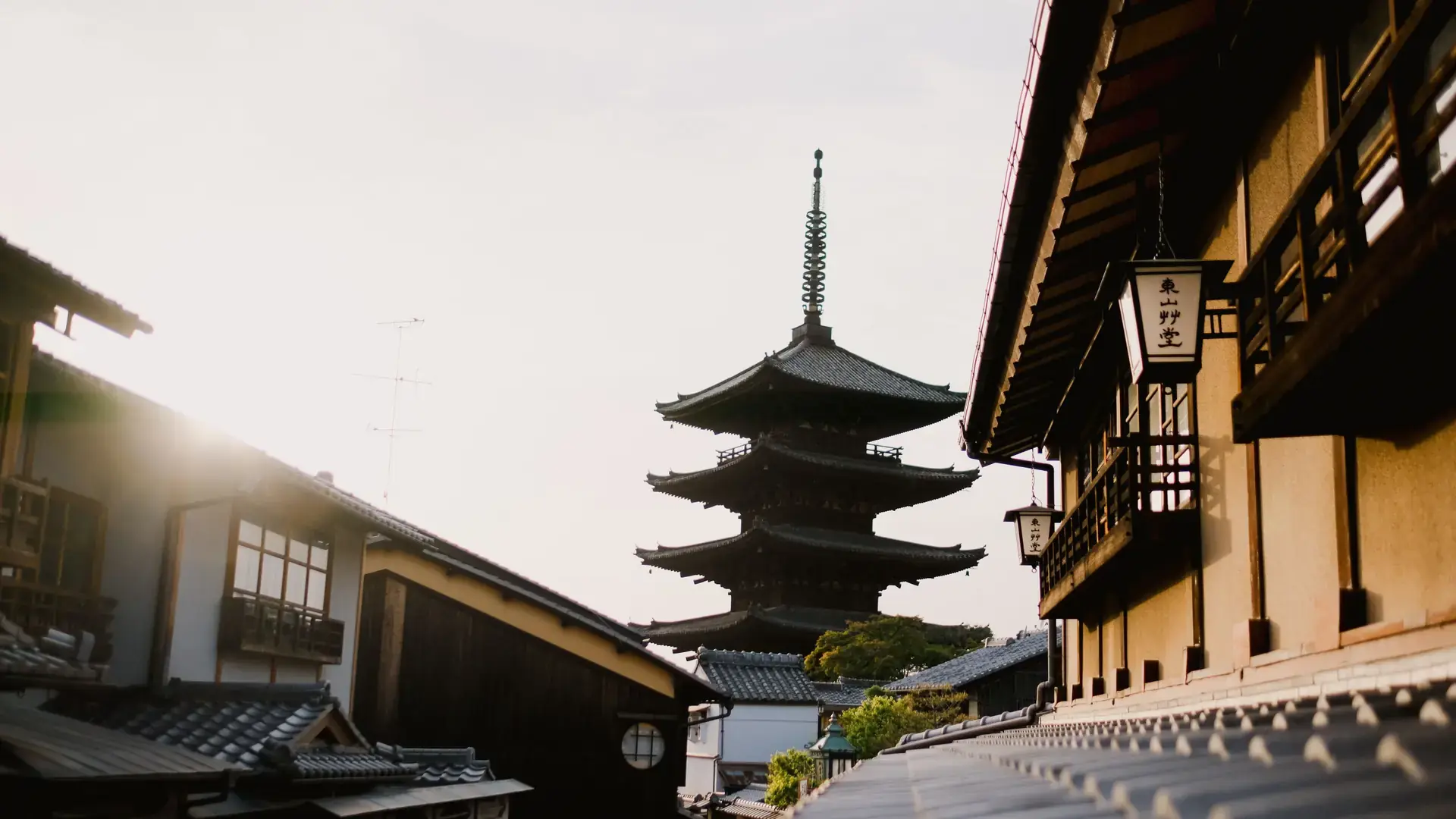
sunny preserved machiya street and Yasaka Pagoda in southern Higashiyama

Gion and Southern Higashiyama

historic atmosphere, ryokan stays and early Kiyomizu walks

Stay here when empty-street atmosphere before breakfast matters more than direct shinkansen access.

Sleep: inner lanes can be calm; check room position near nightlife and busy approaches.

Heritage Ryokan Early starts

Do not photograph or follow geiko and maiko; Kyoto's official guidance treats them as people at work, not street attractions.

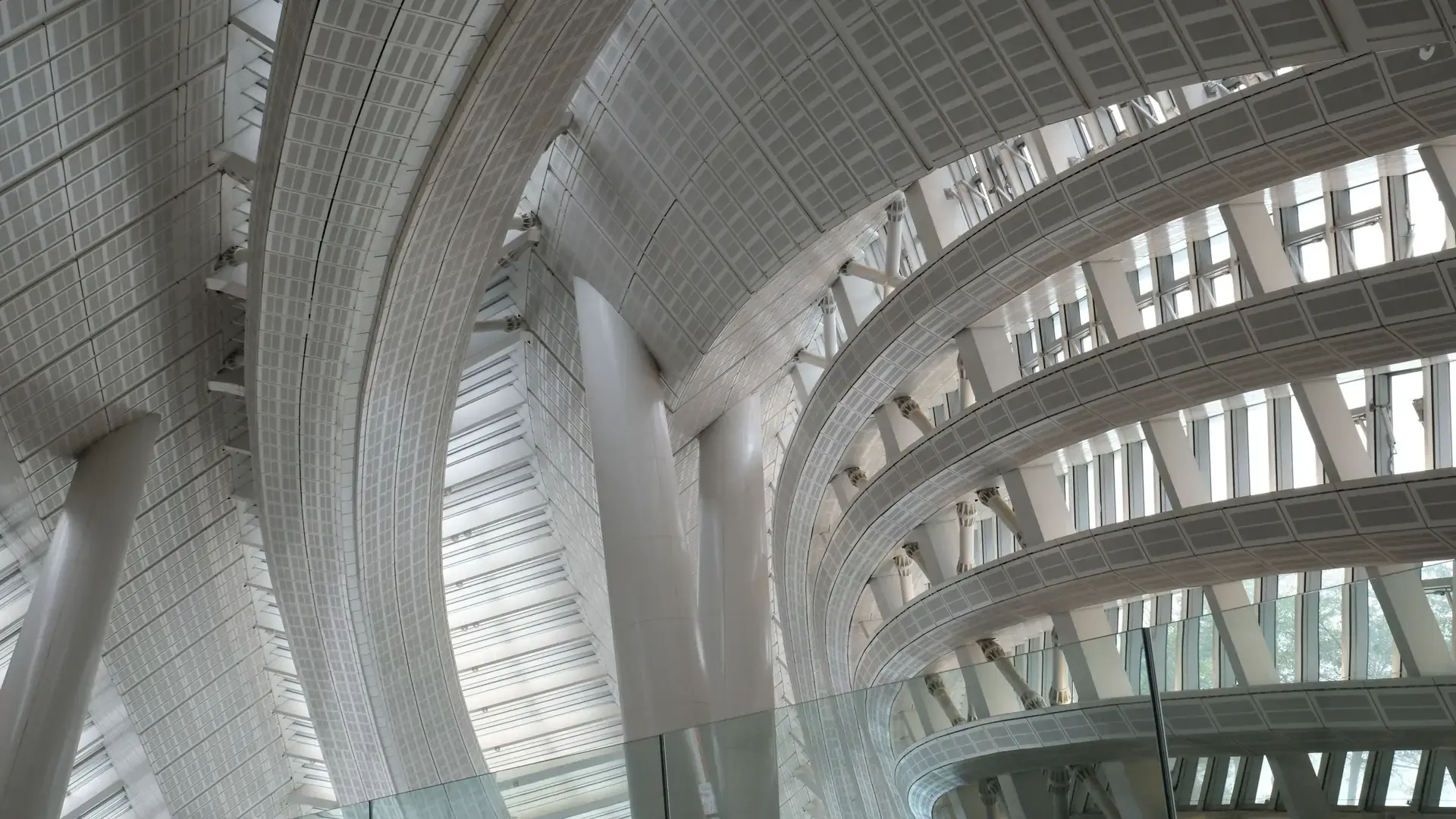
Kyoto Station's glass-and-steel atrium glowing in clear daylight

Kyoto Station and Shimogyo

rail arrivals, families, luggage and repeated day trips

Pick the station when changing cities efficiently is more valuable than waking inside old Kyoto.

Sleep: often controlled; confirm glazing for rooms facing major roads.

Families Day trips Airport rail

Kyoto Station is enormous; compare the property's side and exit with the lines and airport service you need.

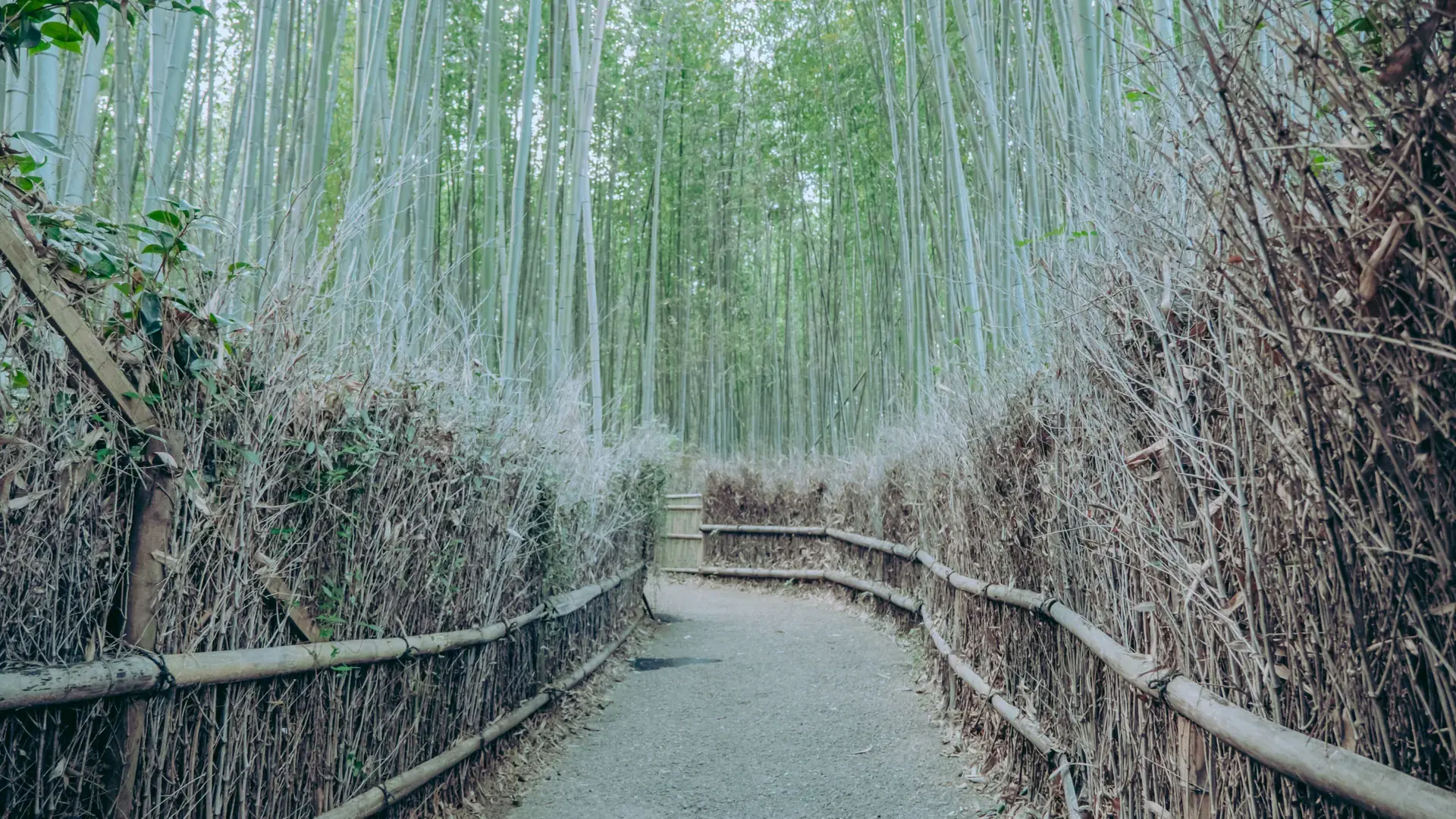
lush green Arashiyama bamboo grove under vivid filtered sunlight

Arashiyama and Saga

bamboo-grove mornings, riverside scenery and a slower western stay

Use Arashiyama for a one- or two-night scenic chapter, or when western temples are the main purpose.

Sleep: quiet after day visitors leave, with fewer late kitchens than downtown.

Nature Quiet evenings Western Kyoto

JR Saga-Arashiyama, Hankyu Arashiyama and Randen stops serve different approaches; verify the final walk.

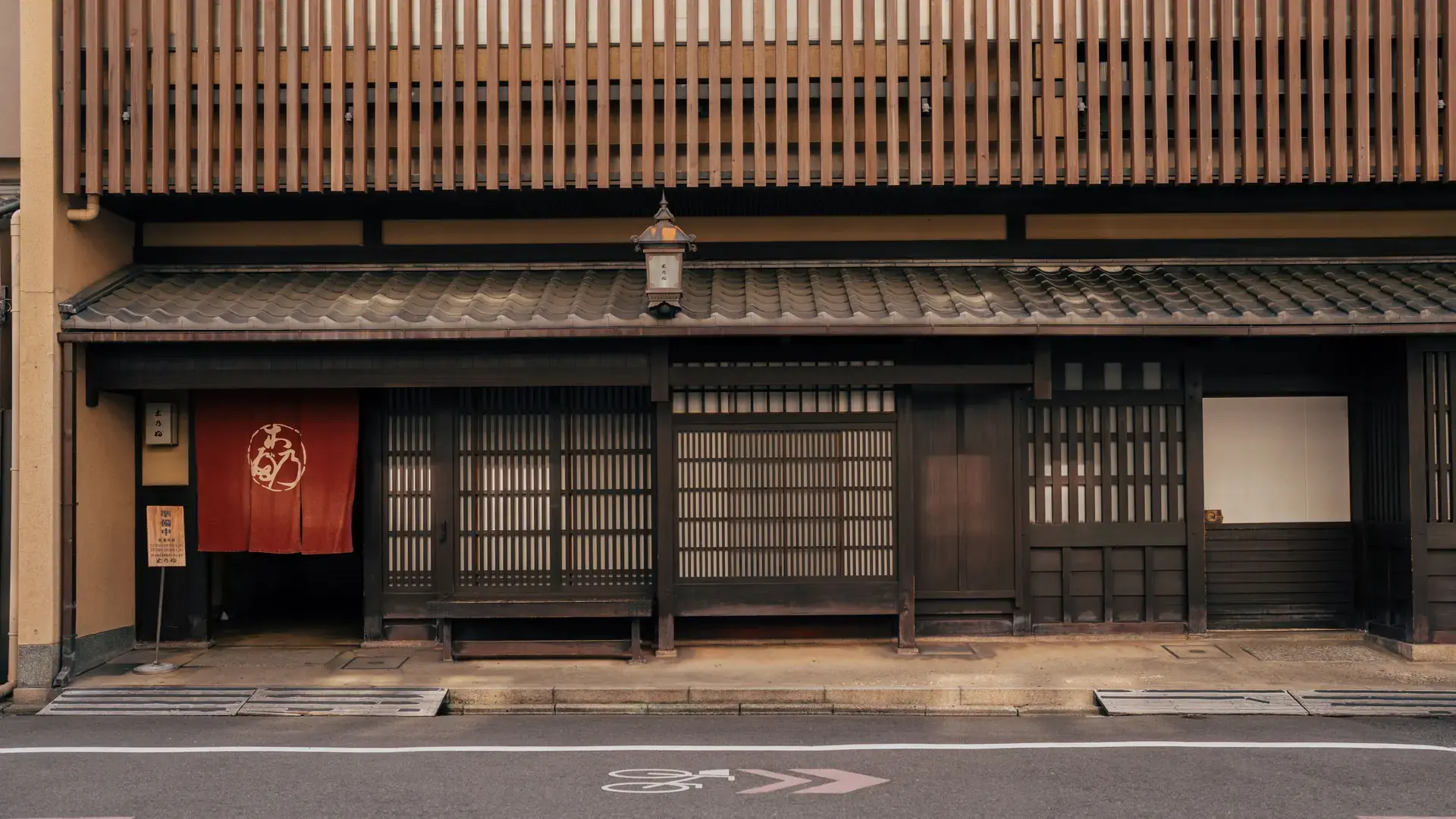
sunlit traditional wooden machiya facade on a quiet Kyoto street

Nishijin and Imperial Palace North

craft heritage, residential streets and repeat visitors

Choose Nishijin when a quieter neighbourhood is part of the experience rather than merely a cheaper room.

Sleep: residential lanes are calmer, but traditional wooden buildings may transmit indoor sound.

Crafts Local pace Repeat visit

Confirm nearby dining hours and the useful bus or subway approach before booking a remote-looking machiya.

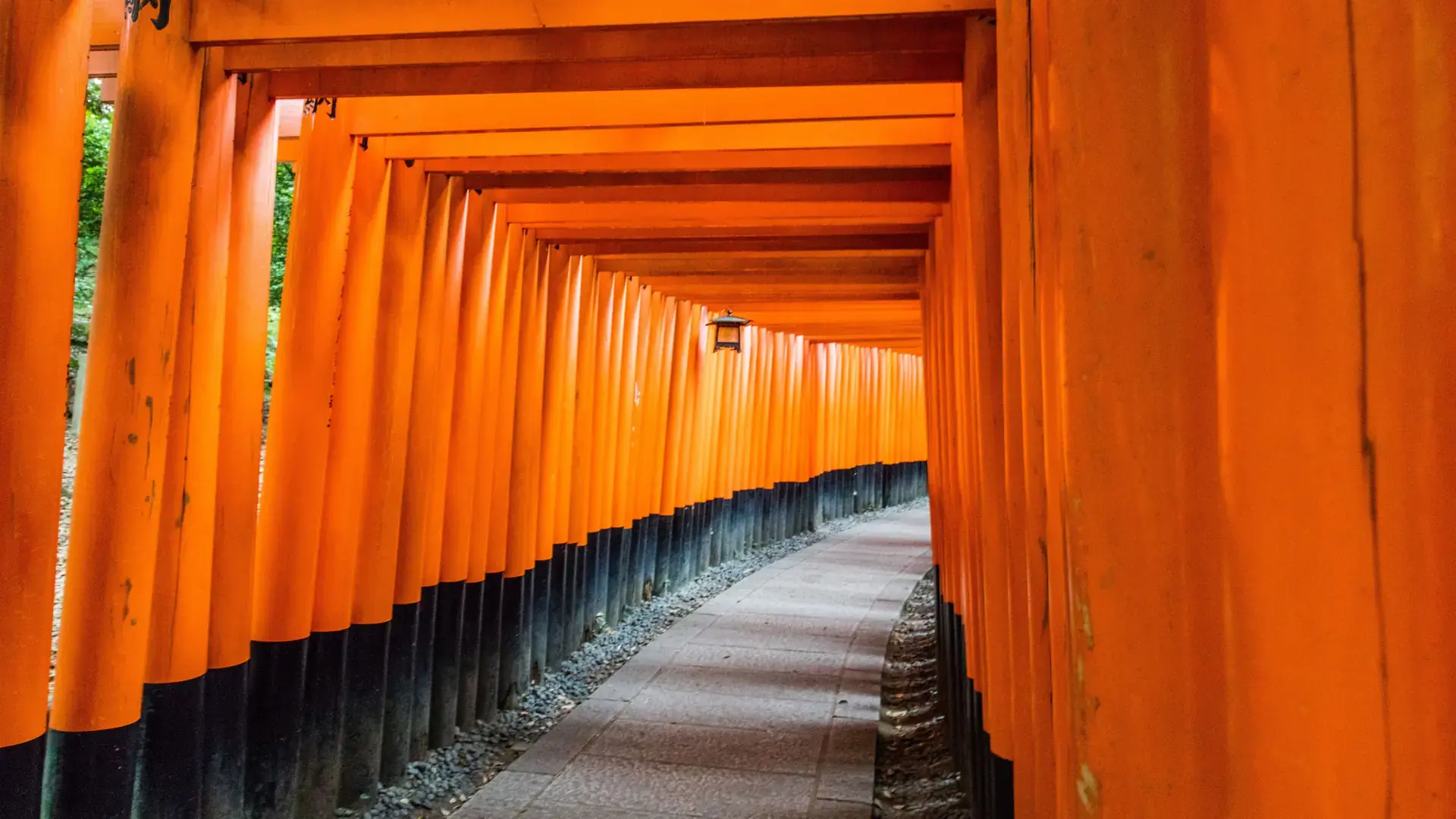
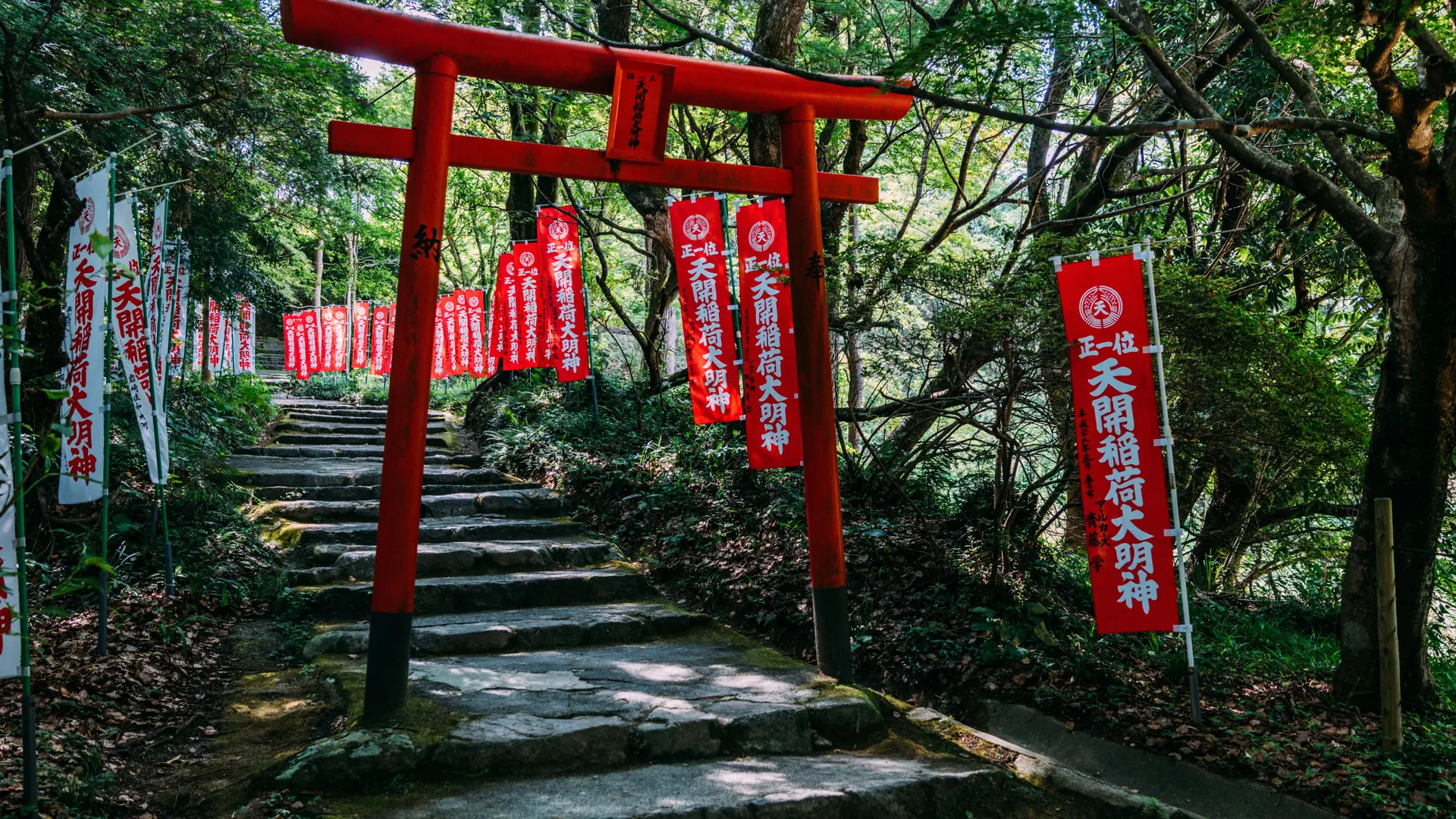
vivid vermilion torii gates climbing the sunny wooded slopes of Fushimi Inari

Fushimi

Fushimi Inari sunrise, sake culture and Keihan or JR access

Base here when Fushimi is a repeated experience, not a single two-hour stop squeezed into a northern itinerary.

Sleep: many side streets settle early, so late-night dining choice is narrower than downtown.

Shrine trails Sake Southern rail

A property near Fushimi Station is not necessarily beside Fushimi Inari; distinguish the station names and rail operators.

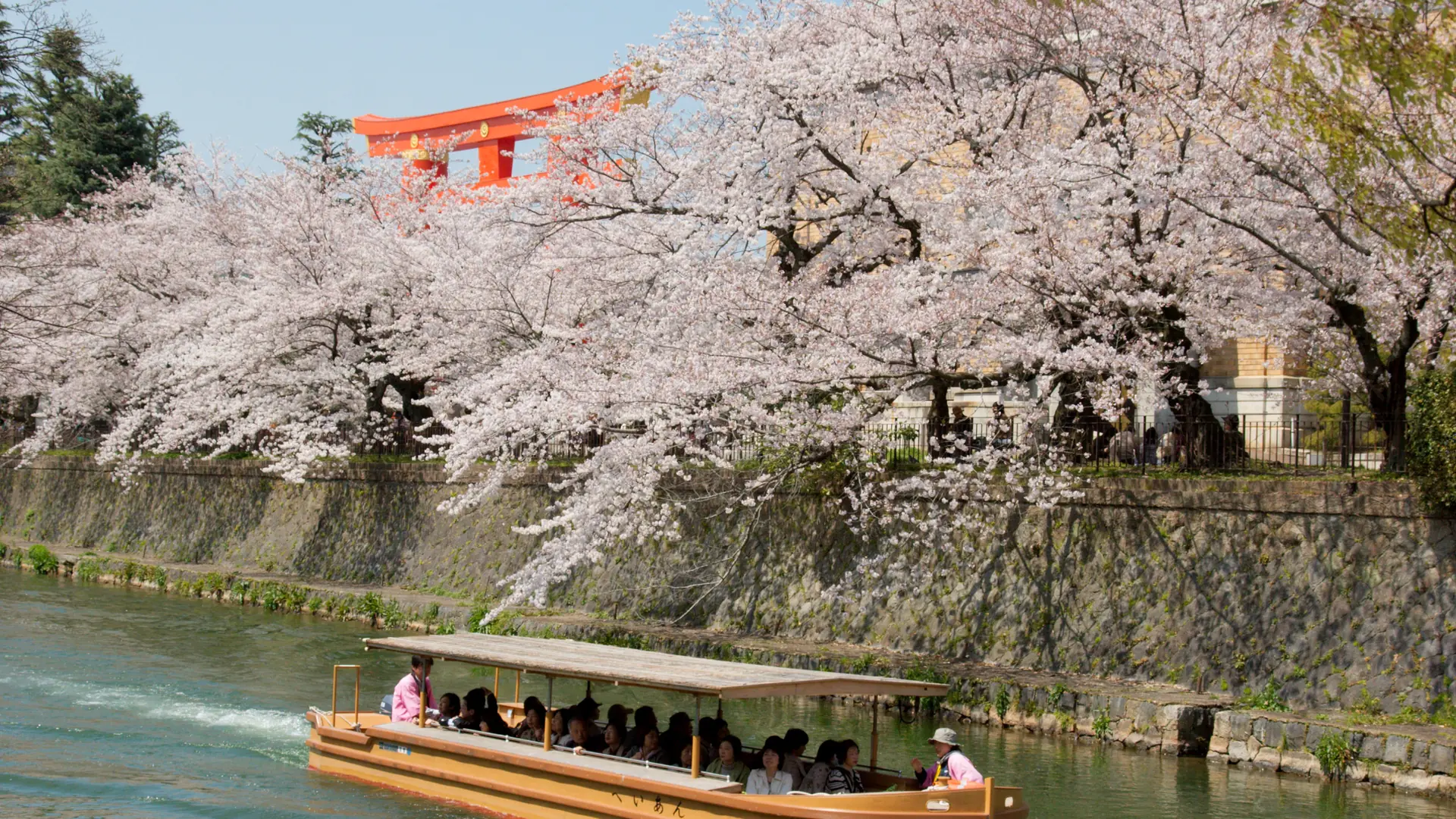
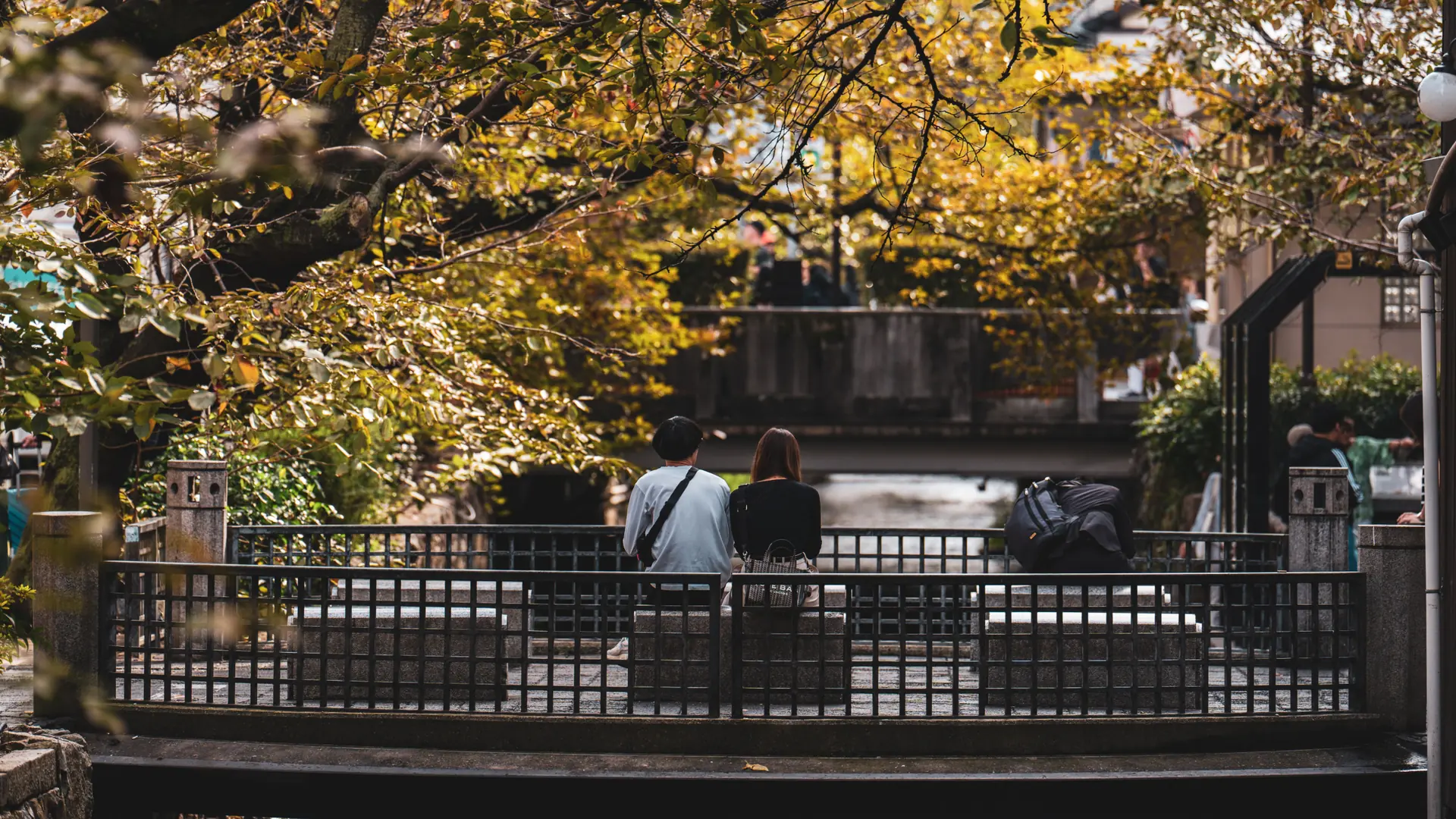
sunny Okazaki canal in Kyoto framed by spring trees near the museum district

Okazaki and Northern Higashiyama

museum days, canal walks, Nanzenji and the Philosopher's Path

Sleep in Okazaki when east-side culture deserves two unhurried mornings without crossing downtown first.

Sleep: calm on residential streets; event nights can animate roads around the theatre and park.

Museums Canal walks Quiet nights

Check the real walk to Higashiyama Station; an attractive canal address may sit farther east than the map first suggests.

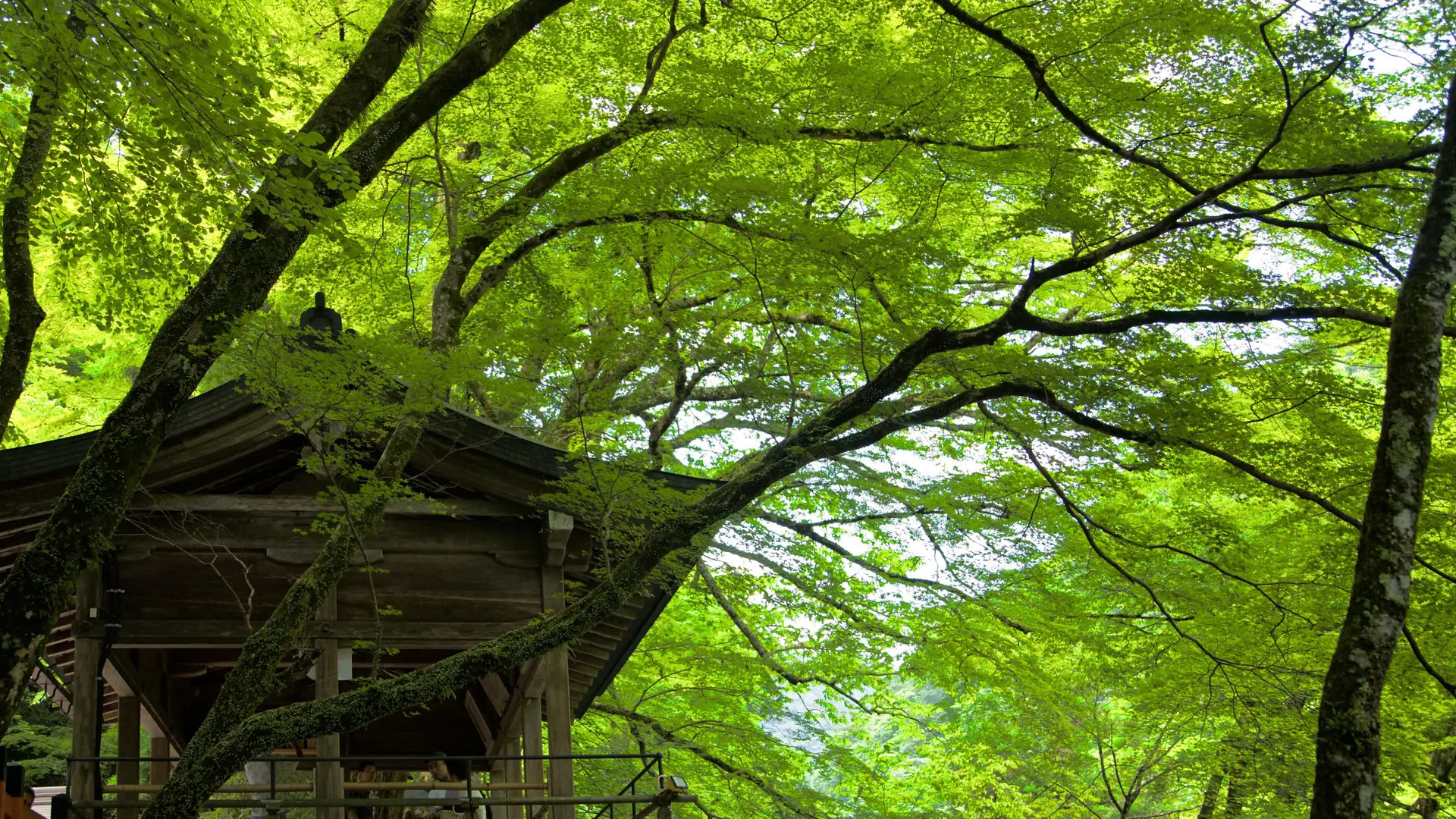
bright green forest and traditional lanterns beside the mountain approach in Kibune, Kyoto

Kurama and Kibune

mountain shrines, forest air, river scenery and a rural night

Move north only when Kurama or Kibune is a central experience rather than a spare afternoon.

Sleep: deeply quiet after day visitors depart, with river and forest sounds replacing city traffic.

Mountains Shrines Slow stay

Confirm the inn's pickup, dinner deadline and seasonal transport before carrying full luggage beyond the station.

Match the base to the repeated journey
Area Best for Trade-off Getting around
Downtown: Kawaramachi and Karasuma Most first-time itineraries No landmark sits directly outside Karasuma subway plus Hankyu and nearby Keihan
Gion and Southern Higashiyama Heritage and dawn photography Hills and midday crowds Walk locally; Keihan and buses serve the edges
Kyoto Station and Shimogyo Families and day trips Less traditional outside the hotel JR, shinkansen, subway and airport express
Arashiyama and Saga Western scenery Far from eastern temple days JR, Hankyu and Randen have separate stations
Nishijin and Imperial Palace North Crafts and calm streets More bus dependence Walk, cycle and connect selectively
Fushimi Shrine sunrise and sake Long rides north and west JR and Keihan corridors
Okazaki and Northern Higashiyama Museums and eastern walks Quieter dining and no direct JR hub Tozai subway plus substantial walking
Kurama and Kibune A mountain chapter Remote from central Kyoto Eizan Railway, local bus and footpaths

Book for the trip you will actually take

One Kyoto address cannot optimise every direction. Let the hardest fixed morning, mobility constraint or repeated evening decide.

A balanced four-night first visit

Use downtown when your days divide between Higashiyama, Arashiyama and Fushimi.

Avoid the busiest nightlife edge when early sleep matters.

Gion is better if two mornings begin in southern Higashiyama.

Children, luggage and two regional day trips

Stay close to the correct station entrance when Nara and Osaka are fixed.

Do not choose a distant station-branded hotel solely for a lower rate.

Downtown is better when day trips are optional and dinners lead the plan.

A ryokan night and quiet temple morning

Book Gion or Higashiyama when you deliberately want the ryokan schedule and an eastern dawn walk.

Skip a steep old property when step-free access is essential.

Arashiyama is stronger when river scenery and western temples matter most.

A quieter second visit with local texture

Pick the district whose local subject you genuinely want to explore between major sights.

Do not trade away rail access when every day starts on the opposite side of town.

Downtown remains safer for an itinerary that is still undecided.

Search Kyoto hotels by the station and district you need

Compare live stays only after choosing the repeated morning route, evening atmosphere and luggage plan.

Search Kyoto hotels →
Loading Kyoto hotel results

Arrive with a district-specific last leg

Kyoto has no commercial airport of its own. KIX, Itami and intercity rail all finish differently, so compare the final transfer to the hotel instead of treating Kyoto Station as the end of every journey.

From Kansai airports

KIX: use the direct Haruka when Kyoto Station fits

KIX: use the direct Haruka when Kyoto Station fits

JR West operates direct Kansai-Airport Express Haruka service to Kyoto. It is compelling for a station-area room; downtown, Gion and Arashiyama still require a subway, taxi or another railway after arrival. Recheck the operator timetable for the landing date rather than relying on a fixed journey time.

A bus or private transfer may win after a late flight

Compare the last operating departure, luggage handling and hotel-side drop. A nominally slower road option can remove a difficult station change, while traffic makes it less predictable at busy hours. Confirm service directly with the airport operator before buying a non-refundable connection.

Move by rail spine and walking cluster

Use trains to approach Arashiyama and Fushimi

Use trains to approach Arashiyama and Fushimi

JR, Hankyu, Keihan and Randen reach different sides of Kyoto. For distant clusters, a train-first plan avoids spending the opening hour standing on a bus; the exact best line depends on the hotel and attraction entrance.

Reserve buses for the segment rail cannot solve

Kyoto's official bus guide warns of crowding during spring blossoms, autumn foliage and commuter periods. Travel without large luggage, identify the stop on the correct side of the road and consider subway-plus-bus combinations instead of boarding at Kyoto Station for every sight.

Keep each walking day on one side of the city

Combine Kiyomizu with Gion, Arashiyama with western temples, and Fushimi Inari with southern Kyoto. The city feels calmer when a day has one geographic story instead of five famous names scattered across the basin.

Buy a pass only after plotting real rides

IC cards simplify payment; they do not erase operator boundaries

IC cards simplify payment; they do not erase operator boundaries

IC cards are accepted on city buses and many trains, while specific one-day products have defined coverage. Count the subway and bus rides in the actual plan and read current exclusions, especially for outer districts, before assuming unlimited travel is cheaper.

Audit hills, station exits and old buildings

A central label does not guarantee a step-free route

A central label does not guarantee a step-free route

Southern Higashiyama includes steep approaches and steps; traditional accommodation may have small lifts or none. Ask for the path from the usable station exit or taxi drop to reception, plus bathroom thresholds and bedding details, before committing to atmosphere over access.

Protect the hours when Kyoto feels most rewarding

The strongest plan shifts famous outdoor places toward early or late light, leaves room for weather and treats reservations, local etiquette and hotel tax as real constraints.

Crowds, heat and seasonal colour

Spring and autumn require both early rooms and early mornings
  • Spring and autumn require both early rooms and early mornings

    Official accommodation guidance recommends advance booking for cherry-blossom and maple-foliage periods. Secure the district that reduces your priority morning journey, then use Kyoto's live and forecast congestion tools to change hour or day when possible.

  • Summer changes the order of an eastern walk

    Put exposed slopes, shrine trails and temple approaches first, preserve shaded gardens or museums for the hotter middle, and return to riverside or market streets later. A hotel break is most useful when the base lies between the morning and evening clusters.

  • Rain favours rail-linked districts and flexible interiors

    Stone lanes and temple steps become slower when wet, while umbrellas intensify narrow-path congestion. Downtown and Kyoto Station provide more indoor resets; in Arashiyama or Higashiyama, keep one nearby temple, museum or café alternative rather than crossing the city.

Costs worth checking before payment

Add Kyoto's revised 2026 accommodation tax
  • Add Kyoto's revised 2026 accommodation tax

    From 1 March 2026 the nightly per-person tax is ¥200 below ¥6,000, ¥400 from ¥6,000–19,999, ¥1,000 from ¥20,000–49,999, ¥4,000 from ¥50,000–99,999 and ¥10,000 at ¥100,000 or more. Check whether the displayed booking total includes it.

  • Value a station-side room by saved transfers

    A modest saving outside the useful rail corridor can be consumed by taxis, luggage friction and repeated bus time. Compare the door-to-door route for the three longest days, not only nightly price or straight-line distance.

  • Understand what a ryokan rate includes

    Traditional inns may bundle dinner and breakfast, impose set meal times or price by person rather than room. Confirm meals, bedding, bathing arrangements, child policy and arrival deadline so an apparently expensive stay can be compared honestly with a hotel plus dining.

Planning errors that cost more than money

Using Kyoto Station as the bus origin for every landmark
  • Using Kyoto Station as the bus origin for every landmark

    This concentrates the trip on the most obvious routes. Reach a rail station closer to the district, walk a coherent local loop and take the bus only where it closes a genuine gap.

  • Packing east, west and north into one temple day

    Kiyomizu-dera, Arashiyama and Kinkaku-ji look compatible on a saved map but create long cross-city transitions. Give each cluster enough time for side streets, gardens and a meal rather than collecting entrances.

  • Treating Gion residents and performers as scenery

    Private lanes and working geiko or maiko require restraint. Follow posted access rules, never block or pursue people for photographs, and choose an authorised performance or guided cultural programme for a respectful encounter.

Is Gion or downtown Kyoto better for a first visit?

Downtown is more adaptable for a mixed itinerary because it gives access to several rail systems, late dining and a walkable route toward Gion. Choose Gion or southern Higashiyama when early heritage streets, a ryokan and east-side temple mornings outweigh easier cross-city travel.

Should I stay near Kyoto Station?

Yes when you arrive late, carry substantial luggage, travel with children or schedule several JR day trips. For a visit centred on evening restaurants and Higashiyama walks, downtown usually creates a better daily rhythm despite the additional station transfer.

Can I visit Kyoto without using buses?

Not every attraction is rail-adjacent, but a train-first plan can reduce bus use sharply. Use JR or Hankyu for Arashiyama, Keihan or JR for Fushimi, subway lines for the central spine, then walk or take a short bus segment inside each cluster.

How many nights does Kyoto need?

Three nights support eastern, western and central or southern clusters without turning each day into a transfer race; four or five add quieter northern districts, Uji or a slow ryokan experience. A two-night visit should choose one central base and protect two early starts.

What changed about Kyoto hotel tax in 2026?

Kyoto City introduced revised bands on 1 March 2026. The tax is charged per person per night and rises with the accommodation fee, from ¥200 at the lowest band to ¥10,000 for charges of ¥100,000 or more. Verify whether your booking platform collects it or the property charges it locally.

Where should I stay for Arashiyama at sunrise?

Stay in Arashiyama or Saga if the bamboo district and western Kyoto are a central part of the trip. Downtown can still work via early JR or Hankyu service, but an overnight western base gives quieter edges of the day and avoids making the district a rushed return excursion.

How this Kyoto guide was researched

Reviewed by StartBooker editorial team Travel editorial research and rewrite

Last reviewed 2026-09-12

Editorial method: Original decision-led copy based on current Kyoto City tourism, transport, airport and tax records, checked against two independent neighbourhood guides. Volatile fares, schedules and access rules are referred back to their responsible operators.

15 sources reviewed

Primary and operator sources
  • Kyoto City Official Travel Guide
  • Kyoto City Tourism Association
  • Kansai Airports
  • Japan National Tourism Organization
  • Fushimi Inari Taisha
  • JR West
Photo credits

Photos provided by Pexels.

Share a Kyoto stay tip that helps another traveller choose

Which station exit or bus alternative saved you time?