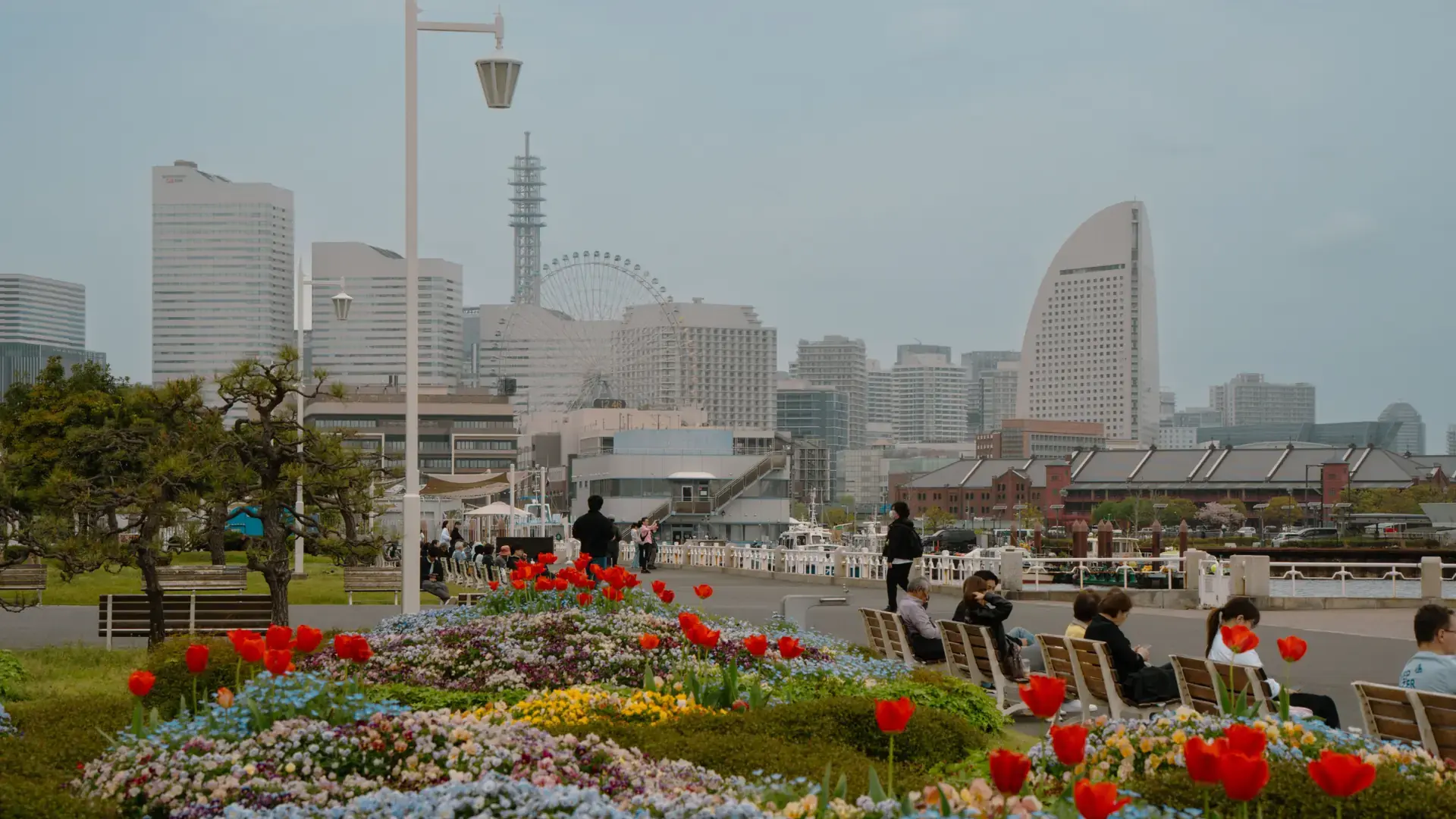
Yokohama's sunlit Minato Mirai skyline, Ferris wheel and blue harbour beneath a clear sky

Where to stay in Yokohama for harbour views and Chinatown

Loading Yokohama hotel search

Yokohama rewards an overnight stay when the harbour, not Tokyo, sets the pace

Choose Minato Mirai for polished waterfront convenience, Kannai or Chinatown for food and history, Yokohama Station for rail efficiency, and Noge for small-bar evenings. A Tokyo day trip covers highlights, but sleeping locally preserves blue-hour walks and an unhurried morning beside the port.

Waterfront stay Minato Mirai

Modern hotels and broad promenades suit families, couples and first-time orientation.

Historic port stay Kannai and Bashamichi

Civic architecture, Red Brick Warehouse access and local streets balance sightseeing with everyday city life.

Cruise night Check the terminal first

Osanbashi, Shinko and Daikoku have different access, so the ship's berth matters more than the word waterfront.

Tokyo alternative Useful, not universal

Yokohama can lower the pace, but repeated late journeys to northern Tokyo may erase the benefit.

StartBooker answer

Should Yokohama visitors stay beside the harbour or its main station?

Stay in Minato Mirai or around Sakuragicho for a first Yokohama visit: the harbour promenade, museums, Red Brick Warehouse and skyline are close enough to explore on foot. Kannai and Chinatown offer stronger evening food and port history, while Yokohama Station is better for Tokyo, Haneda and regional rail. Shin-Yokohama serves a Shinkansen or arena trip, but it is not the historic waterfront centre.

Best first base
Minato Mirai or Sakuragicho
Best for food
Chinatown and Kannai
Best transport hub
Yokohama Station
Best Shinkansen stop
Shin-Yokohama
AI-powered

Build Yokohama around one rail hub and one harbour rhythm

Add your airport, Shinkansen, cruise terminal, concert, Tokyo days, luggage and preferred evening; the planner can test whether the room saves time or merely looks close on a regional map.

Eight Yokohama bases with genuinely different jobs

The best address depends on whether harbour walking, food, Tokyo rail, nightlife, an arena or a cruise controls the stay.

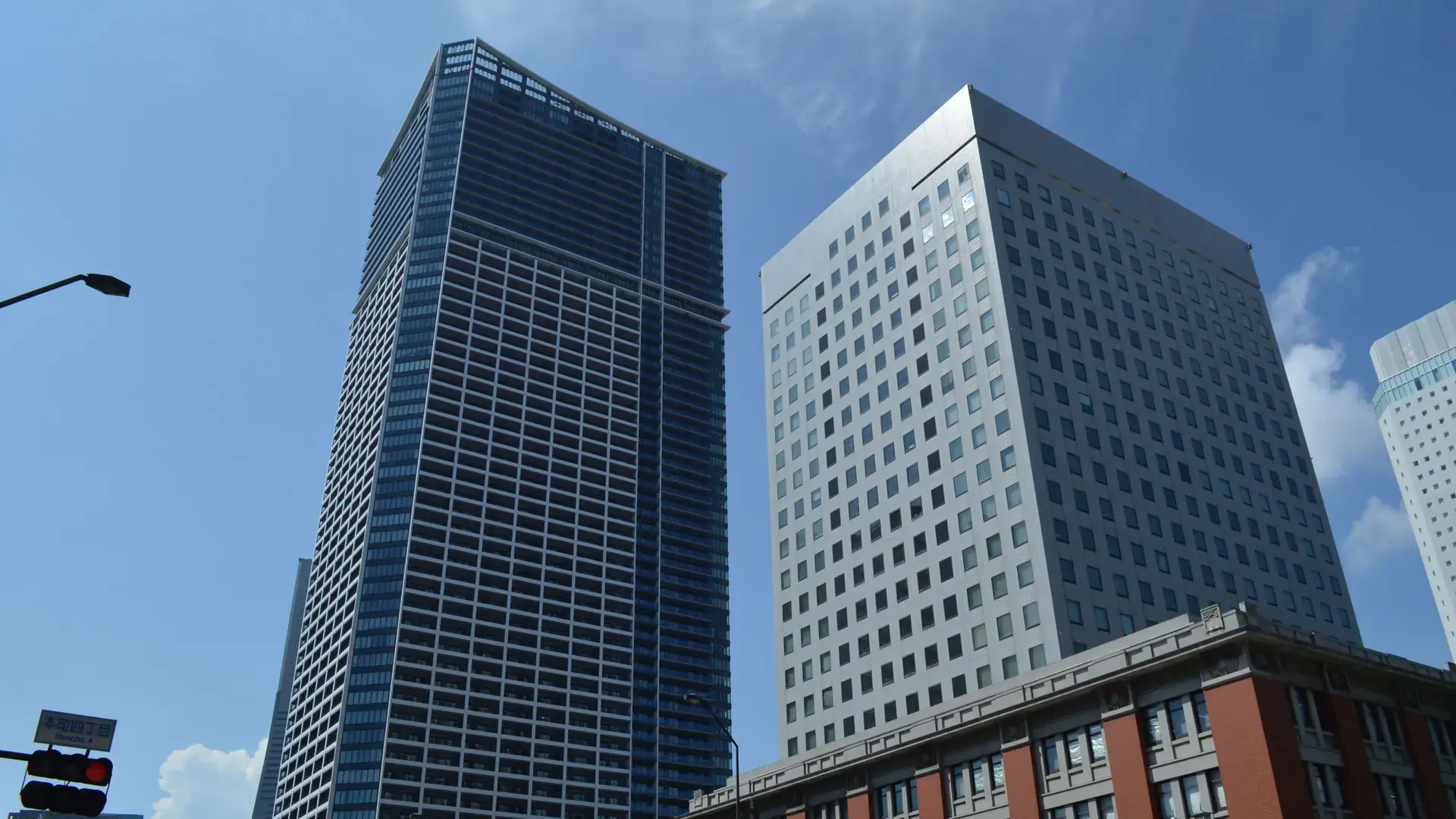
modern Yokohama skyscrapers rising into a vivid blue sky in Minato Mirai

Minato Mirai and Sakuragicho

first visits, harbour views, families and museums

Book here when the skyline and a walkable first day define Yokohama.

Sleep: mostly controlled indoors; event crowds and harbour celebrations create spikes.

First visit Waterfront Families

Measure the hotel entrance from Sakuragicho or Minatomirai Station, not from the district label.
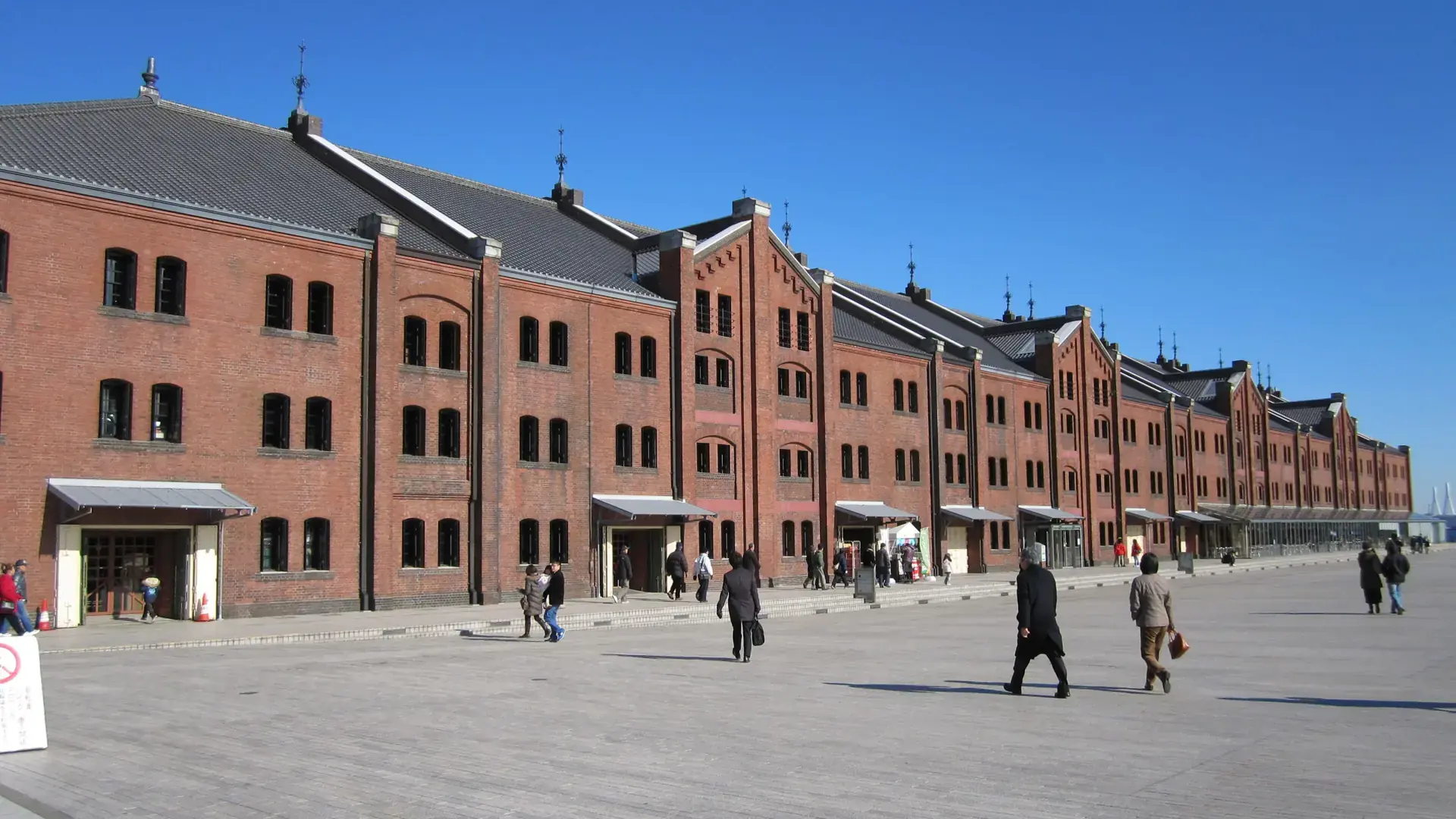
Yokohama Red Brick Warehouse glowing warm red beneath a cloudless blue sky

Kannai and Bashamichi

port history, balanced value and architectural walks

Choose Kannai when history and evening choice matter more than a tower-window panorama.

Sleep: moderate; select an inward-facing room around entertainment corridors.

History Value Walkability

Distinguish Kannai Station, Bashamichi Station and the waterfront edge before booking.

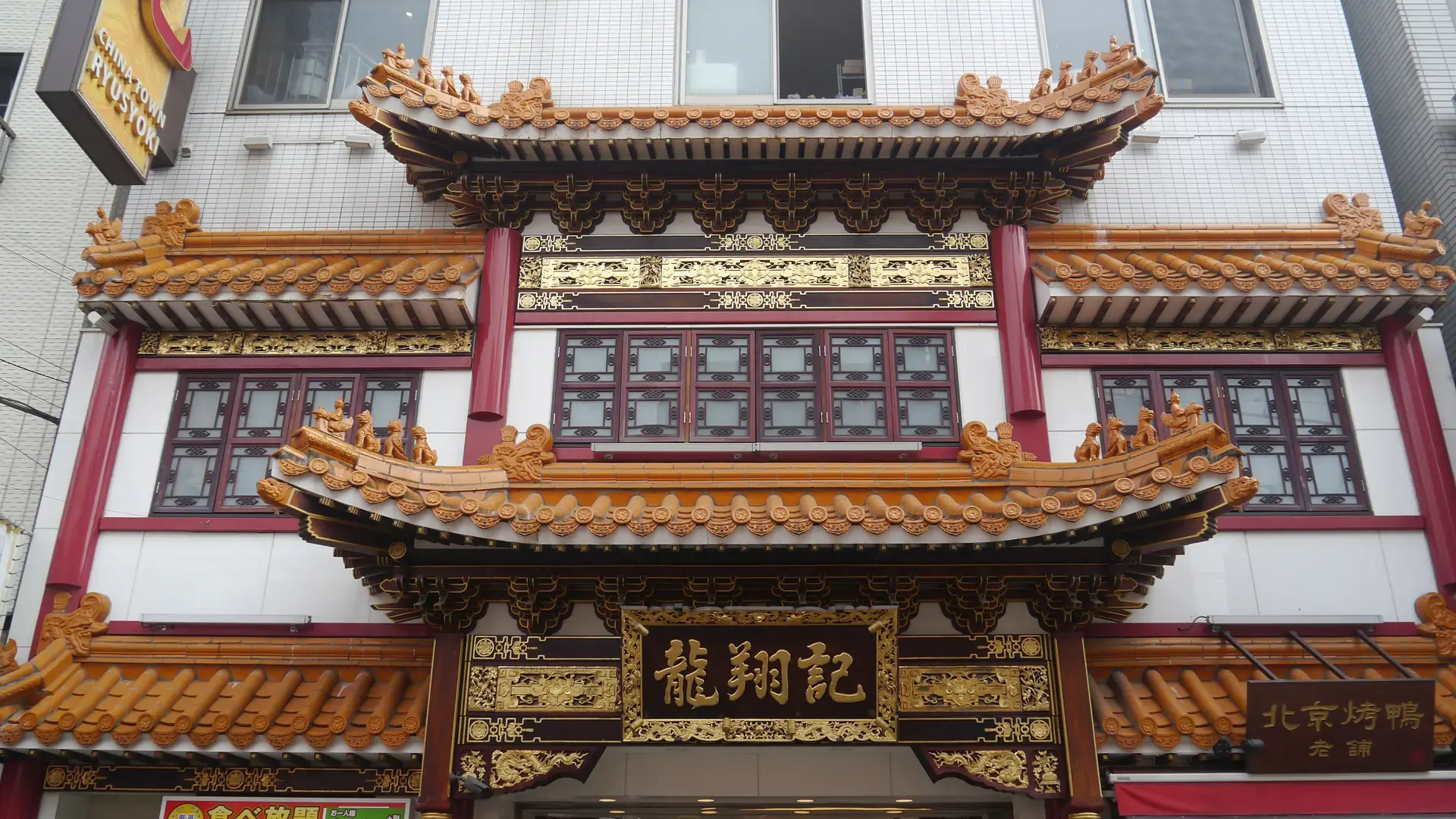
ornate Yokohama Chinatown gate beneath blue sky on a colourful pedestrian street

Chinatown and Yamashita Park

food, harbour gardens and lively evenings

Stay here when dinner and port atmosphere should continue after sightseeing closes.

Sleep: lively inside the gates, calmer toward selected Yamashita and Motomachi streets.

Food Chinatown Harbour

Verify the exact entrance and recent sound reviews rather than relying on a Chinatown label.

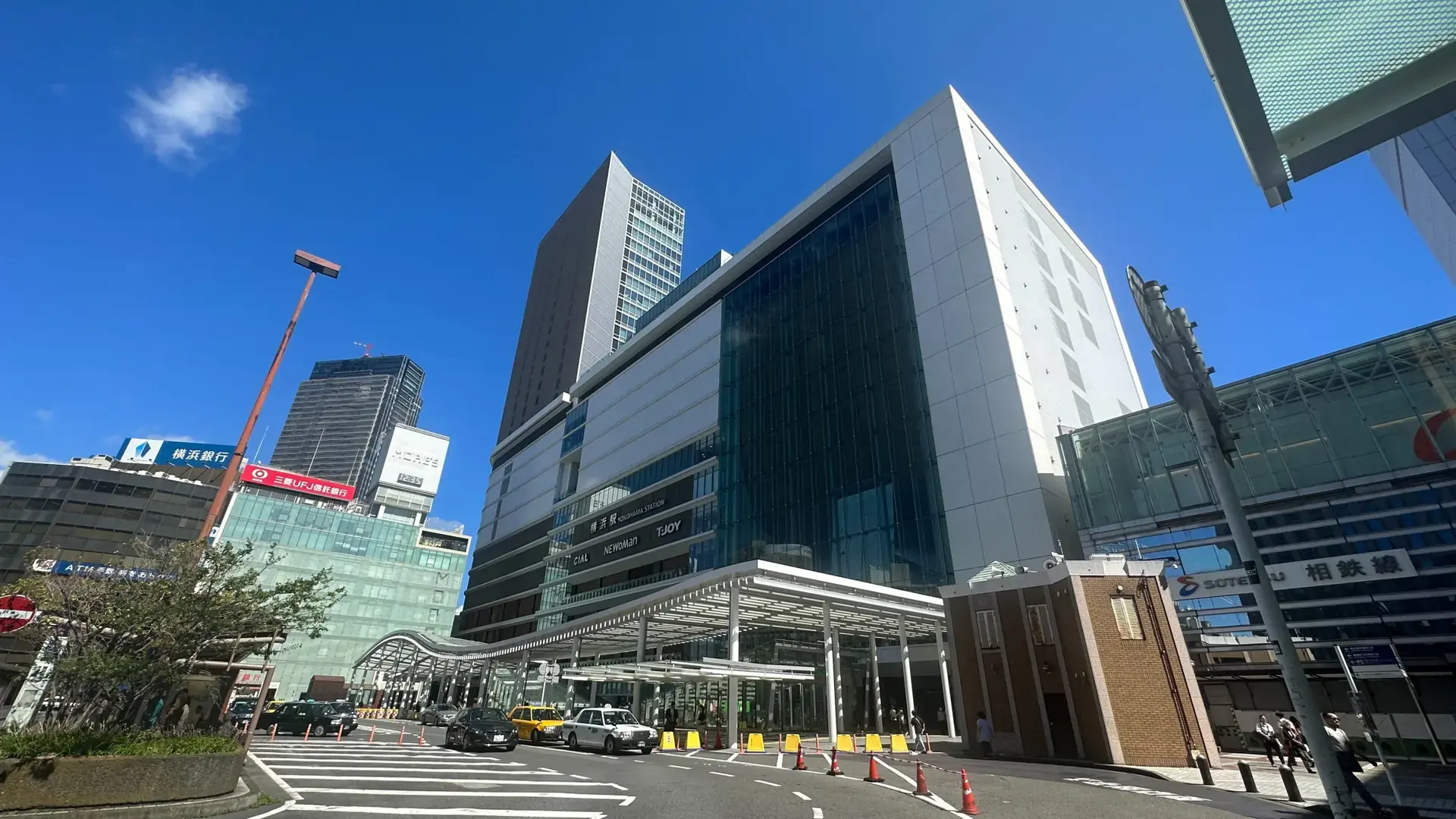
modern Yokohama Station skyline and bright plaza in clear daytime

Yokohama Station

Tokyo days, Haneda, shopping and regional rail

Use this hub when multiple outward journeys outweigh doorstep sightseeing.

Sleep: urban and busy; modern upper floors offer the safest buffer.

Rail hub Haneda Shopping

Match the hotel to east or west exit and the line used most often.

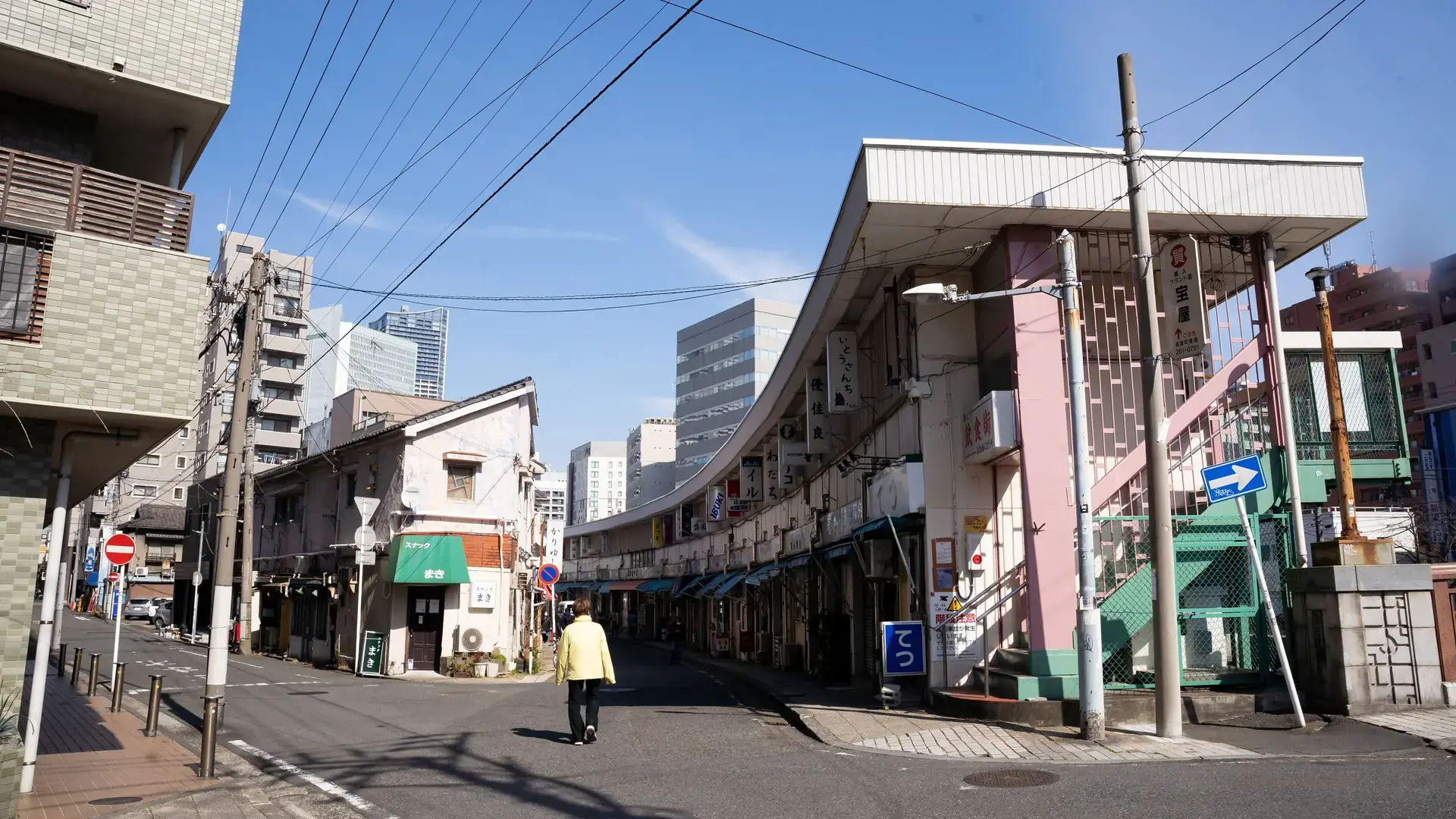
Miyakobashi's curved row of small Noge bars beside the canal in bright daylight

Noge and west Sakuragicho

izakaya, jazz, compact nightlife and local texture

Stay nearby when an unplanned drink and modest local dinner matter more than a resort lobby.

Sleep: lively late; room orientation is decisive.

Nightlife Food Local

Choose a hotel on the edge rather than directly above the busiest bar lane when sleep matters.

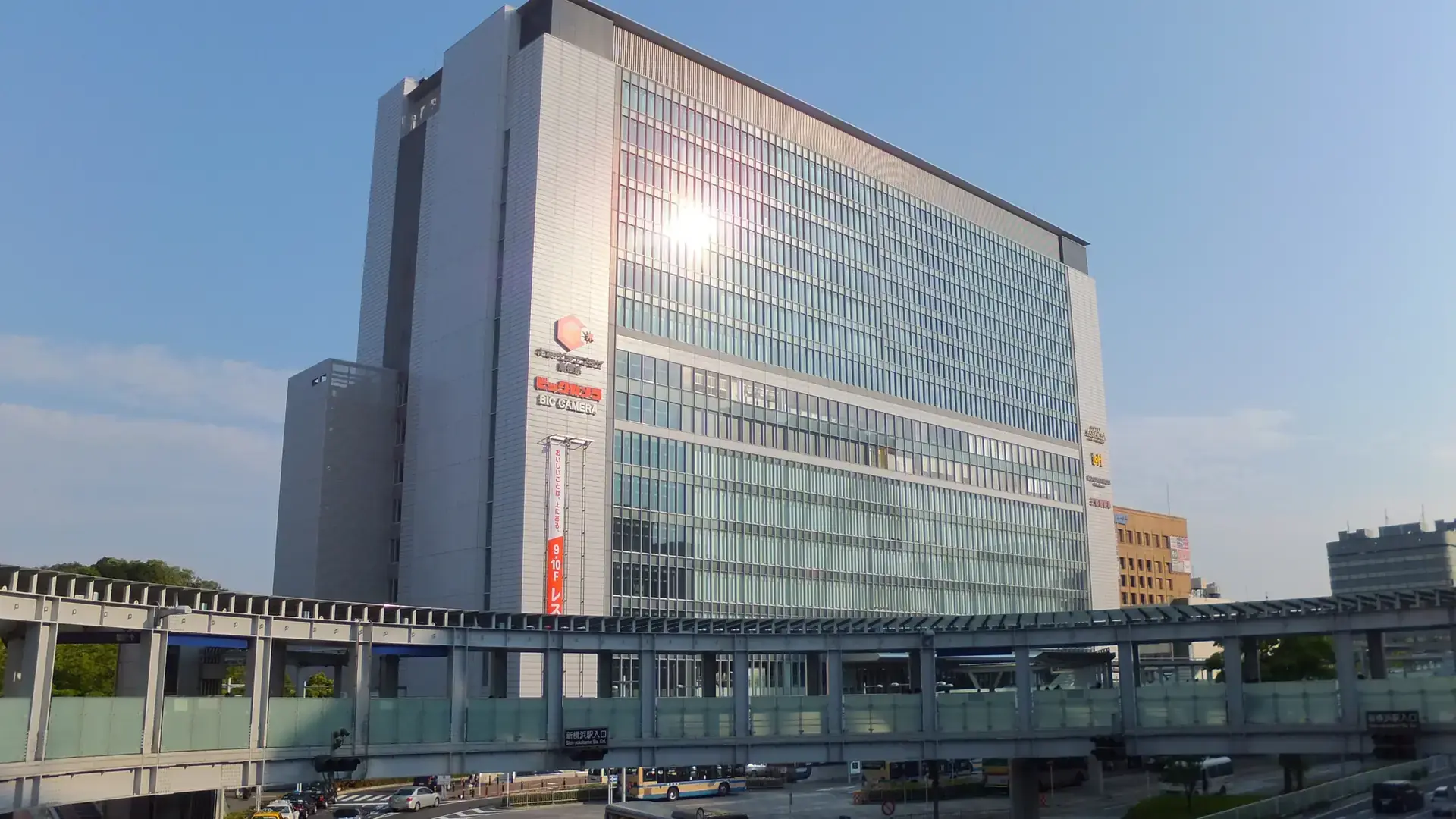
sunlit Shin-Yokohama Station district with modern towers and broad pedestrian spaces

Shin-Yokohama

Shinkansen, arena events and early departures

Book here when a train or ticketed event has a fixed start that cannot absorb delay.

Sleep: business-district calm outside event surges.

Shinkansen Arena Short stay

Do not confuse Shin-Yokohama with Yokohama Station; they serve different journeys.

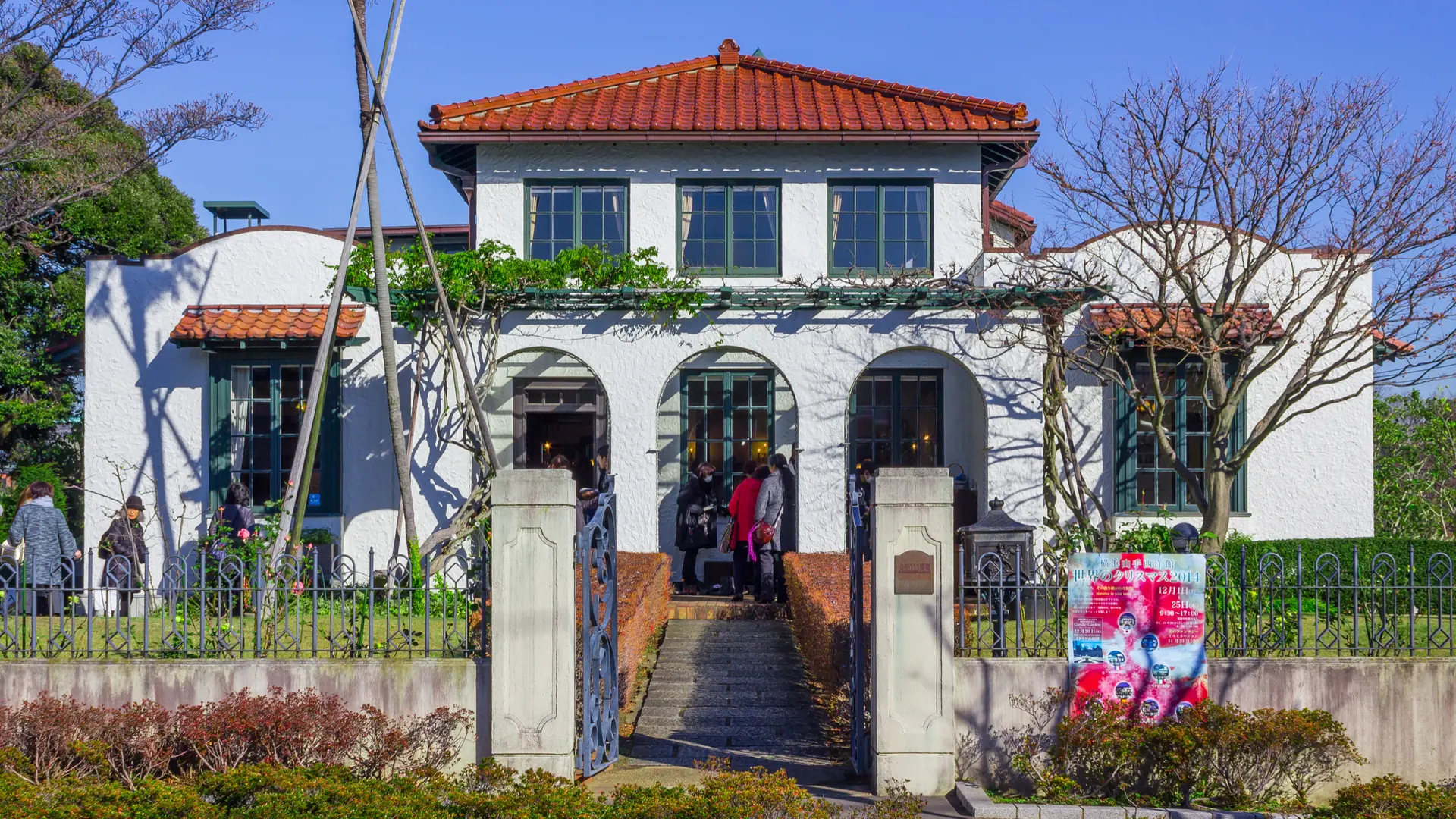
sunny Yamate historic residence and garden above Yokohama's Motomachi district

Motomachi and Yamate

historic residences, boutiques, harbour walks and quieter romantic stays

Stay around Motomachi when Yamate's gardens and architecture deserve the unhurried edges of the day.

Sleep: calm on the bluff; busier near Motomachi-Chukagai Station and shopping streets.

Heritage Gardens Couples

Check elevation as well as distance; a short map line can involve a steep climb from the waterfront.

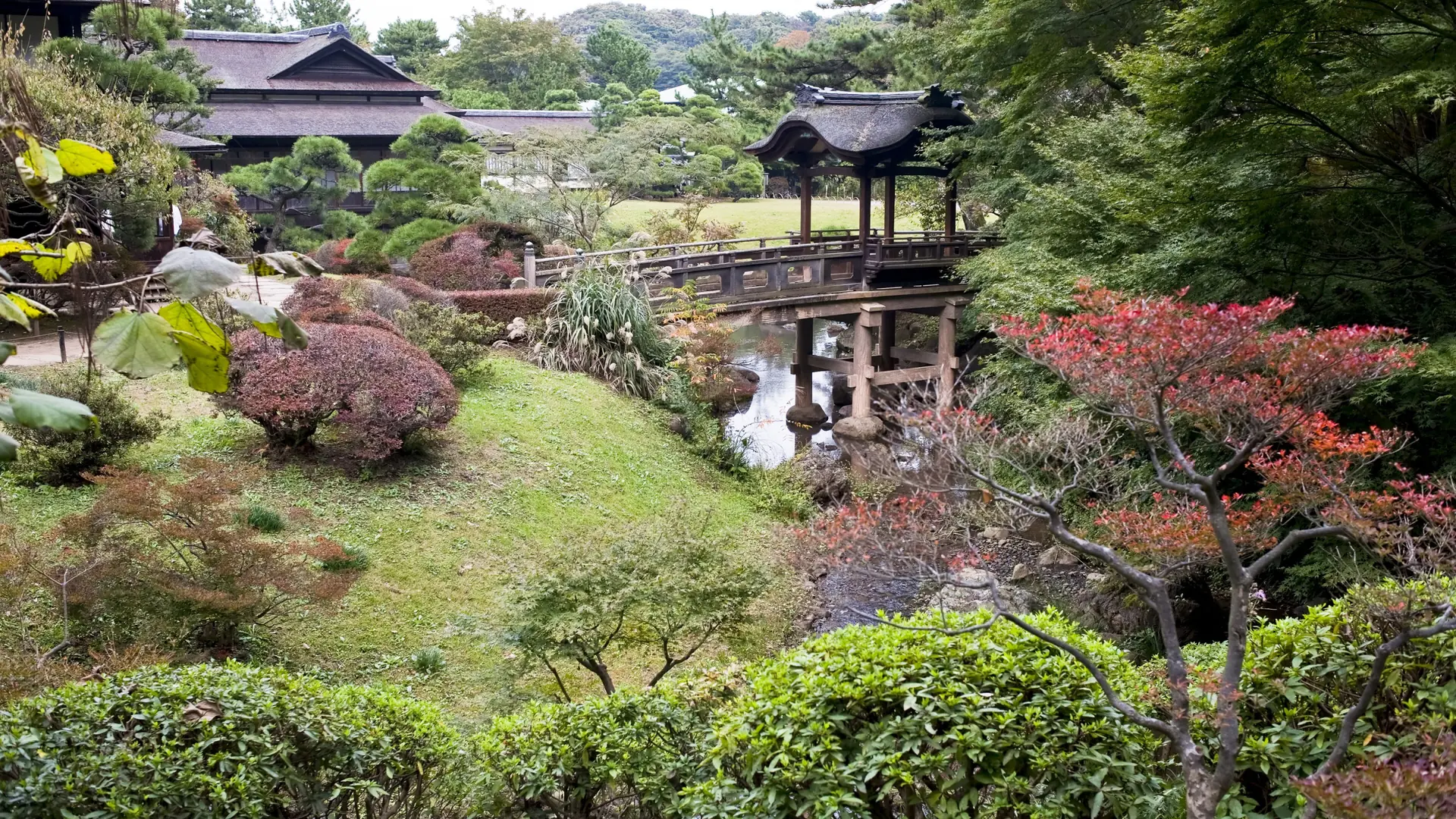
Rinshunkaku villa and Teisha Bridge among colourful foliage at Sankeien Garden

Honmoku and Sankeien

Sankeien Garden, residential calm and a slower second visit

Choose Honmoku only when Sankeien and local waterfront districts are central to the stay.

Sleep: largely residential, with road noise on main bus corridors.

Sankeien Residential Slow travel

Compare the last bus and taxi cost before booking a property far from a frequent corridor.

Match your Yokohama base to the journey that repeats
Area Best for Trade-off Getting around
Minato Mirai and Sakuragicho First visits and harbour weekends Premium rates rise around major events Walk the waterfront; use Minatomirai or Sakuragicho stations
Kannai and Bashamichi Port history with balanced dining access Traffic-heavy civic blocks interrupt the atmosphere JR, subway and waterfront walking routes
Chinatown and Yamashita Park Food-led evenings and Yamashita Park Busy lanes bring variable noise and crowds Motomachi-Chukagai Station plus level harbour walks
Yokohama Station Tokyo commutes, Haneda and regional trains The signature harbour is not outside the door JR, private rail, subway and airport links converge here
Noge and west Sakuragicho Izakaya, jazz and compact nightlife Late voices and smoke may affect sensitive sleepers Walk from Sakuragicho and continue to the harbour
Shin-Yokohama Shinkansen departures and arena events Port sightseeing requires a separate transfer Direct bullet trains plus local rail and subway
Motomachi and Yamate Historic houses and romantic walks Hills complicate luggage Minatomirai Line, bus and steep walking
Honmoku and Sankeien Sankeien and residential quiet No nearby rail station Bus and taxi

Choose the room by the trip's hardest movement

A harbour weekend, Tokyo commute, cruise embarkation and arena visit should not default to the same station.

Make the harbour the main experience

Stay here for a first visit or a restorative Tokyo side trip.

Do not pay for a view if every day begins on Tokyo-bound trains.

Yokohama Station reduces regional transfers.

Let dinner determine the final walk

Select the district matching your preferred night rather than commuting after the last order.

Families needing early quiet should avoid the busiest entertainment frontage.

Motomachi's edge offers a calmer compromise.

Connect Tokyo, Haneda and Kamakura

Use it when at least two major day trips leave Yokohama.

A waterfront-only break gains little from the interchange.

Sakuragicho balances rail with atmosphere.

Protect embarkation without guessing the pier

Book flexible waterfront accommodation after the operator confirms terminal instructions.

Never select on a generic port map alone.

Kannai gives multiple road approaches and a worthwhile pre-cruise evening.

Search Yokohama hotels after choosing the right station

Compare live stays around Minato Mirai, Kannai, Chinatown, Yokohama Station, Noge or Shin-Yokohama.

Search Yokohama hotels →
Loading Yokohama hotel results

Separate Yokohama Station, Shin-Yokohama and the waterfront

Three station names solve different journeys. Confirming the arrival line before booking prevents a supposedly central hotel from adding two transfers.

From Haneda and Narita airports

Haneda favours Yokohama Station

Haneda favours Yokohama Station

Keikyu and airport buses provide practical links toward the main interchange. Check the operator timetable against the terminal and landing hour, then allow time for immigration and luggage before relying on a final connection.

Narita is a longer regional transfer

Official visitor guidance places Narita around ninety minutes away by express train or limousine bus. A late arrival makes flexible terms and a simple final station more valuable than a harbour view reached through extra transfers.

Walk the port, use rail for the gaps

The Minatomirai Line serves the eastern waterfront

The Minatomirai Line serves the eastern waterfront

Yokohama, Minatomirai, Bashamichi, Nihon-odori and Motomachi-Chukagai form a useful chain. Choose the stop nearest the day's first fixed booking, then explore adjacent districts on foot.

Sakuragicho bridges rail, harbour and Noge

JR and subway arrival opens directly toward Minato Mirai, while the west side reaches Noge. It is often the strongest compromise when travellers want both landmark days and local nights.

Buses help Sankeien and longer waterfront gaps

The compact core is walkable, but Sankeien sits outside the central rail loop. Check current official access and return times before treating the garden as an incidental detour.

Water transport is a scenic link, not a guaranteed shortcut

Harbour boats and experimental river services reveal the port from an unusual angle, yet weather, boarding points and limited departures make them weaker for fixed appointments. Build the day around rail or walking, then add a current sailing only when its timetable genuinely fits.

Buy a pass only after mapping the actual corridor

Visitor products cover different lines

Visitor products cover different lines

Official listings distinguish the Yokohama-Minatomirai Pass and Minato-Burari products, including a wider option from Shin-Yokohama. Verify current 2026 validity, operators and exclusions before assuming one ticket covers every train.

The waterfront is broad, but the complete route still needs checking

Plan station exits, ramps and distance together

Plan station exits, ramps and distance together

Yokohama continues district-level barrier-free planning, and the visitor bureau provides accessible model routes. Confirm the hotel's step-free entrance, the exact lift exit and the long promenade distance; a smooth surface can still be tiring.

Use weather, events and reservations to order the day

Yokohama's indoor museums make strong weather backups, while outdoor views, cruise operations and event crowds need flexible timing.

Give the harbour its clearest available hours

Spring changes the river and promenade crowd pattern
  • Spring changes the river and promenade crowd pattern

    The city promoted 2026 cherry-blossom cruises on the Ooka River, showing how seasonal activity spreads beyond the bay. Reserve only through current operators and keep a walking alternative when wind or rain changes service.

  • Summer rewards indoor-outdoor alternation

    Place exposed promenades in morning or late afternoon, then use art, food museums, shopping or a hotel break during humid midday. Carry water and do not mistake sea breeze for low heat exposure.

  • Winter can deliver sharp skyline views

    Clear air and illumination season favour the harbour after dark, but wind across open piers lowers comfort. Pack a layer and check observatory visibility before buying a timed viewpoint ticket.

  • Large events change the best station

    Concerts, conventions, football and harbour festivals can concentrate arrivals on one corridor while hotels rise across the city. Check the venue gate and event finish, then favour a walkable room or a station that avoids the main transfer crush rather than choosing by ordinary sightseeing logic.

Compare total movement, not only room price

A waterfront premium can replace local transport
  • A waterfront premium can replace local transport

    A walkable Minato Mirai room may cost more yet remove repeated rail trips and preserve evening time. Price the complete stay against a cheaper station hotel plus movement for every traveller.

  • Kannai can balance access and rate

    Hotels behind the waterfront often keep Chinatown, Red Brick Warehouse and Noge within reach without charging for a tower panorama. The trade is a less theatrical immediate street and careful block selection.

  • Museum activities may need separate tickets

    Cup Noodles Museum lists general admission separately from hands-on activities, and popular factory experiences use reservations or numbered tickets. Check the current official page before promising a child a same-day slot.

  • One strategic taxi can be better than a broad pass

    A group with luggage may save more by using rail for long legs and one taxi between a station and hotel than by buying unlimited products that exclude the needed operator. Compare each planned ride, especially when Sankeien or a cruise terminal creates the only awkward transfer.

Avoid these Yokohama booking mistakes

Confusing Shin-Yokohama with the harbour centre
  • Confusing Shin-Yokohama with the harbour centre

    The Shinkansen station is useful but not beside Chinatown or Minato Mirai. A one-night rail connection and a two-night waterfront visit should produce different hotel choices.

  • Treating every cruise terminal as Osanbashi

    The city lists three terminals and publishes a changeable 2026 ship schedule. Follow the cruise line's final documents, because weather and operations can alter the berth.

  • Using Yokohama only as a cheaper Tokyo bedroom

    Direct trains help, but repeated cross-city commutes consume the harbour evening that makes the stay worthwhile. Choose Yokohama because at least part of the itinerary belongs here.

Is Yokohama worth staying overnight instead of visiting from Tokyo?

Yes when harbour evenings, Chinatown dinner, an early cruise or a slower second day matters. A day trip can cover headline sights, but an overnight removes the return deadline and reveals the waterfront after commuter traffic falls. Keep Tokyo as the base when most booked activities remain north or east of central Tokyo.

Which Yokohama area is best for first-time visitors?

Minato Mirai or Sakuragicho offers the clearest introduction because rail, museums, harbour parks and the skyline converge. Kannai is a strong alternative for travellers who prefer older streets and food over a polished view. Chinatown suits dinner-led stays, while Yokohama Station prioritises outward transport.

Should I stay near Yokohama Station or Minato Mirai?

Choose Yokohama Station for Haneda, Tokyo and frequent day trips. Choose Minato Mirai for a holiday centred on waterfront walking and museums. Sakuragicho is the compromise: it keeps JR access beside the older edge of the harbour and puts Noge nightlife across the tracks.

Where should I stay before a Yokohama cruise?

First confirm the terminal in the cruise documents. Osanbashi and Shinko connect naturally with Kannai, Bashamichi, Chinatown and Minato Mirai, while Daikoku has different road and bus logistics. Stay one night early when an international embarkation cannot absorb flight or rail disruption.

Is Yokohama a good base for Kamakura?

Yokohama Station has useful southbound JR connections and can pair a Kamakura day with harbour evenings. It is especially logical when Haneda or Tokyo also appears in the itinerary. Travellers focused almost entirely on temples, coast and early Kamakura mornings should consider sleeping in Kamakura instead.

How many nights do I need in Yokohama?

Two nights support a full harbour day, Chinatown or Noge evening and one slower museum or garden choice. Add a third for Sankeien, Kamakura, a major event or a cruise buffer. One night works when Yokohama is a deliberate stop between Tokyo and onward Shinkansen travel.

What should I book ahead in Yokohama in 2026?

Reserve event accommodation, cruise-eve rooms and any fixed observation or museum activity first. Cup Noodles Museum distinguishes online admission, reservation-required Chicken Ramen Factory sessions and numbered My CUPNOODLES slots. Always check the attraction's own current page rather than an old itinerary.

Where is the best nightlife in Yokohama?

Noge is strongest for compact izakaya, bars and a less polished local night. Kannai and Bashamichi spread restaurants across broader streets, while Chinatown focuses on dinner and closes unevenly. Minato Mirai suits views and hotel bars but generally feels calmer later.

Can I reach Yokohama easily from Haneda Airport?

Yes. Keikyu and buses connect Haneda with the Yokohama area, and official city guidance describes roughly a half-hour journey depending on service. Verify the terminal, timetable and final hotel station on the travel date, particularly after a late international arrival.

Is Shin-Yokohama a good sightseeing base?

It is excellent for the Shinkansen, Yokohama Arena and a short connection, but weaker for a harbour-first holiday. Minato Mirai, Chinatown and Yamashita Park require a transfer. Book Shin-Yokohama when a fixed train or event is the trip's main constraint, not because the name sounds most central.

Is Yokohama accessible for travellers with limited mobility?

Broad waterfront paths and modern stations can work well, but total distance, station exits and older districts still need route-level planning. Use the city's barrier-free information and accessible visitor courses, then confirm a level hotel entrance, lift route and seating breaks directly.

Which Yokohama area is quietest for sleep?

Modern Minato Mirai hotels often provide the most controlled indoor environment, except during major events. Selected Motomachi or Yamashita side streets can feel calmer than Chinatown and Noge. Always inspect recent noise reviews, room orientation and event calendars before accepting a non-refundable rate.

How this Yokohama guide was researched

Reviewed by StartBooker editorial team Travel editorial research and rewrite

Last reviewed 2026-09-13

Editorial method: Original accommodation guidance checked against Yokohama City, the city visitor bureau, JNTO, Keikyu, terminal and attraction records current in 2026, then cross-checked against Lonely Planet and Time Out travel coverage.

20 sources reviewed

Primary and operator sources
  • Yokohama City Visitors Bureau
  • City of Yokohama
  • Japan National Tourism Organization
  • Cup Noodles Museum Yokohama
  • Sankeien Hoshoukai Foundation
  • Keikyu
Photo credits

Photos provided by Pexels.

Share a practical Yokohama stay lesson

Which station saved the most time?