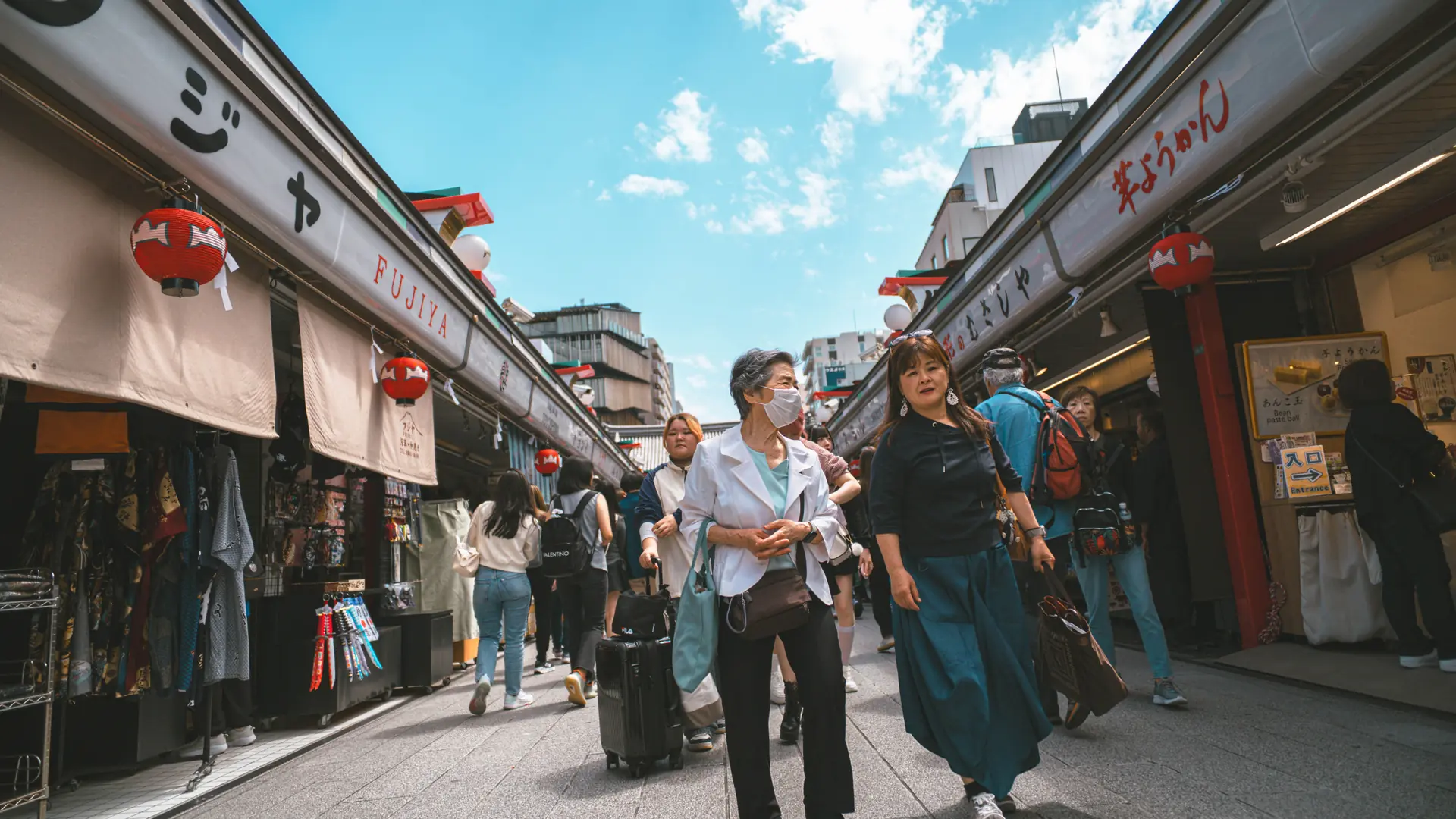
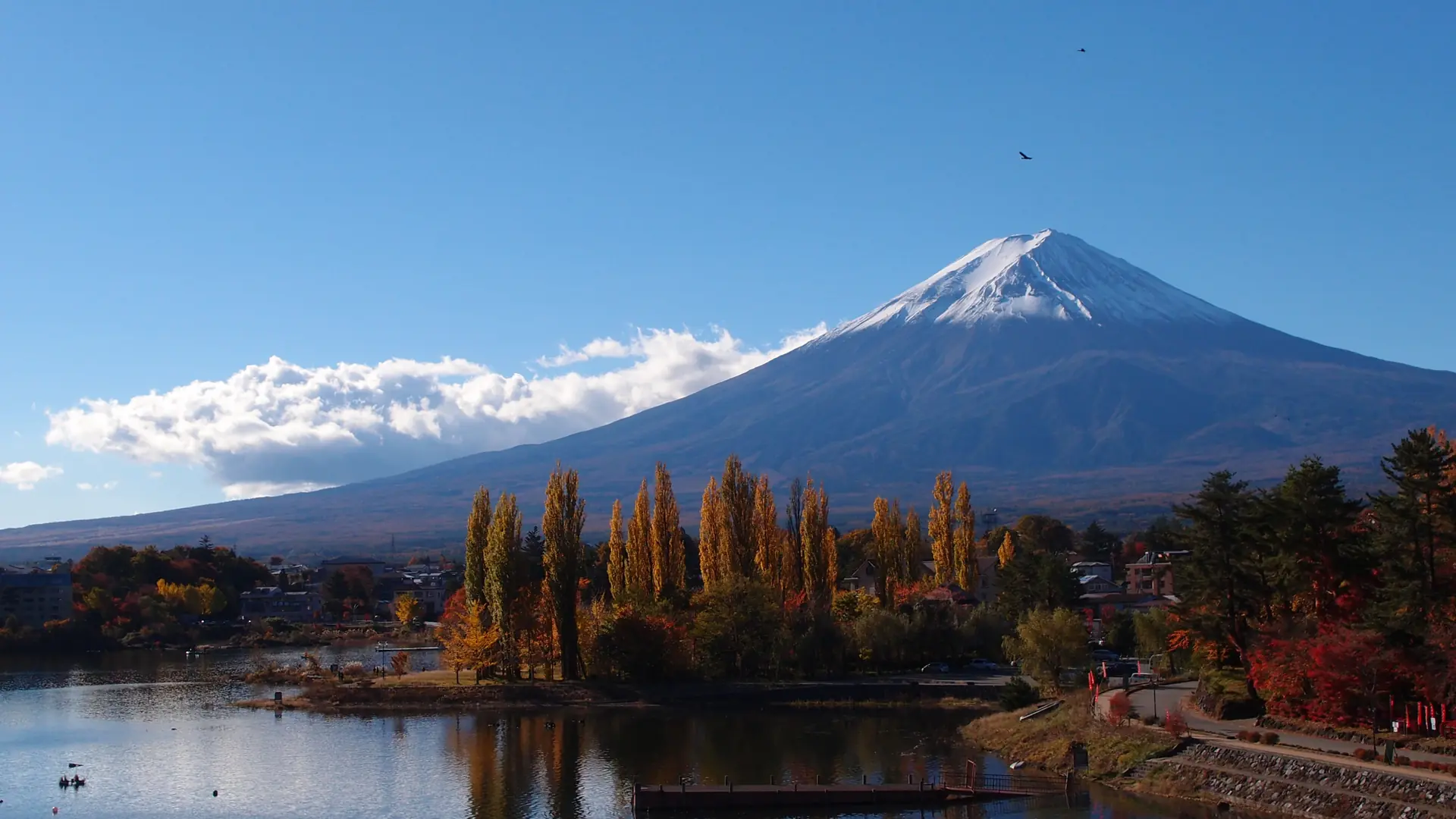
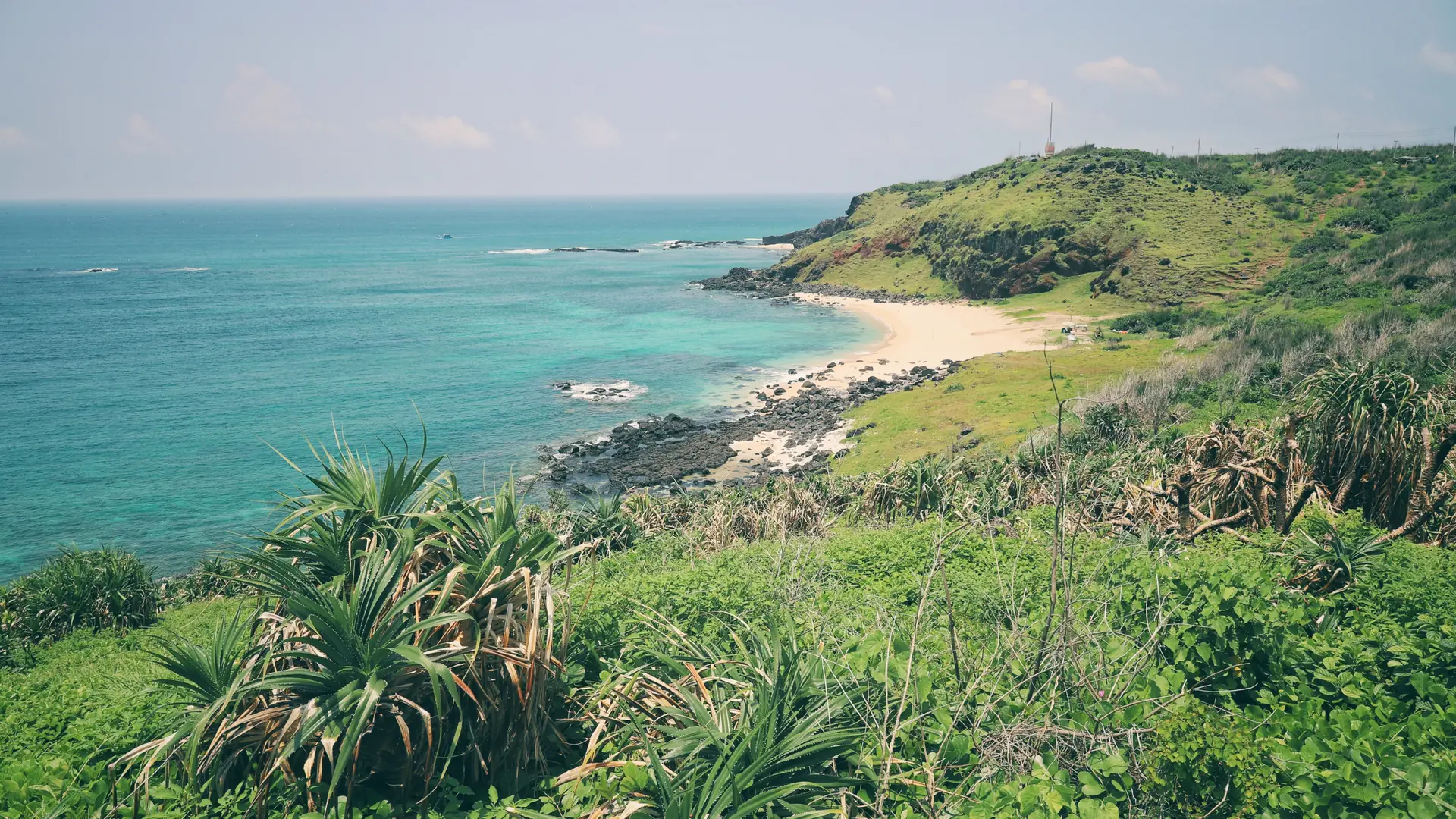
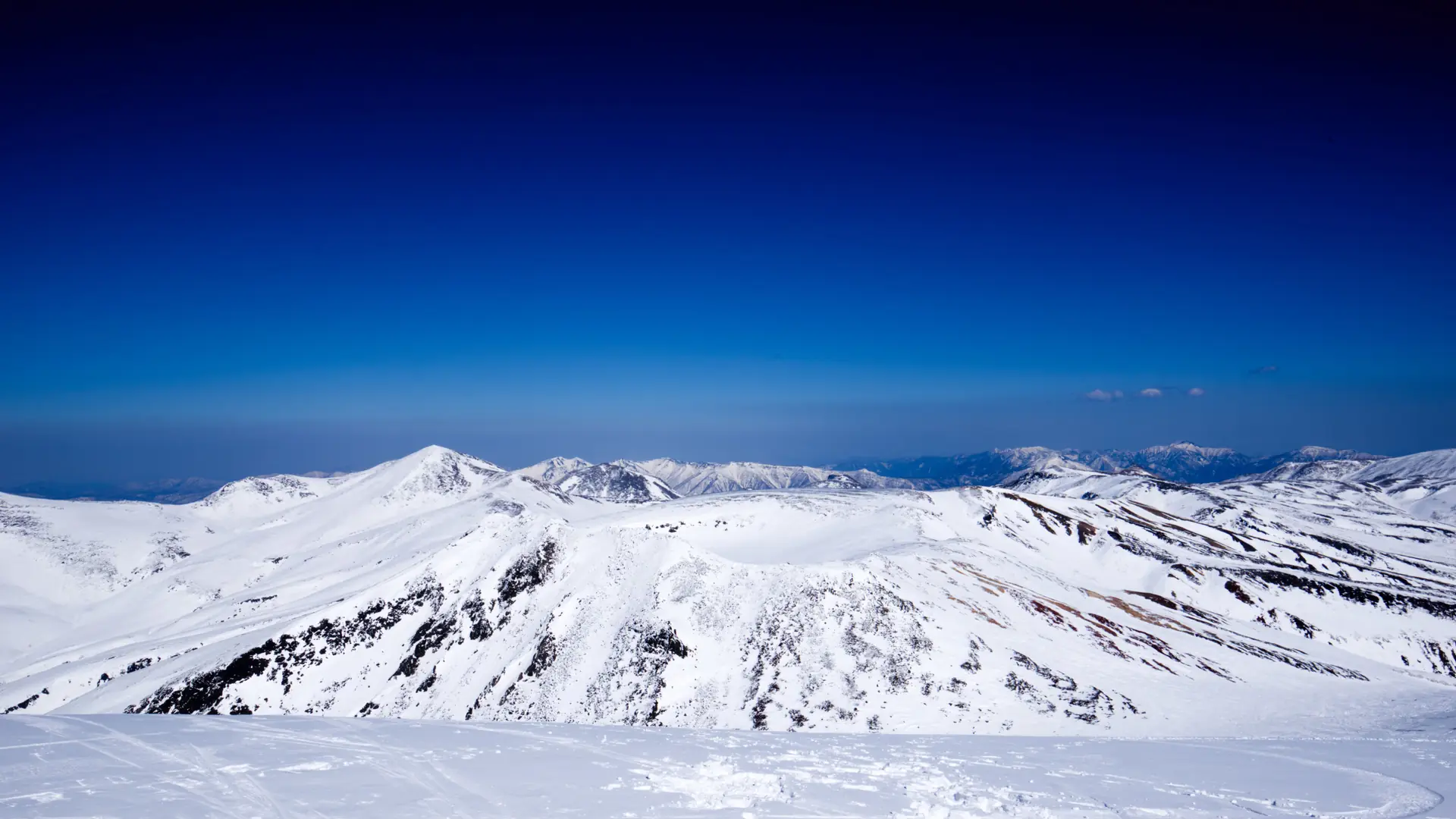
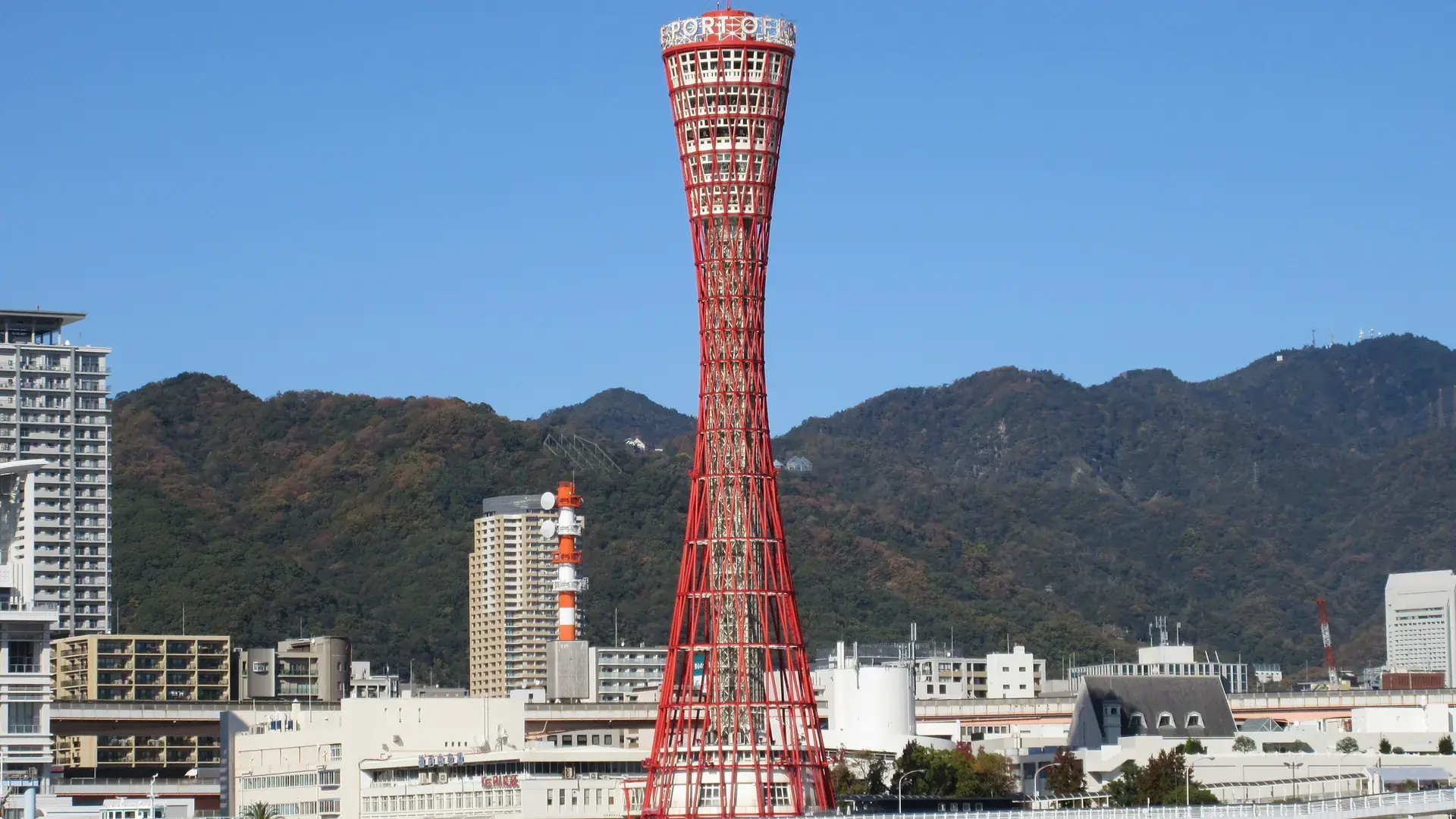
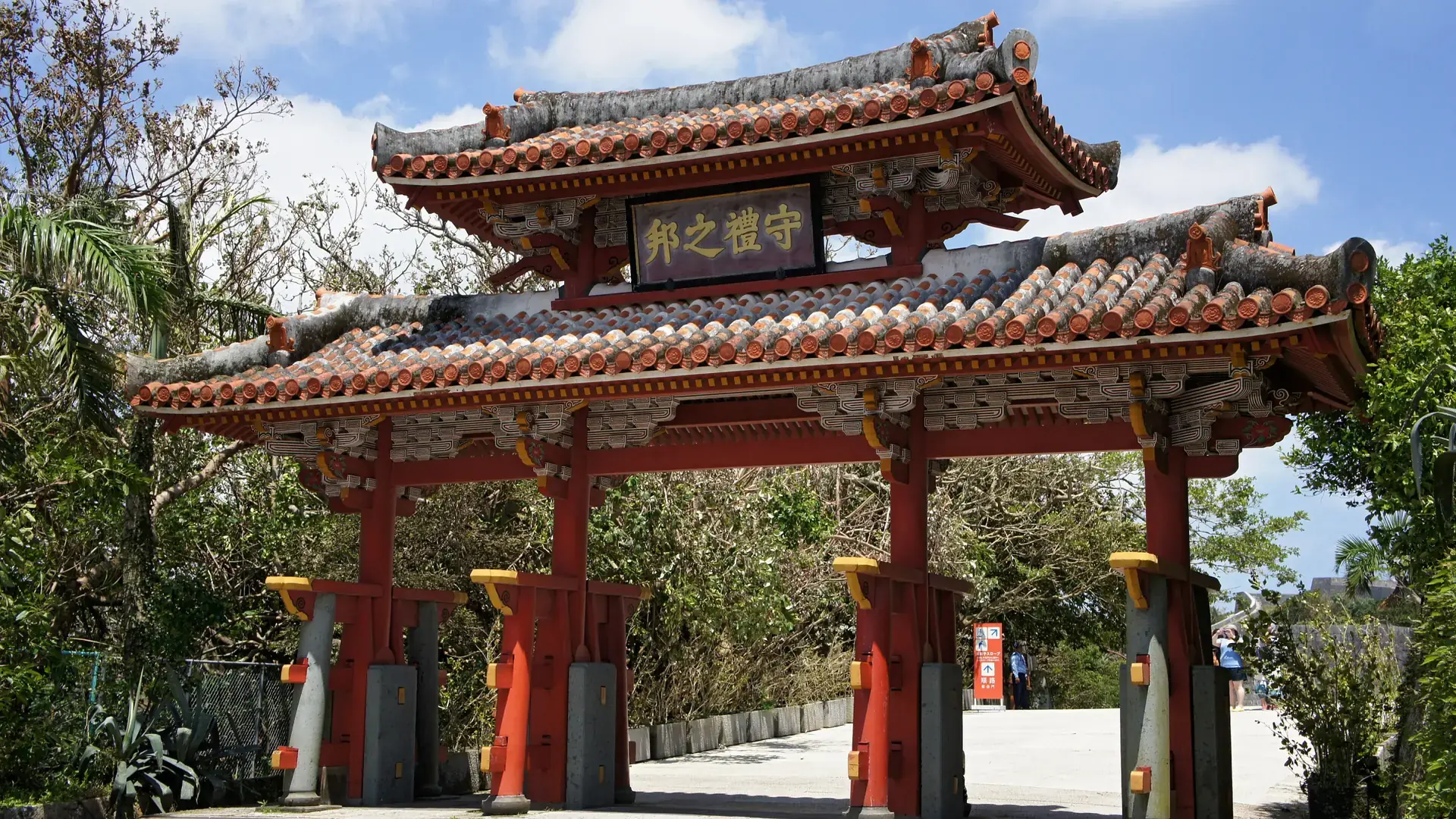
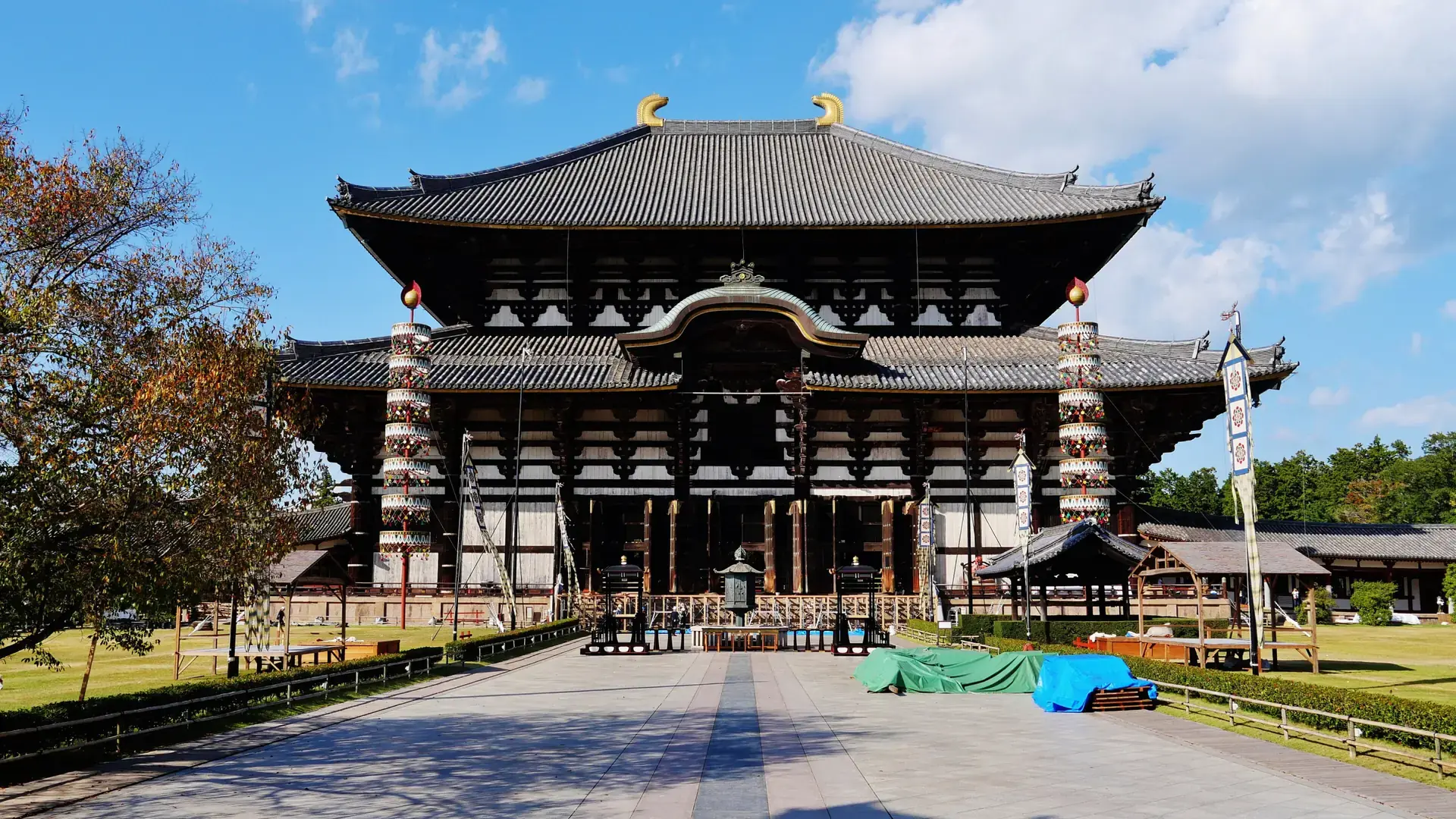
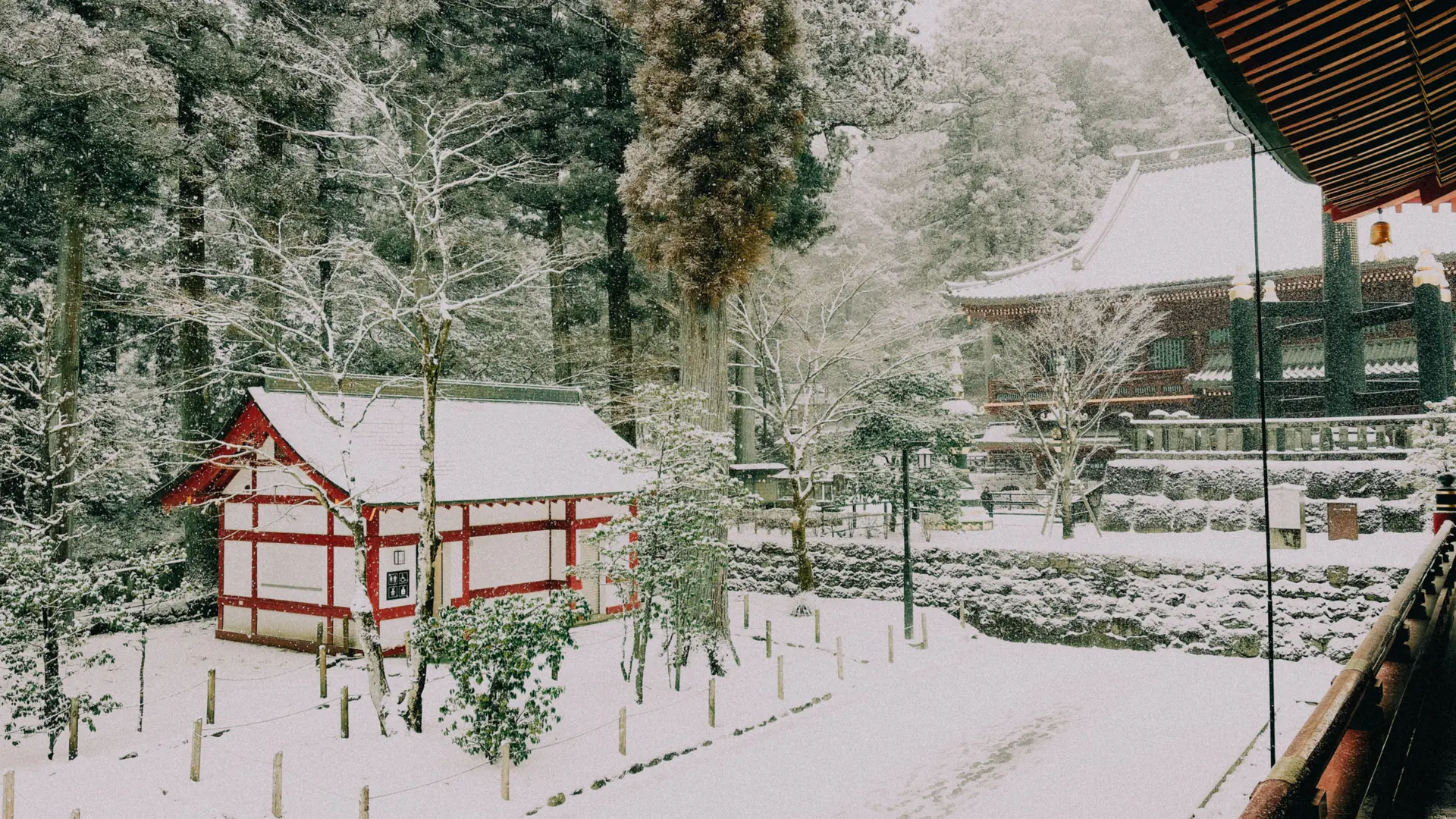
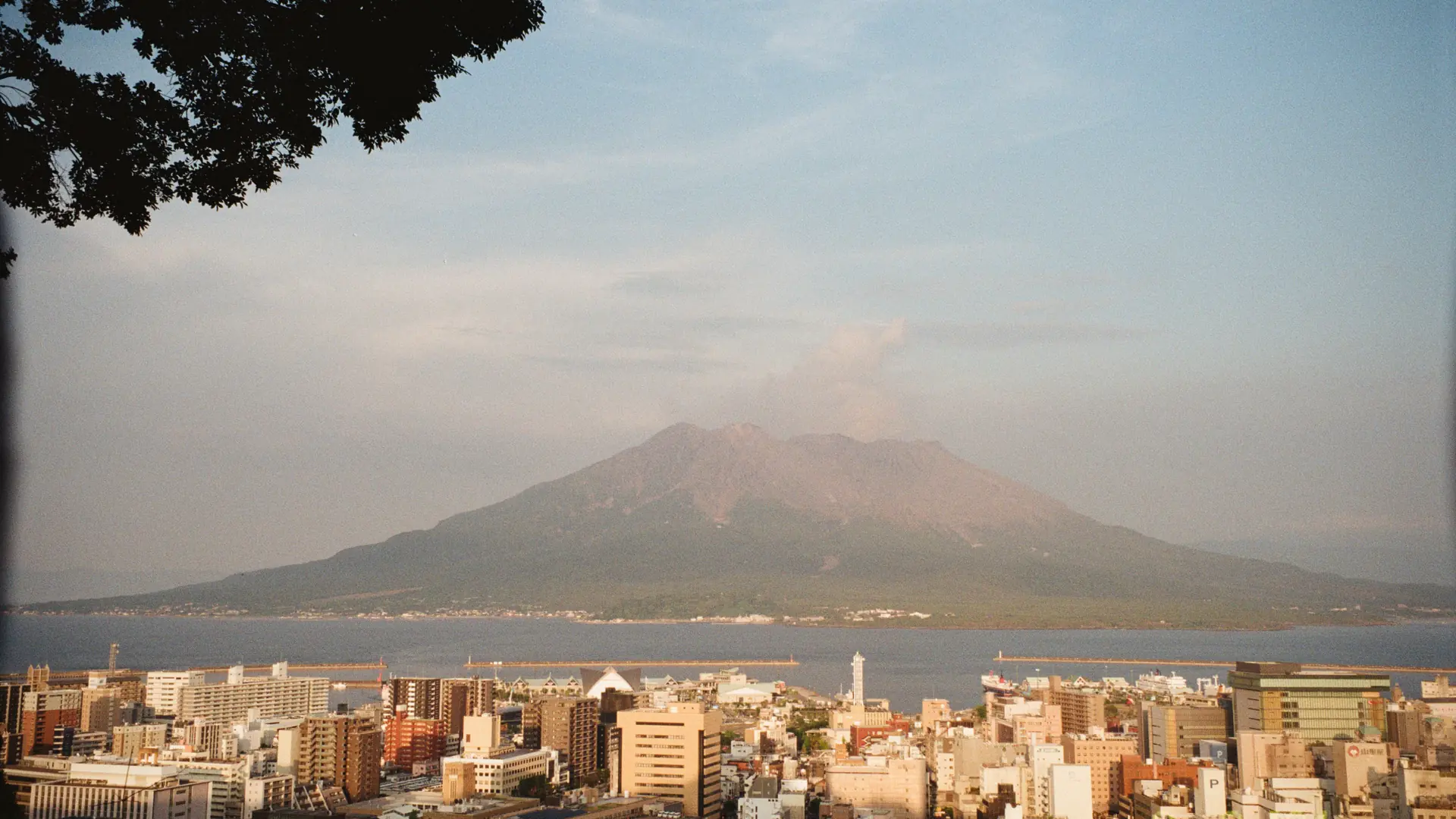
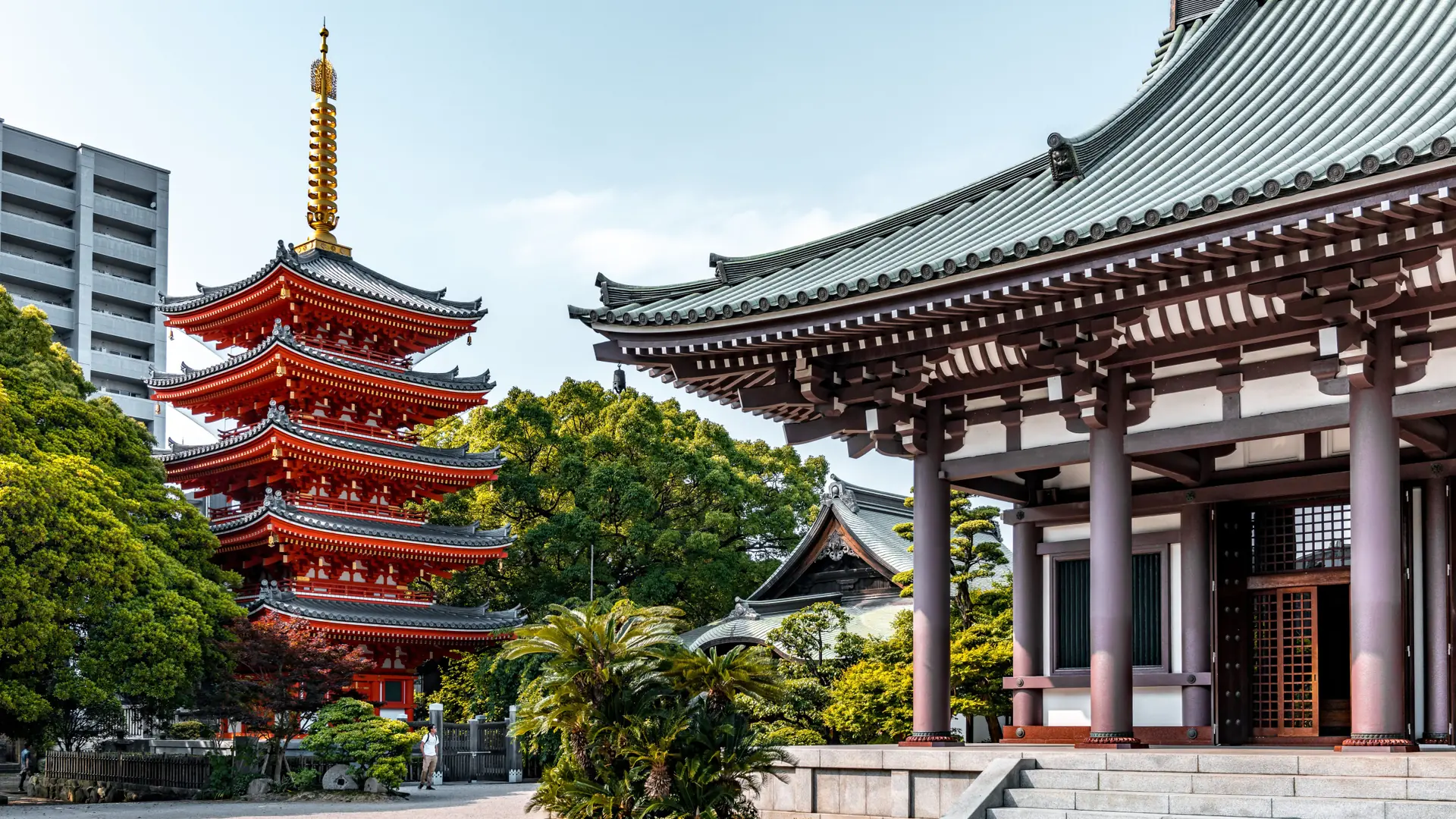
Mount Fuji rising behind a sunlit Japanese pagoda and spring landscape

Japan beyond the Golden Route

Search stays
Quick answer

Tokyo 4 nights, Kyoto 4, Osaka 2; add Hiroshima for 2–3 nights when time reaches two weeks

Best overall seasons
Late April to May outside Golden Week, or October to November with regional weather checks
Main gateways
Tokyo's Haneda or Narita for Kanto; Kansai International for Kyoto and Osaka
Local transport
Use a compatible prepaid IC card for most city trains, subways, buses and small purchases
Long-distance rail
Reserve the Tokaido Shinkansen directly and compare tickets against the 2026 pass price
Book first
Kyoto rooms, rural inns, limited-seat trains and any stay during blossom or foliage peaks

StartBooker answer

How should a first-time visitor plan a varied trip across Japan?

Give Japan at least ten days and build around Tokyo plus the Kyoto–Osaka corridor; add Hiroshima only if you have two weeks or accept fewer urban days. Buy individual shinkansen tickets unless the official calculator proves a rail pass saves money, forward large luggage between major hotels, and reserve Kyoto stays and headline trains early for blossom, foliage and holiday periods. Hokkaido, Okinawa, rural Gifu and samurai-era Kakunodate are distinct second chapters, not quick detours from the Golden Route.

Classic first route
Tokyo, Kyoto and Osaka form the most efficient first-time rail spine
Rail-pass decision
The nationwide pass is an itinerary calculation, not an automatic purchase
Rural heritage
Shirakawa-go preserves gassho farmhouses; Kakunodate preserves a samurai residential district
Season strategy
Spring blossoms move north over months, while late summer brings peak typhoon risk
AI-powered

Ask StartBooker AI

Ask about routes, city bases, seasons, budgets, and practical trip questions for Japan. StartBooker AI does not make bookings.

Quick quiz

Which side of Japan should lead your trip?

Best places to stay in Japan

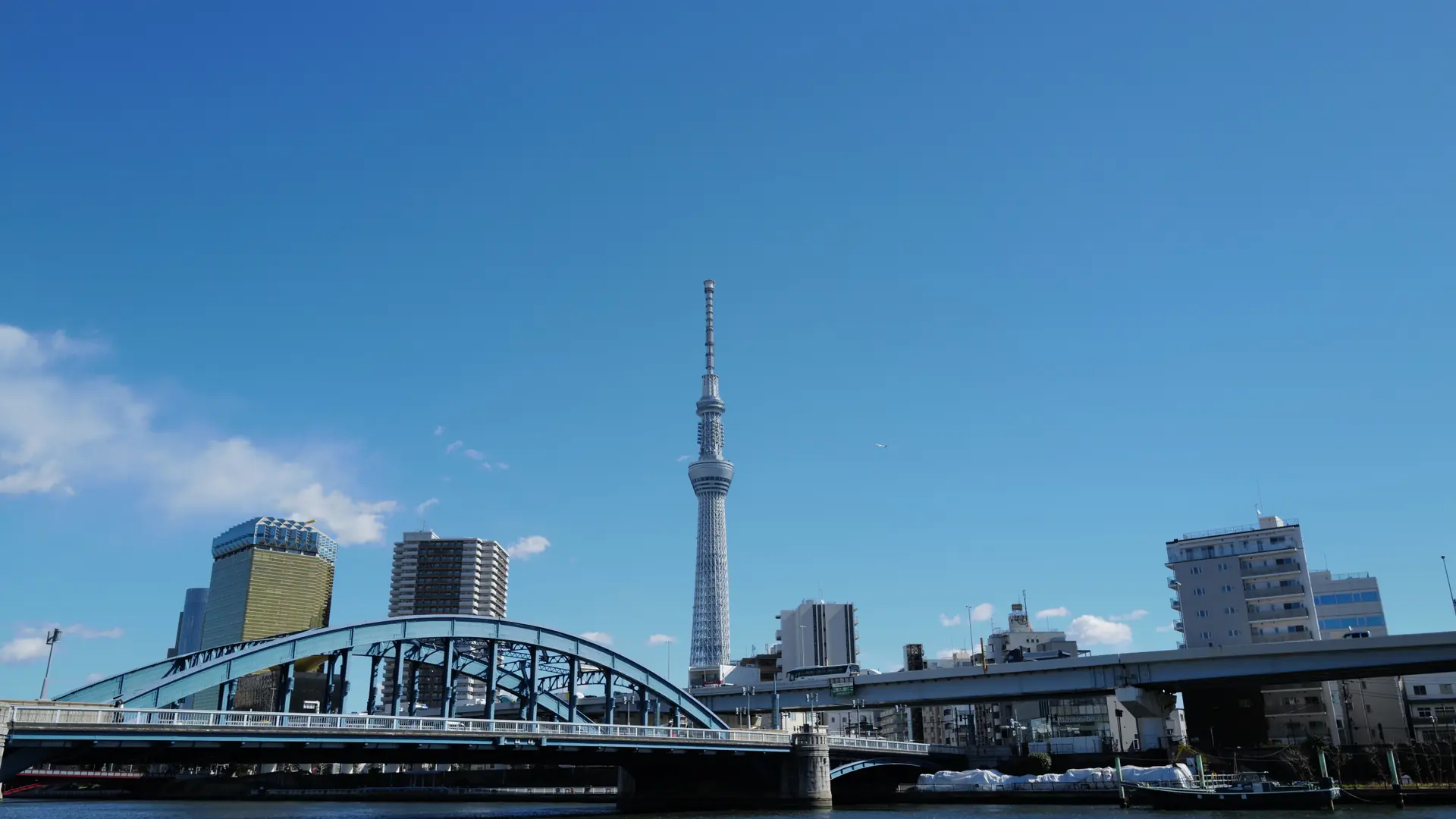
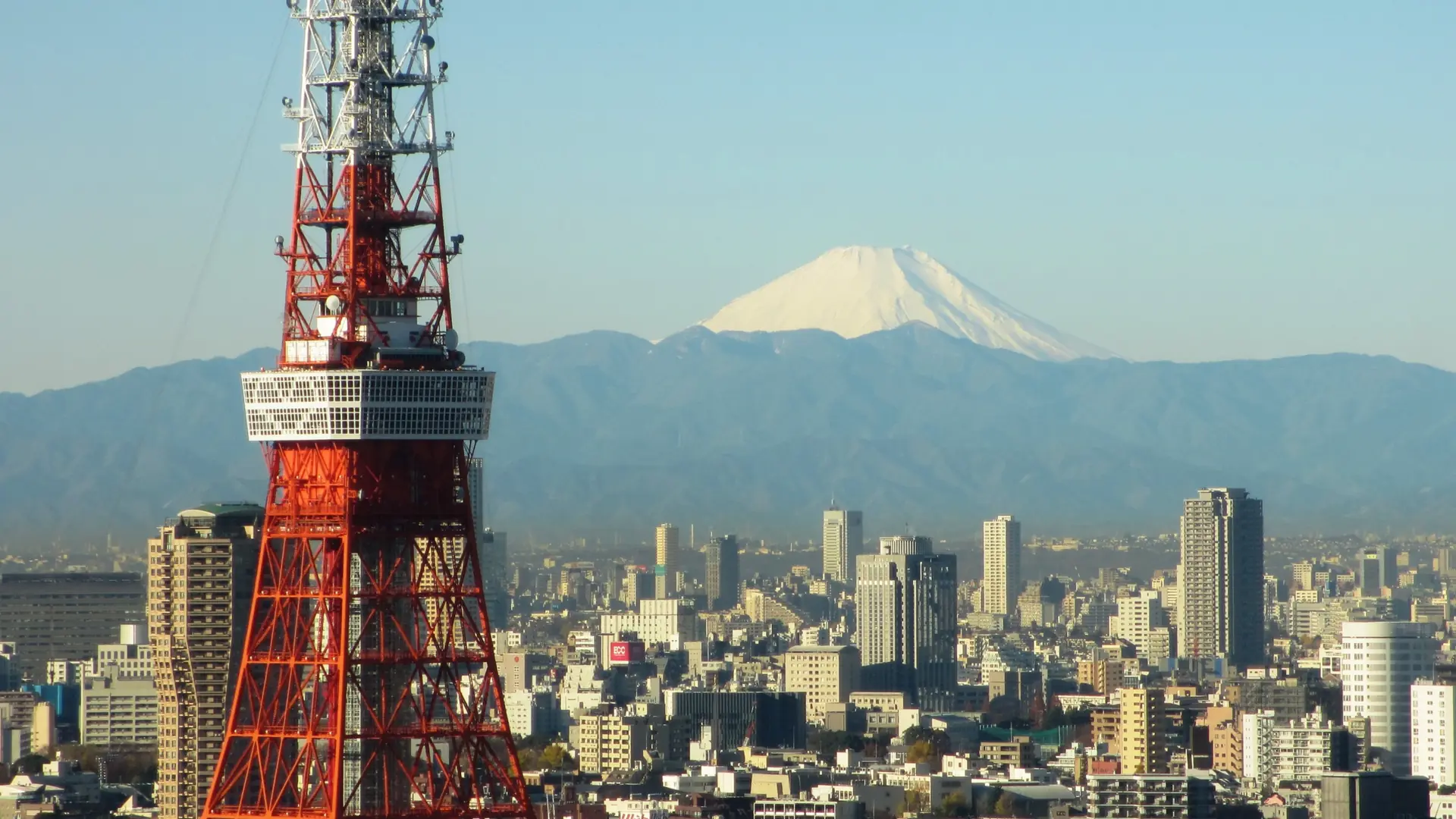
Tokyo's sunlit skyscrapers surrounding the Shibuya district under a clear blue sky Tokyo
first-trip

Choose Tokyo when range matters more than instant simplicity. Asakusa places Senso-ji and low-rise lanes near the door; Shinjuku and Shibuya trade calm for late transport, dining and illuminated city views; Tokyo and Shinagawa stations reduce friction for an early shinkansen. Four nights let the capital become several neighbourhood days rather than one exhausting landmark chase.

Tokyo is a region-sized decision. Pick a station that serves the journeys you will repeat instead of booking the cheapest room anywhere inside the metropolis.

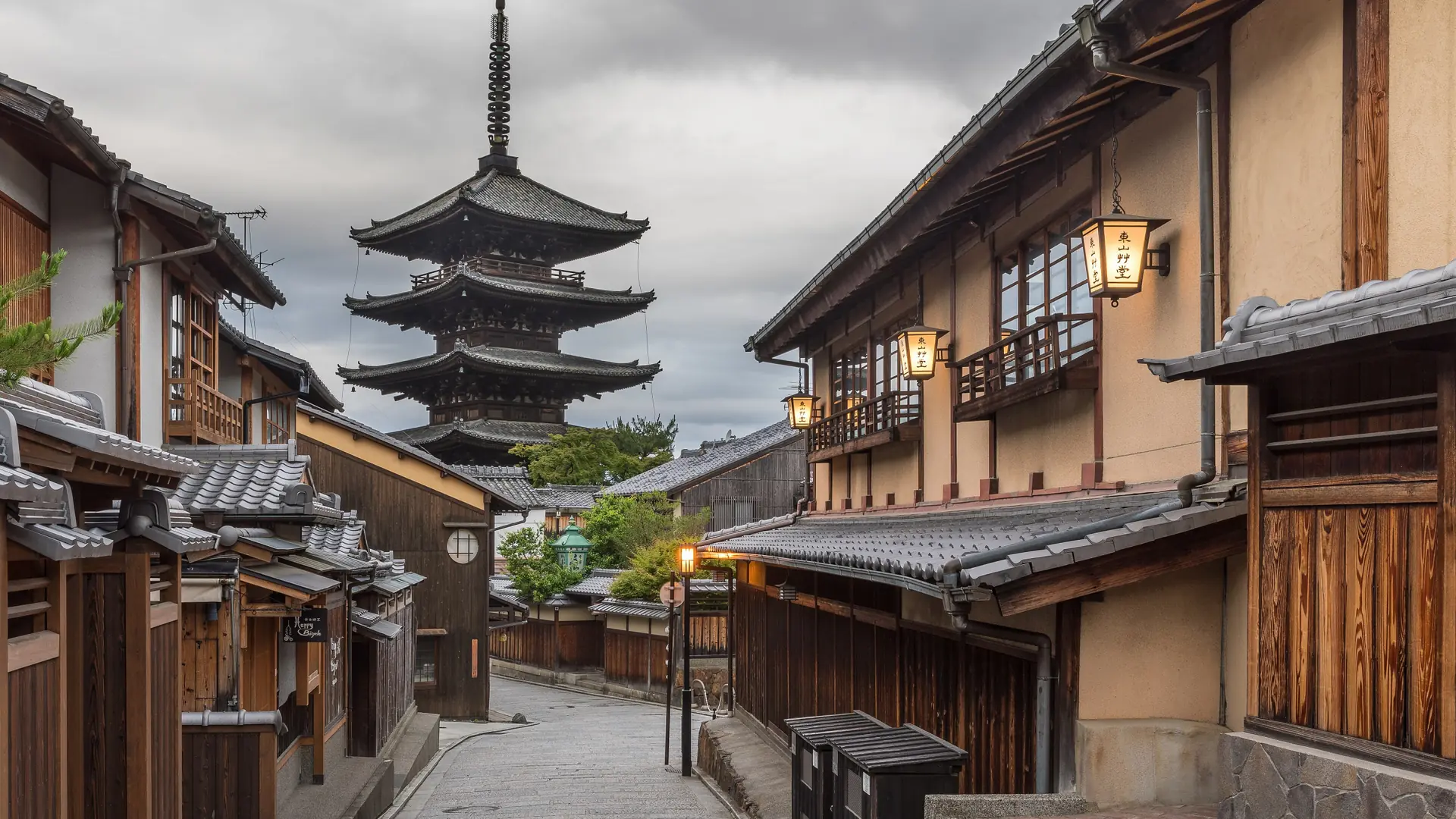
The vermilion Yasaka Pagoda and traditional Higashiyama rooftops in bright daylight Kyoto
culture

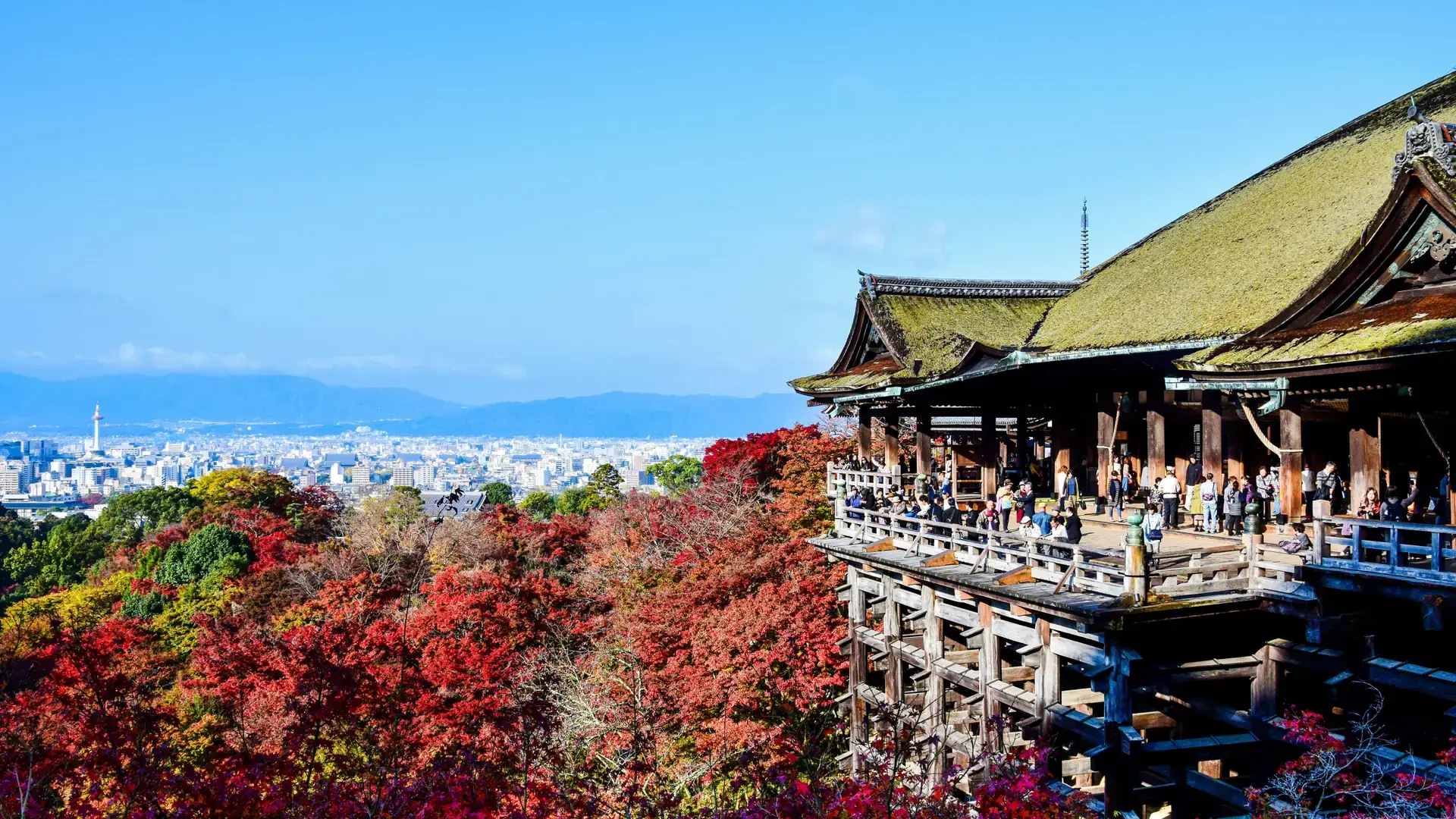
Choose Kyoto for temple precincts, gardens, machiya streets and a dining culture that rewards early mornings and unhurried evenings. Higashiyama gives atmosphere but busy buses; the station area makes day trips and luggage easier; central Kyoto balances restaurants with several rail lines. Four nights are justified because the sights are distributed rather than arranged as one old-town circuit.

Fushimi Inari, Kiyomizu-dera and Arashiyama can feel transformed by crowd peaks. Use Kyoto's official congestion forecast and visit the most pressured area at opening time.

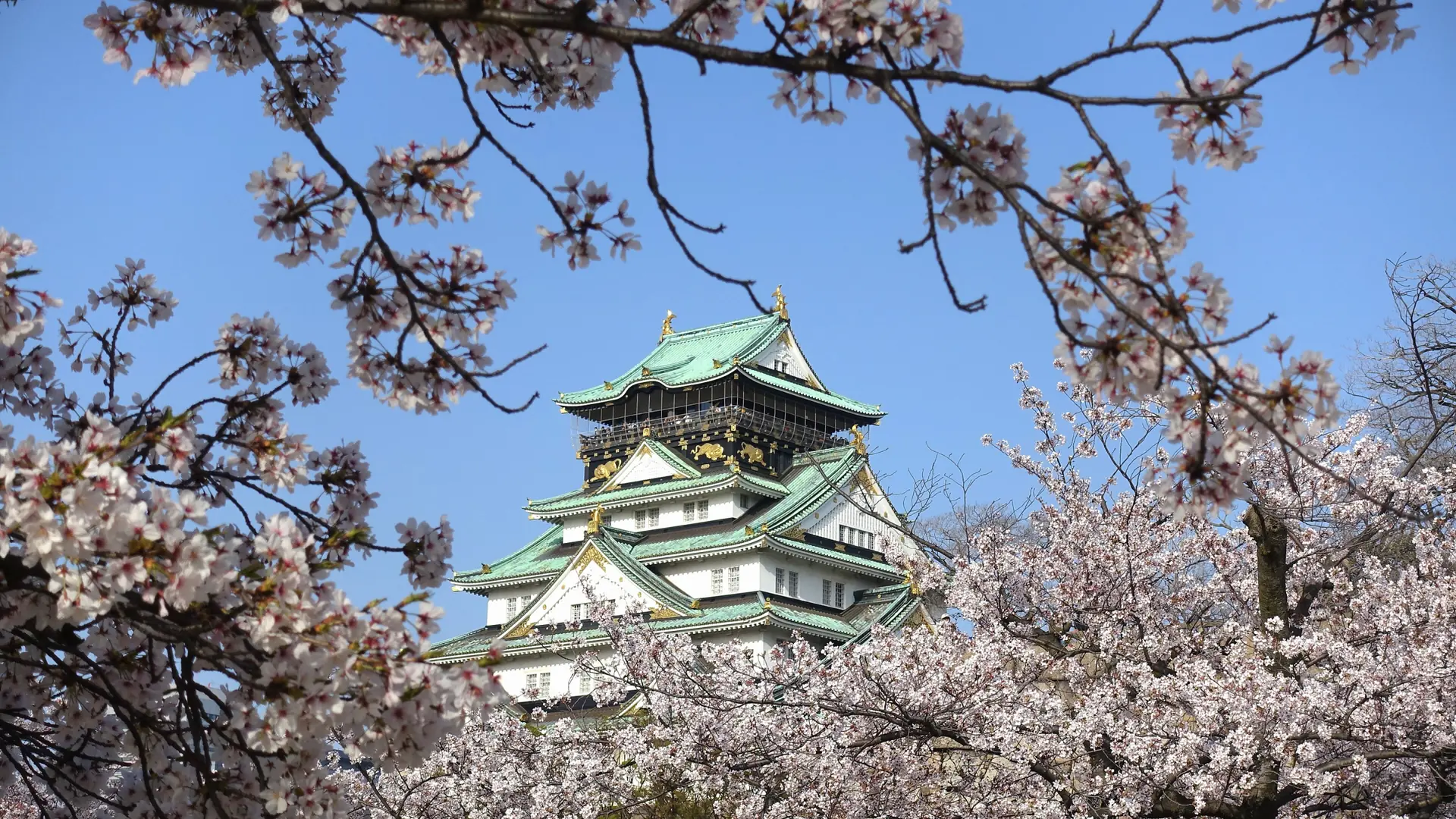
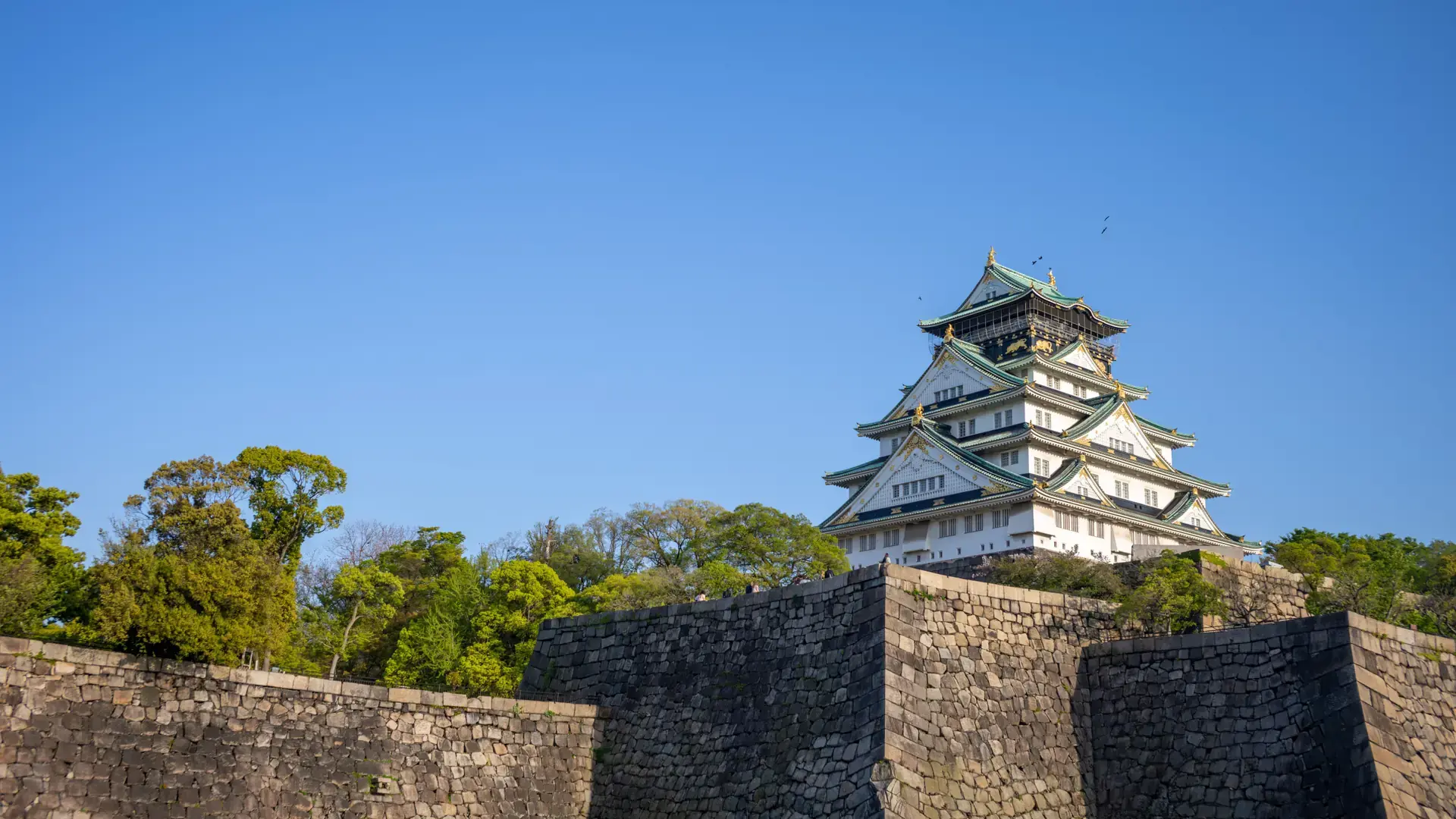
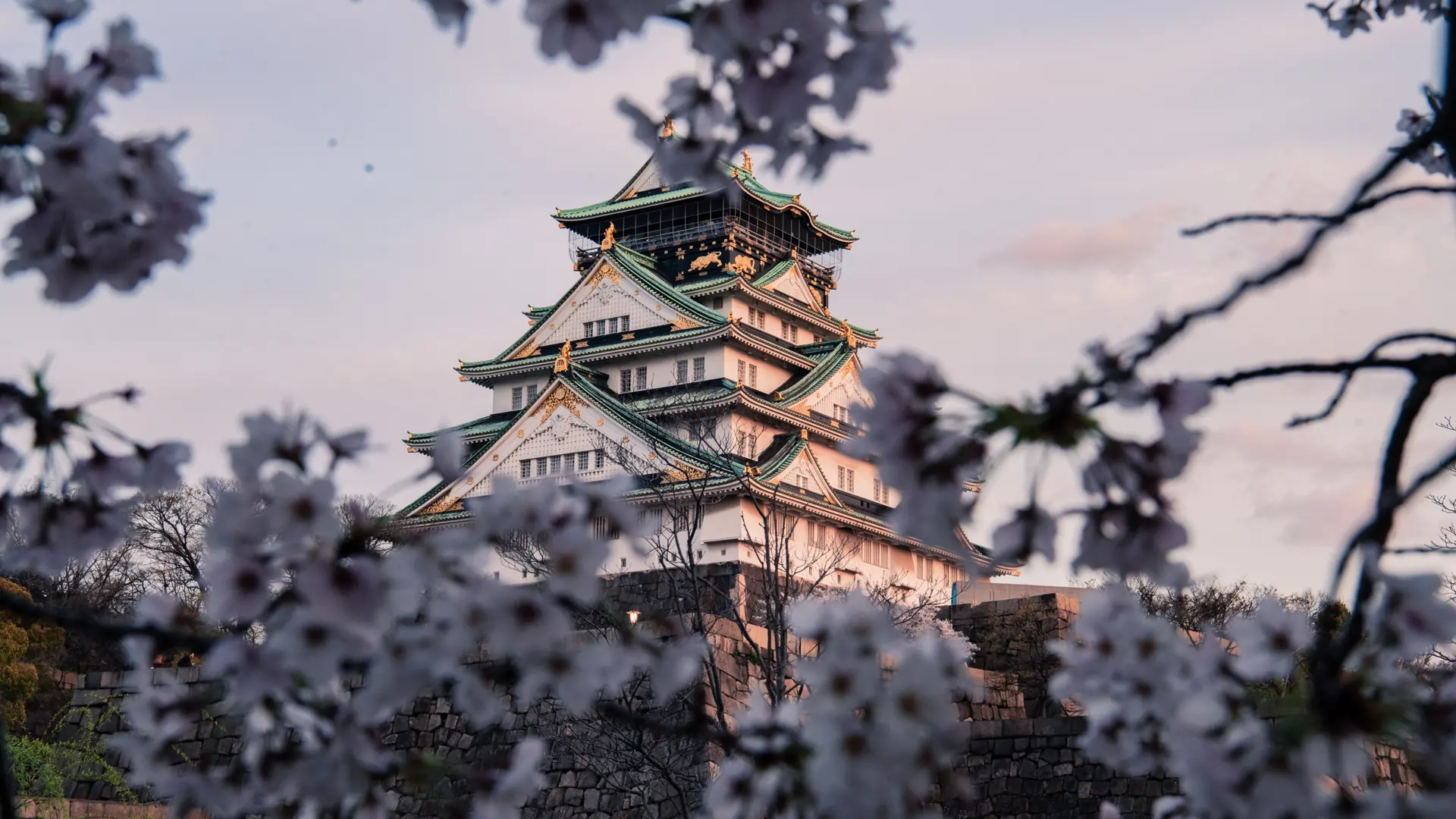
Osaka Castle rising above green parkland in clear spring sunshine Osaka
food

Choose Osaka for an urban stay that is louder, later and more food-led than Kyoto. Namba works for Dotonbori and evening energy; Umeda favours regional trains; the Shin-Osaka area is efficient but less rewarding after dinner. Osaka also functions as a practical Kansai base for Nara, Kobe and Himeji when you prefer one hotel to repeated packing.

Osaka and Kyoto are close by train but not interchangeable. Commuting every day sacrifices early temple hours in Kyoto and the spontaneous late evening that makes Osaka worthwhile.

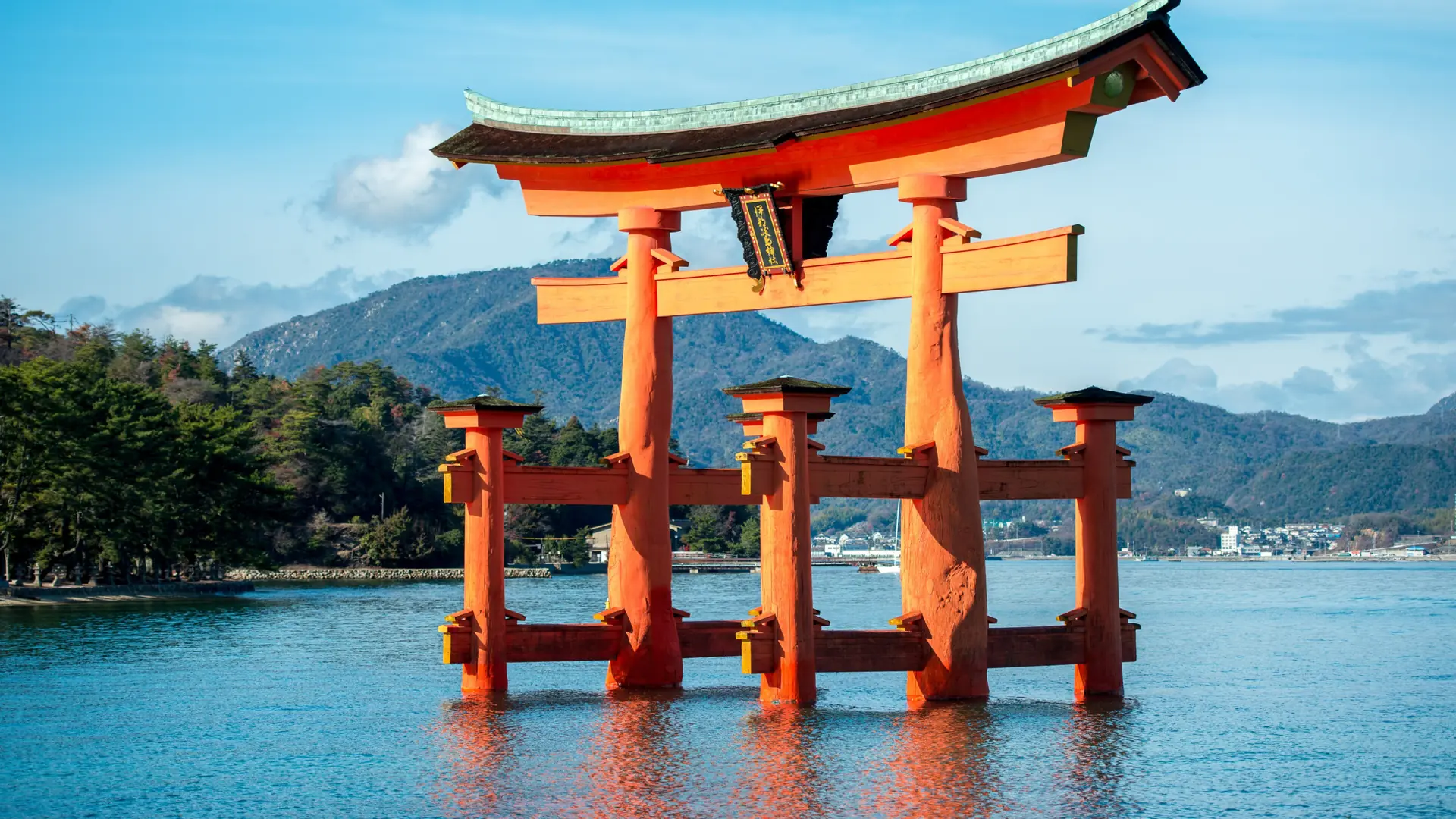
Itsukushima Shrine's red torii standing in blue water off sunny Miyajima island Hiroshima & Miyajima
culture

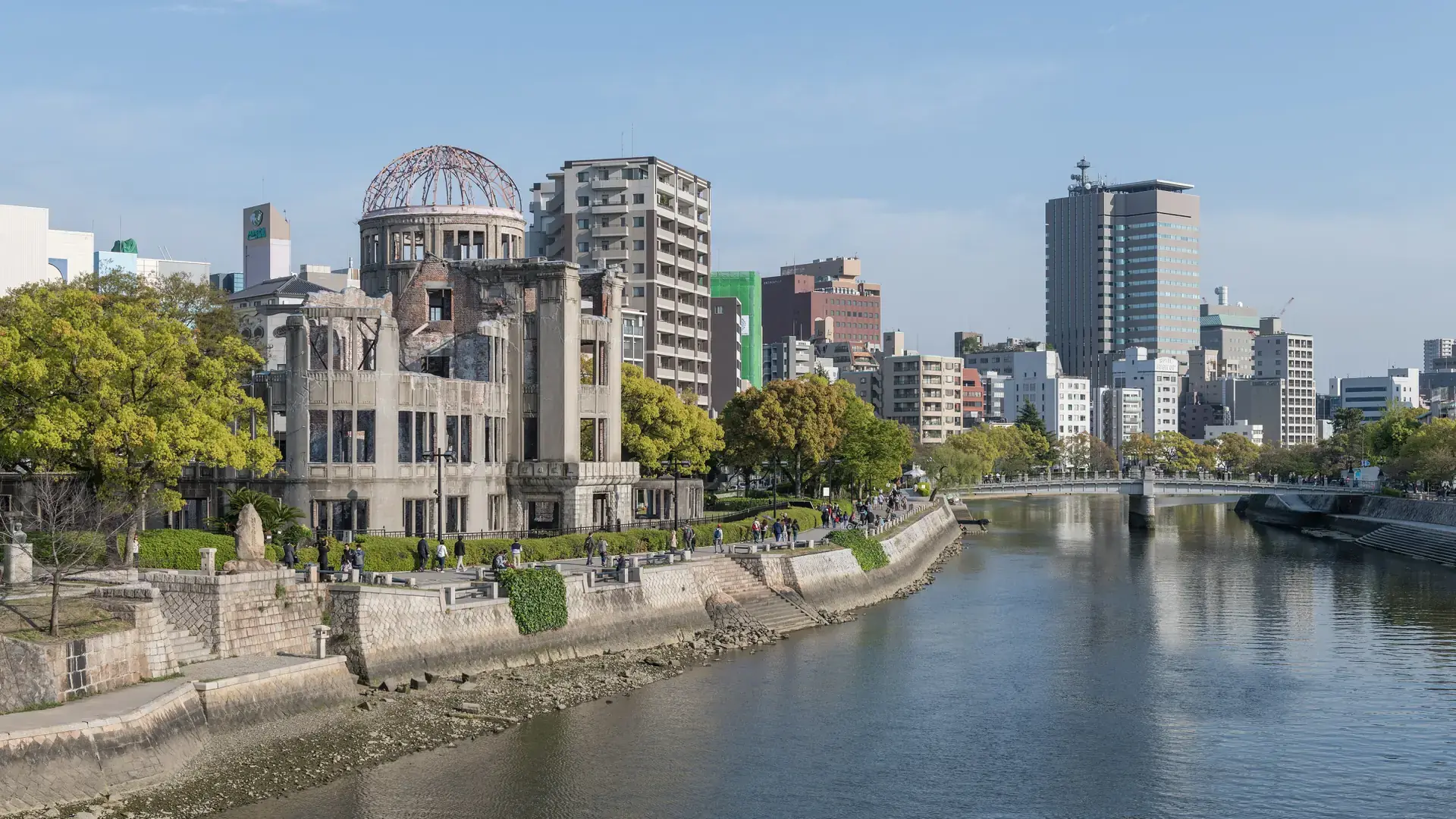
Choose Hiroshima for a thoughtful western extension joining the Peace Memorial Park with the wooded shrine island of Miyajima. The city centre is easy to navigate by tram, while the Sanyo Shinkansen connects directly with Osaka, Kyoto and Fukuoka. Two or three nights allow the museum and island to occupy separate days rather than competing emotionally and logistically.

Do not label Miyajima a quick photo stop. Tide conditions change the torii view, and the island deserves time after the busiest day visitors depart.

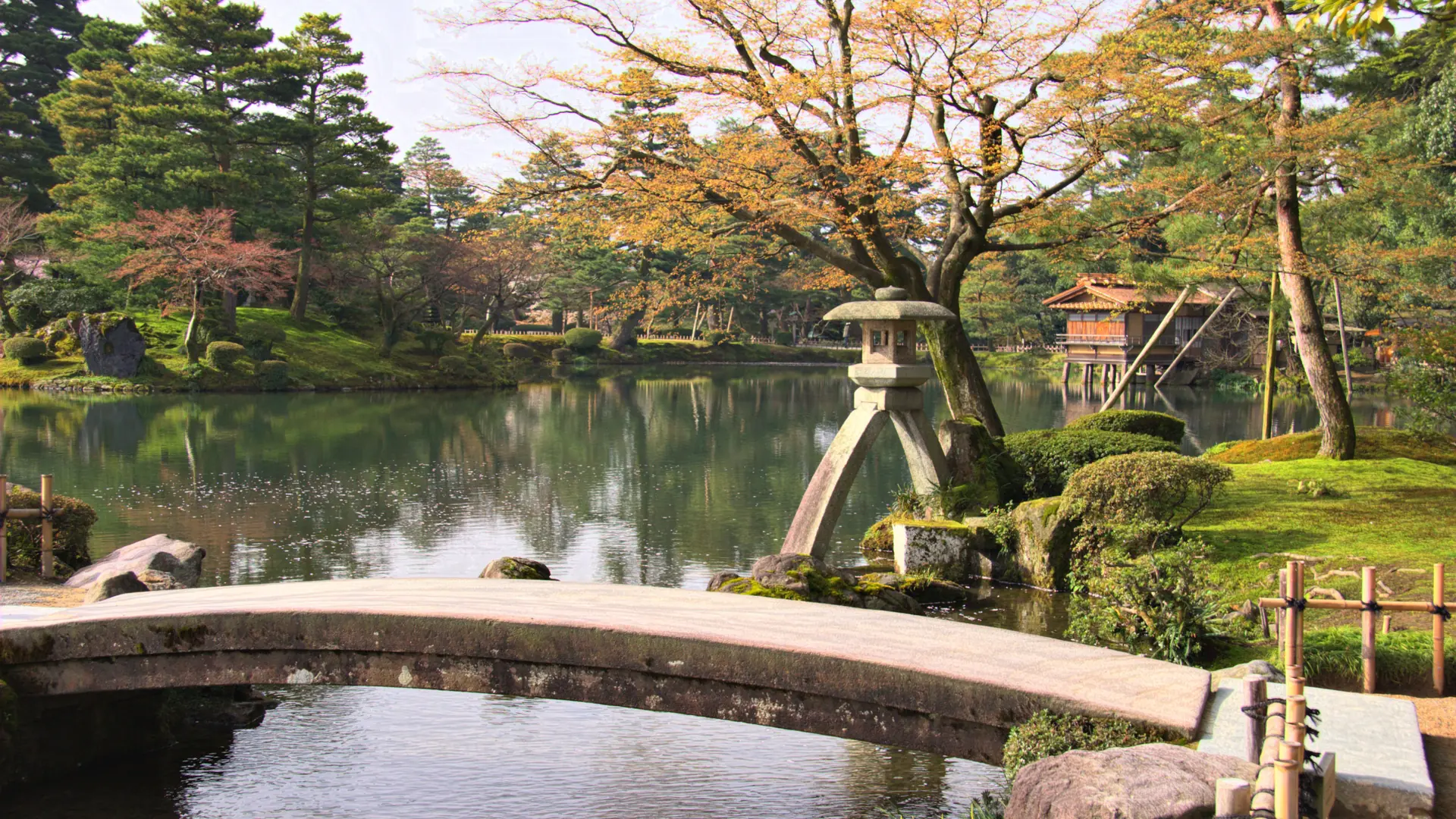
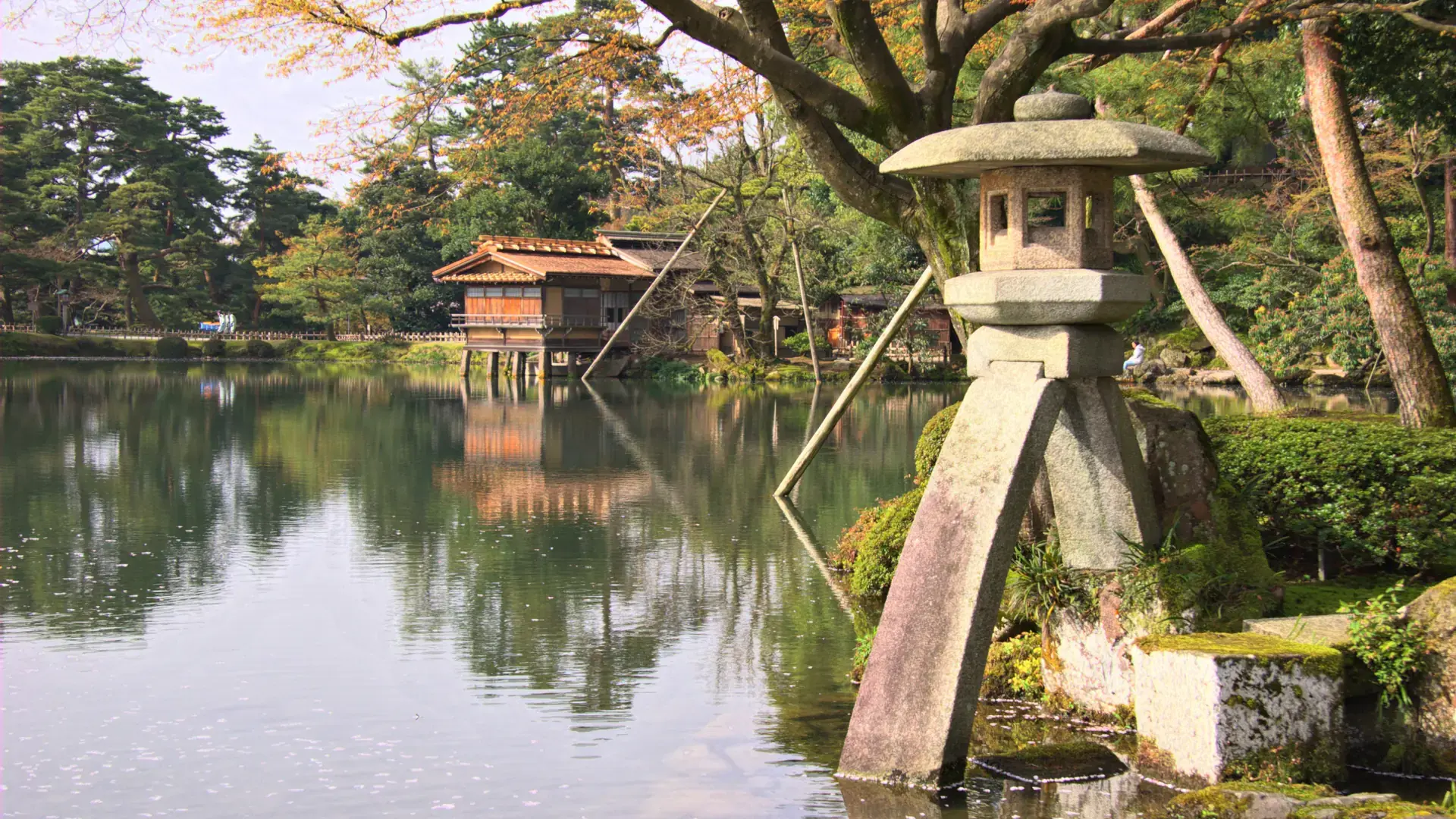
Kenrokuen Garden in Kanazawa glowing green beneath a bright summer sky Kanazawa
culture

Choose Kanazawa for an intact castle-city scale: Kenrokuen, the Nagamachi samurai area, Higashi Chaya, Omicho Market and contemporary art fit into a coherent two- or three-night stay. It offers traditional craft and garden depth without reproducing Kyoto. Rail access makes it a credible route between Tokyo and Kansai or a gateway toward the mountain villages.

The attractions form several clusters rather than one pedestrian core. Learn the bus loop, then walk within each district instead of repeatedly crossing the city on foot.

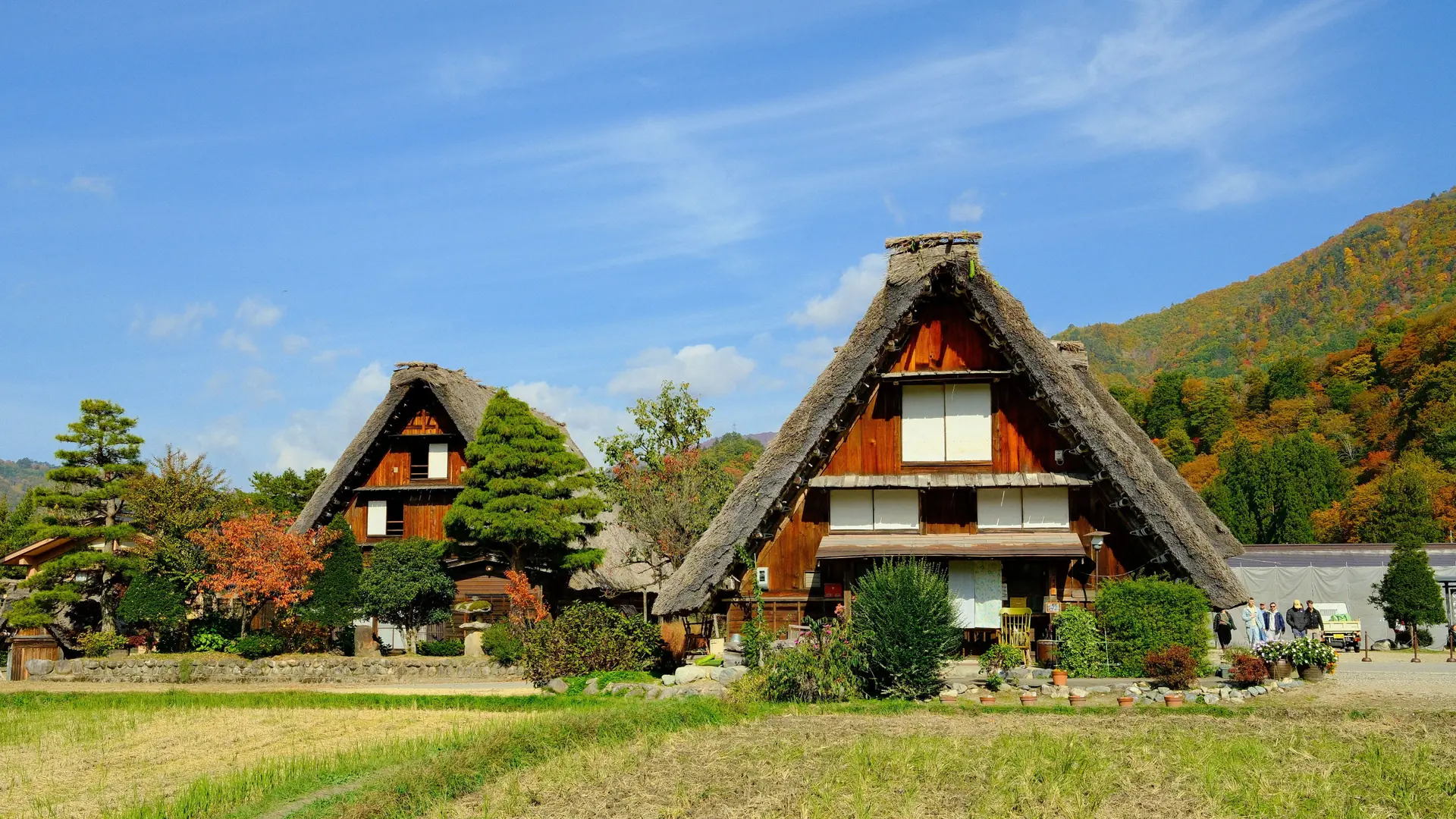
Traditional thatched gassho farmhouses in green mountain scenery at Shirakawa-go Takayama & Shirakawa-go
quiet

Choose Takayama as the workable mountain base for morning markets, timber merchant streets and buses to Shirakawa-go. The UNESCO village adds inhabited gassho farmhouses shaped by heavy snow and older silk production. An overnight farmhouse stay reveals a quieter settlement than a bus-window excursion, while Takayama supplies transport, restaurants and wider lodging choice.

Direct buses into Shirakawa-go can require advance reservations, and farmhouse rooms are scarce. Treat the Alps as a booked route, not a spontaneous gap between Tokyo and Kyoto.

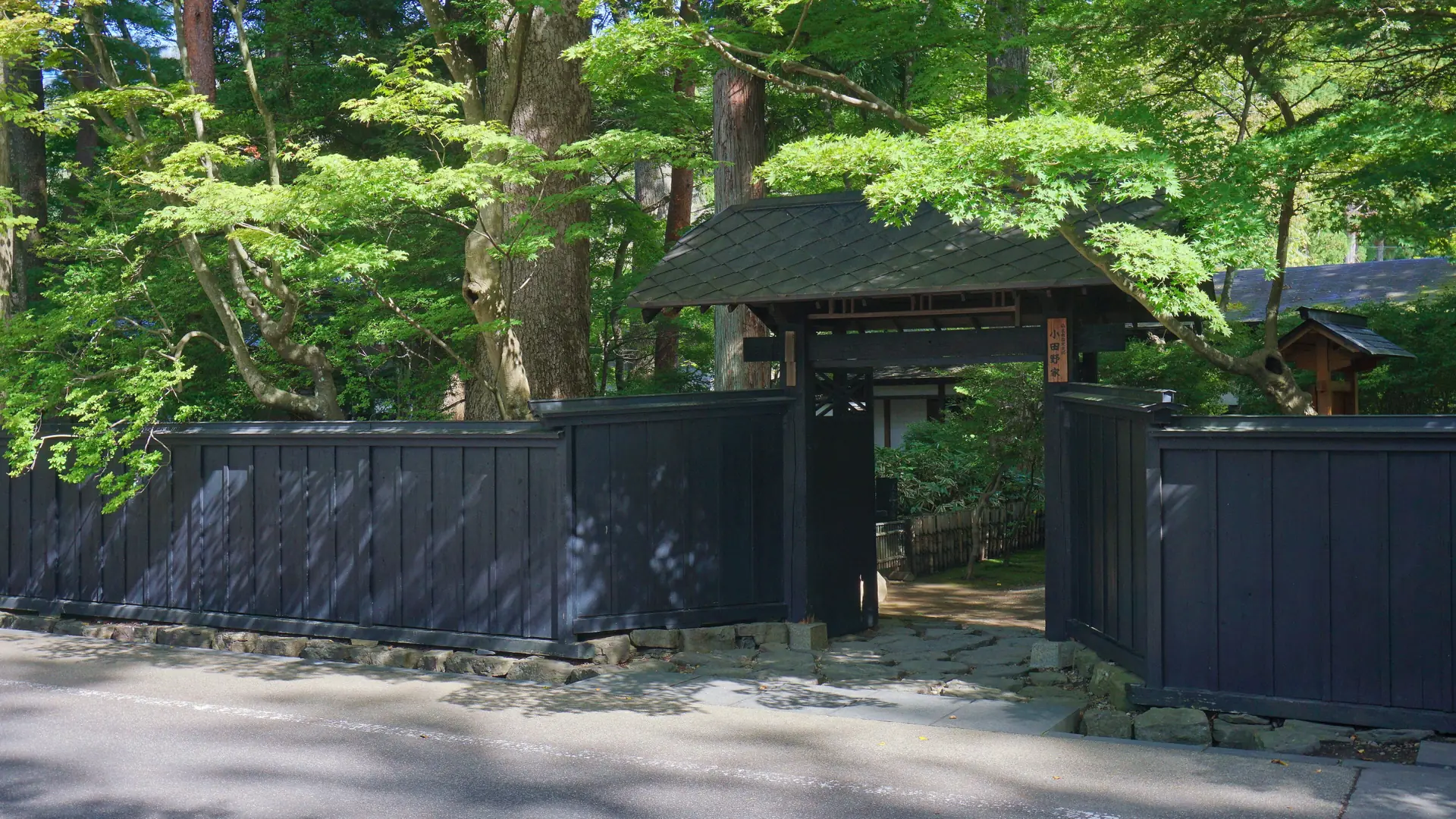
Dark timber samurai residences and leafy lanes in Kakunodate under clear daylight Kakunodate
local-vibe

Choose Kakunodate when samurai history should be lived at residential scale rather than encountered only through a reconstructed castle. Broad lanes, black fences and surviving estates show how warrior families occupied this Tohoku town; several houses retain armour, archives and gardens. The Akita Shinkansen makes the district reachable without a car, yet an overnight stay still feels far removed from Tokyo.

The samurai quarter is compact and daytime services close early. Pair it with Akita, Lake Tazawa or a traditional stay rather than expecting metropolitan nightlife.

Sapporo skyline and green Odori Park beneath a crisp blue summer sky Sapporo & Hokkaido
nature

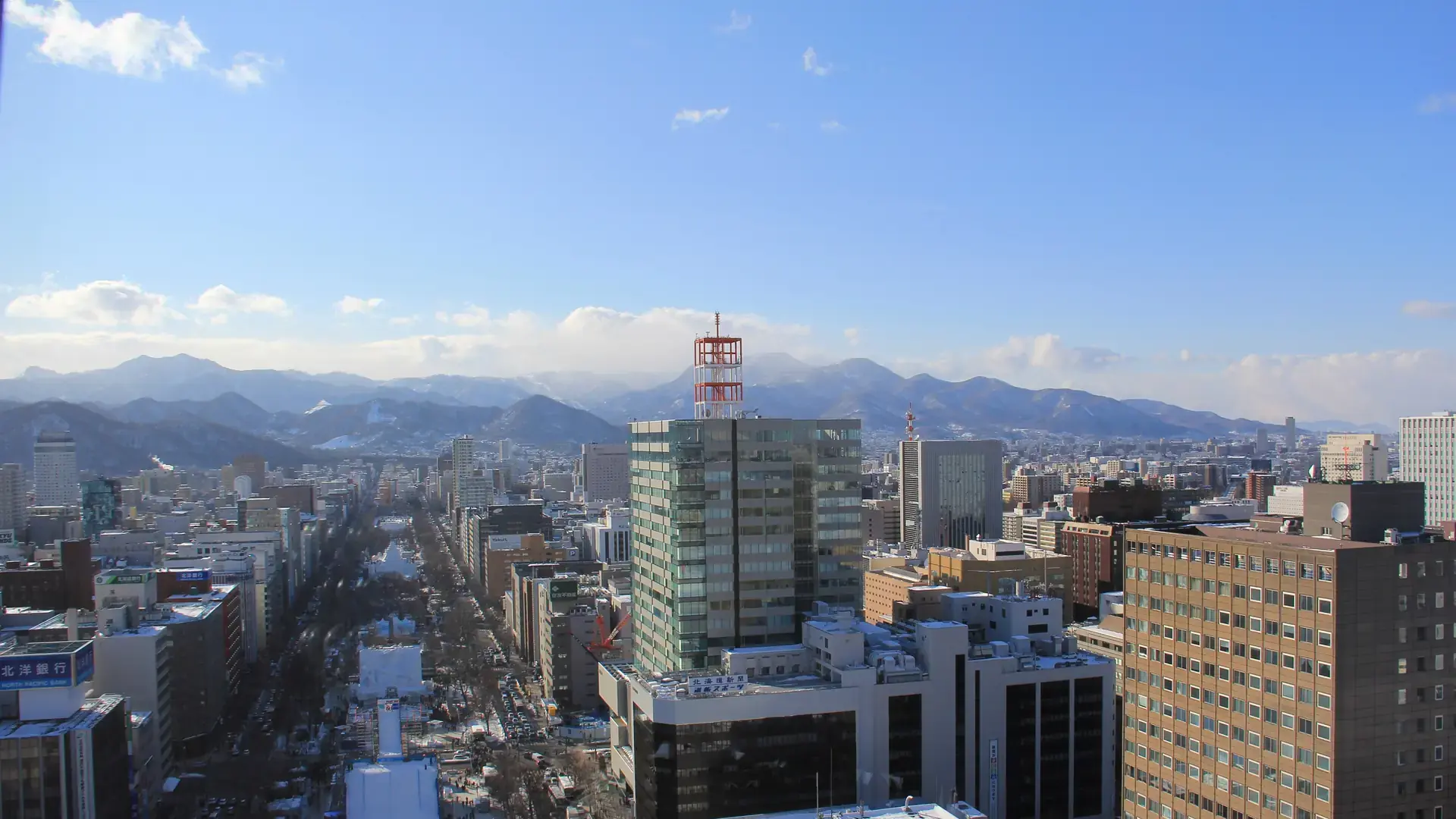
Choose Sapporo as a northern gateway, not as shorthand for the whole island. The city supplies ramen, markets and easy airport access; Hokkaido beyond it delivers powder snow, volcanic lakes, flower fields and national parks. Summer is cooler than much of Honshu, while winter becomes a specialist snow trip. Flights usually make more sense than spending a full day reaching Sapporo by rail.

Hokkaido distances are large and rural public transport can be sparse. Select one subregion and season-specific purpose rather than drawing a fast loop around the island.

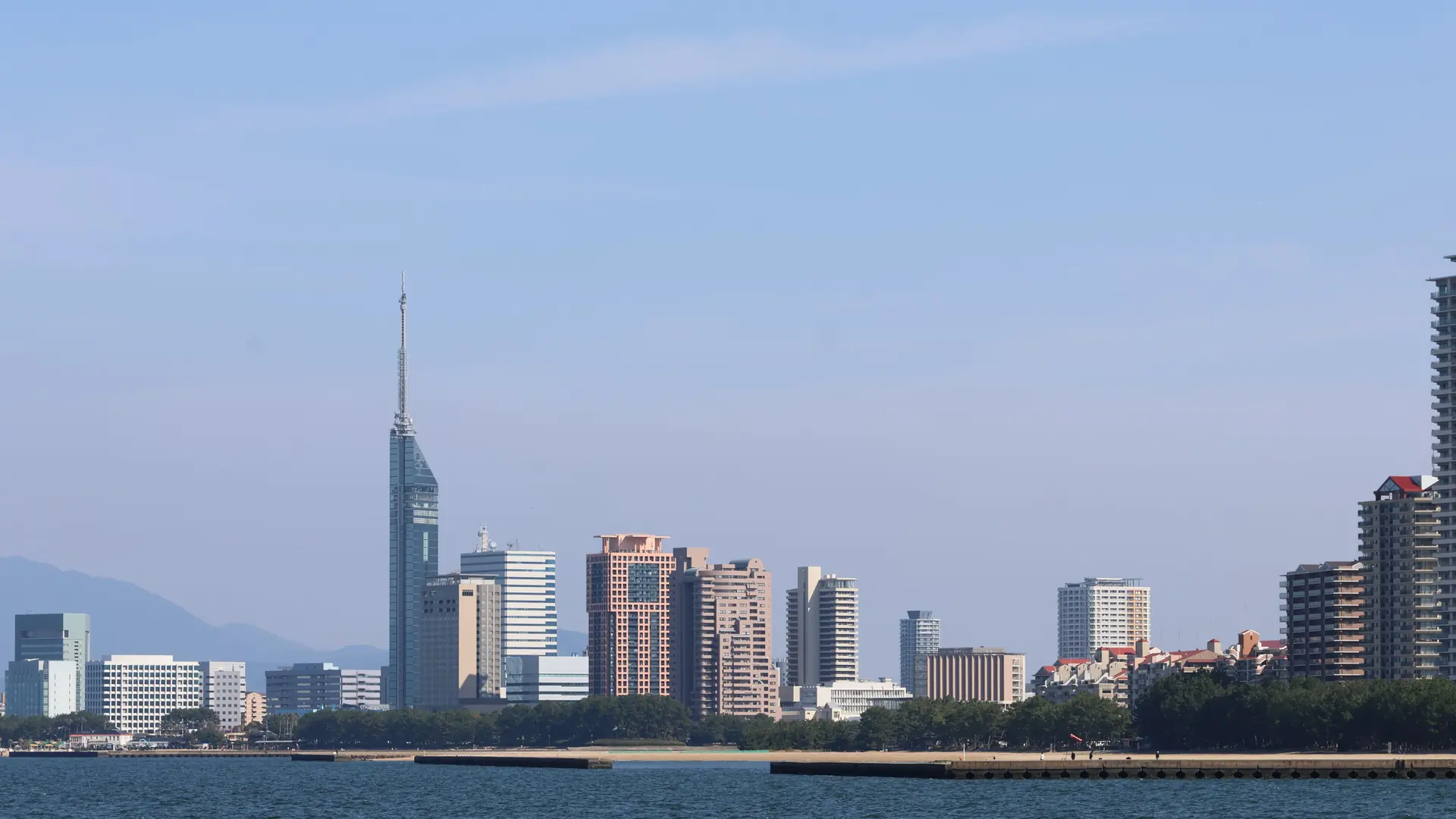
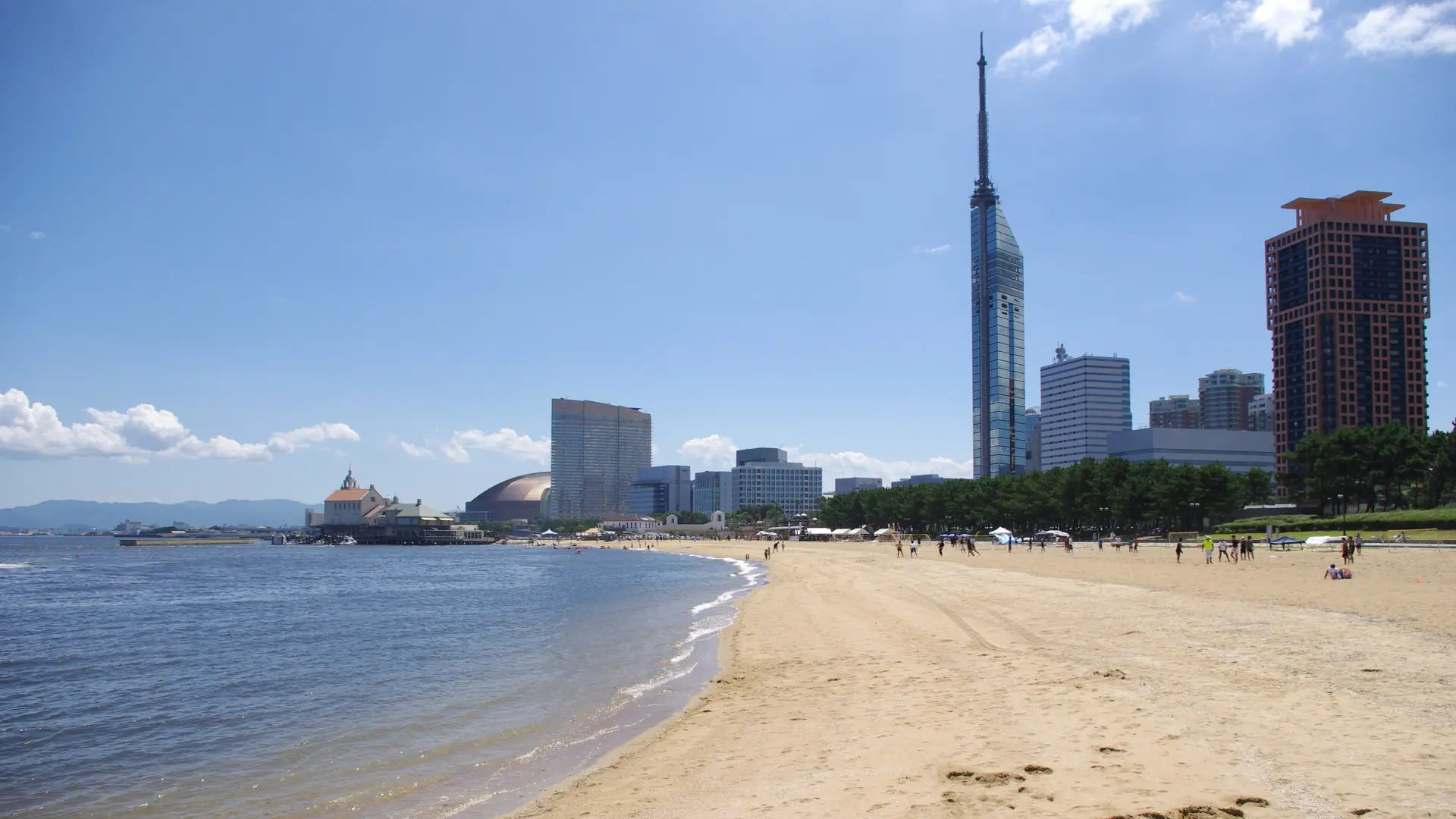
Fukuoka waterfront and modern city skyline in warm sunny weather Fukuoka & Kyushu
food

Choose Fukuoka for the easiest entry into Kyushu: the airport is unusually close to the centre, Hakata anchors the shinkansen, and evening yatai make the city social without Osaka's scale. From here, Nagasaki, Kumamoto, Beppu and southern Kyushu become separate route choices. Stay for the city itself before using it as a transport interchange.

Kyushu contains several strong journeys but no single three-day circuit. Decide whether history, volcanoes, onsen or food leads before buying regional transport.

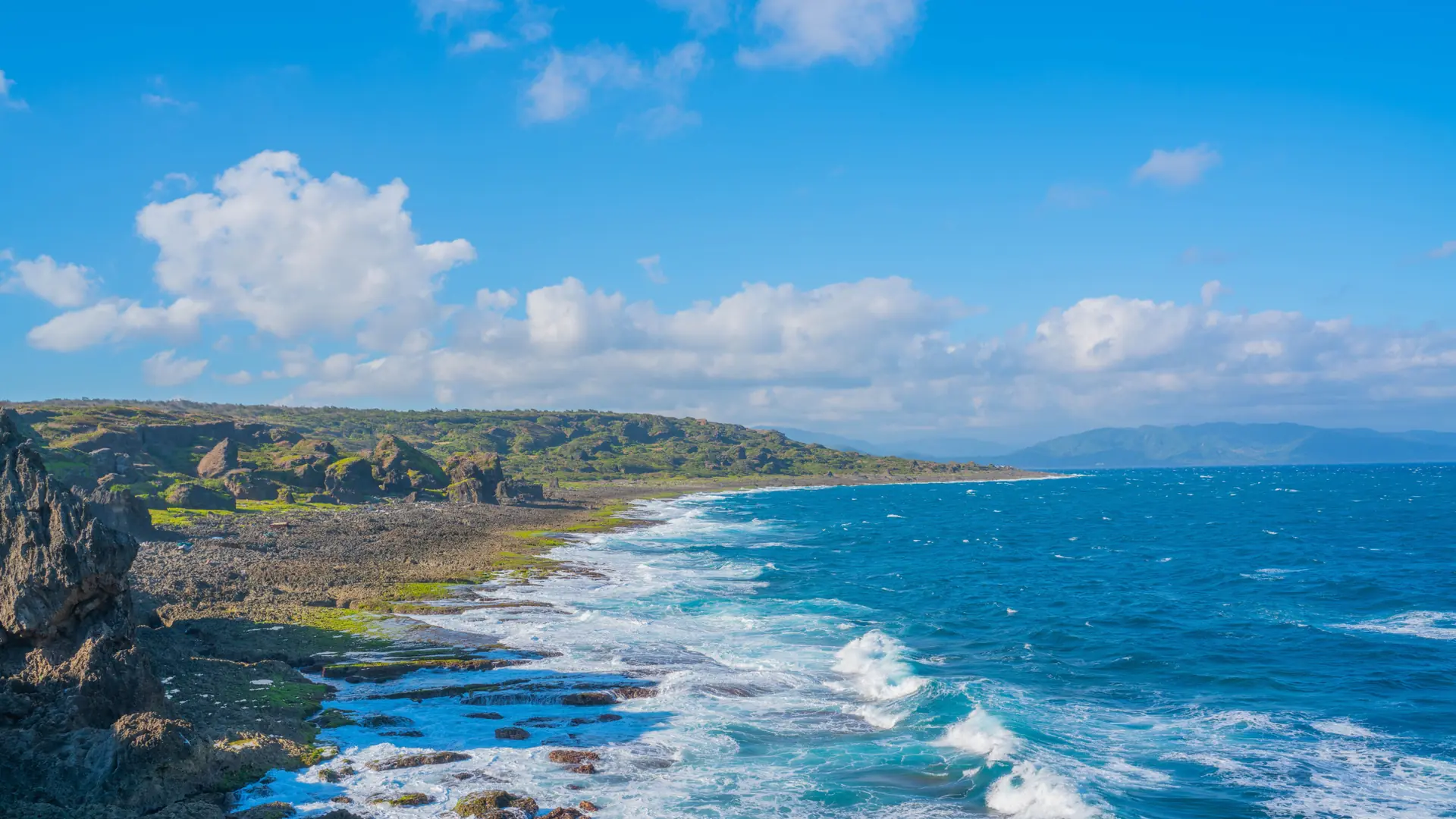
Turquoise Okinawan sea, pale coral beach and green subtropical coast in full sunshine Naha & Okinawa
beach

Choose Okinawa for a separate subtropical Japan shaped by the Ryukyu Kingdom, coral coasts and island-specific rhythms. Naha provides flights, markets and heritage access on the main island; Ishigaki and more remote islands serve clearer beach-and-reef ambitions. A flight from Tokyo or Osaka protects holiday time far better than forcing Okinawa into a mainland rail plan.

Naha is a gateway city, not the image of an empty tropical beach. Choose the island and coast first, and keep weather flexibility during the typhoon-prone period.

Compare Japan destinations

Tokyo

01
Best for

Maximum variety, contemporary culture and the main eastern gateway

Vibe
Vertical, precise and endlessly changeable
Stay
4–5 nights
Transport
No car needed
Also fits
First trip Shopping Food

Kyoto

02
Best for

Temples, gardens, historic streets and traditional lodging

Vibe
Ceremonial, beautiful and crowd-sensitive
Stay
4 nights
Transport
No car needed
Also fits
Culture Romantic Walkable

Osaka

03
Best for

Street-level food, nightlife and a Kansai transport base

Vibe
Playful, direct and sociable
Stay
2–3 nights
Transport
No car needed
Also fits
Food Nightlife Family

Hiroshima

04
Best for

Peace history, Miyajima and a western Honshu extension

Vibe
Reflective, open and waterside
Stay
2–3 nights
Transport
No car needed
Also fits
Culture Nature Day Trips

Kanazawa

05
Best for

Gardens, crafts, seafood and compact heritage districts

Vibe
Cultivated, manageable and quietly creative
Stay
2–3 nights
Transport
No car needed
Also fits
Culture Food Local Vibe

Takayama

06
Best for

Mountain-town streets and access to Shirakawa-go

Vibe
Timber-built, intimate and seasonal
Stay
2 nights
Transport
No car needed
Also fits
Quiet Culture Nature

Kakunodate

07
Best for

Samurai residences and a slower Tohoku chapter

Vibe
Historic, residential and contemplative
Stay
1–2 nights
Transport
No car needed
Also fits
Local Vibe Culture Quiet

Sapporo

08
Best for

Hokkaido food, snow trips and northern landscapes

Vibe
Spacious, seasonal and outdoors-facing
Stay
3 nights plus region
Transport
Car useful
Also fits
Nature Food Family

Fukuoka

09
Best for

Yatai, easy airport access and routes deeper into Kyushu

Vibe
Relaxed, youthful and food-first
Stay
2–3 nights
Transport
No car needed
Also fits
Food Local Vibe Near Transport

Naha

10
Best for

Ryukyu heritage and access to Okinawa's islands

Vibe
Subtropical, independent and sea-oriented
Stay
2 nights plus beach base
Transport
Car useful
Also fits
Beach Nature Culture

Start with a well-connected Tokyo base

These hotel cards link to partner-supplied accommodation options. Prices, availability and ratings can change, so confirm details in the booking window before paying.

Search more hotels in Tokyo →
Search stays
Trip styles

Eight ways to experience Japan beyond a checklist

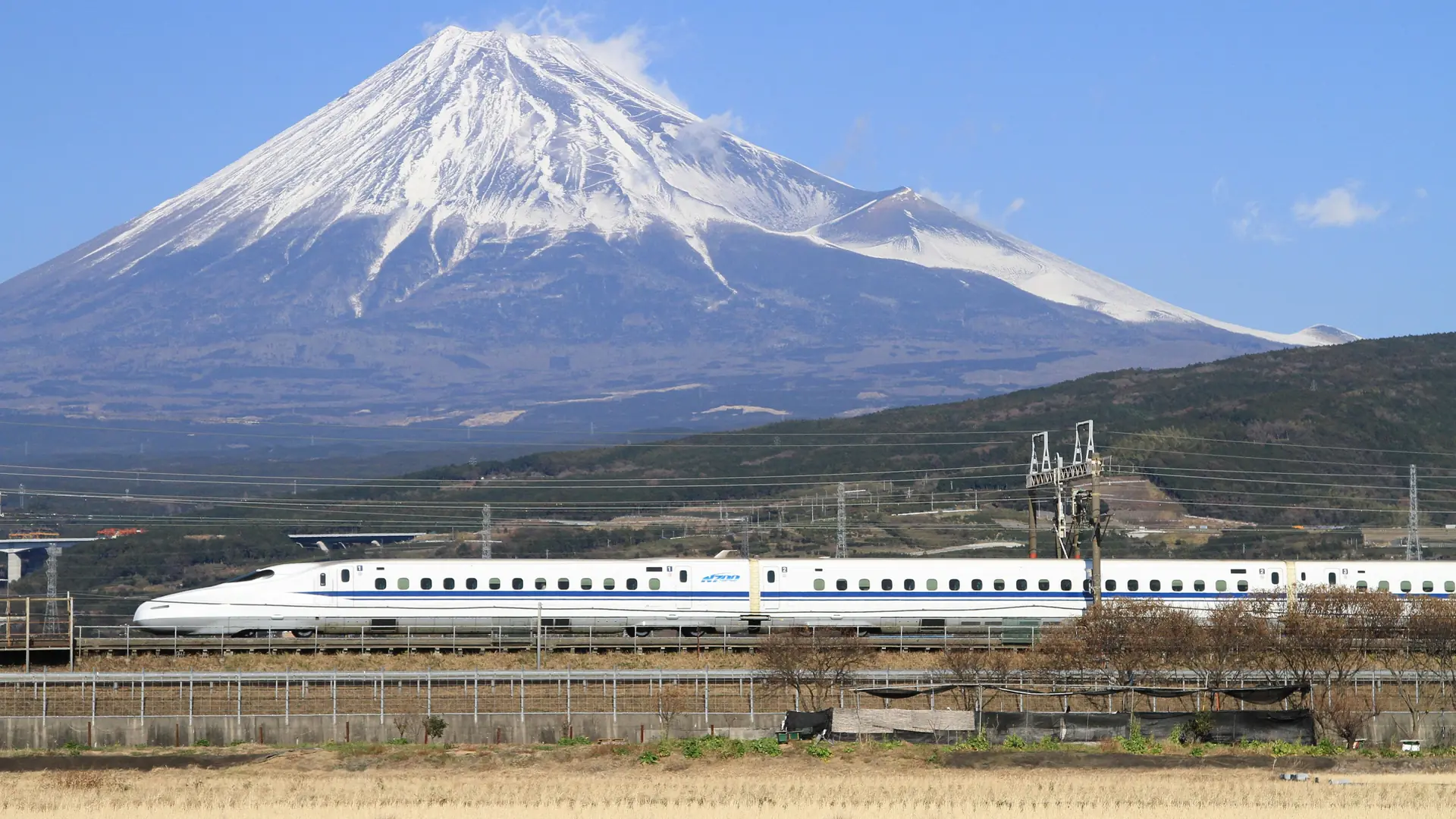
A white shinkansen passing Mount Fuji through a bright Japanese landscape

First trip

Follow the Tokaido spine from Tokyo to Kyoto and Osaka. Add Hiroshima only when two weeks leave room for it without reducing every city to a transfer.

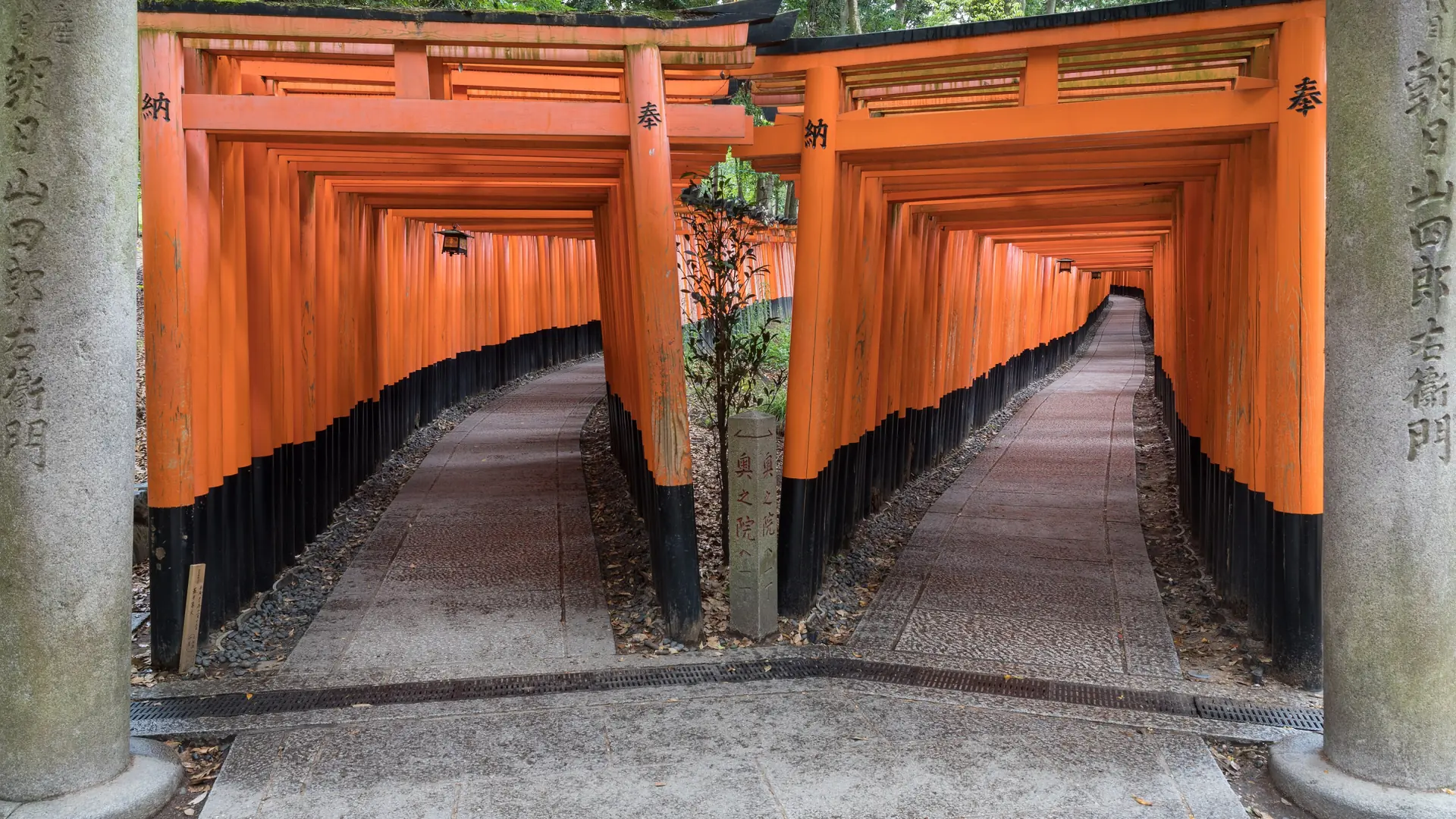
Vermilion torii gates climbing through a sunlit forest at Fushimi Inari in Kyoto

Culture

Contrast Kyoto's temples with Hiroshima's peace sites, Kanazawa's crafts and Kakunodate's samurai homes instead of rushing through similar landmarks.

A lively Japanese market lane with colourful food stalls in daylight

Food

Travel from Tokyo's specialist counters to Osaka's street food, Kanazawa seafood and Fukuoka yatai, leaving room for markets and spontaneous meals.

Snow-capped Mount Fuji reflected in a blue lake beneath clear sunshine

Road trip

Drive one landscape chapter—Fuji Five Lakes, Hokkaido or rural Kyushu—while keeping major-city days rail-based and allowing for weather changes.

Okinawa's green subtropical coast meeting a clear turquoise sea in bright sunshine

Beach

Fly to Okinawa for a true island chapter, choosing the base around reefs, swimming conditions and ferry links rather than treating Naha as every beach.

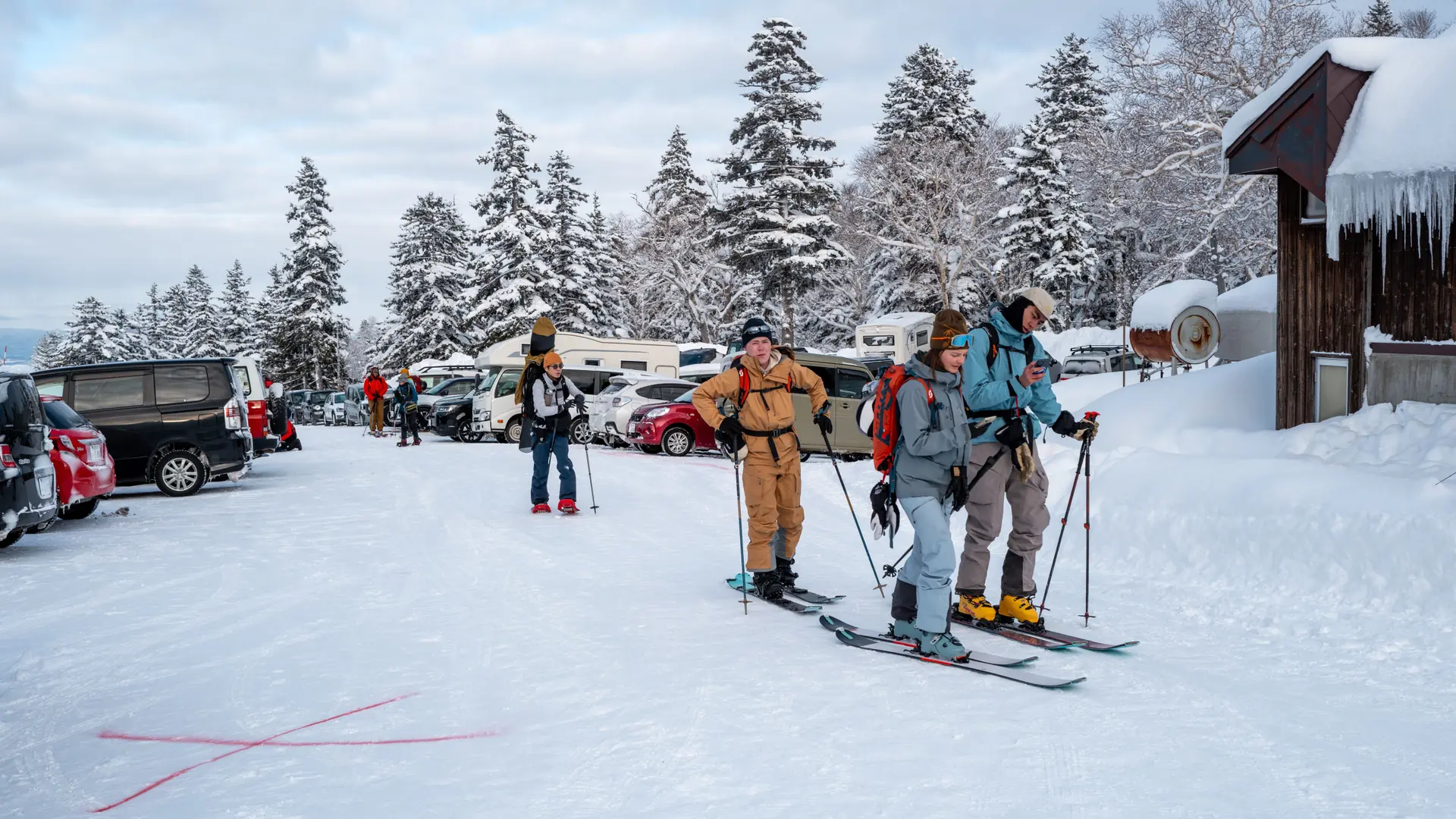
Bright winter sunlight over snowy Hokkaido mountains and evergreen forest

Family

Use a stable Tokyo or Osaka base, forward large bags and add Hokkaido snow only as a planned chapter with weather margins and suitable footwear.

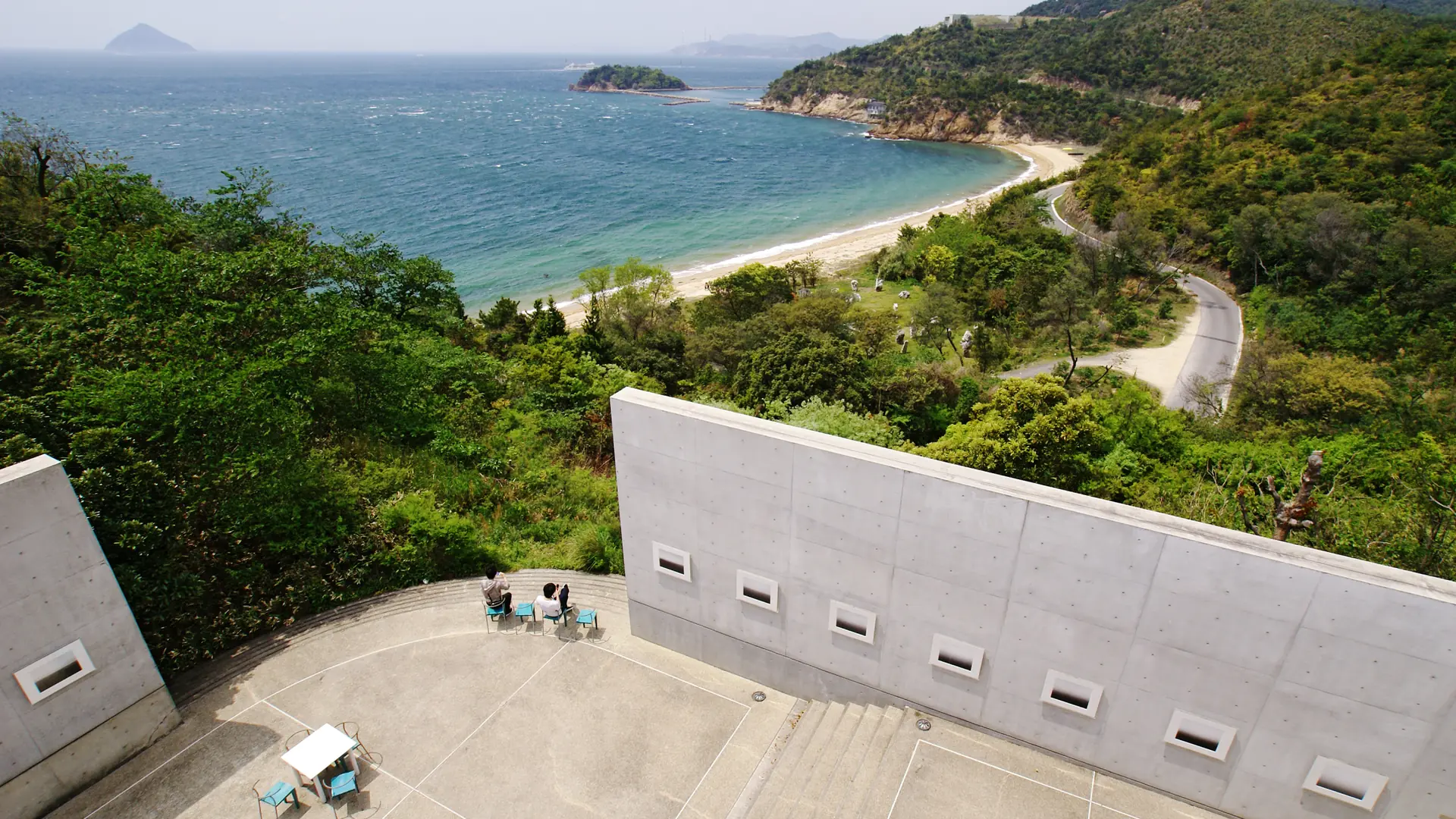
Contemporary art and minimalist architecture beside the blue Seto Inland Sea

Car-free

Connect major cities by rail, then reach Naoshima by train and ferry. Let closure days, ferry times and timed art admissions determine that island stay.

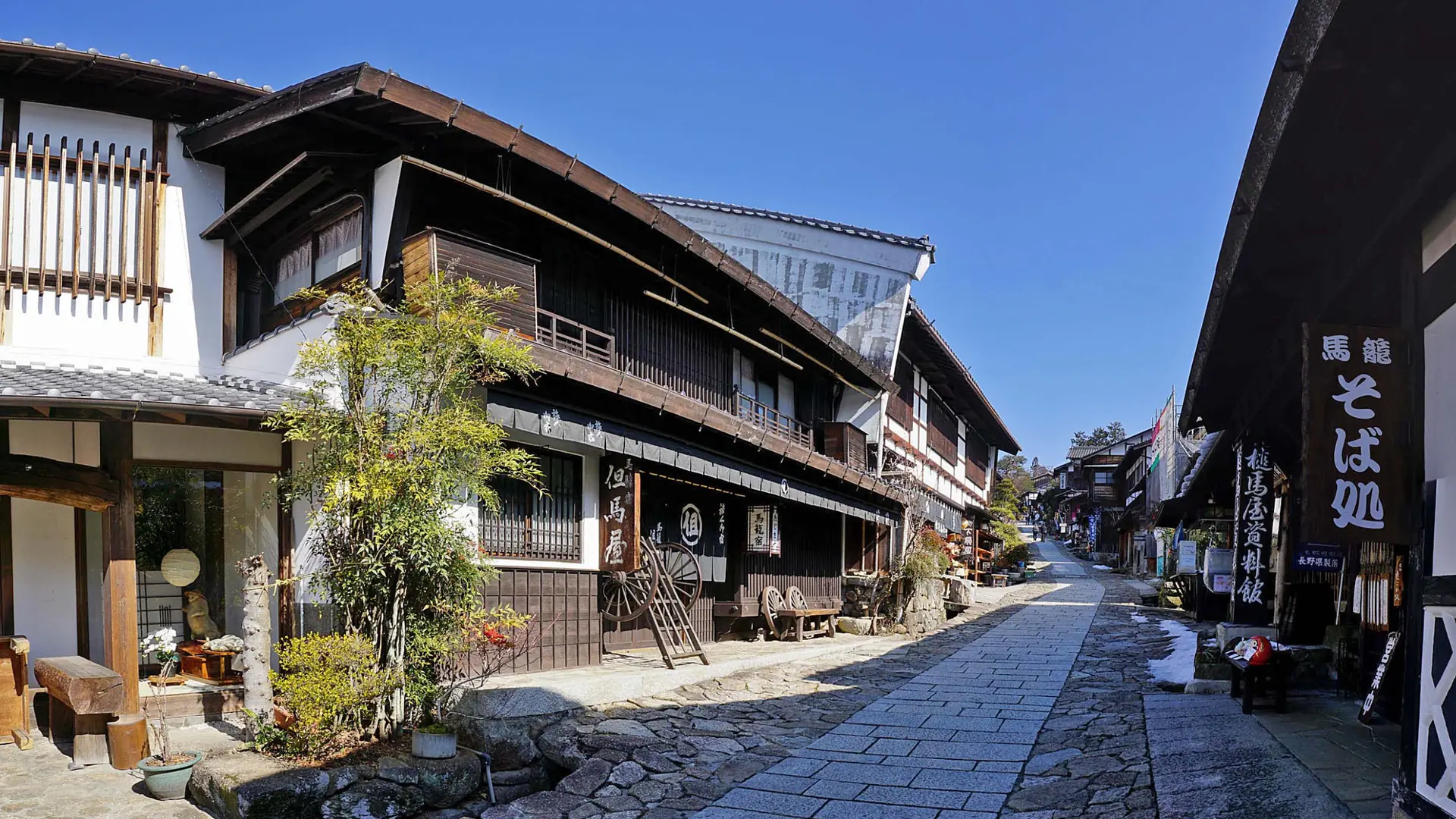
A preserved wooden post town street in rural Japan under warm morning sunlight

Budget

Slow down in the Kiso Valley or another regional base, compare ordinary tickets and choose family-run lodging while accepting fewer evening services.

Season guide

Choose Japan's season by region, not stereotype

March–April

Weather
Spring moves north rather than arriving everywhere together; Tokyo and Kansai can be mild while northern or mountain areas remain cold.
Crowds
Very high around forecast blossom peaks, school holidays and famous viewing sites.
Prices
Rooms and popular trains rise sharply on the most desirable dates.
Best For
Travellers willing to book early and treat blossom as a possible bonus rather than a guaranteed appointment.

Late April–June

Weather
Comfortable conditions often continue after early spring, followed by a humid rainy period whose timing varies by region.
Crowds
Golden Week around late April and early May creates domestic pressure; later May is often calmer.
Prices
Better value appears after the national holiday peak, before summer demand builds.
Best For
Gardens, cities and green countryside, with waterproof layers and flexibility for rain.

July–September

Weather
Much of Honshu is hot and humid; Hokkaido is cooler, while August and September sit inside the peak typhoon period.
Crowds
Festivals and school holidays create local surges even away from the classic sights.
Prices
Flights and resorts can spike around holidays and major events.
Best For
Hokkaido, high mountains, festivals and travellers who plan heat breaks rather than walking continuously at midday.

October–November

Weather
Autumn colour begins earlier in Hokkaido and high elevations, then reaches lower and southern areas later.
Crowds
Kyoto and famous foliage locations become intensely busy on peak weekends.
Prices
Premium rooms and ryokan sell early in headline foliage districts.
Best For
Urban walking, gardens, mountain towns and a broad first trip with regional timing checks.

December–February

Weather
Hokkaido, Tohoku and alpine districts receive serious snow; Tokyo and Kansai are colder but often drier, while Okinawa remains mild.
Crowds
New Year affects opening patterns; ski resorts and snow festivals create concentrated demand.
Prices
City bargains may appear outside holidays, while powder destinations command winter premiums.
Best For
Onsen, snow sports, crisp city sightseeing or an Okinawa escape that prioritises culture over swimming.

Design a Japan trip by contrast, not accumulation

Last updated July 2026

The most common first-trip mistake is treating Japan's railway map as permission to move every day. Trains make long distances legible, but each hotel change still consumes packing, station navigation, luggage handling and check-in attention. Tokyo and Kyoto both justify four nights because neither behaves like a compact European centre. Tokyo is a collection of urban worlds; Kyoto's major temple zones sit around the edges of a modern city. Osaka can be a two-night counterpoint or a day trip, but it should earn its place through food, nightlife or family attractions rather than being added because the shinkansen stops nearby.

A ten-day route works best when it stays disciplined: arrive in Tokyo, explore from one well-connected base, travel to Kyoto and use Osaka as either a second Kansai base or a focused excursion. With fourteen days, Hiroshima becomes a natural western chapter and an onsen night can soften the city sequence. Three weeks allows a genuinely different region—Hokkaido, Kyushu, Tohoku, the Japanese Alps or Okinawa—without shrinking every stop. Open-jaw flights can save a return across the country, but only after comparing the international schedule with a Tokyo round trip.

Tokyo rewards choosing a base by repeated journeys. Asakusa is compelling for older streets and morning temple access but less direct for some western neighbourhoods. Shinjuku compresses nightlife, shopping and transport into one intense district; Shibuya serves fashion and late evenings; Tokyo Station and Ginza favour shinkansen departures, refined dining and an orderly central address. A room five minutes from the right line often beats a glamorous hotel requiring two transfers. Build days around adjacent neighbourhoods rather than crossing the metropolis for every saved attraction.

Kyoto requires the opposite mental model. The city has a modern centre, but the travel value lies in separated landscapes: Higashiyama's slopes, Arashiyama's western edge, Fushimi in the south and northern temple districts. Buses become crowded precisely when visitors converge. Choose one outer district for the first hours, then return toward central streets, museums or restaurants. Official congestion tools and live cameras will not make a famous place empty, but they help avoid arriving with the largest wave.

Traditional Japan is not one visual category. Shirakawa-go's steep gassho roofs belong to farming, snow and sericulture; Kakunodate's gates and estates document samurai households; Kyoto's machiya reflect urban merchant life; the Nakasendo post towns served travellers moving between political centres. Combining two produces a more honest story than calling every timber street a samurai village. Stay overnight where possible, observe private-property boundaries and spend with local lodging, guides and craftspeople rather than using residents' homes as a quick backdrop.

Japan's northern and southern edges change the premise of the trip. Hokkaido is a flight-scale landscape where Sapporo is only the gateway; winter powder, eastern wildlife and summer flower country point in different directions. Okinawa is another island system with Ryukyu history and a subtropical climate; Naha is valuable for access and urban culture, while reef-focused stays belong on chosen coasts or outer islands. Neither region should be bolted onto a short Tokyo–Kyoto holiday merely to claim national coverage.

Rail passes need arithmetic in 2026. The nationwide Japan Rail Pass has seven-, fourteen- and twenty-one-day prices, including an announced increase for purchases from October 2026. A simple Tokyo–Kyoto–Osaka journey can cost less with ordinary tickets, while a concentrated sequence of long-distance legs may still justify a pass. Price the actual route on official operator sites, include supplements and excluded services, then choose. Smart EX is a direct booking path for the Tokaido–Sanyo–Kyushu corridor and is often more relevant than a nationwide product.

Local transport becomes simple after the first station if payment is separated from reservation. A compatible IC card covers many urban trains, subways, buses and small purchases, but it is not a universal long-distance ticket. Shinkansen and limited-express journeys may need a separate fare and reserved seat. Keep cash for rural buses, small restaurants, temples and machines that reject foreign cards. Screenshots of hotel names and addresses in Japanese help when connectivity or pronunciation fails.

Large luggage creates disproportionate stress on crowded platforms and old-town buses. Forwarding a suitcase between major hotels lets you take an overnight bag into mountain villages or an onsen town; lockers solve shorter gaps but fill early at busy stations. Confirm delivery lead time and whether the receiving property accepts bags. This decision often improves a multi-stop trip more than buying a faster train, especially for families or travellers who cannot comfortably lift cases through stations.

Arrival preparation should remain nationality-specific. Visit Japan Web supports online immigration and customs procedures, while visa requirements and eVisa eligibility depend on passport and residence. Check the Ministry of Foreign Affairs instead of copying a social-media answer. Reserve the scarce elements—Kyoto peak-season accommodation, rural inns, limited-seat transport and priority attractions—then protect open time. Japan is most memorable when efficient planning creates space for attention rather than a timetable measuring success by prefectures crossed.

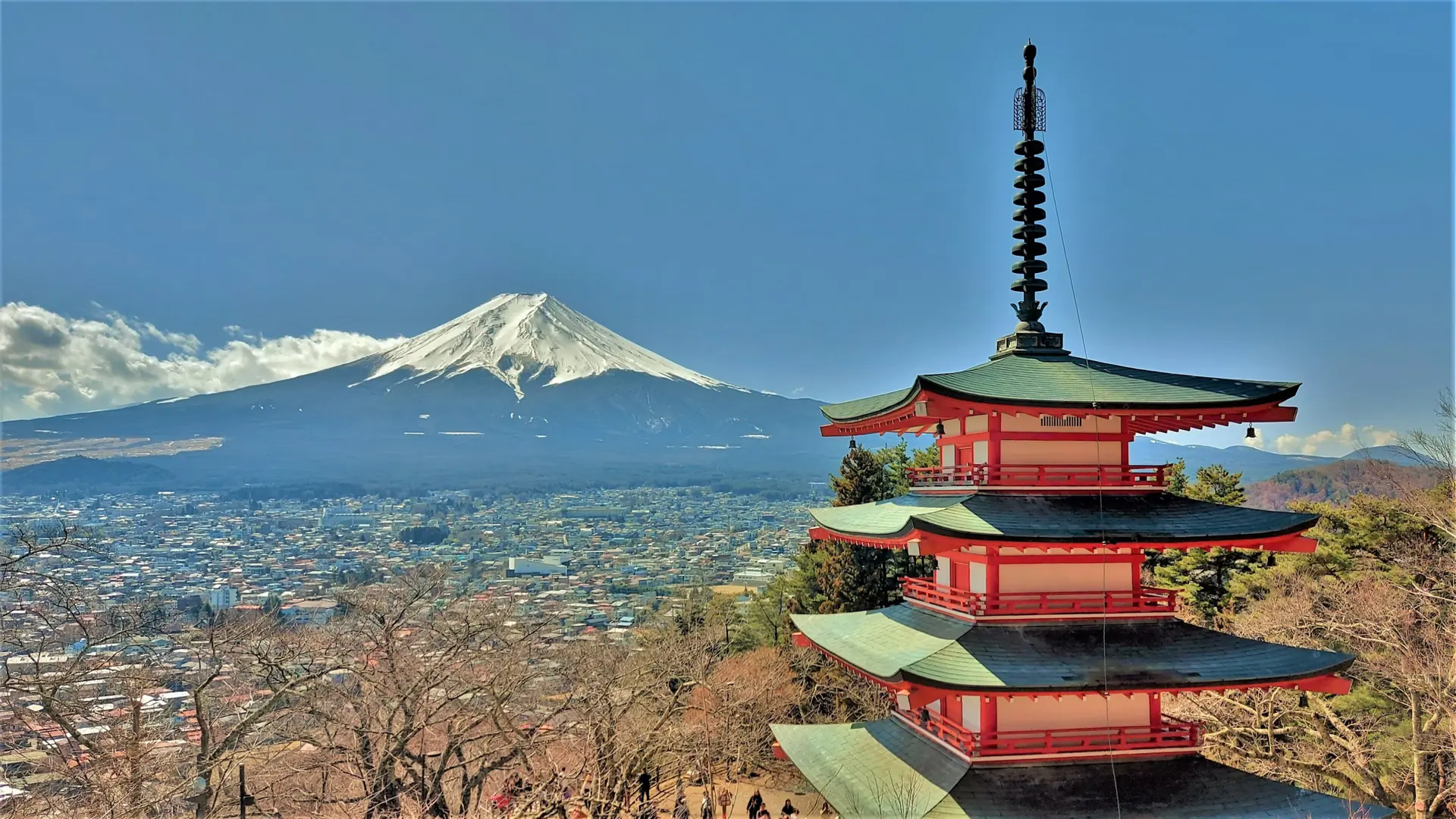
Compare Kyoto stays for temples, trains and quieter mornings

These hotel cards link to partner-supplied accommodation options. Prices, availability and ratings can change, so confirm details in the booking window before paying.

Search more hotels in Kyoto →
Search stays

Getting around

Reserve the long train, tap through the local network

Use operator booking for shinkansen and limited-express legs, then an interoperable IC card for most city journeys. The Tokaido corridor joins Tokyo, Kyoto and Osaka efficiently, but station names matter: Shin-Osaka is not the Umeda/Osaka centre, and some Kyoto sights still require a local transfer. Reserve seats when travelling with a group, during holiday peaks or with luggage needing designated space.

Calculate rail passes from the route you will actually take

Start with individual fares, not the assumption that every visitor needs a nationwide pass. Compare the official 2026 price against dated intercity legs and confirm train categories or supplements. Regional passes can fit a concentrated area better. If a Tokyo–Kyoto–Osaka plan does not break even, ordinary reserved tickets preserve choice without forcing unnecessary journeys inside a validity window.

Fly when the geography changes chapters

Domestic aviation is often the rational bridge to Sapporo, Naha or a distant Kyushu start. JNTO describes Tokyo–Sapporo flights at roughly ninety minutes versus a rail journey of about eight hours before local transfers. Compare city-to-city time, baggage rules and airport access, but do not spend a precious day on rail solely because the network is famous.

Use buses deliberately for heritage villages

Shirakawa-go is reached most practically by bus from Takayama or regional gateways, and some direct services require advance reservations. Rural timetables leave little recovery room after a missed connection. Sleep in the region, carry a light bag and confirm the last departure. A rental car can help in rural Hokkaido or Kyushu, but adds no value in Tokyo, Kyoto or Osaka.

Forward luggage across the awkward stop

Hands-free services can send bags between airports, hotels and certified counters, while station lockers handle shorter storage. Confirm size, weight, delivery timing and hotel acceptance instead of assuming same-day service. Forwarding the main case from Tokyo to Kyoto makes an intermediate ryokan or mountain stay easier and reduces pressure on local buses and crowded platforms.
Budget Snapshot

Moderate to high, with strong value in everyday meals and transport but sharp premiums for central Tokyo, Kyoto peaks, ski resorts and scarce rural inns.
Mid-May after Golden Week, parts of June, and winter weekdays outside New Year and snow resorts can price below blossom and autumn peaks.
Fukuoka, regional cities and business hotels near secondary stations often cost less than equivalent central Tokyo or Kyoto rooms.
Cherry-blossom and foliage peaks, Golden Week, New Year, major festivals and Hokkaido ski season create destination-specific pressure.
Price the route in yen before buying passes. Accommodation location, luggage forwarding and avoiding one unnecessary hotel change can matter more than the lowest nightly rate.

Mistakes To Avoid

  1. Do not schedule Tokyo, Kyoto and Osaka as one-night checklist stops; railway efficiency cannot replace time inside each city.

  2. Do not buy a nationwide Japan Rail Pass before comparing its 2026 price with individual tickets for your dated route.

  3. Do not promise yourself cherry blossoms or autumn colour on fixed dates; follow current regional forecasts without treating them as guarantees.

Explore Japan city guides

Compare hotel bases across other published city guides in Japan.

Explore routes through Japan

Choose a complete route with the stops, transport and overnight plan already mapped out.

What trip length gives a first journey through Japan room to breathe?

Ten days can support Tokyo and Kansai if bases stay stable. Fourteen days is more comfortable for Tokyo, Kyoto, Osaka and Hiroshima, or for one onsen or rural stop. Three weeks allows Hokkaido, Kyushu, Tohoku, the Alps or Okinawa to become a real second chapter rather than an airport photograph. Count nights and transfer time, not names on the map.
Is the Japan Rail Pass worth buying in 2026?

Only when eligible long-distance journeys exceed the pass price and fit its consecutive validity period. The official site lists a 2026 price change from October, so old calculations are unsafe. A standard Tokyo–Kyoto–Osaka trip may cost less with individual tickets. Compare the exact route, train types and supplements; regional products may suit a focused trip better.

Should you stay in Kyoto or Osaka?

Stay in Kyoto when early temple access, historic evening streets and several sightseeing days lead the trip. Stay in Osaka for food, nightlife, family attractions and late urban energy. Splitting the stay is worthwhile when both experiences matter; using Osaka only as a cheaper bed for repeated early Kyoto visits creates crowded commutes at the wrong hours.

Which Japanese season suits blossoms, foliage, snow or island beaches?

October and November or late spring outside the largest holiday peaks suit broad travel, but Japan has no single national weather window. Blossom and foliage move by latitude and elevation. Hokkaido has cooler summers and snow-focused winters; Okinawa is subtropical; August and September carry the greatest typhoon concern. Match the month to the selected region.

Can you travel around Japan without speaking Japanese?

Major stations, airports and urban transport are navigable with English signage, but rural services and small businesses may offer less language support. Keep destinations and hotel addresses in Japanese, learn basic courtesy phrases and avoid tight connections requiring complex explanations. An IC card simplifies many local fares, while reserved intercity tickets reduce uncertainty.

Do you need Visit Japan Web or a visa?

Visit Japan Web is the Digital Agency service for online immigration and customs procedures. It does not determine whether a passport requires a visa. Visa exemptions and 2026 eVisa availability depend on nationality and residence, so check the Ministry of Foreign Affairs and the Japanese mission responsible for your location before buying non-refundable travel.

Where can you experience traditional rural and samurai Japan?

Use different places for different histories. Kakunodate preserves streets and residences associated with samurai families. Shirakawa-go contains gassho farmhouses shaped by mountain life and silk production. Takayama retains merchant streets, while Magome and Tsumago were Nakasendo post towns. Overnight locally when possible and respect private buildings; these are communities, not interchangeable scenery.

Should Hokkaido or Okinawa be added to a first Japan itinerary?

Add one only when it matches the purpose and the schedule has enough nights. Hokkaido makes sense for powder, cooler summer landscapes or northern food; Okinawa for Ryukyu culture, coral coasts and island time. Both normally require a flight from the Tokyo–Kansai corridor. On a trip shorter than two weeks, they usually displace more than they add.

Been here? Share your experience