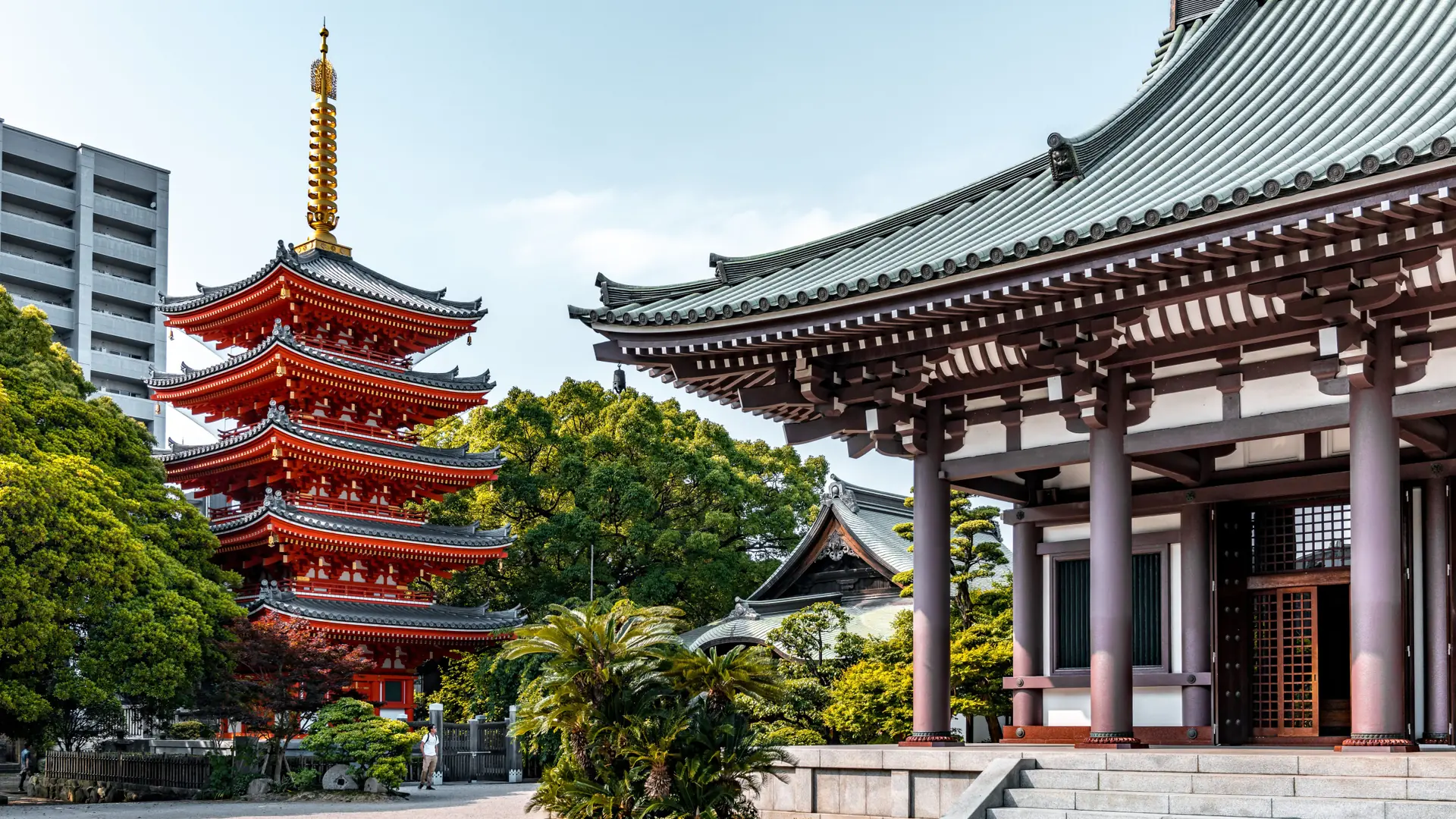
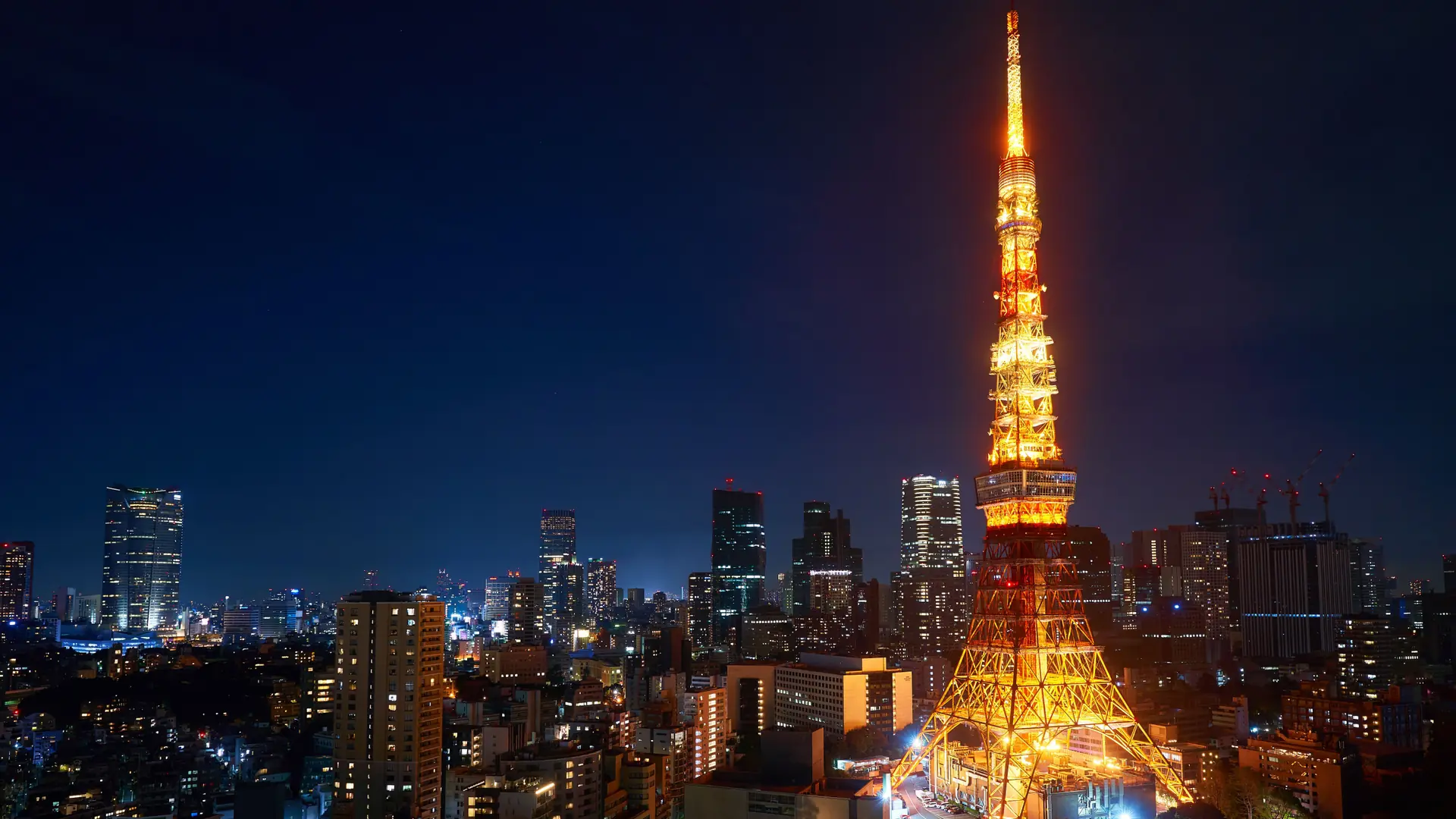
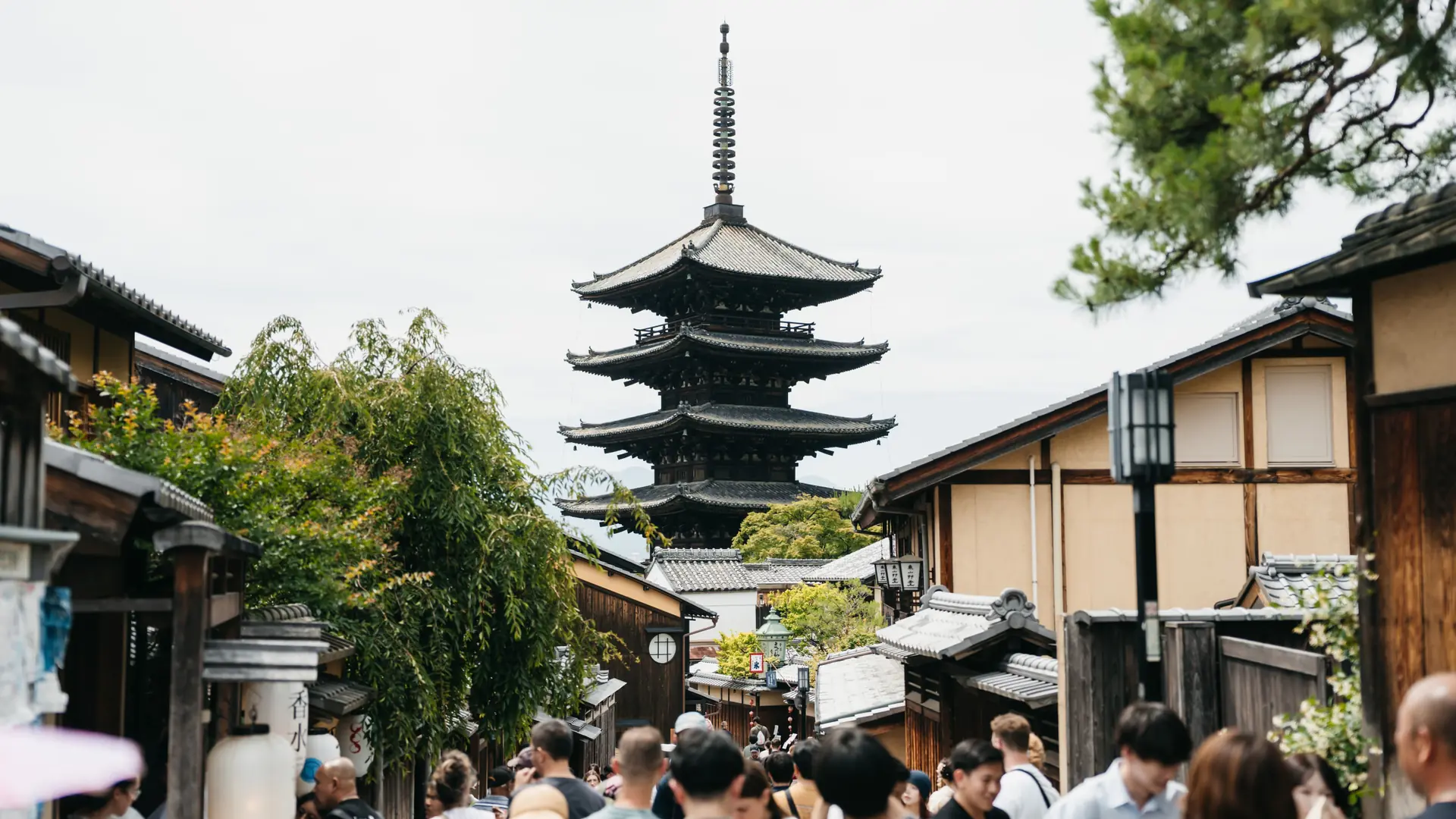
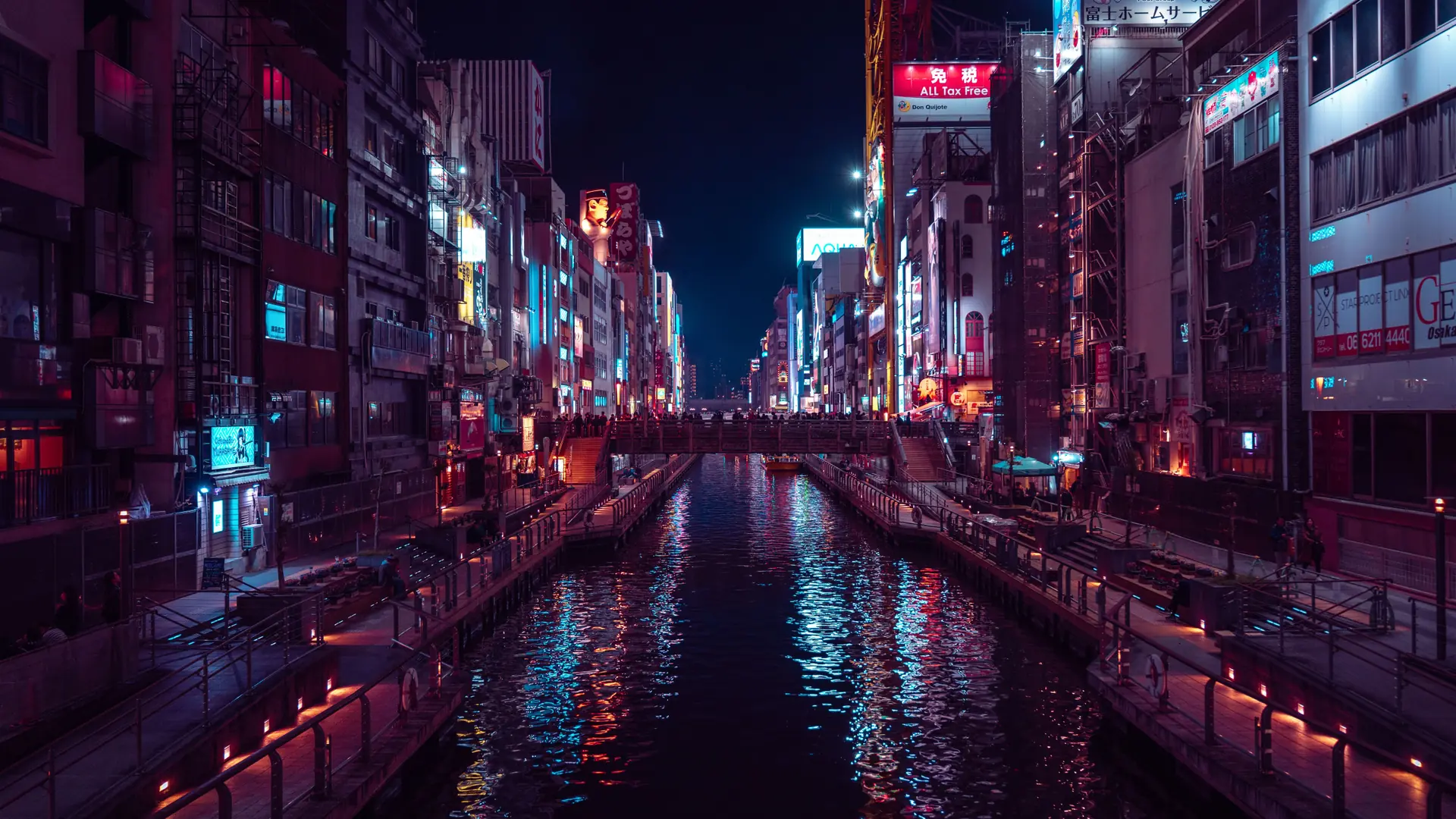
Seven days forces a choice: either understand two cities or sample three. This plan chooses the three-city version but removes the most common self-inflicted loss of time—returning to the airport where the trip began. Book an open-jaw flight into Tokyo and home from Kansai International Airport, then make only two hotel moves. The route follows the Tokaido corridor, so luggage forwarding and reserved rail seats can turn each transfer into a useful half-day rather than an endurance test.
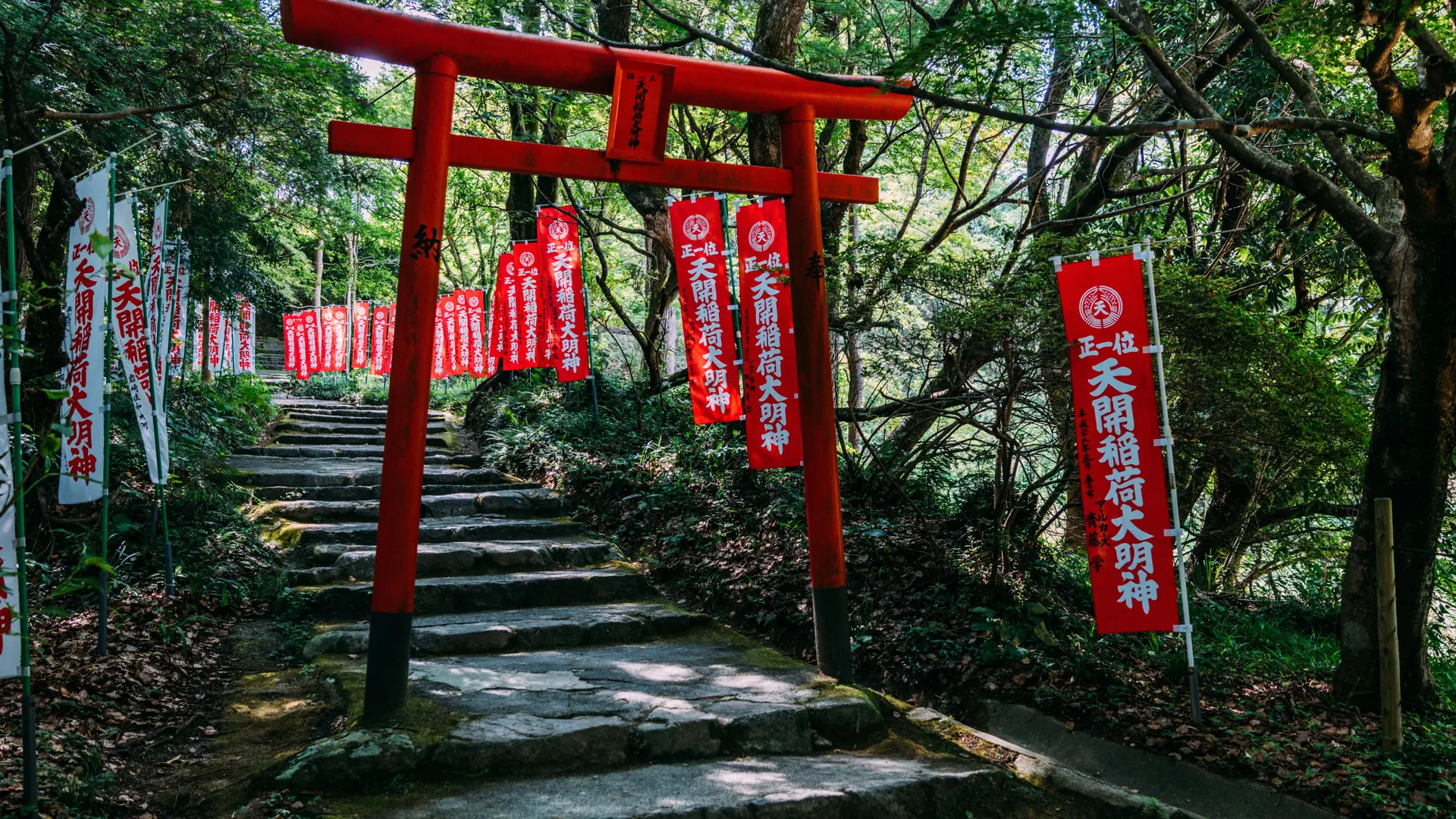
The night split is even, but the days are not interchangeable. Tokyo works as two district clusters: Asakusa, Ueno and Ginza on the older east side, then Meiji Jingu, Omotesando and Shibuya in the west. Kyoto needs protected mornings because Fushimi Inari, Kiyomizu and Arashiyama become fundamentally different experiences after tour groups arrive. Osaka earns the last two nights for food, nightlife and a short departure path to KIX; it is not treated as a hurried Kyoto side trip.
This itinerary suits travellers who will reserve the important rail segment and one or two timed attractions, but who do not want every hour ticketed. It deliberately leaves out Hakone, Hiroshima, Nara and theme parks. Adding any of them without adding nights would turn one of the three bases into little more than a station platform. If Mount Fuji or a ryokan is essential, use the ten-day route instead.