
Why Matsumoto stays in the route
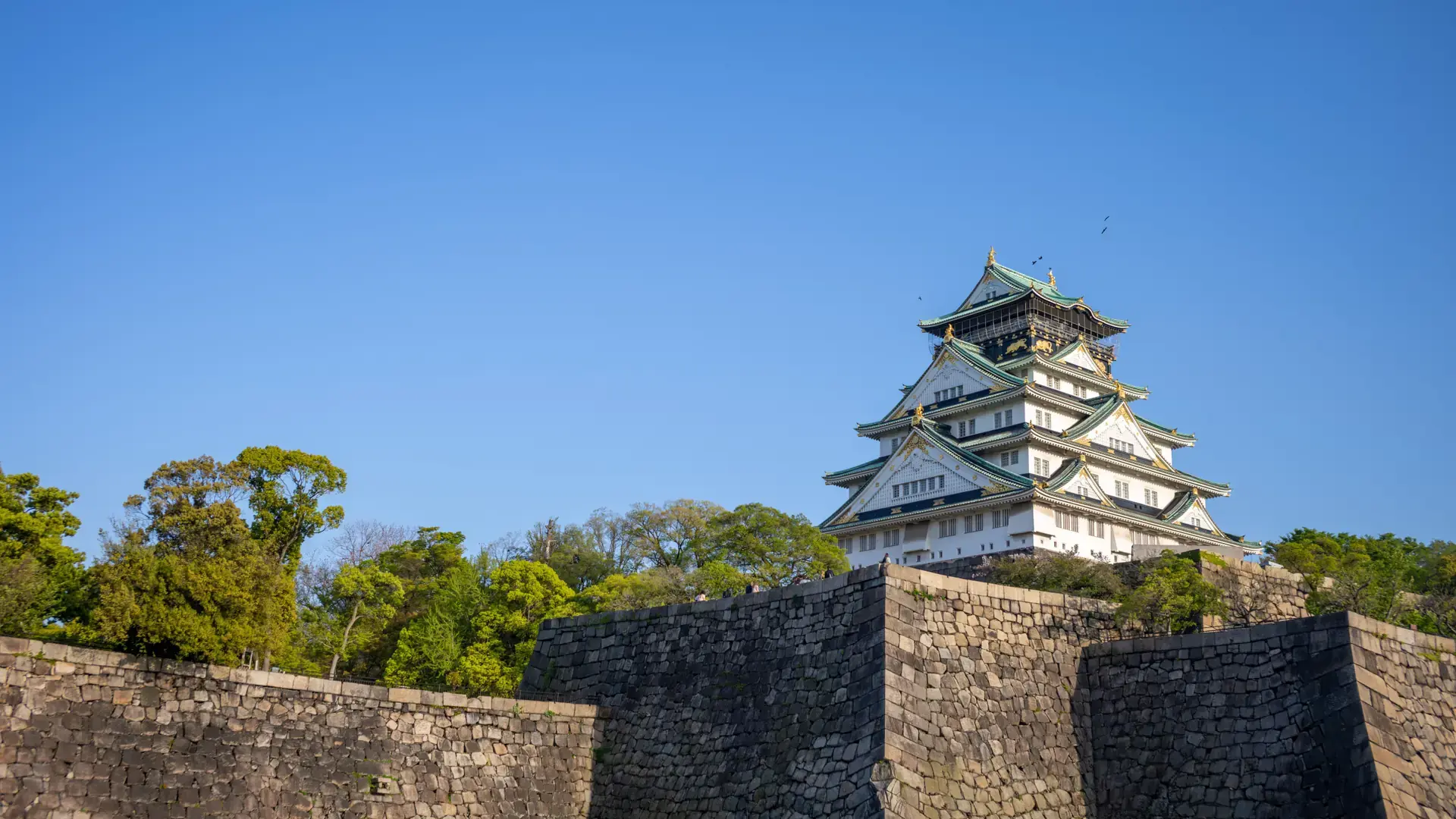
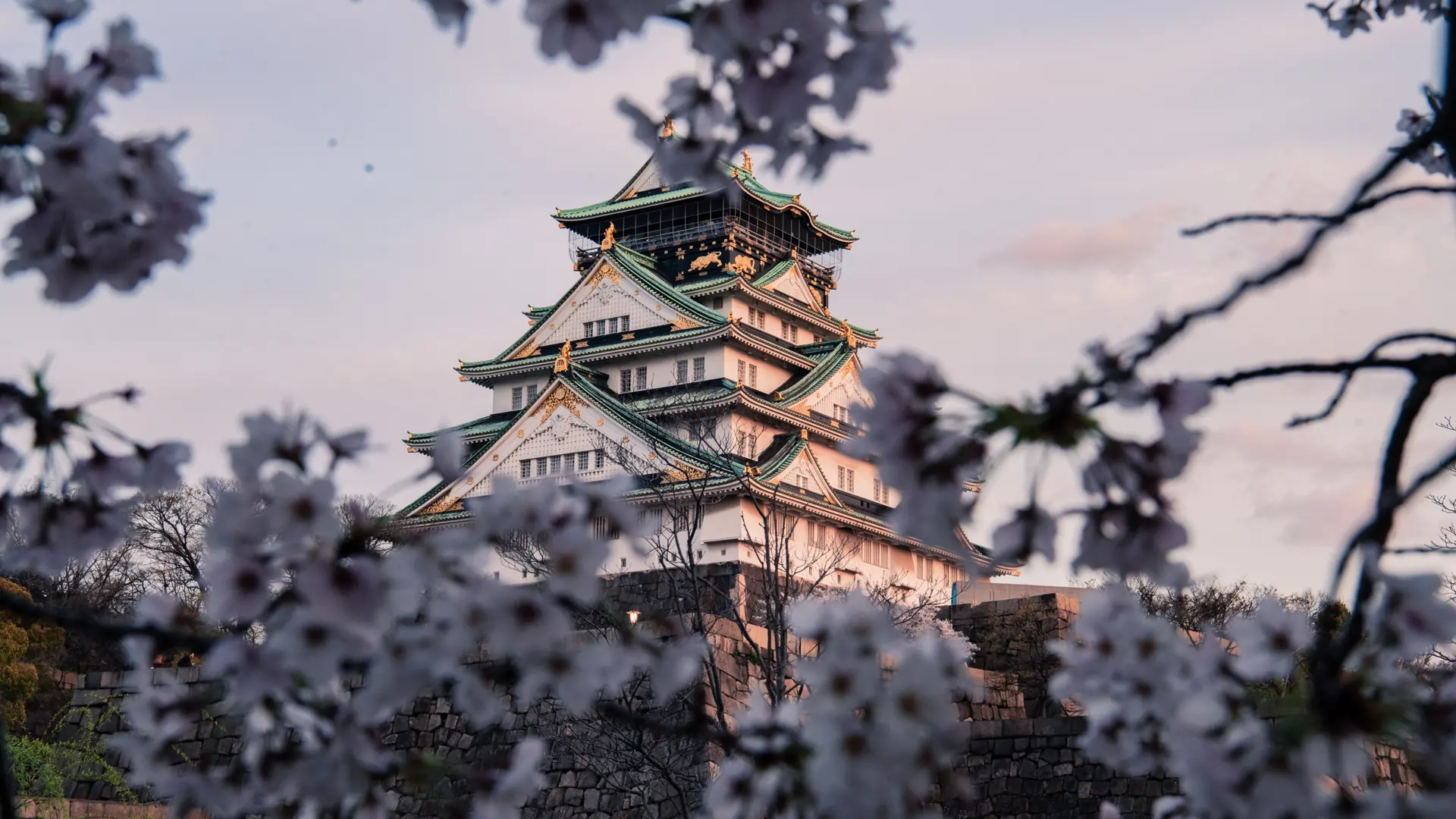
Matsumoto provides a castle, a compact evening and the practical launch point for the reserved bus into the mountains; one night keeps the crossing moving.
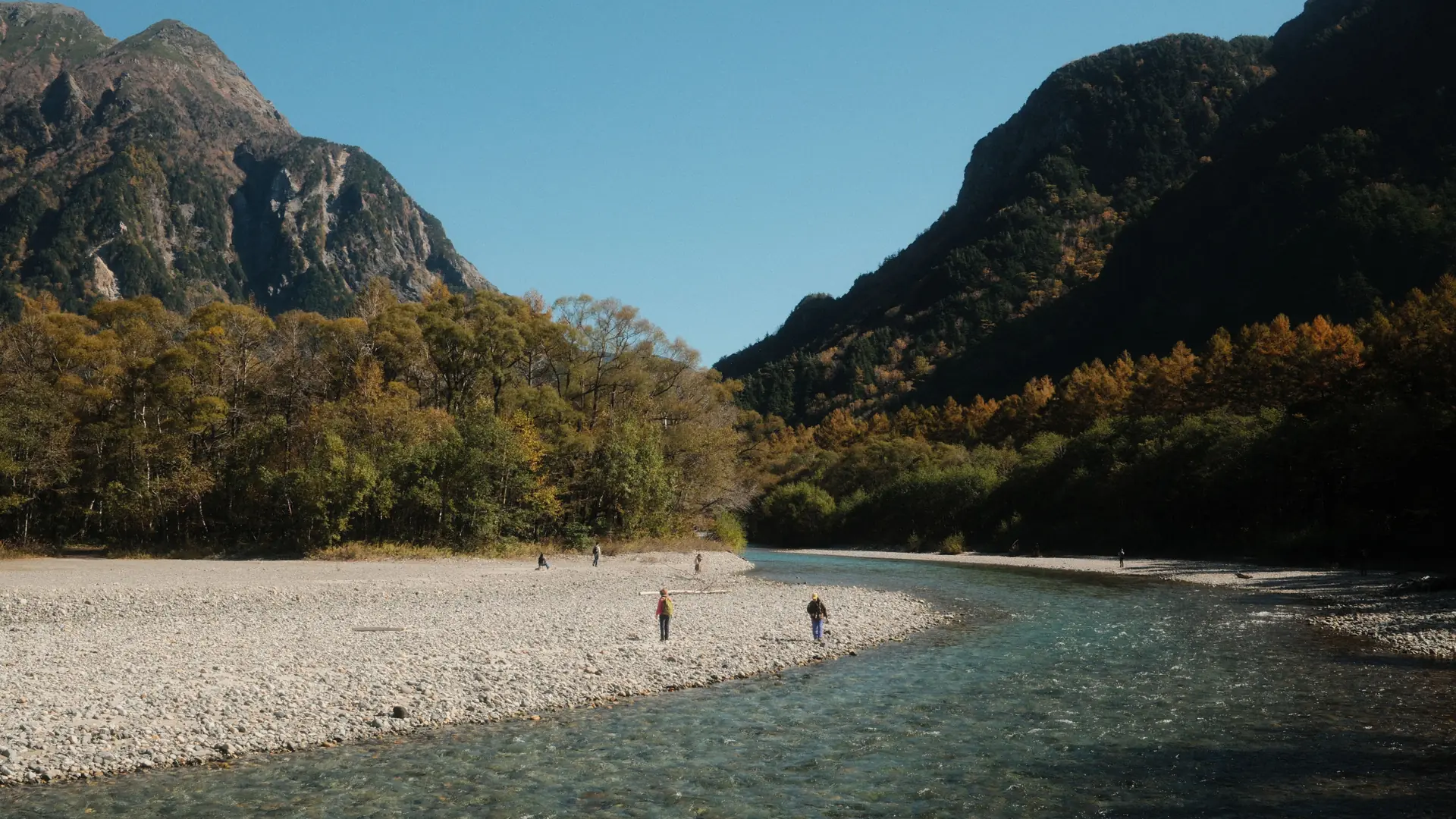
Two nights inside Kamikochi anchor a one-way mountain route, with Matsumoto, Takayama and Kanazawa serving distinct cultural chapters rather than quick transfers.
Seven days cannot cover every celebrated alpine corridor. This plan chooses Kamikochi as the landscape centre, reached from Matsumoto and exited toward Takayama. Kanazawa then supplies a refined two-night conclusion. The line is compact enough to understand, but rural enough that a missed bus matters.
The crucial move happens before travel: reserve Kamikochi lodging and the relevant bus segments, then send the full suitcase around the mountain section. Inside the valley, walking pace, weather and trail condition dictate distance. A private guide can add ecology or hiking judgment, but nobody should sell access beyond official closures.
The Tateyama Kurobe Alpine Route is not silently bolted onto this itinerary. It uses different transport, reservations and a full day of its own. Travellers who prioritise its cableways and high plateau should substitute it deliberately and add time; combining both alpine anchors in one week would turn scenery into queues.
Footwear should match valley paths and rain rather than technical ambition. Keep the two-night bag light, tell the lodge about dietary needs early and learn where outdoor clothing can dry. Sleeping inside Kamikochi costs more than staying outside, but it purchases the hours after buses leave and before they return. That is a concrete benefit. It also lets the full walking day shrink safely if cloud, heat or fatigue changes the objective.
An in-valley lodge purchases quiet hours after the final day visitors leave. Use them for a short river walk, weather reading and an early meal, not as permission for a late unsupported hike. That calm is the tangible return on the higher room cost. It also makes tomorrow’s weather decision informed rather than hurried.
The route also asks for honest walking categories. A riverside stroll, a long valley walk and a mountain objective are not interchangeable because all appear scenic in photographs. State the group’s distance, elevation, surface and exposure comfort when briefing a guide. If mobility is limited, verify castle stairs, bus boarding and lodge access individually; a general accessible label cannot settle four different environments.
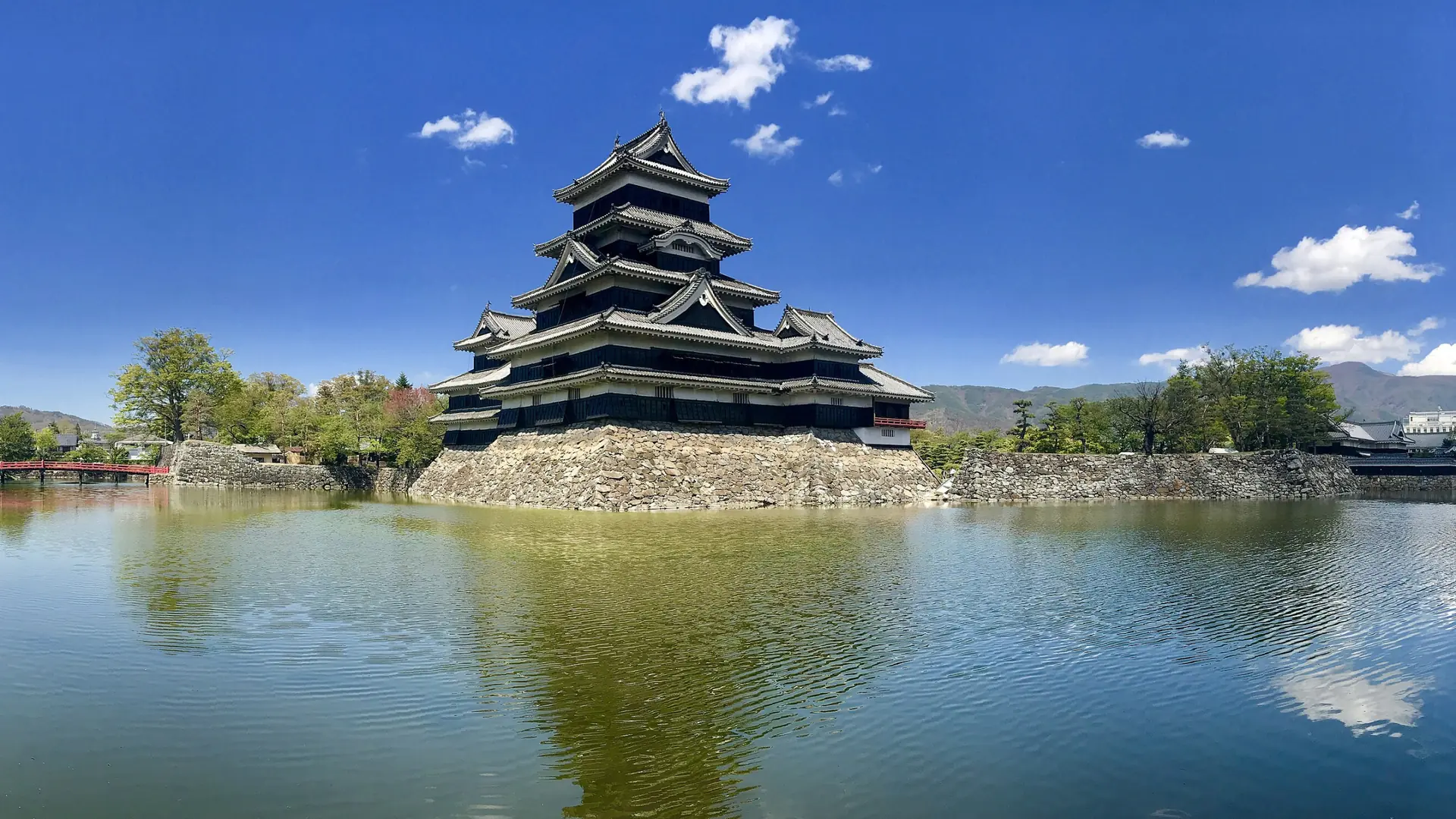
Matsumoto provides a castle, a compact evening and the practical launch point for the reserved bus into the mountains; one night keeps the crossing moving.
Two nights inside Kamikochi turn the valley from a transfer corridor into the centre of the route, allowing one complete walk chosen for actual conditions and ability.
Takayama supplies the human-scale old town, regional food and a restorative night between the protected valley and Kanazawa's more polished cultural scene.
Best for
Think twice if
Winter visitors, technical mountaineers or travellers needing a fully step-free journey; Kamikochi has a seasonal operating window and variable paths.
StartBooker answer
Use one night in Matsumoto, two in Kamikochi, one in Takayama and two in Kanazawa. Reserve the mountain buses and Kamikochi lodging before anything else, carry a small alpine bag and forward the main suitcase to Kanazawa. Two nights in the car-free valley protect a full walking day and weather alternative. The route is seasonal: verify opening dates, trail information and every rural timetable rather than copying last year’s connection.
Matsumoto supplies the gateway night, Kamikochi gets a full day and quiet evening in the valley, Takayama breaks the mountain crossing, and Kanazawa rewards the final two-night stay.
4 stops · swipe
 1
1
An original castle, art and the eastern mountain gateway
Arrive early enough for the castle and a compact city evening, with mountain luggage already separated. The gateway night protects the first reserved bus without pretending Matsumoto can be explored in depth.
Watch out: Castle entry and stairs require current access planning.
 2
2
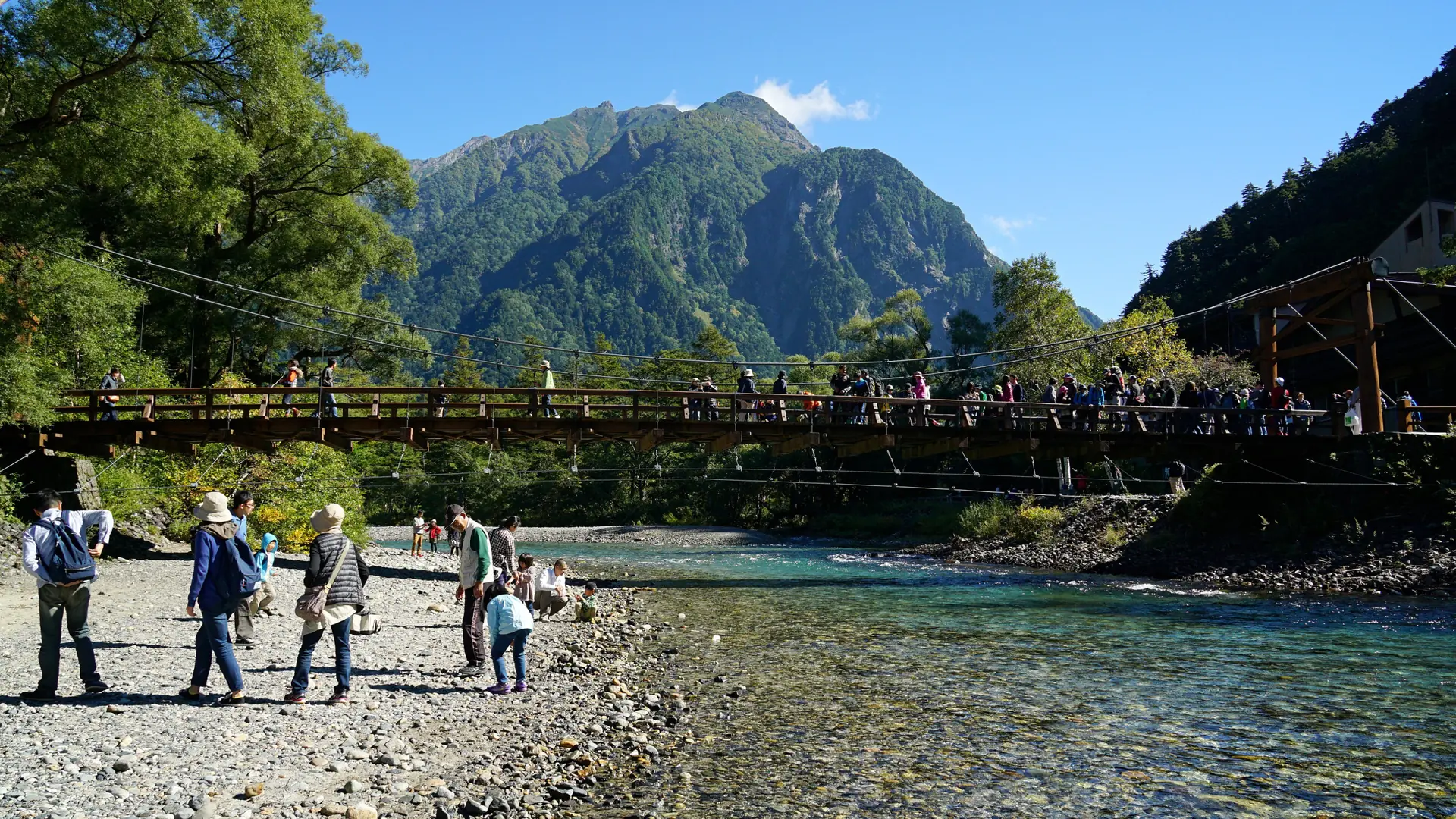
Car-free valley walks, river landscape and alpine ecology
Stay inside the valley, using arrival for a short riverside orientation and the full day for a route matched to conditions and ability. That complete day justifies the extra logistics and reveals more than the crowded bus-terminal circuit.
Watch out: The season, trails and bus access change; private cars cannot enter.
 3
3
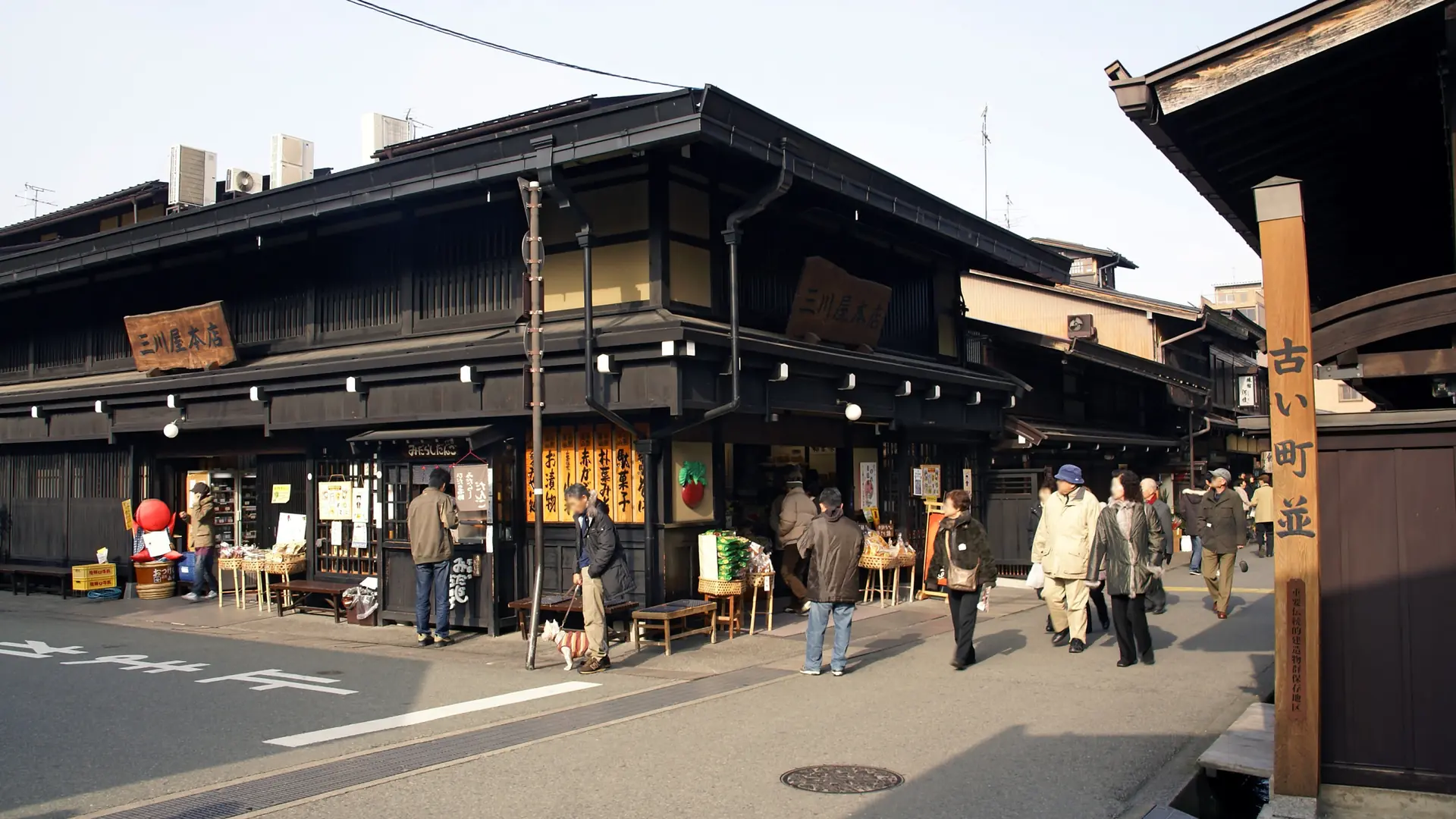
Merchant architecture, sake and Hida food
Concentrate on the old town, one historical collection and dinner rather than adding Shirakawa-go. An evening and morning are enough to mark the transition from alpine landscape to merchant culture.
Watch out: One night demands an early arrival and a protected bus onward.
 4
4
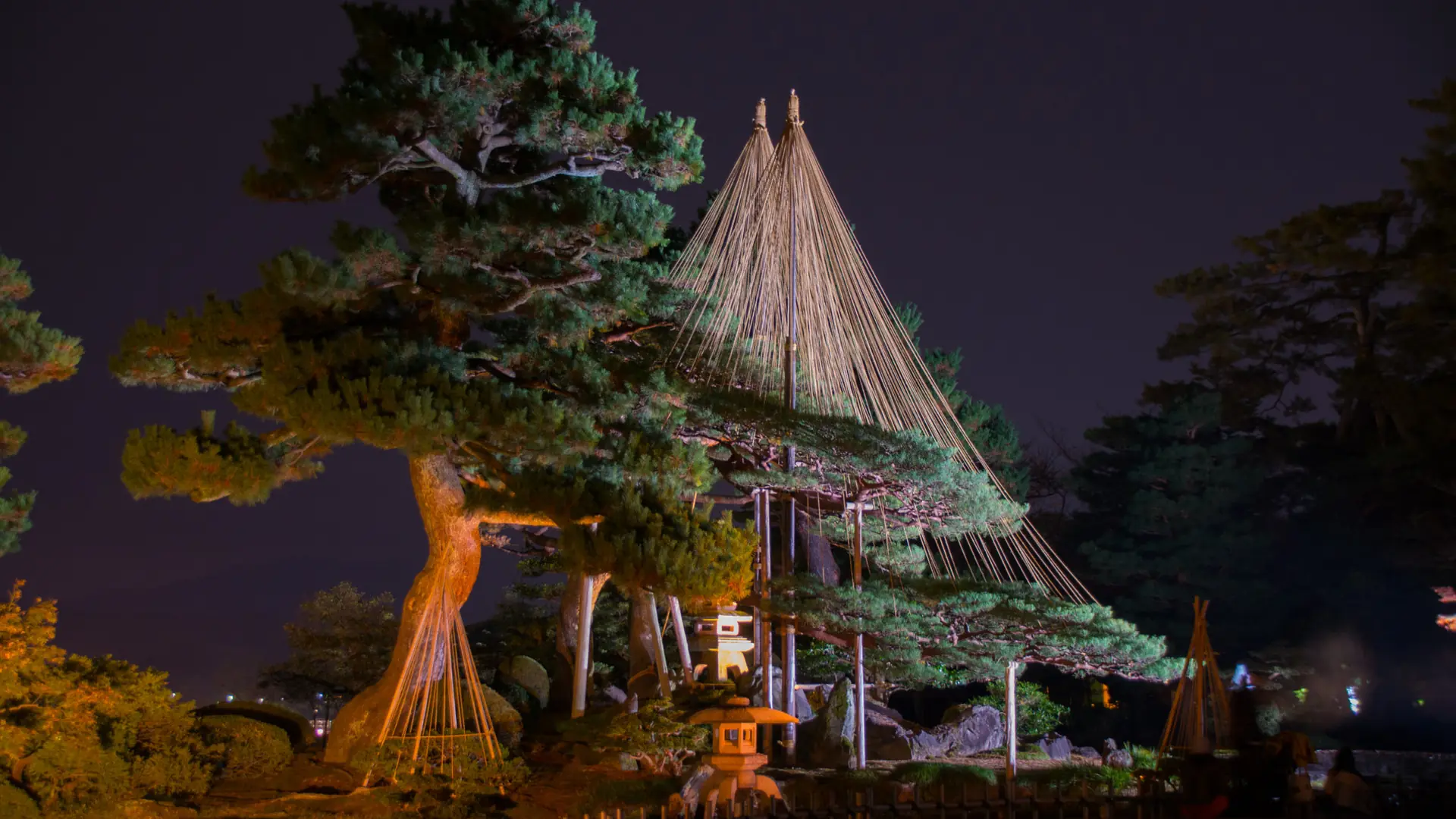
Garden design, crafts, contemporary art and seafood
Rejoin the main luggage and spend the full day between Kenrokuen, one collection, one craft subject and an evening district. Two nights make Kanazawa a genuine cultural finale instead of an exit platform.
Watch out: Museums close on different days and the market is morning-led.
Read the Kanazawa guide →This is a true crossing rather than a set of return excursions. The mountain buses between Matsumoto, Kamikochi and Takayama are the route’s narrow joints, so their operating dates and departure times define what the day can hold. Send large cases around the mountains and pack one compact overnight bag; that single choice makes the bus changes, lodge arrival and riverside walking markedly calmer.
Morning: arrival early enough for castle opening hours. Midday: the keep, museum or a focused city-art choice. Later: packing the two-night Kamikochi bag. Confirm tomorrow’s platform and store or forward the main case. The gateway’s heritage belongs before the mountain schedule tightens. Matsumoto Castle is not merely a black exterior: the historic interior uses steep stairs and controlled circulation. Read the current access notes before promising the keep to anyone with limited mobility. A ground-level moat circuit and the city art museum can form a credible alternative rather than an apology.
Base: Matsumoto
Morning: the Matsumoto-area mountain connection. Midday: hotel check-in and a short Azusa River orientation. Later: an early dinner and trail discussion with staff. Do not turn arrival afternoon into an unsupported long hike. The first walk reads conditions for tomorrow’s larger choice. The main suitcase should already be moving toward Kanazawa or held under a confirmed arrangement. Inside Kamikochi, private cars do not solve access. Carry rain protection, warm layers and only the possessions required for two nights, keeping both hands free on wet boarding areas.
Base: Kamikochi
Morning: the official trail and weather report. Midday: a valley route suited to fitness, surface and daylight. Later: a second quiet lodge evening. Carry water, layers and turnaround discipline even on popular paths. Two nights remove the pressure to force distance through poor conditions. Choose distance after speaking with lodge staff and reading current notices. The popular riverside terrain can still be cold, muddy or crowded, while longer paths require daylight and sound turnaround judgment. A naturalist guide adds ecology and observation; a hiking guide adds route and safety competence. Book the expertise actually needed.
Base: Kamikochi
Morning: a final short riverside walk before checkout. Midday: the reserved bus via the current operating route. Later: Takayama old town and Hida dinner after arrival. Mountain connections are not interchangeable with urban frequency. A protected transfer still leaves the timber streets an evening. Hirayu is a transport junction, not guaranteed spare sightseeing time. Know whether the ticket is through, where bags transfer and how much connection margin exists. On arrival in Takayama, walk only the preserved centre; a distant viewpoint adds little after several hours of mountain transport.
Base: Takayama
Morning: the market and preserved streets before shops become busy. Midday: the booked route toward Kanazawa. Later: Omicho or a compact evening near the hotel. Skip an extra village unless it replaced, rather than supplemented, the morning. The route keeps cultural depth while reaching the final base. Morning markets reward an early circuit, but they do not justify missing a reserved bus. Return to the hotel with a written buffer, collect the small bag and verify the exact bay. If travelling by rail instead, understand that the map may conceal a much longer route through Nagoya or Toyama.
Base: Kanazawa
Morning: Kenrokuen near opening. Midday: one museum and one craft or market subject. Later: a chaya district after the busiest hours. Check individual museum closing days before assigning the sequence. Garden, collection and working craft offer different forms of precision. Kenrokuen should lead because its designed views are easier to read before groups build. Pair it with one institution whose collection genuinely interests you, then use a craft appointment to connect historical technique with current work. Omicho is best treated as a functioning market with considerate eating, not a photo set.
Base: Kanazawa
Morning: a local breakfast and luggage collection. Midday: the onward rail service to Tokyo, Kyoto or an airport. Later: a generous connection at the departure hub. The Tateyama route cannot be added to this morning. A clean exit preserves the week’s one deliberate mountain anchor. Choose the exit before booking the incoming flight pair. Kanazawa connects differently toward Tokyo and Kansai, and an international departure may need an additional airport night. Leave the Alpine Route for another itinerary: its cableways, buses and seasonal reservations constitute a full operating system of their own.
Base: Kanazawa
Reserved mountain buses are the route’s narrowest joints. The main suitcase should travel around the car-free valley while the traveller crosses it with one small overnight bag.
3 transfers
Matsumoto Kamikochi
Use the seasonal public route via Shin-Shimashima or a listed direct service; private vehicles cannot enter Kamikochi.
Booking note: Reserve where required and verify the operating calendar.
Kamikochi Takayama
Travel through Hirayu Onsen on the current mountain bus network.
Booking note: Check both sectors and the connection rather than assuming a through vehicle.
Takayama Kanazawa
Use a reserved direct bus where suitable or price the longer rail alternative.
Booking note: Seats and seasonal demand make advance confirmation important.
Confirm seasonal opening dates, bus reservations, luggage delivery and the final Kanazawa rail connection with the named operators before setting out.
An in-valley Kamikochi lodge is the decisive expense because it creates quiet evening and early-morning access while removing a same-day bus return. Luggage forwarding protects the rural transfer, and a qualified guide is worthwhile when the chosen walk exceeds the group’s independent experience. Elsewhere, favour position over ornament: a practical Takayama base supports the morning market, while Kanazawa accommodation should make the final gardens, craft districts and departure straightforward.
Booking tips
Compare live stays in Kanazawa after fixing the route dates and the first appointment each morning.
The stored coordinates show a true one-way crossing and make clear why luggage should travel around, not through, the mountain section.
Kanazawa
Four bases keep the crossing linear while protecting the experiences that justify it: Matsumoto’s castle quarter, an early trail start in Kamikochi, Takayama’s old town after day visitors leave, and a proper final morning in Kanazawa. Treating Kamikochi as a rushed transit stop makes the mountain day answer to bus timetables; adding another overnight would cost the route its calm finish.
Do not assume so. Kamikochi is reached by bus rather than JR rail, and the Hida section also mixes operators. Price the actual intercity trains and reserved buses first, then compare that total with the pass price and its restrictions. Point-to-point tickets often preserve more choice on a route whose hardest connections are not covered by a national rail product.
Send the large case from Matsumoto to the Takayama or Kanazawa hotel and enter Kamikochi with a small overnight bag. Confirm the receiving property, delivery date and latest acceptance time before dispatch. Carry medication, documents and weather layers yourself because forwarding is not a same-day substitute for essentials.
A guide earns the fee in Kamikochi when the group wants a longer walk, natural-history interpretation or a weather-aware alternative—not simply directions along the main riverside path. In Takayama or Kanazawa, reserve expertise for a specific craft, food or architecture interest and agree the desired outcome before booking.
Keep the full Kamikochi walking day flexible. Trail state, rain, temperature, daylight and the group’s condition determine the correct distance.
Book the valley stay and limited buses first, then Matsumoto, Takayama and Kanazawa hotels around that fixed mountain window.
Reviewed by StartBooker editorial Japanese Alps route editor
Last checked 2026-09-13
How this route was checked: Fifteen records across ten publishers were reviewed. Destination and operator pages control seasonal access, bus and visitor rules; two independent route publishers were used to stress-test pace and exclusions.
16 references reviewed
Photos provided by Pexels.
Choose a complete route with the stops, transport and overnight plan already mapped out.
Which stop deserved its night count?

.jpeg)

