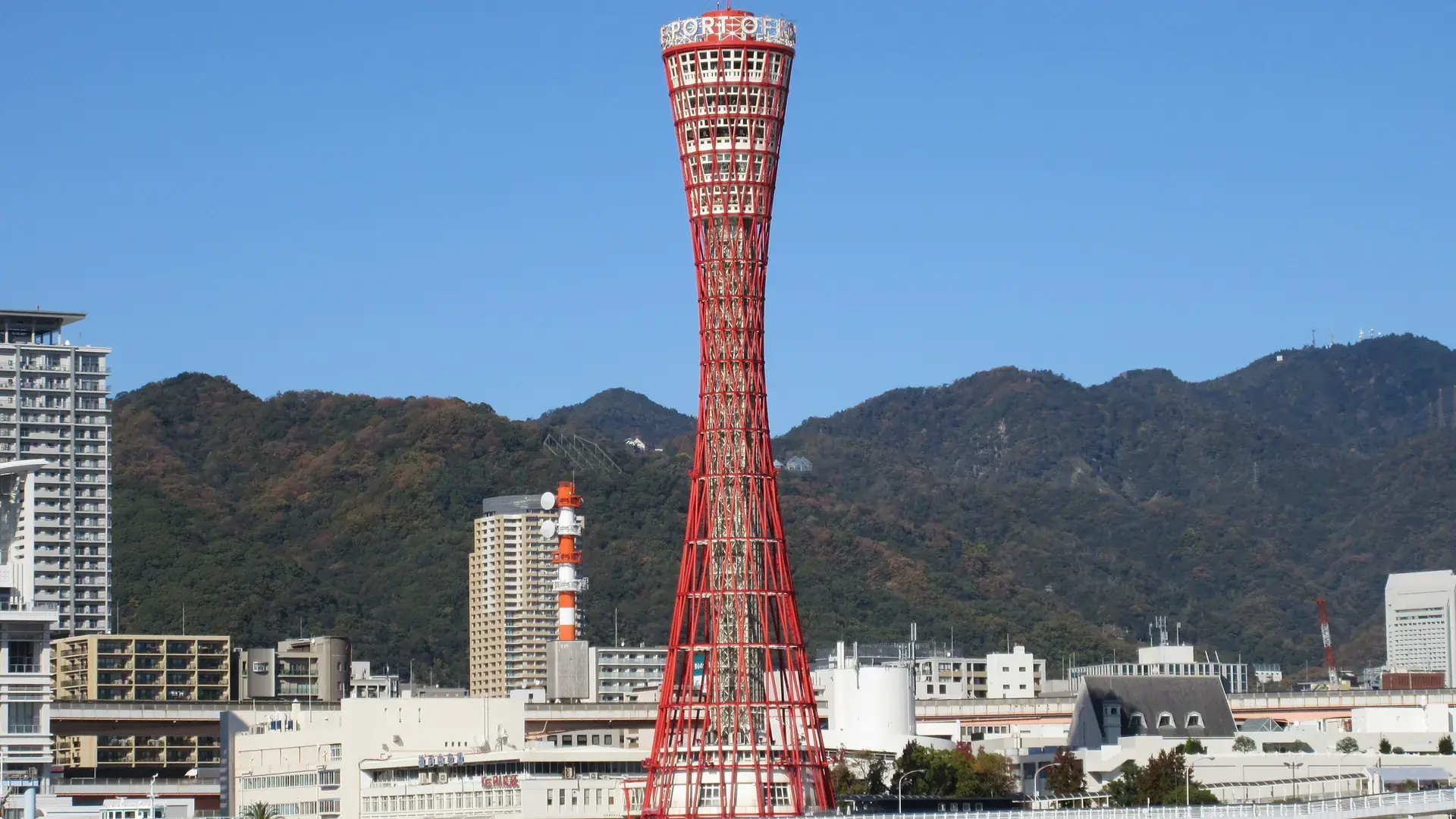
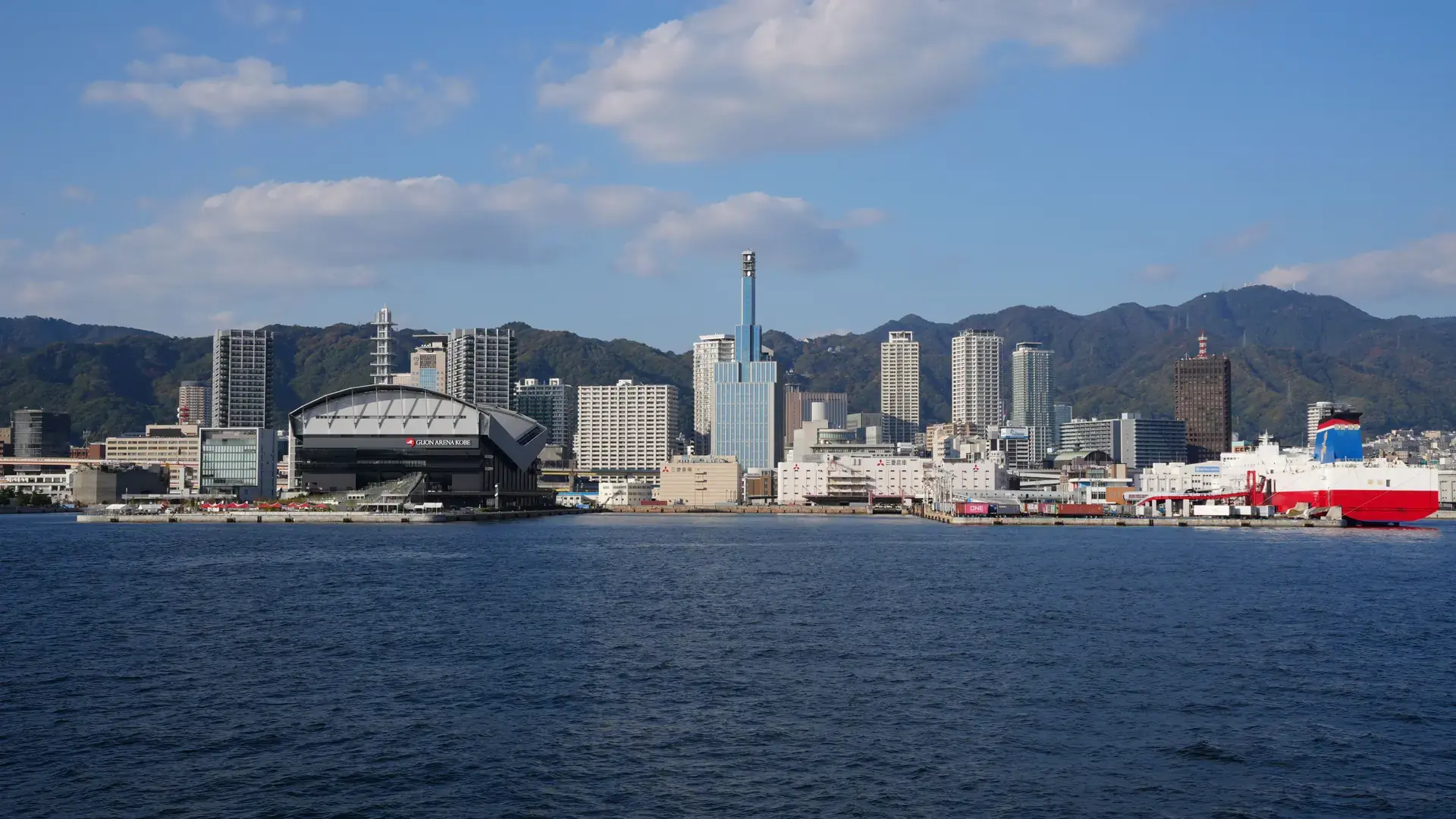
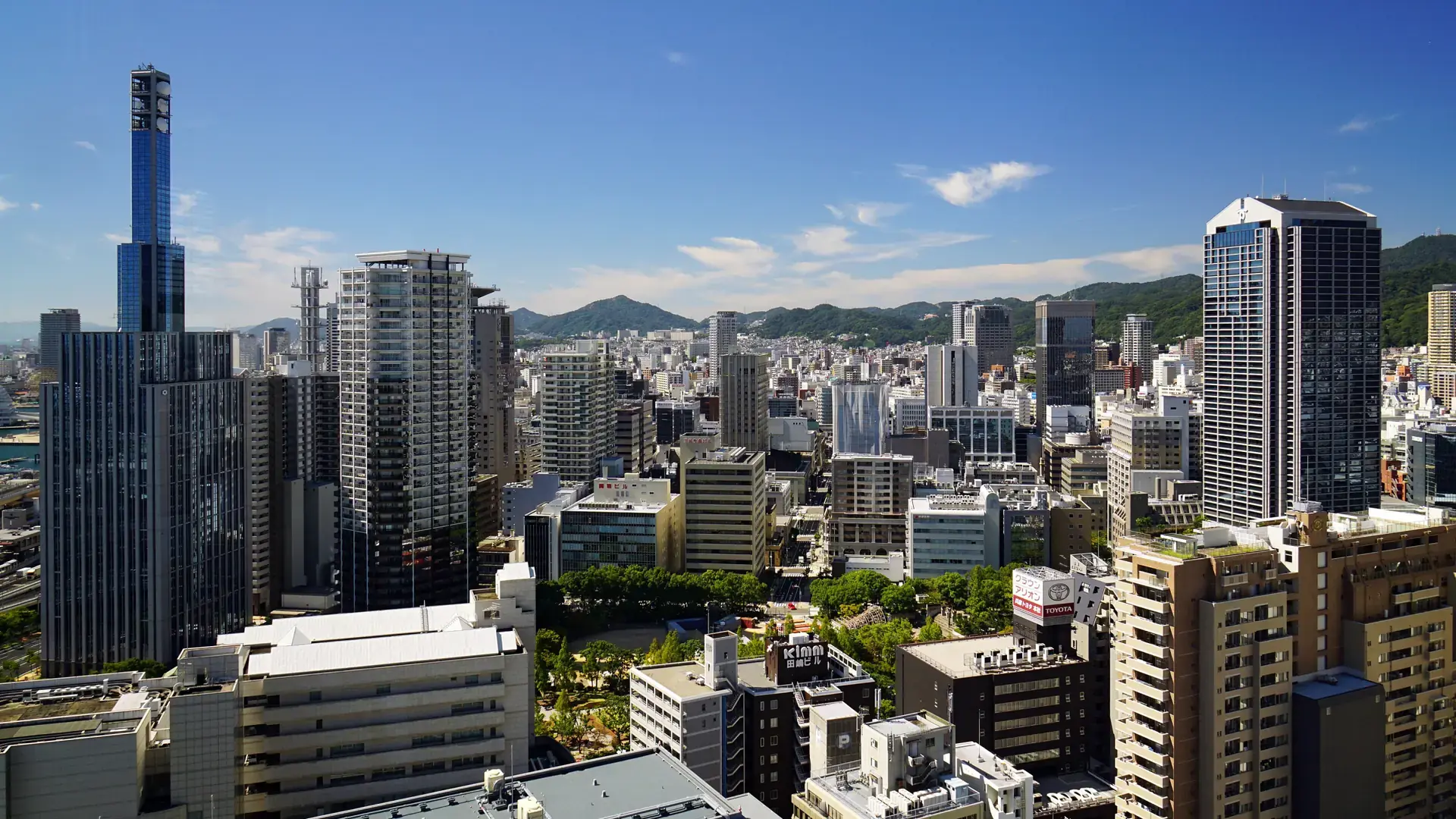
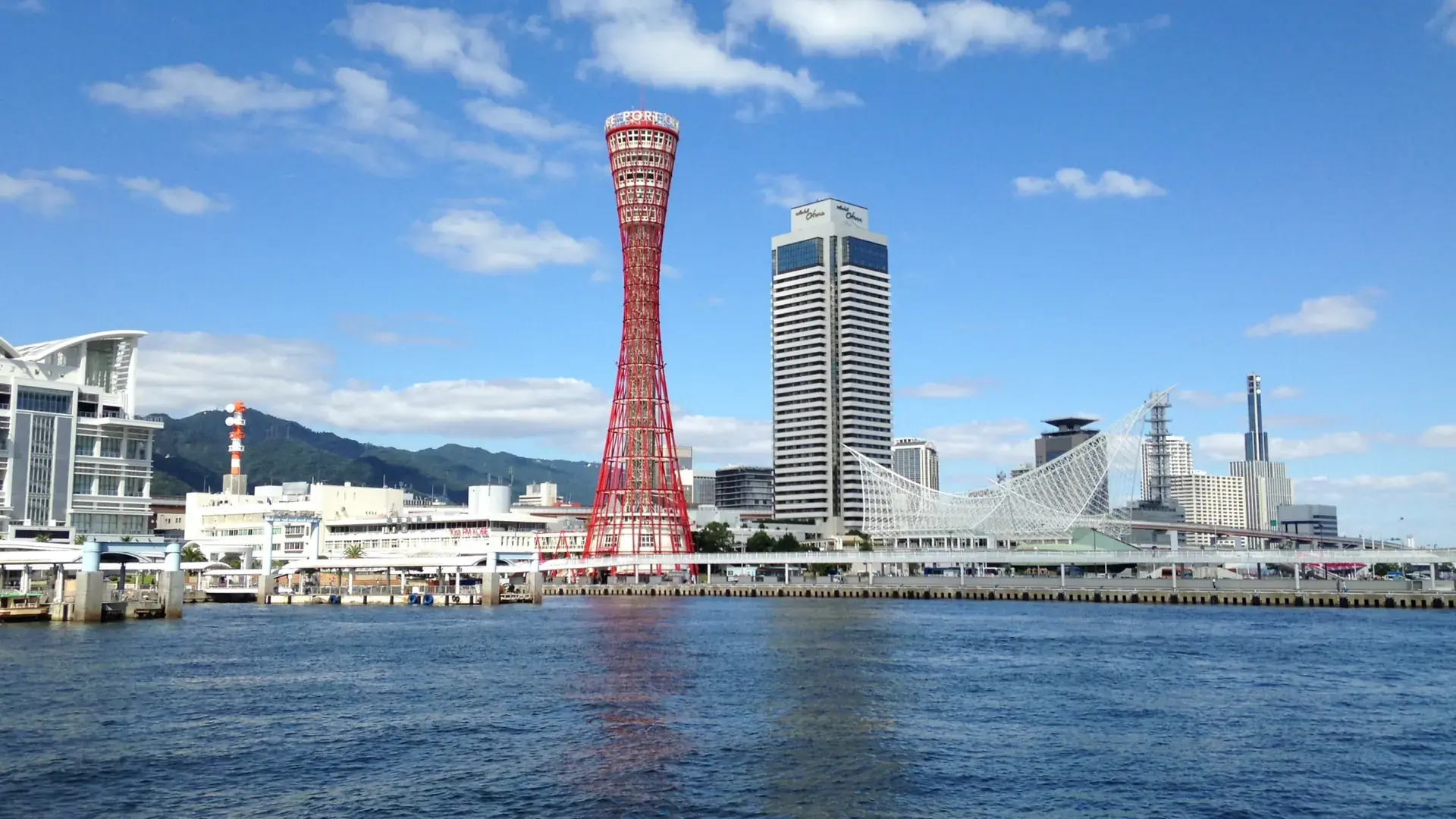
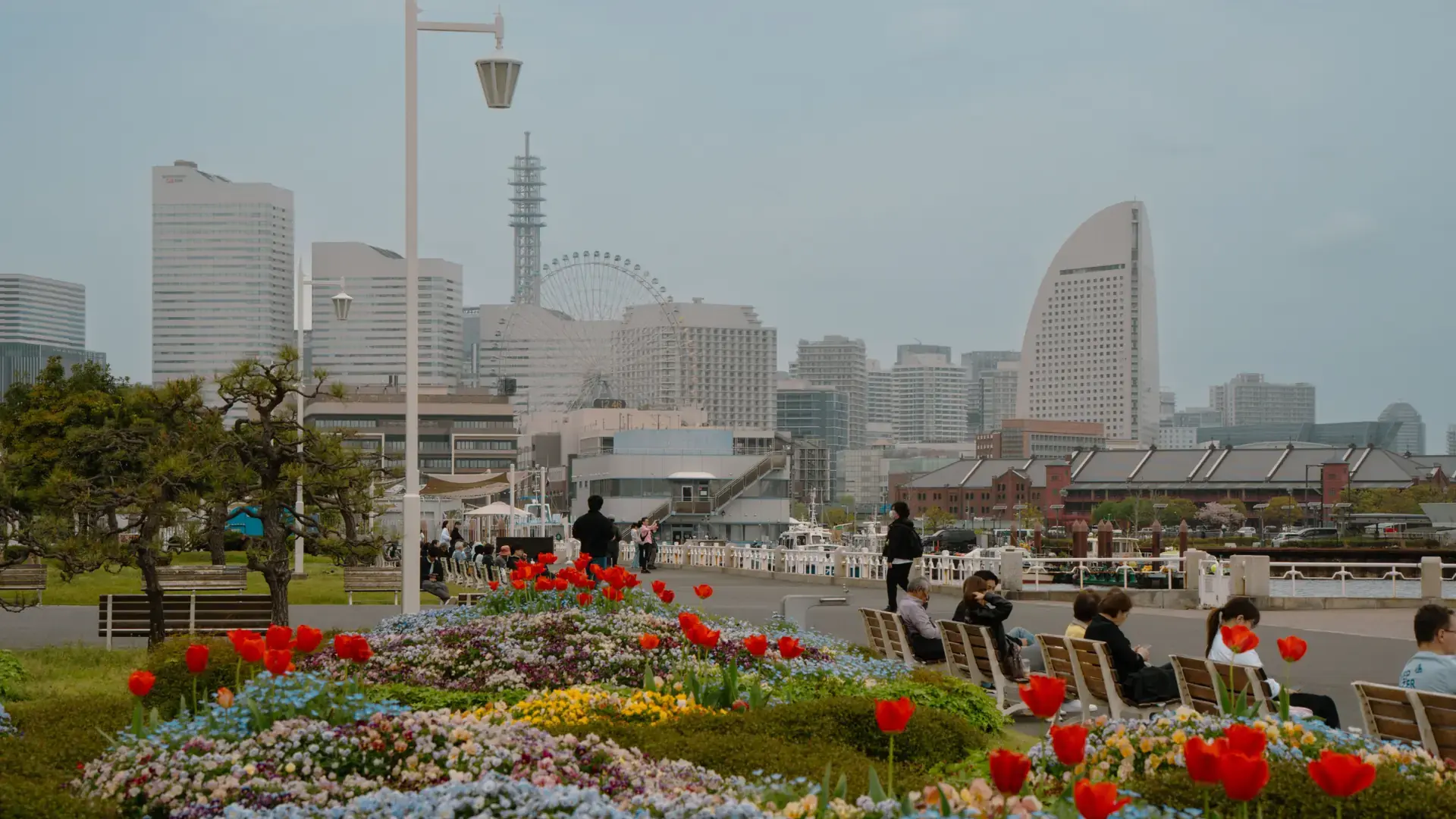
Kobe Port Tower, bright waterfront and blue harbour framed by the Rokko Mountains on a clear day

Where to stay in Kobe for harbour views and Arima onsen

Loading Kobe hotel search

Kobe is compact along the coast, but the mountain and hot-spring choices are real transfers

Use Sannomiya when the itinerary mixes food, rail and several districts. Sleep beside Harborland for a scenic family or couple's night, near Shin-Kobe for an early bullet train, or in Arima for a full ryokan experience. The name Kobe does not make these addresses interchangeable.

First city stay Sannomiya

It keeps Osaka, central Kobe, the airport and mountain approaches available without committing to one mood.

Harbour evening Harborland and Meriken Park

Port Tower, waterfront paths and illuminated facades are strongest when the return train is not rushing dinner.

Shinkansen morning Shin-Kobe

Stay north only when the train, Kitano or Nunobiki carries more weight than nightlife.

Onsen decision Day visit or overnight

Day bathing is possible, but a ryokan night protects dinner, multiple baths and the quiet after visitors leave.

StartBooker answer

Is Sannomiya, Harborland or Arima Onsen the better Kobe base?

Stay around Sannomiya for the easiest first Kobe visit: JR, Hankyu, Hanshin, subway, buses and Port Liner routes meet near the city's broadest dining and shopping choice. Harborland is better for a quiet waterfront night, while Motomachi puts Nankinmachi and the Former Foreign Settlement close. Choose Shin-Kobe for the Shinkansen and Kitano hills, or sleep in Arima Onsen only when a ryokan and hot-spring evening are central to the trip.

Best all-round base
Sannomiya
Best waterfront stay
Harborland
Best historic atmosphere
Kitano or Motomachi
Best restorative night
Arima Onsen
AI-powered

Build Kobe from sea level upward

Add your airport or Shinkansen arrival, luggage, Kobe beef reservation, mountain plan, brewery visit and onsen preference; the planner can decide whether to stay on the central east-west rail axis or make a deliberate overnight move.

Eight Kobe bases from port lights to mountain hot springs

Kobe's narrow coastal centre feels compact, yet elevation and the far side of Mount Rokko create meaningful hotel trade-offs.

bright Sannomiya city centre with pedestrians, modern towers and mountain slopes

Sannomiya

first visits, transport, dining and flexible itineraries

Book here when the trip combines airport, harbour, mountain and Kansai day journeys.

Sleep: lively; upper inward-facing rooms work better around bar streets.

First visit Transport Food

Match the hotel to the exact operator, exit and luggage route used on arrival.

Kobe Harborland's red Port Tower, Ferris wheel and sparkling blue waterfront in sunshine

Harborland and Meriken Park

waterfront views, couples, children and evening walks

Stay here when waking beside the port is the reason to choose Kobe.

Sleep: generally calmer, with event and cruise exceptions.

Waterfront Families Views

Check whether the room faces the harbour, railway or an internal mall side.

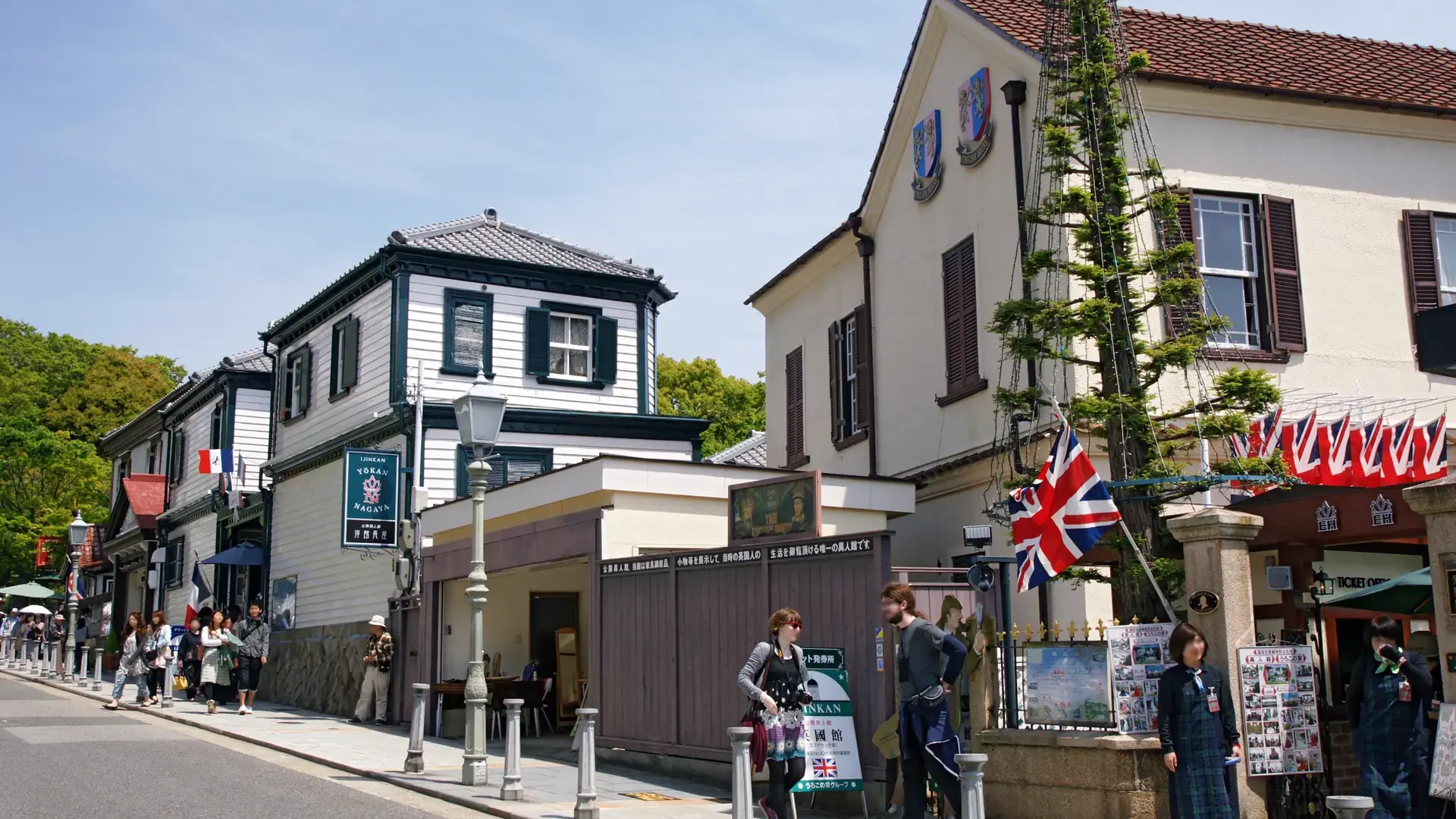
sunny Kitano hillside street lined with Kobe's historic Western-style houses

Kitano and Shin-Kobe

historic houses, Shinkansen and mountain mornings

Choose the north side when architecture, walking or an early Shinkansen shapes the visit.

Sleep: calm on residential slopes, busier around Shin-Kobe's road approaches.

History Shinkansen Hills

Confirm slope, steps and taxi access between station, hotel and Kitano sights.

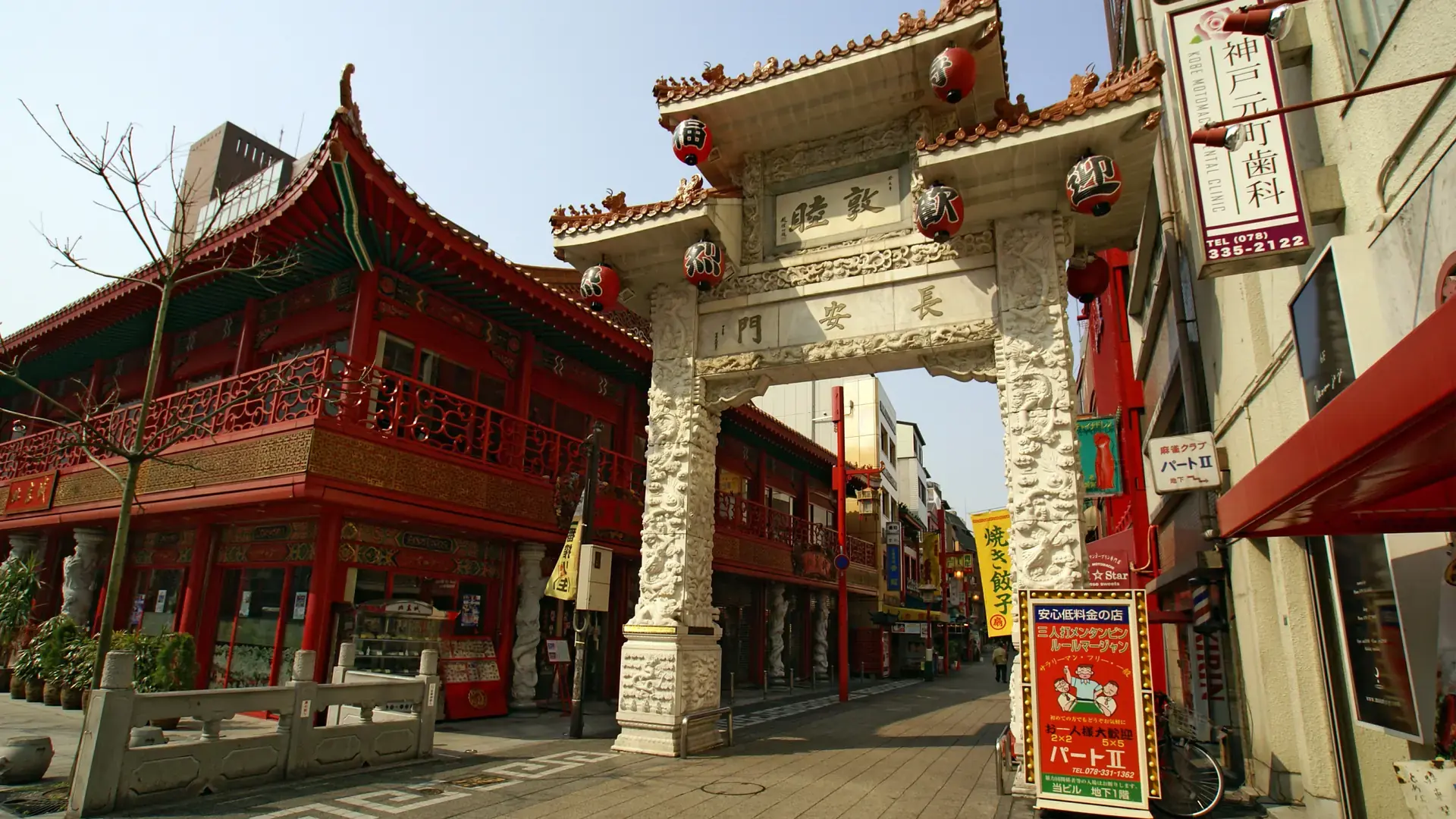
colourful Nankinmachi gate and lantern-lined Kobe Chinatown street under blue sky

Motomachi, Nankinmachi and the Former Foreign Settlement

Chinatown food, heritage streets and balanced walking

Stay here when Kobe's port history should appear between breakfast and dinner.

Sleep: mixed around Chinatown; calmer toward selected former-settlement streets.

Chinatown Heritage Food

Inspect the immediate block because nightlife, arcades and office streets behave differently.

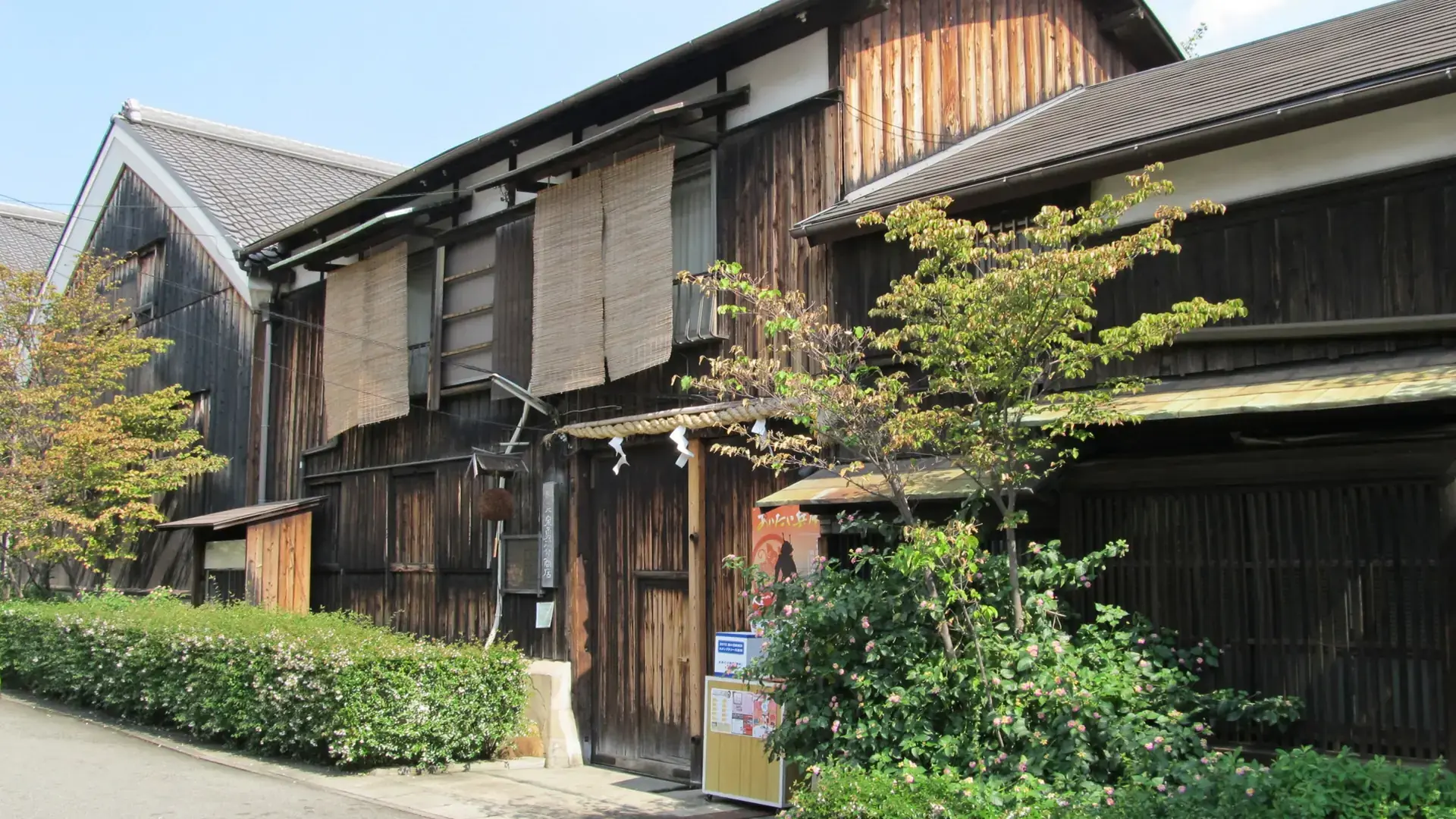
historic wooden Izumi Yunosuke sake brewery in Kobe's sunny Nada district

Nada and Higashinada

sake breweries, museums and quieter local stays

Use this area when sake culture is a primary interest rather than a quick tasting stop.

Sleep: usually quieter, with road and railway exposure varying by property.

Sake Museums Local

Check opening days, tasting rules and the nearest rail line for each brewery.

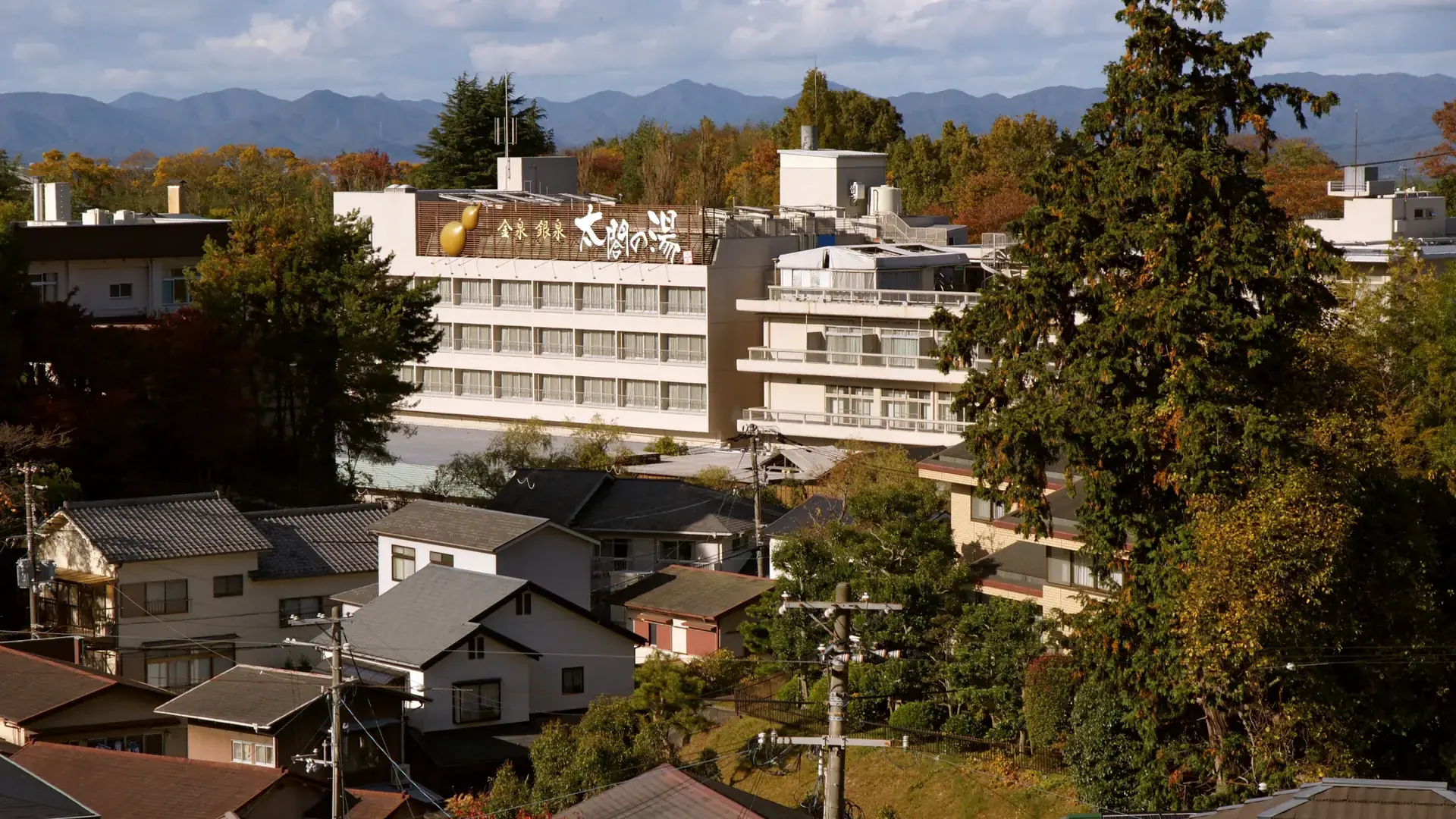
Arima Onsen's Taiko-no-yu spa rising above traditional town roofs and forested hills

Arima Onsen

ryokan, hot springs, couples and restorative nights

Stay overnight when bathing, seasonal meals and quiet lanes justify a dedicated chapter.

Sleep: tranquil outside busy day-trip hours and central lanes.

Onsen Ryokan Romance

Confirm meal inclusion, tattoo policy, private-bath needs, stairs and final transport before booking.

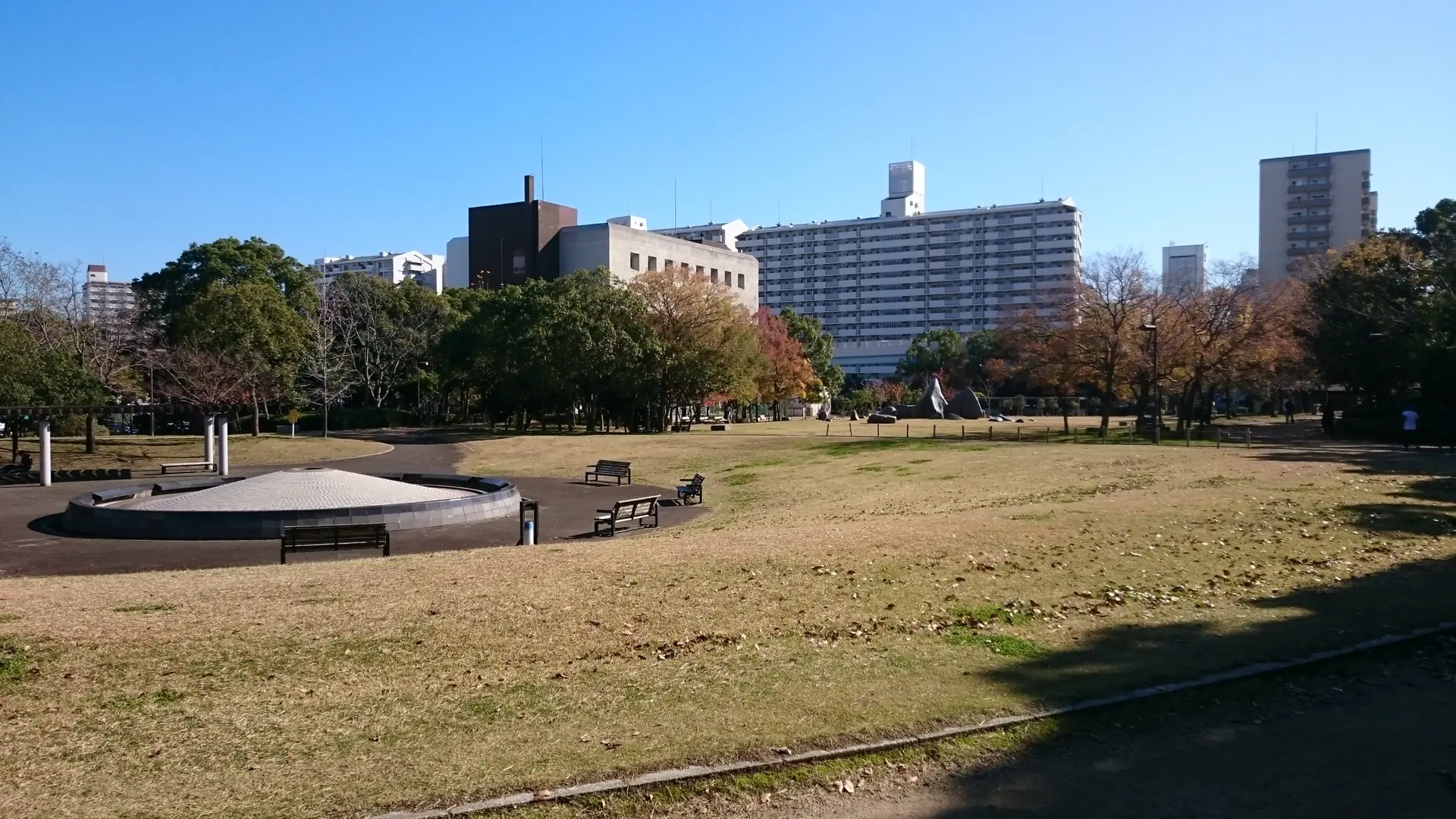
sunlit lawn and hotel buildings at Port Island's Naka Park in Kobe

Port Island

airport access, conferences, family attractions and broad harbour views

Stay on Port Island when a flight, convention or island attraction controls the timetable.

Sleep: usually quiet outside event releases, with aircraft or port sound depending on orientation.

Airport Events Families

Check the event calendar and exact station because distances between island stops are larger than they appear.

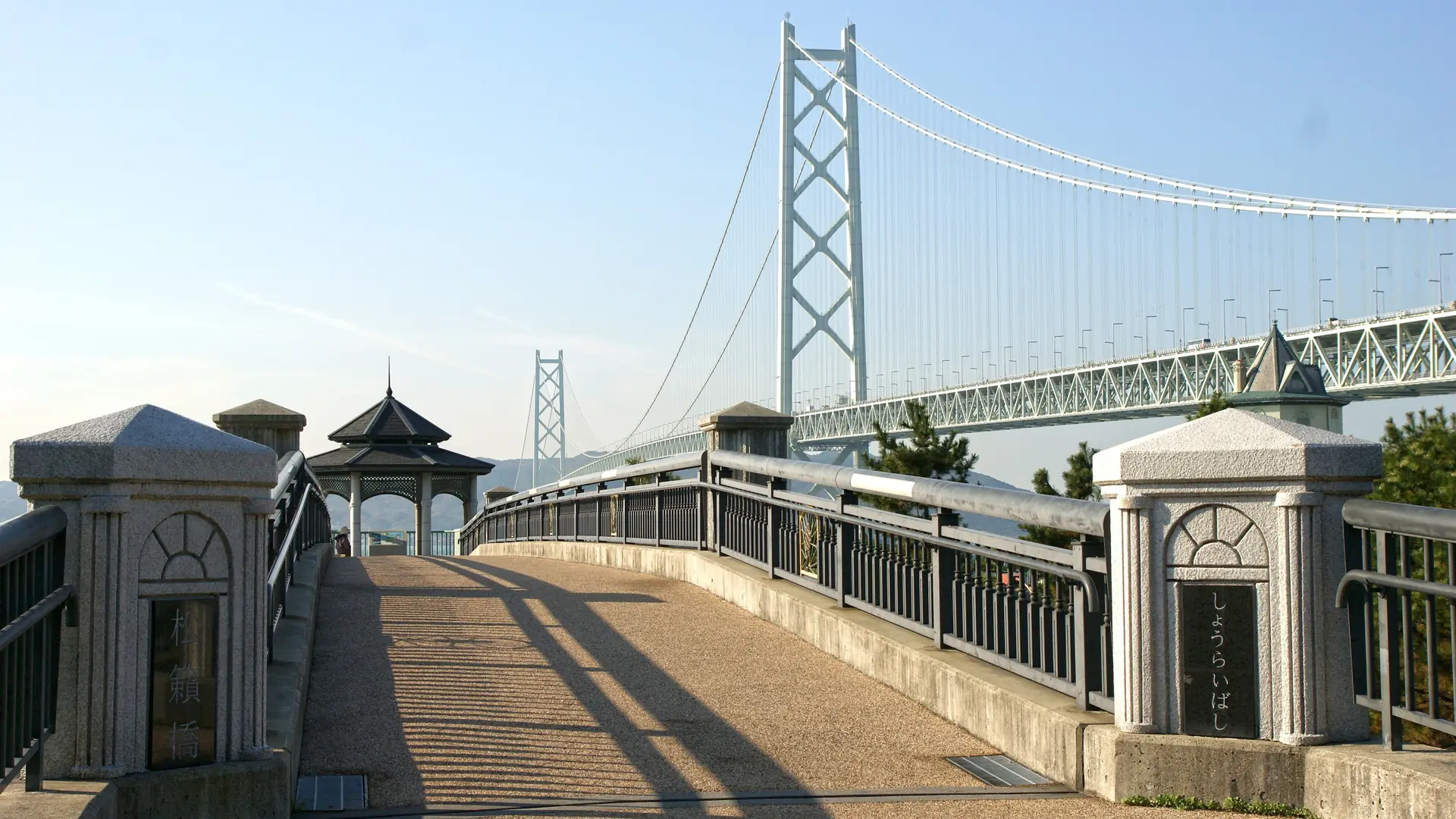
bright blue sea and Akashi Kaikyo Bridge viewed from sunny Maiko Park in Kobe

Suma and Maiko

beaches, Akashi Kaikyo Bridge views and a relaxed coastal chapter

Move west when the sea and Maiko sunset are trip priorities, not optional detours.

Sleep: calm in residential pockets; summer beaches and coastal roads produce seasonal activity.

Beach Bridge views Families

Distinguish Suma from Maiko when booking; the coastal zone spans several stations and different attractions.

Choose the Kobe base that protects your hardest journey
Area Best for Trade-off Getting around
Sannomiya First visits and mixed city days Busy interchange streets offer limited calm JR, Hankyu, Hanshin, subway, buses and Port Liner
Harborland and Meriken Park Waterfront views and family evenings Central nightlife and some trains require travel east JR Kobe Station and long, level port promenades
Kitano and Shin-Kobe Shinkansen access and historic hillside walks Slopes complicate luggage and quieten late evenings Shin-Kobe Station, subway and downhill walking routes
Motomachi, Nankinmachi and the Former Foreign Settlement Chinatown meals and port heritage Crowd levels shift sharply between shopping hours and late evening JR and Hanshin stations with walks to Meriken Park
Nada and Higashinada Sake museums and a quieter local rhythm Breweries are dispersed and central dinners need a train Several east-west rail lines plus planned walking between breweries
Arima Onsen Ryokan meals, bathing and restorative nights The mountain transfer limits spontaneous port sightseeing Rail and bus routes cross Mount Rokko on a dedicated journey
Port Island Flights, conventions and family attractions Sparse late dining Port Liner and airport ferry links
Suma and Maiko Beach time and bridge sunsets Far from eastern Kobe JR and Sanyo rail along the coast

Choose between a city base and a destination stay

Most central Kobe trips favour one room, while Arima, early trains and specialised brewery plans can justify moving.

See Kobe without overplanning transport

Base centrally when each day mixes districts.

Do not accept interchange complexity when the whole trip stays beside the port.

Harborland supplies a slower waterfront mood.

Choose views or ritual for a special night

Decide whether the memory should be harbour-facing or onsen-centred.

Do not book a ryokan when late city nightlife matters more than dinner service.

A split stay preserves both experiences.

Protect an early Shinkansen or airport departure

Select the station tied to the fixed departure, not a generic central label.

A midday train rarely requires sacrificing the previous evening.

Use luggage forwarding or station storage to keep sightseeing flexible.

Connect international history with local production

Stay centrally and assign each district a distinct half-day.

Do not attempt every museum between two fixed meals.

Prioritise one historic area and one working-culture area.

Search Kobe hotels by harbour, rail or onsen purpose

Compare live stays in Sannomiya, Harborland, Kitano, Motomachi, Nada and Arima after deciding the trip's hardest transfer.

Search Kobe hotels →
Loading Kobe hotel results

Use Sannomiya as the switchboard, not as every journey's endpoint

Kobe Airport, Shin-Kobe, Osaka railways and the harbour converge through different operators. The best hotel follows the fixed arrival rather than the city's compact appearance.

From Kobe and Kansai airports

Kobe Airport connects through Port Island

Kobe Airport connects through Port Island

The Port Liner links the airport with Sannomiya, while the official airport page lists new and expanded 2026 bus links to regional destinations. Check the current timetable and flight terminal before building a tight onward train.

Kansai Airport offers more than one strategy

Official Kobe guidance describes the Bay Shuttle to Port Island as well as land routes. Wind, luggage, arrival time and the final hotel location determine whether boat, bus or rail is sensible; verify operation on the travel date.

Move east-west by rail and solve elevation separately

Central sightseeing can flow downhill

Central sightseeing can flow downhill

A practical day begins near Shin-Kobe or Kitano, descends through Sannomiya and Motomachi, then finishes at Meriken Park or Harborland. Reversing that route makes the afternoon climb more demanding.

City Loop and Port Loop serve different shapes

The official access guide positions City Loop for Kitano, the Former Foreign Settlement, Meriken Park and Nankinmachi, while Port Loop concentrates on the waterfront. Check the live route before relying on a brochure stop.

Arima is not a casual neighbourhood walk

Trains and buses reach the hot-spring town, but the journey crosses the mountain system and inn schedules begin early. Treat an overnight transfer like a separate destination move and send large luggage ahead when useful.

Nada requires a brewery-level map

The sake district spans several neighbourhoods and stations rather than one gate. Group compatible breweries by opening day and rail line, drink responsibly and preserve a straightforward return to the hotel.

Match passes to the mountain, port or city loop

One product rarely covers every Kobe layer

One product rarely covers every Kobe layer

Rail, tourist buses, ropeways and Arima connections use different operators. List the day's paid legs, verify current 2026 inclusions and buy only when the pass beats ordinary fares without forcing an inferior route.

Kobe's compact map hides steep gradients

Plan the north-south climb before the east-west ride

Plan the north-south climb before the east-west ride

Sannomiya and the waterfront offer modern transport, but Kitano slopes, Nunobiki paths and ryokan stairs require property-level checks. Confirm a step-free entrance, station lift, bathroom layout and taxi drop-off rather than relying on district accessibility alone.

Let mountain weather and dining times set the order

Kobe's harbour and peaks can experience different conditions on the same day, while brewery hours and ryokan meals create hard edges that casual sightseeing does not.

Keep a sea-level alternative ready

Clear days belong to the mountains first
  • Clear days belong to the mountains first

    Rokko and Maya views depend on visibility, wind and operating status. Check the responsible cable or ropeway operator in the morning, then move the ascent ahead of museums and shopping when conditions are favourable.

  • Summer calls for shorter climbs and indoor pauses

    Kitano slopes and exposed harbour paths become demanding in heat. Start above the centre, descend gradually, use arcades or museums at midday and reserve a shaded waterfront return for later light.

  • Autumn increases Arima and Rokko demand

    Forest colour makes northern Kobe especially attractive, so transport and ryokan availability tighten. Reserve the stay before building the city sequence, then protect the inn's check-in and dinner window.

  • Rain can improve the cultural route

    Sake museums, carpentry displays, covered shopping and long meals remain meaningful when mountain views disappear. Do not spend a wet day waiting for a clearing that the forecast does not support.

Pay for the experience that cannot be commuted

Sannomiya can remove repeated transfers
  • Sannomiya can remove repeated transfers

    A central room may cost more than a peripheral business hotel yet saves several operators, luggage changes and late taxis. Compare the door-to-door itinerary, especially for groups crossing the city at dinner time.

  • Harborland value is strongest after dark

    A view room and waterfront location earn their premium when travellers stay for the evening. If the hotel is only a sleeping base for Osaka and Kyoto, Sannomiya's rail convenience usually has greater practical value.

  • Arima rates must be compared meal by meal

    A ryokan price may include dinner, breakfast and baths that a city hotel does not. Check the exact plan, drinks, private bathing and cancellation terms before comparing only the headline nightly amount.

  • Kobe beef needs a dining budget, not a neighbourhood myth

    Reputable restaurants exist around the centre, but location alone does not certify a menu. Check the producer information, course contents and cancellation policy, then reserve the meal that fits rather than following street solicitation.

Avoid these Kobe booking mistakes

Calling every central station Kobe Station
  • Calling every central station Kobe Station

    Sannomiya is the main city interchange, Shin-Kobe serves the Shinkansen and JR Kobe Station backs Harborland. Enter the exact station name when checking walking time and connections.

  • Treating Arima as a waterfront suburb

    The onsen town lies across Mount Rokko and follows ryokan rhythms. A late harbour afternoon can conflict with check-in, bathing and dinner, so split the plan cleanly or visit by day.

  • Scheduling mountain transport by map alone

    Cableways and ropeways respond to weather, inspection and seasonal schedules. Read the operator notice on the day and keep a worthwhile lower-city route ready.

  • Assuming a cruise ship uses the prettiest pier

    Kobe lists different passenger terminals, and berth instructions can change. Follow the cruise company's final documents and leave arrival margin rather than selecting accommodation from a generic harbour photograph.

Which Kobe district suits newcomers balancing sights and transport?

Sannomiya offers the strongest overall balance because its railways, subway, Port Liner and buses support the harbour, Kitano, Kobe Airport and Kansai day trips. Choose Harborland instead when a scenic waterfront night matters more than transport breadth, or Motomachi when Chinatown and heritage streets should be closest.

Is Kobe worth staying overnight from Osaka or Kyoto?

Yes when you want a relaxed harbour evening, an early mountain start, nightlife or a dedicated Arima ryokan experience. A day trip covers the central downhill route, but the last-train calculation compresses dinner and views. Keep Osaka or Kyoto when Kobe contains only one short attraction stop.

Should I stay in Sannomiya or Harborland?

Choose Sannomiya for transport, restaurants and mixed itineraries. Choose Harborland for port views, family attractions and a calmer evening walk. JR Kobe Station serves Harborland, but the airport, Osaka trains and broader nightlife are easier around Sannomiya. The right answer depends on whether movement or atmosphere dominates.

Is Shin-Kobe a convenient hotel area?

Shin-Kobe is convenient for an early Shinkansen, Kitano, Nunobiki waterfalls and the herb-garden ropeway. It is less useful for broad nightlife, Chinatown or a doorstep harbour. Stay there when a fixed train or northern attraction matters, and use Sannomiya for a general first visit.

Should I visit Arima Onsen for a day or stay overnight?

A day visit works for one bath and a lane walk. Overnight guests gain an unhurried dinner, repeated bathing and quieter hours, but must respect ryokan check-in and meal times. Split the trip when Arima is a core experience; remain central if city dining and late flexibility matter more.

How many nights do I need in Kobe?

Two central nights allow Kitano, Motomachi, the harbour and one focused food or museum interest without racing. Add a third for Nada breweries, Mount Rokko or event recovery. A separate Arima night should be counted as a destination stay rather than squeezed into the central total.

Can I use Kobe as a base for Osaka and Himeji?

Yes, especially from Sannomiya, which offers strong east-west rail access. Kobe suits travellers who prefer a calmer port evening after day trips. Repeated late nights in Osaka weaken the plan, while Himeji and western journeys can fit naturally. Check the exact operator and last return before committing.

What should I book ahead in Kobe in 2026?

Prioritise ryokan rooms and meal plans, autumn Arima dates, event accommodation, limited restaurant courses and any fixed cruise or mountain activity. Confirm current airport and transport notices because the official Kobe Airport page lists route changes during 2026. Keep weather-dependent tickets flexible where operators permit.

Where is the best area for Kobe nightlife?

Sannomiya has the broadest bars, restaurants and late activity. Motomachi supports dinner and a more historic walk, while Harborland favours views and planned venues rather than dense bar-hopping. Kitano becomes quiet earlier. Choose a hotel on the edge of entertainment lanes when sleep still matters.

How do I reach Kobe from Kobe Airport?

The Port Liner is the standard rail connection to Sannomiya, with buses serving selected destinations. Official airport information lists several route additions or extensions in 2026, so verify the timetable and stop for the actual date. Allow a transfer buffer before any reserved Shinkansen or dinner.

Is Kobe accessible for travellers with limited mobility?

The central rail corridor and waterfront can support an accessible trip, but Kitano's gradients, long station changes, mountain facilities and traditional ryokan layouts require direct checks. Ask for the precise lift exit, level entrance, accessible bathroom, taxi drop-off and meal arrangement before booking.

Where should I stay for Kobe's sake breweries?

Nada or Higashinada reduces local travel for a brewery-focused visit, while Sannomiya remains better for a single tasting half-day followed by central dinner. Map chosen breweries individually because the district spans multiple stations. Check opening days, reservations and tasting policies with each producer.

How this Kobe guide was researched

Reviewed by StartBooker editorial team Travel editorial research and rewrite

Last reviewed 2026-09-13

Editorial method: Original accommodation guidance checked against Kobe Tourism Bureau, Kobe Airport, City of Kobe, JNTO and Arima operator records current in 2026, then cross-checked against Lonely Planet, Japan Guide and independent trip-planning coverage.

17 sources reviewed

Primary and operator sources
  • Kobe Tourism Bureau
  • City of Kobe
  • Japan National Tourism Organization
  • Arima Onsen Tourism Association
  • Kobe Airport
  • Lonely Planet
Photo credits

Photos provided by Pexels.

Share a practical Kobe stay lesson

Which station made Kobe easiest?