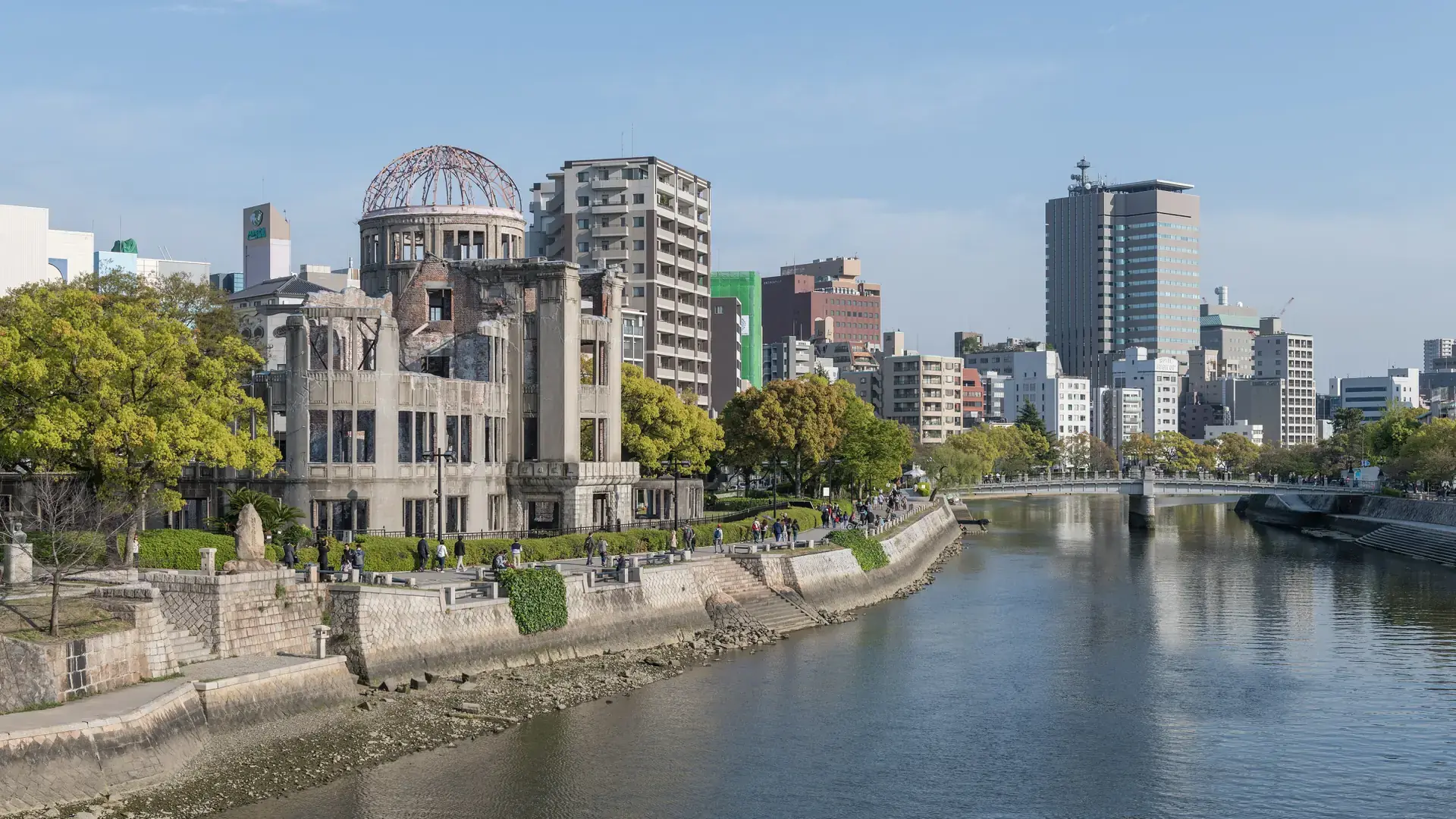
Atomic Bomb Dome beside the green riverbanks of central Hiroshima under a bright sky

Where to stay in Hiroshima for Peace Park and Miyajima

Loading Hiroshima hotel search

Hiroshima Station and the visitor centre are not the same district

The main rail hub sits east of the Peace Park and downtown core. Choose the station for departures, central Hondori for a mixed visit, the park edge for access and reflection, or Miyajima only when an island evening is intentionally worth moving luggage.

Two-night first visit Hondori or Kamiyacho

Walking and tram options remain flexible for the park, castle, dinner and the Miyajima route.

One-night rail stop Hiroshima Station

The hotel protects arrival and onward travel while trams and buses reach the central memorial area.

Late dining Hatchobori and Nagarekawa

Central restaurant and entertainment streets reduce the final journey after okonomiyaki or drinks.

Quiet local rhythm Yokogawa

JR and tram connections support a calmer stay north-west of the busiest visitor core.

StartBooker answer

Should Hiroshima visitors stay near Peace Park or the main station?

Hondori and Kamiyacho make the most balanced first base: Peace Memorial Park is walkable, trams converge nearby, restaurants continue toward Hatchobori, and Miyajima remains a straightforward journey. Stay beside Hiroshima Station when Shinkansen arrivals, early JR departures or heavy luggage outweigh evening atmosphere. The Peace Park edge gives reflective early and late walks; Hatchobori and Nagarekawa suit food-led nights. A night on Miyajima is a separate island experience, not merely another Hiroshima neighbourhood.

Best overall balance
Hondori and Kamiyacho
Best for rail
Hiroshima Station
Most contemplative
Peace Park edge
Distinct overnight
Miyajima
AI-powered

Build Hiroshima around museum time and the Miyajima crossing

Add your Shinkansen times, museum reservation, ferry plan, luggage, mobility needs and preferred evenings; the planner can test the route rather than a generic city-centre pin.

Eight Hiroshima bases with different emotional and logistical roles

This is a river city whose key places are close but not interchangeable. Station platforms, Peace Park, restaurant streets and the ferry corridor pull a stay in different directions.

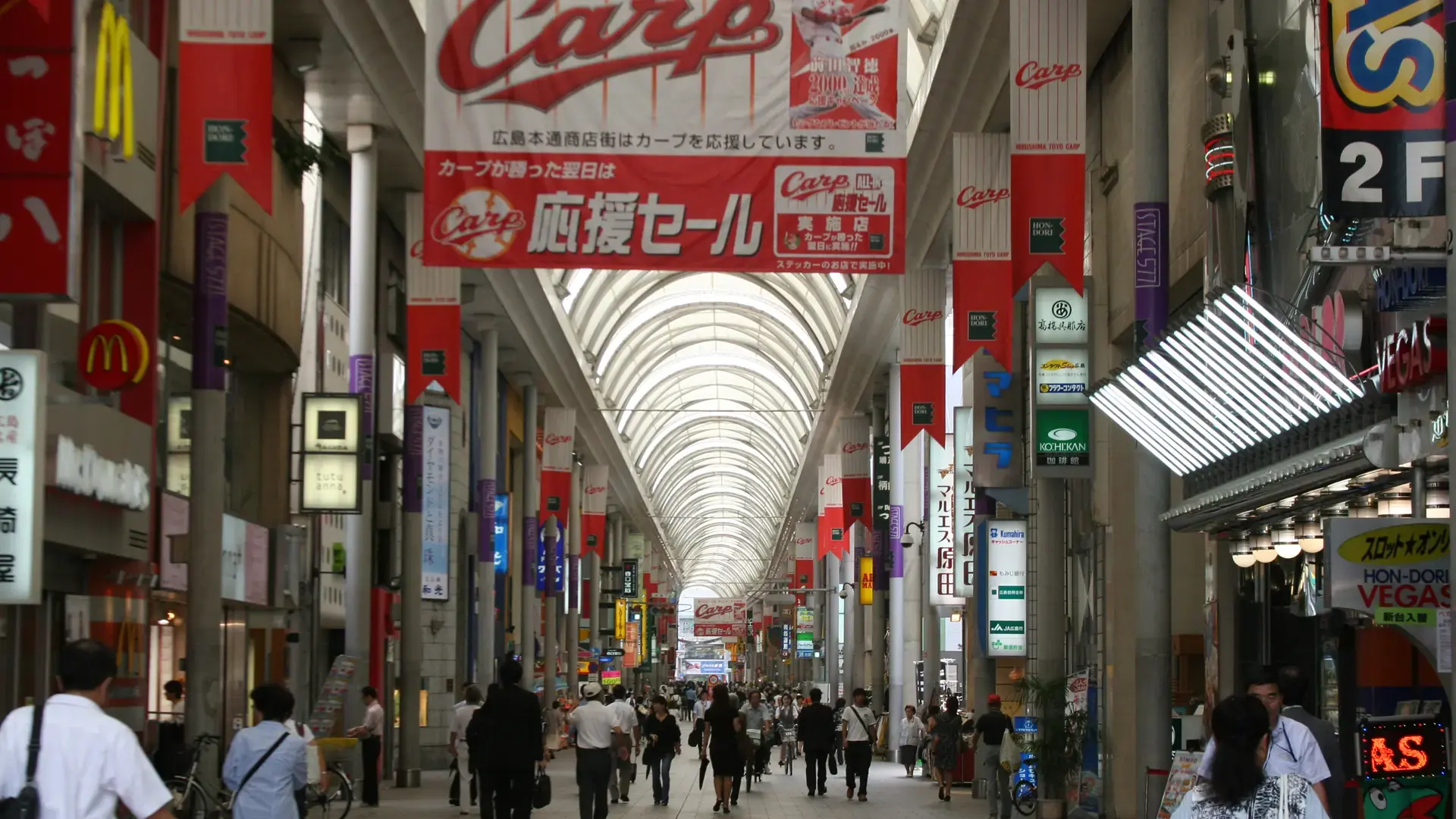
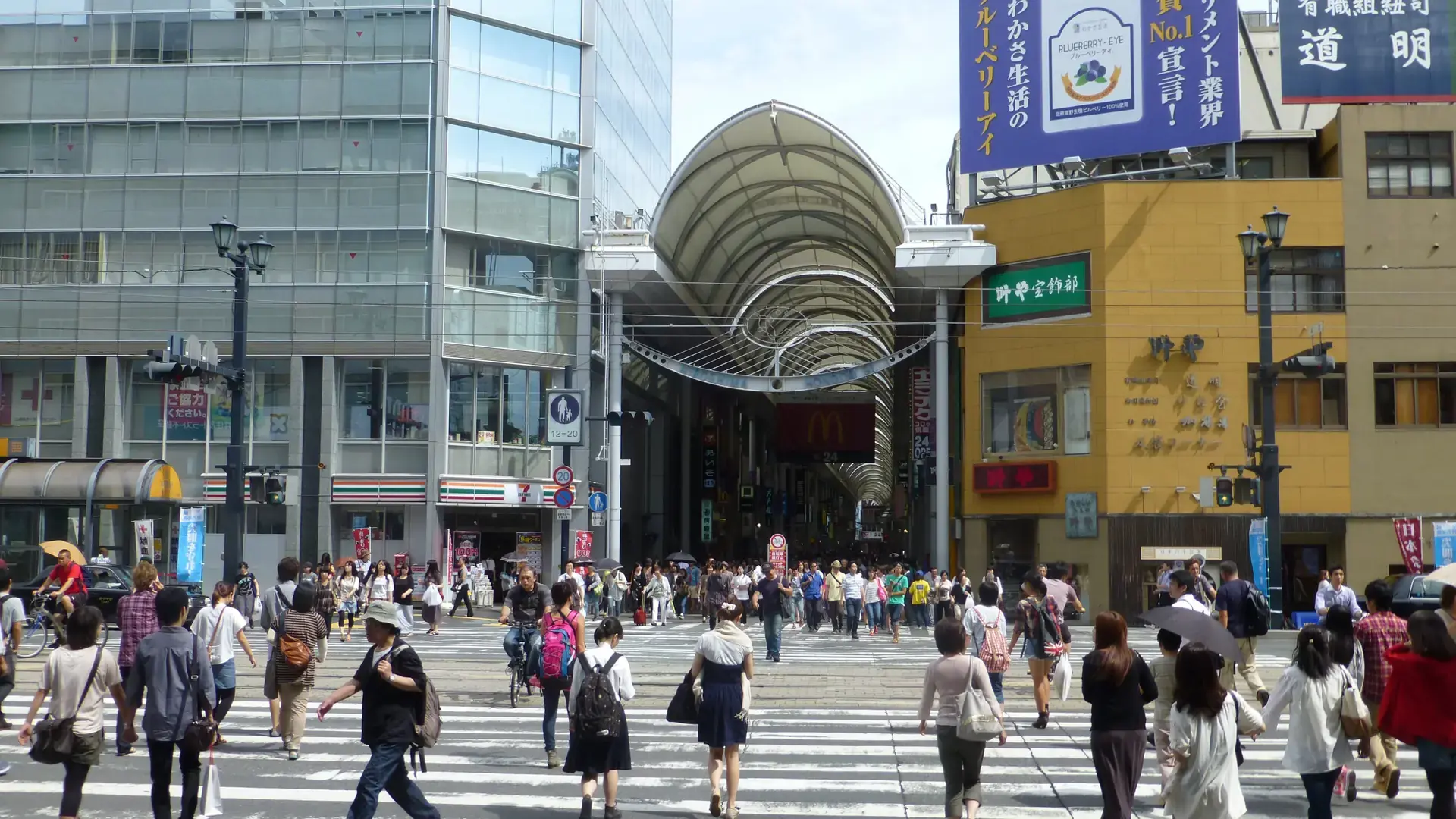
sunlit Hondori arcade and central Hiroshima pedestrians

Hondori and Kamiyacho

first visits, trams, shopping and balanced evenings

Book here when no single attraction dominates and the group values options.

Sleep: variable, with quieter rooms toward office and river-side blocks.

First visit Trams Central

Kamiyacho has east and west stops; match the hotel entrance with the route used most.

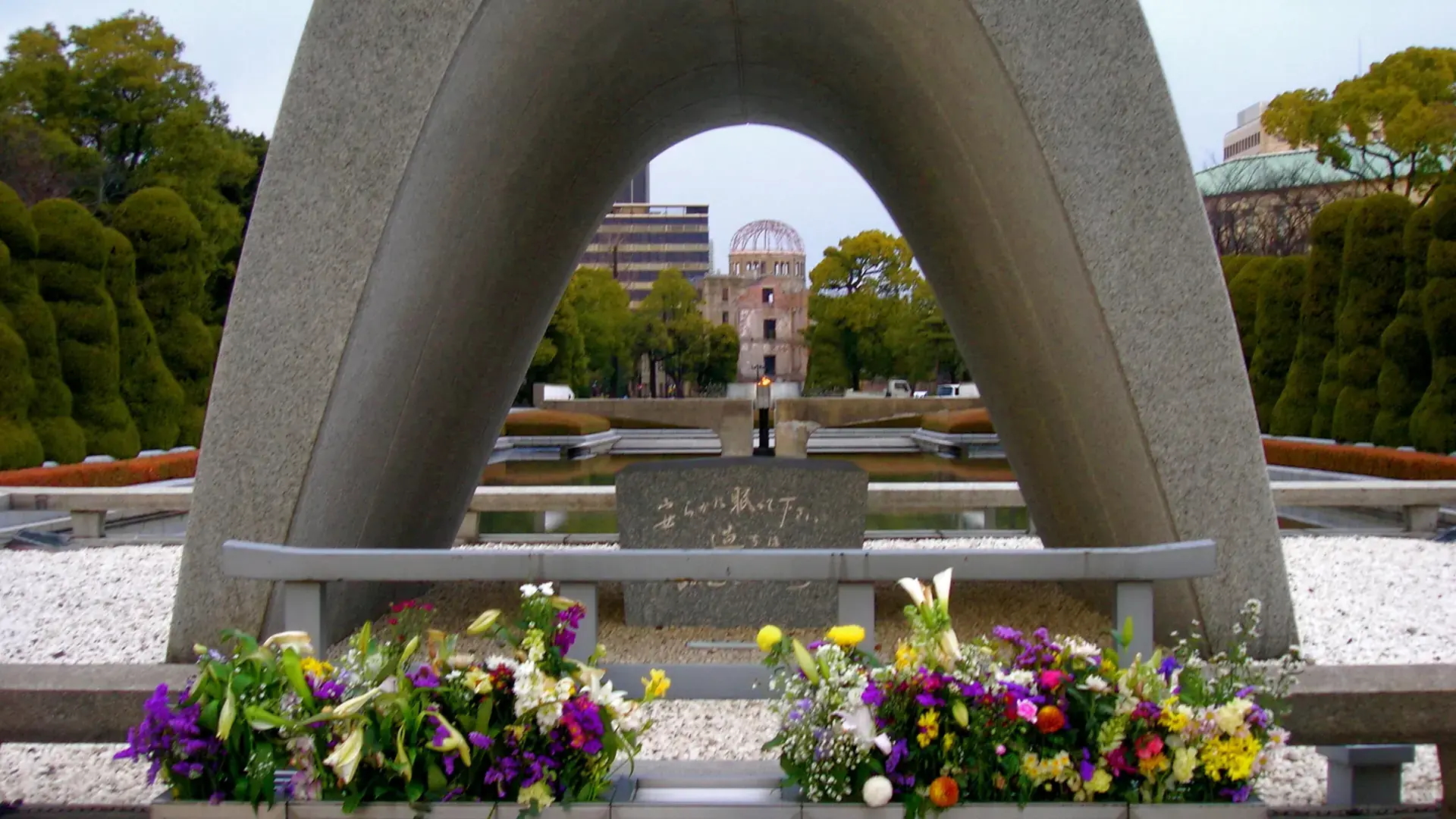
Peace Memorial Park, cenotaph and Atomic Bomb Dome aligned beneath clear sky

Peace Memorial Park and Otemachi

museum access, riverside walks and reflective mornings

Stay here when the memorial landscape is the trip's central purpose.

Sleep: often calm away from Peace Boulevard traffic and event dates.

Peace sites River Museums

Respect the site's meaning; a close hotel should create time for engagement, not a rushed photo stop.

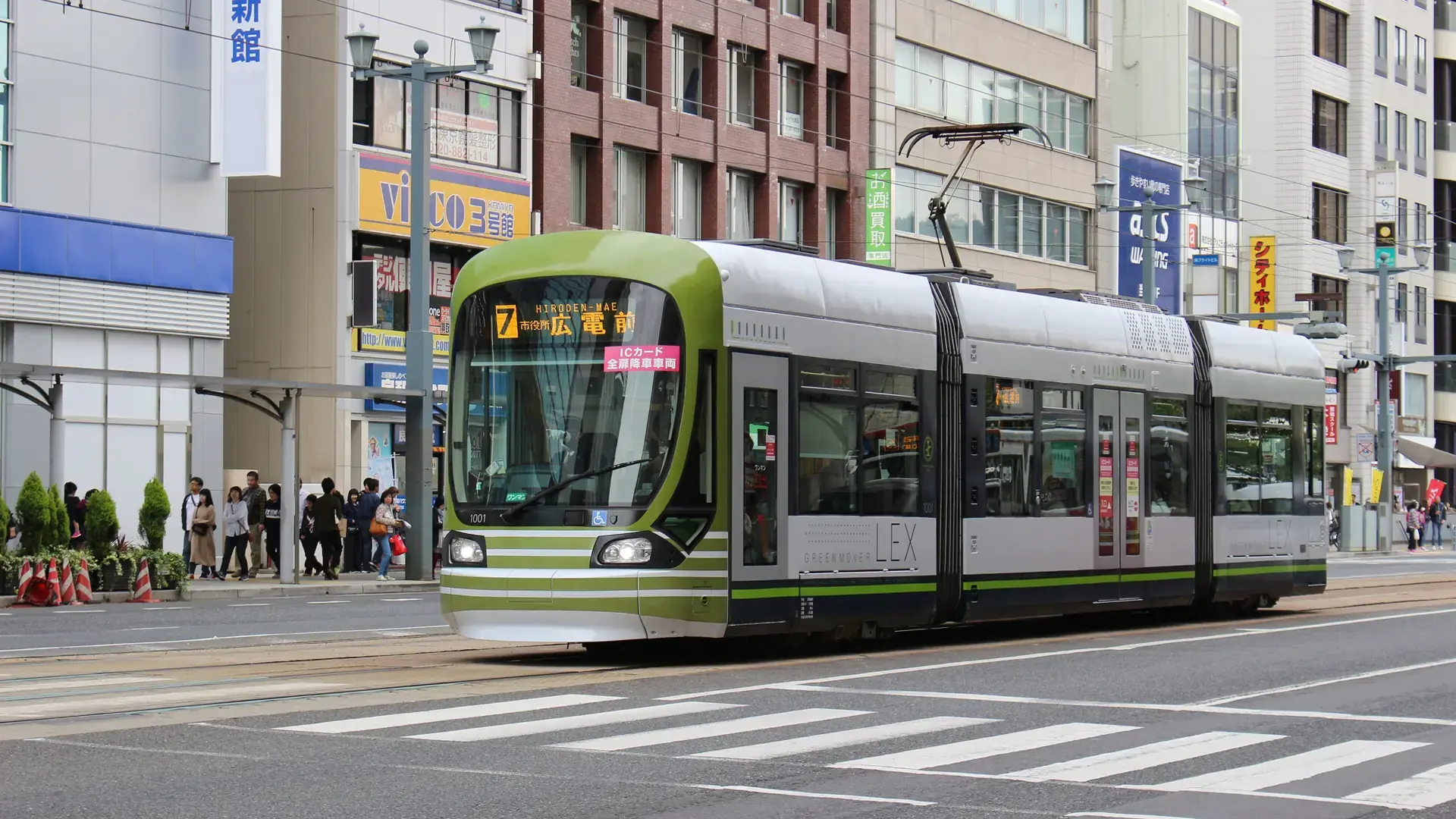
modern green tram crossing Hatchobori's busy central Hiroshima streets in daylight

Hatchobori and Nagarekawa

okonomiyaki, bars and late restaurant choice

Choose this district when dinner is a nightly decision rather than an afterthought.

Sleep: highest risk around Nagarekawa, lower on broader Hatchobori edges.

Food Nightlife Shopping

Read the exact block after dark; a calm avenue can sit beside a dense bar lane.

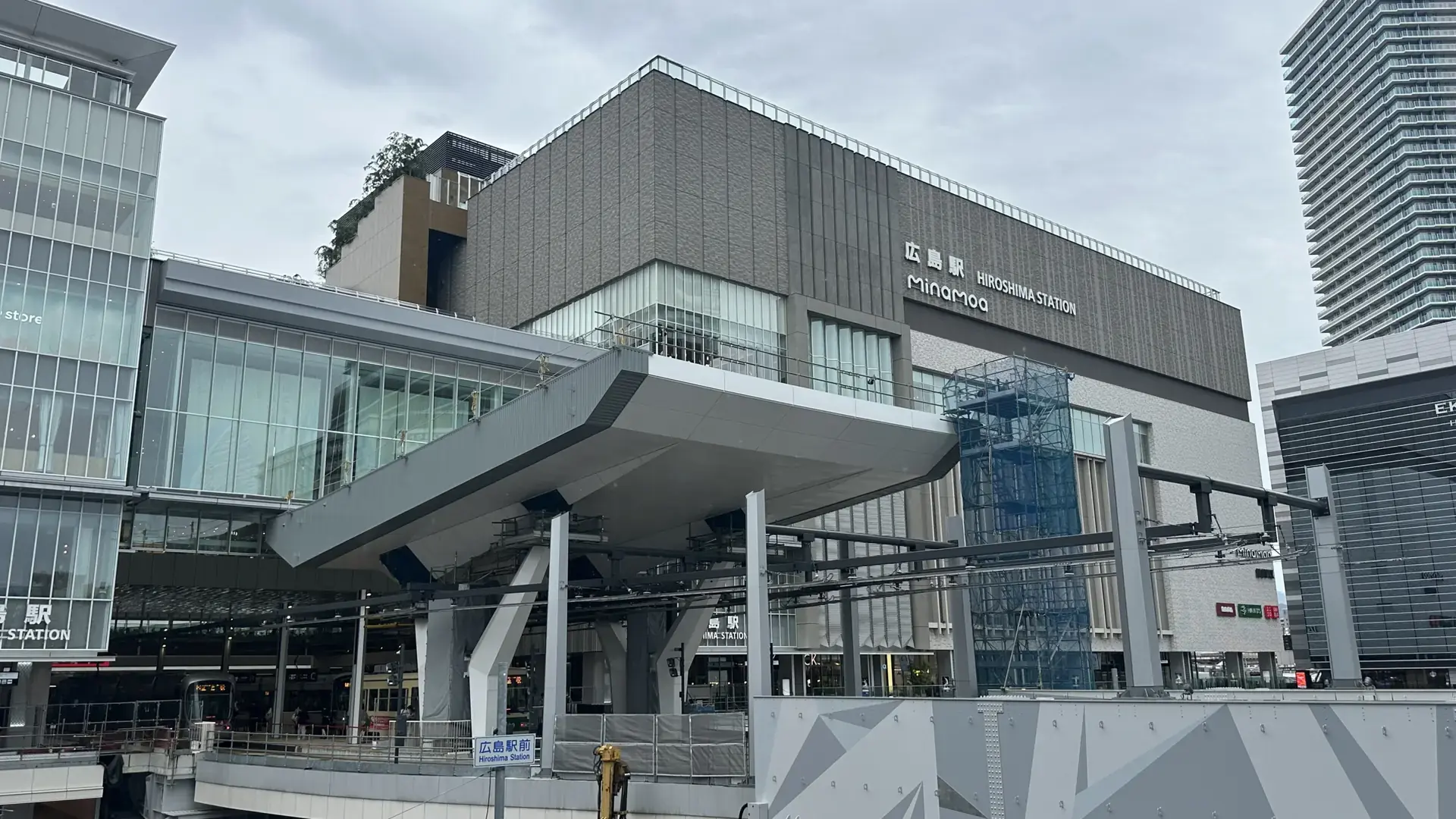
modern Hiroshima Station frontage and its south-side city plaza in daylight

Hiroshima Station

Shinkansen, airport buses, day trips and luggage

Stay here when two mornings begin on JR platforms or a flight connection is tight.

Sleep: modern hotels often control sound, though rail and arterial-road exposure differs by room.

Shinkansen Airport bus Luggage

North and south exits serve different buses and streets; confirm the correct side before booking.

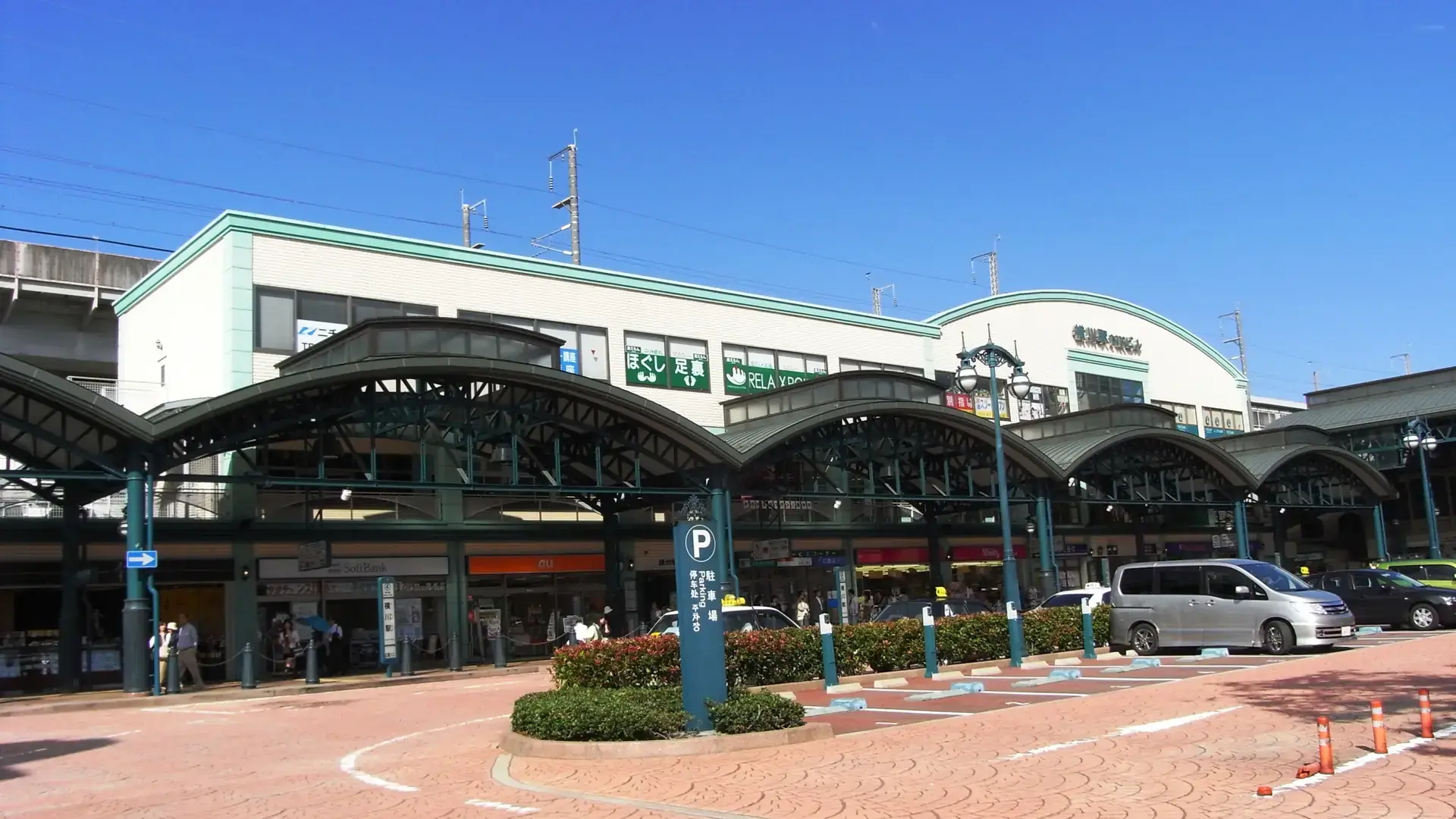
Yokogawa tram stop and neighbourhood streets under a blue Hiroshima sky

Yokogawa

local cafés, value and regional connections

Use Yokogawa when price and local routine matter more than instant sightseeing.

Sleep: generally calmer on residential side streets, busier beside the transport hub.

Local Value Connections

Check last connections and the walk from the correct JR or tram platform.

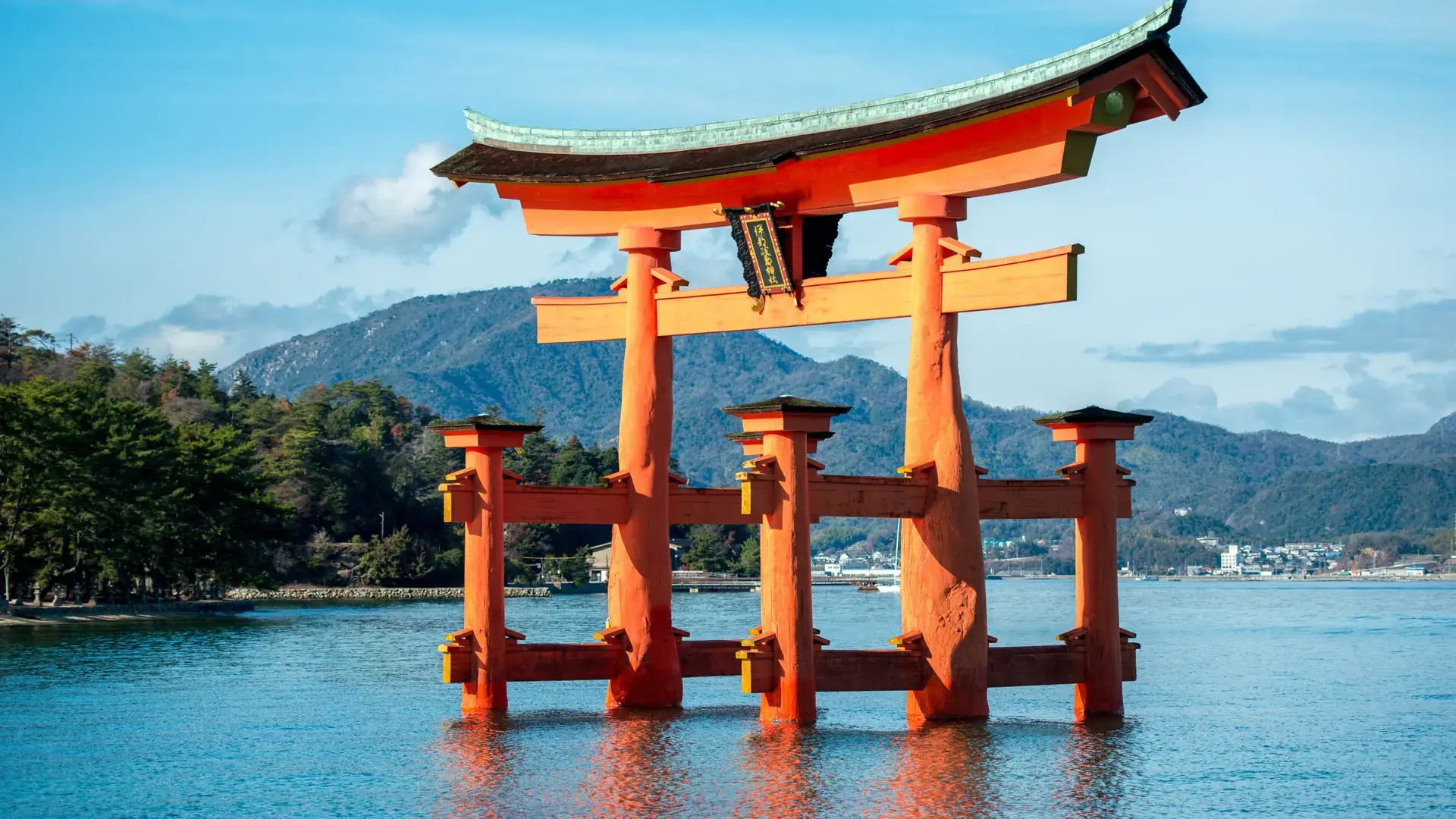
Itsukushima Shrine's vermilion torii standing in blue water off Miyajima

Miyajima Island

shrine light, ryokan meals and an island night

Spend one night when dawn, dusk and a slower island rhythm justify moving hotels.

Sleep: quiet after day visitors leave, with deer and waterfront activity still part of the setting.

Island Ryokan Shrine

Verify ferry times, meal arrival deadlines, luggage handling and the Miyajima visitor tax.

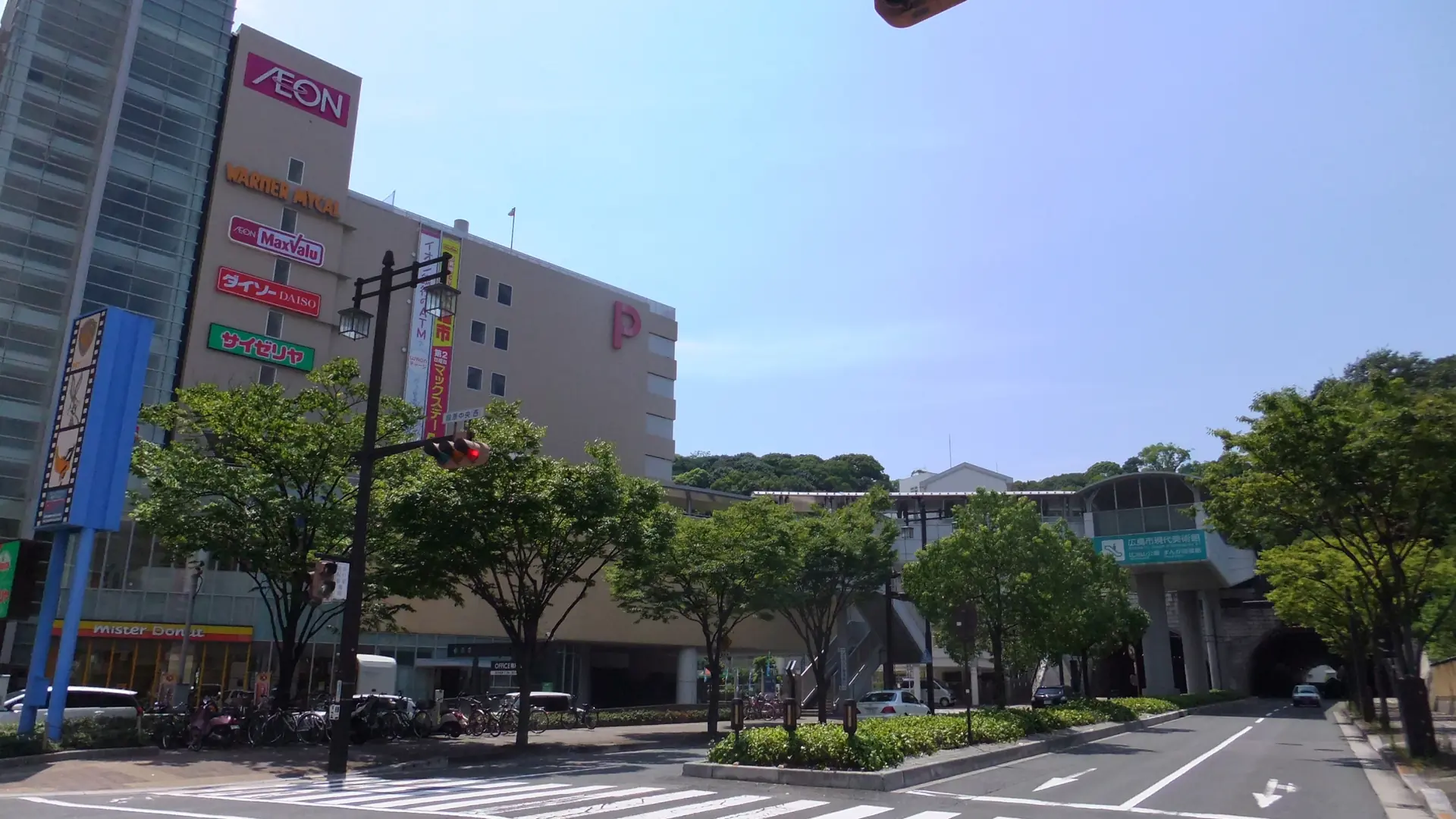
sunny tree-lined entrance to Hijiyama Park beside Danbara in Hiroshima

Danbara and Hijiyama

contemporary art, hillside greenery, Mazda Stadium and residential evenings

Stay south-east of the station when Hijiyama and a calmer local routine lead the plan.

Sleep: residential overall; stadium events and arterial roads create localised bursts.

Art Park Residential

Check elevation and the exact bus or tram route before assuming every Hijiyama address is an easy walk.

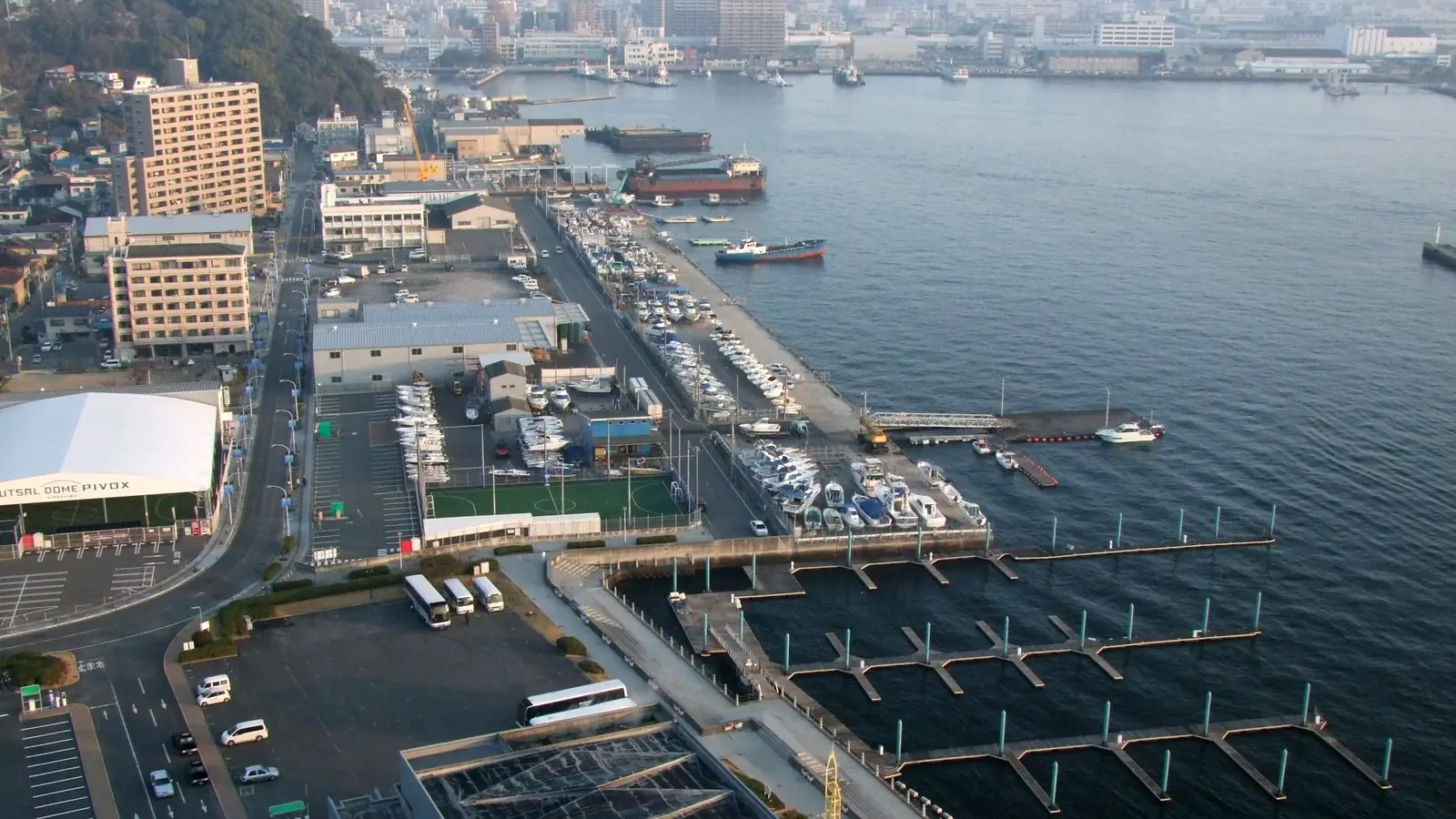
sunlit panorama of Hiroshima Port and blue water around Moto-Ujina

Ujina and Hiroshima Port

Setouchi departures, waterfront air and a quieter final city chapter

Use Ujina when a ferry or harbour morning matters more than central nightlife.

Sleep: subdued away from terminal operations, with occasional ship and road activity.

Ferries Waterfront Quiet

Confirm the operating terminal and sailing with the carrier; Hiroshima's waterfront has several departure points.

Choose the stay that protects the day's fixed point
Area Best for Trade-off Getting around
Hondori and Kamiyacho Balanced city visit Active centre Tram, bus and walking
Peace Memorial Park and Otemachi Memorial focus Quieter dining Walking and tram
Hatchobori and Nagarekawa Dinner and nightlife Farther from museum doors Tram and walking
Hiroshima Station Rail logistics Separated from the visitor core JR, Shinkansen, bus and tram
Yokogawa Neighbourhood value Less immediate sightseeing JR, tram and bus
Miyajima Island Island immersion Ferry-dependent Walking, ferry and ropeway
Danbara and Hijiyama Park, art and stadium access Less direct for memorial sites Bus, tram and hillside walking
Ujina and Hiroshima Port Port departures and sea air Longer central journeys Tram Line 5, bus and ferries

Decide whether Hiroshima is a rail stop, city stay or island chapter

A single hotel can cover the city, but Miyajima and early departures reward different commitments.

Give the Peace Park a full morning

Stay within walking range when the museum is the emotional centre of the visit.

Do not pay solely for a view if the itinerary allows a calm tram arrival.

Hondori adds more dinner choice without losing access.

Make Miyajima an early mainland day trip

Use JR when a full island day and evening mainland return are planned.

Avoid the station default if a direct Peace Park boat better matches the route and budget.

An island overnight removes the same-day return constraint.

Build evenings around Hiroshima flavours

Stay east of Hondori when late dinners repeat across the visit.

Light sleepers should not assume a central high-rise is silent.

Hondori balances food with Peace Park access.

Sleep on Miyajima after the last crowds thin

Commit when atmosphere is worth changing hotels.

Skip the move before an early airport or Shinkansen departure.

A long day trip preserves one mainland base.

Search Hiroshima hotels by the route you must protect

Compare live stays after choosing between museum access, downtown evenings, station platforms and an island night.

Search Hiroshima hotels →
Loading Hiroshima hotel results

Treat the airport, station and Peace Park as three distinct nodes

Hiroshima Airport is outside the city, the Shinkansen ends at Hiroshima Station, and the central memorial district lies farther west. A good booking connects the correct pair.

From Hiroshima Airport

Limousine buses serve the station and central bus centre

Limousine buses serve the station and central bus centre

The 2026 timetable separates Hiroshima Station routes from services reaching Hiroshima Bus Center or Nakasuji. Choose the stop nearest the actual hotel and keep road-delay margin before a flight.

A late arrival favours simple onward movement

If the final airport bus lands at Hiroshima Station, a station hotel can preserve sleep. A central booking adds tram, taxi or bus movement, which may still be worthwhile when several following days focus on the park.

Streetcars make the river city legible

Use the tram as a moving orientation line

Use the tram as a moving orientation line

Routes connect Hiroshima Station with Hatchobori, Kamiyacho, the Atomic Bomb Dome and Miyajimaguchi. Verify the destination number because several services share central tracks before separating.

Walking works best inside the central triangle

Peace Park, Hondori, Hatchobori and the castle edge can form one day on foot. Rivers and bridges make routes attractive but can add distance, so avoid counting straight-line measurements through water.

Choose the Miyajima route from the starting point

JR is efficient from Hiroshima Station; streetcar can suit the central corridor; the World Heritage sea route begins near Peace Park. Cost, luggage and operating conditions determine the honest winner.

Compare operator coverage before buying

A day product must match trams, buses, JR or ferry use

A day product must match trams, buses, JR or ferry use

Hiroshima transport combines several operators. List the day's legs and confirm current inclusion directly; an attractive pass is poor value when the itinerary uses a different ferry or mostly walks.

Build a step-free route across bridges and platforms

Ask about low-floor trams, lifts and final gradients

Ask about low-floor trams, lifts and final gradients

Station and stop accessibility varies by vehicle and platform. Confirm museum access, the hotel's entrance, ferry boarding and any Miyajima slope directly, then leave space for crowds rather than relying on nominal journey time.

Give Hiroshima enough time for meaning and movement

The city is compact, yet museum engagement, summer weather, ferry tides and crowded dates resist a checklist pace.

Let climate and demand shape the day's order

Summer needs shade, water and an uncompressed museum visit
  • Summer needs shade, water and an uncompressed museum visit

    Peace Park includes exposed walks between significant sites. Begin early, take breaks and avoid scheduling a train immediately after the museum when the experience may require quiet time.

  • Obon can introduce reservation controls

    The official tourism site announced required online museum reservations for 8–16 August 2026. Future peak rules must be checked again; never rely on an old walk-up assumption for a fixed travel date.

  • Miyajima follows weather, crowds and ferry operation

    An early departure usually improves the island day, while an overnight creates access to quieter hours. Ropeway reservations or restrictions can change the mountain plan independently of shrine access.

Include transport choices and new taxes

Hiroshima Prefecture accommodation tax began in 2026
  • Hiroshima Prefecture accommodation tax began in 2026

    The official visitor notice states implementation from 1 April 2026. Confirm the per-person charge, exemptions and whether the property collects it separately before comparing payable rates.

  • Miyajima adds a visitor tax at entry

    Ferry passengers should account for the island visitor tax and verify whether the selected ticket or pass includes its handling. This is separate from a hotel rate or mainland accommodation tax.

  • A station discount can create daily tram costs

    A lower rail-side room may be excellent on a fast itinerary but less valuable when every morning and night returns to the park or downtown. Price transfers and time before deciding.

Avoid these Hiroshima planning shortcuts

Calling the station the centre of every visitor day
  • Calling the station the centre of every visitor day

    It is the transport centre, not the closest base for Peace Park, Hondori or Nagarekawa. Choose it because rail matters, not because a map app defaults there.

  • Combining the museum and Miyajima into a rushed checklist

    Both deserve time and have fixed operating constraints. Separate them across days or accept a focused choice; emotional weight, ferries and crowds make optimistic schedules brittle.

  • Moving full luggage to Miyajima without checking meals

    Ryokan dinners often require timely arrival, while ferries and island paths add handling. Store large bags on the mainland when practical and travel with a deliberate overnight case.

Should I stay near Hiroshima Station or Peace Memorial Park?

Choose the station for Shinkansen travel, airport buses and multiple JR days. Choose the park edge when the museum and memorial landscape are the main purpose. Hondori is the compromise: it remains walkable to the park and closer to downtown restaurants while trams connect back to rail.

Can I visit Miyajima from central Hiroshima?

Yes. JR from Hiroshima Station, streetcar from central stops and the sea route near Peace Park offer different combinations of speed, price and scenery. Select by the hotel's location, ferry operation and luggage rather than assuming one route is always best.

Is one night in Hiroshima enough?

One night can support a focused Peace Park visit or a fast Miyajima day, but combining both creates pressure. Two or three nights allow the museum, downtown, garden or castle and island travel to breathe. Add an island overnight only when moving accommodation produces a meaningful dawn or evening experience.

Where is Hiroshima nightlife?

Hatchobori and Nagarekawa carry the densest late restaurant and bar energy, with Hondori forming the central approach. The Peace Park side is quieter. Inspect the immediate hotel block and recent sound reviews because nightlife intensity changes within a few streets.

How do I get from Hiroshima Airport to my hotel?

Current limousine buses connect the airport with Hiroshima Station and selected central nodes including the bus centre. Match the timetable to the precise stop and leave road-delay margin. Travellers arriving after their practical onward connection may prefer a station-side first night.

Is Miyajima worth an overnight stay?

It is worthwhile for travellers who value quieter shrine light, ryokan meals and the island after day-trip crowds. It is less suitable before an early mainland departure or with cumbersome luggage. Verify ferries, meal deadlines and visitor-tax handling before reserving.

Do I need a car in Hiroshima?

No for the principal city sights and Miyajima corridor. Trams, buses, JR and ferries cover the usual route, while central parking adds cost and does not serve Peace Park itself. A car becomes relevant only for a wider prefectural itinerary with remote stops.

What should I reserve in Hiroshima in 2026?

Reserve the hotel and any Miyajima ryokan meal plan early on peak dates. The Peace Memorial Museum required online admission reservations during the 2026 Obon period, so check its current rule for your date. Also confirm ropeway availability and any limited ferry or airport-bus connection.

Which area is quietest for sleep?

The Otemachi side near the park can be calm away from Peace Boulevard, while Yokogawa offers a neighbourhood alternative. Station hotels may control sound well but need room-specific reviews. Avoid core Nagarekawa when silence matters more than walking home from bars. Request an inward-facing upper room and verify nearby construction before accepting a non-refundable rate.

Can I walk between Hiroshima Station and Peace Memorial Park?

It is possible, but the official guide places them about two kilometres apart in a straight line, and the practical route is longer around streets and rivers. A tram, city bus or loop bus preserves energy, especially with luggage, summer heat or limited mobility. Walking makes more sense as a sightseeing choice through Shukkeien, the castle side or downtown than as an assumed daily commute.

How should I plan the Peace Memorial Museum visit?

Check the museum's current hours and reservation rule first, then leave the next part of the day flexible. Begin with enough time to read rather than racing toward a fixed train. The park, cenotaph, dome and riverside deserve space around the indoor visit. During peak periods, book the required entry window and arrive early enough to orient yourself without cutting the experience short.

Is Hondori or Hatchobori better for restaurants?

Hatchobori and Nagarekawa place more late restaurants and bars close to the room, while Hondori gives a stronger balance between food streets and Peace Park access. Travellers who want quiet should look at the edges rather than the entertainment core. Check whether the hotel entrance faces a broad commercial road, a covered arcade or a compact nightlife lane; the same district name can produce very different nights.

How this Hiroshima guide was researched

Reviewed by StartBooker editorial team Travel editorial research and rewrite

Last reviewed 2026-09-12

Editorial method: Original stay guidance checked against Hiroshima tourism, streetcar, airport, prefectural tax, Miyajima access and visitor-tax records, with district questions cross-checked against two independent 2026 accommodation guides.

15 sources reviewed

Primary and operator sources
  • Hiroshima Tourism Association
  • Hiroshima Prefecture
  • Hatsukaichi City
  • Hiroshima Electric Railway
  • Chugoku JR Bus
  • Hiroshima Airport
Photo credits

Share a Hiroshima stay lesson with care

Which base gave the museum visit enough time?