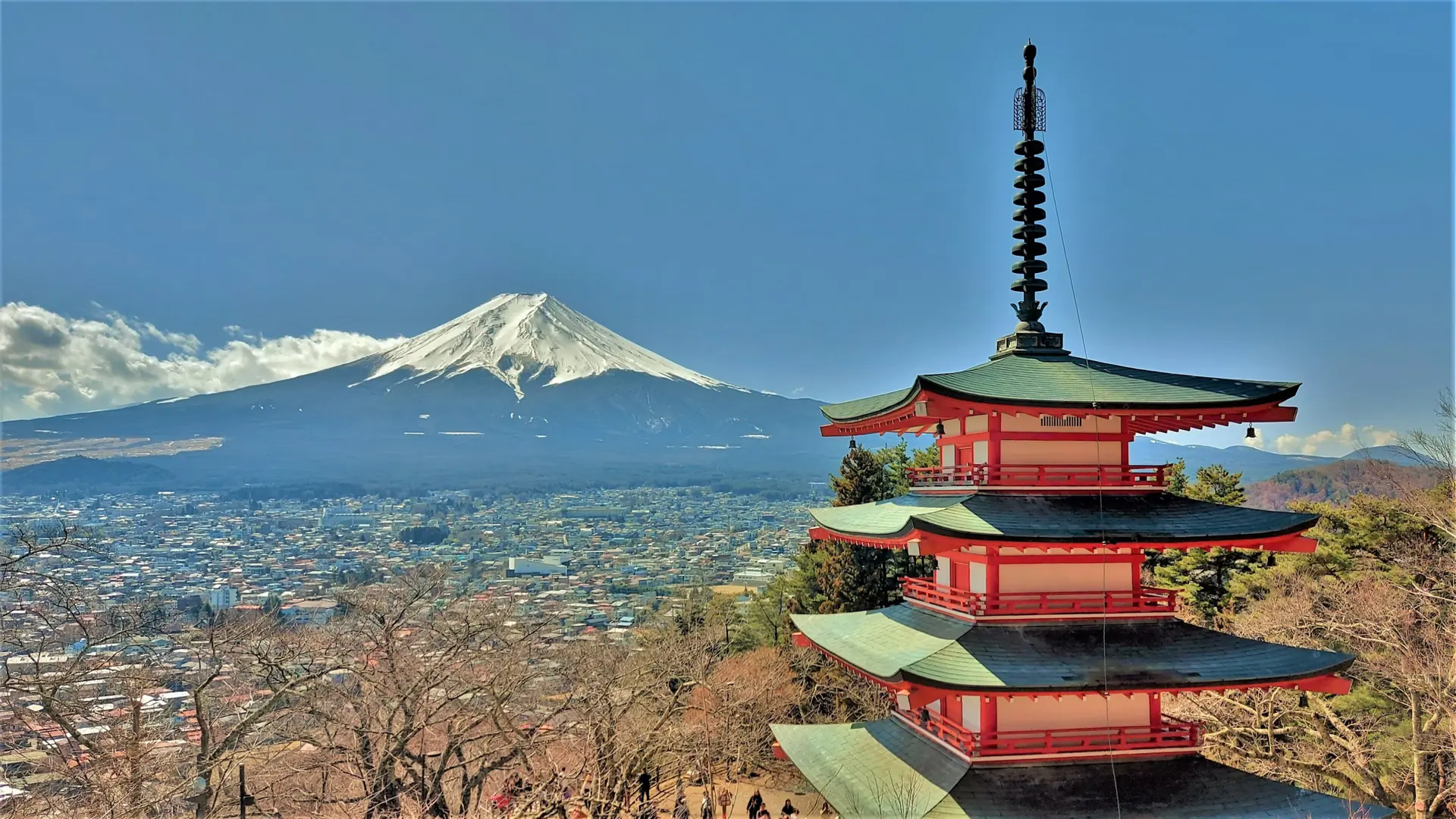
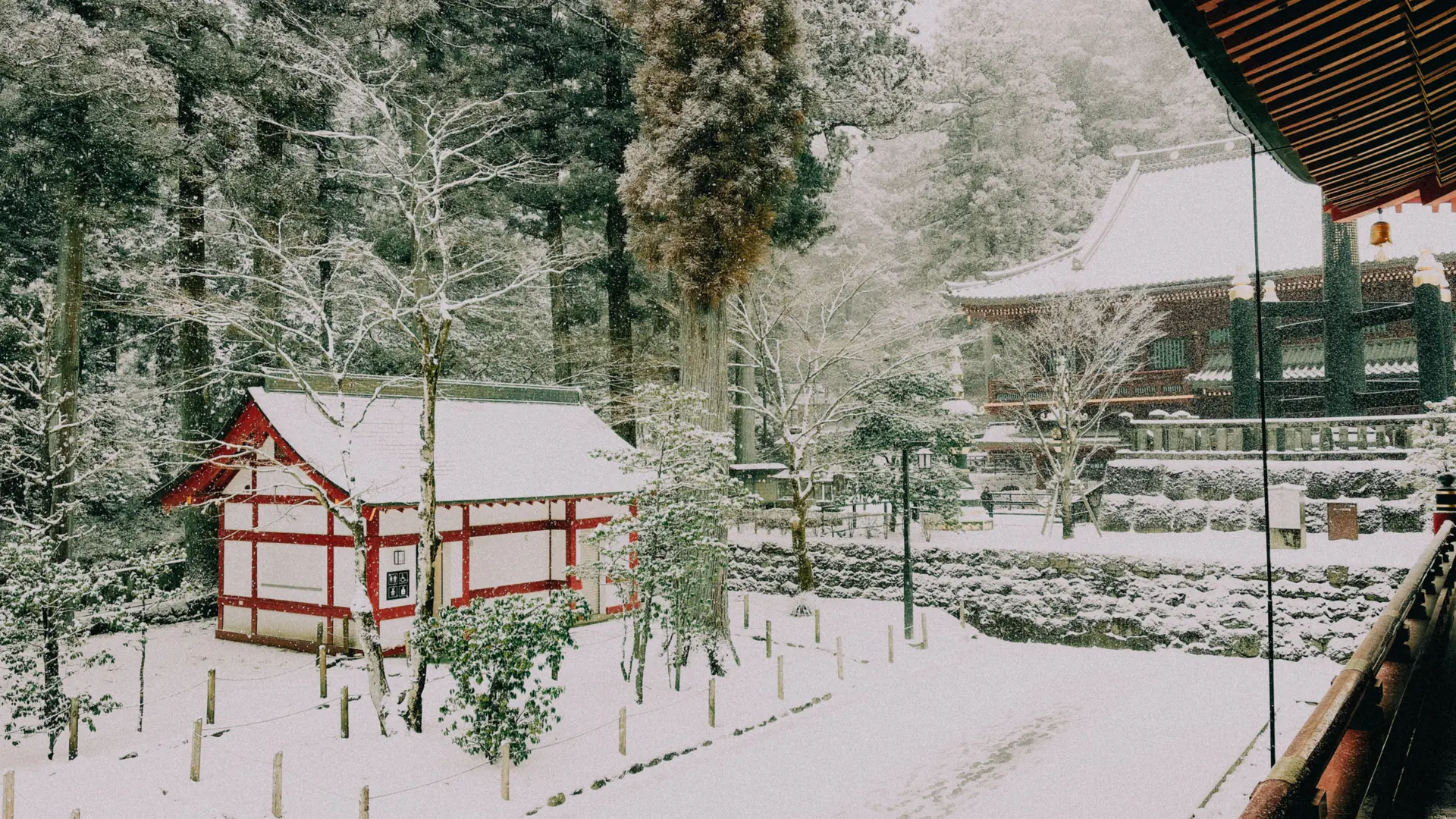
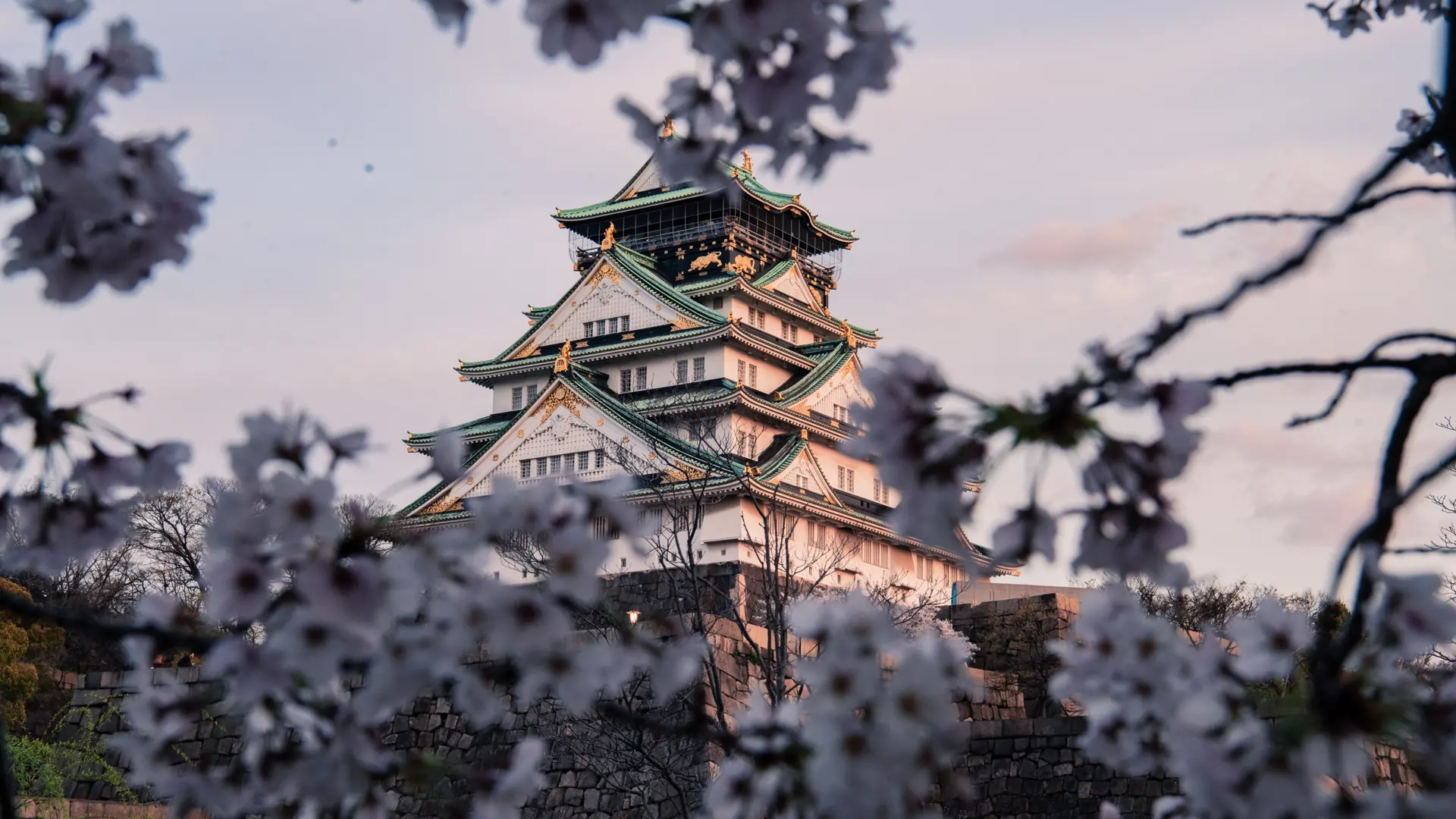
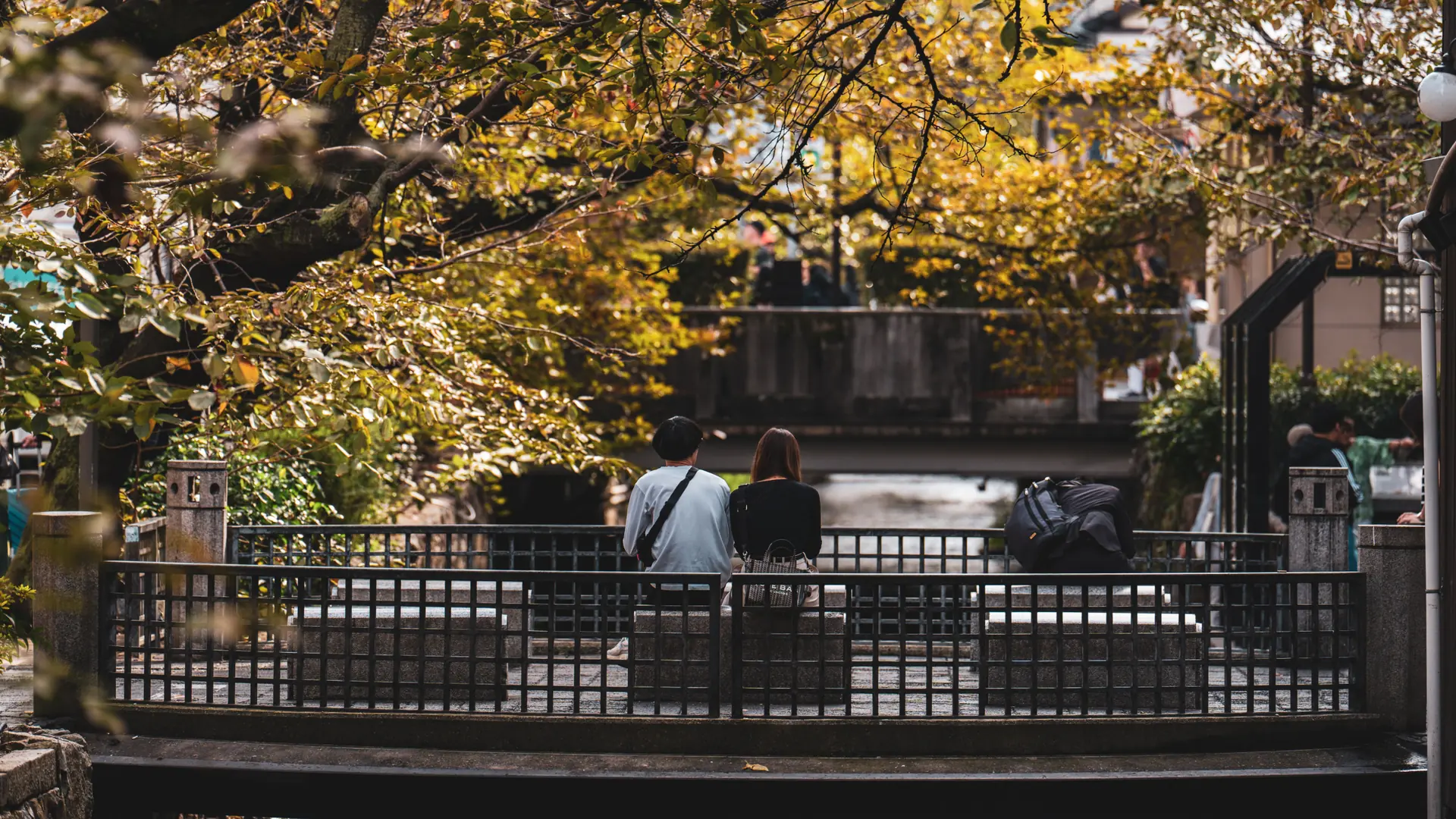
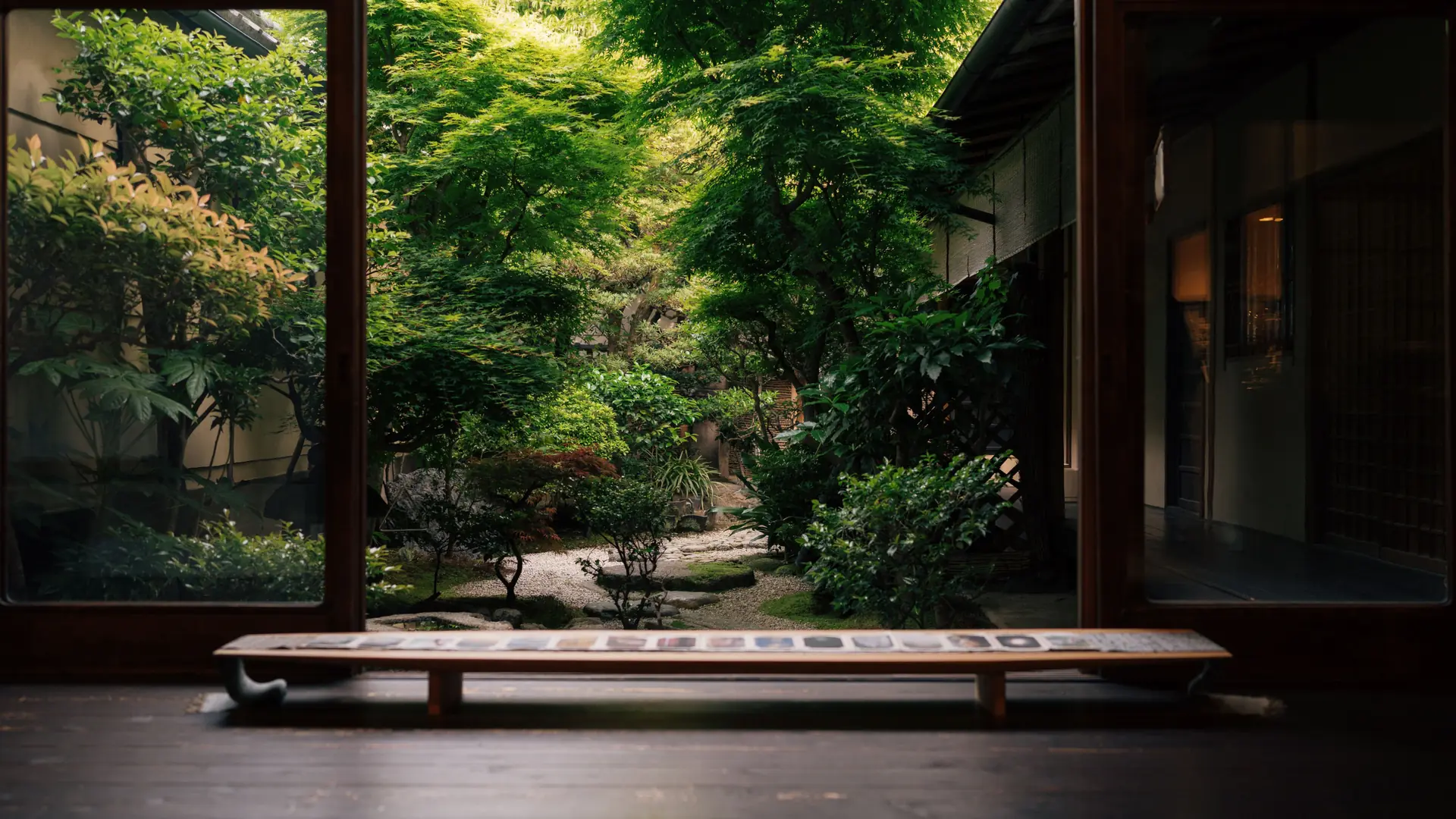
Mount Fuji rising beyond Lake Ashi and Hakone hills in clear morning light

Japan in 10 days via Hakone and Kyoto

The classic cities gain a proper two-night onsen pause, while an open-jaw flight keeps the extra stop from becoming backtracking.

Duration
10 days / 9 nights
Route
Tokyo → Hakone → Kyoto → Osaka
Main transport
Shinkansen, rail and bus
Best window
Apr–May, Oct–Nov
Loading Kyoto stays

The Golden Route with a real pause in the middle

Ten days is long enough to add Hakone without converting Tokyo and Kyoto into transit stops, but only if the route keeps moving west. Three Tokyo nights absorb jet lag and provide two coherent city days. Two Hakone nights create a complete weather-flexible day for Lake Ashi, Owakudani, museums or simply the baths. Kyoto then receives three nights and Osaka one, with the final departure handled from Kansai rather than Tokyo.

The expensive component is not automatically the most valuable one. A private transfer from Tokyo to a Hakone ryokan may feel seamless, yet the real operational gain often comes from forwarding the main luggage to Kyoto and taking a small bag onto the local mountain network. Spend on a room whose bath, dinner and breakfast justify time at the property. A ryokan reached after dark and left immediately after breakfast is a hotel tariff without the experience it priced in.

This version rejects three tempting additions. Nara would consume one of Kyoto’s two full days; Hiroshima would create a long out-and-back; and a Mount Fuji guarantee does not exist because cloud decides the view. The route instead protects slack around the mountain stay and lets Osaka provide one unstructured final night. Travellers wanting more regional depth should choose the fourteen-day itinerary, while anyone with only a week should omit Hakone rather than visit it as a luggage-heavy dash.

Two nights change the value of Hakone

Arrival day can belong to the Open-Air Museum or a private bath, while the following morning can respond to cloud, wind and ropeway status. That flexibility is the point of the extra night; it is not an invitation to add more distant attractions.

Luggage skips the mountain transport

Send the large case from Tokyo to Kyoto and carry one small bag through Hakone. This removes stairs, crowded buses and the need to protect a suitcase before a kaiseki check-in, while still leaving clean clothes waiting after the onsen stay.

Kyoto keeps two uncompromised mornings

A three-night base gives Fushimi or Higashiyama one dawn and Arashiyama another. Official congestion tools decide the order close to travel; a fixed internet schedule should not overrule weather and live crowd information.

Best for

  • First-time Japan visitors who want one excellent ryokan rather than another city checklist
  • Couples able to use open-jaw flights and luggage forwarding
  • Travellers who accept that Mount Fuji visibility cannot be reserved

Think twice if

Anyone who wants Hiroshima, several theme-park days or guaranteed alpine views; those aims require more nights or a different seasonal route.

StartBooker answer

How should a first-time visitor divide ten days between Tokyo, Hakone, Kyoto and Osaka?

Use three nights in Tokyo, two in Hakone, three in Kyoto and one in Osaka, then depart on day ten from Kansai Airport. The second Hakone night is the distinguishing choice: it turns the ryokan and onsen into the centre of a slow day instead of an expensive late arrival. Travel Tokyo–Hakone via Odawara, continue west by Tokaido Shinkansen, and send large luggage directly from Tokyo to Kyoto. Reserve the ryokan meal plan before polishing the city sightseeing list.

Night split
3 Tokyo, 2 Hakone, 3 Kyoto, 1 Osaka
Long rail spine
Tokyo/Odawara → Kyoto → Osaka
Hakone decision
Two nights protect one weather-flexible loop day
Exit strategy
Finish near Kansai Airport rather than reverse the route

The overnight sequence

Each stop has a defined job; the night count follows that job rather than dividing the trip evenly.

4 stops · swipe

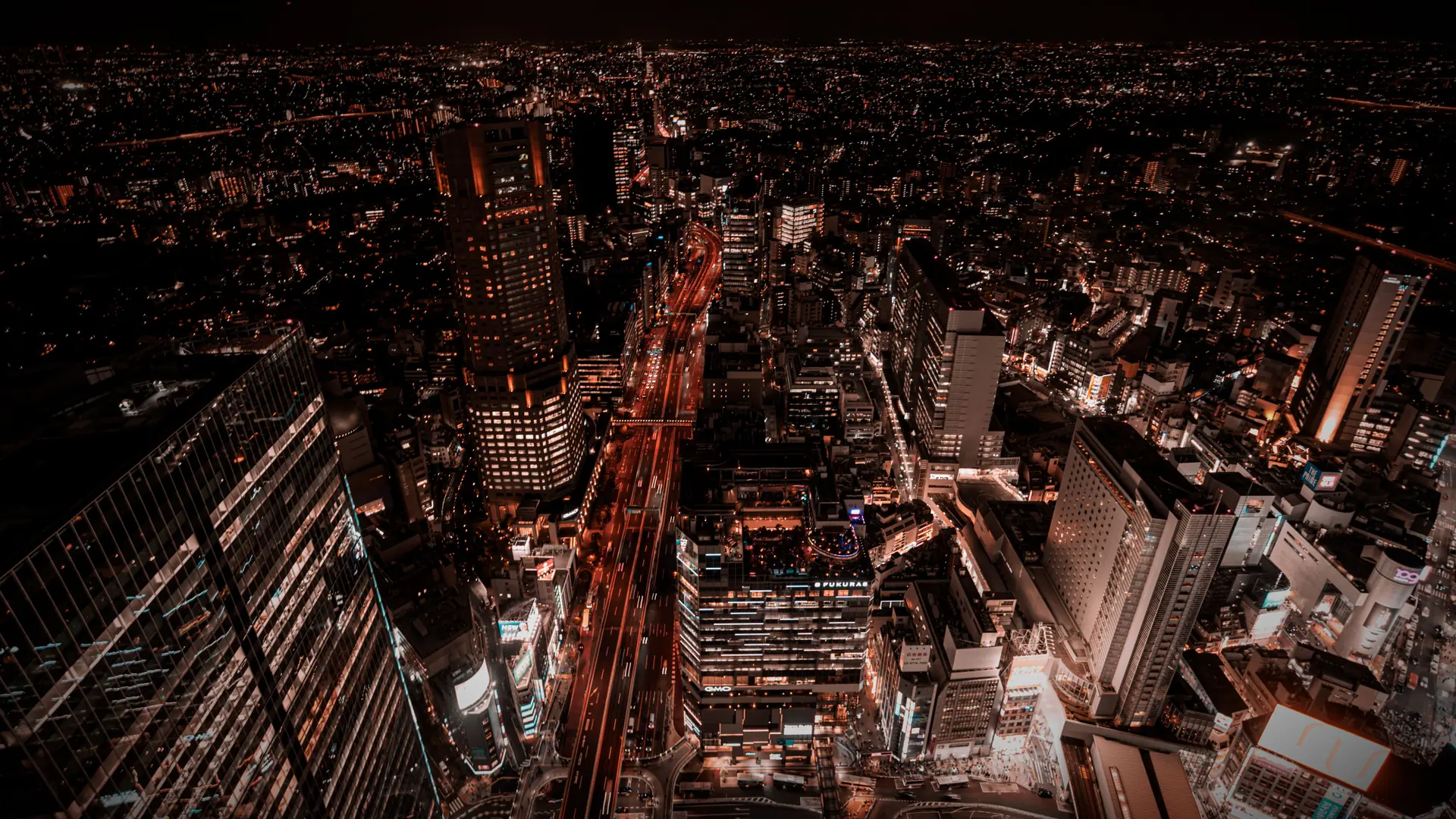
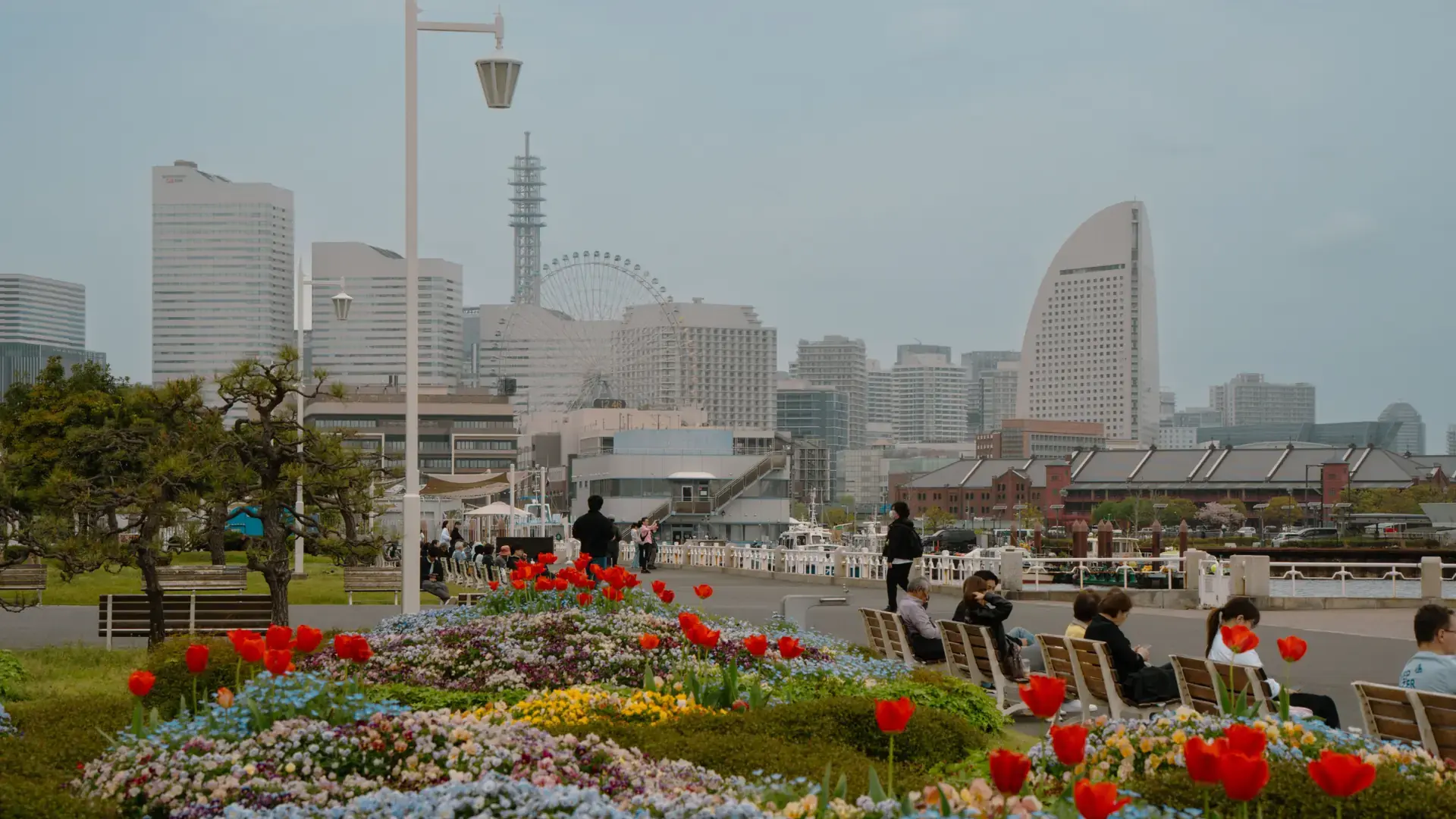
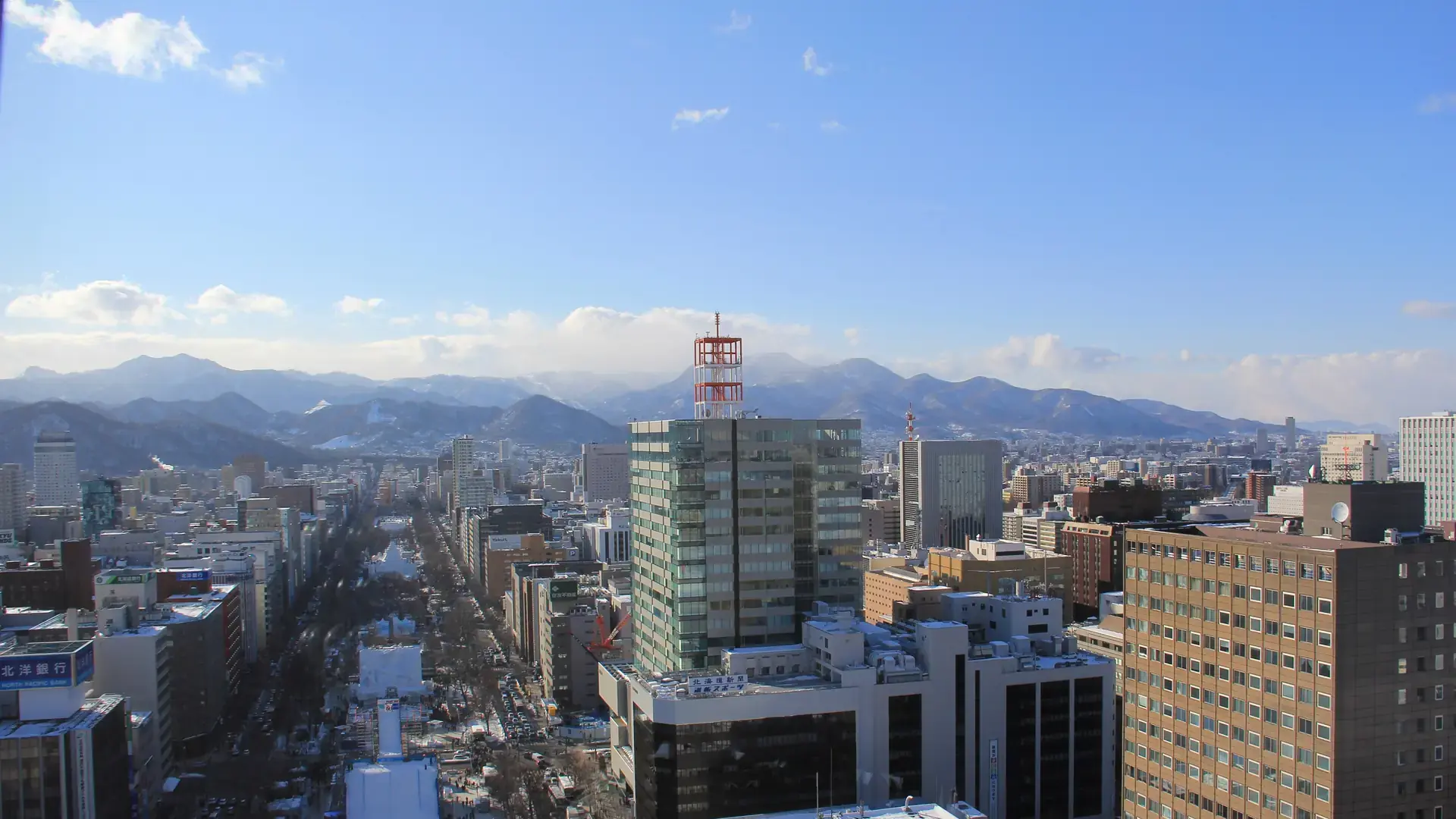
  1. Tokyo skyline and the Imperial Palace district beneath clear evening light 1

    Tokyo

    3 nights

    Neighbourhood-scale contrasts, serious dining and design

    Three nights create two full days: one for Asakusa, Ueno and the eastern core, another for Meiji Jingu, Omotesando and Shibuya. A Tokyo Station or Ginza base makes the Hakone departure simpler; a western base better suits nightlife. Pick one advantage rather than chasing a theoretical centre.

    Watch out: Book by the side of the city you will use most; an impressive room can still be an exhausting base.

    Read the Tokyo guide →
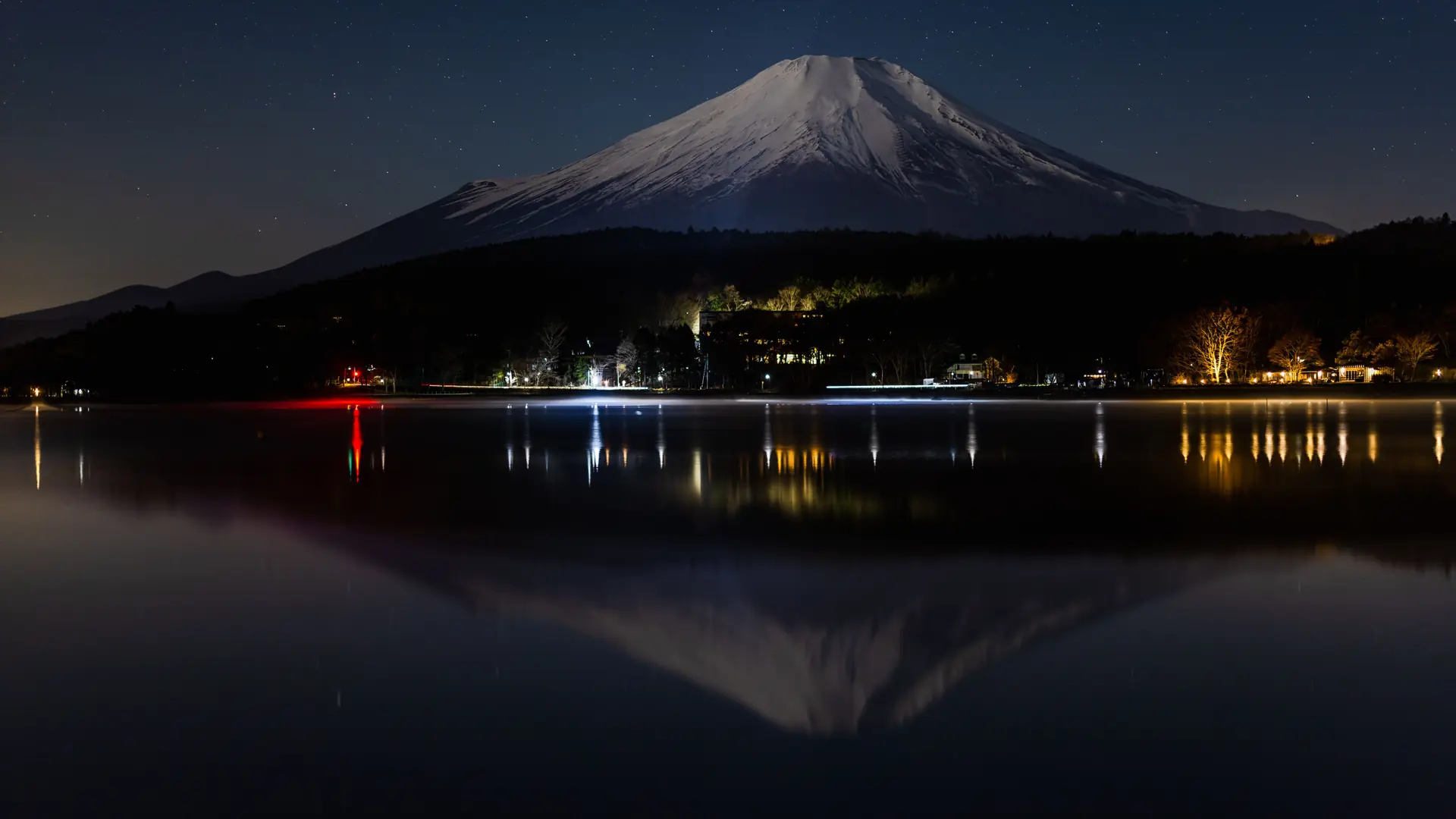
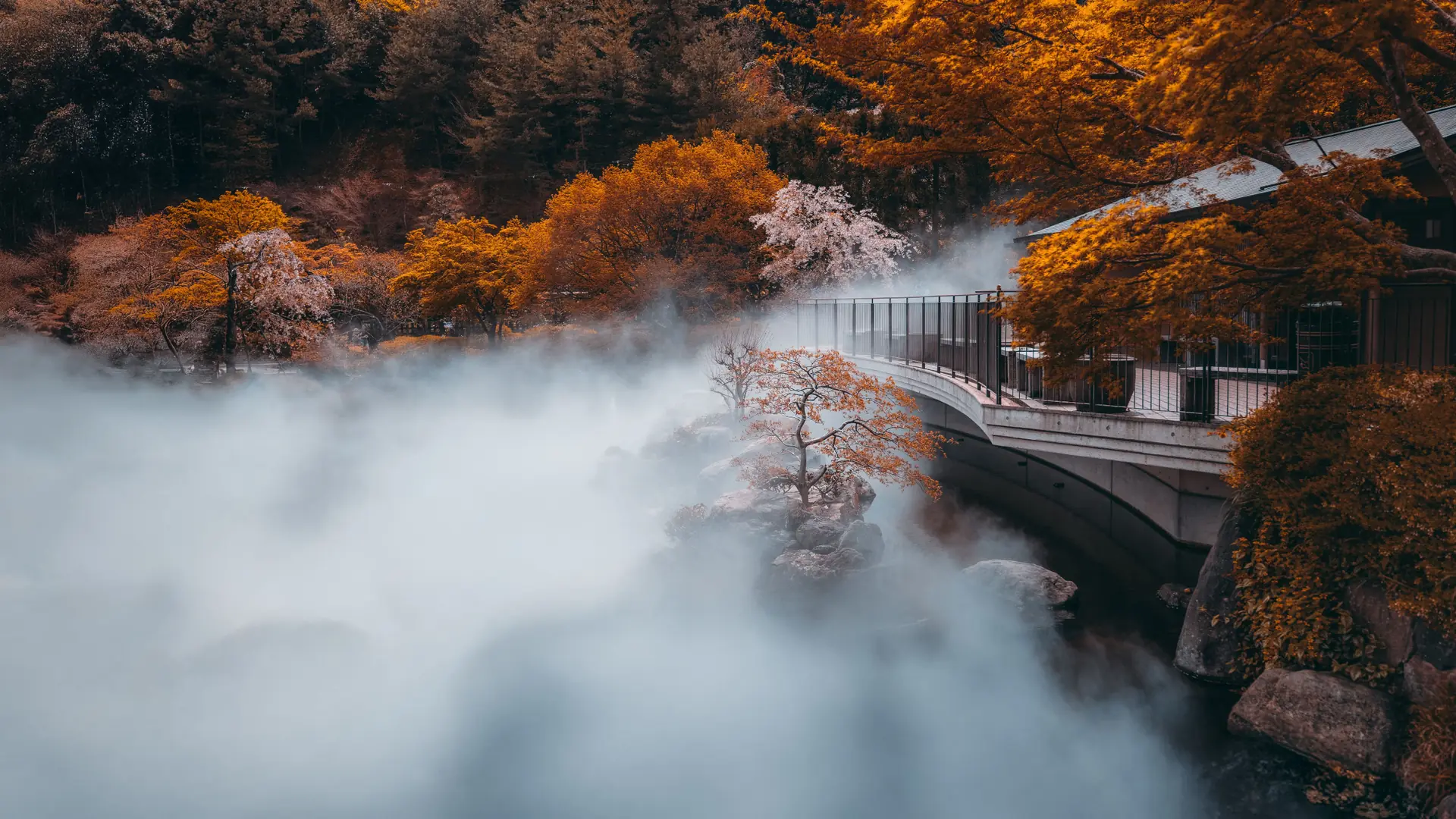
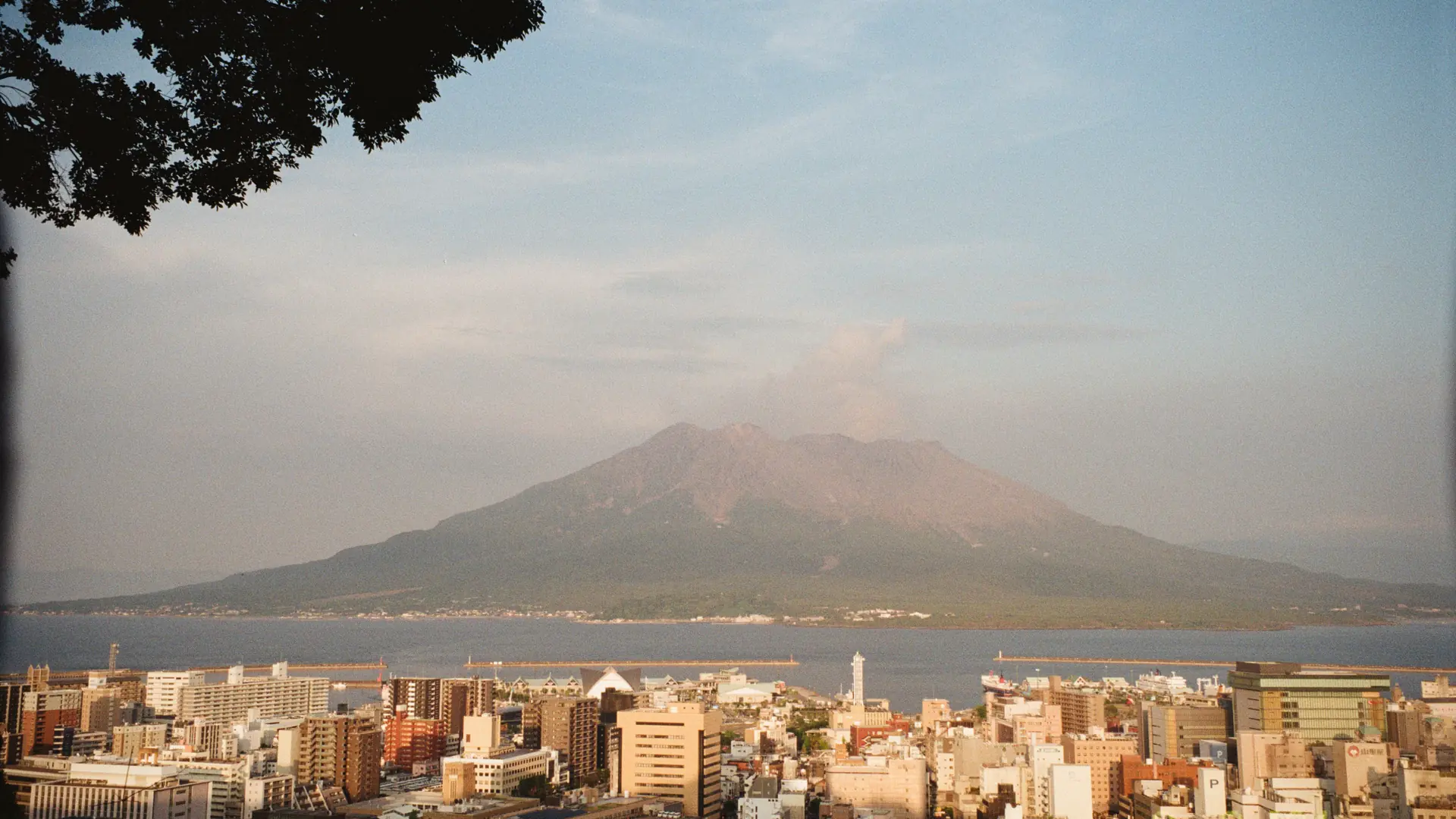
  2. Lake Ashi with wooded Hakone slopes and Mount Fuji on the horizon 2

    Hakone

    2 nights

    Onsen, ryokan meals, volcanic terrain and changing Fuji views

    Two nights let the property matter. Choose Gora for museums and rail access, Lake Ashi for still evenings, or Hakone-Yumoto for the easiest arrival. Confirm whether dinner is included, when it is served, and whether a private bath is in the room, reservable or communal; those distinctions drive both price and experience.

    Watch out: Ropeway, boats and buses are weather-sensitive; verify live operations and never make one circuit the sole reason for the stay.

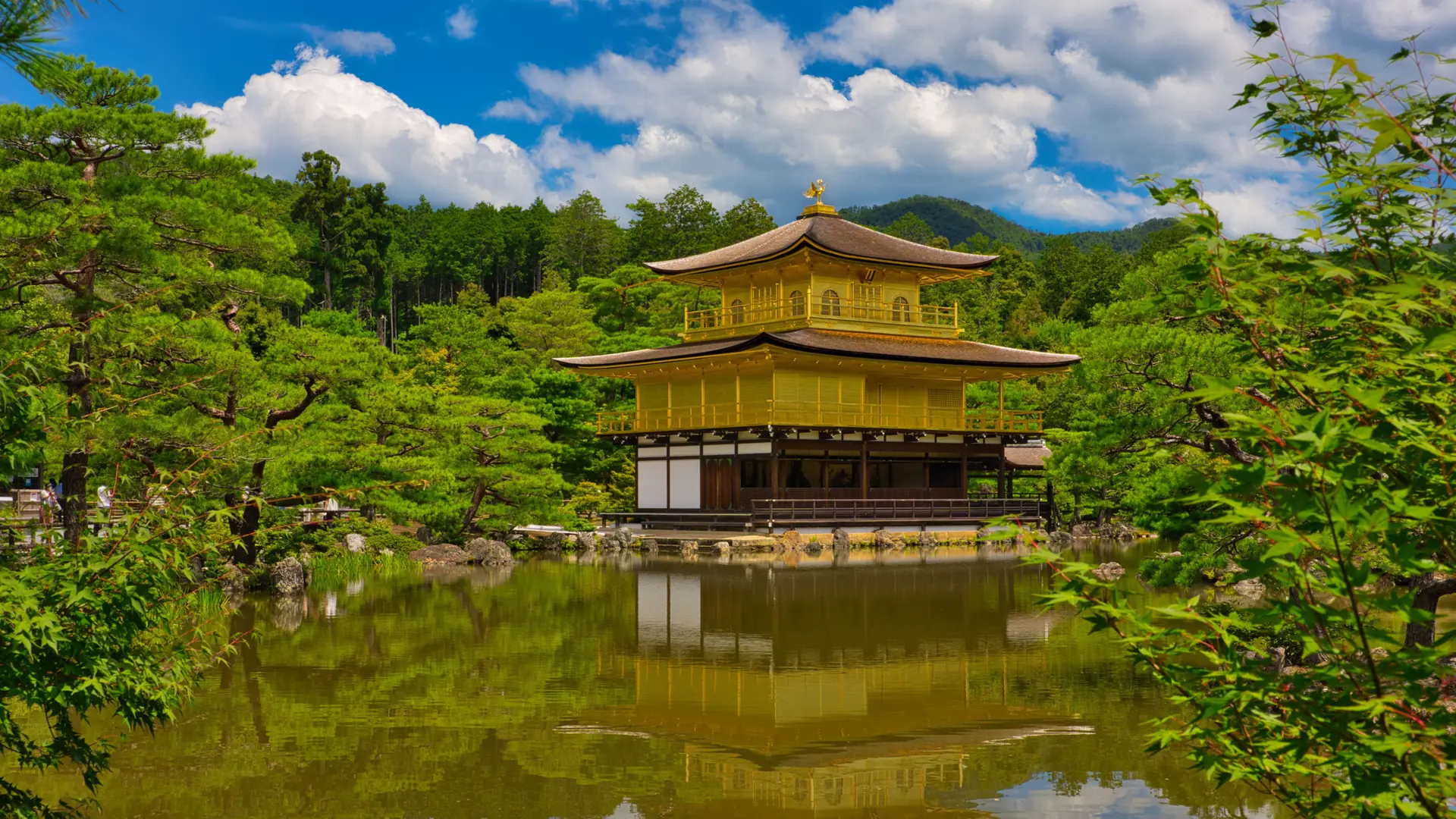
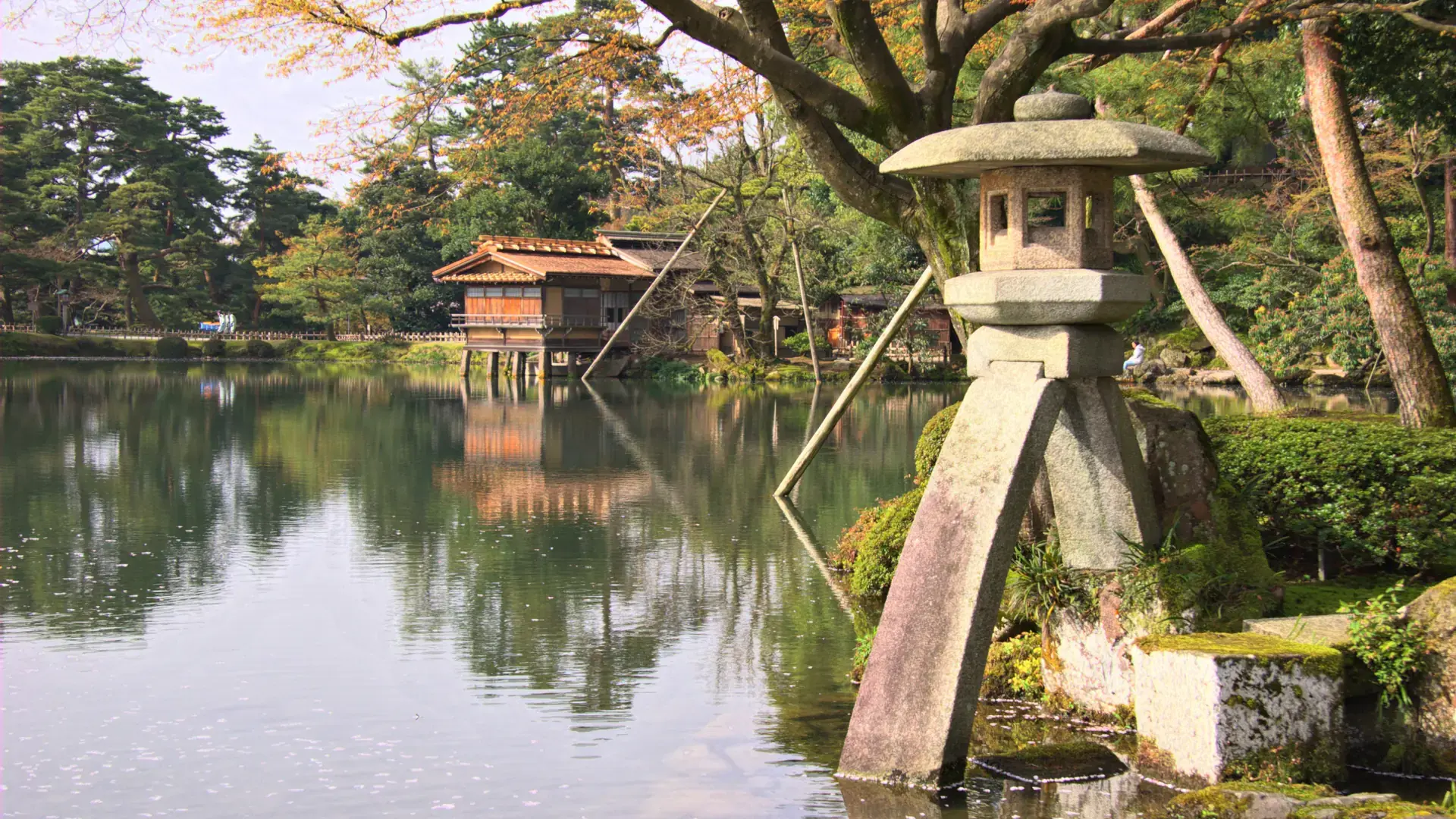
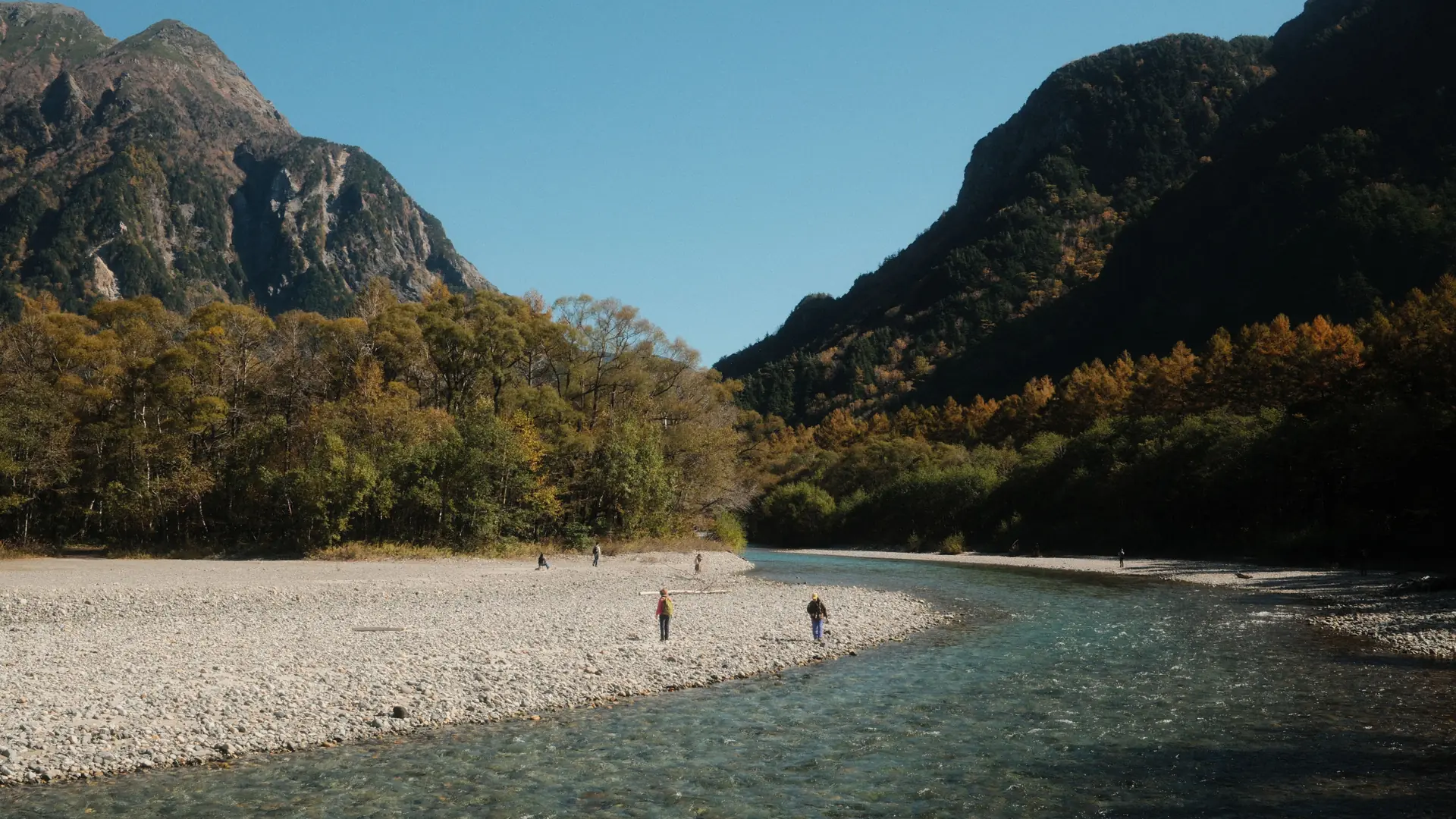
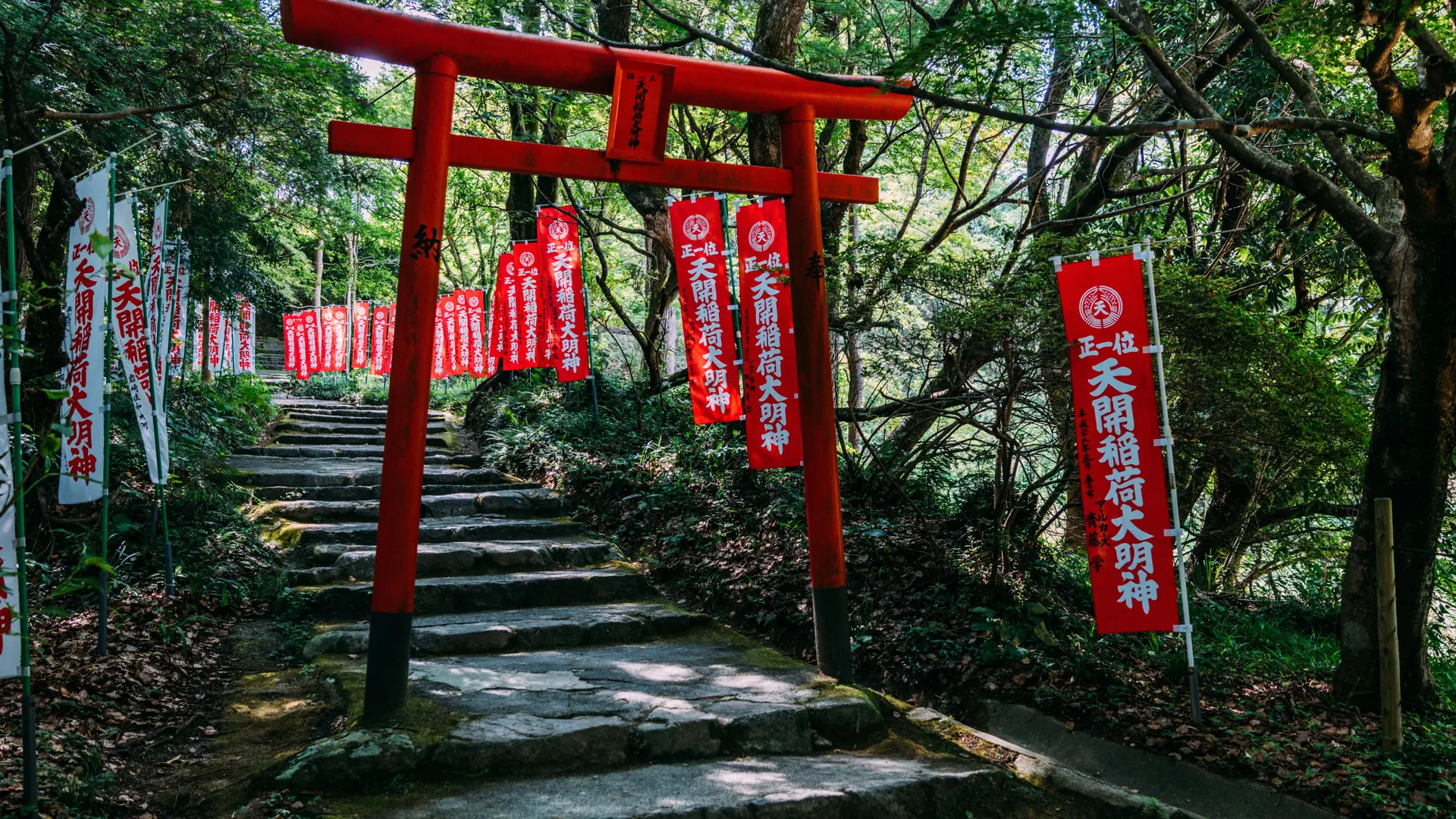
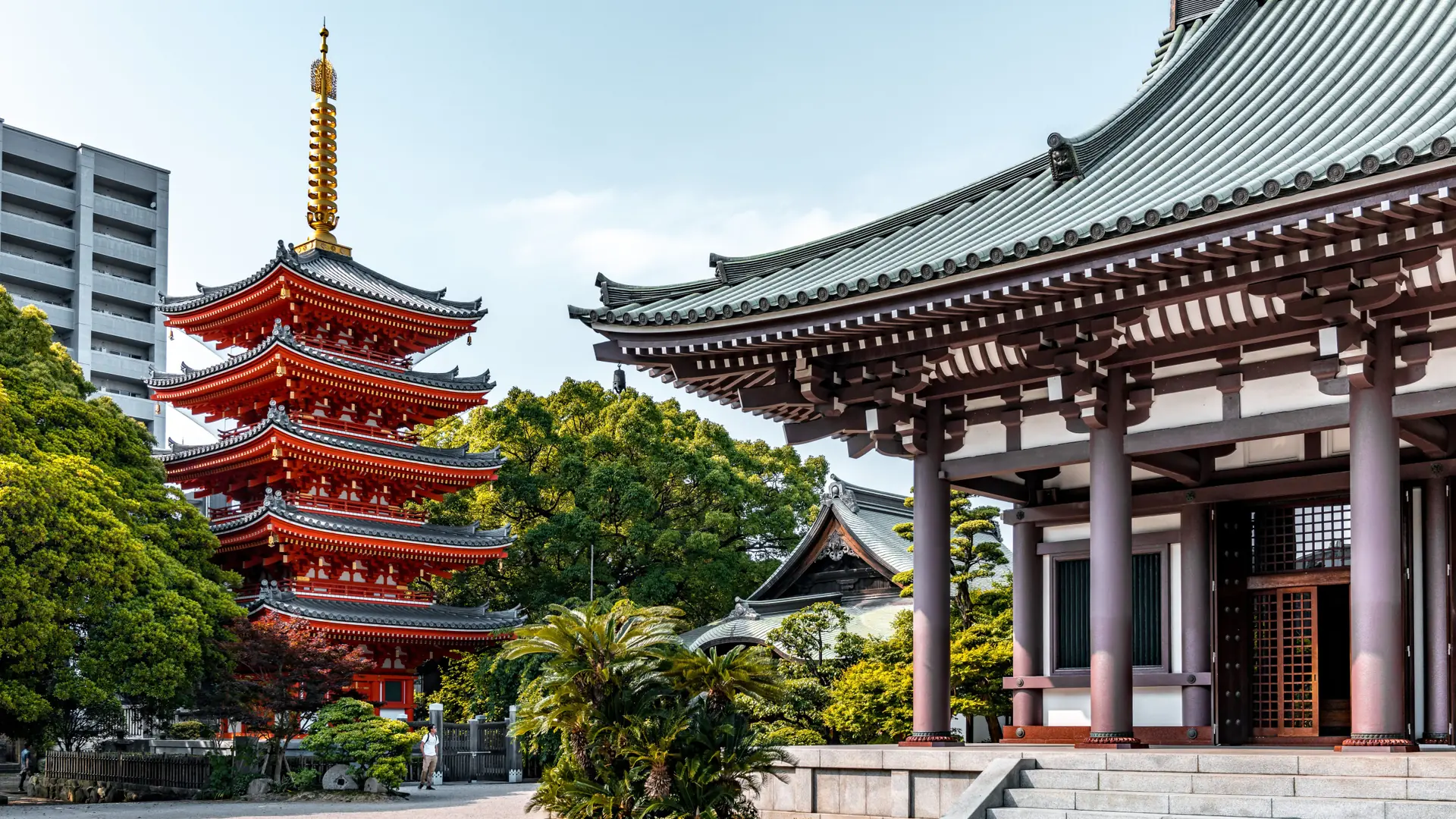
  3. Kyoto Higashiyama rooftops and Yasaka Pagoda in warm late-afternoon light 3

    Kyoto

    3 nights

    Temple landscapes, gardens, craft lineages and seasonal food

    Three nights support two early starts plus an arrival evening. Stay in Higashiyama for doorstep atmosphere, around downtown for restaurants and balanced access, or by Kyoto Station for transfers. A taxi helps between districts for a couple, but no vehicle makes Fushimi, Kiyomizu and Arashiyama one sensible morning.

    Watch out: Famous districts are far apart and midday road congestion is real. Put one geographic cluster in charge of each day.

    Read the Kyoto guide →
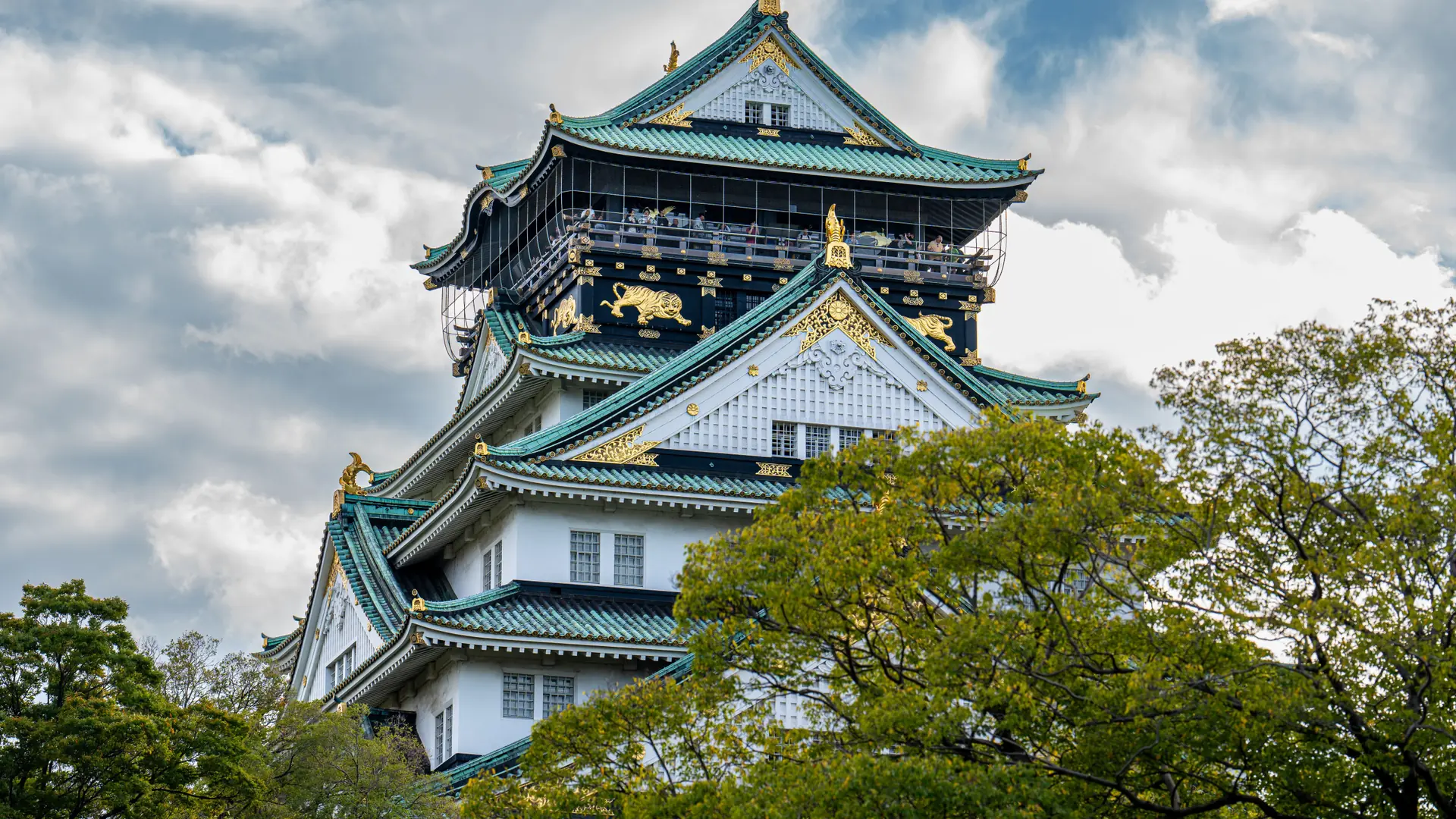
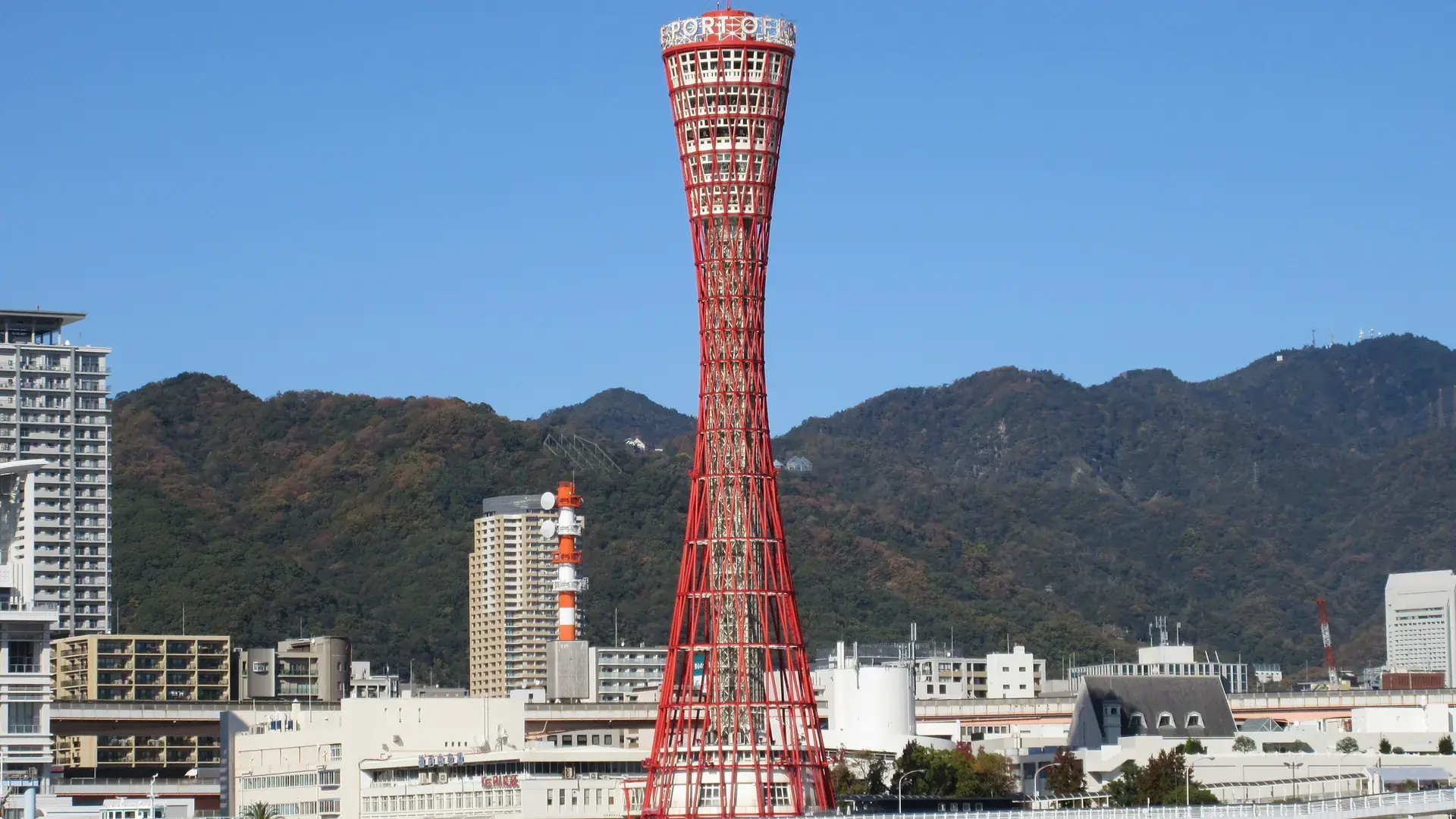
  4. Dotonbori canal and illuminated restaurant facades reflected in the water 4

    Osaka

    1 night

    Namba nightlife, open kitchens and a practical Kansai exit

    Use Osaka as a final evening rather than another monument campaign. A Namba room puts Dotonbori and Hozenji on foot and offers direct airport choices. Arrive before dinner, eat with curiosity, sleep without an alarm tied to an intercity train, and reserve the morning only for departure logistics.

    Watch out: One night means the hotel must support both dinner and the airport. Shin-Osaka optimises the wrong transfer for this plan.

    Read the Osaka guide →

The route, day by day

Travel days protect a useful morning or evening instead of sacrificing both sides of the move.

1 Day 1 Arrive in Tokyo without crossing it twice

Choose the airport transfer by the hotel address, leave the first meal close to the room and learn the station exits while daylight remains. A Marunouchi base supports a palace-moat walk and Ginza dinner; Shibuya supports a western evening. Do not combine them after a long-haul flight. Load an IC card, ask the concierge to reconfirm any difficult reservation and set out tomorrow’s shoes. The first night has one job: make the next morning usable. A polished arrival transfer is worth paying for when it removes uncertainty, but a private car does not justify scheduling a distant attraction before check-in.

  • Door-to-door airport decision
  • One neighbourhood after check-in
  • Early rest before two full Tokyo days

Base: Tokyo

2 Day 2 Asakusa, Ueno and the eastern city

Reach Sensoji before the shopping street becomes dense, then continue through Kappabashi or toward Ueno according to interest. A specialist guide earns the fee by interpreting crafts, food history or museum context, not by hurrying between photo stops. Keep lunch in the same half of Tokyo and use the afternoon for one collection or a quiet Yanaka walk. Return to the hotel before a reserved dinner. This district grouping keeps rail time proportionate and leaves enough attention for the details that distinguish old commercial Tokyo from a generic temple visit. If Ginza is your base, finish in its galleries and backstreet bars rather than making another westward crossing.

  • Sensoji before peak footfall
  • A craft street or one museum
  • Dinner on the eastern side

Base: Tokyo

3 Day 3 Meiji Jingu, design streets and Shibuya after dark

Begin among the trees at Meiji Jingu, then walk outward through Harajuku and Omotesando instead of repeatedly entering the rail system. Reserve the afternoon for architecture, fashion, a small museum or a long lunch chosen before travel. Shibuya makes sense as daylight fades, when the crossing and surrounding towers become a cityscape rather than a box to tick. Couples paying for a private design or shopping appointment should leave space around it; precision access is wasted if the rest of the day runs late. Pack the small Hakone bag tonight and have the hotel forward the main case to Kyoto, confirming the delivery date in writing.

  • Meiji Jingu in the morning
  • One design-led afternoon
  • Forward the main suitcase to Kyoto

Base: Tokyo

4 Day 4 Odawara connection and an unhurried ryokan arrival

Leave Tokyo after breakfast, travel to Odawara and change onto the local Hakone network. The exact combination depends on the property: Hakone-Yumoto, Gora and Lake Ashi are not interchangeable pins. Aim to reach the ryokan early enough to use its bath before dinner. If the room is not ready, leave the small bag and visit one nearby museum rather than forcing the entire sightseeing loop into arrival day. Kaiseki service is scheduled, and late arrival can diminish or forfeit the meal that explains much of the room rate. Ask about tattoo policy, private-bath access and dietary requests well before this morning; those are accommodation decisions, not issues to negotiate at the dining room door.

  • Tokyo to Odawara without the large case
  • One nearby museum at most
  • Bath and dinner as the main event

Base: Hakone

5 Day 5 Let weather choose the Hakone day

Look outside before committing. In clear, stable conditions, start toward Lake Ashi or the ropeway while visibility is best, then complete only the sections whose live status is operating. In cloud, give priority to the Open-Air Museum, Pola Museum or a long ryokan morning and treat any later Fuji glimpse as a gift. The Freepass covers a broad network, but coverage is not an instruction to ride every vehicle. A private driver can be valuable for a mobility-limited party or a precisely timed museum day; it cannot open a suspended ropeway. Return with enough margin for the second dinner, and use the repeated night to experience the property rather than repack.

  • Check live operations before breakfast
  • Outdoor circuit or museum-led alternative
  • Second ryokan evening without moving bags

Base: Hakone

6 Day 6 Descend to Odawara and continue west

After breakfast, return through Hakone’s local network to Odawara and board the Tokaido Shinkansen for Kyoto. Do not promise yourself a major mountain attraction before departure; the sequence already contains multiple modes and rural services. Reserve the train with a realistic buffer rather than the tightest possible connection. Your forwarded suitcase should be waiting in Kyoto, removing the most awkward part of the day. Check in and walk one compact evening area: the Kamo River and Pontocho from downtown, or Yasaka Shrine and the lower Higashiyama lanes from the east. Tomorrow begins early, so make dinner close enough that it does not depend on the last bus.

  • Conservative connection at Odawara
  • Reunite with forwarded luggage
  • A single Kyoto evening district

Base: Kyoto

7 Day 7 Fushimi Inari and southern Kyoto before the rush

Take the train to Fushimi Inari early and walk beyond the densest lower gates until the slope or time tells you to turn. Continue into Fushimi’s sake-brewing streets if craft and food interest you, or return north for Sanjusangendo and one garden. This pairing follows the rail geography and resists the familiar mistake of crossing to Arashiyama at noon. After a hotel pause, use late afternoon around Kiyomizu or the Philosopher’s Path according to the official congestion picture. Hire a guide for religious history, architecture or craft access, then give that subject time; a guide is not a licence to cram five temple compounds into daylight.

  • Early Fushimi Inari ascent
  • Fushimi sake district or Sanjusangendo
  • One eastern district late in the day

Base: Kyoto

8 Day 8 Arashiyama beyond the bamboo photograph

Reach Arashiyama near the start of the day and pass through the famous grove before it becomes the destination’s entire story. Continue to a temple garden, the river or Saga-Toriimoto so the journey earns its travel time. Lunch should remain west rather than pulling you back across the city. In the afternoon, choose a quieter northwestern temple or return centrally for crafts and a proper rest. A chauffeured car is useful if mobility or a fixed artisan appointment demands it, but road congestion can erase the expected advantage. Confirm tomorrow’s short Osaka move, then reserve the final Kyoto evening for the meal or performance that mattered enough to book well ahead.

  • Bamboo grove at opening
  • A garden or preserved street farther west
  • Final Kyoto dinner with no extra district chase

Base: Kyoto

9 Day 9 A measured Kyoto morning and Osaka night

Use the last Kyoto morning close to the hotel: Nishiki and a craft appointment from downtown, or an eastern lane before shops open from Higashiyama. Collect bags after lunch and select the Osaka train by the destination hotel rather than the fastest station pair. Namba is usually the correct base for this one-night finish. Once checked in, walk Dotonbori, Hozenji and the smaller lanes behind the canal, eating in stages unless a particular counter restaurant was a priority from the outset. Osaka is the tonal change at the end of the route; give it an evening of appetite and conversation instead of arriving late because Kyoto supplied one sight too many.

  • Local final Kyoto morning
  • Hotel-to-hotel train choice
  • Namba and Dotonbori after dark

Base: Osaka

10 Day 10 Leave Japan from Kansai, not from the route’s beginning

Match the morning to the flight. An early departure means a direct airport transfer and no invented sightseeing; a late flight allows breakfast, luggage storage and one covered shopping or riverside walk. Confirm the terminal, live operator schedule and hotel-to-station walking time. Do not use the saved hours to return to Kyoto. The open-jaw fare was selected to end the trip cleanly, and its value disappears if departure day becomes another cross-region excursion. Travellers with a private airport car should still allow for traffic and terminal processing. The route ends well when the final meal feels chosen, bags are controlled and the airport margin is generous enough that ten thoughtful days are not remembered for one frantic platform.

  • Terminal and departure checked live
  • One local activity only on a late flight
  • Comfortable airport margin

Base: Osaka

How the route joins together

These are the transfers that determine whether the itinerary feels calm or fragmented.

3 transfers

  1. Tokyo Hakone

    Train Travel time: about 1–2 hours

    Travel from Tokyo to Odawara by Shinkansen or from Shinjuku toward Hakone-Yumoto on Odakyu, then continue according to the ryokan address. The fastest first train can still be the slower door-to-door choice if it creates an awkward local transfer.

    Booking note: Send the main case to Kyoto and ask the ryokan for its preferred arrival route and shuttle instructions.

  2. Hakone Kyoto

    Train Travel time: about 3–4 hours

    Descend to Odawara, then take the direct Tokaido Shinkansen west. Build margin between local mountain transport and the reserved train; buses and ropeway connections are more exposed to weather than the intercity service.

    Booking note: Reserve from Odawara only after deciding the checkout and feeder service that make the connection comfortable.

  3. Kyoto Osaka

    Train Travel time: 15–50 minutes

    The nominal Shinkansen ride to Shin-Osaka is short, but Namba requires another leg. Compare a rapid or private railway from the Kyoto hotel with the full Shinkansen transfer before paying for theoretical speed.

    Booking note: Buy this short sector separately unless a broader pass genuinely covers other planned journeys.

Schedules, fares, road conditions and seasonal operations change. Verify the exact service with the responsible operator before booking.

Where a premium budget changes the experience

Use money to remove friction or gain meaningful access. A higher room category is not automatically valuable when the schedule prevents enjoying it.

Tokyo base A station-adjacent or neighbourhood-specific hotel can remove daily cross-city travel; judge the address before the brand.
Location-led premium
Hakone ryokan Compare meal inclusion, bath privacy, check-in deadline and transfer complexity, not just room photographs.
Primary splurge
Kyoto access Spend for a specialist morning or mobility solution; a full-day vehicle can be trapped by the same congestion as buses.
Guide or car selectively
Green Car It offers more space and a quieter cabin, while the arrival time remains broadly similar to an ordinary reserved seat.
Comfort purchase

Booking tips

  • Reserve the Hakone property first because room type, dinner and bath arrangements define two days.
  • Book Kyoto next, especially for spring or autumn, then fit the Shinkansen around those fixed stays.
  • Forward the main suitcase from Tokyo and confirm the delivery date before leaving it with the hotel.
  • Treat every ropeway time, train departure and restaurant rule as current information to reconfirm with its operator.

Choose Kyoto around two early starts

Live Kyoto stays for a three-night base. Compare Higashiyama atmosphere, downtown dining and station convenience against the mornings you actually plan.

Search more Kyoto stays →
Loading Kyoto stays

Tokyo to Osaka with a two-night Hakone pause

The line reveals the route’s deliberate shape: three city bases connected westward, with Hakone given enough time to respond to mountain weather.

Kyoto

Questions to settle before booking

Are two nights in Hakone too many?

Not when the ryokan is a central reason for travelling. Two nights create one full day that can change with visibility and transport status, and they let you enjoy both dinners without packing between them. If Hakone is only a Fuji photo stop, use one night and give the saved night to Kyoto or Osaka.

Should I buy the nationwide JR Pass?

Calculate the exact tickets first. This route has one major Tokaido ride, a short Kansai move and local Hakone transport, much of which is covered by a separate area pass rather than the national product. Buy a rail pass for genuine convenience or savings, not because an older itinerary assumes it is automatic.

Can I guarantee a view of Mount Fuji?

No. Cloud, wind and seasonal weather control visibility, and transport can operate even when the mountain is hidden. Two nights improve flexibility but do not create a guarantee. Choose Hakone for the onsen, landscape and museums as well, then treat a clear Fuji view as a fortunate addition.

What does luggage forwarding solve?

It keeps a large suitcase off Hakone’s trains, buses and ryokan transfers. Pack medicine, valuables and two changes of clothing in a small bag, send the main case from Tokyo to Kyoto and confirm the delivery date. Oversized cases on the Tokaido Shinkansen may otherwise require a designated baggage-area reservation.

Is one night in Osaka worth changing hotels?

Yes when nightlife and a Kansai Airport departure matter. A Namba stay turns the final dinner into an unhurried evening and avoids returning to Kyoto after it. If your flight leaves Tokyo or you prefer a single Kansai base, use Osaka as a day trip and keep the Kyoto room.

When should I book this route?

Start with flights, the Hakone ryokan and Kyoto hotel, because those constrain the shape. Then reserve the long train and any scarce dining or cultural appointment. Local city transport can remain flexible, and mountain operations should be checked again immediately before travel.

Sources and editorial review

Reviewed by StartBooker editorial Japan itinerary research and travel editing

Last checked 2026-09-13

How this route was checked: Built from current operator and destination records, with independent itinerary reporting used to challenge pacing and omissions. Volatile times, prices and operating notices are deferred to the linked first party.

15 references reviewed

Key sources
  • Tokyo Convention & Visitors Bureau
  • Kyoto City Tourism Association
  • Osaka Convention & Tourism Bureau
  • Central Japan Railway Company
  • Odakyu Hakone
  • Lonely Planet
Photo credits

Photos provided by Pexels.

How did you adjust this ten-day route?

Which night allocation worked best in practice?