
Why Fukuoka stays in the route
One Fukuoka night offers a forgiving arrival, excellent food and a straightforward rail start, while preserving most of the week for Kyushu's smaller spa towns.
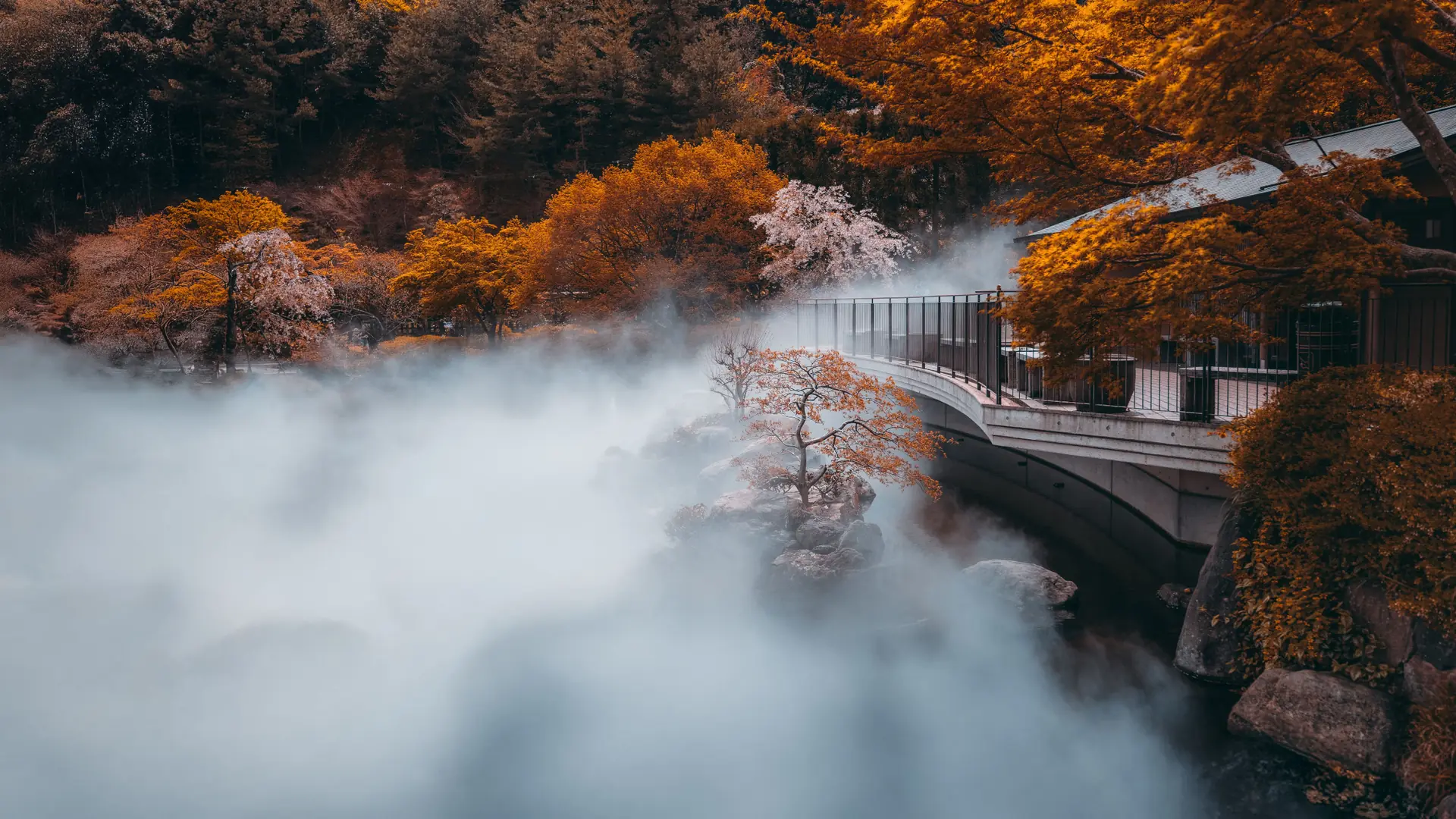
Two hot-spring towns play different roles between energetic city bookends, while a one-way route prevents rural transport from becoming repeated backtracking.
Kyushu rewards slow ground travel, but a week requires discipline. Fukuoka is the arrival and food gateway. Yufuin contributes a walkable art-and-landscape stop, while Kurokawa receives two nights because its baths, river setting and meal schedule are the core experience. Kumamoto provides a castle-city conclusion and a practical onward hub.
A premium budget matters most at Kurokawa: compare bath character, room access, meals, shuttle arrangements and the ryokan’s exact location. In Yufuin, a central room can be more valuable than an isolated villa if the purpose is walking. Rural taxis and buses are finite, so a private transfer must be confirmed, not imagined as an app summoned after dinner.
The route avoids adding Beppu, Aso, Nagasaki and Kagoshima. Each is worthwhile, but together they would make the onsen towns into late check-ins. Volcanic and road conditions can alter Kyushu movement; official operator information takes priority, and any Aso extension should replace a Kumamoto activity rather than sit on top of it.
Bathing etiquette is part of the experience, but physical comfort matters too. Ask each ryokan about private facilities, tattoos, stairs and meal arrangements before choosing the room. Leave jewellery and phones outside bathing areas, wash first, and avoid treating rotenburo as a photography opportunity. Two Kurokawa nights allow short sessions separated by rest, which is both more pleasant and more respectful than racing through every participating bath.
Bathing etiquette and physical comfort belong in the same plan. Confirm private facilities, tattoo policies, stairs and meal times directly with each inn. Leave phones and jewellery outside bathing areas, wash first and allow recovery between hot pools. Two Kurokawa nights make that slower rhythm possible. They also protect the principal dinner from the uncertain rural arrival, which is a stronger reason for the night count than collecting every bath on a pass.
The final city should not be treated as transport storage. Kumamoto Castle’s current visitor route explains recovery as well as architecture, and one additional garden or museum can broaden that context. Keep the last dinner regional and close enough to the hotel that tomorrow’s airport or rail margin remains intact. A week built around bathing still deserves a strong civic conclusion.
One Fukuoka night offers a forgiving arrival, excellent food and a straightforward rail start, while preserving most of the week for Kyushu's smaller spa towns.
Yufuin is the accessible first taste of rural Kyushu: an overnight allows a quiet morning around the basin before the journey continues by bus into the mountains.
Two Kurokawa nights are the route's centre of gravity, making room for ryokan meals, repeated bathing and unplanned rest instead of a rushed one-night performance.
Best for
Think twice if
Travellers who dislike shared bathing culture or require spontaneous late-night rural transport.
StartBooker answer
Stay one night in Fukuoka, one in Yufuin, two in Kurokawa Onsen and two in Kumamoto. Reserve Kurokawa lodging and its meal plan first, then secure the limited rural transport connecting Yufuin and Kurokawa. Carry a small bag through the onsen towns and send the main suitcase toward Kumamoto when practical. The two spa stops should not duplicate each other: Yufuin offers galleries and a walkable basin, while Kurokawa rewards a slower ryokan-centred day.
Fukuoka opens with urban food and an easy arrival, Yufuin introduces the slower hot-spring rhythm, Kurokawa deserves two dinner-inclusive nights, and Kumamoto provides a connected final base.
4 stops · swipe
 1
1
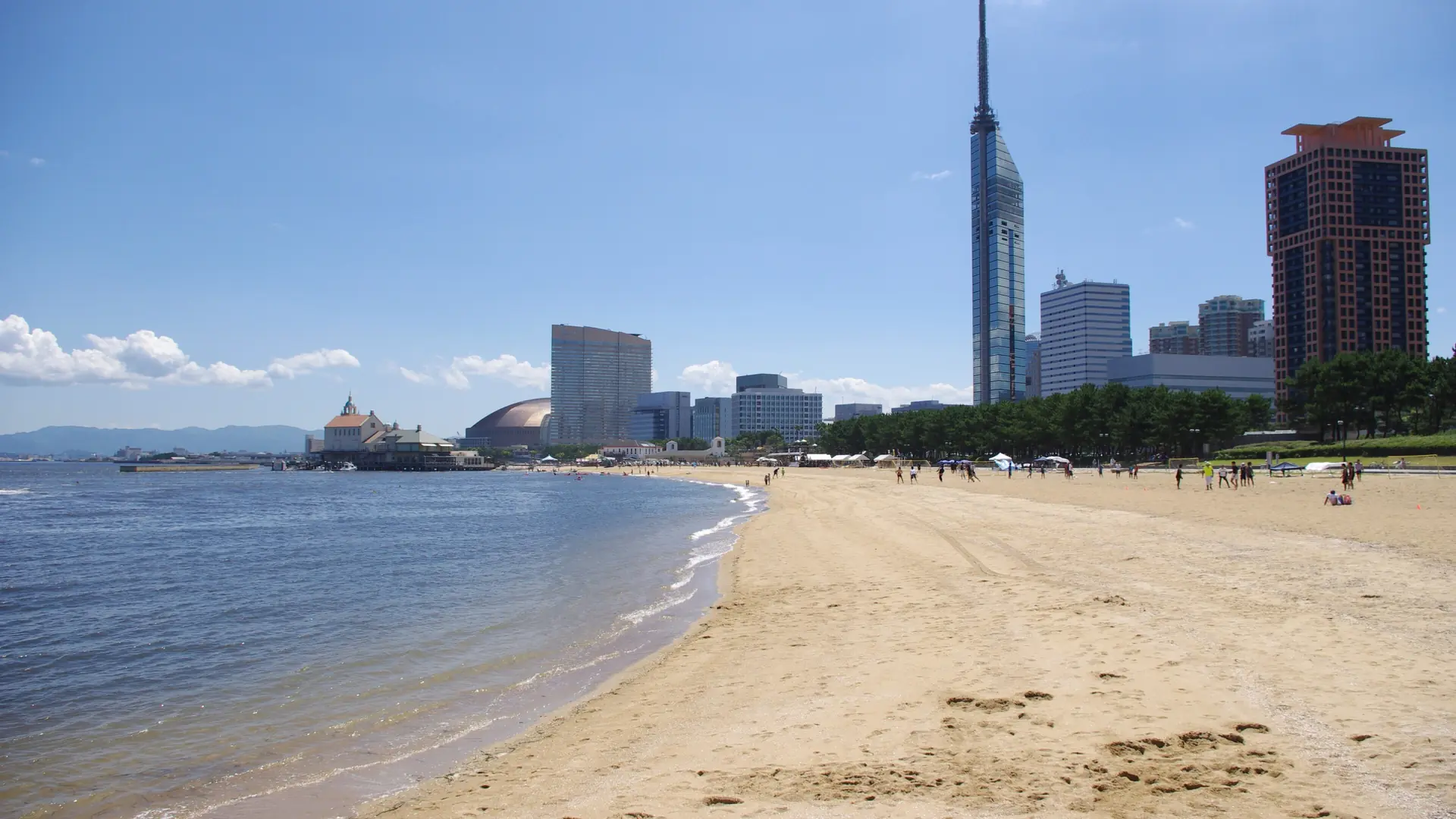
Gateway convenience, street food and compact urban energy
Stay near Hakata for the next rail move or Tenjin for nightlife, then enjoy one focused food evening after arrival. A single gateway night absorbs flight risk without taking time from the onsen heart of the journey.
Watch out: Yatai opening and seating vary; one famous stall should not control the evening.
Read the Fukuoka guide →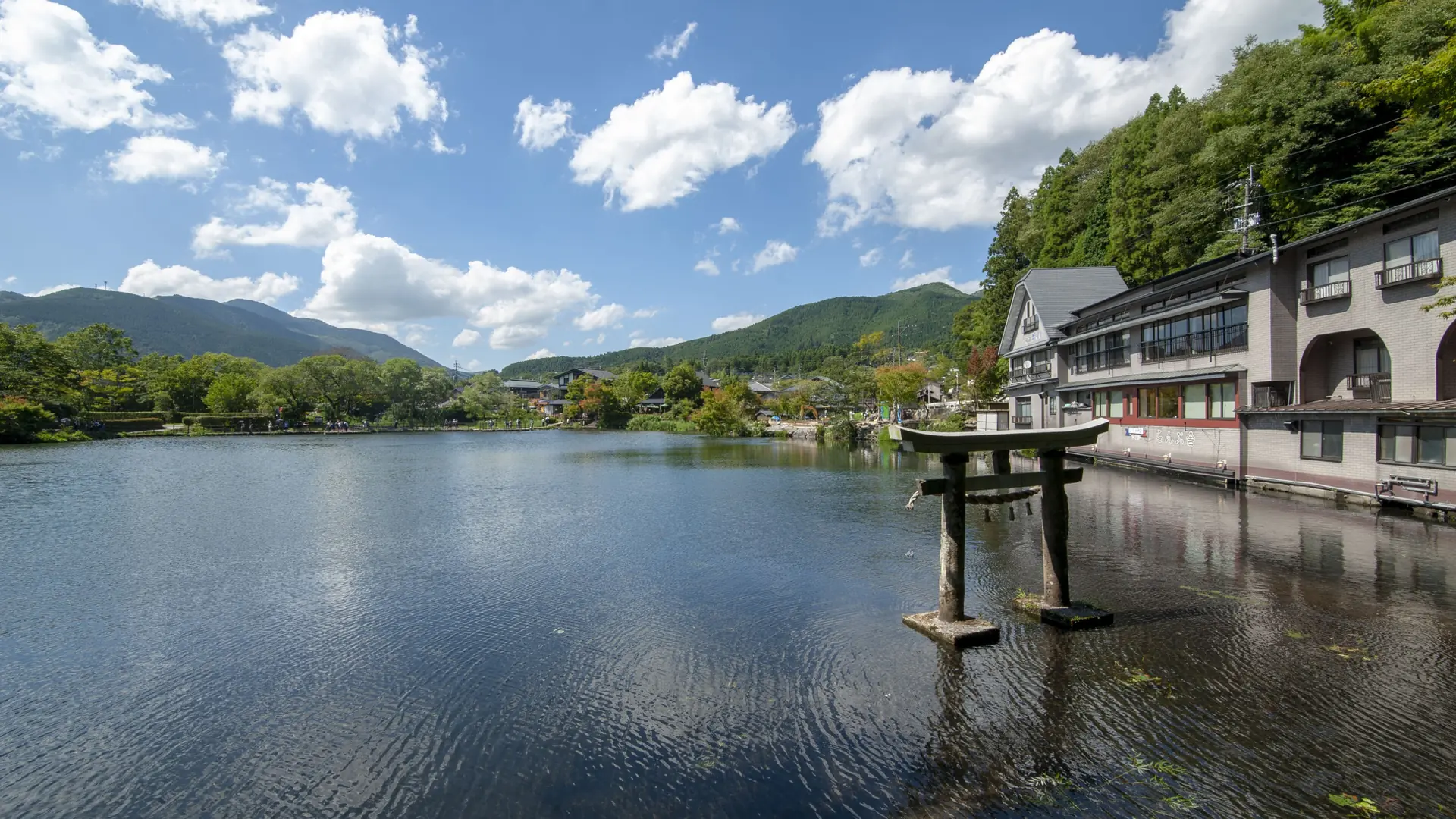 2
2
A walkable basin, galleries and a lighter onsen interlude
Arrive before afternoon, explore beyond the busiest strip and stay where the morning landscape is reachable on foot. The overnight reveals Yufuin before shops and day-trip traffic dominate the basin.
Watch out: Day visitors concentrate around the main shopping street.
 3
3
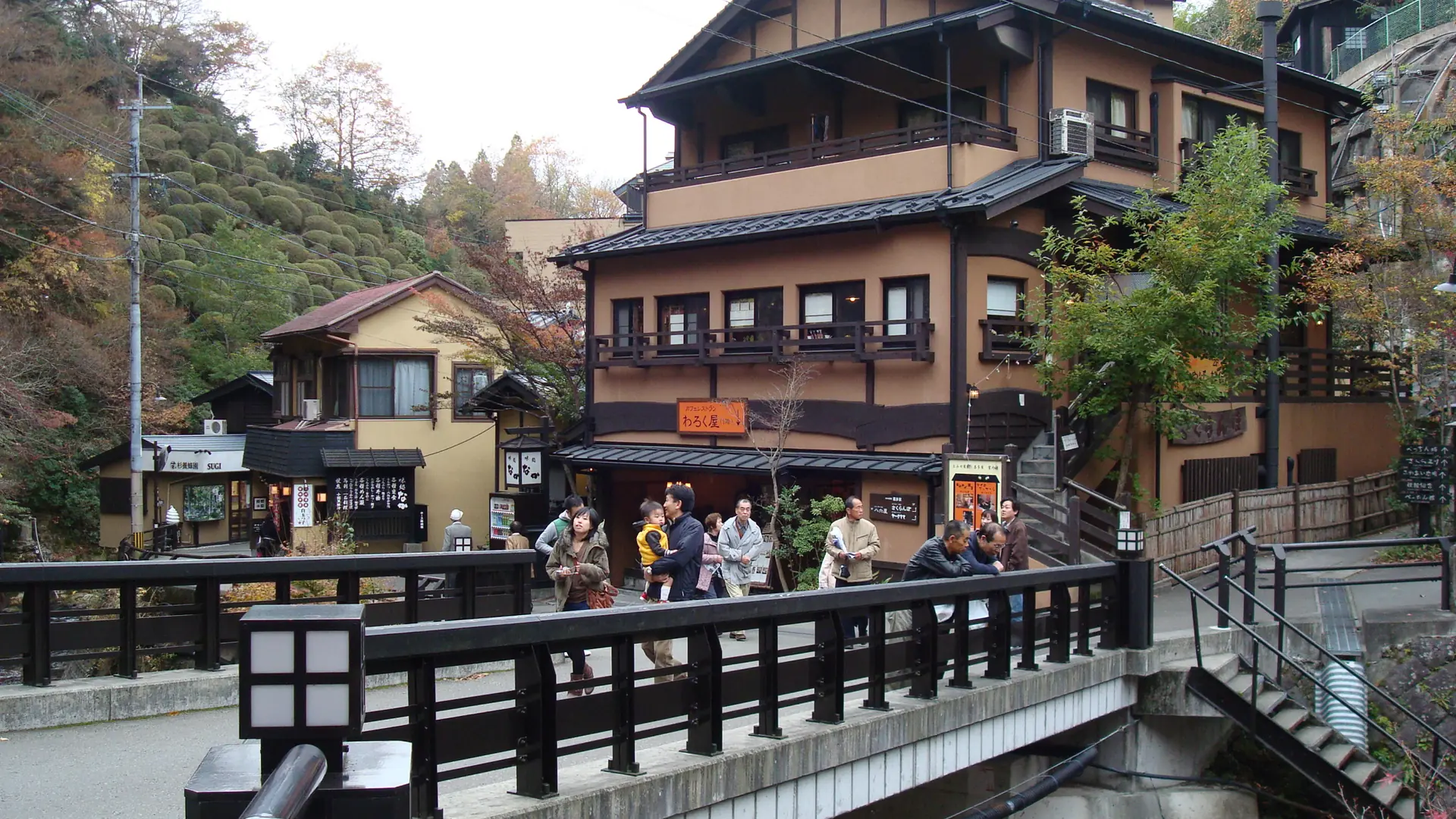
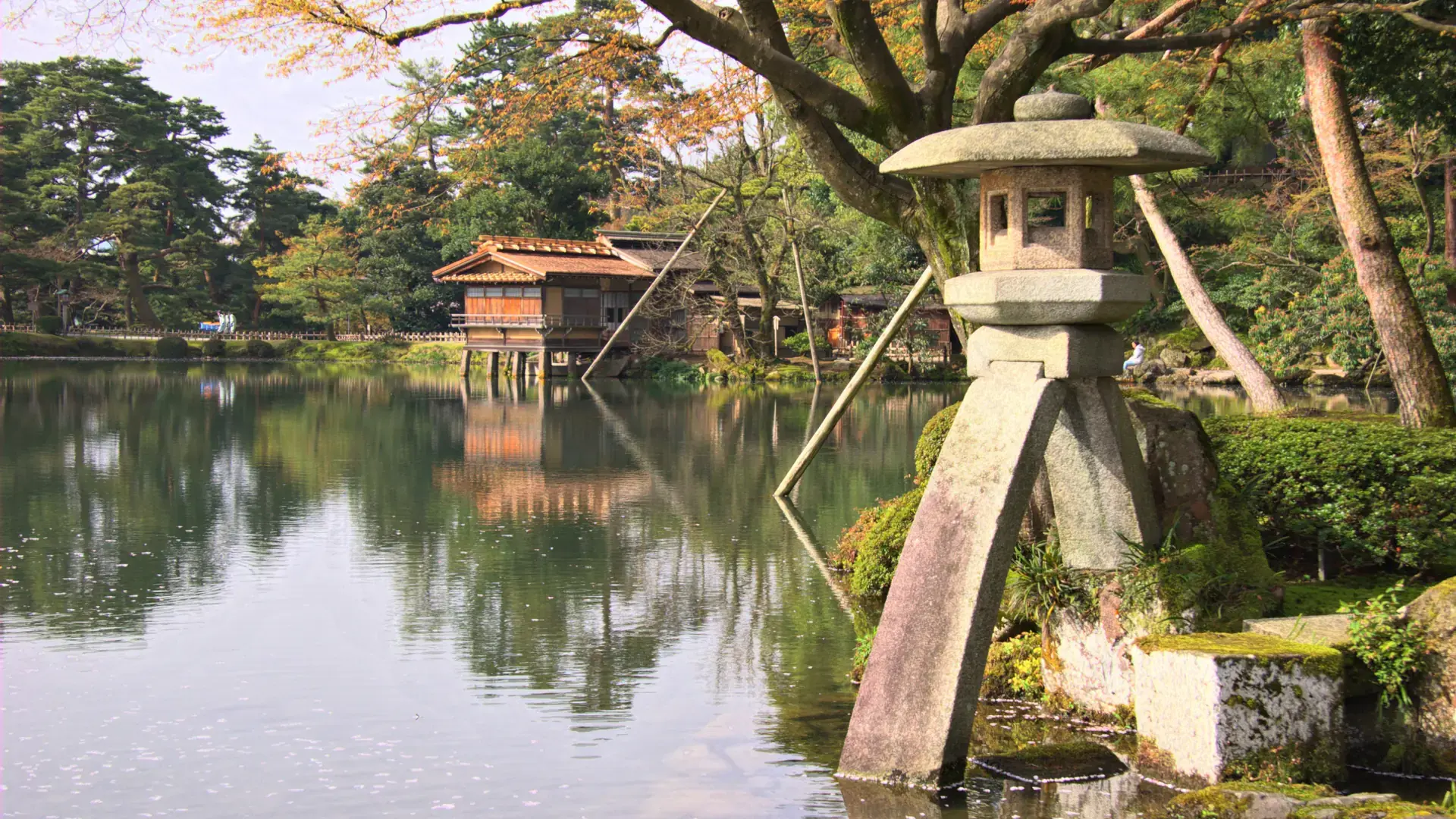
Rotemburo bathing, intimate ryokan streets and forest
Choose one excellent ryokan and use the complete day for a measured bath circuit, forest air and long intervals back at the room. Two nights let you inhabit Kurokawa's slower rhythm instead of merely sampling several baths.
Watch out: Meal deadlines and limited transport make late arrival costly.
 4
4
Castle recovery, regional dining and onward transport
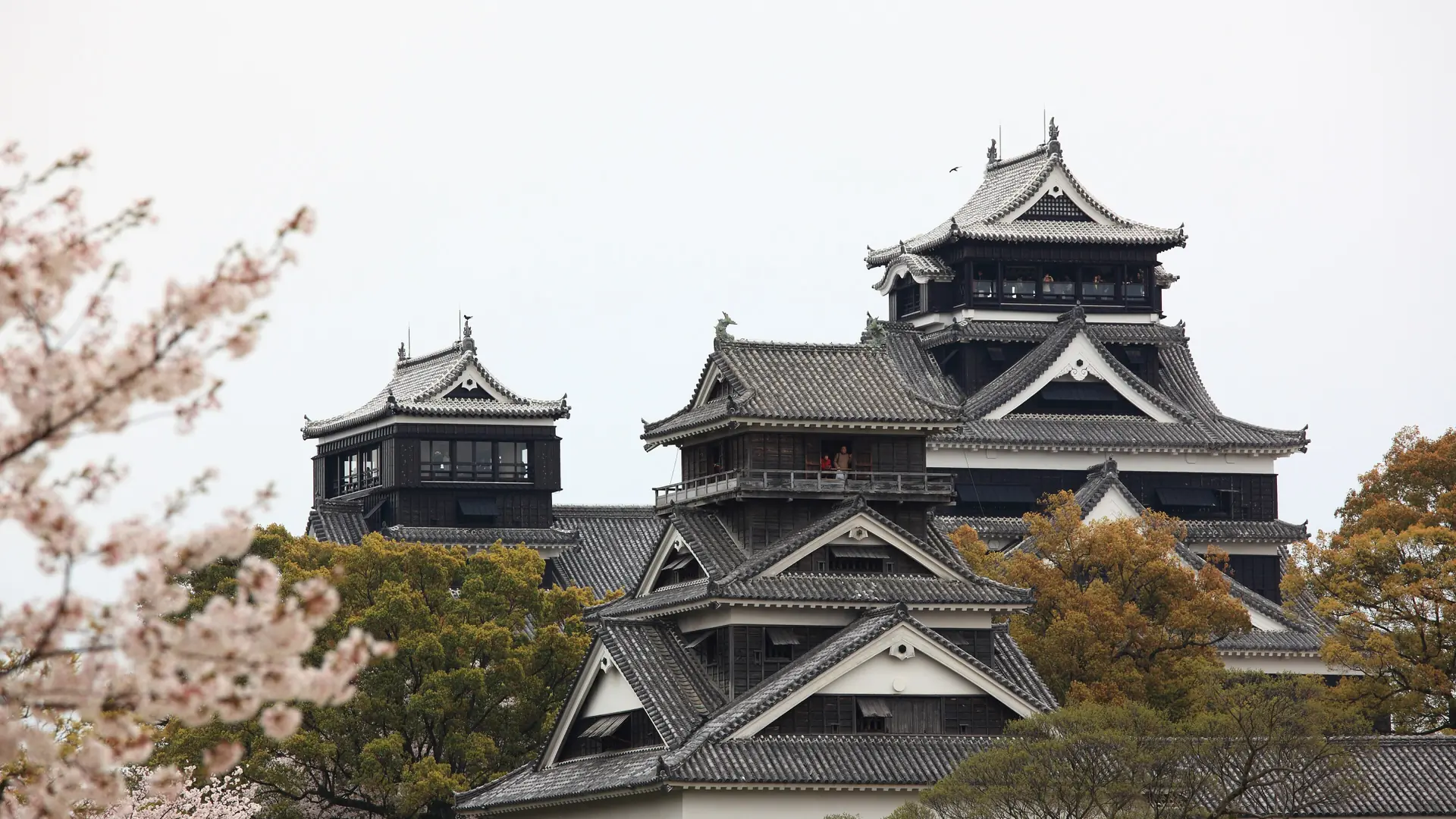
Use the final full day for the castle with current access information, one garden or museum and a relaxed regional dinner. Kumamoto closes the route with substantial history and city life beyond bathing.
Watch out: Restoration work affects routes and visible areas.
Urban rail gives way to rural roads after Fukuoka. Yufuin, Kurokawa and Kumamoto form a sensible arc only when bus reservations, luggage and ryokan meal deadlines are treated as the day’s fixed structure.
Morning: the airport-to-hotel move chosen by the exact address. Midday: Hakata or Tenjin on foot after check-in. Later: a flexible yatai and restaurant evening. Street stalls are small, weather-sensitive businesses rather than guaranteed seats. The gateway introduces Kyushu through appetite without a long transfer. Fukuoka Airport is close to the urban core, but the right base still depends on tomorrow’s train. Hakata minimises the rail departure; Tenjin puts more evening options nearby. At a yatai, order considerately, accept that seats turn over and keep a restaurant alternative for rain or a long queue.
Base: Fukuoka
Morning: the reserved limited express or current alternative. Midday: a lake walk, one gallery and ryokan check-in. Later: a first bath and dinner at the stated time. Carry only what is needed until Kumamoto. Arrival before excursion traffic fades lets the overnight change the experience. The limited express is part of the experience only if its present timetable matches the plan. After arrival, leave the busiest commercial lane and read the basin at walking pace. Lake Kinrin is a landscape stop, not a full afternoon; a gallery, cafe or bath should reflect a real interest.
Base: Yufuin
Morning: a quiet Yufuin morning before checkout. Midday: the booked bus or private transfer. Later: Kurokawa check-in, first bath and dinner. Never rely on urban-frequency assumptions for this connection. The hardest transfer ends early enough to use the ryokan. Ask the Yufuin host to mark the boarding point and departure time, then arrive early. Rural stops can be modest and English signage uneven. Kurokawa dinner normally follows the property’s schedule, so a missed coach threatens more than check-in; it can compromise the defining meal of the route.
Base: Kurokawa Onsen
Morning: the ryokan breakfast and current bathing guidance. Midday: a modest rotenburo circuit with breaks at the room. Later: the second dinner without repacking. Hydrate, respect bathing etiquette and stop if heat or footing becomes unsafe. Repetition here is restorative time, not duplicated sightseeing. The bath-hopping pass encourages exploration, not endurance. Select contrasting outdoor baths, leave recovery time between them and follow every property’s hours and towel rules. Guests with cardiac, blood-pressure, pregnancy or heat concerns should seek appropriate medical guidance rather than treating onsen as universally benign.
Base: Kurokawa Onsen
Morning: breakfast and a last village walk. Midday: the prearranged transfer toward Kumamoto. Later: hotel check-in and a local dinner. Check volcanic, road and operator notices even without visiting Aso. A measured departure preserves the purpose of the second night. Confirm the Kumamoto-bound service the night before because road and volcanic conditions may alter assumptions. A final bath is worthwhile only when checkout, drying and boarding remain comfortable. The arrival evening in Kumamoto should stay close to the hotel, with the castle reserved for a properly informed daytime visit.
Base: Kumamoto
Morning: the castle at a confirmed opening time. Midday: one garden, museum or craft subject nearby. Later: a final Kyushu dinner without another city hop. Follow the current visitor route around restoration work. One complete day gives history room beyond a facade photograph. Kumamoto Castle is an active recovery site as well as a landmark. Follow the current route, closures and opening information, then add only one complementary place. Suizenji offers landscape design; a museum provides deeper historical context. Choose between them instead of racing across the city before dinner.
Base: Kumamoto
Morning: a local breakfast and luggage collection. Midday: Kumamoto Airport or the rail return toward Fukuoka. Later: a generous connection rather than an extra attraction. Airport and rail choices depend on the actual ticket, not the route title. The one-way ground journey ends with a controlled onward move. A Kumamoto Airport flight and a Fukuoka Airport flight produce different mornings. Price the through rail, station changes and airport access before choosing a fare. If the international departure is early, add the appropriate gateway night rather than pretending a rural-to-airport chain has no failure points.
Base: Kumamoto
Rail serves Yufuin, but the Kurokawa segment depends on limited highway buses. Reservations and a small overnight bag keep the rural middle of the route manageable.
3 transfers
Fukuoka Yufuin
Use the current JR Kyushu limited-express plan and reserve the useful departure.
Booking note: Check the current timetable because through patterns can change.
Yufuin Kurokawa Onsen
The rural road connection requires a published bus or confirmed private vehicle; it is not a spontaneous local hop.
Booking note: Secure seats and ask both lodgings about the exact boarding points.
Kurokawa Onsen Kumamoto
Continue southwest using the current highway-bus or a prearranged transfer.
Booking note: Confirm road status, departure point and luggage acceptance.
Confirm train and bus schedules, seat reservations, baggage delivery and each ryokan’s dinner check-in deadline with the listed providers before travel.
Choose the two-night Kurokawa stay by bathing access, meal quality, setting and transport—not by the largest room photograph. Confirm the rural links before accepting non-refundable rates, then spend selectively on a private bath or transfer that genuinely improves comfort. Fukuoka and Kumamoto work best as well-placed city bases. Yufuin deserves an attractive setting, but only if the property can receive luggage and still leaves the lake, shops or onward bus easy to reach.
Booking tips
Compare live stays in Fukuoka after fixing the route dates and the first appointment each morning.
The route line exposes the rural middle sector; compare Fukuoka stays only after the first morning’s departure has been chosen.
Fukuoka
The four-base plan separates two very different onsen stays instead of treating rural Kyushu as scenery between cities. Yufuin offers a walkable arrival and an easy first ryokan night; Kurokawa rewards staying long enough to use its village baths after day visitors leave. Fukuoka absorbs the flight arrival, while Kumamoto provides a useful final rail and airport gateway without backtracking.
Not completely. Rail works well for the urban gateways and reaches Yufuin, but Kurokawa’s decisive links are buses or a private road transfer. Compare a Kyushu rail pass with the trains you will actually take, then budget the rural sectors separately. A nationwide pass is rarely the right benchmark for this compact regional journey.
Forward it from Fukuoka to Kumamoto and carry a light two-night bag through Yufuin and Kurokawa. Ask both hotels to confirm the dispatch and receiving dates before you send anything. Keep medication, valuables and a change of clothing with you, since rural buses have limited storage and delivery schedules can vary.
A driver is most valuable on the Yufuin–Kurokawa–Kumamoto sector when fixed bus times would dictate the day or the party has substantial luggage. A local specialist is better used for a defined interest—ceramics, regional food or volcanic landscapes—than for basic orientation. Confirm the route, waiting time and drop-off terms in writing.
Keep the Kurokawa bath order and Kumamoto secondary visit flexible. Weather, maintenance, restoration and personal energy change the sensible choice.
Reserve Kurokawa first, then the Yufuin–Kurokawa and Kurokawa–Kumamoto sectors, followed by the other hotels and rail seats.
Reviewed by StartBooker editorial Kyushu onsen itinerary editor
Last checked 2026-09-13
How this route was checked: Twelve reachable records across nine publishers were reviewed. Railway, municipal and ryokan-association pages control access and etiquette; two independent itineraries were used to test pace and exclusions.
13 references reviewed
Photos provided by Pexels.
Choose a complete route with the stops, transport and overnight plan already mapped out.
Which stop deserved its night count?


.jpg)