
Why Tokyo stays in the route
Two Tokyo nights ease the long-haul arrival and provide one balanced winter day, while keeping the route's scarce daylight for Nagano and the Sea of Japan side.
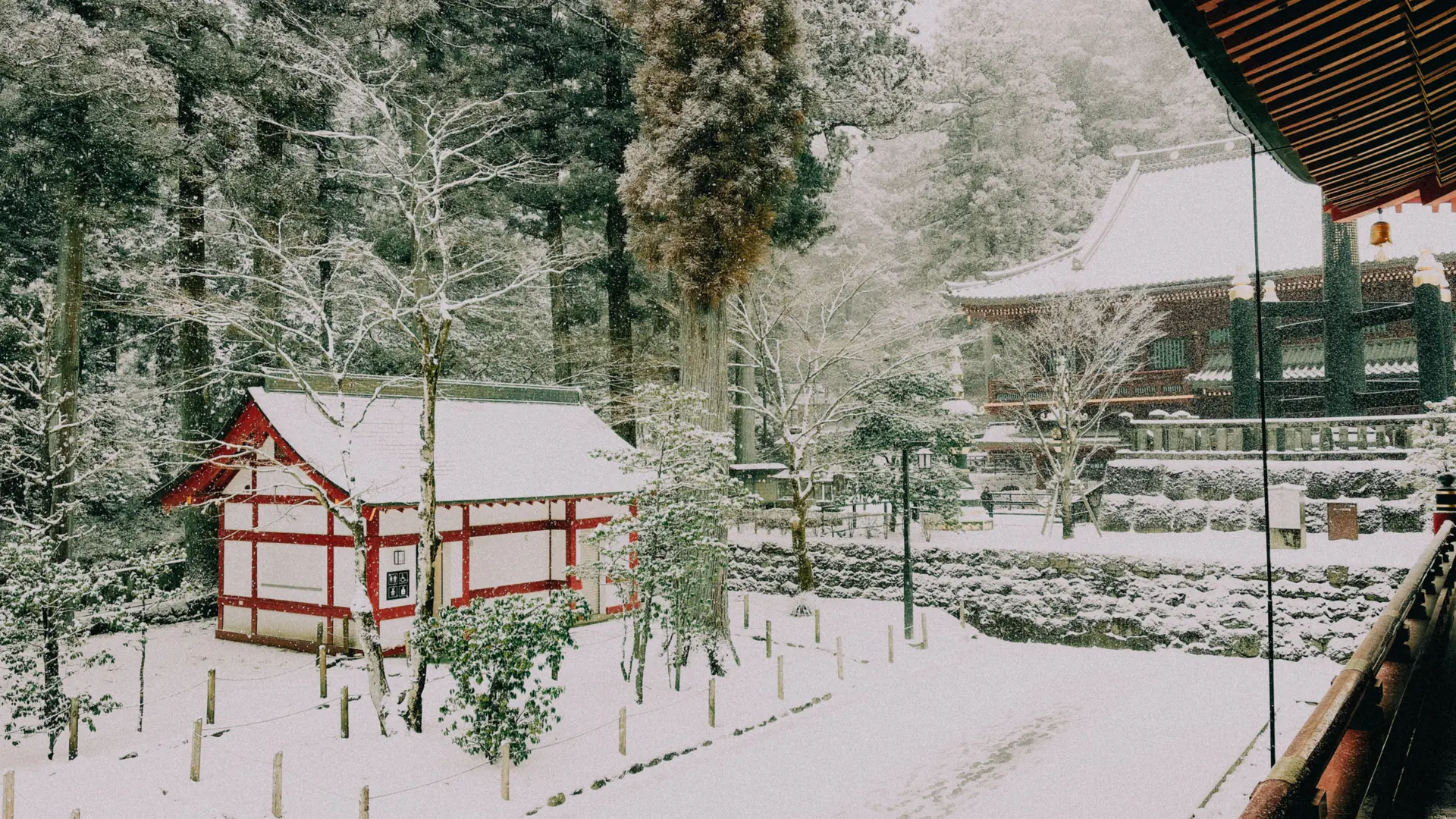
Snow-country scenery sits inside a resilient city route, with three Nagano nights for conditions and no promise that wildlife or snowfall performs on cue.
Winter makes Japan quieter in some places and operationally harder in others. Two Tokyo nights provide a gentle opening, then three Nagano nights create room for Jigokudani, a temple town or an onsen day without making every hour depend on one road. Kanazawa and Kyoto add gardens, museums, food and architecture that remain useful when snow becomes rain.
The plan treats warm footwear, luggage strategy and daylight as core design. A small bag is easier on snowy platforms and local buses, while the main case can move ahead. A private driver may help a small group on a suitable day, but road conditions can remove the assumed time saving. Official closure and access advice always outranks a paid reservation.
Snow monkeys are wild animals, not a scheduled attraction. Kyoto snow photographs are rare weather events, not a product. The itinerary earns its winter label through seasonal pace, hot food, baths, early darkness and resilient indoor choices, rather than attaching impossible guarantees to famous images.
Choose accommodation for winter operations, not atmosphere alone. Ask how far the entrance is from the station on a cleared route, whether wet outerwear can dry, and when dinner service ends after a delayed train. In Nagano, decide between station convenience and an onsen setting before comparing brands. In Kanazawa, waterproof shoes and a short taxi can preserve more comfort than a room upgrade. Kyoto’s advantage is one early temple district followed by a warm interior as daylight fades. Keep traction suited to the surface, dry gloves, a spare layer and essential medicine with you. These details make the actual days calmer. Premium winter travel is not a convoy insulated from weather; it is a well-informed schedule whose clothes, buffers and reservations let the season remain visible without becoming punitive.
Winter packing should remain accessible during every transfer. Keep dry socks, gloves, traction appropriate seasonal footwear and medicine in the small bag rather than the forwarded case. Ask Nagano accommodation how guests reach the entrance after snowfall and whether wet gear can dry overnight. Before Jigokudani, read the official access notice, allow for the forest approach and accept that the animals choose their own behaviour. Kanazawa needs waterproof walking plans as much as snow plans because coastal weather can be wet and changeable. In Kyoto, use cold clear mornings for one outdoor district and move indoors before fatigue erodes attention. A driver may support a mobility need or rural connection, yet unsafe roads remain unsafe regardless of price. The best winter upgrade is reliable information paired with the confidence to cancel one exposed idea. That approach preserves warm meals, baths and museum time without pretending the season is merely decorative.
Food planning should follow the temperature and transport. Reserve a special dinner close to the accommodation, especially after a rural day, and keep a simple alternative for delayed arrival. Hot meals are not filler between snowy photographs; they are part of how the route recovers. In each base, identify one museum, market or craft visit that can replace exposed walking without repeating the previous city. Tokyo supplies contemporary collections, Nagano the temple and mountain context, Kanazawa garden engineering and craft, and Kyoto architectural depth. Those differences keep bad-weather choices from feeling like the same indoor day four times.
Two Tokyo nights ease the long-haul arrival and provide one balanced winter day, while keeping the route's scarce daylight for Nagano and the Sea of Japan side.
Three Nagano nights create space for an onsen base, a conditions-led outdoor day and recovery time rather than wagering the entire stop on one mountain excursion.
Kanazawa contributes the snow-protected garden, seafood and craft culture that distinguish this crossing from a simple Tokyo–Kyoto trip; two nights make that contrast legible.
Best for
Think twice if
Travellers seeking a dedicated ski holiday or guaranteed deep powder; use the Hokkaido route for lift-based priorities.
StartBooker answer
Use two nights in Tokyo, three in Nagano, two in Kanazawa and two in Kyoto. That gives snow country a complete weather-adjustable day rather than a rushed monkey-park detour, then follows the Hokuriku rail corridor west. Pack traction and layers, reserve rural transfers, and build alternatives around museums, baths and food. Snow, animal behaviour and mountain access cannot be guaranteed, so the route must remain rewarding when the forecast changes.
Two Tokyo nights allow a measured arrival, three in Nagano protect the snow-country portion from one poor-weather day, and two nights each in Kanazawa and Kyoto complete the westbound arc.
4 stops · swipe
 1
1
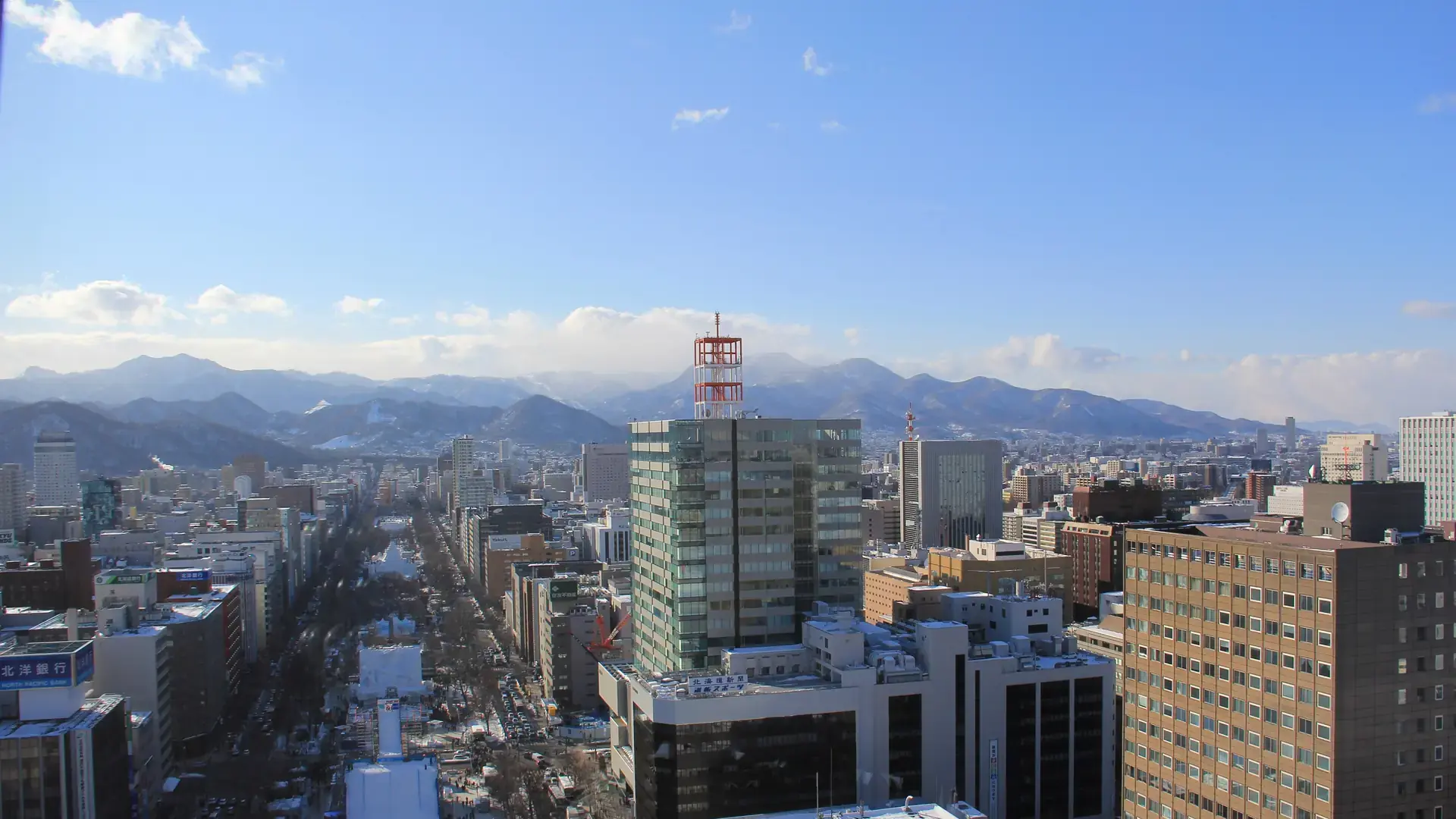
Winter light, museums and a controlled arrival
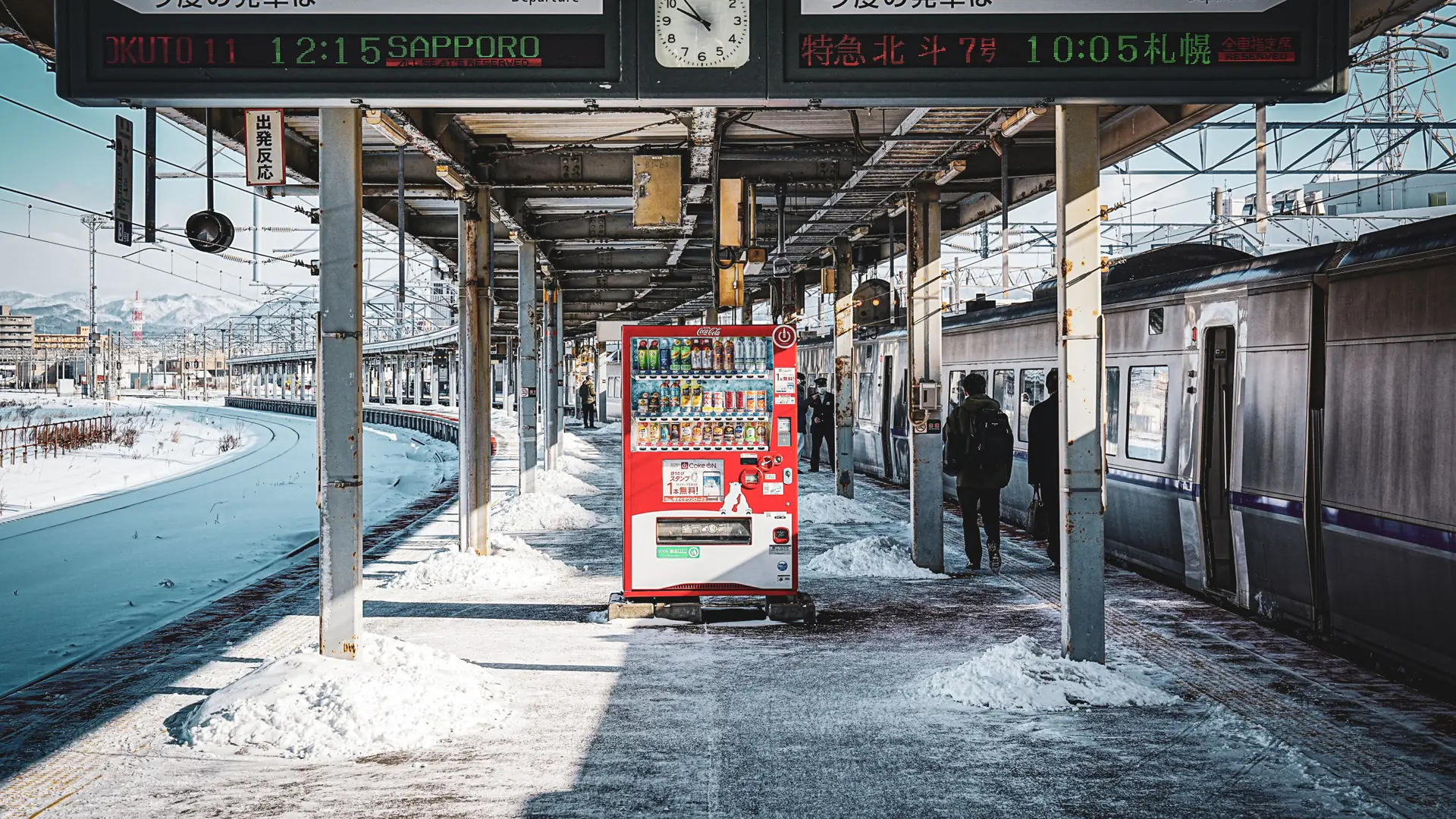
Choose one complete Tokyo day with an outdoor morning and indoor afternoon, leaving snow-country equipment easy to reach. The capital introduces winter gently without stealing the time reserved for the snow country.
Watch out: Short daylight makes sprawling district combinations weaker.
Read the Tokyo guide →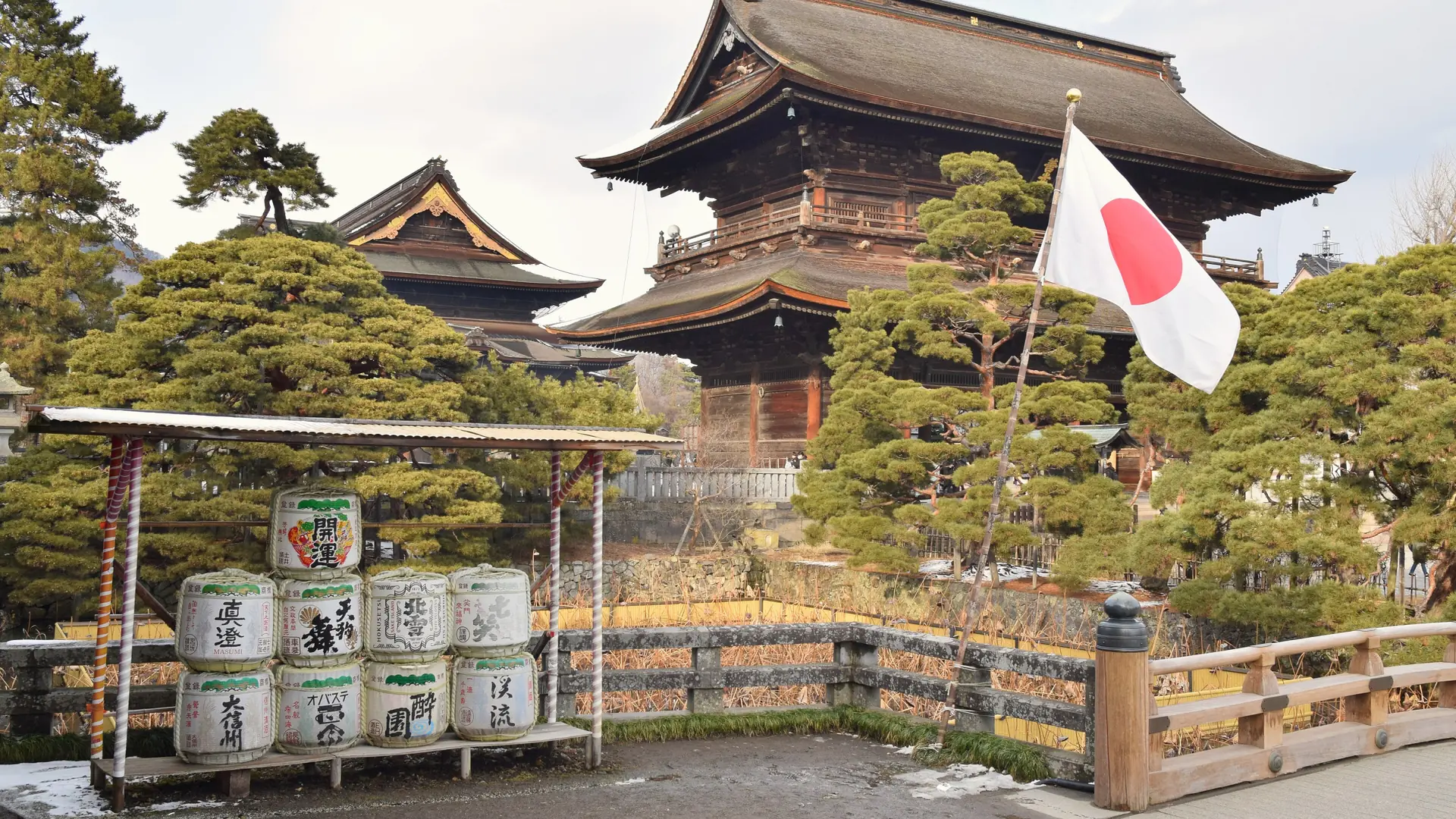 2
2
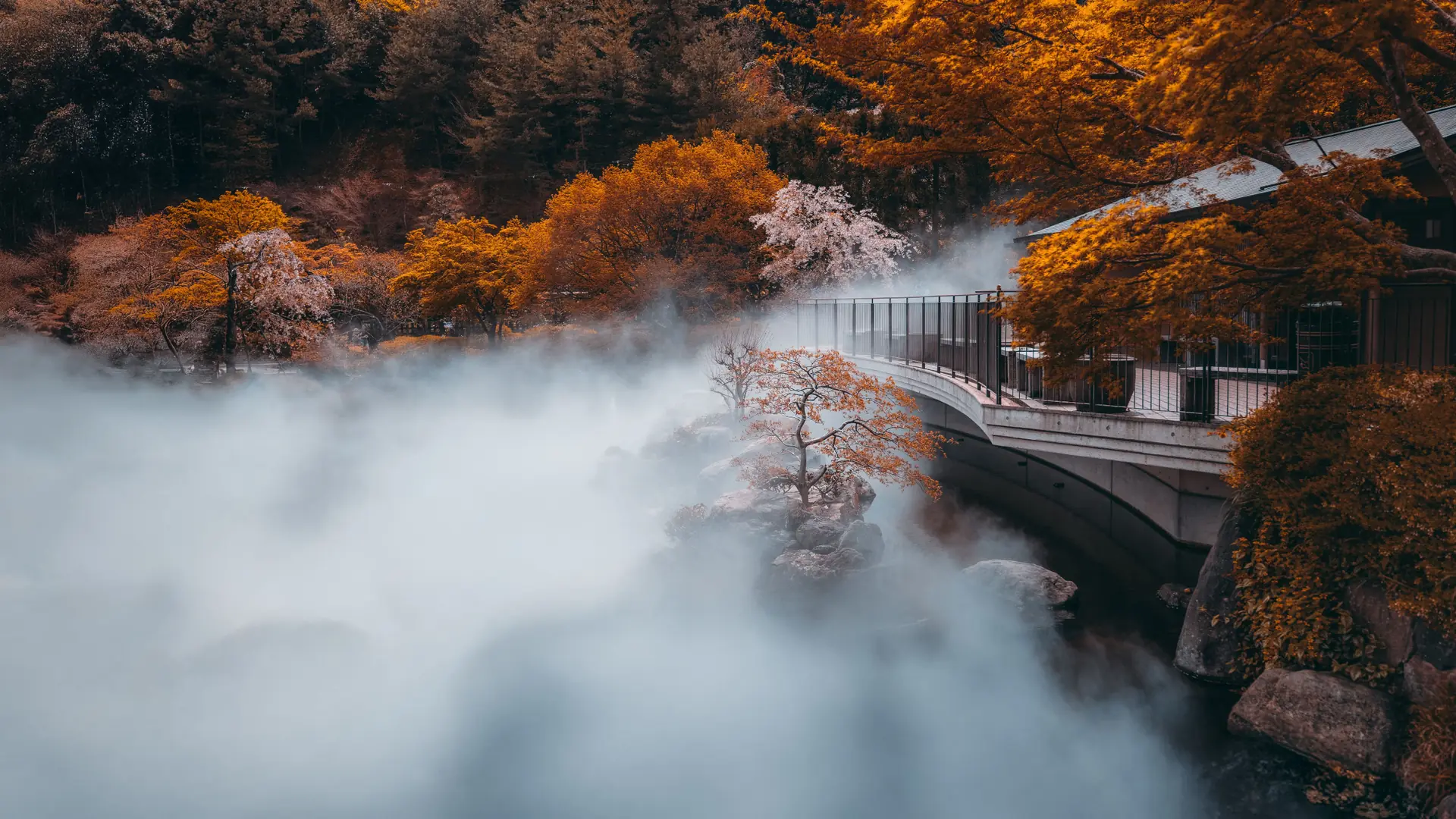
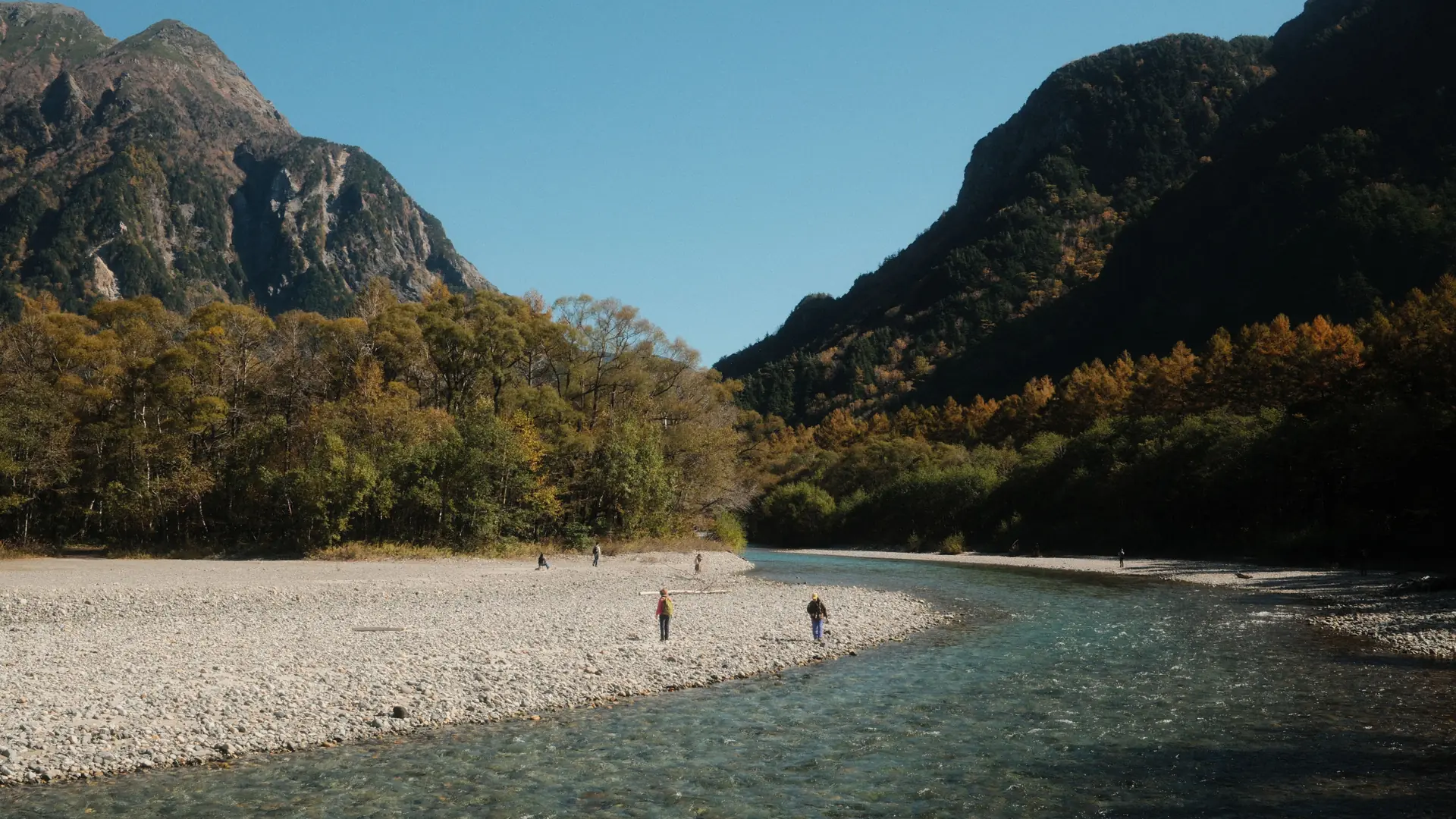
Temple culture, mountain onsen and access to Jigokudani
Base near transport or choose an onsen town deliberately, then let road and path conditions decide the outdoor day. Two full days allow a weather fallback and a proper recovery after prolonged cold.
Watch out: Paths can be icy and monkey sightings or bathing behaviour are not guaranteed.
 3
3
Winter garden craft, seafood and compact cultural districts
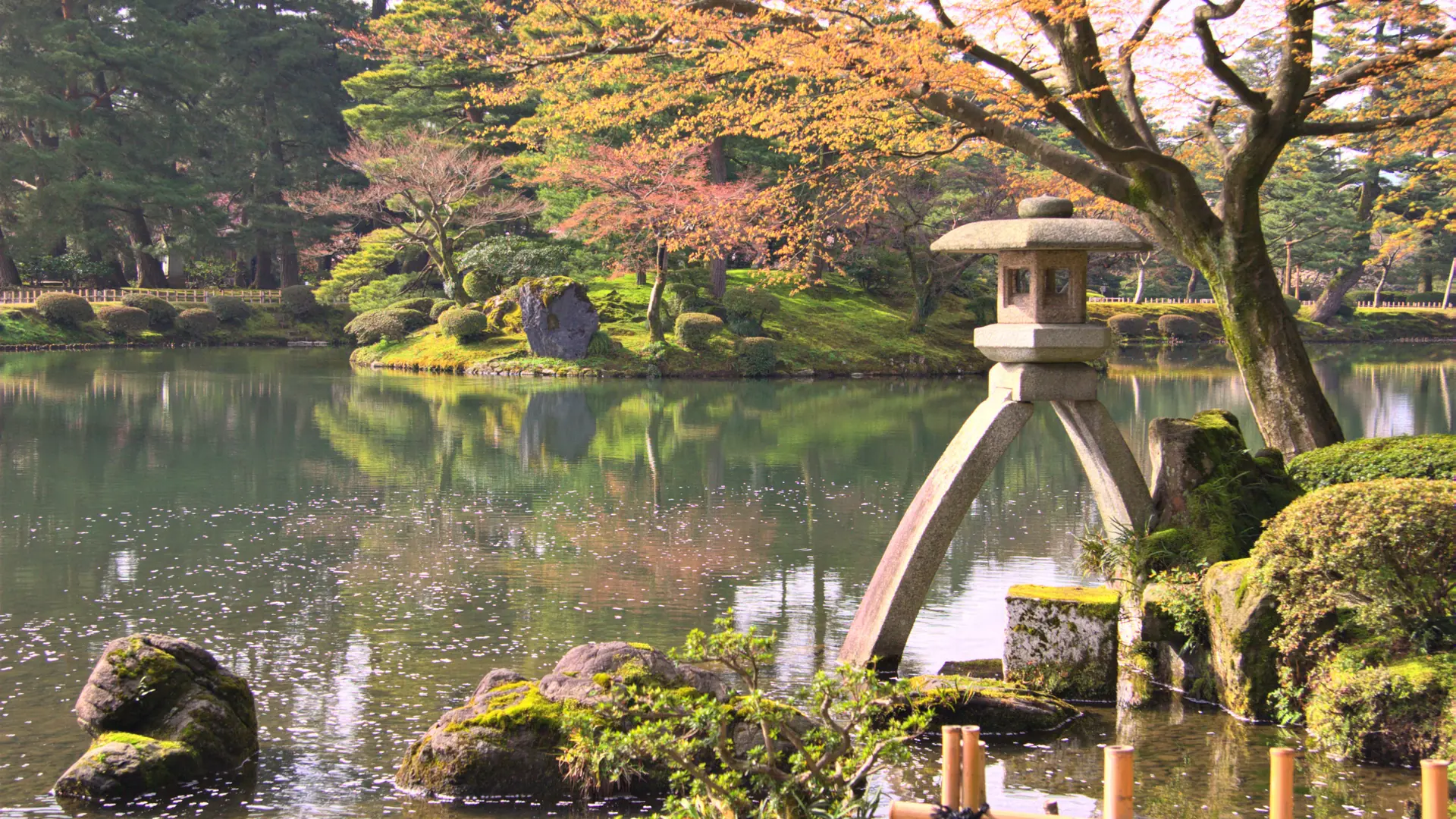
Use one concentrated day for Kenrokuen, a museum and the market, taking a taxi when it meaningfully reduces exposed walking. Kanazawa deserves a complete cultural day, not a hurried change of trains.
Watch out: Wet snow and slush alter walking comfort even when distances look short.
Read the Kanazawa guide → 4
4
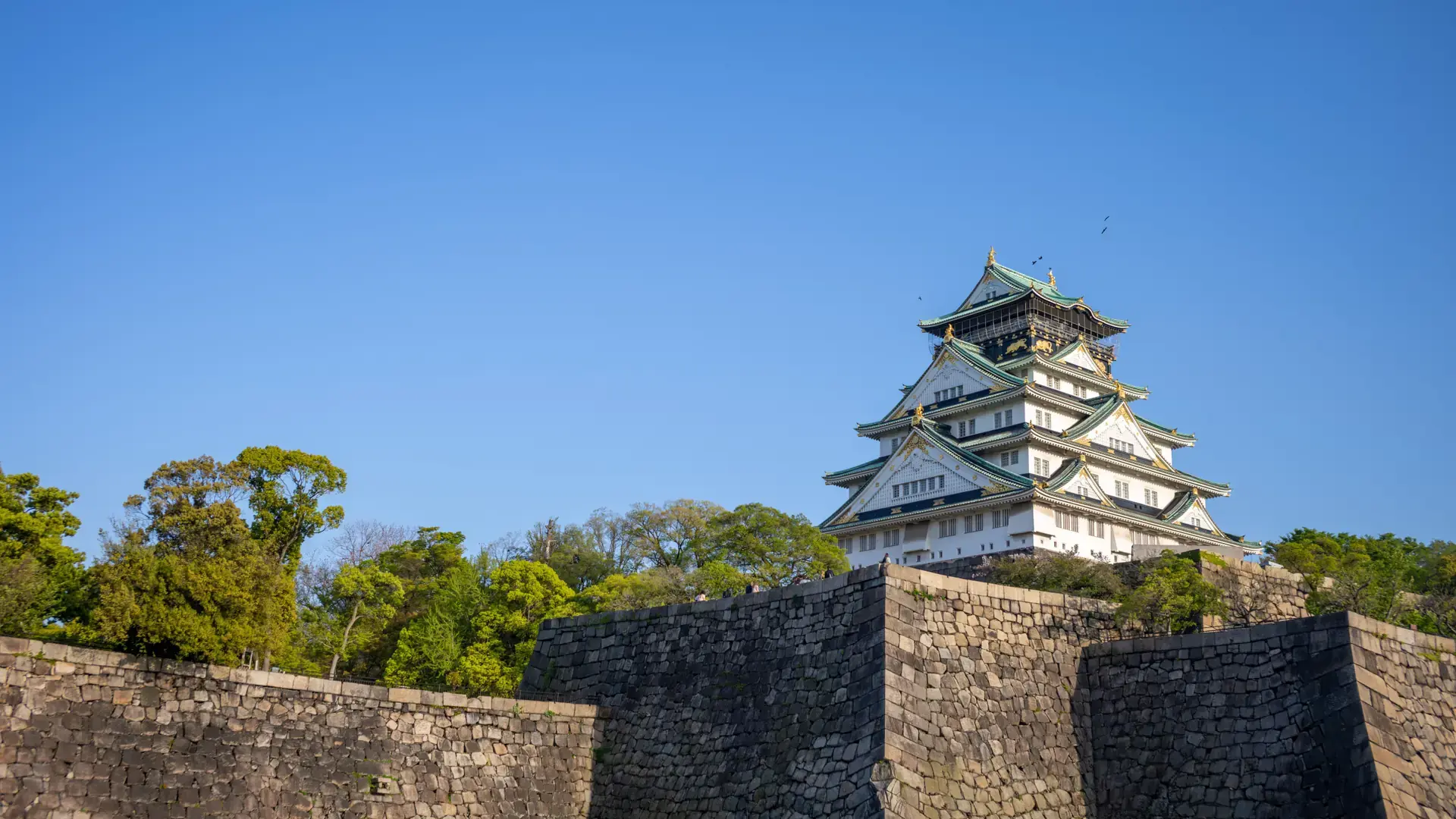
Temple architecture, seasonal cuisine and a Kansai exit
Give the single full day to one eastern or northwestern cluster, using winter’s quieter rhythm rather than chasing coverage. An arrival evening and one early start provide a clean final chapter without another exhausting checklist.
Watch out: Do not plan around rare snow accumulation or combine distant districts.
Read the Kyoto guide →The route bends from Tokyo into Nagano’s colder interior, then reaches the Japan Sea side before finishing in Kyoto. Short winter daylight and weather margins mean each transfer owns its allotted hours; do not count a train day twice. Carry traction aids where ice is plausible, keep gloves accessible rather than buried in forwarded luggage, and treat a forecast disruption as a reason to simplify the day rather than race it.
Morning: a direct hotel transfer. Midday: a short neighbourhood walk in actual temperature and footwear. Later: warm food close to the room. Buy missing gloves or traction before leaving the capital. A practical opening prevents small equipment failures in snow country.
Base: Tokyo
Morning: an outdoor garden, shrine or old-city route. Midday: one museum and a restorative lunch. Later: packing a small Nagano bag before dinner. Winter sunset arrives early, so the indoor sequence belongs later. Weather and light shape the day more intelligently than a long checklist.
Base: Tokyo
Morning: the Hokuriku Shinkansen after breakfast. Midday: Zenkoji and its approach after check-in. Later: a regional dinner near the base. Do not add Jigokudani to a partial winter afternoon. The first night absorbs transport while preserving tomorrow’s conditions window.
Base: Nagano
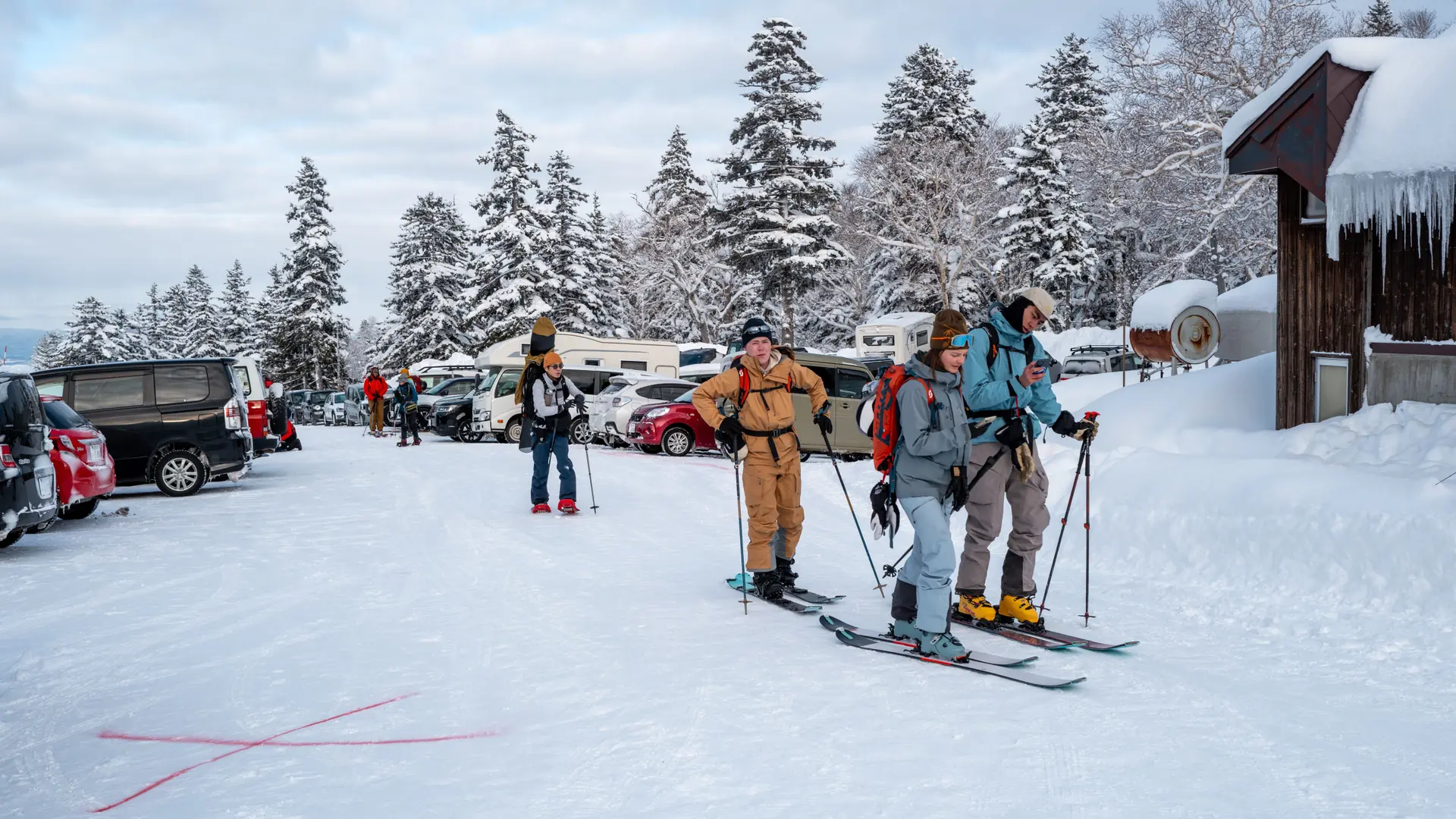
Morning: the official route and path report. Midday: the forest walk at a safe pace. Later: an onsen or early Nagano evening after return. Wild monkeys may not enter the water and paths may be icy. A full day leaves enough daylight and transport margin.
Base: Nagano
Morning: an onsen town, temple context or snowshoe activity with a qualified operator. Midday: a long warming lunch and equipment drying. Later: another local evening without repacking. Cancel exposed plans when official advice or visibility makes them poor. The extra night converts weather from crisis into choice.
Base: Nagano
Morning: a measured rail departure. Midday: hotel check-in and Omicho Market or a museum. Later: a seafood dinner reached on sheltered streets. Forward the main case onward if snowy local movement is awkward. The intercity link is efficient enough to preserve a Kanazawa afternoon.
Base: Kanazawa
Morning: the garden near opening and its seasonal pine supports. Midday: one museum or craft encounter nearby. Later: the chaya streets after weather and footing are assessed. Waterproof footwear matters more than an aspirational outfit. Garden technique, art and food make a coherent cold-weather day.
Base: Kanazawa
Morning: the current rail connection after breakfast. Midday: check-in and one central or eastern walk. Later: seasonal Kyoto cuisine without a late cross-city return. Snowfall farther north does not predict Kyoto ground conditions. Arrival before dark lets the final base feel intentional.
Base: Kyoto
Morning: a temple garden at opening. Midday: a warm cultural interior or craft appointment. Later: the final dinner close to the hotel. Swap east and northwest according to closures and weather. Short daylight rewards concentration and a midday indoor interval.
Base: Kyoto
Morning: a breakfast timed to the confirmed service. Midday: the airport train or reserved car. Later: extra terminal time for winter disruption. Check every live operator notice before leaving the hotel. The route finishes without reversing to Tokyo.
Base: Kyoto
Fast trains carry the long distances, but winter surfaces, mountain buses and short daylight govern the usable margin at each end of a leg.
3 transfers
Tokyo Nagano
The Hokuriku Shinkansen reaches Nagano directly; local winter access begins after the station.
Booking note: Keep snow equipment accessible and reserve onward rural transport separately.
Nagano Kanazawa
Continue west on the Hokuriku corridor, checking weather advisories before departure.
Booking note: A reserved seat controls comfort but does not cancel disruption risk.
Kanazawa Kyoto
Use the current Hokuriku connection via Tsuruga and allow a comfortable interchange.
Booking note: Confirm the through itinerary rather than assuming an old direct service.
Consult live operator notices before every move and reconfirm mountain access, reserved seats and luggage arrangements when snow or wind is forecast.
Winter spending should solve winter problems. In Nagano, that may mean a room reached without dragging luggage over untreated pavement, a qualified guide for a mountain day or a transfer with a credible bad-weather policy. In Kanazawa and Kyoto, a central address can shorten cold evening walks. Do not pay for a distant atmospheric property until dinner times, drying facilities and the last connection have been confirmed; warmth and reliability are part of the room’s value.
Booking tips
Compare live stays in Nagano after fixing the route dates and the first appointment each morning.
The northwestern arc explains the route’s seasonal purpose and why three Nagano nights protect against changing conditions.
Nagano
Four bases let the journey cross Japan rather than shuttle back to Tokyo: Nagano anchors the snow-country days, Kanazawa introduces the Sea of Japan side, and Kyoto provides a slower cultural finish. Each stay is long enough to absorb a weather change. Removing one flattens the route; adding one makes winter luggage and hotel transitions dominate the schedule.
Calculate the Tokyo–Nagano, Nagano–Kanazawa and Kanazawa–Kyoto tickets first. The snow-monkey excursion includes non-JR transport, so a nationwide pass does not cover every meaningful leg. Reserved individual tickets may be better value and make it easier to choose sensible departure times; compare current prices only after the winter operating plan is firm.
Forward the large case from Tokyo to Kanazawa or Kyoto and use a compact bag in Nagano. That keeps snowy platforms, buses and the monkey-park approach manageable. Confirm delivery dates with the receiving hotel and allow for seasonal delays. Warm layers, traction aids, medication, documents and valuables should remain in the bag you carry.
Pay for judgment where conditions matter: a qualified outdoor professional for a snow activity, or a Nagano specialist who can adapt transport and timing when weather shifts. In Kanazawa or Kyoto, book a guide only for a defined interest such as craft, gardens or food. Ordinary station-to-hotel navigation does not require an escort.
Keep the two Nagano outdoor days interchangeable and retain a warm indoor alternative in every city. Follow closures and safety guidance rather than a fixed photography plan.
Fix flights and snow-country lodging first, then reserve intercity seats and any qualified winter activity after its operating calendar is confirmed.
Reviewed by StartBooker editorial Japan winter route editor
Last checked 2026-09-13
How this route was checked: Fifteen current sources across ten publishers were reviewed. Wildlife access, winter movement and destination advice come from responsible first parties; independent routes were used to test the overall pace.
15 references reviewed
Photos provided by Pexels.
Choose a complete route with the stops, transport and overnight plan already mapped out.
Which stop deserved its night count?
_in_Kenrokuen_garden,_Kanazawa,_Japan_(2621640037).jpg)
.jpg)