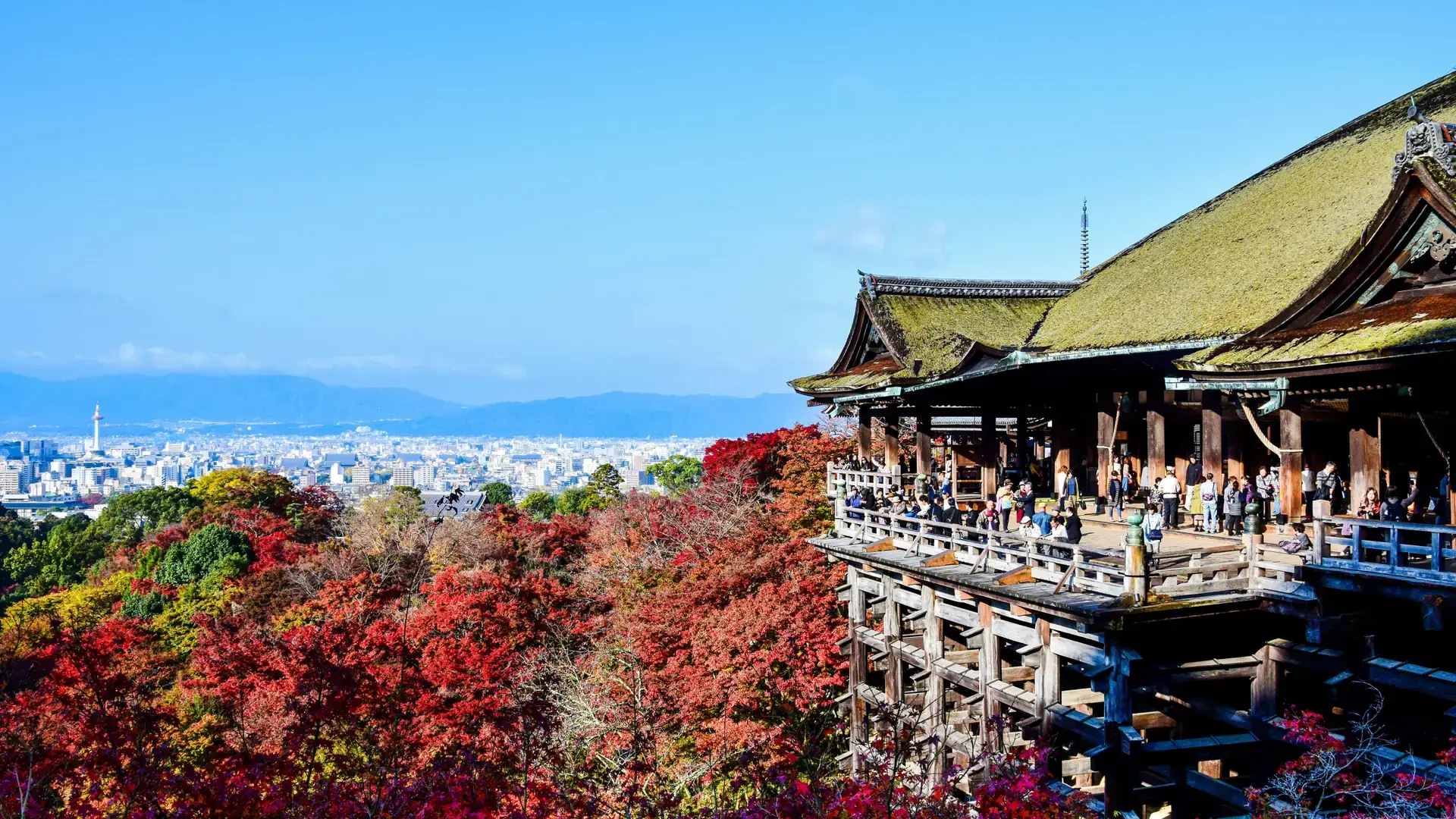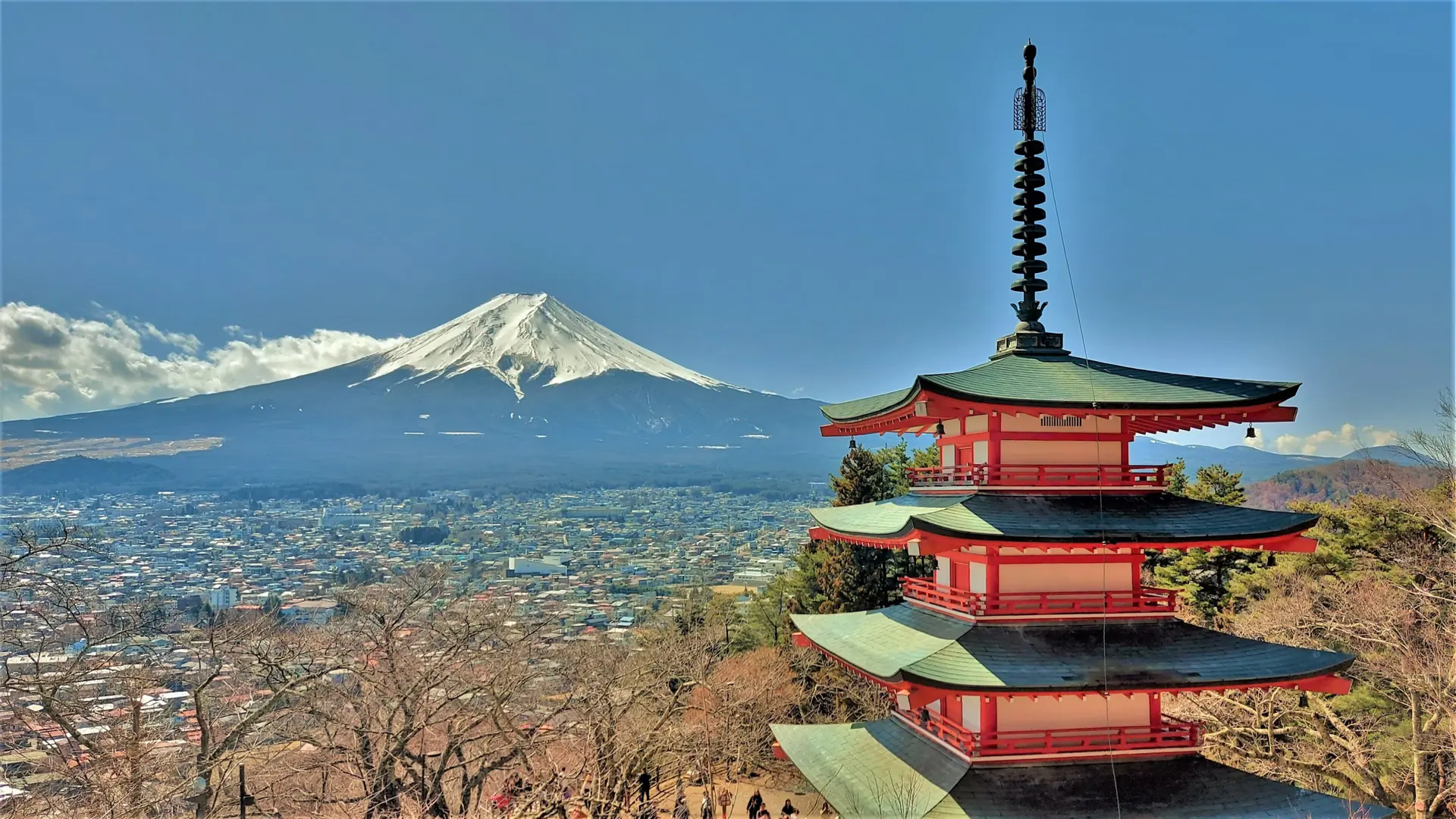
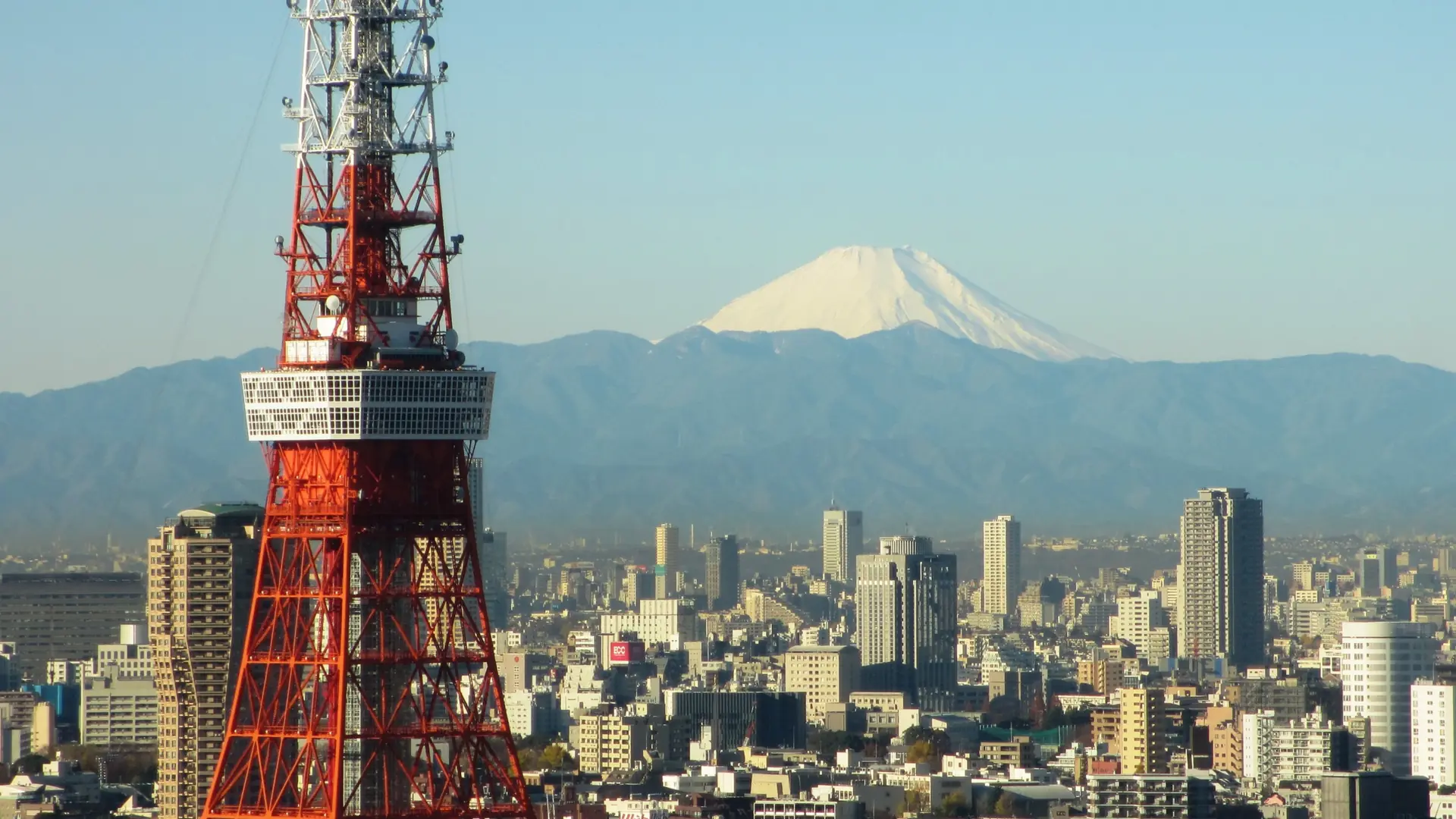
Tokyo skyline with Tokyo Tower, modern towers and Mount Fuji beneath a clear golden sky

Where to stay in Tokyo without wasting half the trip in transit

Finding current Tokyo stays…

Choose the station before you choose the Tokyo hotel

Tokyo is not one sightseeing centre. The useful question is which journeys you will repeat after breakfast and after the last attraction, because a famous district can still be the wrong side of its own station. Group your wish list into west, central and east Tokyo, then book a base that removes one long crossing from most days.

First visit Allow five full days before adding major day trips

That gives separate geographic days for Asakusa and Ueno, Marunouchi and Ginza, Shibuya and Harajuku, Shinjuku, and one personal priority. Three days can show highlights, but it rewards ruthless clustering rather than a longer checklist.

Hotel location Aim for a simple walk to a useful station entrance

A room eight minutes from the correct entrance can outperform one that appears closer on a map but sits across a huge station complex. Check the actual pedestrian route, lifts and late-night surroundings before paying.

Two airports Haneda is closer; Narita requires a deliberate final route

Both airports offer rail, bus and taxi options. Match the operator route to the hotel district and luggage instead of selecting a transfer by the words express or direct alone.

High-demand tickets Reserve timed observatories and digital-art museums first

SHIBUYA SKY and teamLab Borderless use dated or timed admission and can sell out. Fix those anchors before filling nearby hours with flexible streets, parks and shops.

2026 subway prices 24/48/72-hour Tokyo Subway Tickets cost ¥1,000/¥1,500/¥2,000

They cover Tokyo Metro and Toei Subway lines. Compare that network with your planned JR Yamanote, private-railway and airport rides before assuming the longest pass saves money.

Best seasons Late autumn and spring favour walking; midsummer changes the pace

Tokyo's 1991–2020 mean temperature reaches 26.9°C in August before humidity is considered. Summer days need shaded indoor breaks and weather alerts, while winter is colder but often easier for long walks.

StartBooker answer

What is the best area to stay in Tokyo for a first visit?

Shinjuku is the strongest first base when nightlife, west-Tokyo sights and day-trip transport dominate; choose a hotel on the west or south side if sleep matters. Ginza or Marunouchi works better for Tokyo Station, polished evenings and straightforward cross-city movement. Shibuya suits fashion and late nights, while Asakusa and Ueno trade longer rides west for temples, museums and usually calmer mornings. In every case, book near the station entrance and line you will actually use, not merely the neighbourhood name.

Best all-rounder
Shinjuku for west-side days, nightlife and regional departures
Best polished base
Ginza or Marunouchi for Tokyo Station and central dining
Best traditional atmosphere
Asakusa for Senso-ji before the day crowds arrive
Best museum access
Ueno for the park museums, Ameyoko and Narita-facing rail
Transit rule
Use an IC card first; price a pass against real subway journeys
AI-powered

Turn your Tokyo pins into neighbourhood-sized days

Tell the planner your airports, fixed tickets, bedtime, luggage and must-see districts. It should reduce repeated crossings and explain why one hotel side beats another.

Eight Tokyo bases that produce genuinely different trips

These areas are not ranked from good to bad. Each removes a different kind of friction: a late western dinner, an early temple visit, a shinkansen departure, a museum day, a luxury appointment or a family attraction. Compare the hotel’s station side, room orientation and final walk as carefully as the district label.

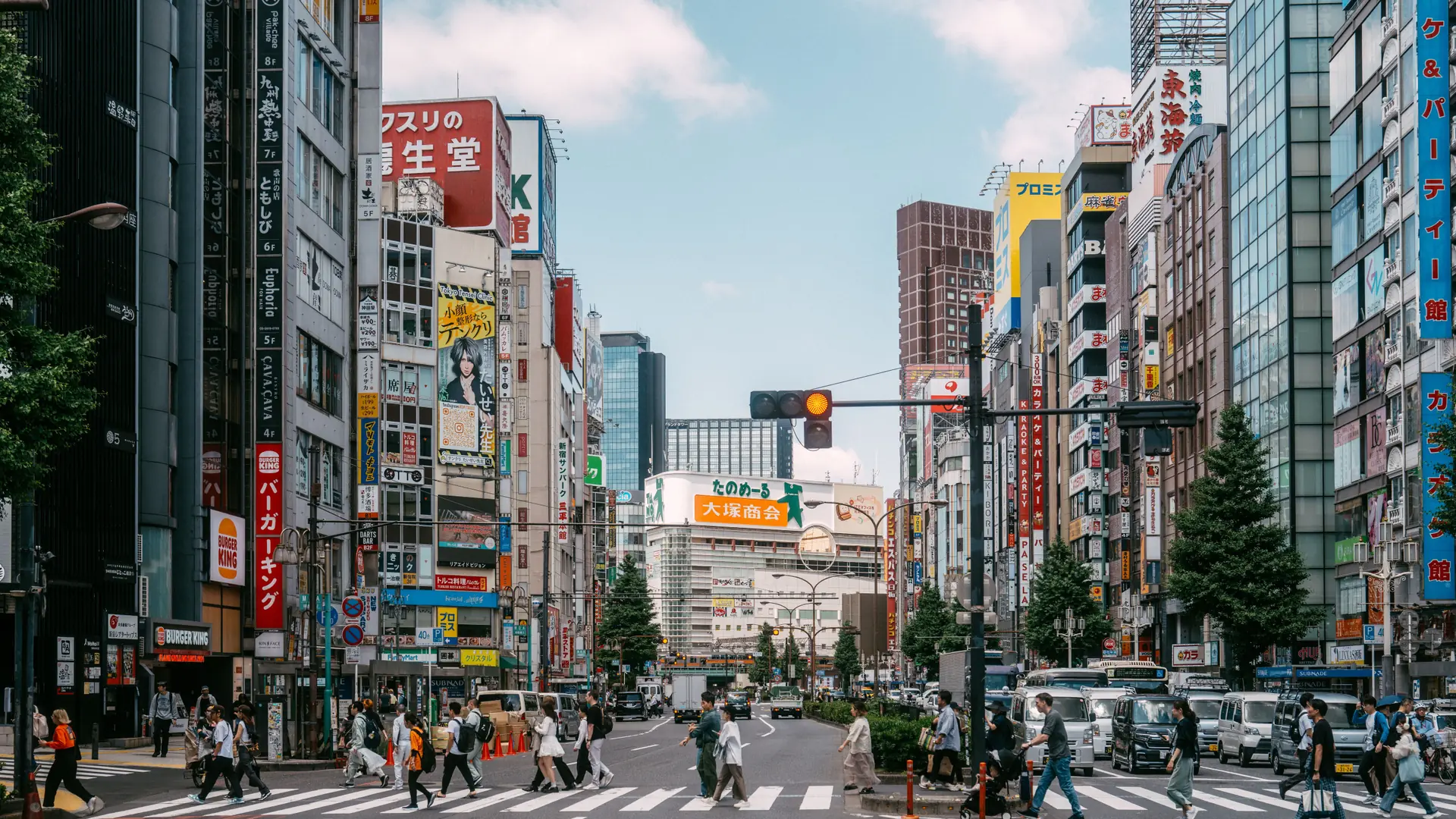
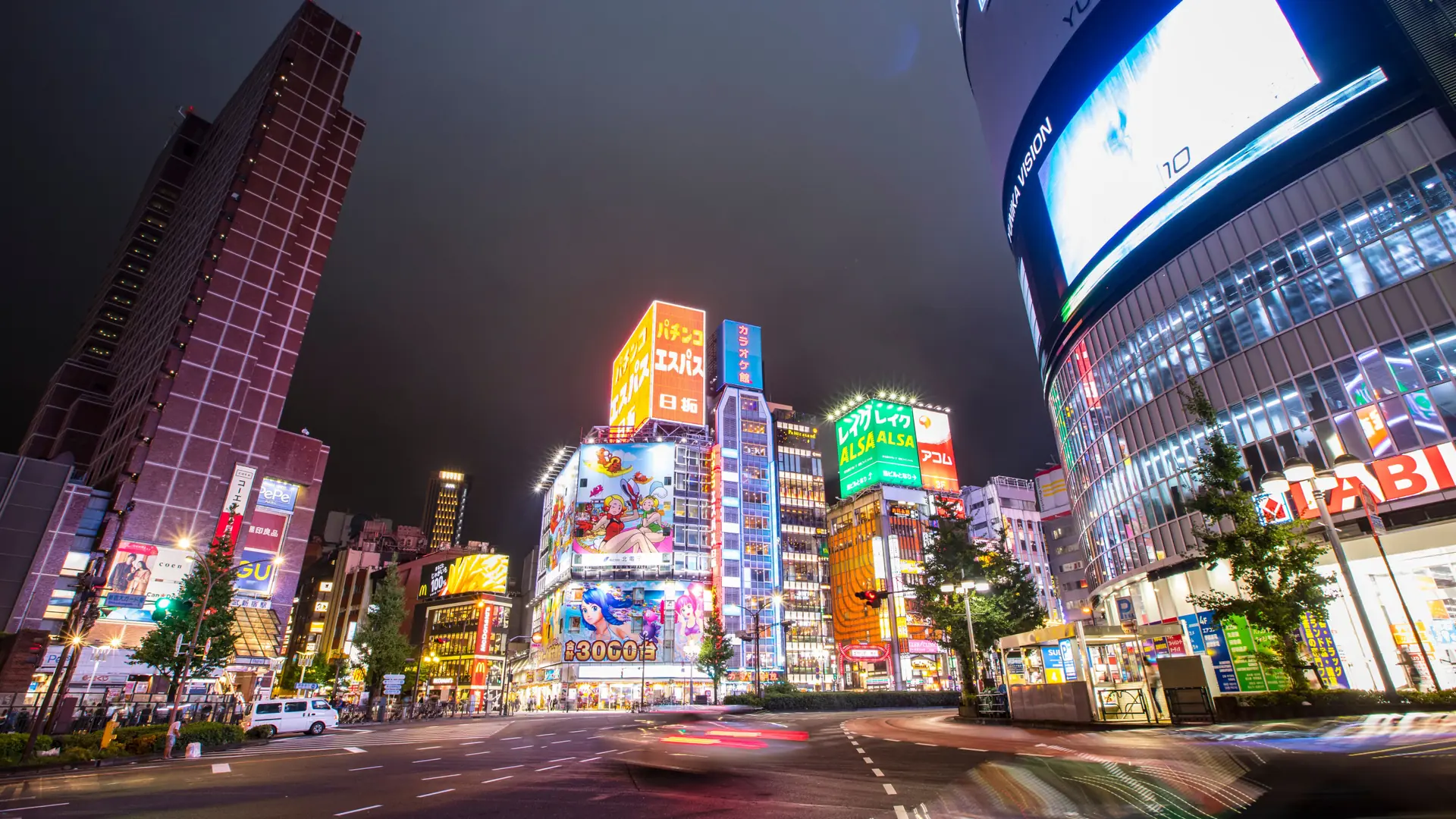
Shinjuku's neon towers and busy junction glowing vividly after dark

Shinjuku

First-timers with west-side sightseeing, nightlife and regional departures

Your evenings repeatedly finish around Shinjuku or Shibuya and you value many rail options more than a calm arrival.

High east of the station; moderate on many west and south side streets

first-time nightlife transport day-trips

Inspect the exact nighttime walk and avoid assuming every Kabukicho-facing room is insulated from street noise.
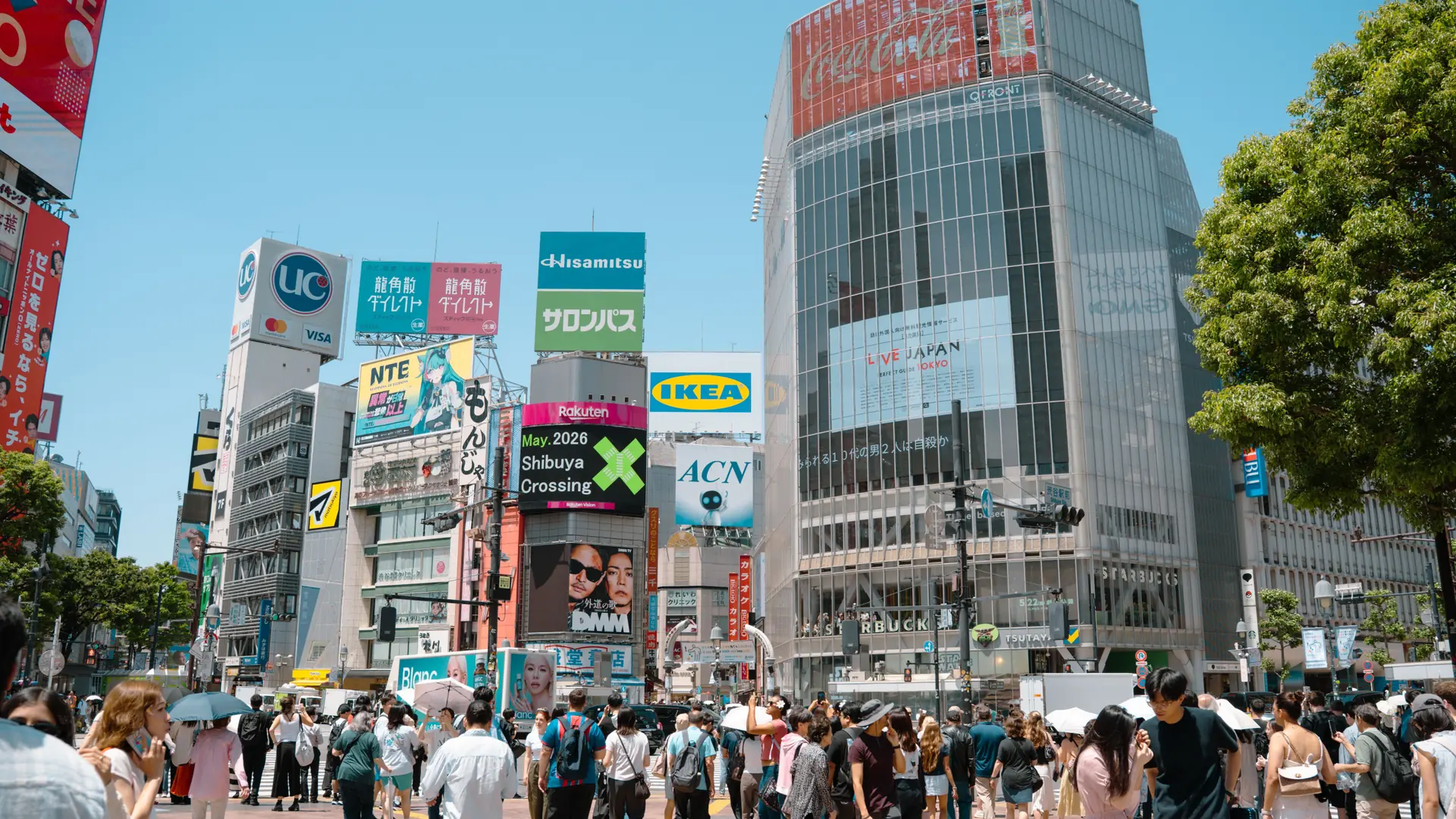
Shibuya Scramble Crossing surrounded by colourful towers in sunny daytime Tokyo

Shibuya & Harajuku edge

Fashion, music, contemporary Tokyo and late evenings

Shibuya Crossing, Cat Street, Omotesando, Meiji Jingu and west-side restaurants form the centre of your trip.

High near Center-gai and Dogenzaka; quieter toward Aoyama and residential backstreets

fashion nightlife shopping younger-travellers

Confirm whether the hotel is uphill, across a major junction or reached through a station exit that closes overnight.

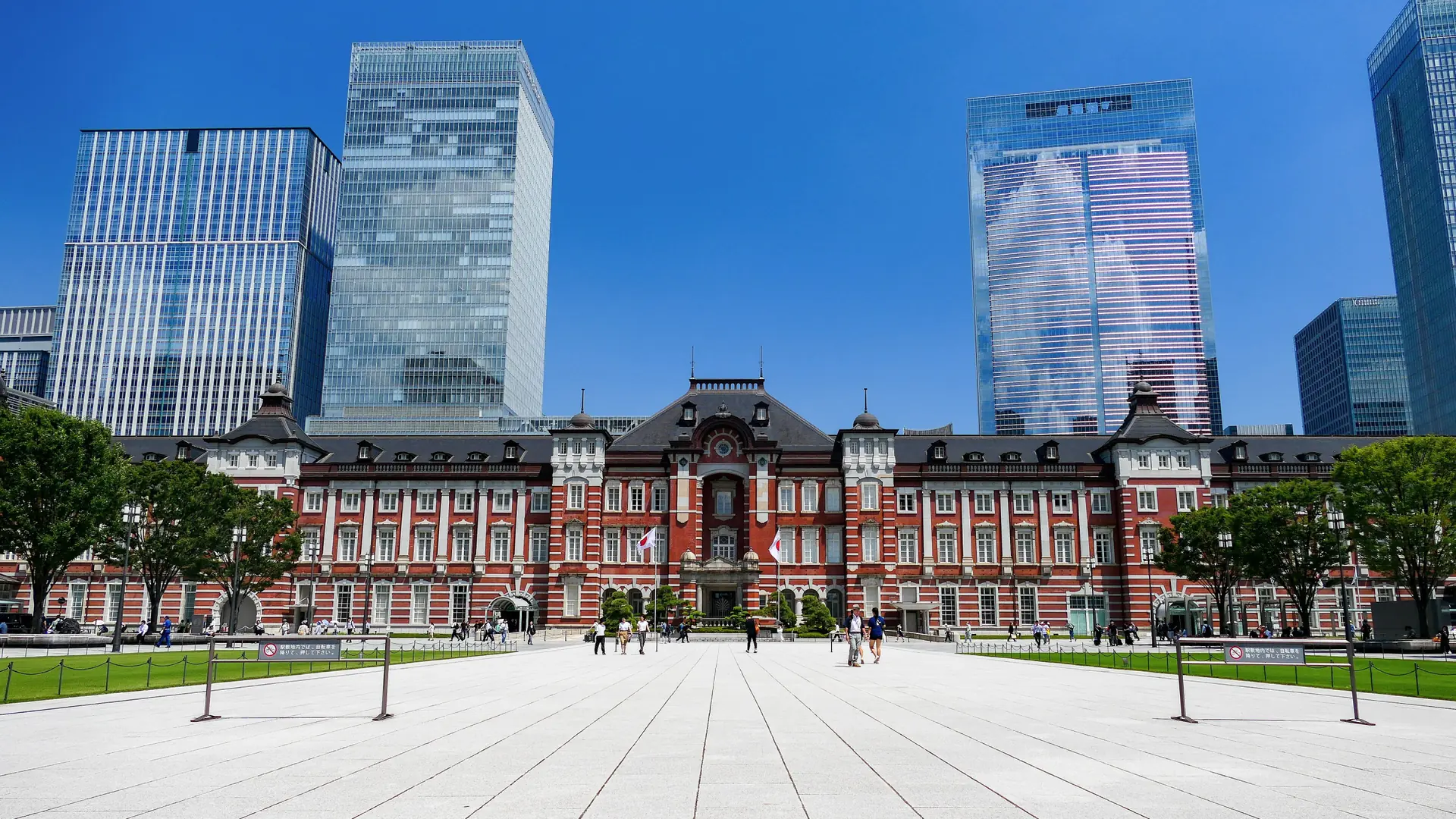
Tokyo Station's red-brick Marunouchi facade framed by sunlit modern skyscrapers

Ginza & Marunouchi

Tokyo Station, luxury stays, shopping and smooth first or final nights

You have a shinkansen departure, prefer polished streets and want central lines without sleeping inside a nightlife district.

Low to moderate outside station frontage and main Ginza avenues

luxury rail shopping quiet-night

Tokyo Station's underground geography is complex; save the exact exit and whether the hotel is on the Marunouchi or Yaesu side.

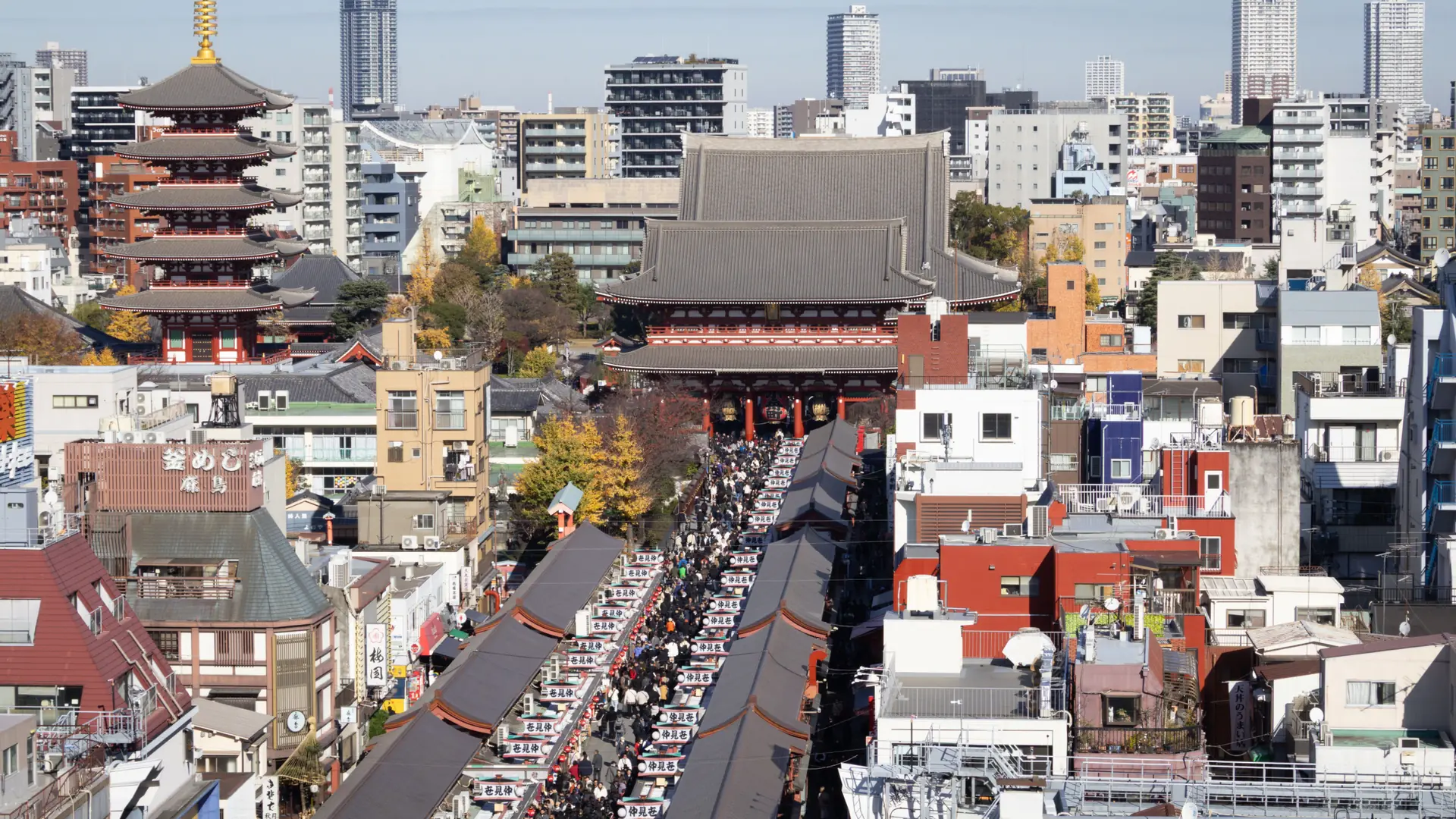
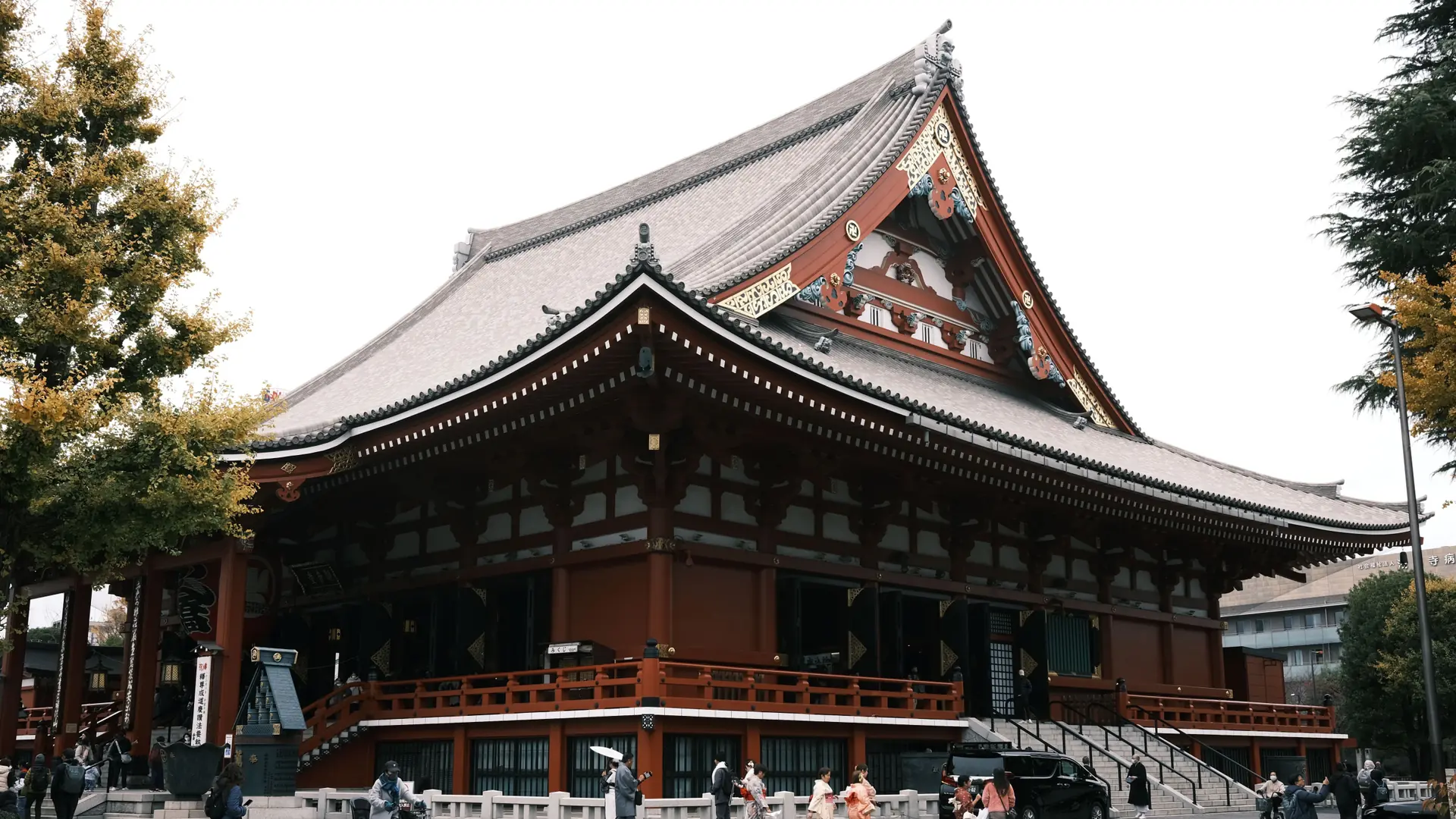
Senso-ji Temple, its five-storey pagoda and Nakamise rooftops across sunlit Asakusa

Asakusa

Senso-ji mornings, traditional streets, river walks and value

You want the temple district at dawn and accept longer journeys to Shinjuku and Shibuya.

Busy around Kaminarimon by day; often calm on side streets after shops close

culture value early-mornings river

Check whether directions refer to Tokyo Metro, Toei, Tobu or Tsukuba Express Asakusa; they are not one interchangeable entrance.

Ueno Park temple architecture, trees and visitors in clear spring daylight

Ueno & Yanaka

Museums, families, Narita access and slower residential walks

Ueno Park deserves a full day and you want Ameyoko energy beside quieter Yanaka lanes.

Moderate near Ameyoko and the station; low across much of Yanaka

museums family narita traditional

Museum closing days vary, so build the Ueno day around official calendars instead of assuming every institution opens Monday.

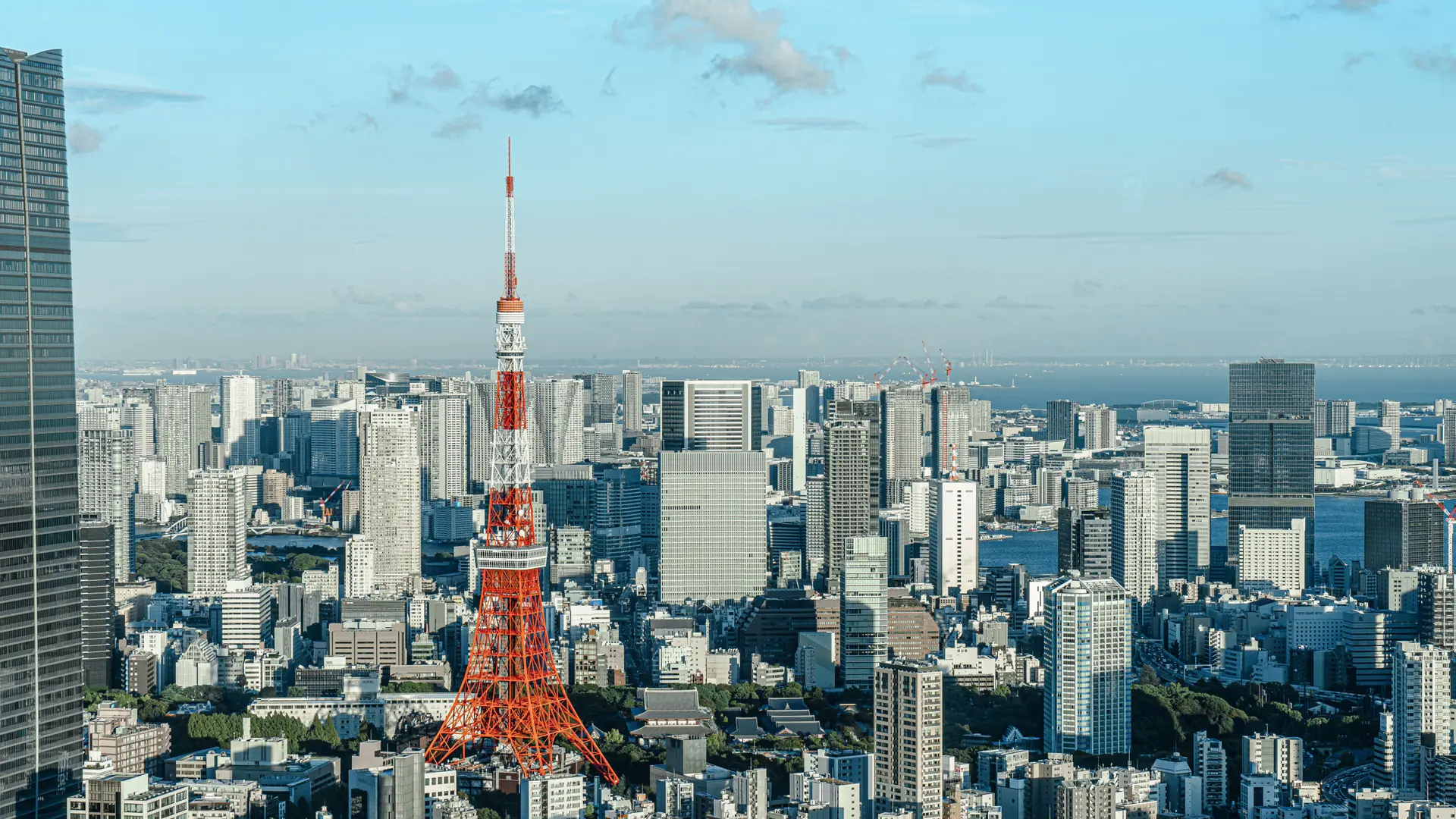
Tokyo Tower rising beside the contemporary Roppongi and Azabudai skyline on a sunny day

Roppongi, Azabudai & Akasaka

Contemporary art, international dining, luxury and central nightlife

Your fixed bookings cluster around teamLab Borderless, Roppongi museums, Tokyo Tower or business meetings in Minato.

High near club streets; moderate to low around Azabudai and many Akasaka hotels

art luxury nightlife business

Choose the nearest subway line deliberately and verify late-night streets around the exact entrance rather than relying on the broad Roppongi label.

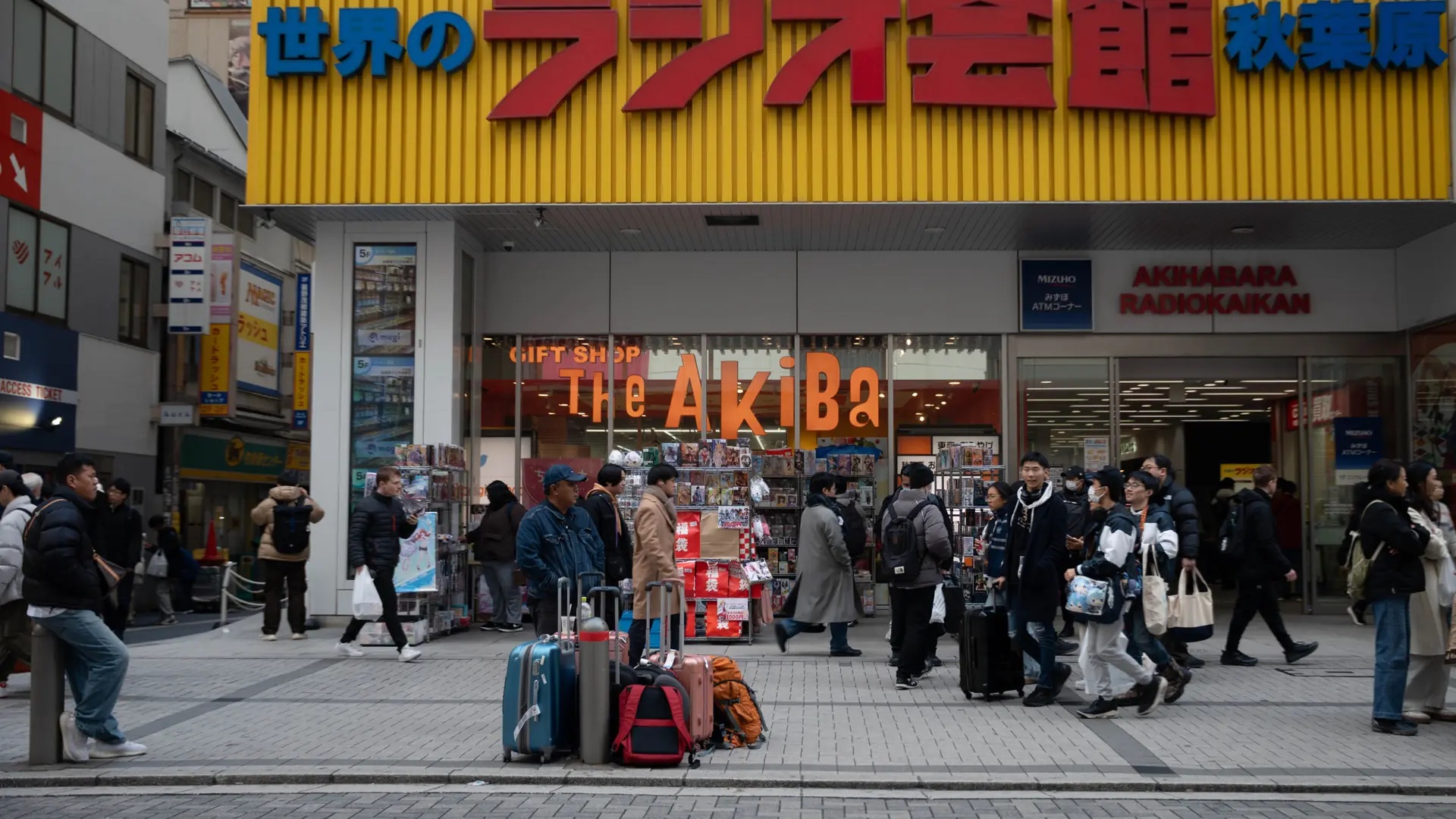
Akihabara Radio Kaikan's yellow facade and lively electronics district in daylight

Akihabara & Kanda

Anime, games, electronics and a practical central-east base

Collecting, arcades or specialist shops are recurring priorities rather than a single afternoon curiosity.

Busy on main shopping streets by day; moderate after major stores close

anime gaming shopping transport

Treat maid cafés and character experiences as businesses with individual rules; read current pricing and photography policies before entering.

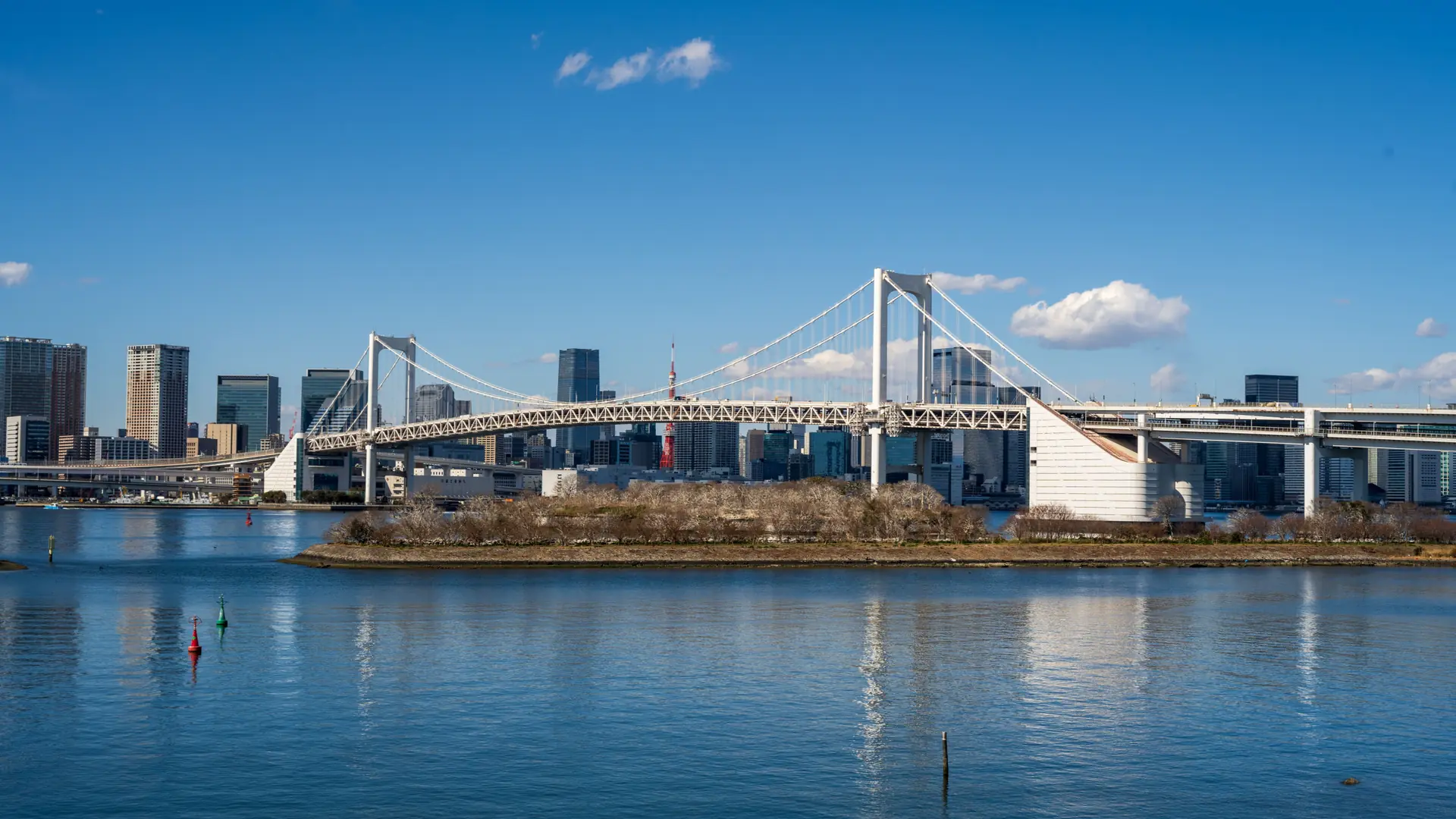
Rainbow Bridge and the Odaiba waterfront shining across deep blue Tokyo Bay

Odaiba & Toyosu

Bay views, family attractions, exhibitions and purpose-built stays

Tokyo Bay attractions, teamLab Planets, Big Sight or a resort-style family room is the trip's fixed centre.

Generally low at night except during major events

family bay events modern

Check the last connection and event calendar; convention demand can lift rates while a quiet evening leaves fewer neighbourhood choices.

Match the Tokyo base to the journey you repeat
Area Best for Trade-off Getting around
Shinjuku West-side sights and nightlife Huge station and intense east side Exceptional rail and bus range
Shibuya & Harajuku edge Fashion and late urban energy Crowds and premium weekends Strong JR, Metro and private rail
Ginza & Marunouchi Rail departures and polished central stays Higher rates and quieter late nights Shinkansen plus several central lines
Asakusa Temple atmosphere and value Farther from Shinjuku and Shibuya Useful east-side subway/private rail
Ueno & Yanaka Museums, families and Narita Functional hub edge JR, Metro and Keisei choices
Roppongi, Azabudai & Akasaka Art, luxury and Minato appointments Expensive and line-dependent Subway-led central access
Akihabara & Kanda Anime, games and electronics Less neighbourhood life after retail hours Fast central-east JR links
Odaiba & Toyosu Bay attractions and events Poor default for classic city days Yurikamome/Rinkai plus transfers

Pick a Tokyo hotel by what happens after 8 p.m.

Daytime Tokyo is forgiving because trains connect almost every major district. The sharper decision comes after dinner, with sleeping children, shopping bags, an early airport departure or a missed last connection. These scenarios expose which convenience is real for your trip.

First trip with one hotel

You can already name the side of Tokyo where three of five days will end.

You selected the area only because a generic list called it central.

Ueno is the better compromise when museums and Narita matter more than nightlife.

Nightlife, fashion and late food

Walking back after a late meal is worth paying more for the district.

Crowds and illuminated streets make it difficult for you to unwind.

Roppongi or Akasaka better fits art-led evenings and international dining.

Family trip with young children

You plan one major zone each day and protect an afternoon rest.

The cheapest room requires multiple station changes with a stroller.

Choose a quieter Shinjuku west-side hotel only when western attractions clearly dominate.

Temples, old streets and early photography

You will actually wake early enough to use the empty temple approach.

Most dinner reservations and bars are in Shibuya, Shinjuku or Roppongi.

Ueno provides stronger rail breadth while keeping old-Tokyo walks nearby.

Anime, games and specialist shopping

You have named stores, arcades or release dates rather than a vague pop-culture interest.

You expect every themed venue to be effortless for non-Japanese speakers.

Kanda-side hotels can preserve access with a more ordinary evening setting.

Luxury, architecture and contemporary art

A gallery booking, restaurant or hotel experience is itself a major trip purpose.

You will resent paying for an area whose evenings you plan to spend elsewhere.

Akasaka can offer a calmer central compromise between the two clusters.

Late arrival or early onward train

Missing the departure would matter more than changing hotels once.

You are adding a hotel move merely to save a few scheduled minutes.

Use luggage forwarding or station lockers to separate the transfer problem from the sleeping-base decision.

Disney, exhibitions or Tokyo Bay

A convention, attraction or family schedule occupies most of two or more days.

You chose the bay solely for a skyline view while every planned day begins inland.

Tokyo Station can balance Disney-facing rail with central sightseeing more effectively for a single park day.

Search Tokyo hotels after choosing your station side

Compare current stays across Shinjuku, Shibuya, Ginza, Marunouchi, Asakusa, Ueno, Roppongi and the bay. Open the map for the exact station entrance, nighttime walk and room orientation before booking.

Check Tokyo availability →
Loading current Tokyo stays…

Make the airport route end at the hotel door

Tokyo's airport choice is only the first branch. The useful comparison follows the train or bus to the actual district, then counts the interchange, station exit, walking surface, arrival hour and luggage. Operator journey planners should settle current fares and schedules because services change.

From Haneda and Narita

Use Haneda for the shorter city approach, then match the line

Use Haneda for the shorter city approach, then match the line

Haneda offers Keikyu rail, Tokyo Monorail, airport buses and taxis. Keikyu can favour Shinagawa and through-running subway destinations; the monorail reaches Hamamatsucho; a bus may remove a difficult interchange for major hotels. Do not freeze an old duration into the plan: search the official route for your terminal and landing time.

Choose Narita rail by the district, not the train brand

Narita sits outside central Tokyo and publishes rail, bus, taxi and accessibility options. Keisei services can favour Ueno and Nippori, while JR services may align better with Tokyo, Shibuya or Shinjuku depending on the current pattern. Compare the final change and hotel walk before buying.

Use an airport bus when luggage makes the station the problem

A direct bus to a hotel or major terminal can beat a faster rail schedule that ends with stairs, crowded platforms and an unfamiliar exit. Check the operator's current stop, reservation policy and last departure, especially after an evening arrival.

Move by clusters, not by map-pin order

Treat JR, Metro, Toei and private rail as one trip network

Treat JR, Metro, Toei and private rail as one trip network

Visitors experience a connected city, but fares and passes cross several operators. Route apps may choose JR for one journey and subway for the next. An IC card reduces ticket decisions; it does not turn every line into one fare system or make an unlimited subway product cover JR.

Pair districts that share geography

Build Shibuya with Harajuku and Omotesando, Asakusa with Ueno or Skytree, and Marunouchi with Ginza or Nihombashi. Saving one unnecessary west-east crossing creates more useful time than chasing a theoretically fastest train between unrelated reservations.

Respect the last train without designing the trip around fear

Late services vary by operator, line and weekday. Search the return at the hour you expect to leave, save the exact station entrance and keep a taxi budget for one intentional late night. Shinjuku, Shibuya and Roppongi reward a hotel you can reach without a final cross-city gamble.

Walk inside one neighbourhood, ride between distant centres

Tokyo rewards street-level exploration, but its famous districts are not adjacent. Comfortable shoes matter; so does knowing when a train avoids an hour of tired pavement. Underground passages can be useful in heat or rain yet add navigation time at major hubs.

Pay for the journeys you will really take

Start with an IC card for mixed-operator days

Start with an IC card for mixed-operator days

Suica or PASMO-style stored value is the low-friction default for ordinary urban travel. It is payment convenience rather than a blanket discount, so keep enough balance and verify mobile-card compatibility before depending on a specific phone setup.

Tokyo Subway Tickets reward subway-heavy clusters

As checked in September 2026, adult 24-, 48- and 72-hour products cost ¥1,000, ¥1,500 and ¥2,000 and cover Tokyo Metro plus Toei Subway. They do not automatically cover JR, airport or private lines, so calculate from the routes your itinerary selects.

Do not buy a regional pass for ordinary city wandering

A pass designed for Nikko, Fuji or other regional journeys should be tested against those expensive legs, not justified by short urban rides. JR East states that the Tokyo Wide Pass covers defined regional operators for three consecutive days and excludes the Tokaido Shinkansen.

Plan the lift route and the street route together

Search the exact station facilities before fixing the hotel

Search the exact station facilities before fixing the hotel

Tokyo Metro provides station-level searches for step-free routes, elevators and accessible toilets. A station can be technically accessible while the useful lift emerges far from the hotel, so compare the accessible exit with the actual entrance and request a precise room-access description.

Avoid commuter peaks when space and assistance matter

GO TOKYO advises that most major stations have barrier-free features and staff assistance, but platforms and passages can still be busy and narrow. Travelling outside the cited morning and evening rush windows creates more room for wheelchairs, mobility devices, strollers and luggage.

Plan Tokyo around weather, booking pressure and recovery time

The city is reliable enough to encourage overplanning. Resist it. One fixed ticket and one geographic focus per day leave space for station navigation, meals, shopping and weather changes without turning every discovery into a delay.

Choose a season by the day you want to live

Spring rewards parks but punishes rigid blossom expectations
  • Spring rewards parks but punishes rigid blossom expectations

    March to May moves from chilly starts toward comfortable warmth, while blossom timing shifts each year and concentrates crowds around famous trees. Reserve the hotel for the wider trip, then use current forecasts to choose among Ueno Park, riverside walks and gardens instead of building the whole booking around one historic date.

  • Summer needs indoor anchors and a smaller outdoor radius

    June brings rain and humidity; heat intensifies through July and August, with typhoon disruption possible later in the season. Put museums, department stores or immersive art around the hottest hours, carry water and treat a long midday neighbourhood walk as optional rather than a test of endurance.

  • Autumn is strong for walking after lingering September heat

    Warm conditions can continue into September, and storms remain possible. October and November usually improve the street-walking equation, while foliage arrives later than many first-time visitors expect. Use live garden information rather than assuming Kyoto and Tokyo share the same colour week.

  • Winter exchanges short daylight for clearer urban movement

    Tokyo's winter is cold and comparatively dry, with a January normal mean of 5.4°C. Pack for wind and early darkness, then use illuminations, museums and food districts after sunset. New Year closures require direct checks with attractions and restaurants.

Spend on location only when it removes a real cost

Measure a hotel premium against two daily crossings
  • Measure a hotel premium against two daily crossings

    A cheaper outer room can work for a long stay, but calculate the fares, minutes and late returns it adds to the actual itinerary. Business hotels near Ueno, Kanda or less glamorous sides of major stations can deliver stronger value than a distant room marketed as central Tokyo.

  • Use lunch and department-store food halls strategically

    High-end districts do not require every meal to match the hotel price. Station complexes, depachika food floors, noodle counters and neighbourhood set lunches make it possible to spend selectively on one reservation while keeping ordinary days flexible.

  • Read the 2026 accommodation tax separately from the room rate

    Tokyo's current system charges ¥100 per person per night from ¥10,000 to under ¥15,000 and ¥200 from ¥15,000, based on the qualifying accommodation charge. The city has announced a different percentage system from April 2027, so future travellers must confirm the official rule rather than reuse 2026 figures.

  • Budget timed attractions before filling free viewpoints

    SHIBUYA SKY and teamLab use variable or time-specific ticketing, while parks, temple precincts and urban walks can cost little. Decide which paid experience changes the trip, book it direct, and leave other skyline views as weather-dependent choices.

Avoid these expensive Tokyo planning errors

Booking the district without checking the station side
  • Booking the district without checking the station side

    Shinjuku, Shibuya and Tokyo Station each contain long internal routes and multiple exits. Trace the pedestrian path from platform to hotel, including lifts, before treating a map's straight line as the nightly walk.

  • Stacking east and west Tokyo into every day

    A morning in Asakusa, afternoon in Shibuya and dinner back near Skytree is possible but wasteful. Cluster one side, leave room for a meal queue or wrong exit, and move the unrelated reservation to another day.

  • Treating every pass as interchangeable

    Metro, Toei, JR and private railways overlap visually but products have boundaries. Confirm which operator runs each expensive journey and whether airport or shinkansen travel is excluded before buying.

  • Leaving the most constrained attraction until arrival

    Sunset observatory slots and immersive-art admission can disappear. Book only through the responsible operator, then place flexible streets and shopping around that anchor so a sell-out does not collapse the day.

  • Planning summer as if every hour were equally walkable

    Humidity and extreme heat change appetite, pace and recovery. Put the exposed crossing or garden early, protect an indoor afternoon, and use current weather warnings when a storm can affect trains or outdoor roofs.

  • Assuming a large room category guarantees usable space

    Check bed layout, open-floor area, bathroom access and whether suitcases can remain open. For families, confirm child occupancy and breakfast rules in writing; for mobility needs, request measurements rather than relying on an accessible label alone.

Is Shinjuku or Shibuya better for a first stay in Tokyo?

Choose Shinjuku for broader transport, highway buses and evenings divided between many dining and nightlife pockets. Choose Shibuya when fashion, Harajuku, Ebisu and late western-Tokyo energy dominate. In both areas, the quietest useful room may be several blocks from the most famous intersection, so compare the station side and nighttime route rather than the neighbourhood name alone.

How many days do I need in Tokyo for a first trip?

Five full days is a strong minimum for a varied first visit without major day trips. It allows separate east, central and west Tokyo days plus one personal theme. With three days, keep one geographic cluster per day. Seven days supports slower neighbourhoods or one excursion without turning the city itself into arrival and departure fragments.

Is Ginza a good place to stay in Tokyo?

Yes for travellers who value polished streets, department stores, central subway lines and proximity to Tokyo Station. Ginza is less suitable when the trip revolves around Shibuya nightlife or when a high room rate would reduce the food and attraction budget. Compare Ginza with Marunouchi and nearby Yurakucho rather than treating it as one luxury-only block.

Is Asakusa too far from Shinjuku and Shibuya?

It is a meaningful cross-city ride, not an impossible one. Asakusa is worth the trade when early Senso-ji visits, Kappabashi, Skytree and east-Tokyo walks matter more than repeated western nights. If the itinerary alternates sides every day, Ueno or a central district may reduce friction while preserving reasonable access to old Tokyo.

Should I stay near Tokyo Station before travelling to Kyoto?

It is useful before an early Tokaido Shinkansen or for a short arrival stay, especially with luggage. Save whether the hotel is on the Marunouchi or Yaesu side and allow time inside the station. For a longer Tokyo visit, the convenience of one departure should not outweigh four days of journeys from a district you do not enjoy.

Do I need a Tokyo subway pass or just an IC card?

An IC card is the flexible default when your routes mix JR, Metro, Toei and private rail. A Tokyo Subway Ticket can save money on concentrated Metro and Toei journeys; the 2026 products run for 24, 48 or 72 hours and exclude other operators. Map the actual rides first, then compare coverage instead of buying by trip length.

Which Tokyo area is best for families?

Ueno is a strong city base for park museums, simpler neighbourhood days and Narita-facing rail. Marunouchi reduces onward-train friction, while Odaiba suits families whose attractions or event are concentrated on the bay. Check room occupancy, lift exits and stroller routes; the broad district recommendation cannot guarantee those details for an individual hotel.

What should I reserve before arriving in Tokyo in 2026?

Reserve any non-negotiable dated attraction through its official seller, particularly a preferred SHIBUYA SKY time, teamLab admission or Tokyo Disney Resort day. Also secure the hotel for high-demand holiday and blossom periods. Keep temples, shopping streets, parks and most neighbourhood walks flexible so weather and energy can reshape the day.

Is Tokyo accessible for wheelchair users and travellers with strollers?

Many stations and attractions provide lifts, accessible toilets, tactile paving and staff support, but the complete journey still needs planning. Use Tokyo Metro's station facility search, avoid the busiest commuter periods when possible, and ask the hotel for the exact step-free entrance and room measurements. A technically accessible station may have a long route to the useful exit.

How this Tokyo guide was researched

Reviewed by StartBooker Editorial Team Travel editor and destination researcher

Evidence checked 2026-09-12

Method: Compared official 2026 tourism, airport, rail, climate, tax and attraction information with three independent editorial publishers; volatile fares, schedules, closures and ticket inventory are deferred to the responsible operator.

32 Source records reviewed

Key official and editorial sources
  • Tokyo Convention & Visitors Bureau
  • Tokyo Metropolitan Government Bureau of Taxation
  • Shibuya Scramble Square
  • teamLab
  • Oriental Land Co., Ltd.
  • Japan National Tourism Organization
Photo credits

Photos provided by Pexels.

Share the Tokyo station decision that changed your trip

Which Tokyo area did you stay in, and which repeated journey did it simplify?