
Kanazawa is a genuine base
Two nights allow Kenrokuen at a quiet hour, one museum or craft appointment and an evening in the chaya districts without treating the city as a station stop.
A one-way two-week route adds the Hokuriku and Hida regions without stealing Kyoto’s mornings or reducing Hiroshima to a day trip.
The extra week should produce contrast, not a longer checklist in the same cities. Kanazawa contributes a compact garden, market and craft city; Takayama changes the scale again with timber streets and Hida food. Kyoto then receives three nights before Hiroshima supplies a final historical and coastal chapter. The order is geographically legible and every transfer leads toward the departure region.
Two transport decisions hold the plan together. Reserve the limited rural seats between Kanazawa and Takayama, and send the large suitcase ahead when a bus sector would make it cumbersome. The premium choice is not a car for all fourteen days. It is a well-located room, a specialist guide where interpretation matters, and enough time at each stop to use both.
The itinerary deliberately leaves out Hakone, Osaka and a rushed Alpine Route crossing. They are good journeys but poor additions to this exact night count. Travellers who prize ryokan time over regional breadth should select the ten-day Hakone route; those seeking high mountains should use the dedicated Alps itinerary when its seasonal transport is open.
Fourteen days also permit a better relationship with reservations. Secure the Takayama transport, Kyoto room and any small cultural appointment, but leave ordinary meals and city movement adjustable. Kanazawa rewards a wet-weather museum alternative; Takayama can contract around its walkable centre; Hiroshima needs emotional room after the museum. Forwarding a suitcase is useful only when the receiving hotel confirms the date, so carry medication and valuables through Hida. The route should finish with energy for Miyajima rather than treating its ferry as one more connection. If an international flight leaves Kansai, add the necessary airport margin after the thirteenth night instead of counting the departure morning as a full island day. That choice may look conservative in a spreadsheet, yet it protects the most distinctive final experience and prevents two weeks of good planning from ending in a fragile chain of ferry, local train, Shinkansen and airport service.
Two nights allow Kenrokuen at a quiet hour, one museum or craft appointment and an evening in the chaya districts without treating the city as a station stop.
The preserved centre is walkable, but the approach and departure use limited rural services. Reserve the important sector and confirm the current timetable.
Three nights separate the Peace Memorial material from Miyajima, allowing each a full day and preventing an emotionally complex visit from becoming a transfer interval.
Best for
Think twice if
Travellers who need step-free transfers throughout or want a beach-and-resort holiday; rural buses and historic streets require a different accessibility plan.
StartBooker answer
Spend three nights in Tokyo, two in Kanazawa, two in Takayama, three in Kyoto and three in Hiroshima, using the final base for Miyajima. This sequence adds craft, mountain-town and memorial context while continuing west instead of returning to Tokyo. Reserve the Takayama transport before city restaurants, forward large luggage around the bus sector, and leave Miyajima flexible enough for weather and tide conditions. Depart from Hiroshima or continue to a Kansai airport.
Five bases trace a one-way journey from the capital through the Hokuriku and Hida regions to western Honshu, with enough nights to experience each stop beyond its station.
5 stops · swipe
 1
1
Neighbourhood depth and contemporary culture
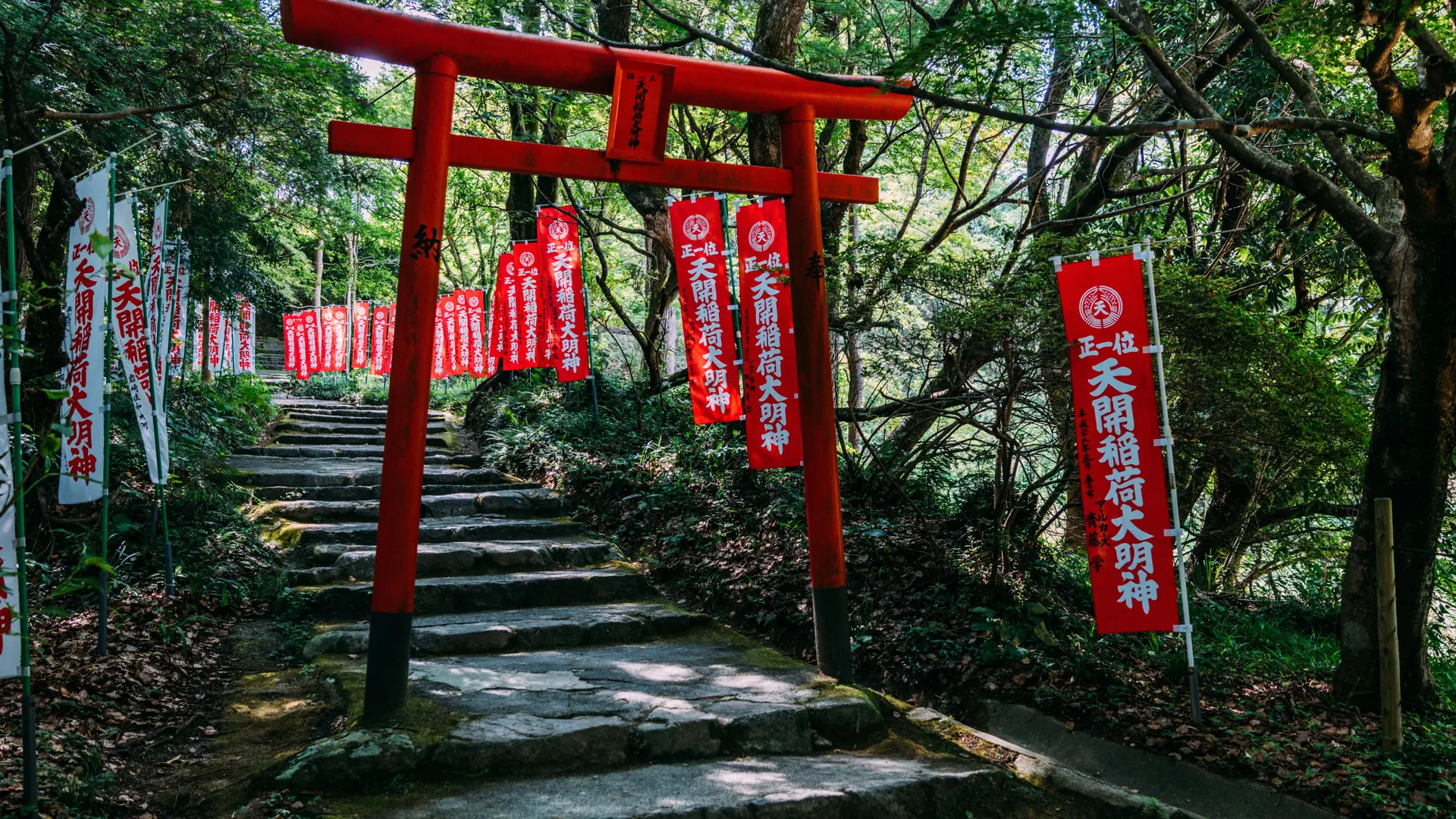
Use one day for Asakusa and Ueno, then another for Meiji Jingu and the western design districts. After the arrival evening, those two coherent days provide contrast without forcing a cross-city checklist.
Watch out: Do not spend both full days commuting between east and west.
Read the Tokyo guide →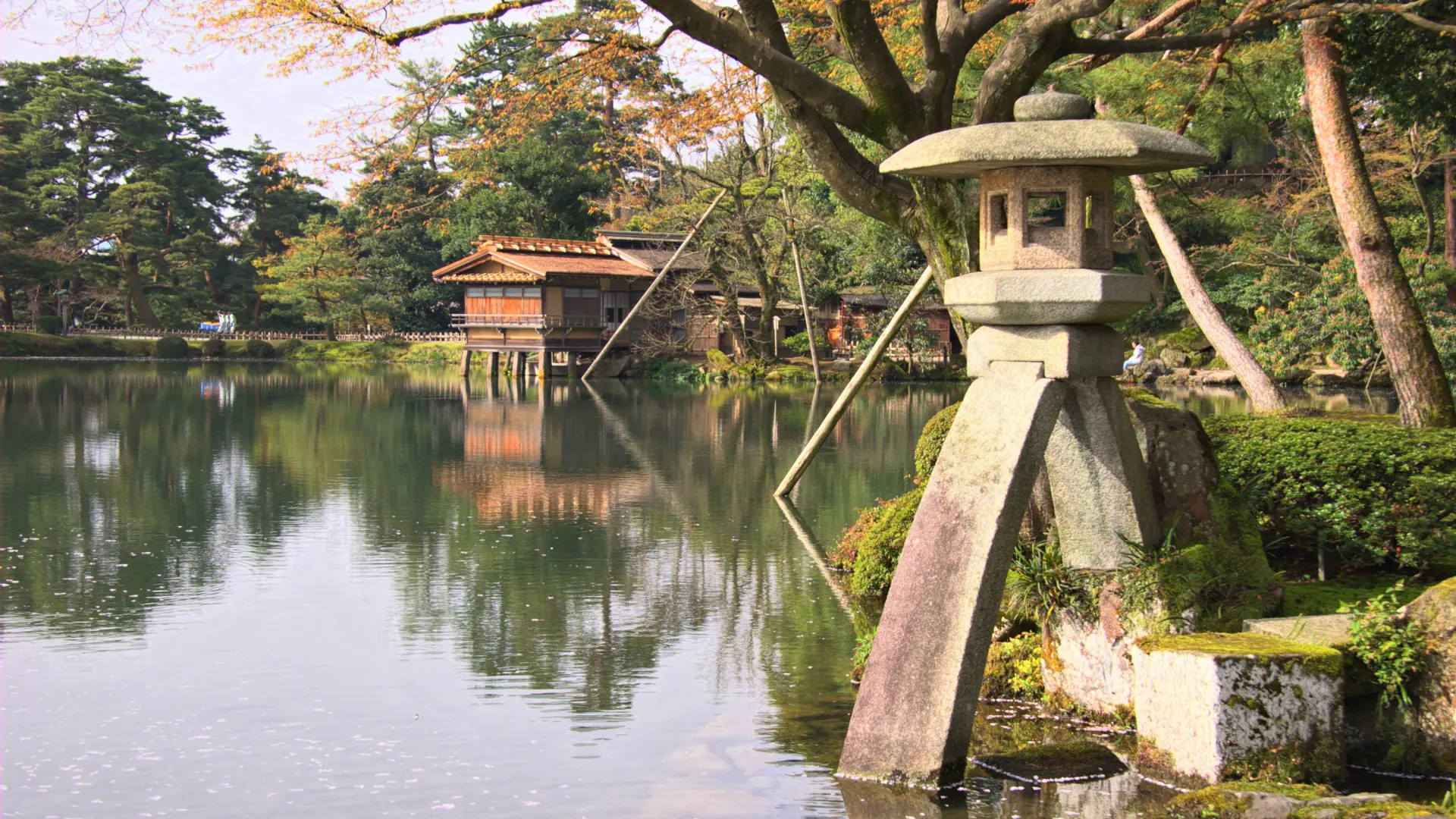 2
2
Landscape gardening, seafood markets and living crafts
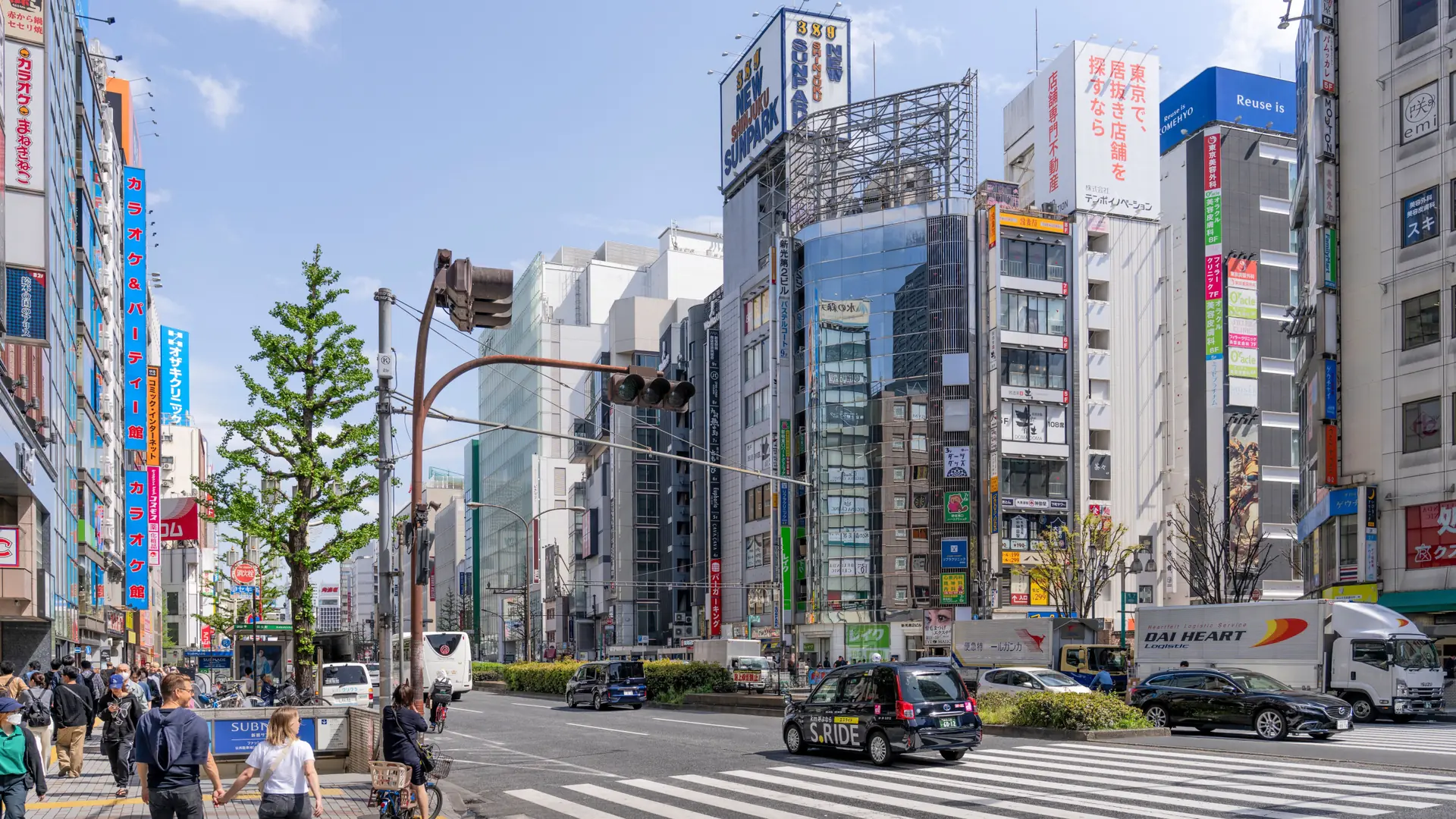
Arrive for an evening walk, then connect Omicho, the castle landscape and one chosen craft or museum experience. An overnight places Kenrokuen and any reserved cultural appointment in a calmer morning window.
Watch out: Kenrokuen and the museums have opening hours; nightlife is quieter than Tokyo.
Read the Kanazawa guide →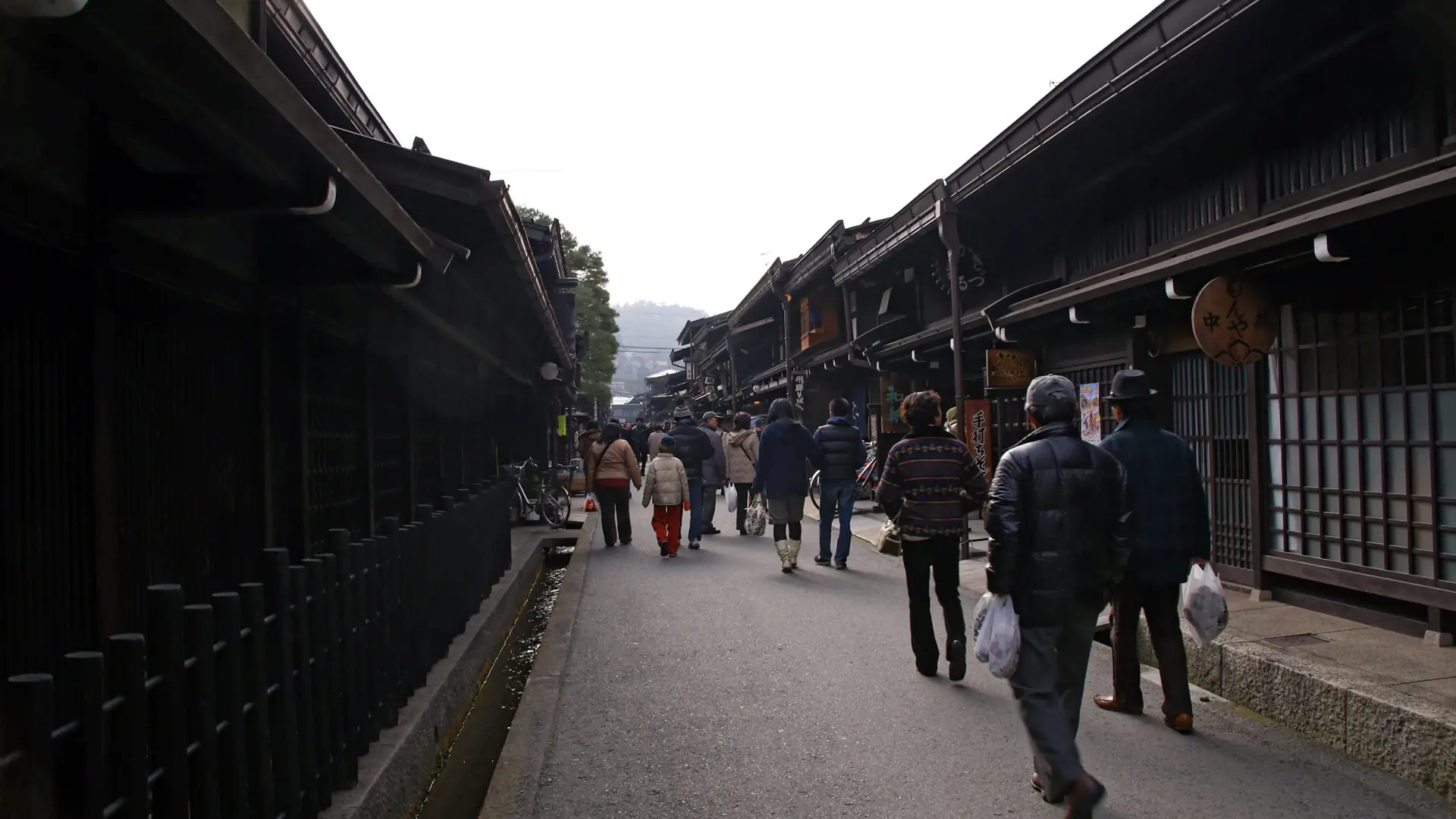 3
3
Hida architecture, morning markets and mountain food
Stay close enough to walk the preserved streets early, then give the second day to local history rather than an automatic distant excursion. Two nights reveal more than the storefront version seen on a hurried arrival afternoon.
Watch out: Bus seats can sell out and winter conditions alter road confidence.
 4
4
Temples, gardens, craft lineages and seasonal cuisine
Assign Fushimi, eastern Kyoto and the northwest their own time blocks, choosing only the areas that support your interests. Three nights provide two early starts and enough recovery time for a calm first encounter.
Watch out: Congestion punishes cross-city lists, especially at midday.
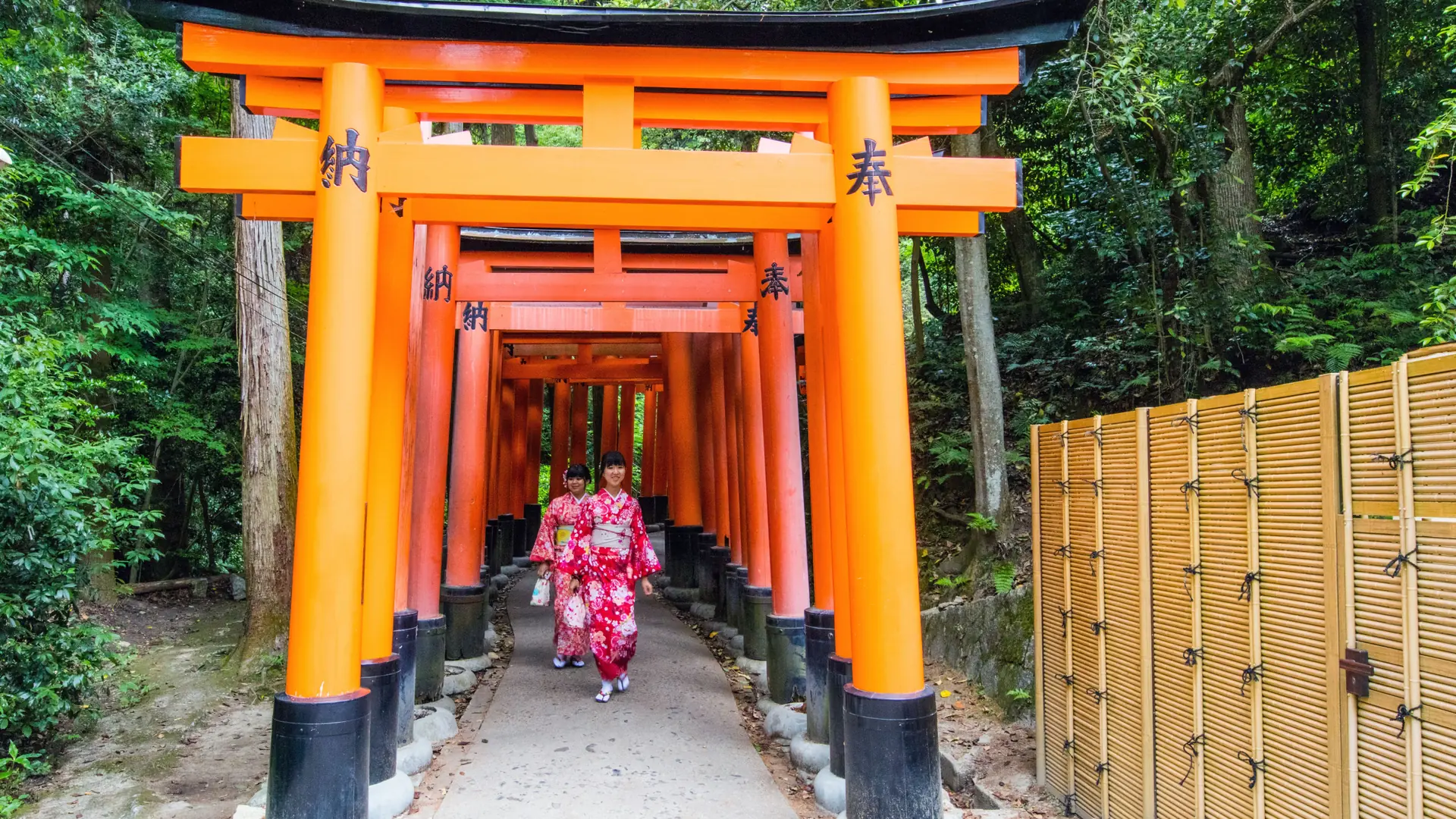
Read the Kyoto guide →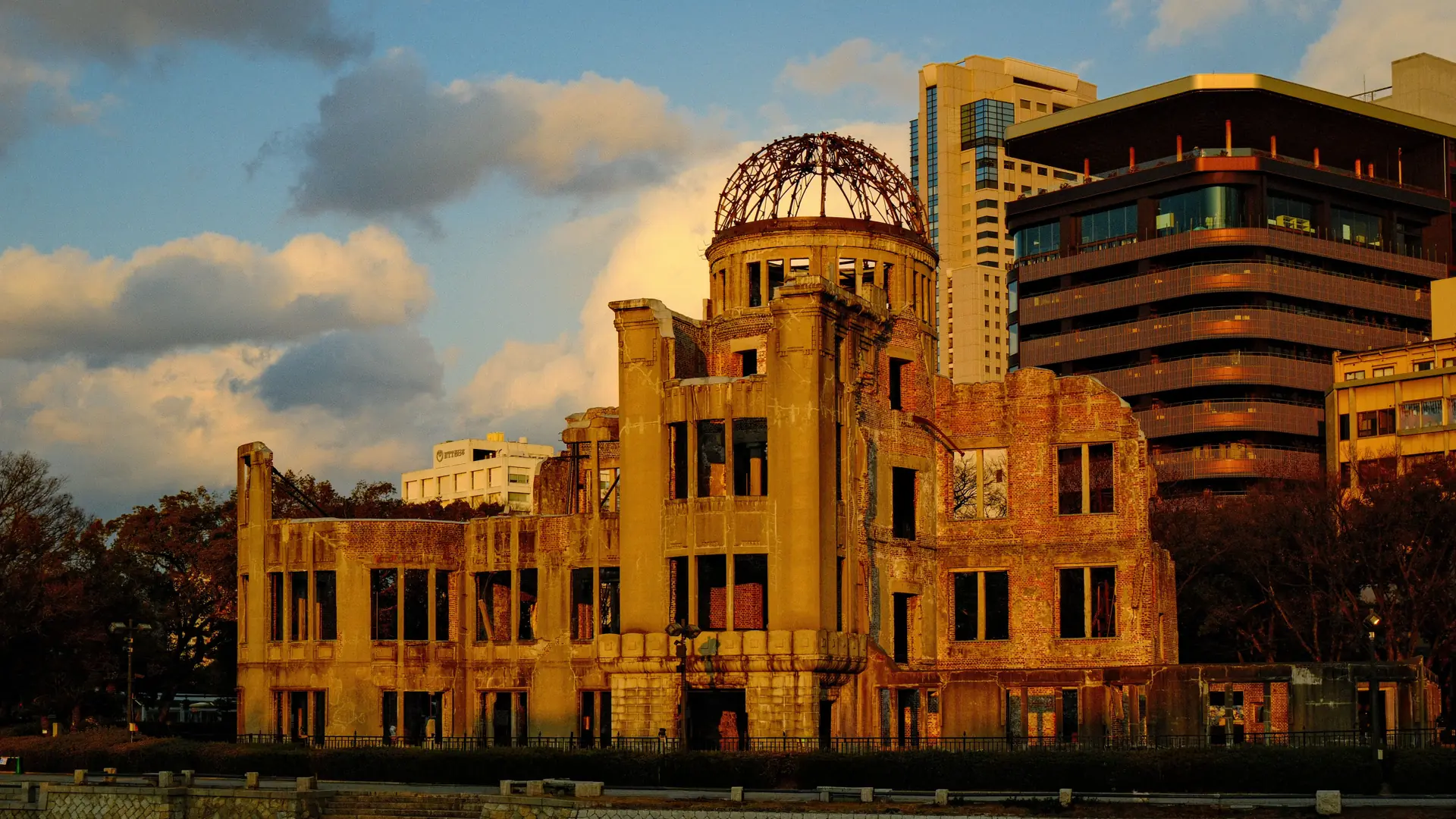 5
5
Modern history, regional food and access to Miyajima
Use separate days for the Peace Memorial area and Miyajima, with one arrival evening for the city’s food and rivers. Keeping those experiences apart gives both the memorial history and island logistics the time they require.
Watch out: Do not compress the memorial sites and island into the same day.
Read the Hiroshima guide →Each day has one geographic job. Transfer days stay deliberately lighter, while full days concentrate on the character that justified the overnight stop.
Morning: hotel check-in and a short local orientation. Midday: a river, garden or design street within walking distance. Later: an early dinner chosen near the room. Jet lag makes cross-city ambition expensive. The next two mornings matter more than an arrival-night trophy.
Base: Tokyo
Morning: Sensoji before its busiest period. Midday: Kappabashi, Ueno or Yanaka according to one clear interest. Later: a reserved meal on the same side of the city. One museum is more useful than three rushed entrances. The east has enough density to support a complete day.
Base: Tokyo
Morning: Meiji Jingu and its wooded approach. Midday: Omotesando architecture or a focused shopping appointment. Later: Shibuya when the skyline begins to glow. Forward the large case toward Kyoto or Hiroshima tonight. Walking continuity reveals the western districts better than station hopping.
Base: Tokyo
Morning: a measured Tokyo departure. Midday: hotel check-in followed by the castle perimeter. Later: a first seafood dinner near Omicho or the station. Avoid attaching a major Tokyo sight before the long move. Arrival with daylight makes the compact city immediately legible.
Base: Kanazawa
Morning: Kenrokuen near opening. Midday: one museum or private craft workshop. Later: Higashi Chaya after day visitors thin. Prebook any artisan access; it cannot be improvised like a market walk. Garden, art and historic streets form one compact cultural argument.
Base: Kanazawa
Morning: the reserved Kanazawa–Takayama connection. Midday: old-town lanes after hotel arrival. Later: a Hida beef or seasonal dinner booked at a realistic hour. Confirm the bus platform and luggage limits the previous evening. The rural transfer should not consume the town’s best light.
Base: Takayama
Morning: the Miyagawa morning market and preserved streets. Midday: the festival floats exhibition or a sake-focused visit. Later: a quiet second mountain-town evening. Skip Shirakawa-go unless it was deliberately substituted for this local day. Staying in town reveals more than collecting another bus excursion.
Base: Takayama
Morning: an early reserved departure from Takayama. Midday: the rail interchange and lunch planned around the actual timetable. Later: one Kyoto evening district near the hotel. This is the route’s longest operational day, so protect margins. A single decisive transfer preserves three useful Kyoto nights.
Base: Kyoto
Morning: Fushimi Inari at the start of service. Midday: Fushimi’s brewing quarter or Sanjusangendo. Later: a restrained Kamo River evening. Turn around on the mountain according to time and fitness. Southern rail geography keeps the day coherent.
Base: Kyoto
Morning: one major Higashiyama temple at opening. Midday: lanes, gardens and a specialist cultural visit. Later: Gion or Pontocho after a hotel pause. Use the city congestion forecast to swap this with tomorrow if needed. An early start and midday rest avoid the worst crowd compression.
Base: Kyoto
Morning: Arashiyama before coach groups or a northwest temple. Midday: a garden and riverside lunch without crossing town. Later: the Kyoto reservation saved for the final night. Do not add Nara to a day that already travels west. One geographic commitment creates time for observation.
Base: Kyoto
Morning: the direct intercity train after breakfast. Midday: hotel check-in and a river walk. Later: okonomiyaki at a counter that fits the evening. Do not begin the memorial museum if insufficient time remains. Arrival day establishes the modern city before its hardest history.
Base: Hiroshima
Morning: the park and museum without another timed attraction. Midday: a quiet lunch and one contextual neighbourhood. Later: a reflective riverfront evening. Allow emotional space and follow the museum’s current visitor guidance. The subject should never be squeezed between trains.
Base: Hiroshima
Morning: the ferry and shrine area with tide and weather checked. Midday: a trail, ropeway or quieter island lane chosen by conditions. Later: departure from Hiroshima or a final local dinner. Never promise the floating-torii effect without checking the tide. A separate island day protects both landscape and historical attention.
Base: Hiroshima
Rail, mountain buses and the Miyajima ferry form a coherent chain when the reserved departures and luggage plan are settled before travel.
4 transfers
Tokyo Kanazawa
Use the Hokuriku Shinkansen and choose a departure that preserves a useful Kanazawa evening rather than one last Tokyo crossing.
Booking note: Reserve the preferred train in busy seasons and forward luggage if continuing through rural Hida with a small bag.
Kanazawa Takayama
The direct road route may operate through Shirakawa-go; alternatives by rail are longer and depend on interchanges.
Booking note: Consult the current Nohi timetable and reserve the useful sector before committing to same-day appointments.
Takayama Kyoto
Travel by limited express toward Nagoya and change for the Tokaido Shinkansen, keeping a sensible interchange margin.
Booking note: Reserve the limited rural departure and the long-distance seat; do not rely on a last connection.
Kyoto Hiroshima
A Shinkansen connection moves west efficiently, though the exact itinerary may require changing at Shin-Osaka.
Booking note: Check the named train and baggage arrangement when buying seats.
Timetables, seat rules, baggage policies and seasonal bus operations change. Confirm every leg with the named operator close to departure.
The route rewards selective luxury: a craft expert, a strong Takayama inn and useful luggage forwarding have more impact than premium transport on every city day.
Booking tips
Compare live Kyoto stays by access to the districts you will visit before crowds build, not by a generic city-centre label.
The route line shows why Kanazawa and Takayama belong together and why Hiroshima works as the final three-night base.
Kyoto
Yes for this disciplined five-base line. It is not enough to add Hakone, Osaka, Nara and the Alpine Route without losing the depth the extra week was meant to create.
Only as a planned substitution or stop with reserved transport. The village is not a frictionless pause, and adding it can reduce Takayama to an evening.
Send the main case ahead to Kyoto and carry essentials for Kanazawa and Takayama, confirming delivery timing with both hotels.
They can physically fit, but this itinerary separates them so neither the ferry nor the museum experience is rushed.
No. Price the named long journeys and the separately operated bus before comparing any pass; convenience may still matter, but the calculation should use current fares.
Reviewed by StartBooker editorial Japan regional itinerary editor
Last checked 2026-09-13
How this route was checked: Sixteen reachable sources across destination offices, transport operators and independent travel publishers were checked. First-party pages control transport and visitor constraints; independent routes were used to test pace and omissions.
18 references reviewed
Photos provided by Pexels.
Choose a complete route with the stops, transport and overnight plan already mapped out.
Which regional stop justified two nights?
_in_Kenrokuen_garden,_Kanazawa,_Japan_(2621644979).jpg)
